The Complications
Most houses in Alvarado went up around 1986
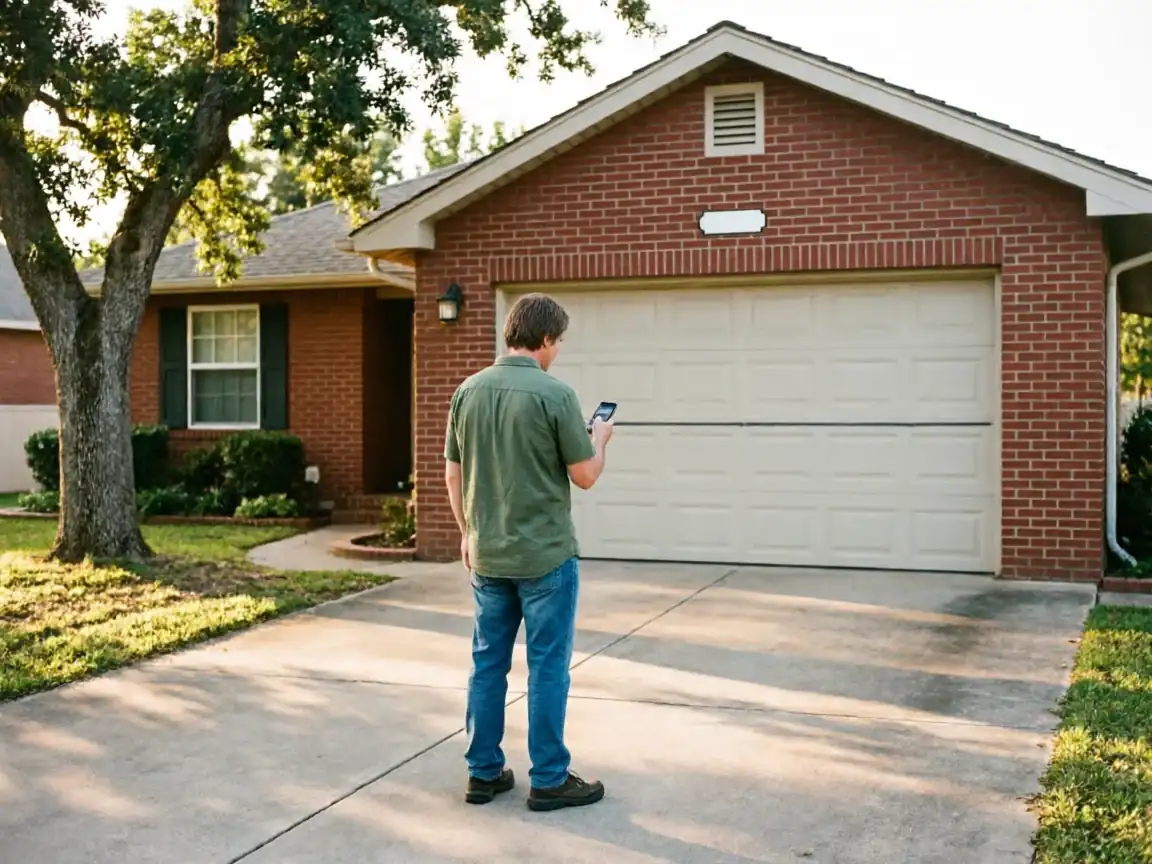
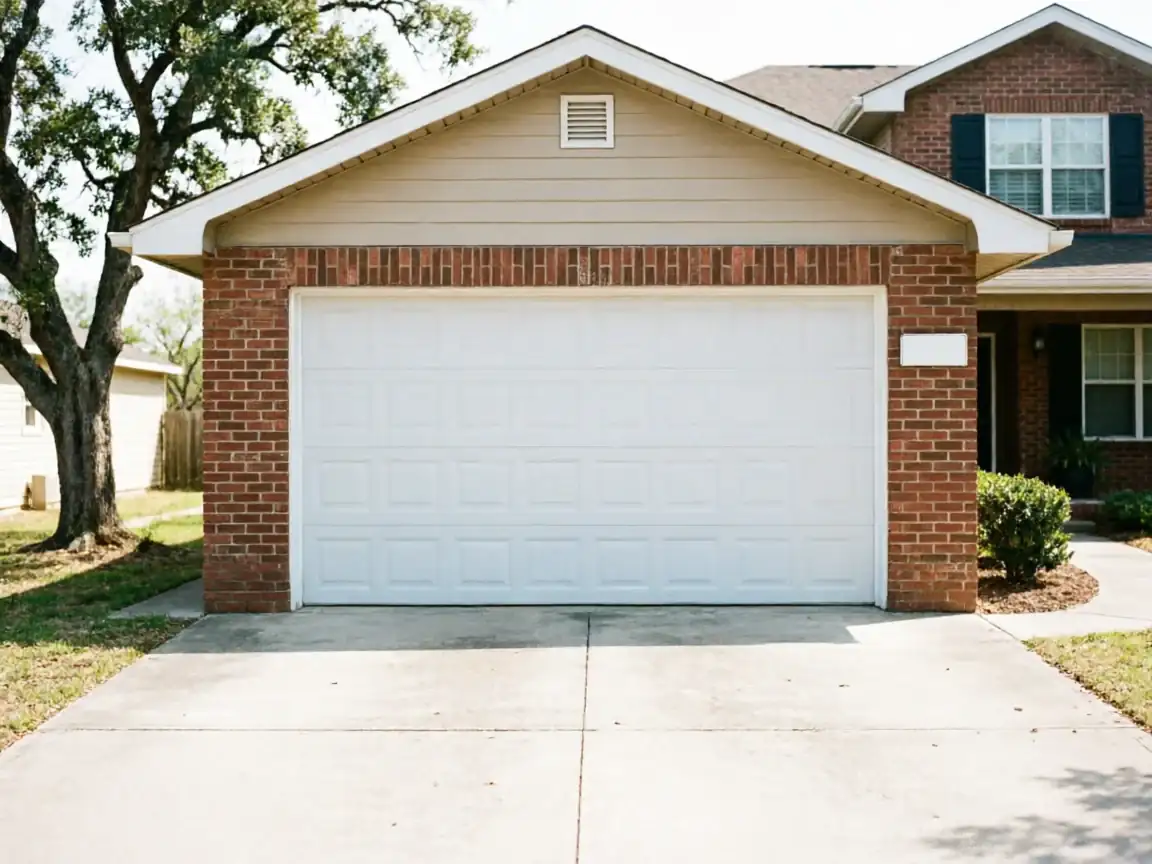
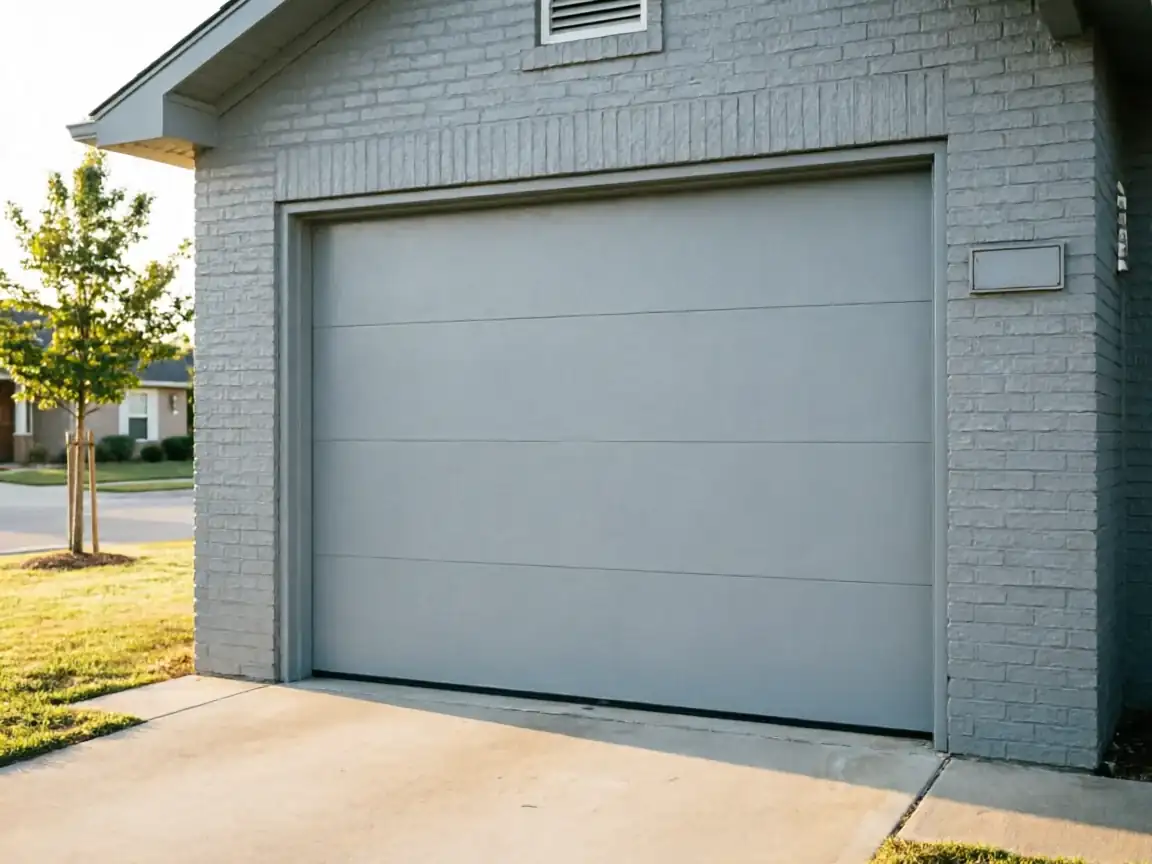
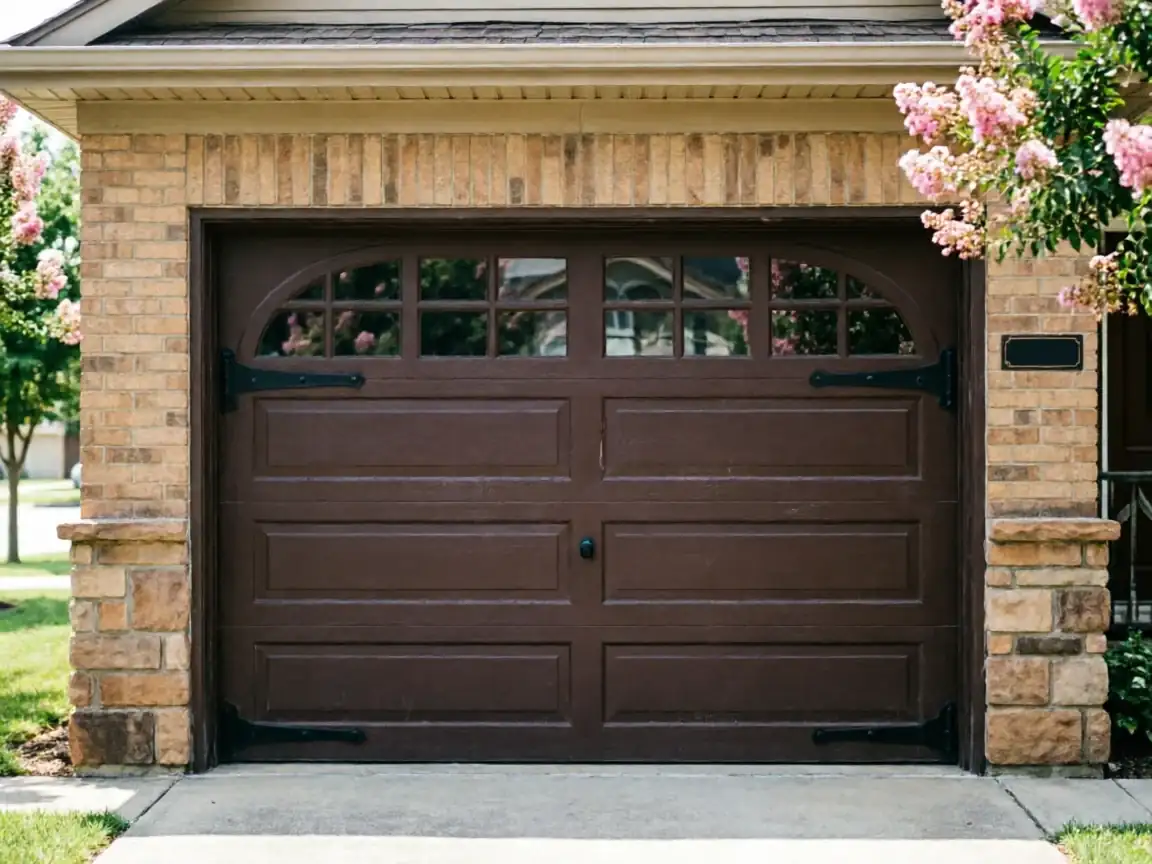
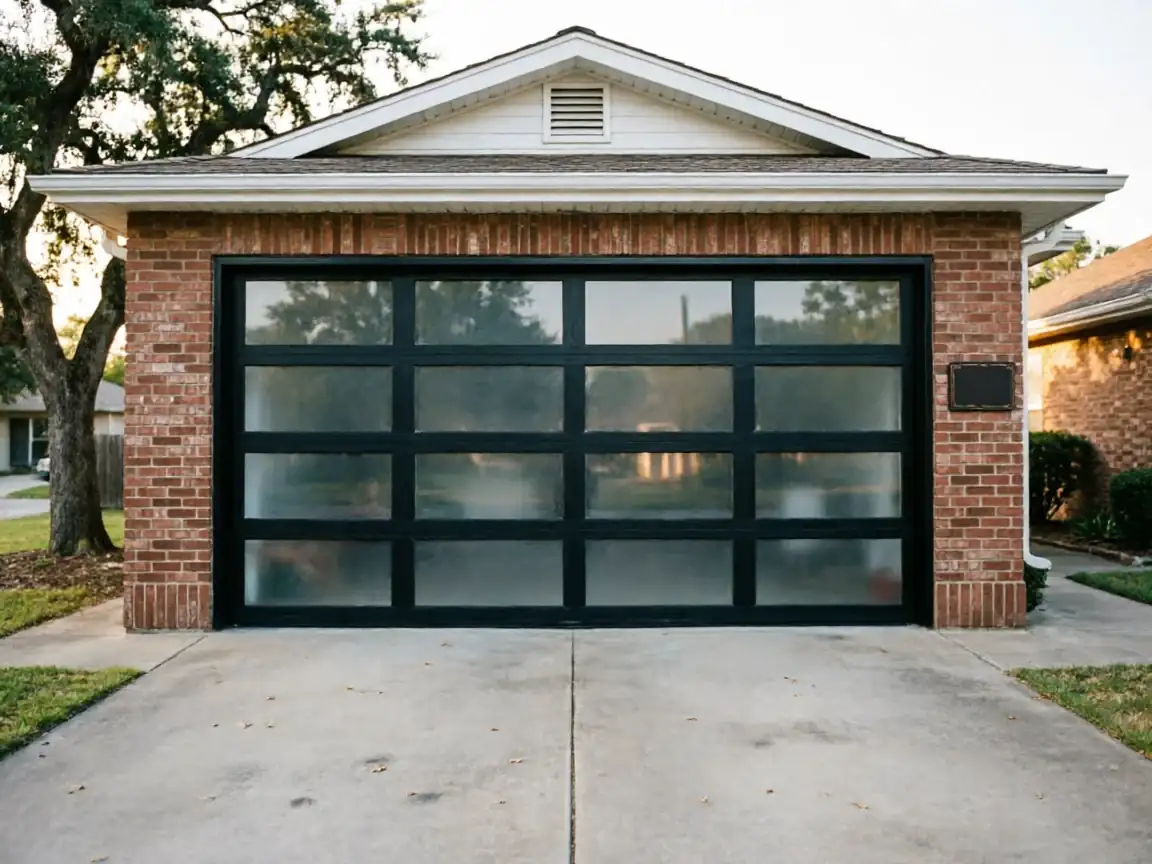
Which puts a lot of garage doors here at the age where the springs, rollers, and sometimes the whole opener are whatever the builder put in. Nobody's pulled a permit to replace a torsion spring that hasn't failed yet, so if your door is original to the house, you're running 30-plus-year-old steel that's due. With roughly 1,653 households in Alvarado, that's a lot of garages still on first-generation hardware nobody thought to swap out.
- 1,653 households
The giveaway is usually the opener, not the spring
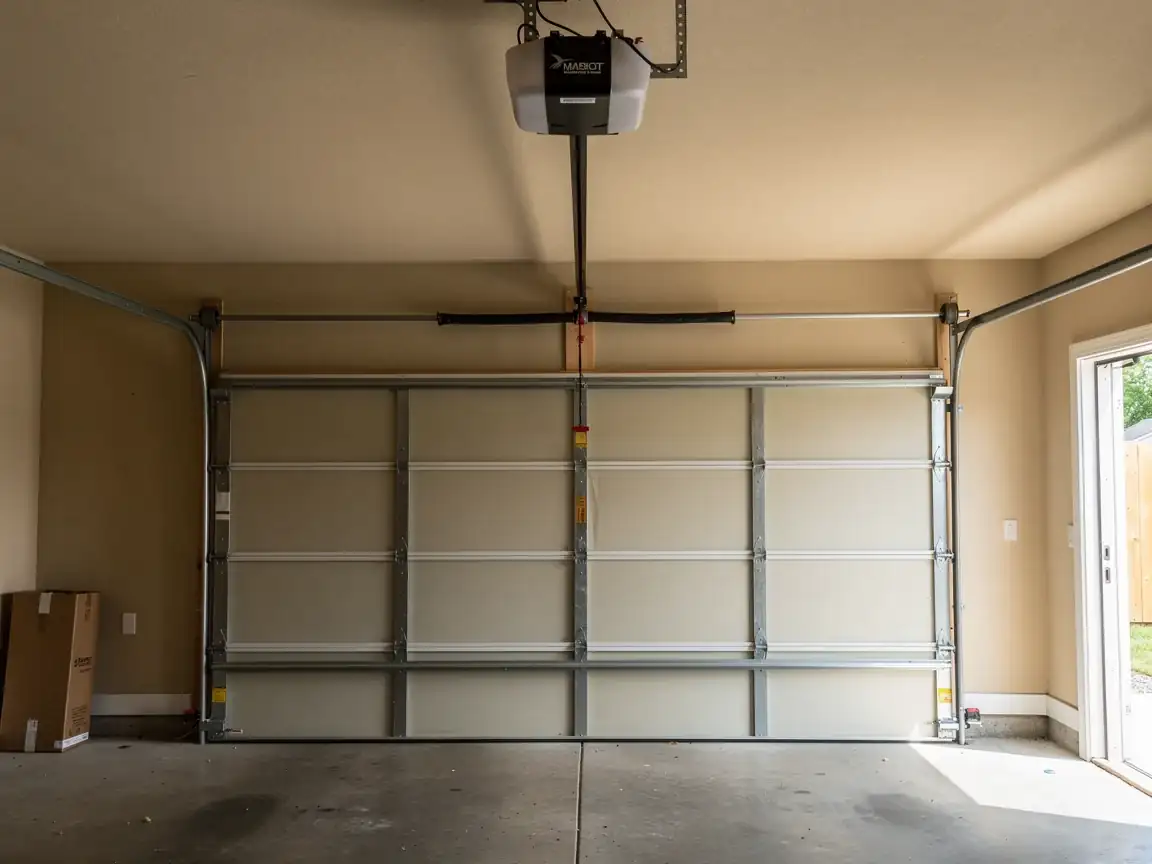
A chain-drive unit from the mid-80s doesn't fail quietly - it grinds, it stutters, or it just stops answering the remote. But the spring underneath it is the part that actually hurts someone if it lets go while a kid's bike is under the door. Original cables on original drums are the other thing we see a lot of out this way: fine until they're not, and they don't give much warning.
We're 10 miles out from our Burleson base to reach Alvarado
Which doesn't change the diagnosis - it just means we roll a truck loaded for 1980s hardware, not guesswork.
- 10 miles
Why This Fails Locally
A door built for an $85,625-median-income service area in the 1980s-2010s range isn't automatically the door sitting in your garage. Alvarado's median household income runs closer to $71,296, and the housing stock here leans toward that same mid-80s build window rather than the newer end of the 1953-2014 range we see elsewhere in the area. That matters because builder-grade doors from that era were spec'd to a price point, not to last forever - thinner panel steel, lighter-gauge track, and hardware sized for the door's original weight, not whatever heavier insulated replacement panel someone bolted on later.
Heat is the other factor. This region sits in a moderate heat band, which isn't brutal, but it's enough over three decades to dry out lubrication, warp wood-composite panels if the door has any, and work harden springs faster than a cooler climate would. None of that is dramatic on its own. Stacked up on a 1986-era door that's never been serviced, it adds up to the kind of failure that looks sudden but isn't.
Getting It Booked In
We run jobs in Alvarado out of our Burleson shop, about 10 miles from most of the town. That distance doesn't change what we bring - it just means we load the truck based on what you tell us over the phone: door age, whether it's ever been serviced, and what's actually happening (won't open, won't close, off track, loud). Original-hardware doors from the 1980s often need parts we don't carry stock sizes for on every truck, so a clear description up front saves a second trip.
We don't keep a branch in Alvarado, so there's no walk-in counter - everything starts with a call to schedule the visit from Burleson.
What the Repair Takes
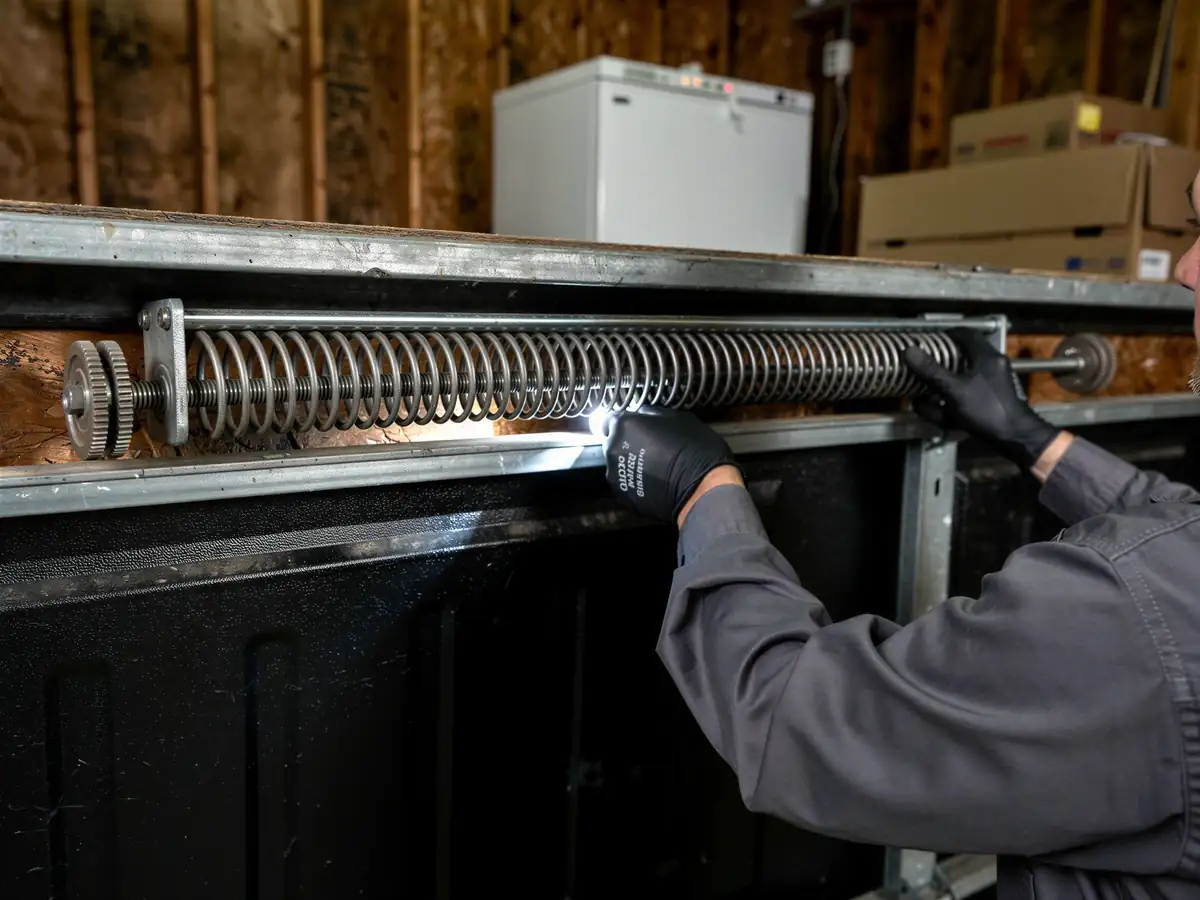
On a door that's original to a mid-80s Alvarado build, the first thing we check is spring cycle wear
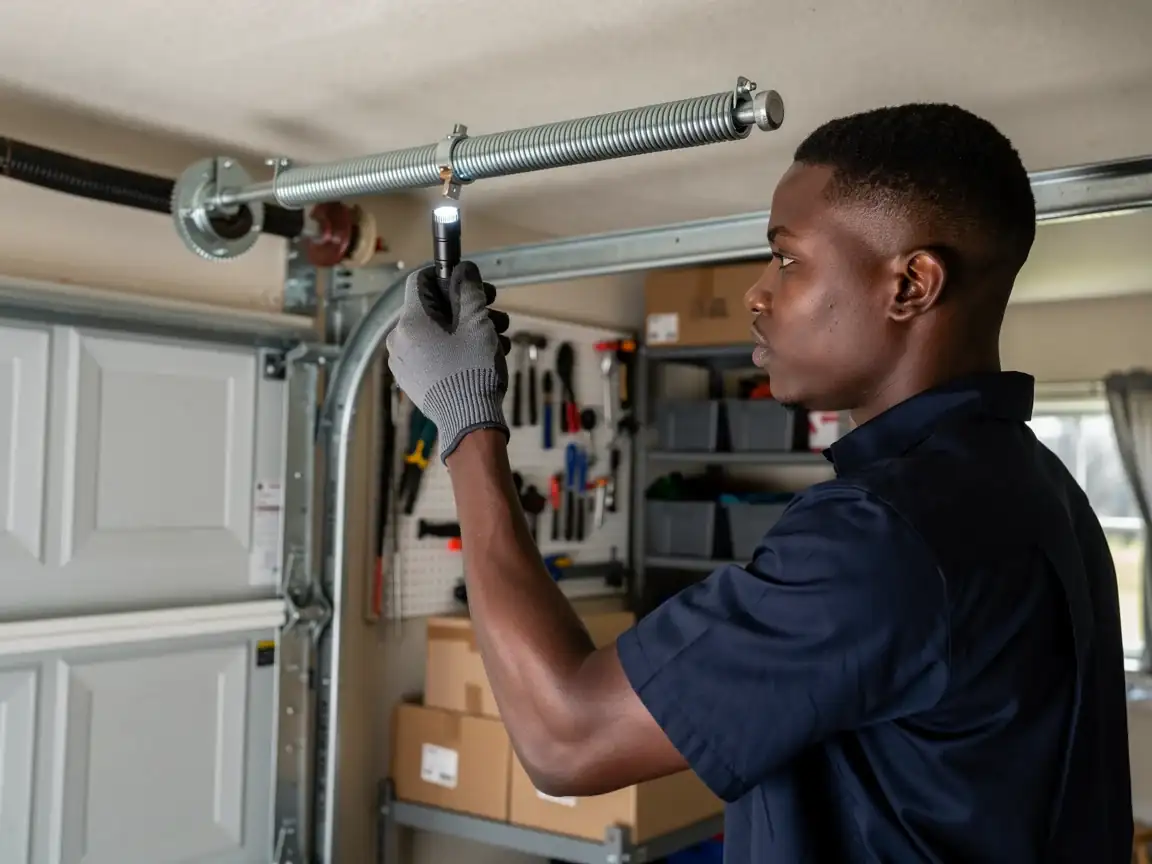
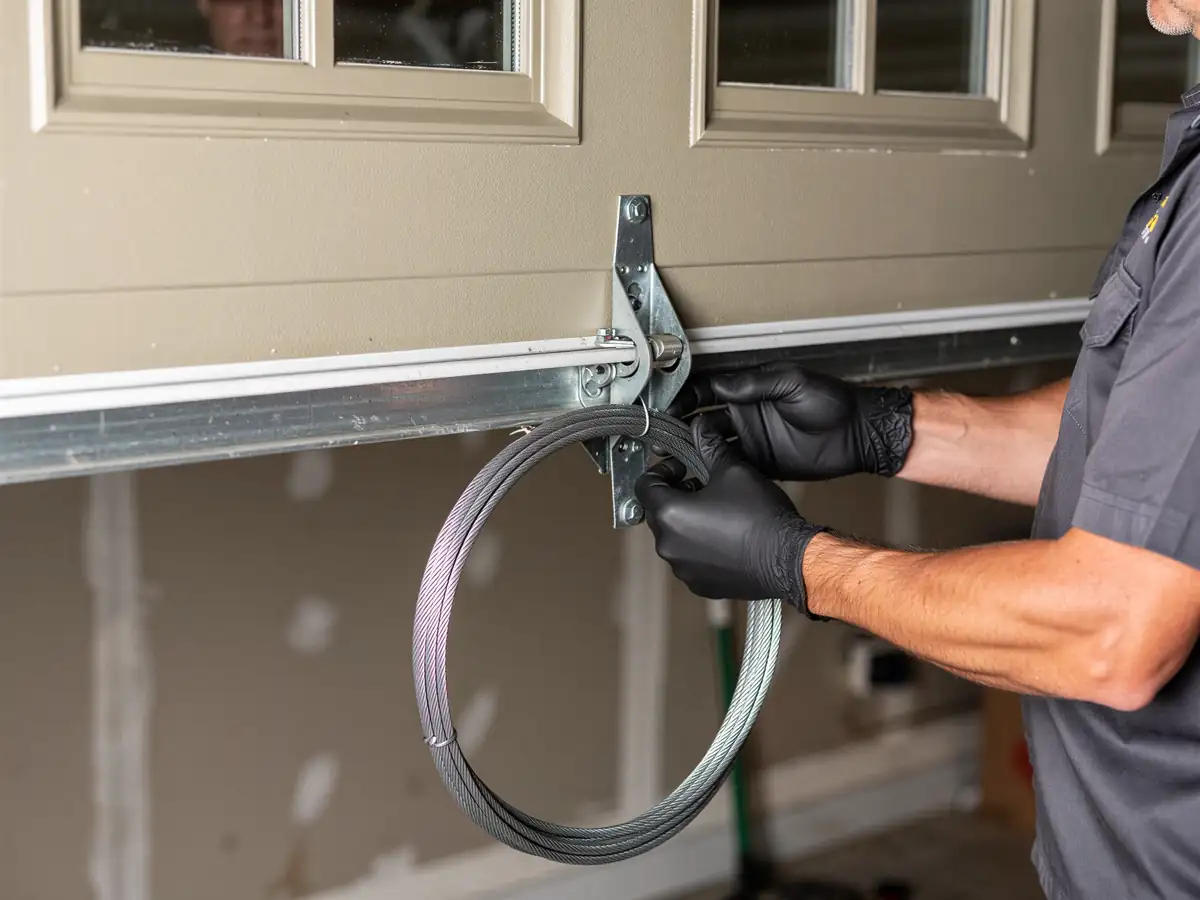
Not just whether it's broken, but how the galvanizing looks and whether the wind count matches what a door this age and weight should carry. Cables and drums get checked together, since original cable on a worn drum is a common combination out here and replacing one without the other is a callback waiting to happen.
If the opener's original, we're honest about the ceiling
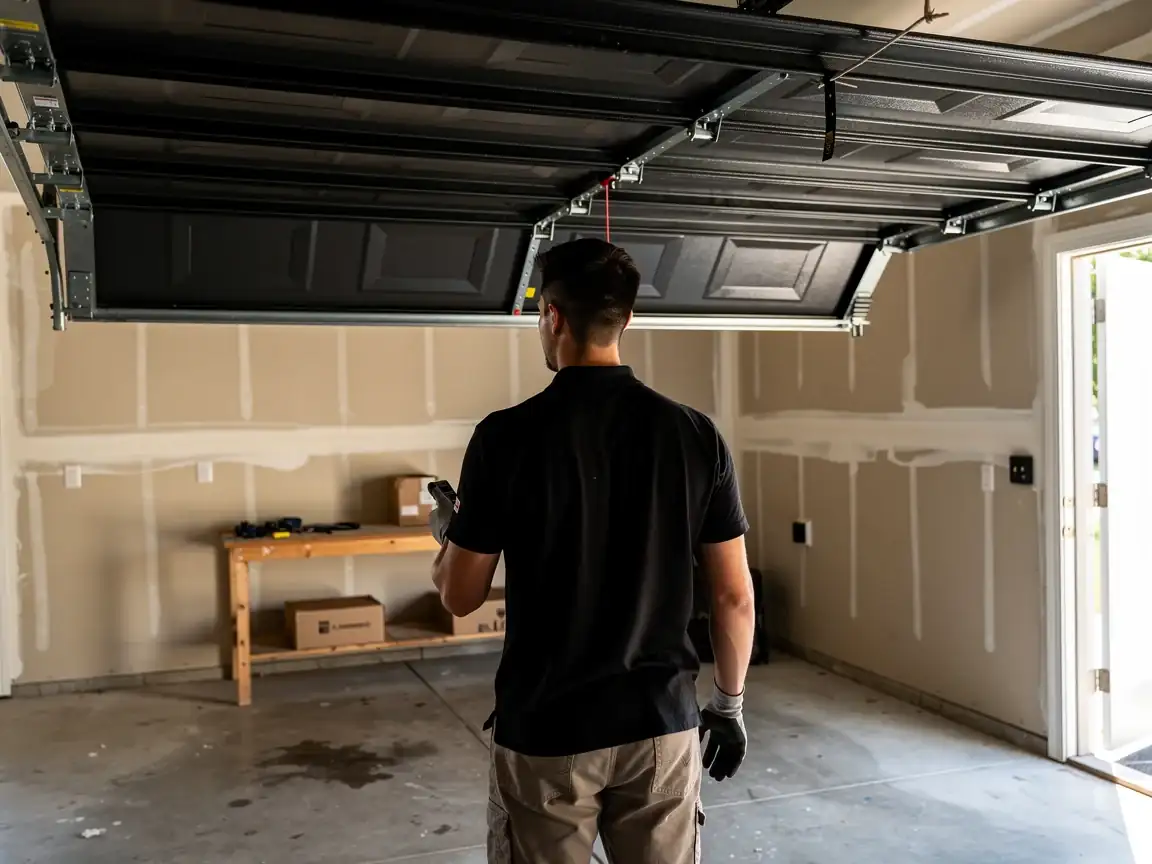
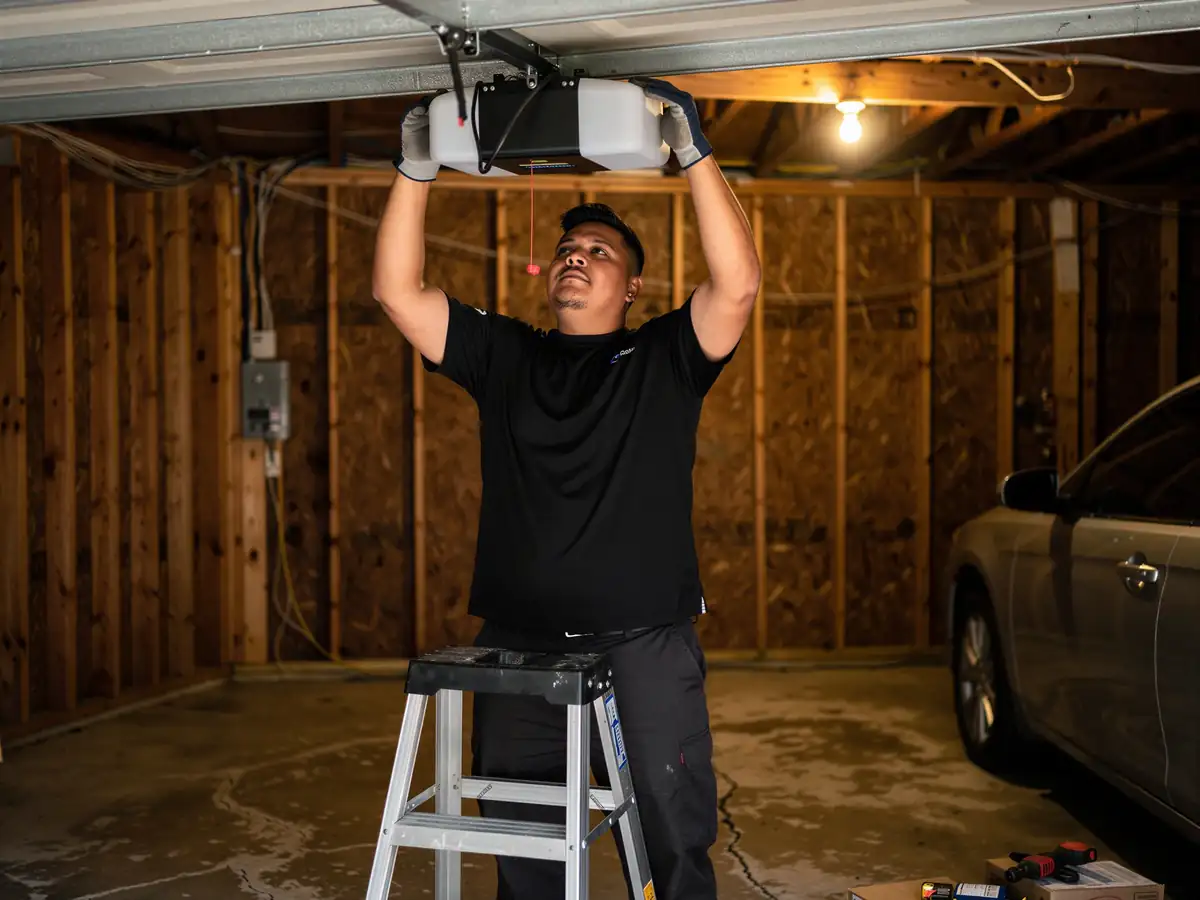
A chain-drive unit from that era has no safety reversal sensors worth trusting, and parts for it stopped being made years ago. Sometimes the right repair is a new opener, not a fix. That's not us upselling - it's that some original equipment simply isn't serviceable anymore, and telling you that upfront beats charging you for a patch that won't hold.
Parts We Carry
For doors from the 1980s-90s stock common across this area, we carry standard torsion springs sized for single and double residential doors, galvanized cable, and rollers in both nylon and steel. Track sections for the common residential widths are on the truck, along with the hardware to re-square a door that's walked off its rail over the years.
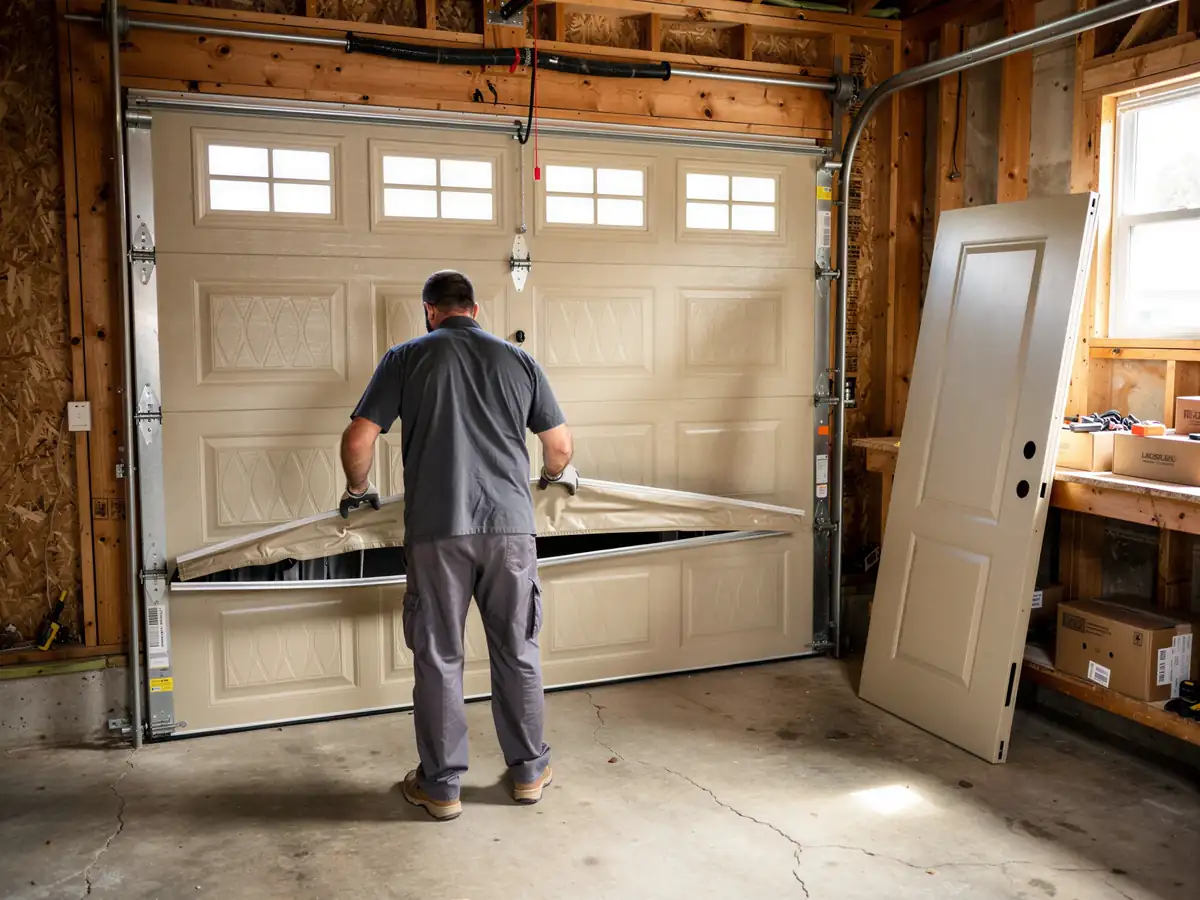
What we don't carry on every run is a replacement panel matched to a specific original door profile - those are often special order once we know the manufacturer and the exact panel style, and lead time depends on what's still in production. If your door needs a cosmetic panel match rather than a working repair, we'll tell you that before we quote the job, not after.