Serving Burleson, TX & nearby
(817) 985-1289
Burleson, TX

What That Sound Coming From Your Garage Door Actually Means

Burleson garage doors mostly date to 1980s-90s builds. Here's which squeaks and bangs are normal, and which signal a spring or opener about to fail soon.

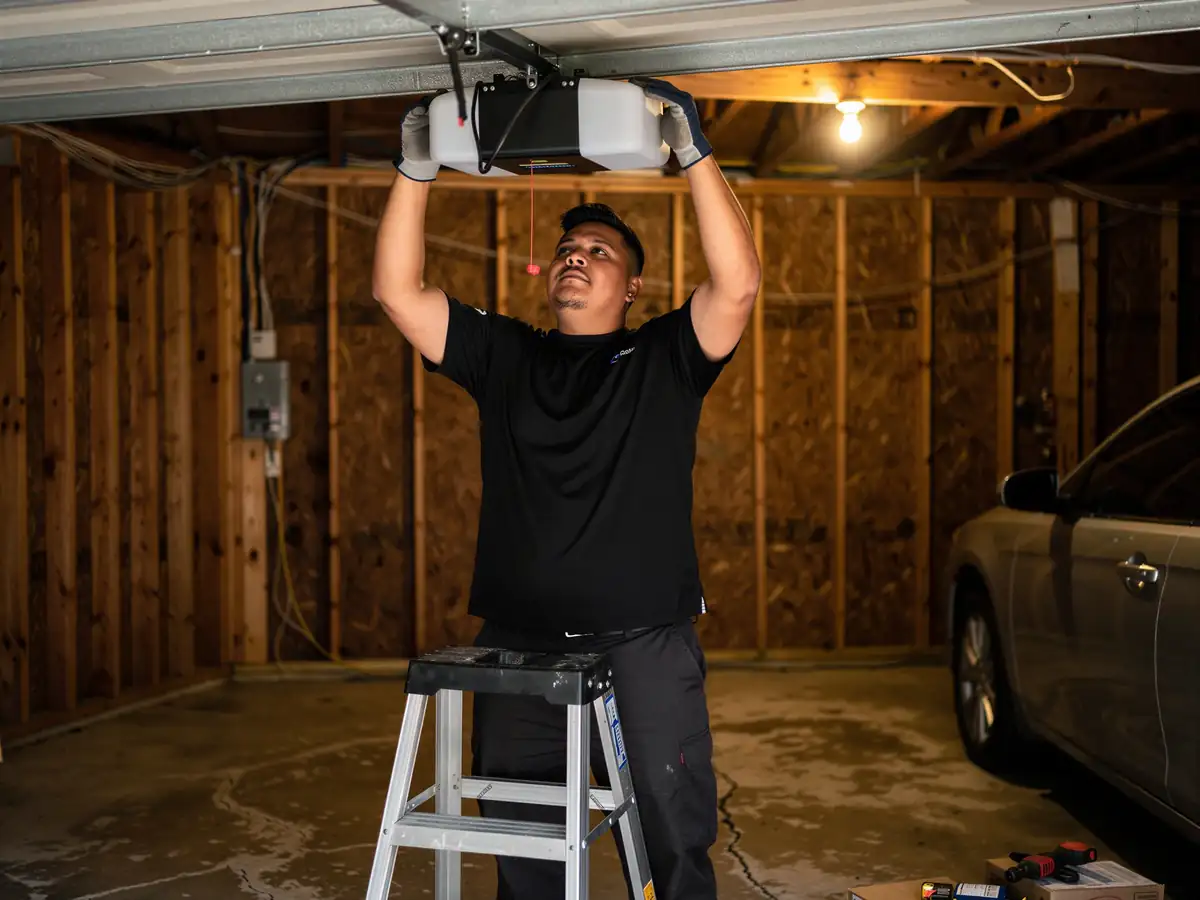
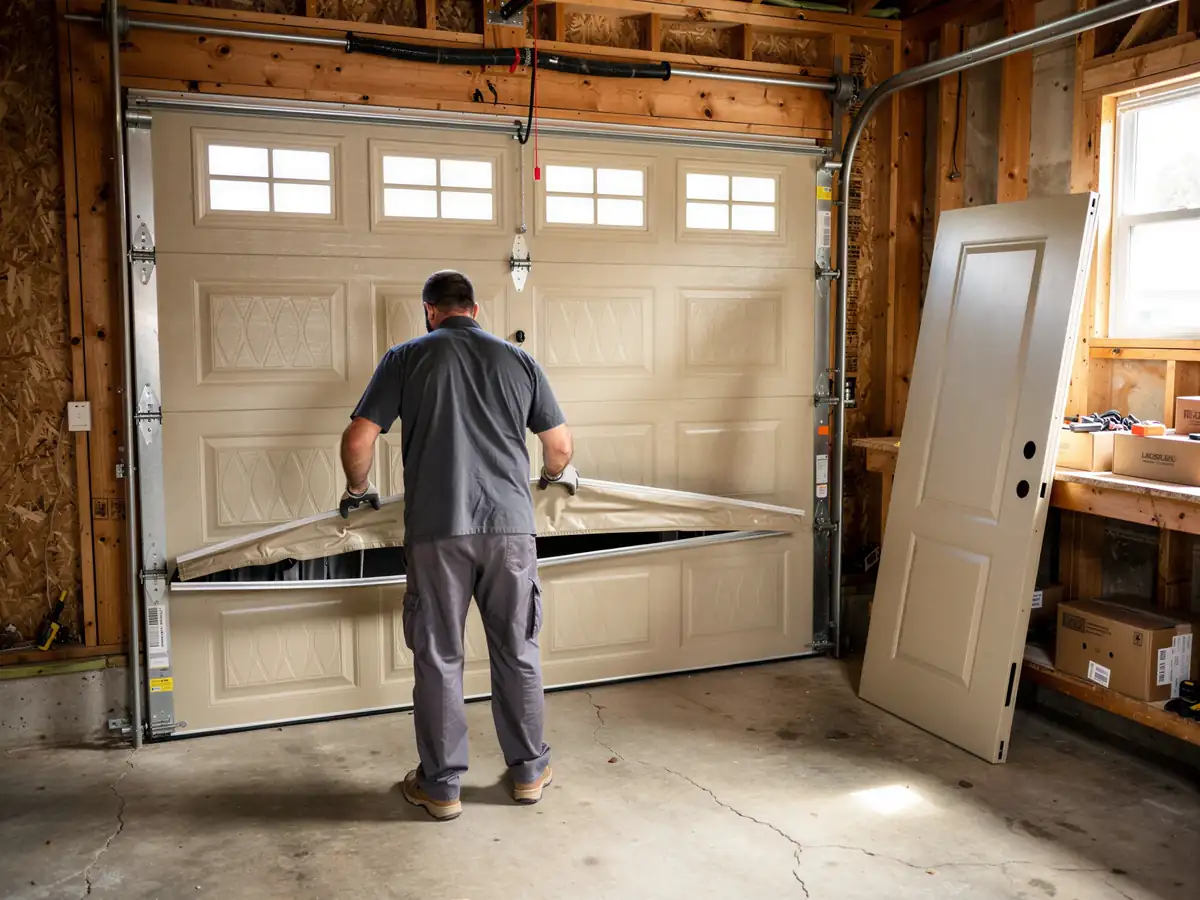
A technician stands in a garage with a partially open garage door.

When Waiting Is Fine

Not every noise is a call-us noise. A chain-drive opener rattles the ceiling joist a little every time it starts and stops - that's just slack in the chain, not damage. Nylon rollers squeak when the grease has thinned out, and a shot of the right lubricant on the roller stems and hinges usually quiets it down for months. Houses in this area built anywhere from 1953 through 2014, with the median landing around 1986, carry a wide mix of roller types, and plenty of them are original steel rollers on steel track, which run louder than the nylon rollers more common in newer installs. If the sound is a steady, even squeak that happens on every cycle and doesn't change pitch or get worse week to week, it's wear, not failure. Leave it, lubricate it twice a year, and move on with your day. The one thing worth watching even in this category: if a quiet door suddenly gets loud after sitting fine for years, something shifted, even if it's still working.

The Situation

This service area covers a wide spread of housing vintages, from homes built in the early 1950s up through builds finished in 2014, but the bulk of what's out there - across the roughly 19 named areas the company covers - is 1980s and 90s stock. That matters for noise diagnosis because a door's hardware tells you its age better than the house does. A torsion spring installed when a house went up in the mid-80s is well past any reasonable service life today, and a worn spring makes a different sound than a worn roller: a deeper creak or a single loud bang right before it lets go, rather than a steady squeak. With 38,391 owner-occupied houses across the broader service area, a sizable share of those doors are running original or first-replacement hardware from that same era. The practical upshot: if you bought the house and don't know when the door or opener was last serviced, assume it's older than you think, and treat a new sound as information rather than background noise.

What the Weather Here Does to It

This area sits in a moderate-heat climate band, which means summer temperatures put real stress on the metal in a garage door system without the extreme swings that crack track in colder regions. What that looks like in practice: a steel track bolted to the frame expands slightly as the garage heats up through the afternoon, and you'll hear a tick or a soft pop as it moves against the roller brackets. That's normal thermal movement, and it usually settles down once the sun's off the door and the garage cools in the evening. The bigger issue is what heat does to lubricant over a full season - grease on rollers and the torsion spring itself dries out and stiffens faster here than it would in a cooler climate, and dried-out lubricant is what turns a quiet roller into a grinding one. A door that only gets noisy in the hottest part of the day is usually a lubrication problem, not a parts problem. A door that's noisy no matter the temperature has moved past the weather and into wear.
When It Stops Being a DIY Job

A torsion spring under tension is not a homeowner repair, full stop - that's true regardless of what noise led you here, and it's the one limitation worth stating plainly: we don't recommend attempting spring work yourself even if you're handy, because the tension involved can cause real injury. Past that, here's the line. A grinding noise that gets louder over a week, a loud bang followed by the door refusing to open, a cable that looks frayed or has come off its drum, or a door that drops suddenly partway through a cycle - those are calls, not maintenance items. Given how much of the hardware in this area dates back to 1980s and 90s builds, a lot of these calls turn out to be a spring at or past the end of its life rather than something that can be lubricated back into shape. If your door is still under original hardware from a mid-80s build and it's started making a new sound in the last month, that timing isn't a coincidence.

How it works

From “it’s stuck” to “it’s fixed”

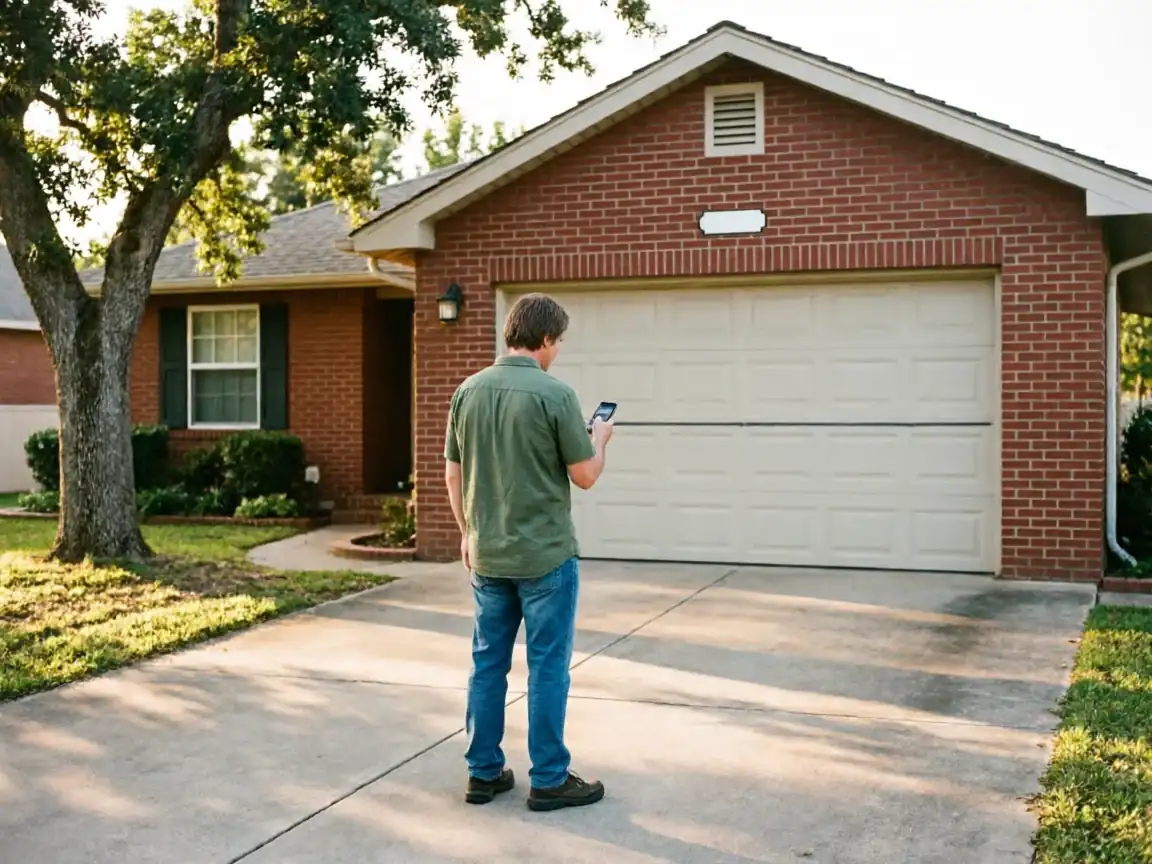
A man stands in a driveway, looking at his phone in front of a garage door.

Tell us what’s wrong

Describe the symptom - won’t open, loud bang, opener runs but the door won’t move.

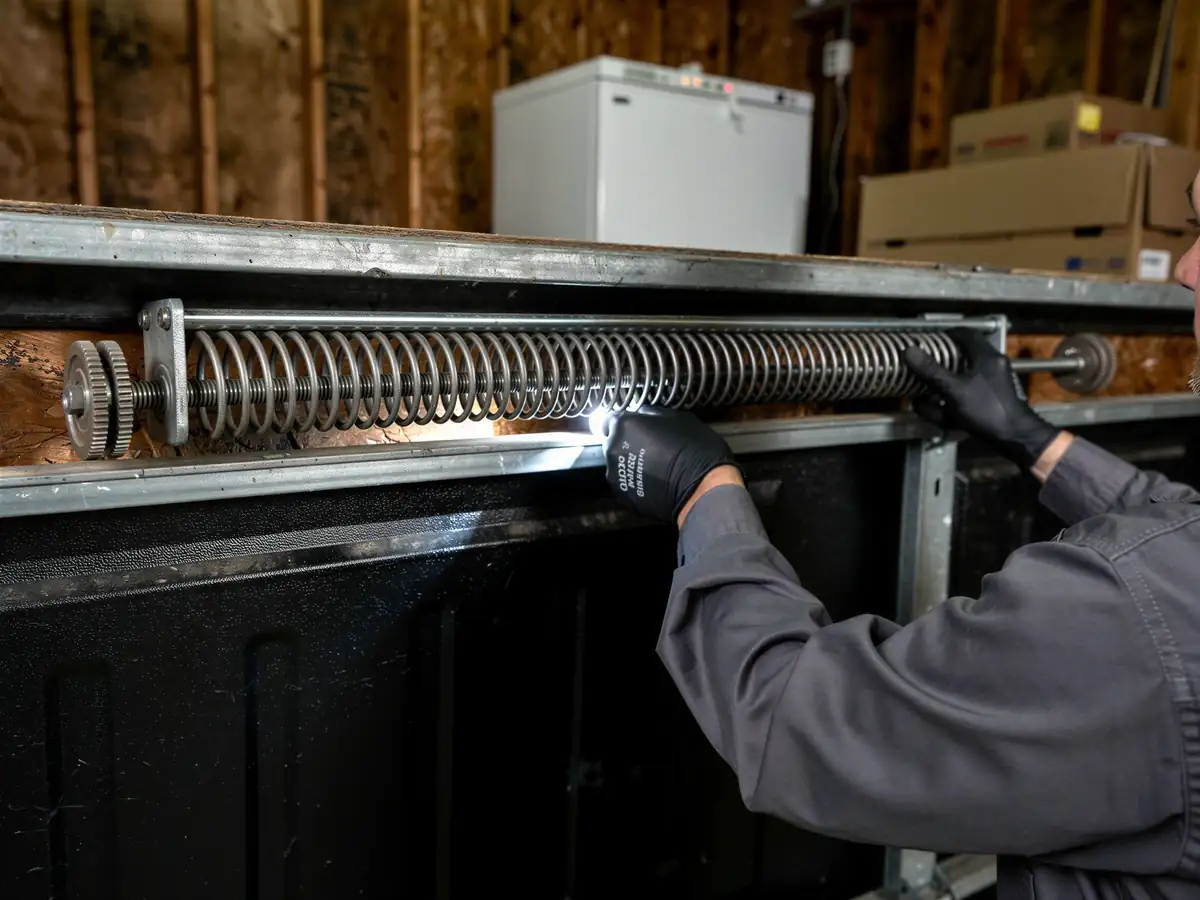
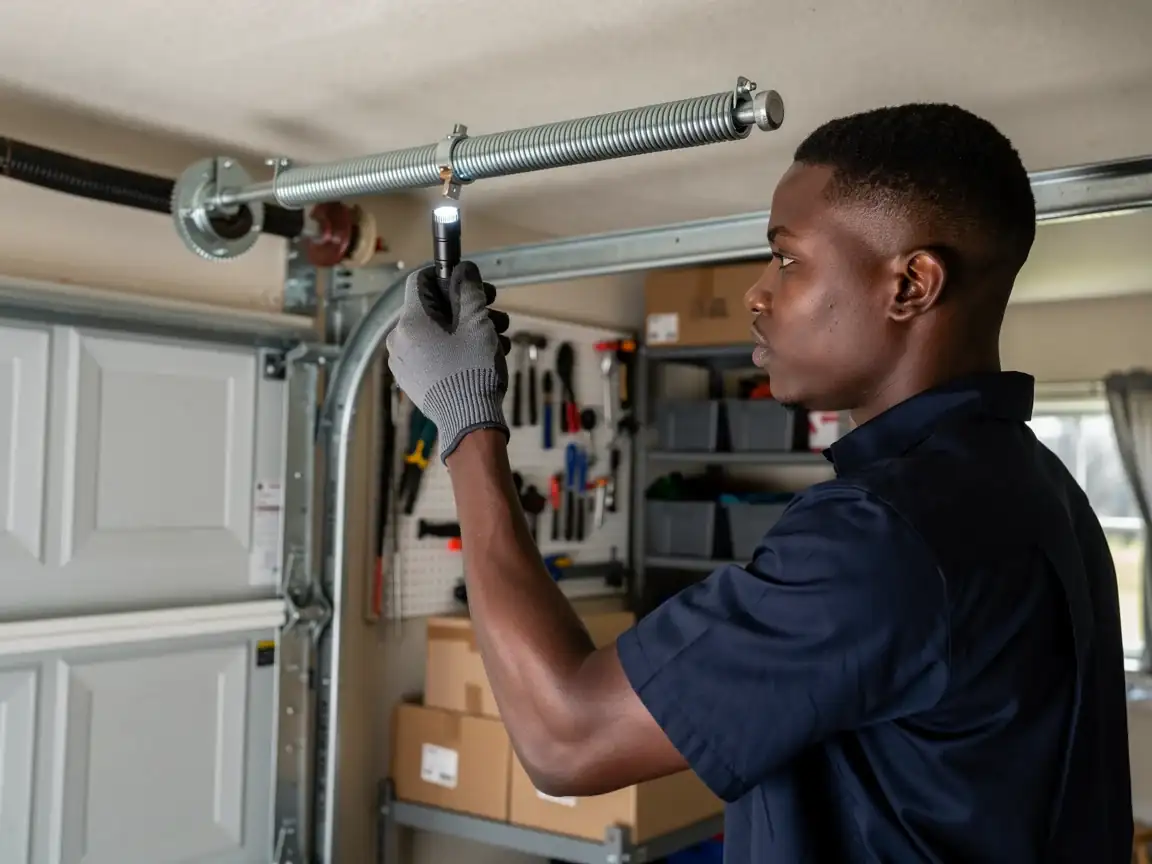
A technician in a dark blue shirt inspects a garage door torsion spring with a flashlight.

On-site diagnosis

A technician tests the door under power and by hand and finds what actually failed.

A technician wearing work gloves talks to a woman in front of a brick house.

Clear, up-front plan

You get the fix that’s needed and what drives the cost - before any work starts.

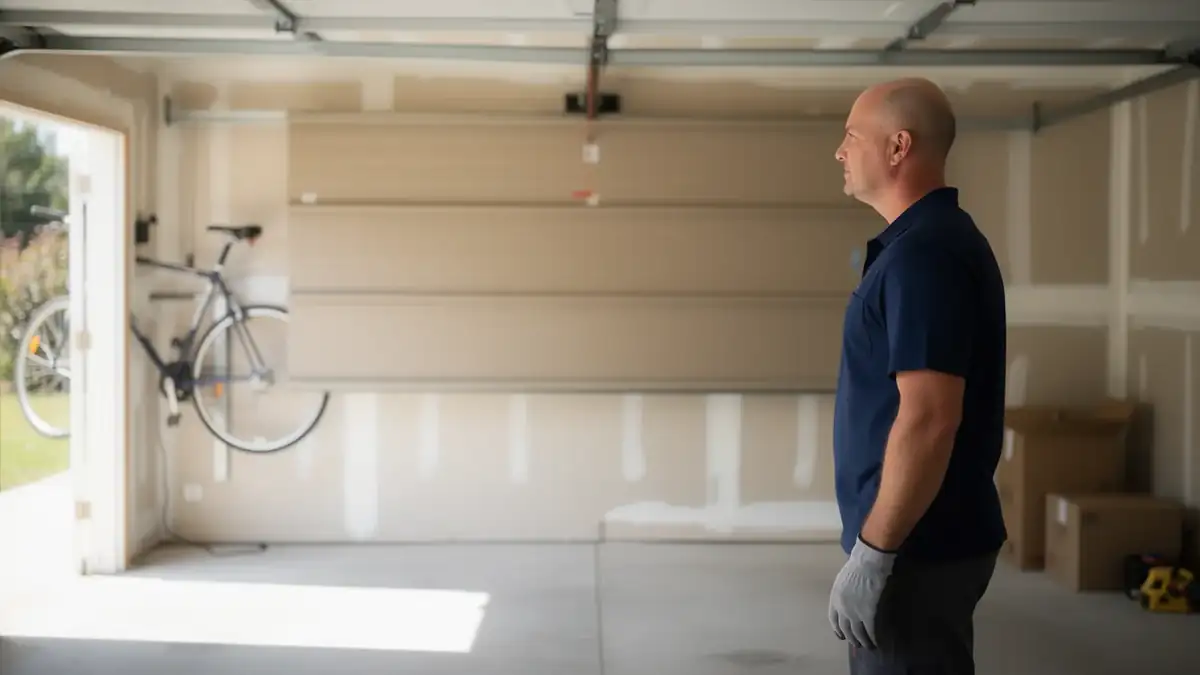
A technician stands in a garage looking at an open black garage door.

Repaired & tested

The repair is done, the door is set true and tested, and the work area left clean.

Not sure which repair your door needs in Burleson, TX? Describe what it’s doing - every job starts with a diagnosis.

How we work

What to expect

Diagnosis firstEvery visit starts by finding what actually failed - not a pre-written parts list.
The right part for the doorSprings and openers matched to the door’s weight and age, so the fix holds up.
Straight answersWhen a repair makes more sense than a replacement - or the reverse - you hear it plainly.
Clean, careful workTension released safely, hardware set true, the door tested under power before we leave.
What we do

Garage Door Services

Repair and installation work for Burleson homes and businesses.

Questions

Frequently asked

Straight answers about garage door repair in Burleson. Still unsure? Ask us directly.

My garage door squeaks every time it opens but still works fine. Do I need to call someone?

Not necessarily. A steady squeak on every cycle is usually dry rollers or hinges, which you can fix yourself with a garage door lubricant on the moving metal parts. Call if the squeak turns into a grind, gets noticeably louder week over week, or the door starts hesitating partway through its cycle.

Why does my garage door make popping sounds in the afternoon but not in the morning?

That's thermal movement. As the metal track heats up through the day in our moderate-heat climate, it expands slightly against the roller brackets and ticks or pops. It typically quiets down once the sun is off the garage and temperatures drop in the evening. If it's loud at every hour, that's a different problem.

How do I know if a noise means my spring is about to break?

A spring nearing failure often makes a deep creak or groan rather than a sharp squeak, sometimes followed by a single loud bang. If your home was built in the 1980s or 90s and the spring has never been replaced, age alone makes failure more likely. Don't inspect or adjust the spring yourself - call for that one.

Ready to get your garage door sorted?

Tell us what it’s doing and where you are in Burleson - we’ll take it from there.

Request a QuoteCall