The Situation
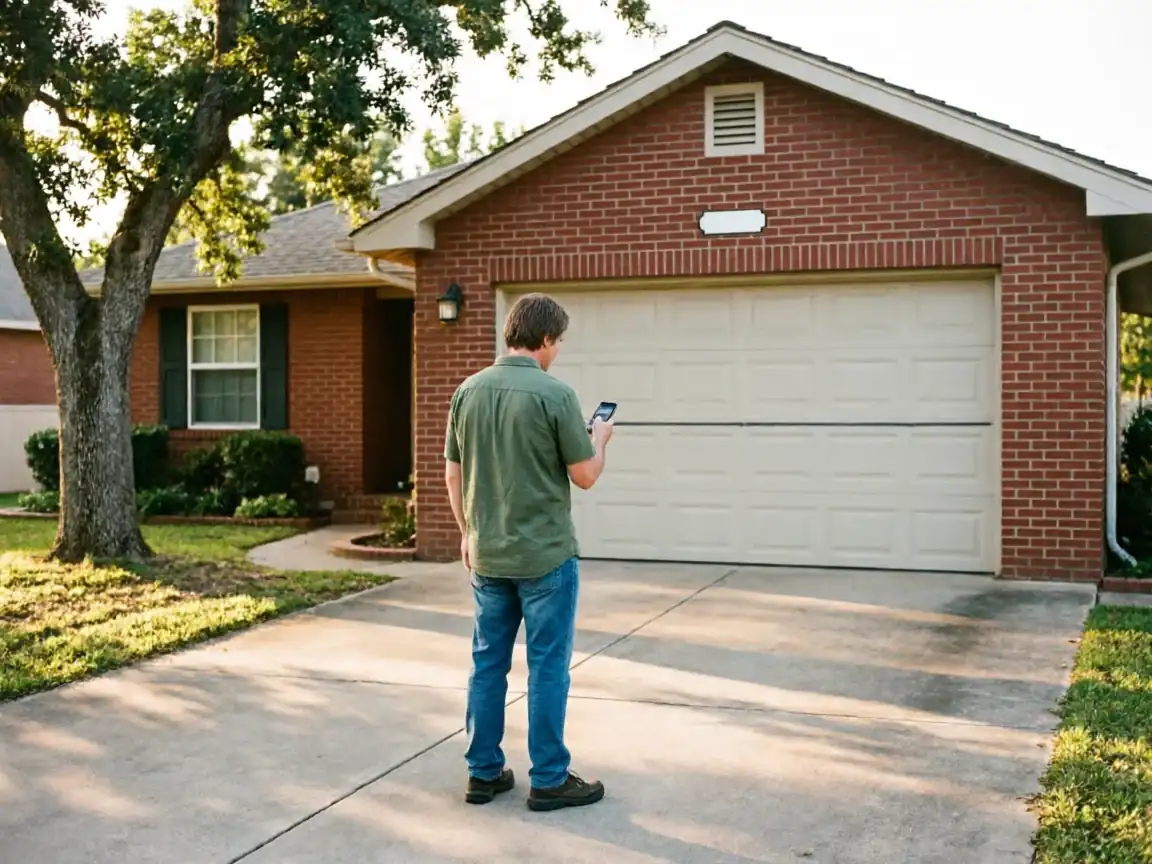
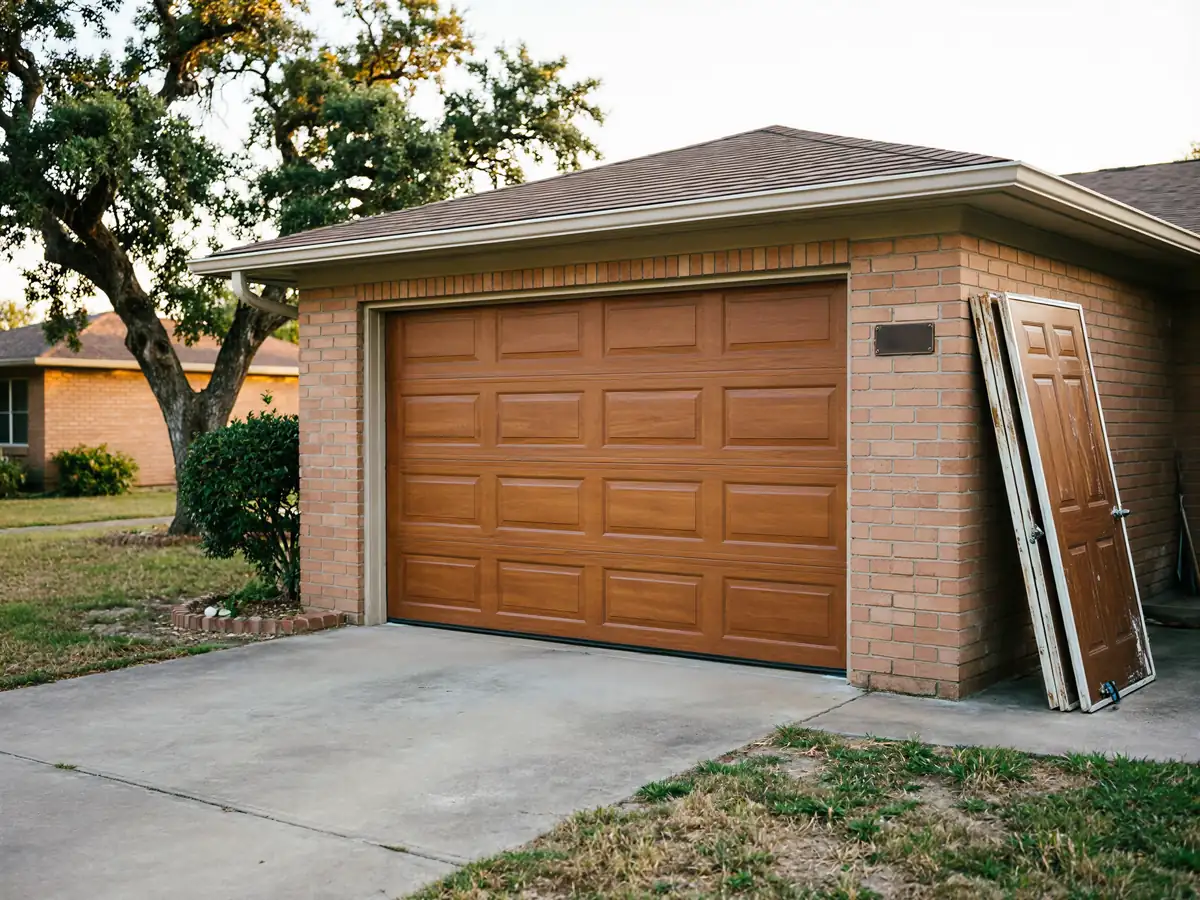
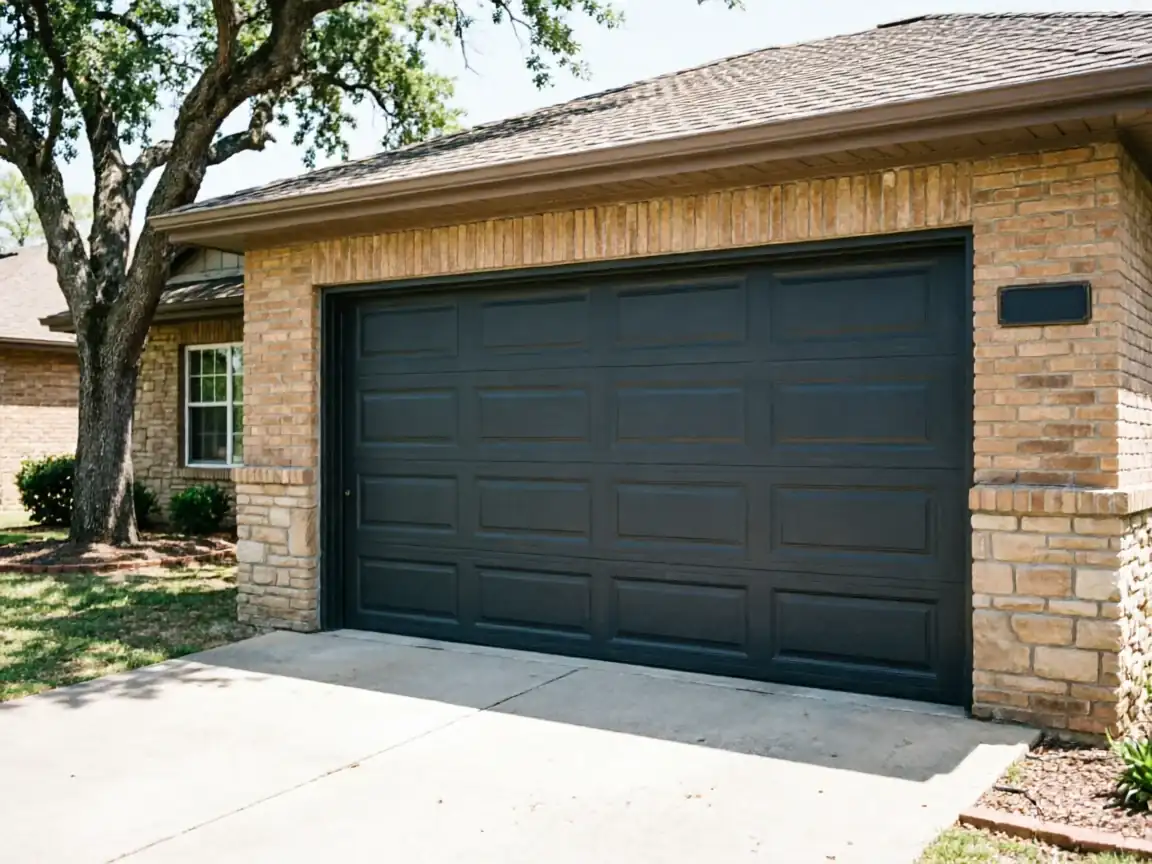
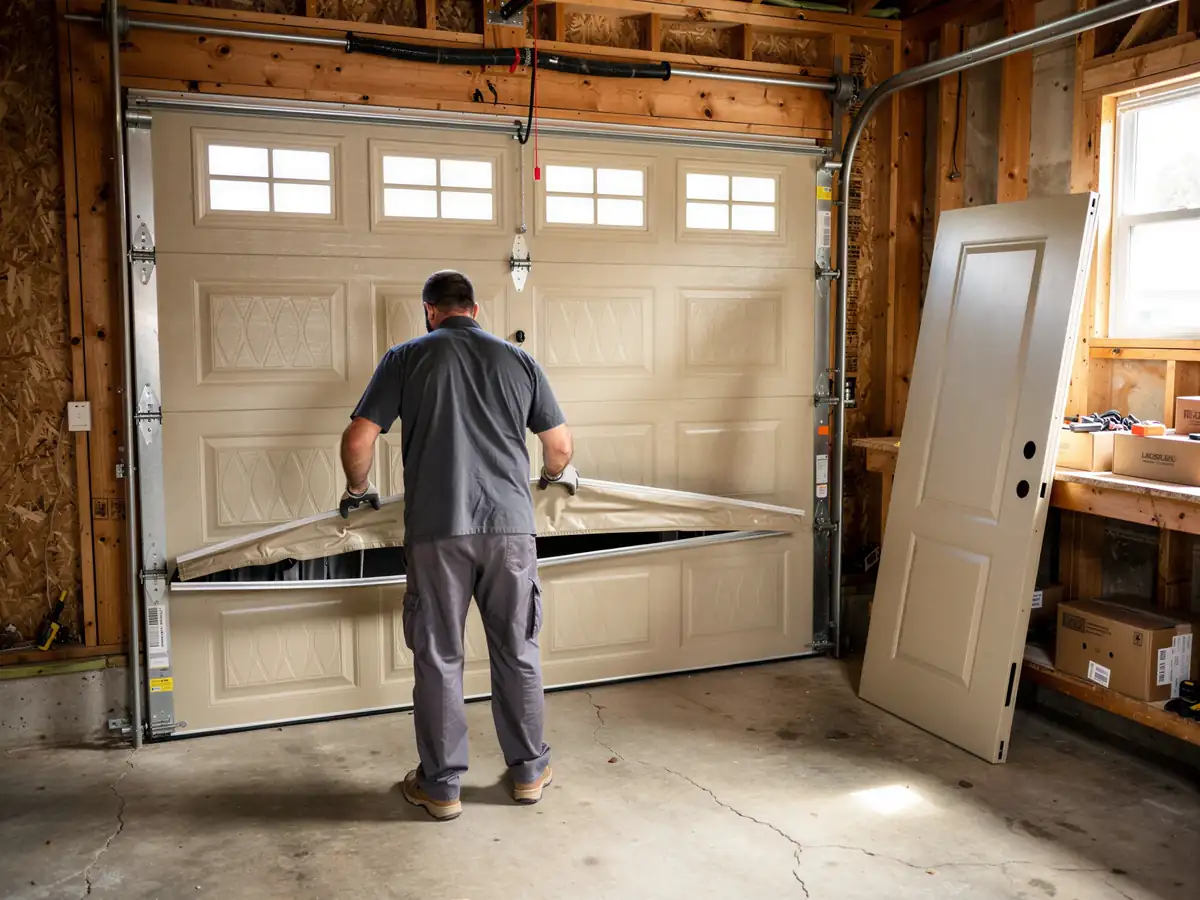
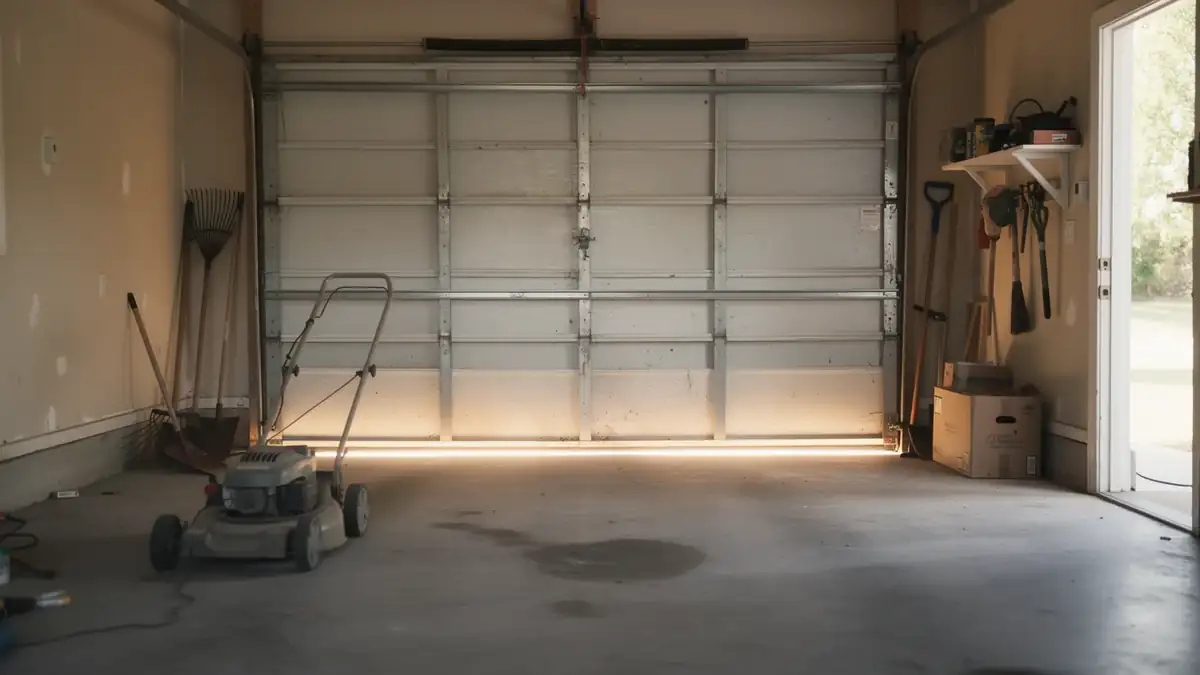
Burleson's housing stock runs from 1953 up through 2014, but the bulk of it - the 1980s and 90s construction that shows up across the named areas in this service territory - went up before insulated garage doors were anything close to standard. A single-layer steel door with no polystyrene or polyurethane core was just what builders put in. Nobody was thinking about R-value on a garage. That means a big share of houses built in that window still have the original door, or a direct replacement that matched the old spec instead of upgrading it. If your garage shares a wall with a bedroom or laundry room, that thin door is doing almost nothing to stop heat transfer either direction. It's not a defect - it's just what the code required at the time, which was nothing.
What the Weather Here Does to It
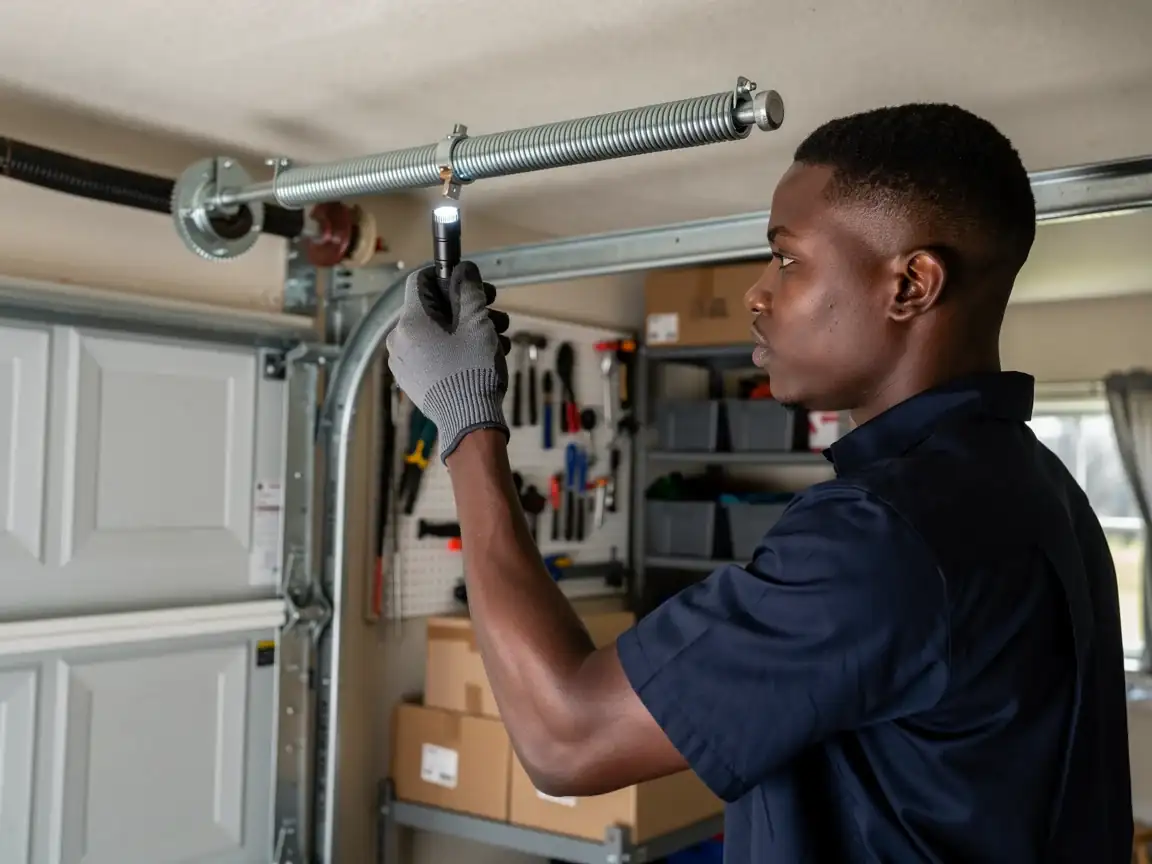
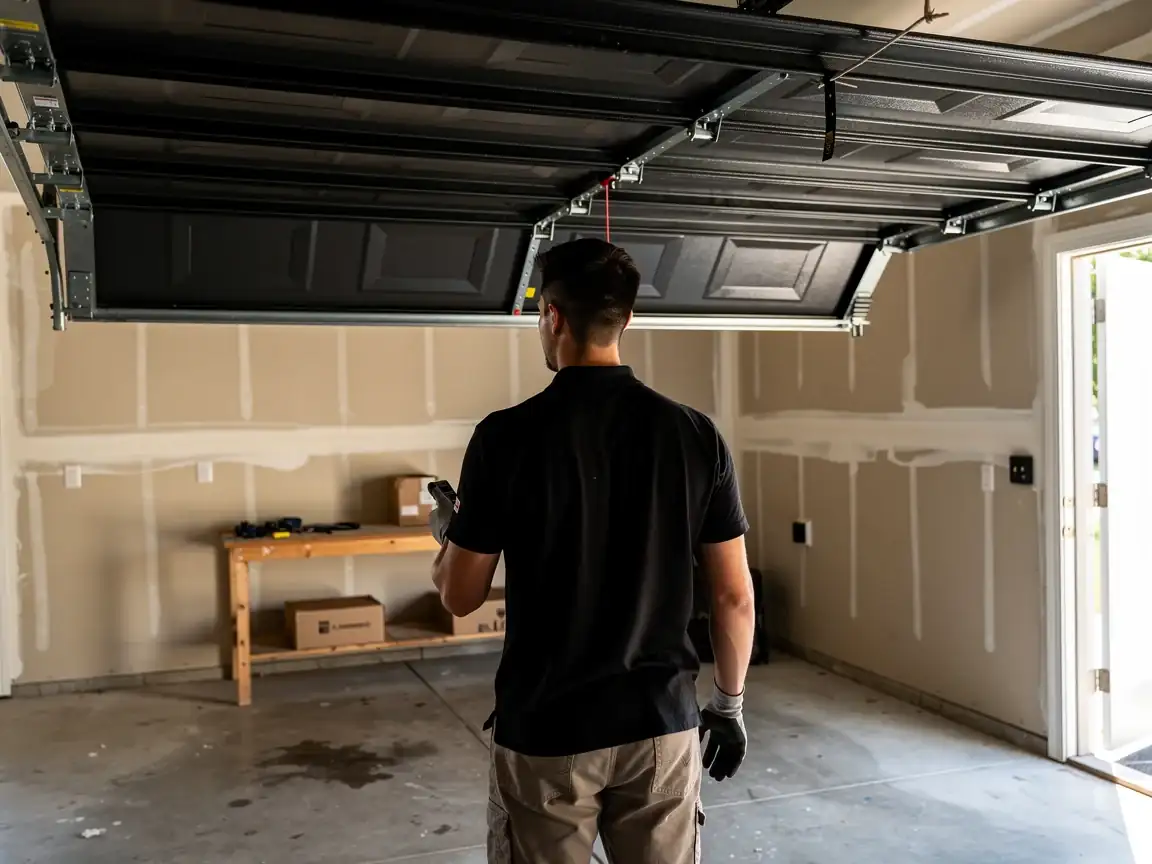
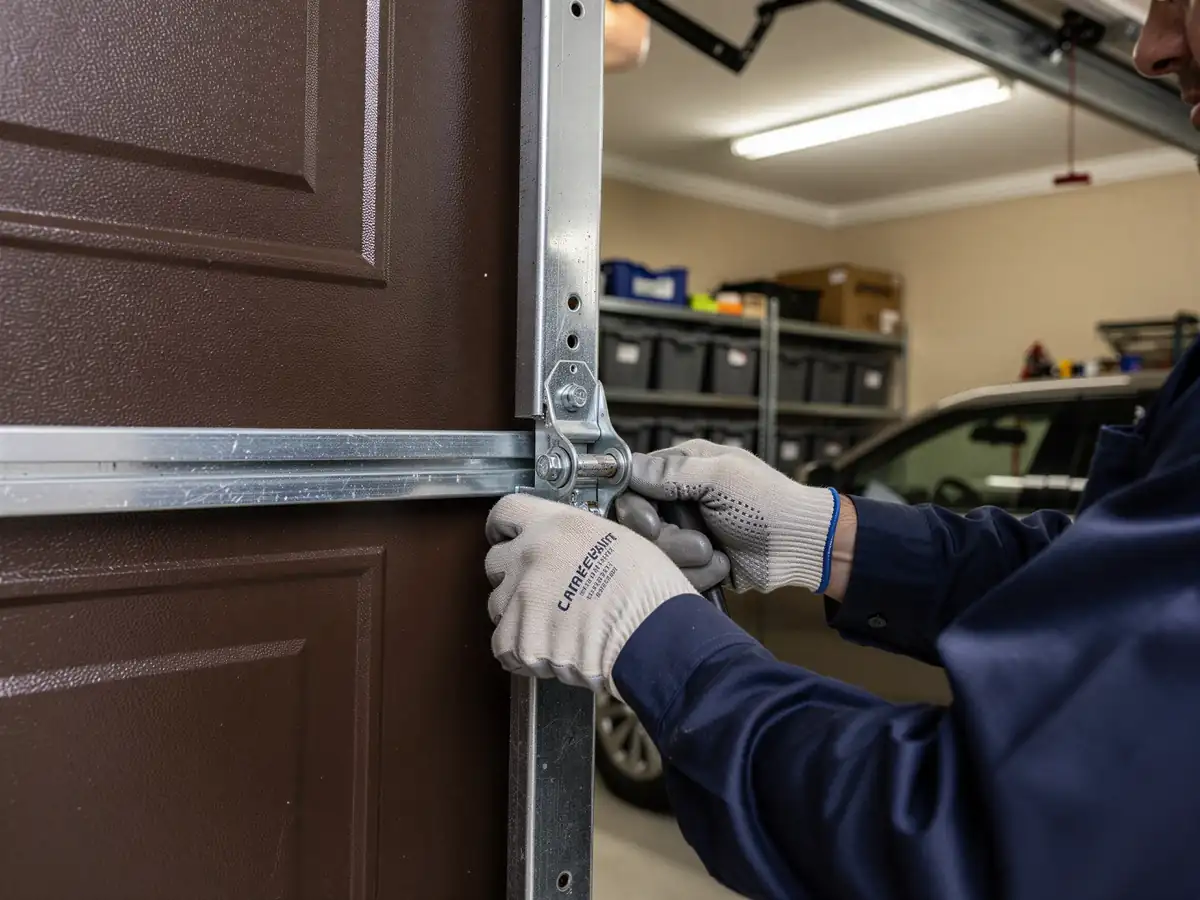
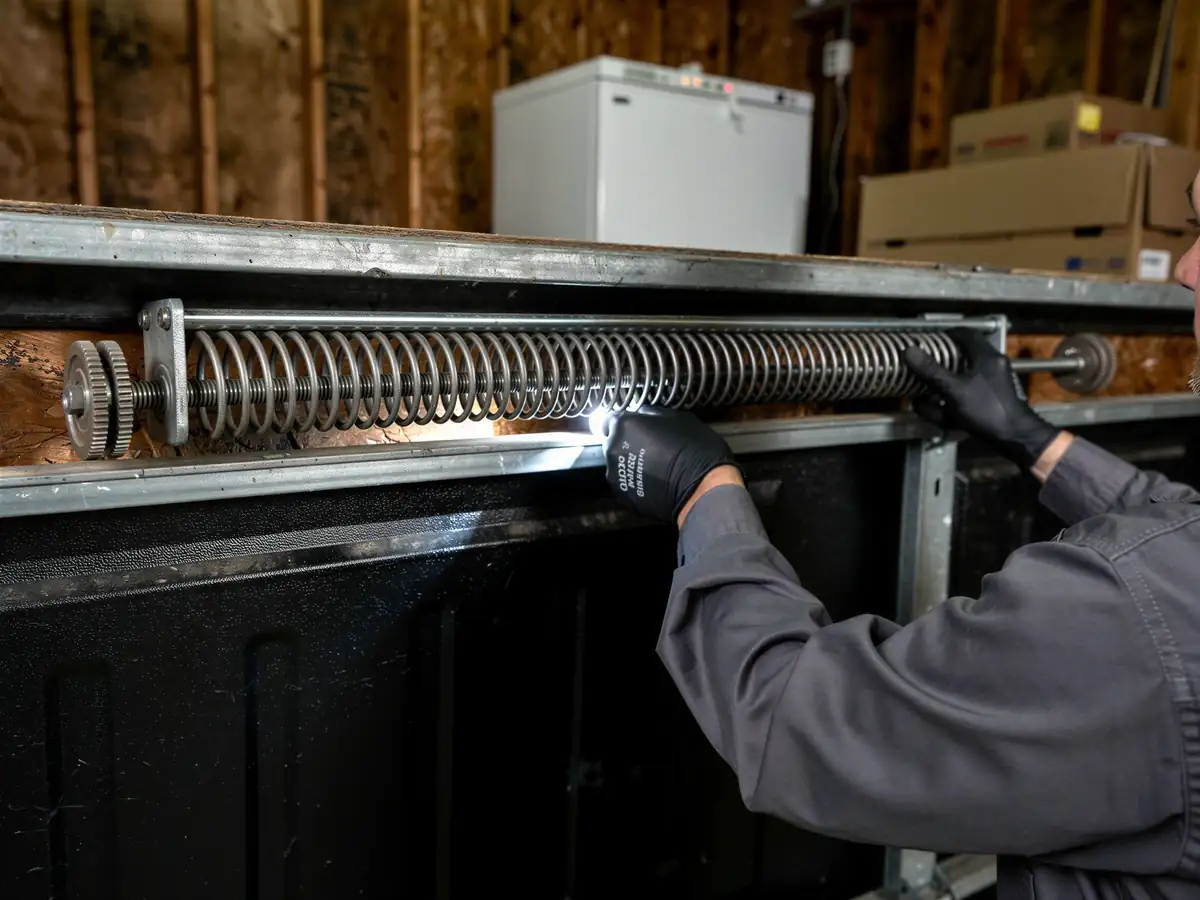
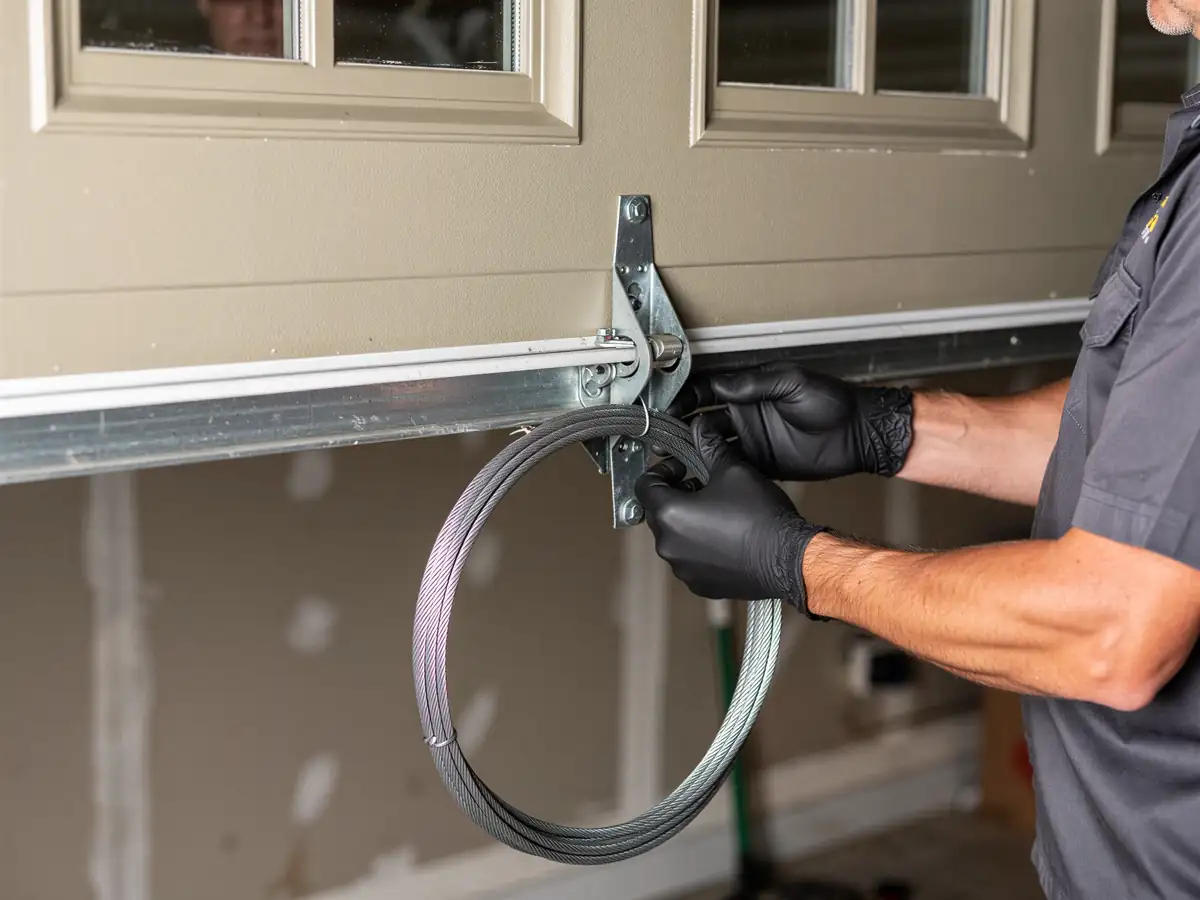
This area sits in a moderate heat climate band, not the kind of extreme swing that cracks a panel overnight, but steady heat load across long summers that works on uninsulated steel over years. An old single-skin door absorbs sun and transfers that heat straight into the garage air, and if the garage backs up to living space, that heat migrates. The bigger issue for an old door isn't the heat itself - it's what happens to the hardware around it. Years of thermal expansion and contraction on steel track and hinges loosens bolts and speeds up wear on rollers that were never top-grade to begin with. You won't see a dramatic failure from the climate here the way you might in a freeze-thaw region. You'll see a slow accumulation of slack in the system that eventually shows up as noise, drag, or a door that won't seat flush.