Why This Fails Locally
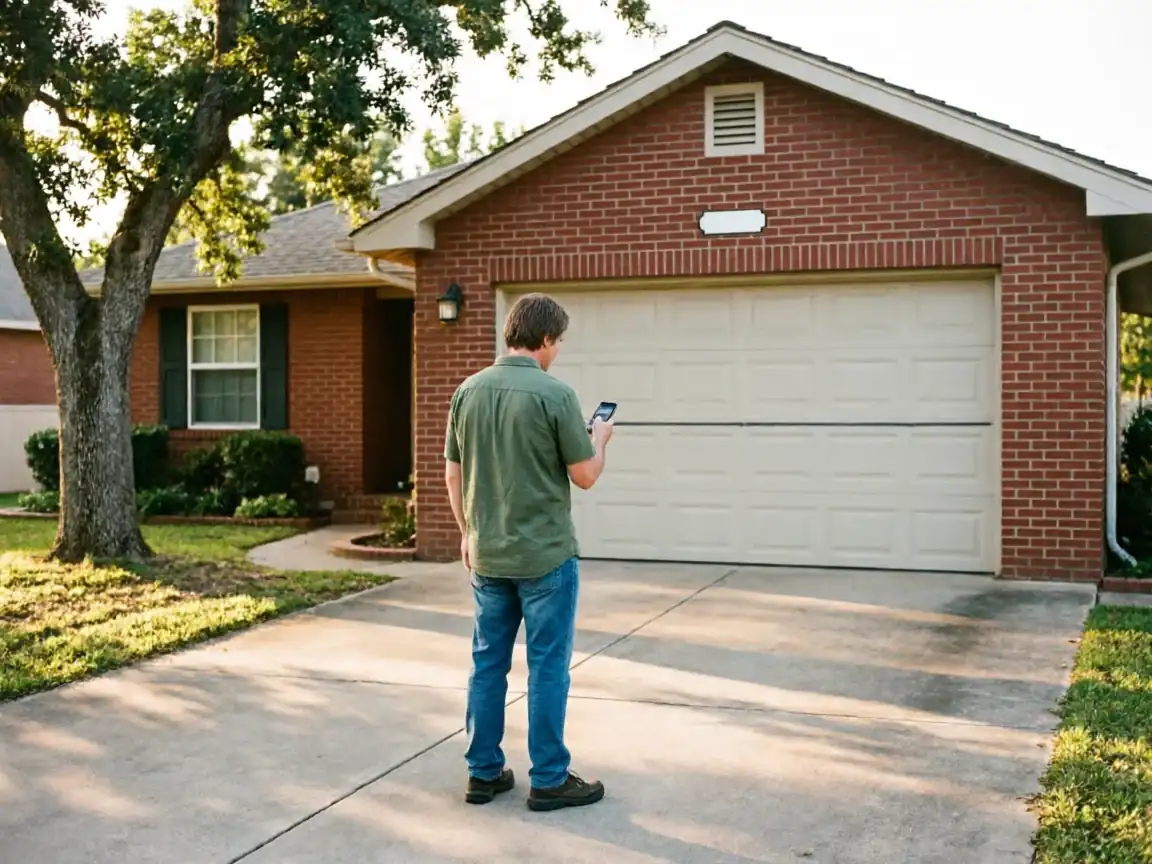
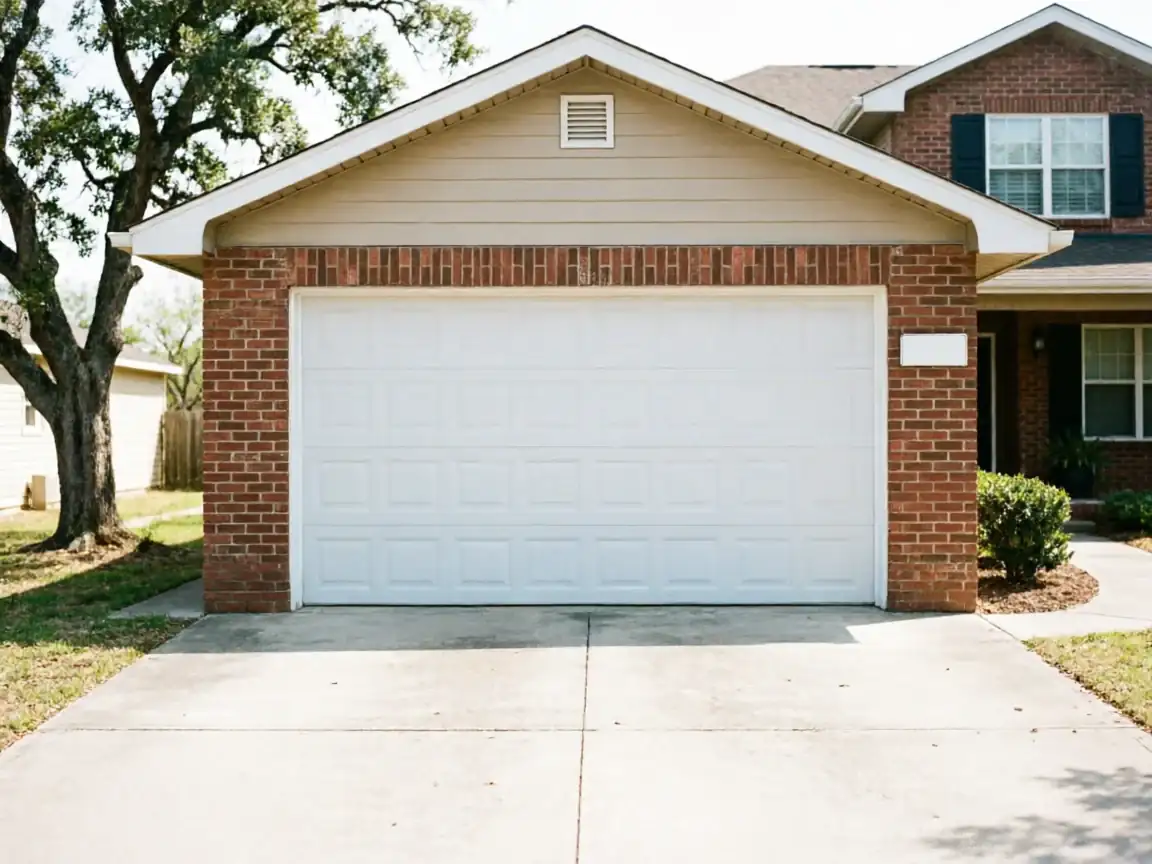
Most of the houses this company works on went up between 1953 and 2014
With the bulk of the stock dating to the 1980s and 90s. That matters for cables because the lift cables and the drums they wind onto are original equipment on a lot of these doors, and galvanized aircraft cable doesn't last forever once it starts to rust or fray at the drum groove. A door from a mid-80s build is now 35-plus years old, and if nobody's replaced the cables along with the springs, you're running on the original wire.
Heat plays a role too
This area sits in a moderate heat band, which means the garage sees real summer temperature swings - not desert-extreme, but enough to dry out drum lubrication and let surface rust take hold on cable strands faster than in a mild climate. Combine 1980s-vintage hardware with that heat cycling and you get the classic failure: a cable that looks fine until one strand lets go at the drum and the rest unravels under load.
This isn't a problem tied to one neighborhood
It shows up across the whole service area wherever the housing dates to that same build window, which is most of it.
What the Repair Takes
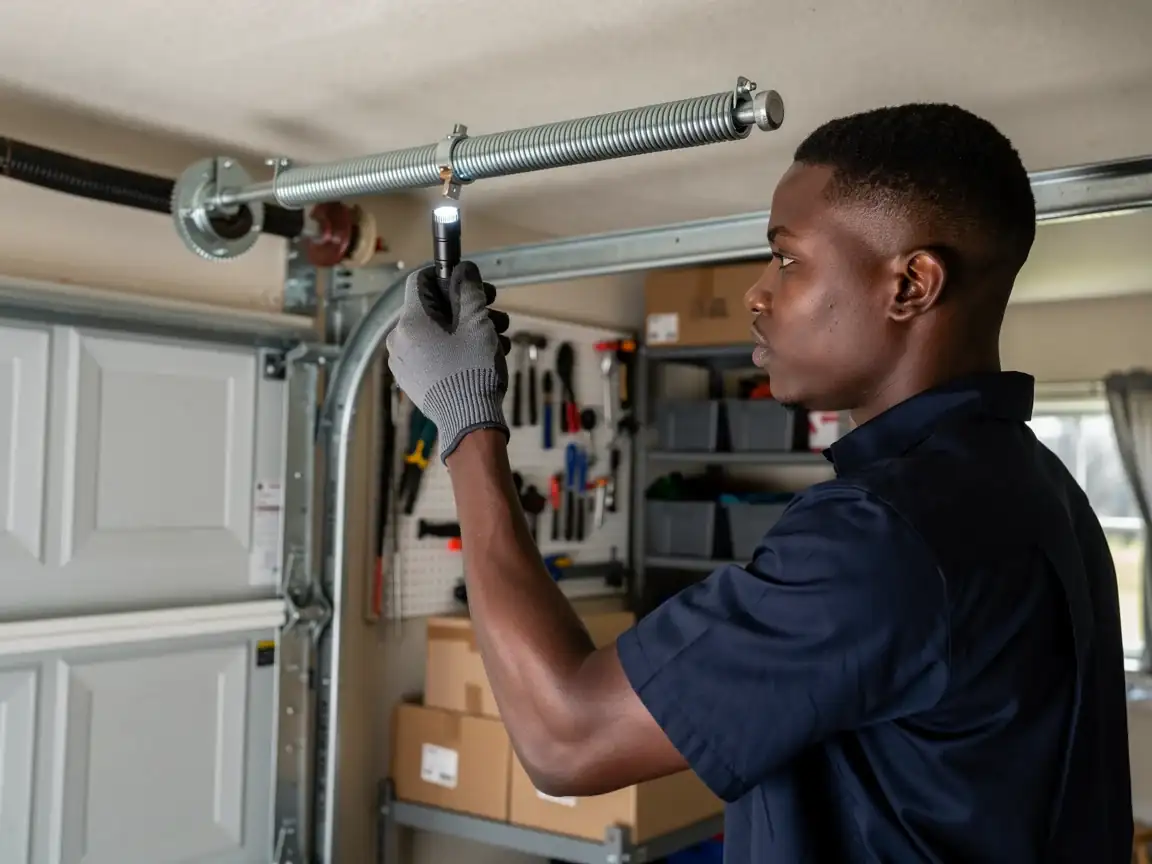
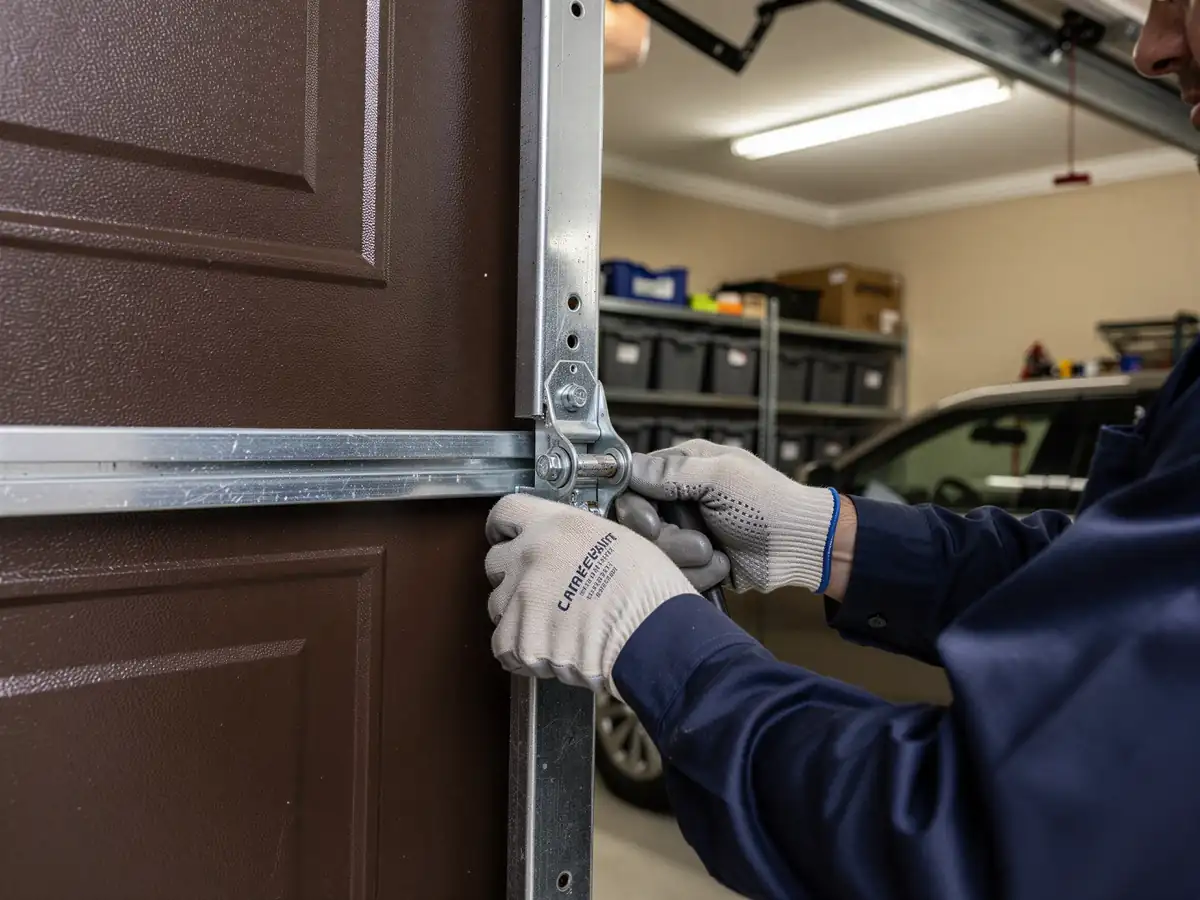
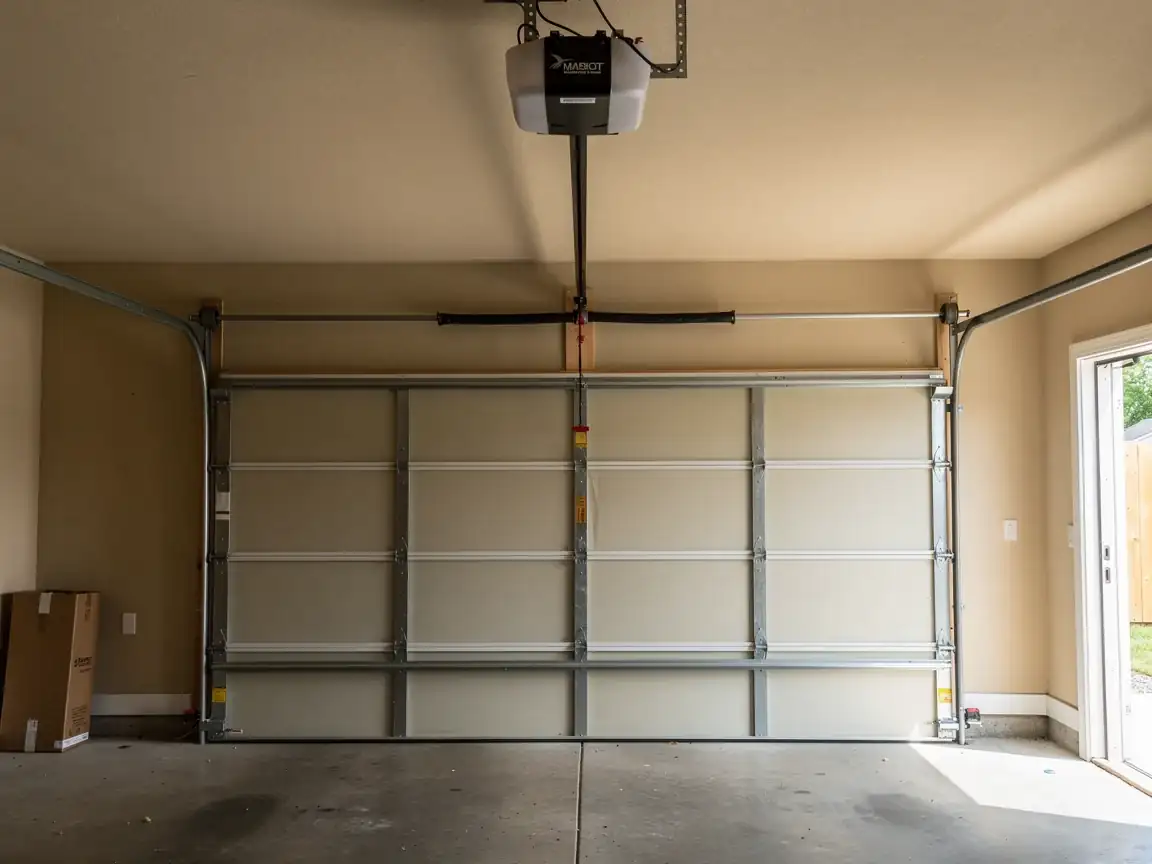
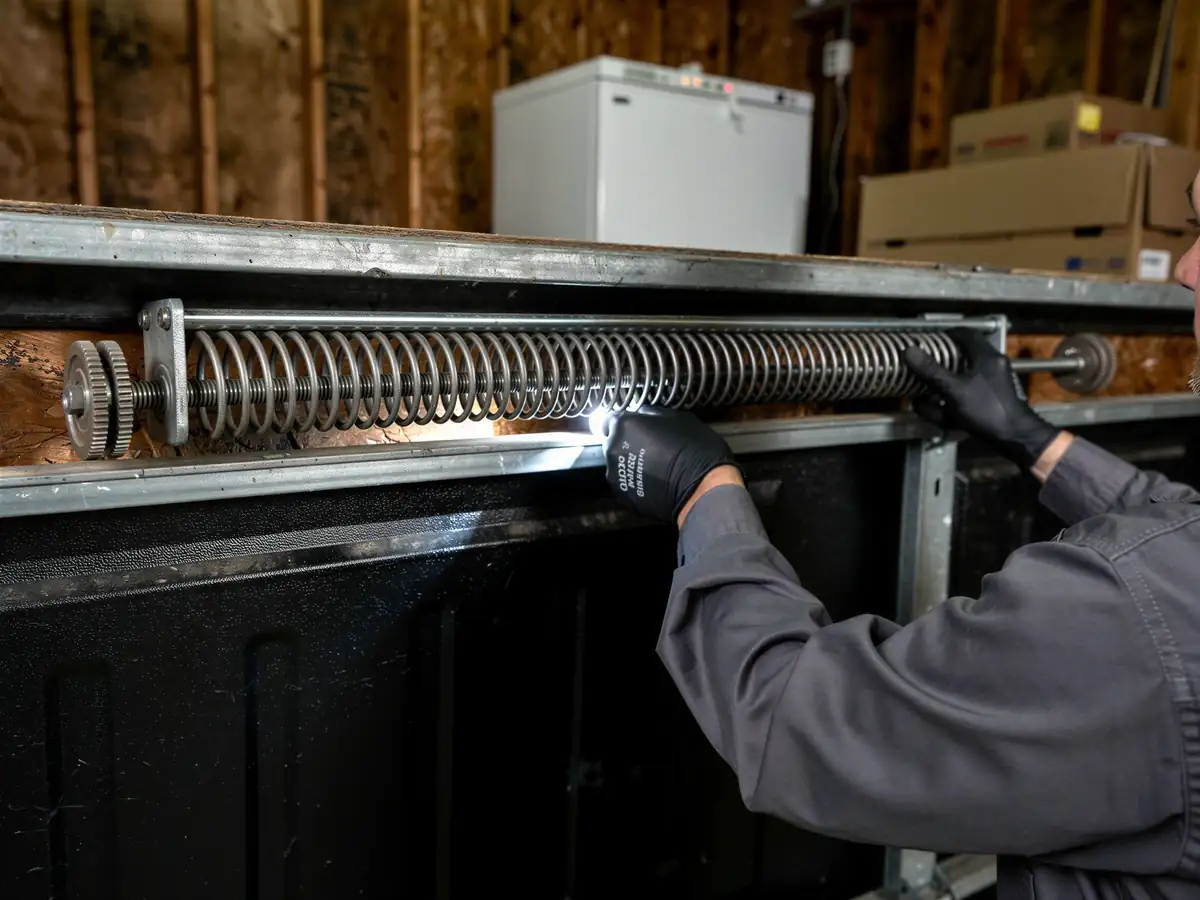
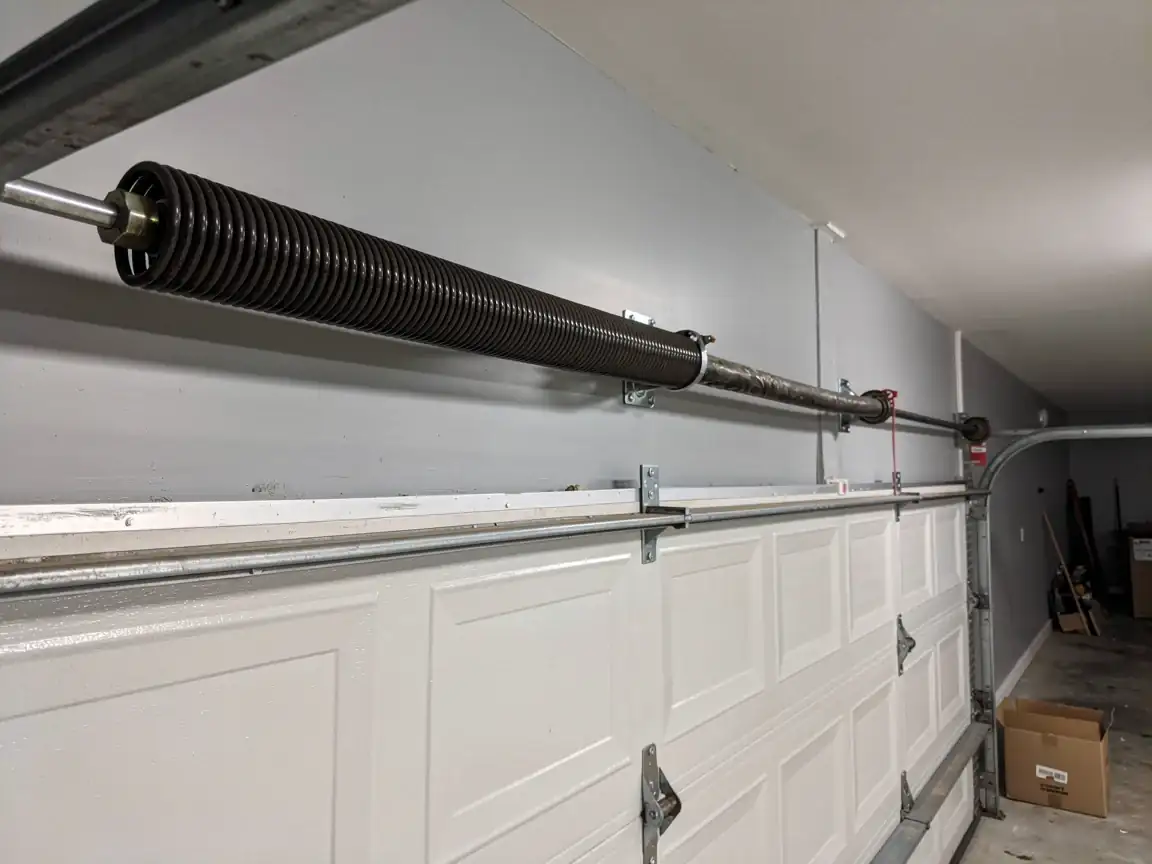
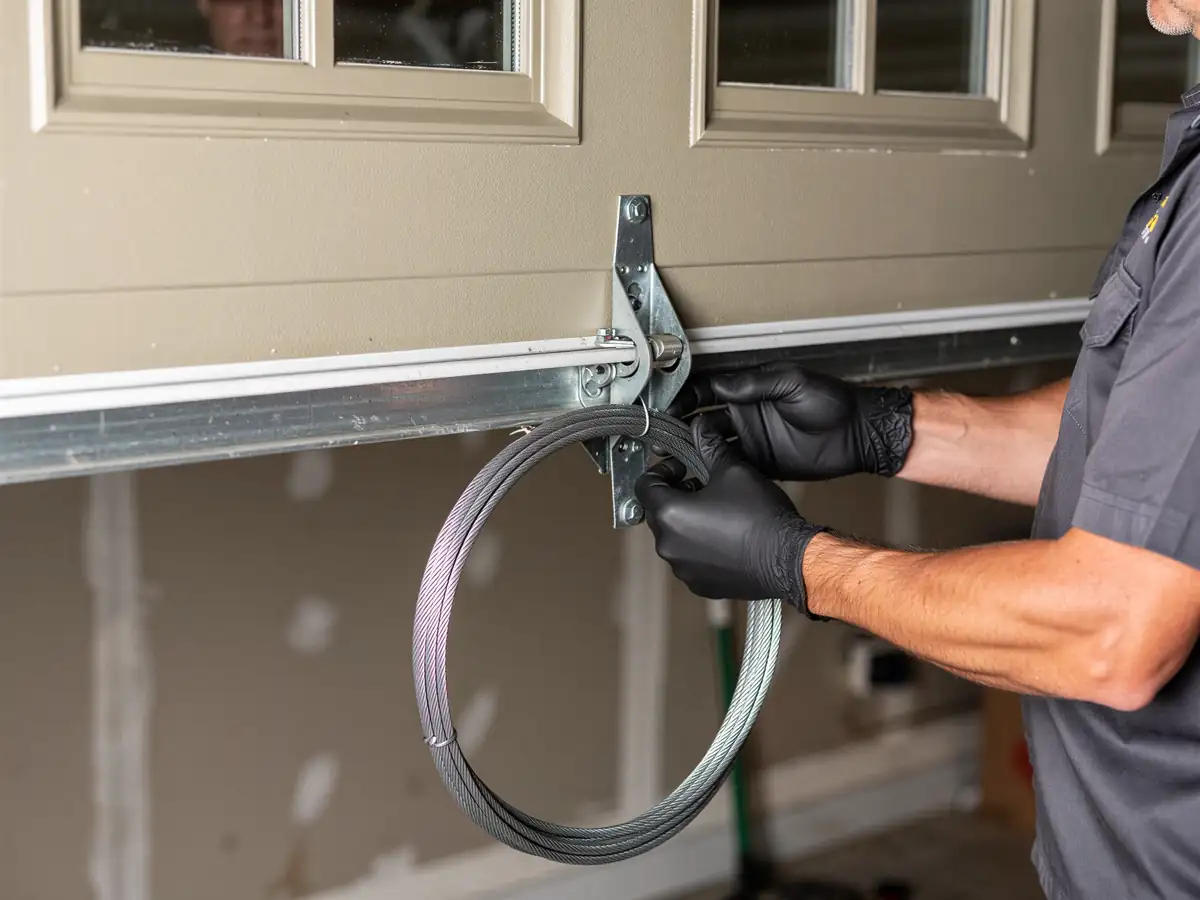
A cable repair is not just a cable repair. Because the cables work in tandem with the torsion or extension springs to lift the door, replacing one side without checking the other side's cable, the drums, and the spring tension leaves you back at the shop in a few months. A proper job means pulling tension off the springs safely, inspecting both cables end to end (not just the one that snapped), checking the drum grooves for wear ridges that will chew through a new cable fast, and reseating everything with matched cable length so the door doesn't rack to one side when it closes.
On the older doors common to this area's 1980s and 90s stock, the drums themselves are sometimes worn enough that a new cable on an old drum just fails again. That's a judgment call made on site, not over the phone.
We don't carry every drum size and cable gauge on the truck for every door style out there - older or less common doors sometimes mean a short wait on a part. That's the honest limitation: most jobs finish same visit, but not all of them.
Can You Do This Yourself
A garage door cable is under tension from the spring system the whole time it's installed, even with the door down. That's the part people underestimate. Loosening a drum or a cable drum set screw without first winding down the spring tension properly is how fingers get broken and faces get hit with a cable under load. This is one of the jobs in garage door work where the risk genuinely outweighs the savings of doing it yourself.
If you're dealing with a door that's merely stuck or noisy, there's more room to poke around safely - lubricating rollers, checking for a bent track, tightening loose hardware. But a visibly frayed or snapped cable, or a drum that's come loose from the shaft, is not a weekend project. The tools for winding torsion springs safely aren't things most households own, and the spacing matters more than it looks like it should.
If you're not sure whether what you're looking at is a cable issue or something else, a phone description of what you're seeing usually sorts that out before anyone drives out.
How It Shows Up
The most common sign is a door that's suddenly crooked
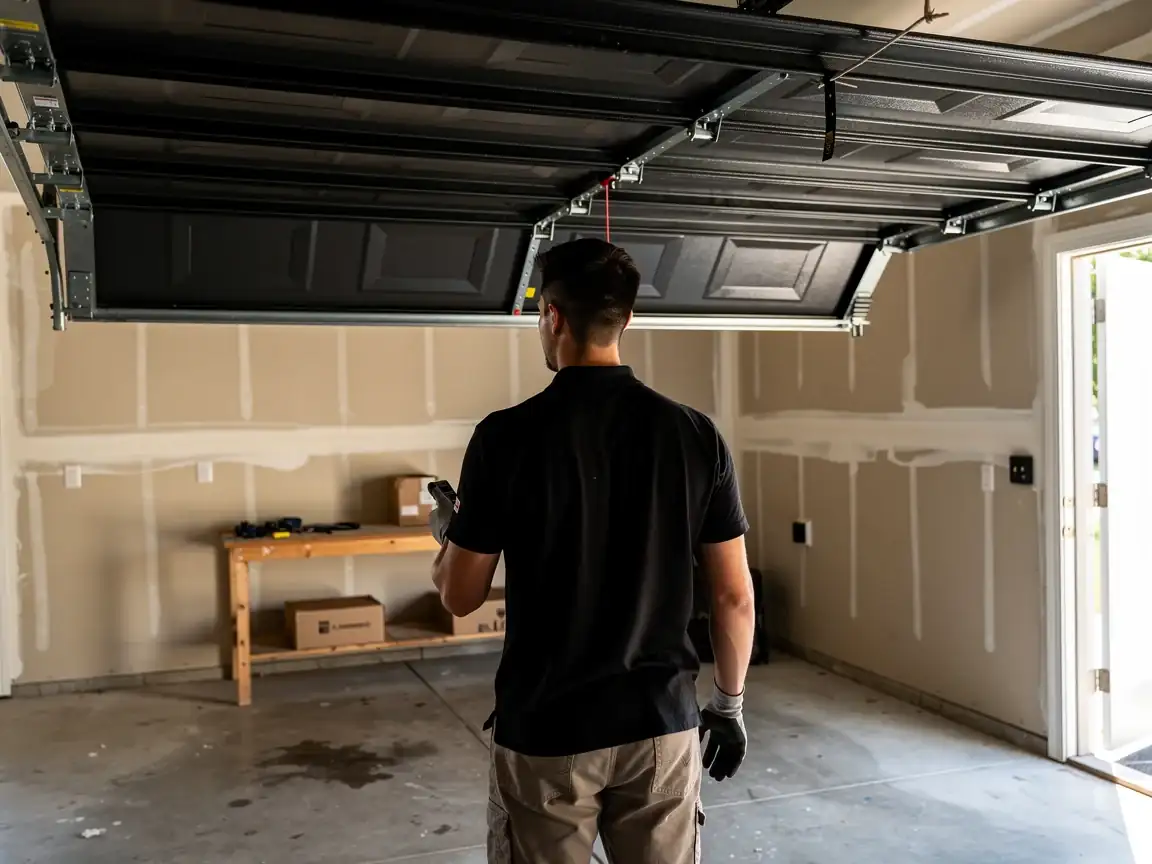
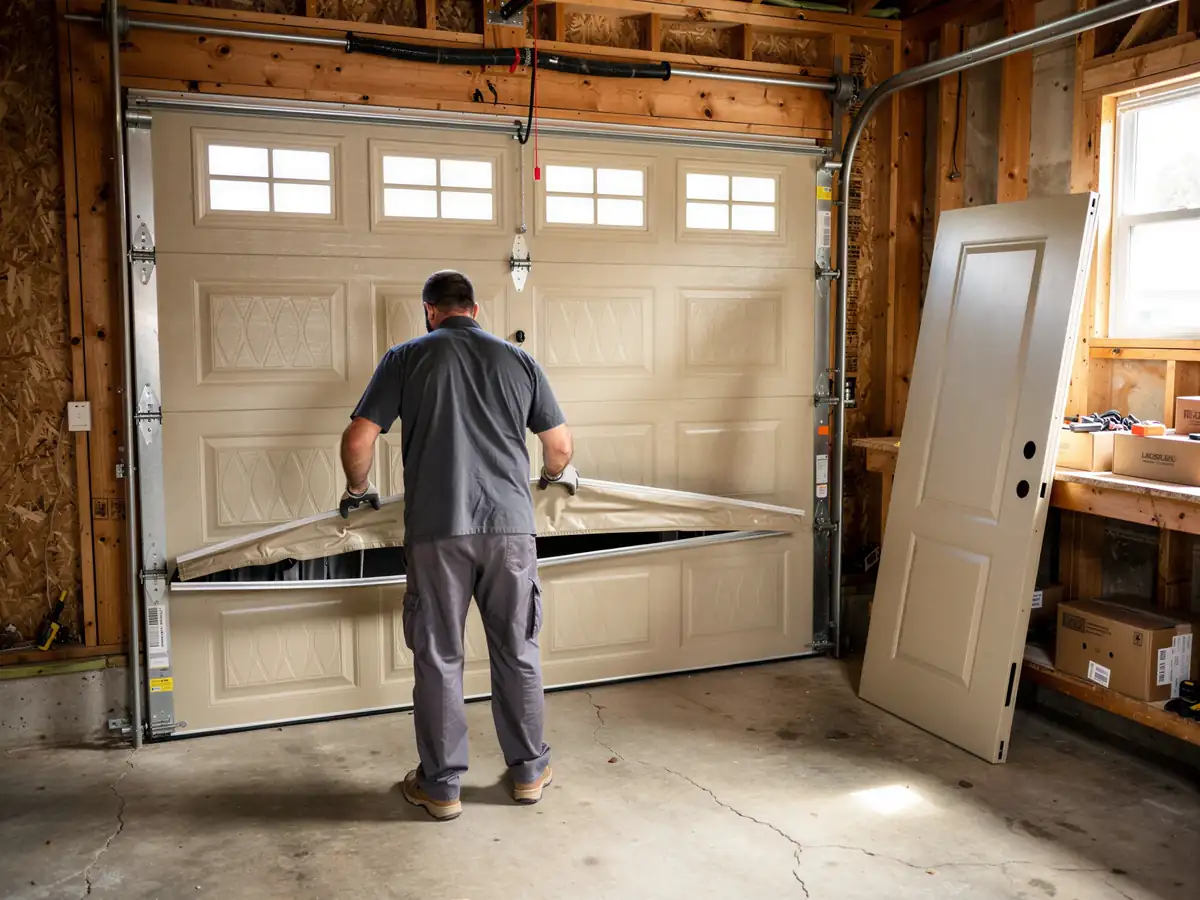
One side higher than the other, or the door hanging at an angle when it's partway up. That's usually one cable still holding while the other has slipped off the drum or snapped outright. You might also hear a loud bang or pop at the moment it lets go, often mistaken for a spring failure since the two systems work together and fail in similar-looking ways.
A slower warning sign is visible fraying at the bottom bracket or where the cable wraps the drum
Thin wire strands sticking out like a frayed shoelace. Given how much of the area's housing sits in that 1980s-to-90s window, this kind of wear-based failure is more common here than sudden new-equipment failure.
Either way, a door that's off-level on its cables shouldn't be run with the opener until it's looked at
Running it crooked stresses the tracks and rollers on top of the cable problem, turning a contained repair into a bigger one.