When Waiting Is Fine
Not every noise or hesitation means you need a truck in your driveway today
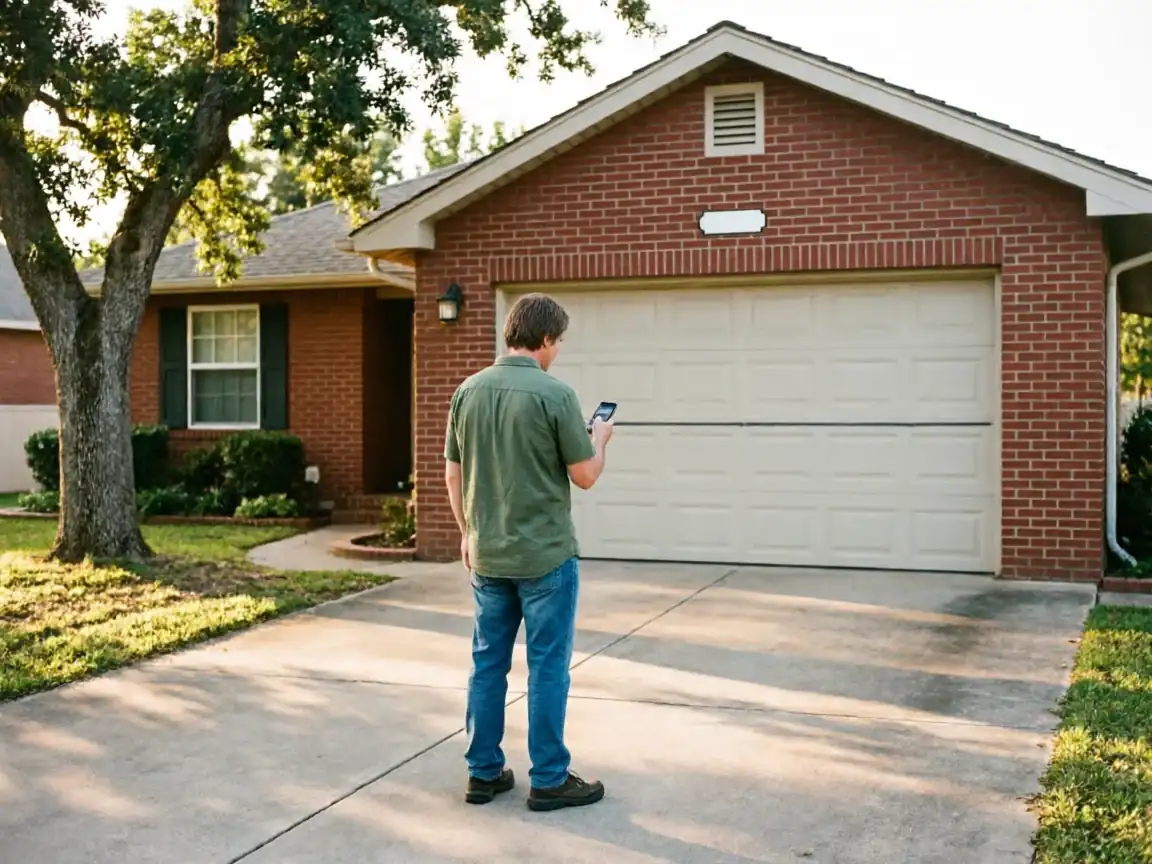
Burleson's housing stock runs from 1953 up through 2014, with the heaviest build-out landing in the 1980s and '90s, and that's the era where most of our calls come from. A roller that chirps on the way down, a door that pauses half a second before it starts moving, a track that looks a little dusty - that's wear showing up on schedule, not failure.
If your door still opens and closes evenly, closes flush against the floor
And the opener doesn't strain or reverse on its own, you can wait and watch. Spray the rollers and hinges with a garage-door-rated lubricant, wipe the tracks, and check back in a month. A door built on 1980s or '90s hardware that's been maintained like this can keep running for years past when a neglected one would fail.
What you shouldn't wait on
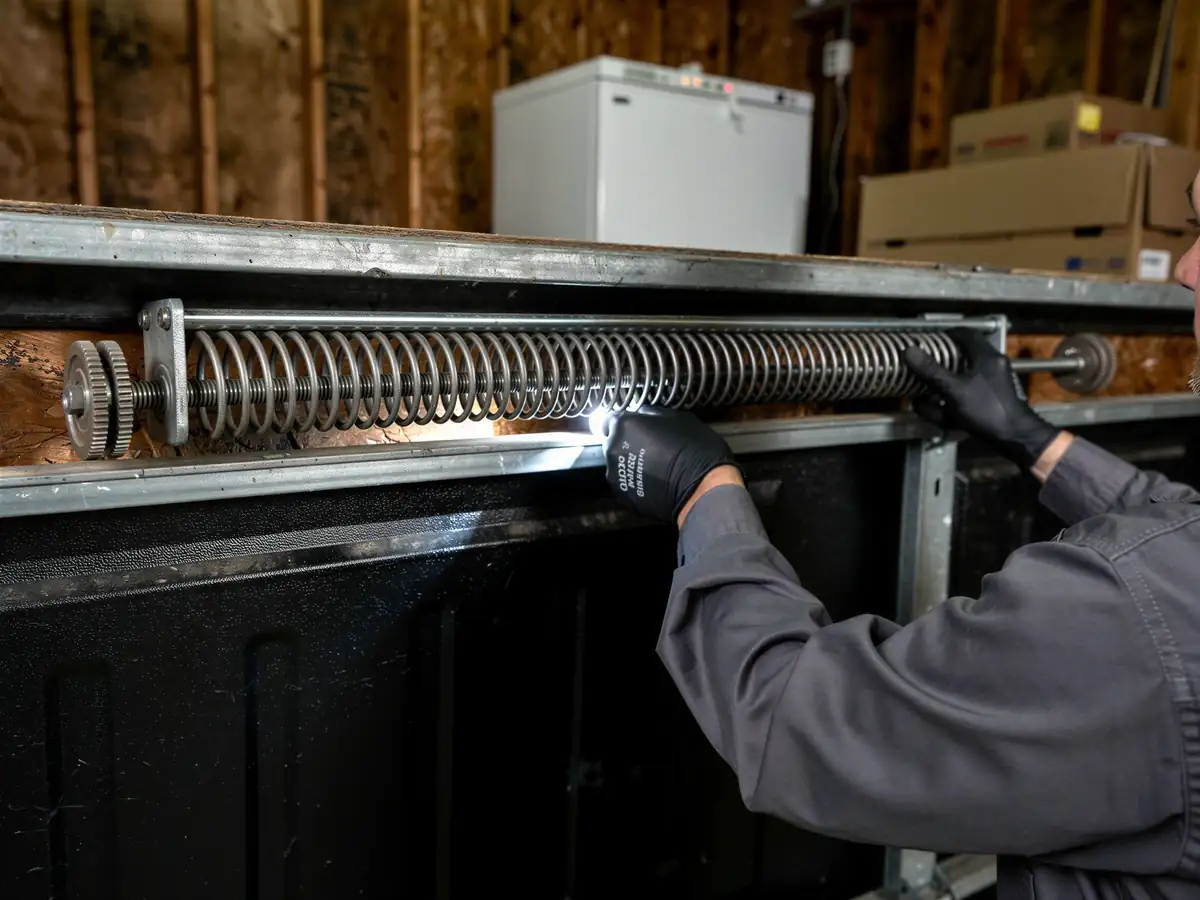
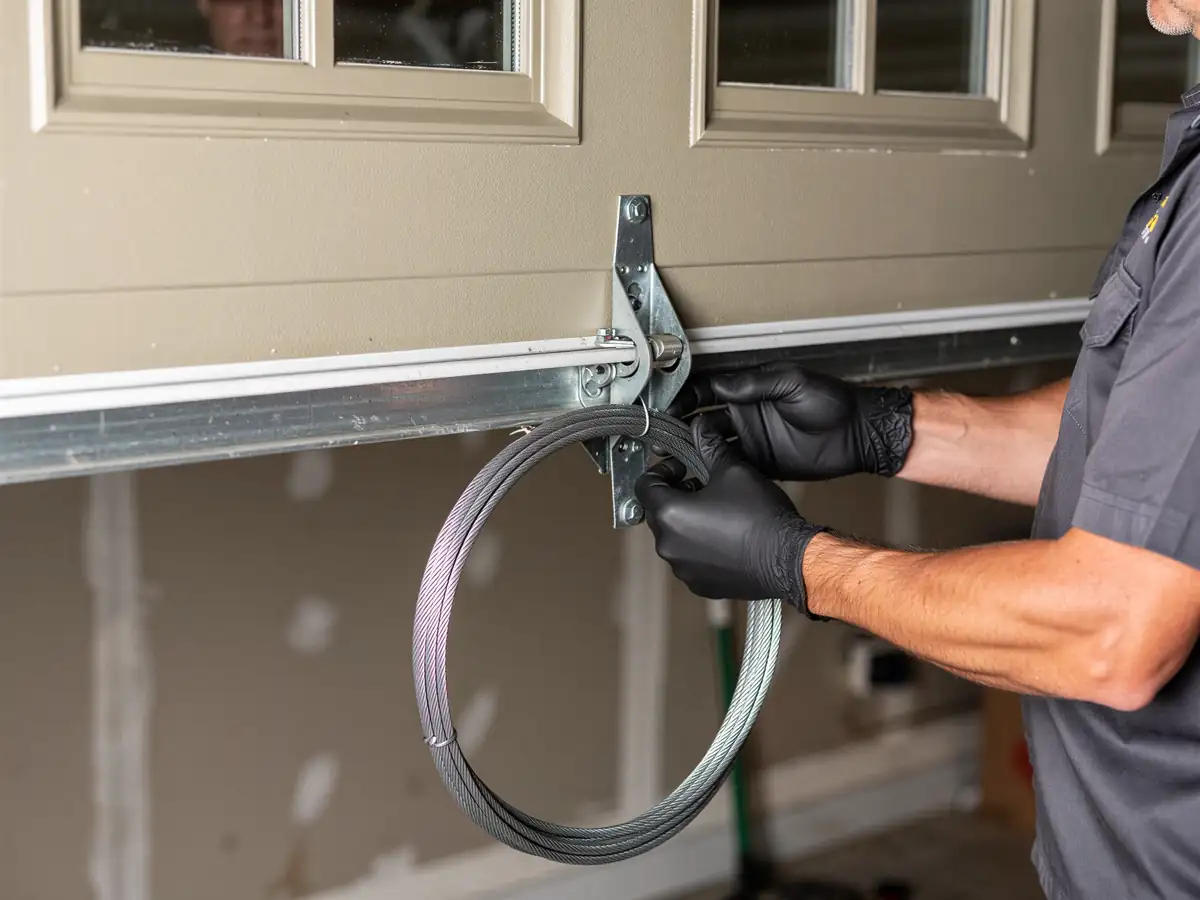
A door that drops faster than it used to, a spring that looks stretched or has a visible gap in its coils, or cables that look frayed. Those aren't wear-and-tear noises, they're warning signs that the hardware is close to letting go, and on a torsion system that can happen without much notice.
The Situation
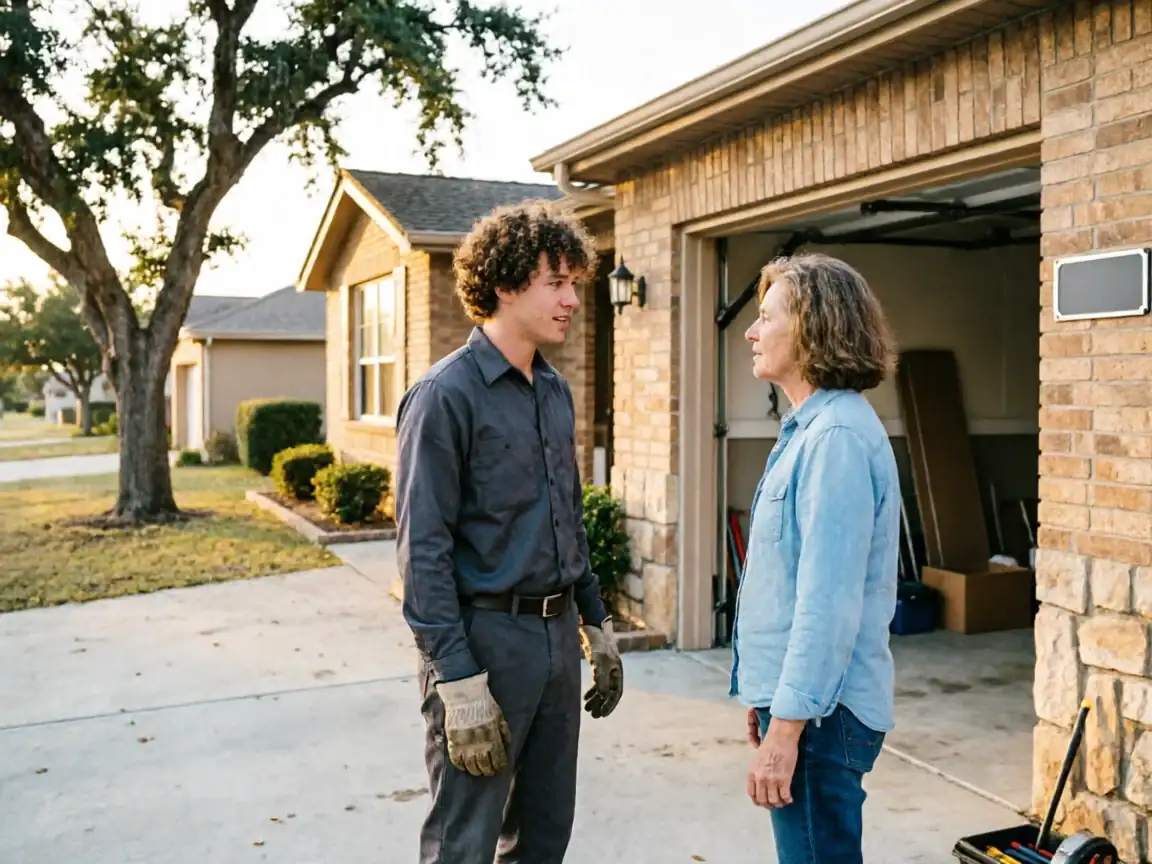
A real service call starts with the door's age, not a checklist pulled off a truck. Across the 19 areas we cover, the housing stock clusters in that same 1980s-to-90s build wave, so a tech walking up to your garage is usually looking at original or first-replacement hardware: galvanized torsion springs, steel rollers, track bolted to framing that's been there since the house went up.
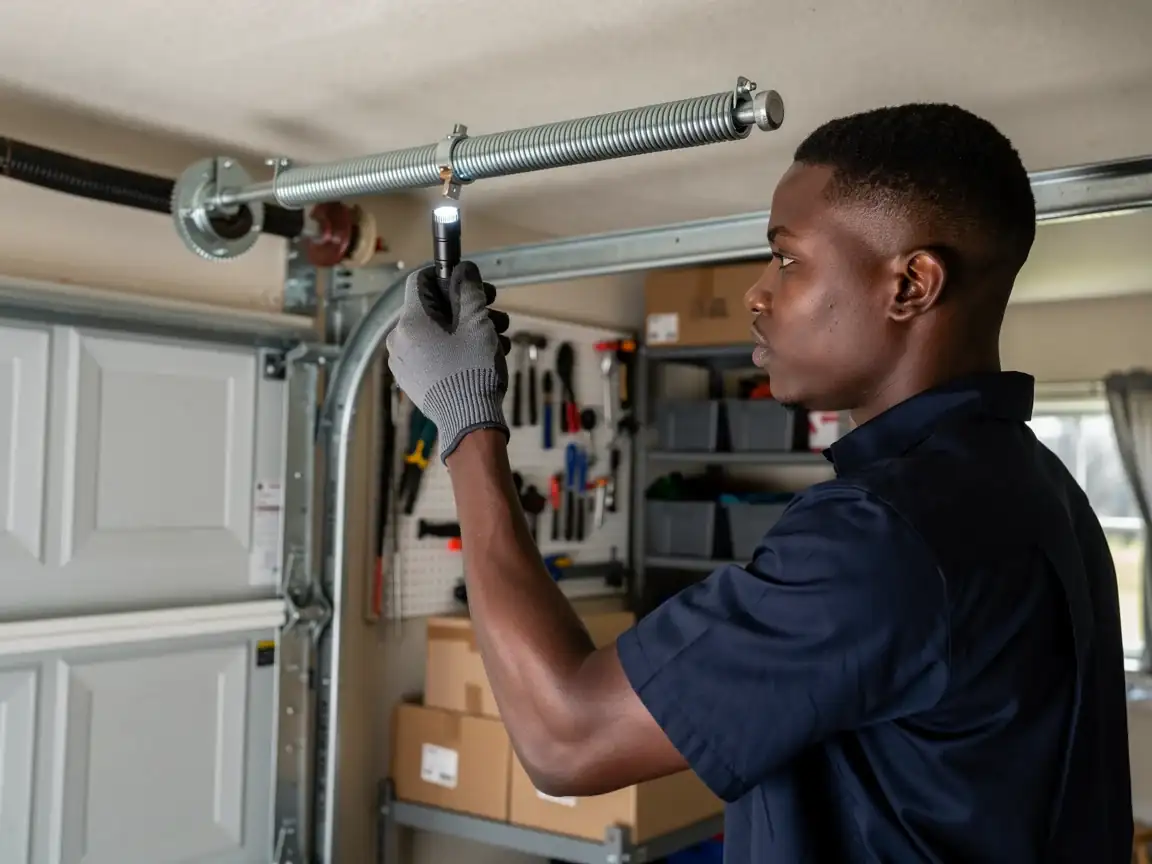
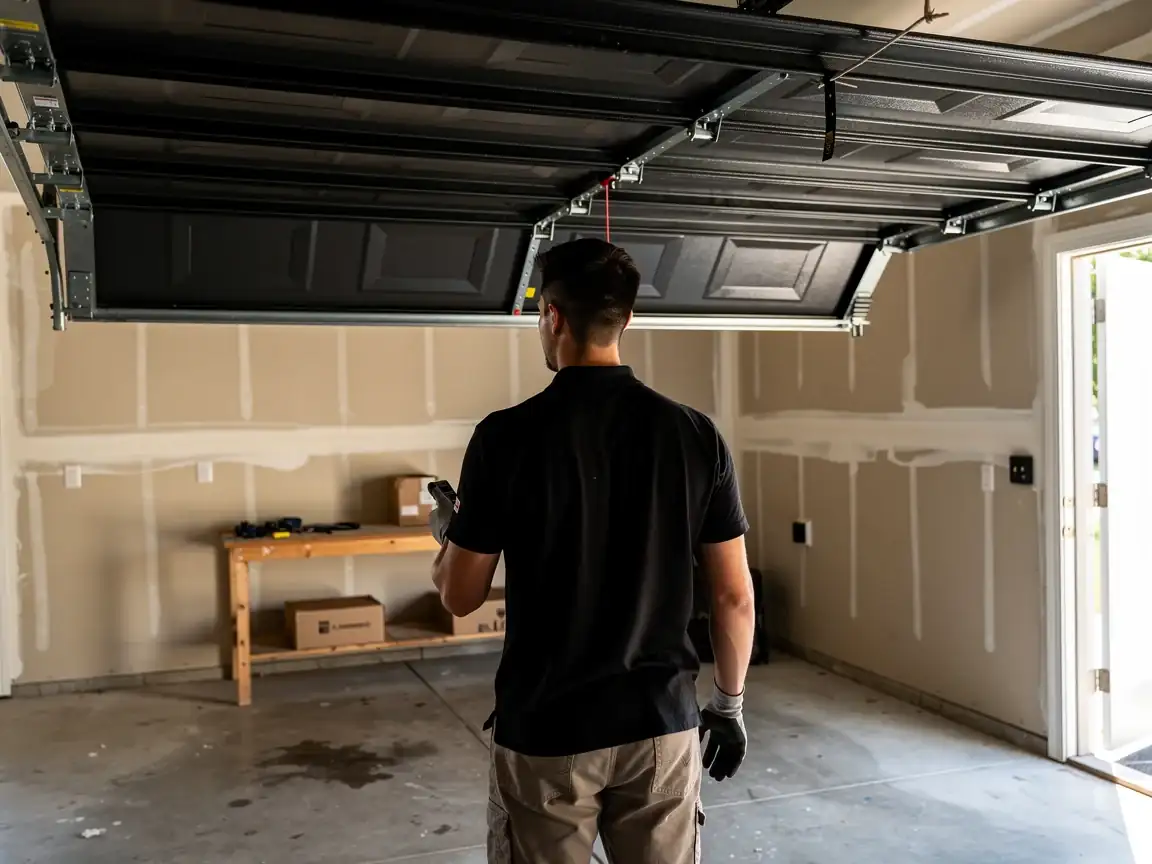
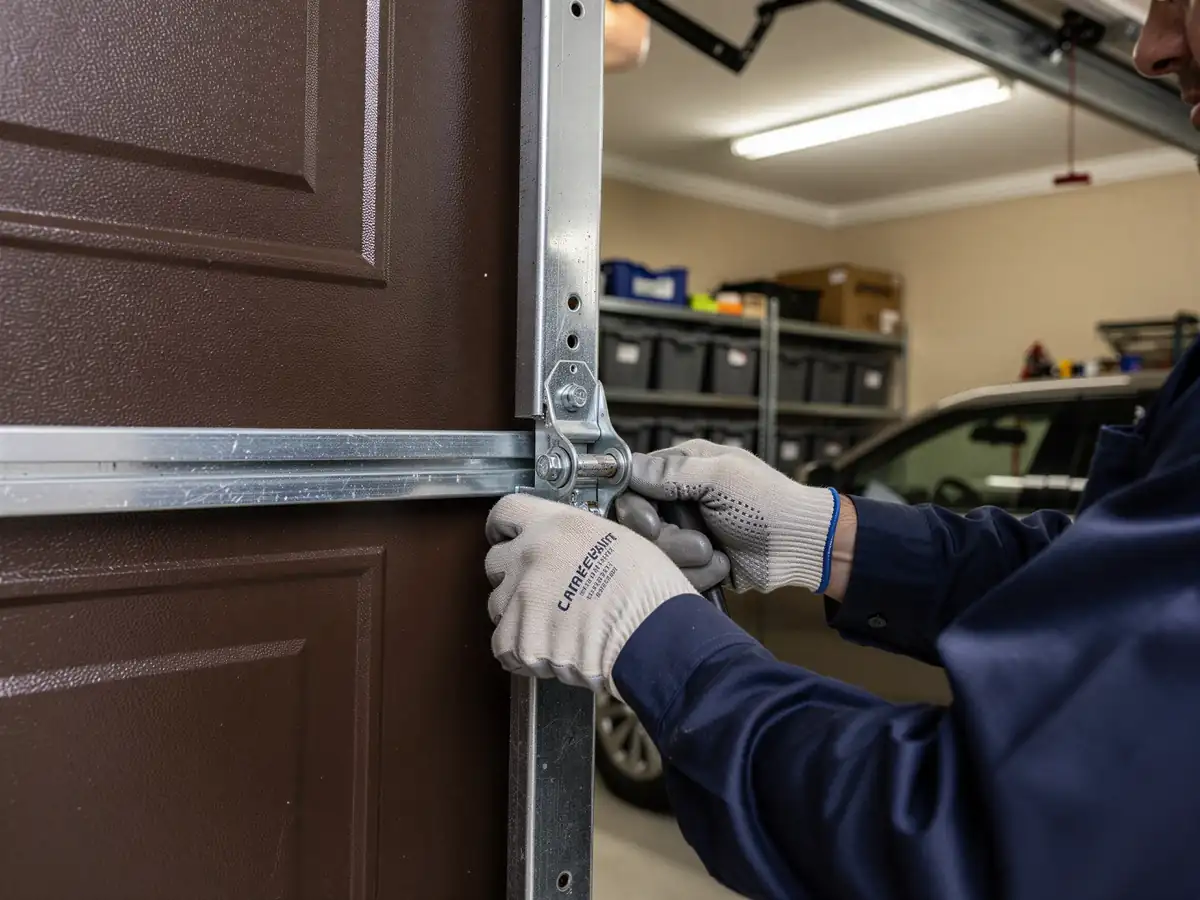
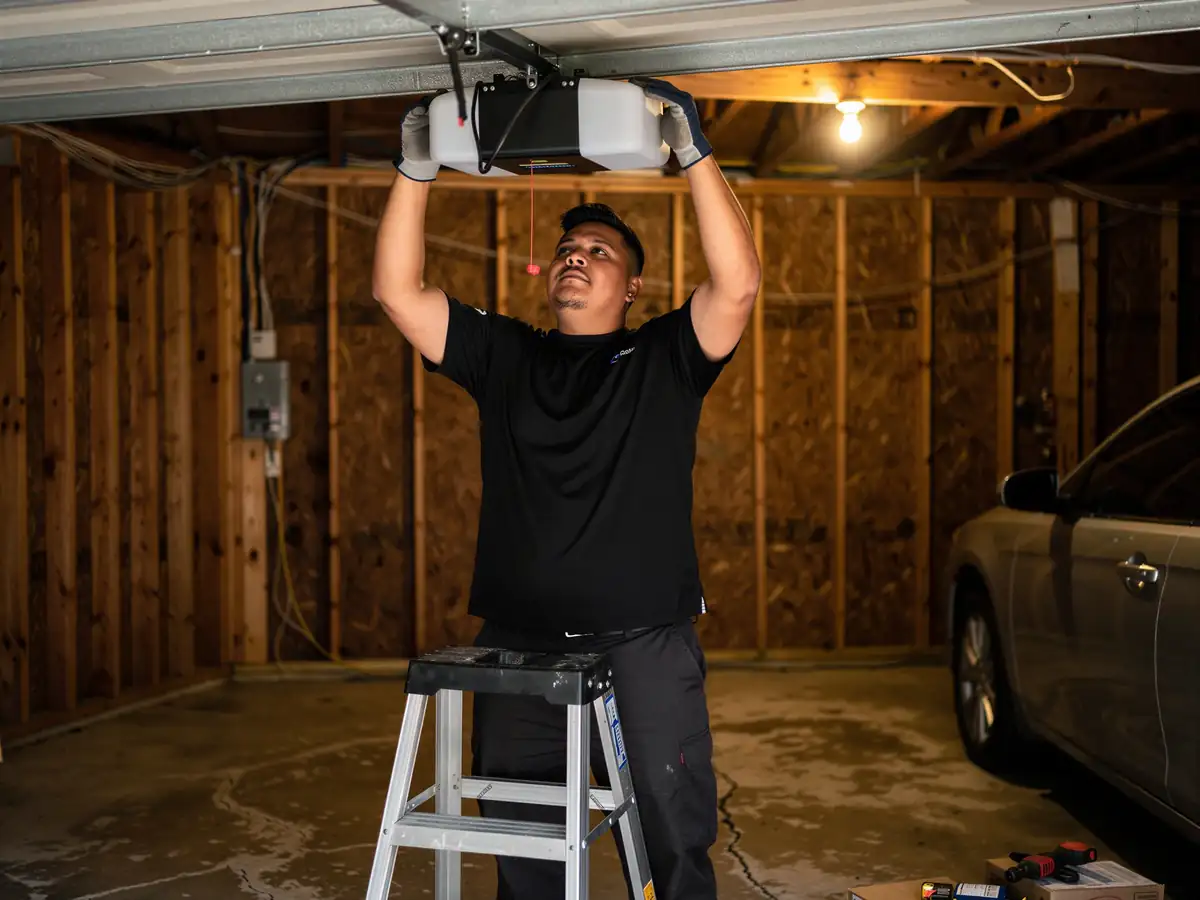
The call covers a balance test - does the door hold position halfway open with the opener disconnected - a track alignment check, a look at the spring coils for rust or gap, and a check of the cable condition where it wraps the drum. On homes from that median 1986 build year, we're also looking at whether the opener is original or already a replacement, because the two don't always talk to the same safety sensors correctly.
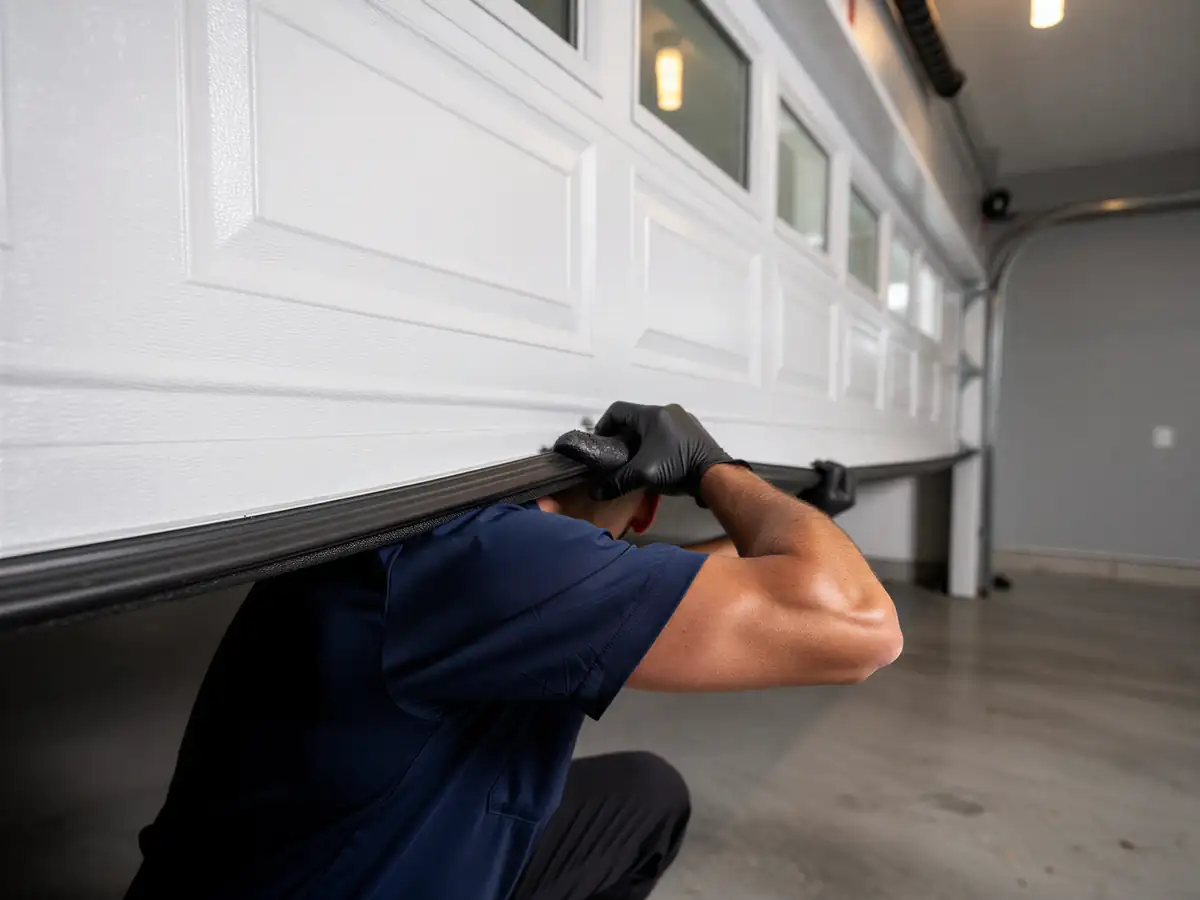
We'll also check the bottom seal and weatherstrip, since those are the parts that take the most direct hit from ground moisture and temperature swings over a few decades. What the call doesn't cover: cosmetic dents that don't affect function, or replacing parts that are working fine just because they're old. If the spring is balanced and the coils are clean, we don't sell you a new one.
What the Weather Here Does to It
Burleson sits in a moderate-heat climate band - not the kind of extreme swing that cracks panels or seizes openers in a season, but a steady summer heat load that works on hardware year after year. That matters most on the doors built in the 1980s and '90s, because the grease on original rollers and hinges has had three or four decades of hot Texas summers to break down and gum up, even if the door has never thrown an error.
Heat cycling also affects the torsion spring's lubricant and the opener's circuit board, especially on units mounted in an unventilated garage that holds heat through the evening. You won't see a dramatic failure from this the way you might in a climate with hard freezes or huge swings - what you get instead is slow drift: a spring that loses a little tension a year, a chain that stretches a fraction more than it should.
A service call in this climate includes re-lubricating moving parts with a high-temperature-rated product, not the thin household oil a lot of people grab, because that breaks down faster in sustained heat and leaves the hardware drier than before you touched it.
When It Stops Being a DIY Job
A torsion spring under tension is not a part to open up yourself, on a door from any era
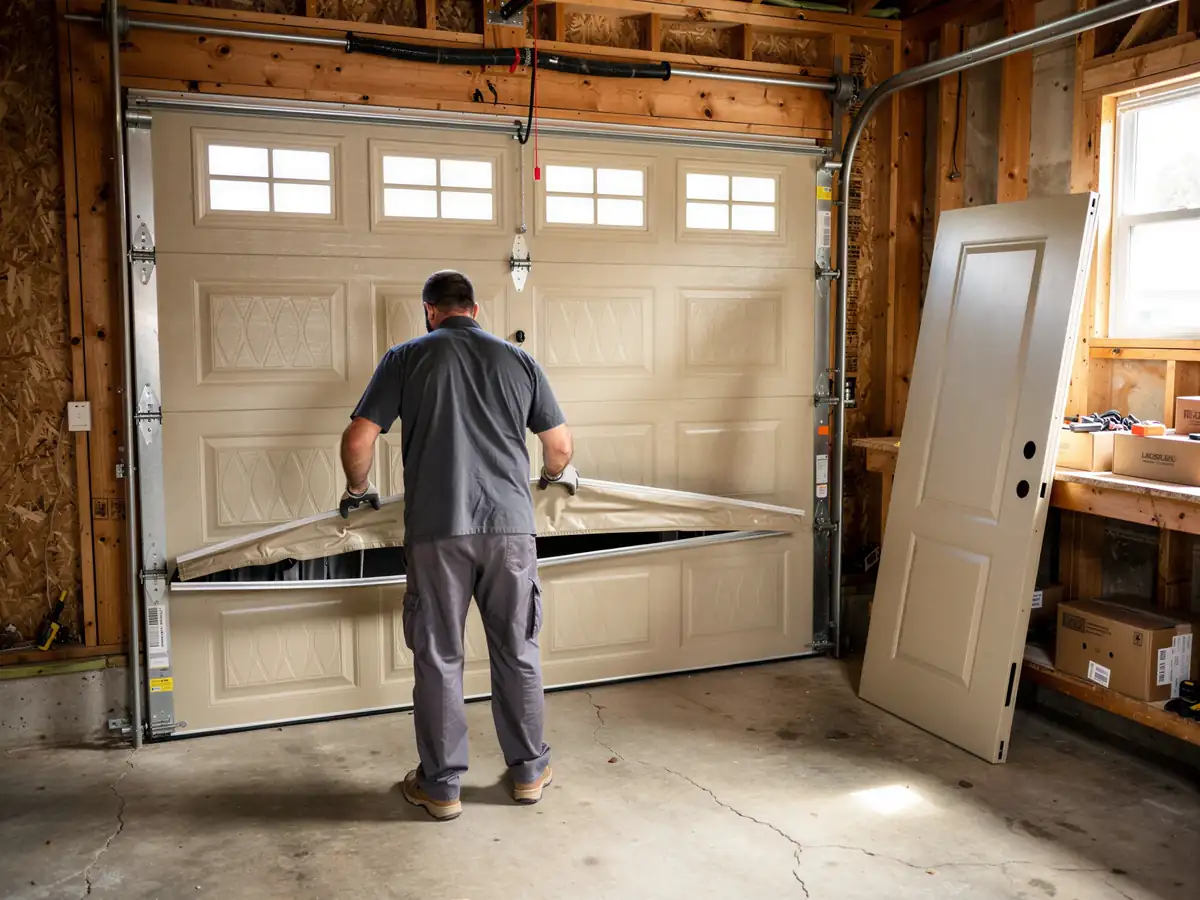
But especially not on the galvanized hardware common to the 1980s and '90s stock that makes up most of this area. If a spring has snapped, if a cable has come off the drum, or if the door won't hold position with the opener disconnected, that's a call, not a weekend project.
Honest limitation: on some of the older one-piece doors still running original track hardware from that build era
Exact replacement parts aren't something we keep on the truck - they can take a few days to source. If your door falls into that category, we'll tell you upfront rather than improvise with a part that doesn't match the hardware.
Replacement, not repair, usually makes more sense once you're looking at a spring, the opener, and the track all needing work at the same time
Which happens more often than you'd think on doors original to a house built in that 1986 median year. With a median household income of $85,625 across the service area, most owners here are in a position to plan a full replacement rather than keep patching the same door twice a year.
- $85,625 median household income