Why This Fails Locally
Most of the houses we work on around here went up between 1953 and 2014
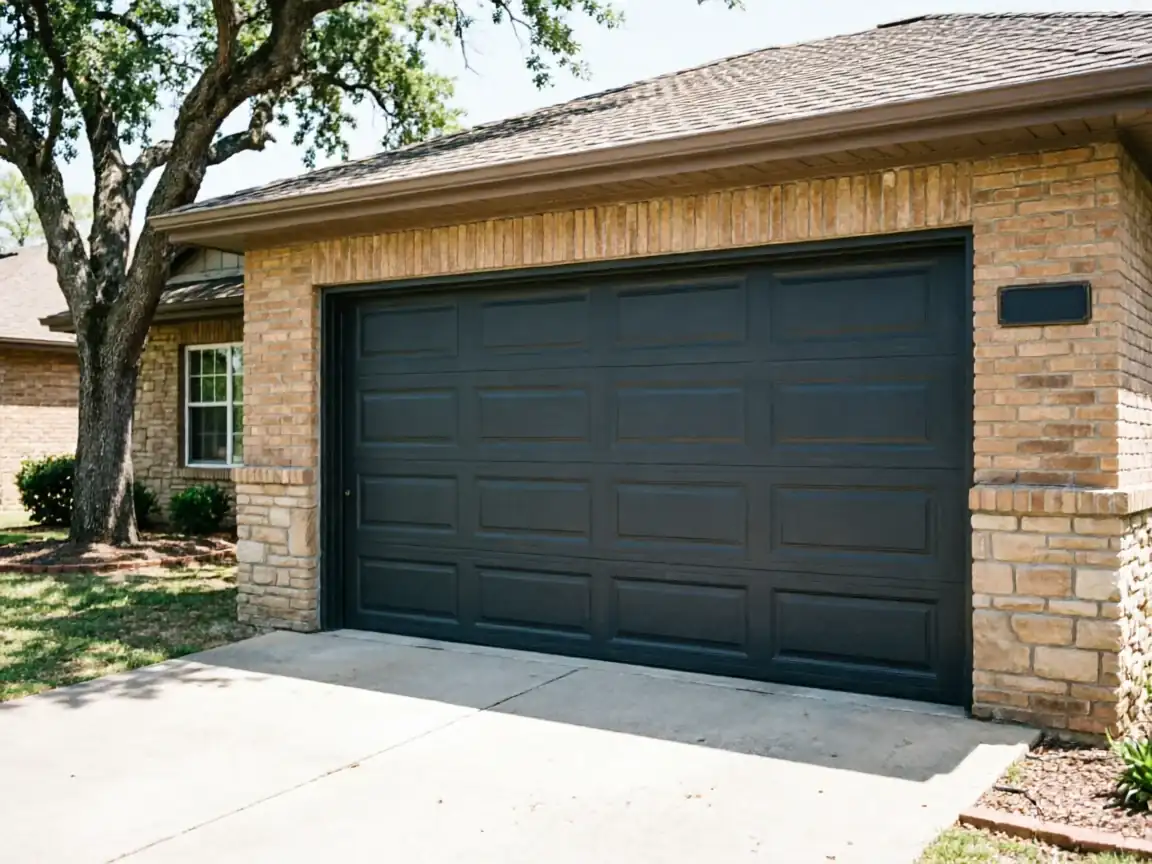
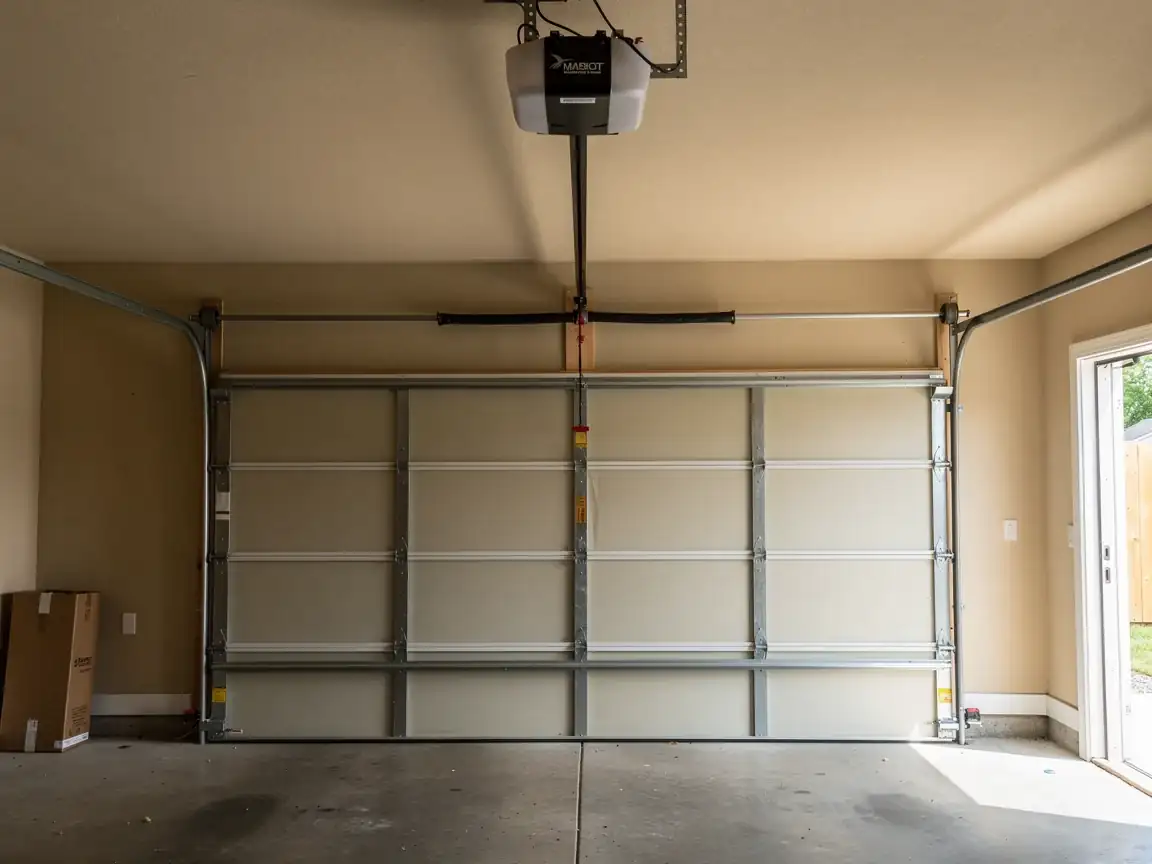
But the bulk of that stock clusters in the 1980s and 90s. That matters because it's the era when steel sectional doors with foam-core insulation became standard, replacing the older solid wood and single-layer steel styles. Those foam-core panels bond a thin steel skin to a rigid foam core, and that bond is what fails over time.
Our climate band here sits in the moderate heat category, not desert-extreme
But enough that garage doors facing west or south go through real daily temperature swings - cool mornings, hot steel by afternoon. That expansion and contraction cycle, repeated for three or four decades on a door installed in 1986 or so, works at the seam between the steel skin and the foam. Eventually the skin separates from the core, or a dented panel starts to bow instead of staying flat.
It's not a defect in any one brand
It's just what happens to a 35-to-40-year-old insulated panel in a climate with daily heat cycling, which is exactly the age and exposure profile common across the service area.
What the Repair Takes
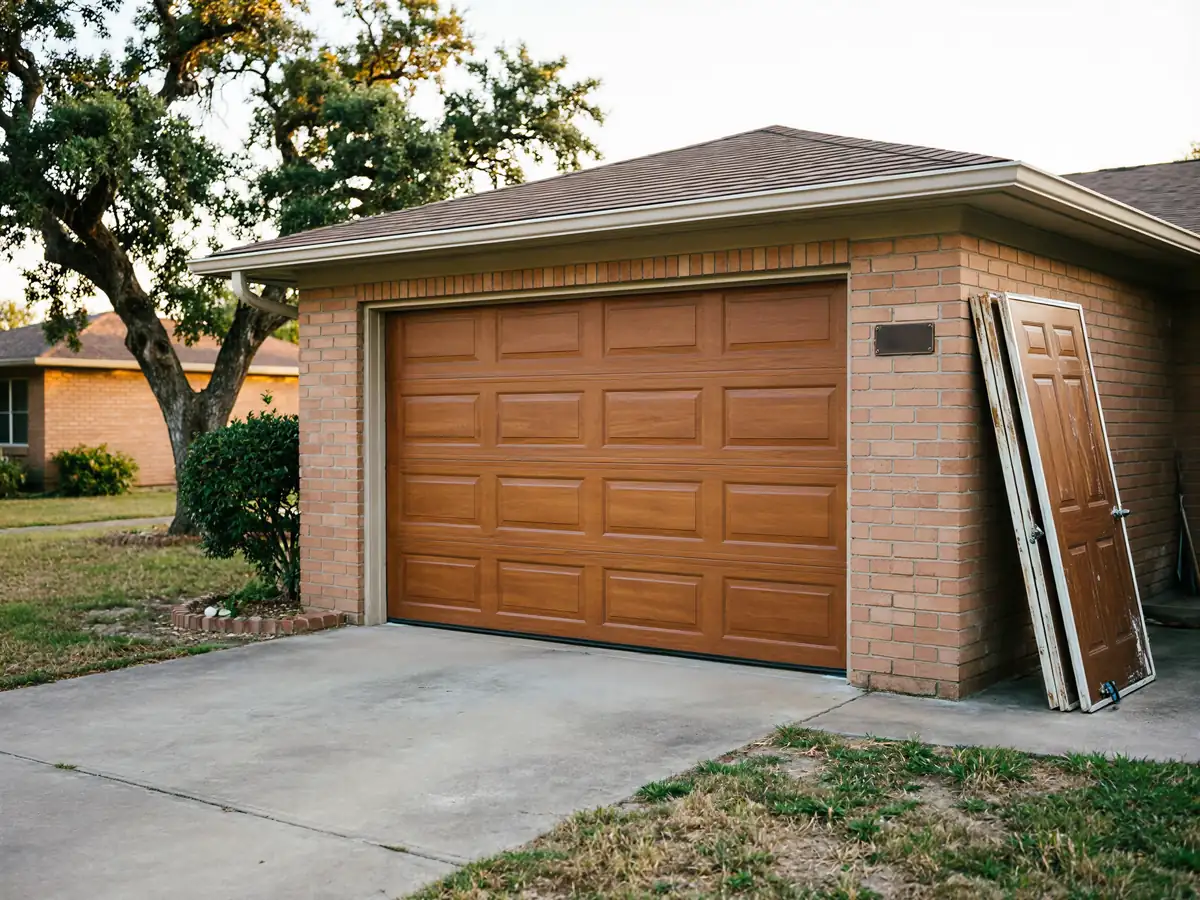
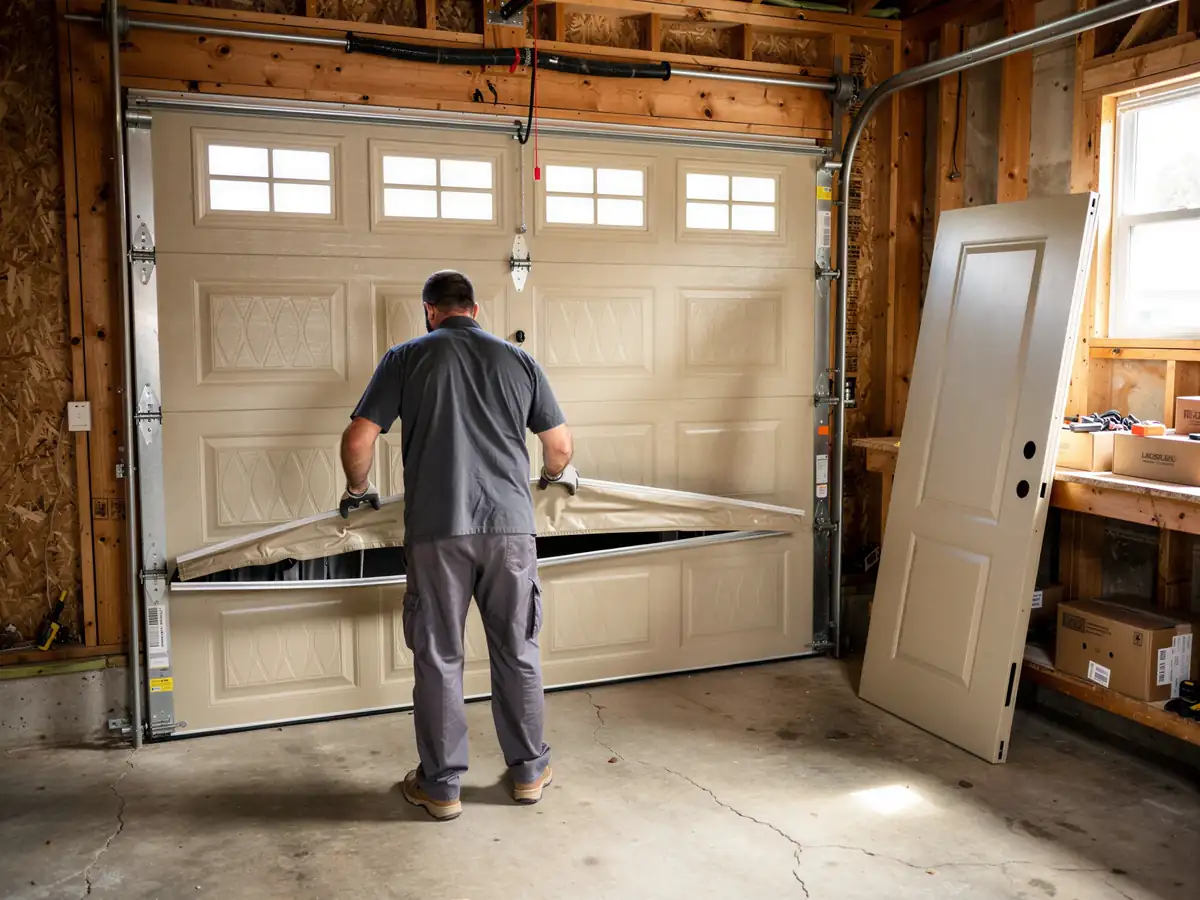
Panel replacement isn't a universal part. We have to match the section height, the door's width (single or double), the panel profile - raised, flush, or ridged - and whether it's insulated or not. Doors from the 1980s and 90s builder tracts around here often used panel styles that the original manufacturer no longer makes, which means sourcing a compatible replacement section rather than an identical one.
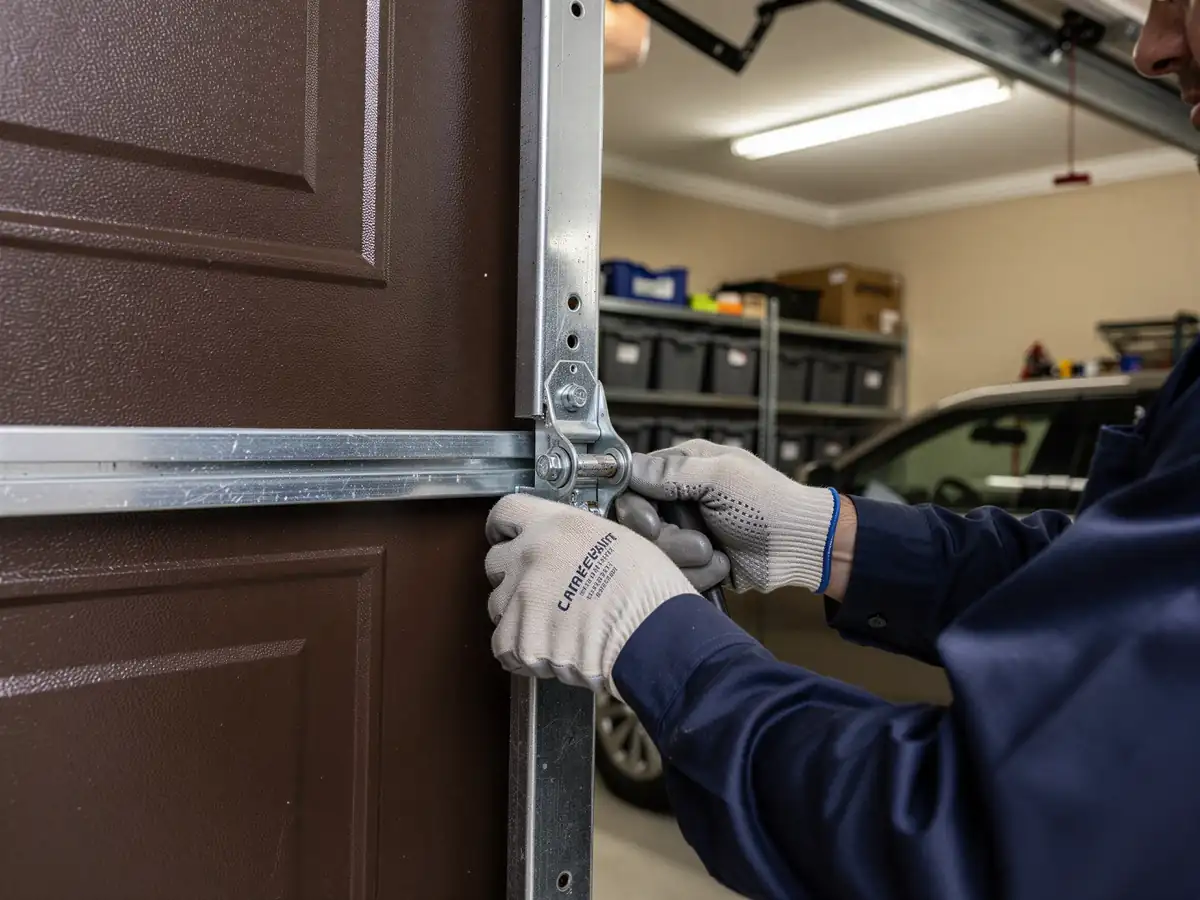
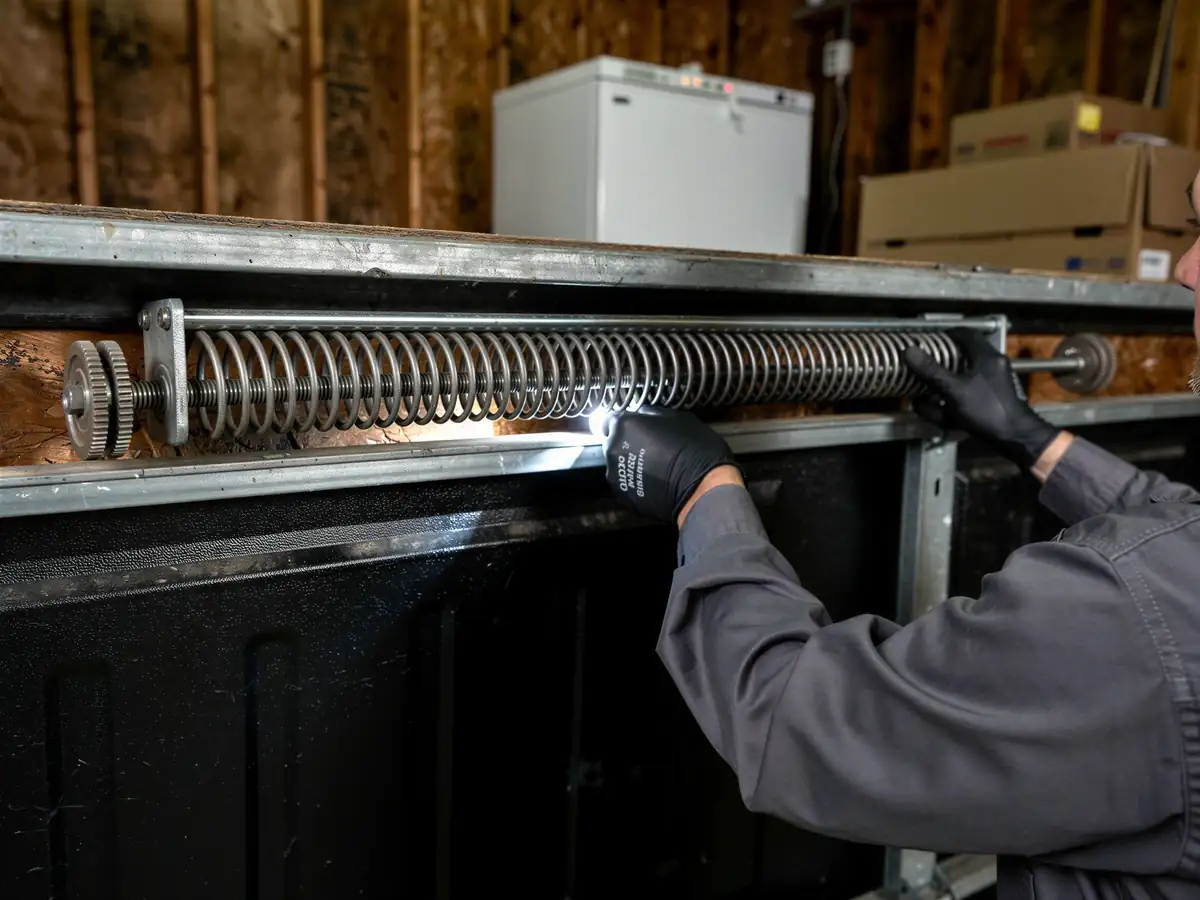
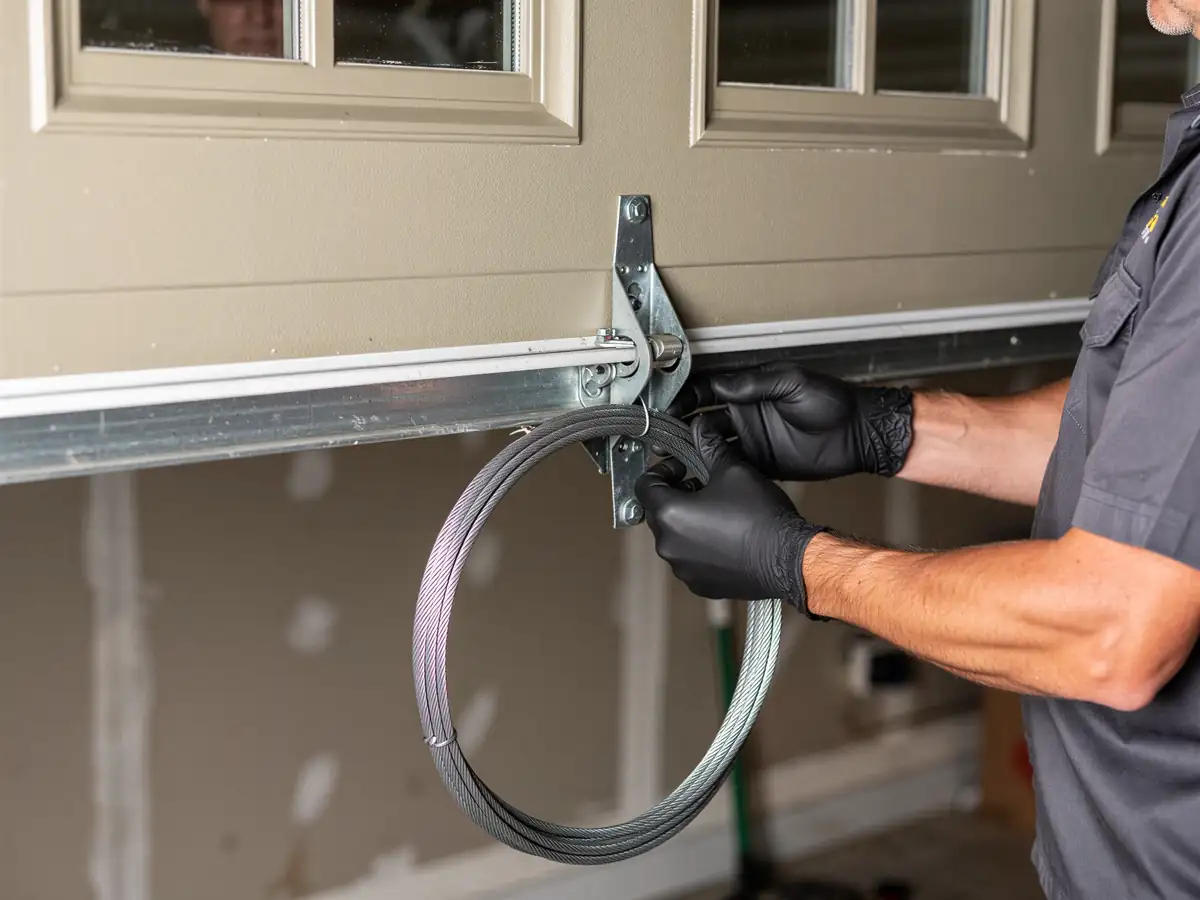
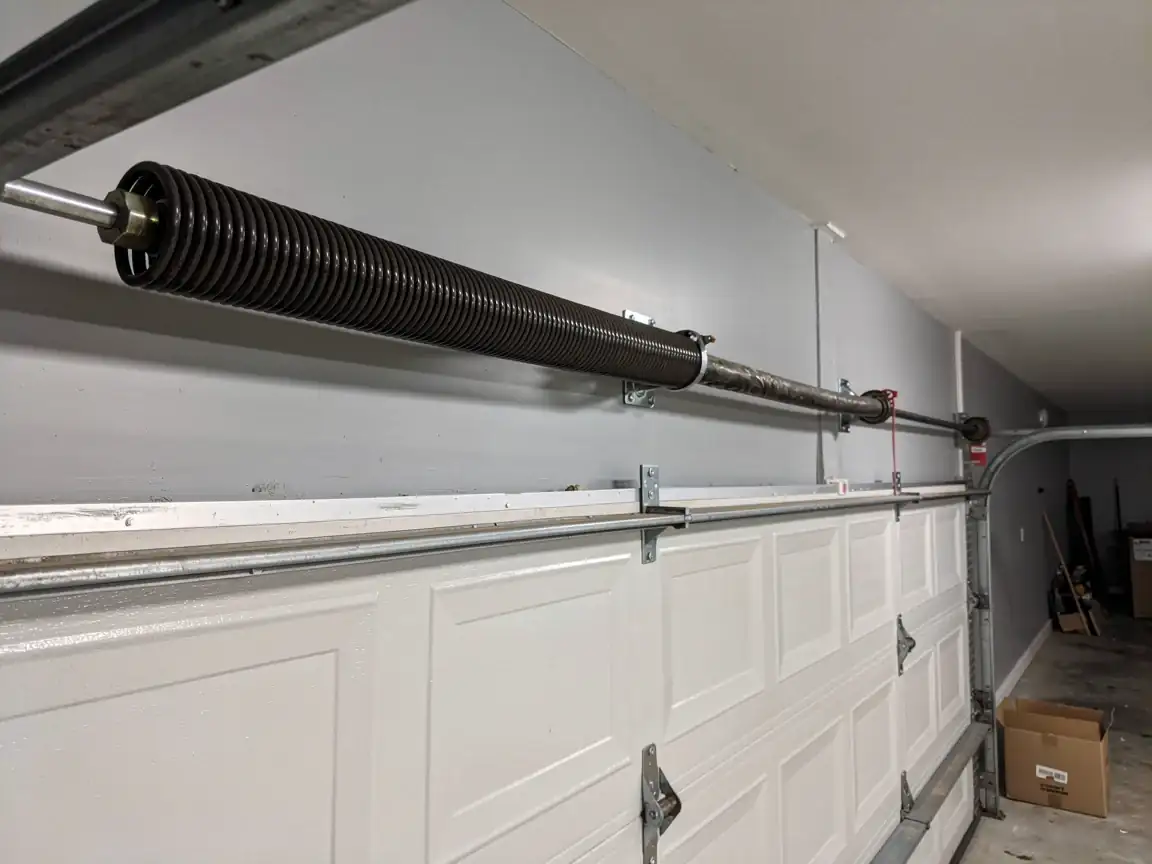
The job itself is mechanical: unbolt the hinges holding the damaged section to the panels above and below it, disconnect it from the track rollers, slide the new section in, and re-hang the hardware. On a door with torsion springs under tension, we're not touching the spring system for a straight panel swap, but if the bottom section is the one failing, we check the bottom brackets and cables too since they take the most wear.
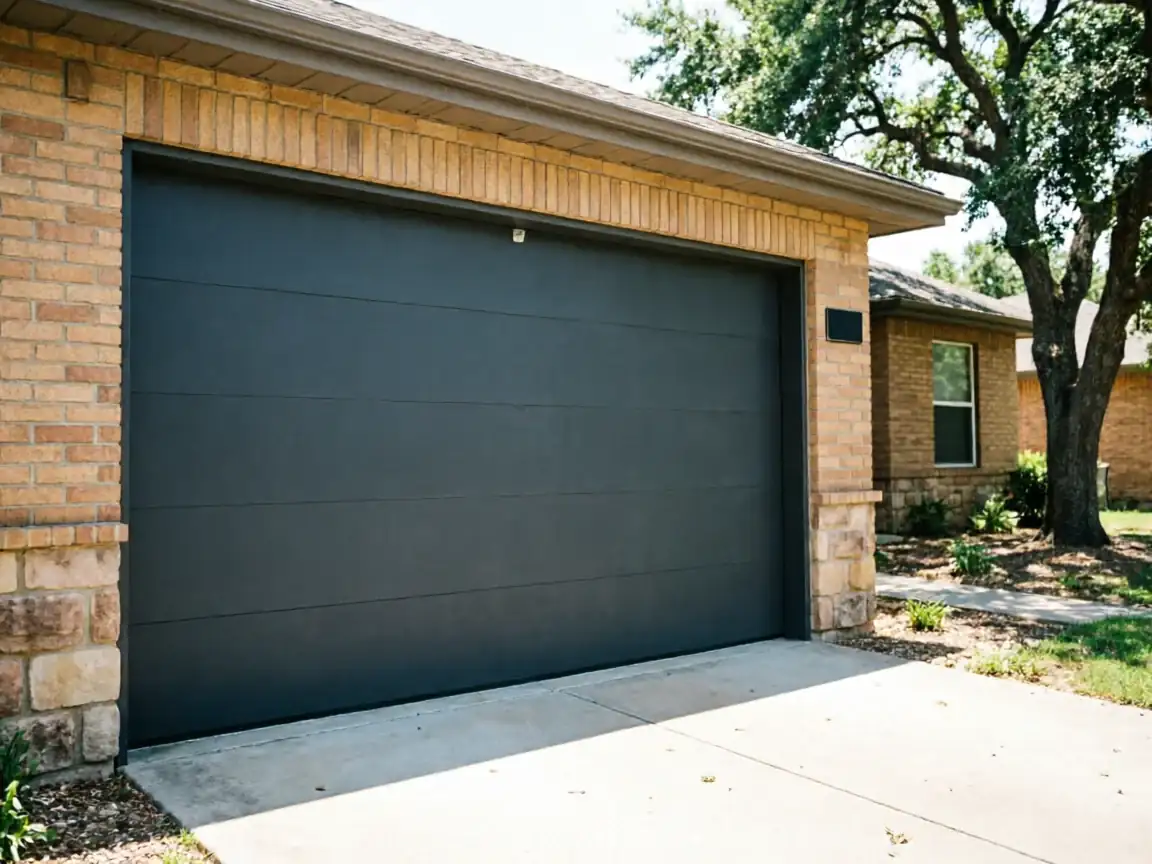
Color match is its own issue. A panel repainted or replaced ten years after the original install will not match a sun-faded door exactly, even with the same paint code, because the existing panels have weathered and the new one hasn't. We tell customers that up front rather than promise a seamless blend.
Can You Do This Yourself
A cosmetic dent on a non-structural spot, sure, you can sometimes pull it or live with it. But a true panel swap on an insulated steel door means removing hardware that's holding the section under spring tension from neighboring panels, and getting the alignment wrong means the door binds in the track or won't seal at the bottom.
The honest limit here: if more than one panel on a double door is damaged, or the door is old enough that the manufacturer's panel profile is discontinued, replacement of the whole door often costs about the same as sourcing and installing two or three individual sections. We'll tell you that straight rather than sell you a patchwork repair that won't look right. Full door replacement isn't always the answer, but on an older door with multiple bad panels, it's often the more sensible one.
How It Shows Up
The most common signs we see
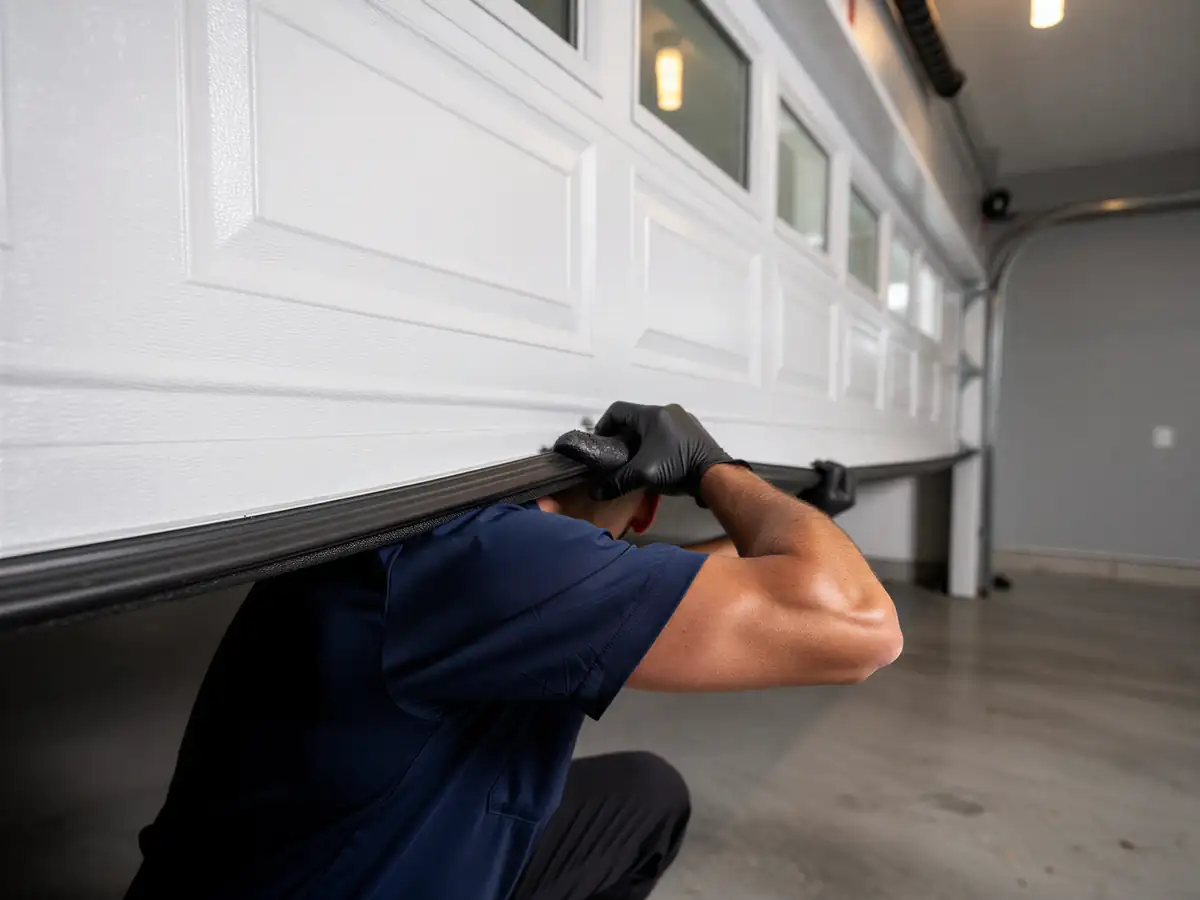
A bottom panel with rust starting at the seam where water sits after rain, a bowed or bulging section that no longer sits flush against the ones beside it, or a visible gap where the foam core has separated from the steel skin and the panel flexes when you press on it. On doors from the 1980s and 90s builder stock, this usually shows up first on the bottom one or two sections, since those take the most impact and moisture exposure.
Sometimes it's less obvious
The door closes but makes a new rattle, or the opener strains slightly more than it used to because a warped panel is dragging in the track. That's often an early-stage version of the same foam-core separation, just before it becomes visible as a dent or bulge.