The Situation
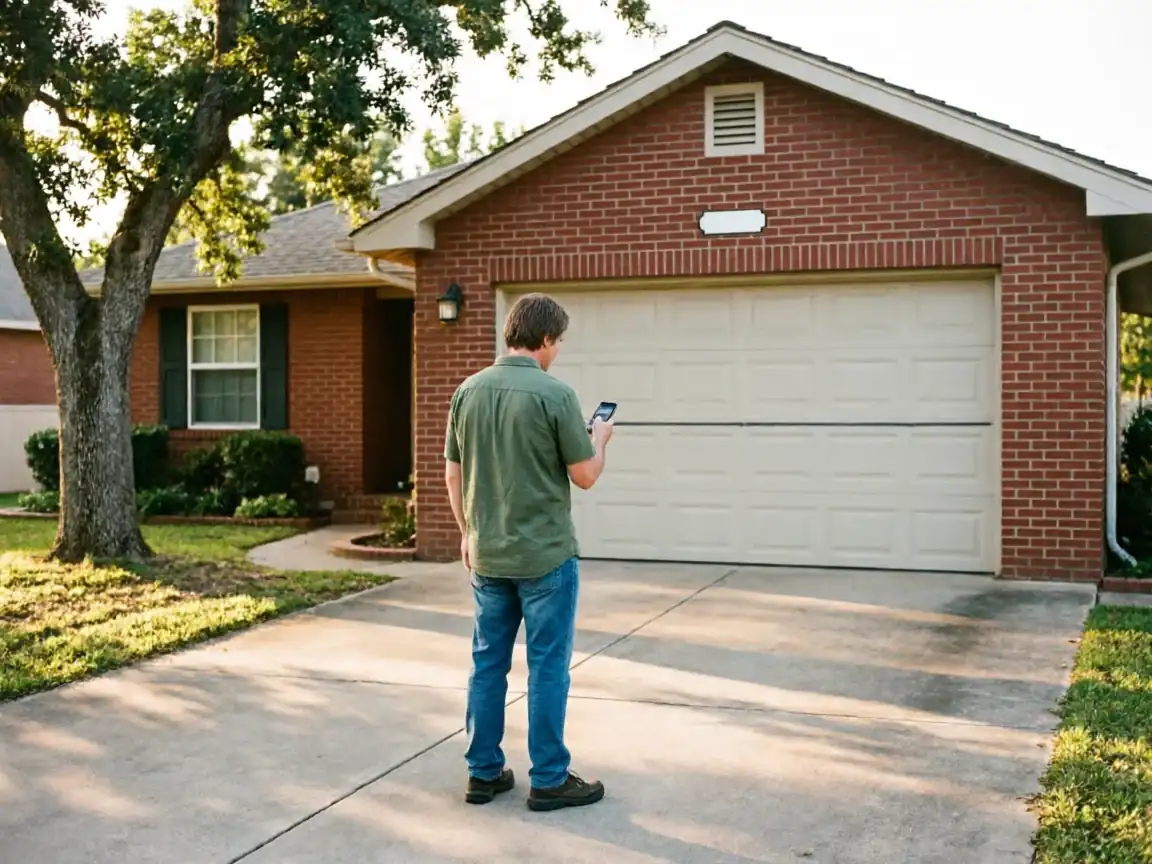
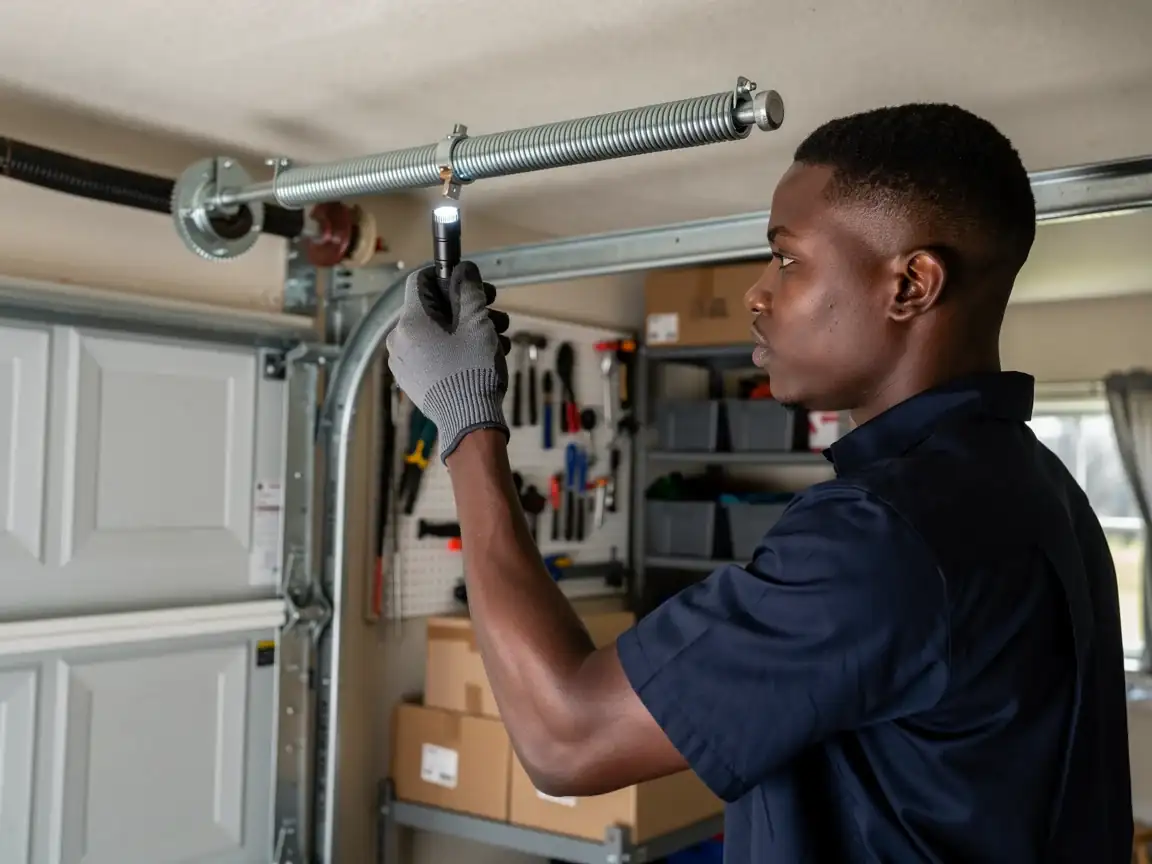
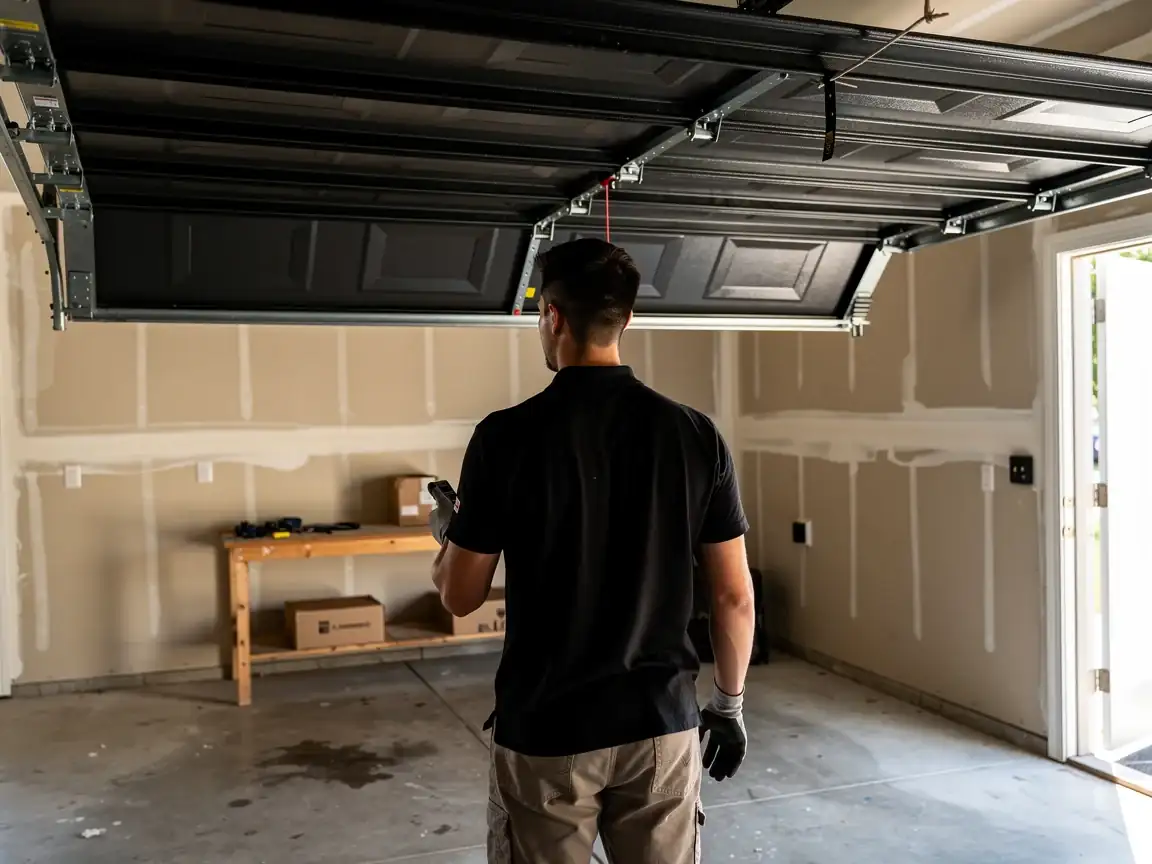
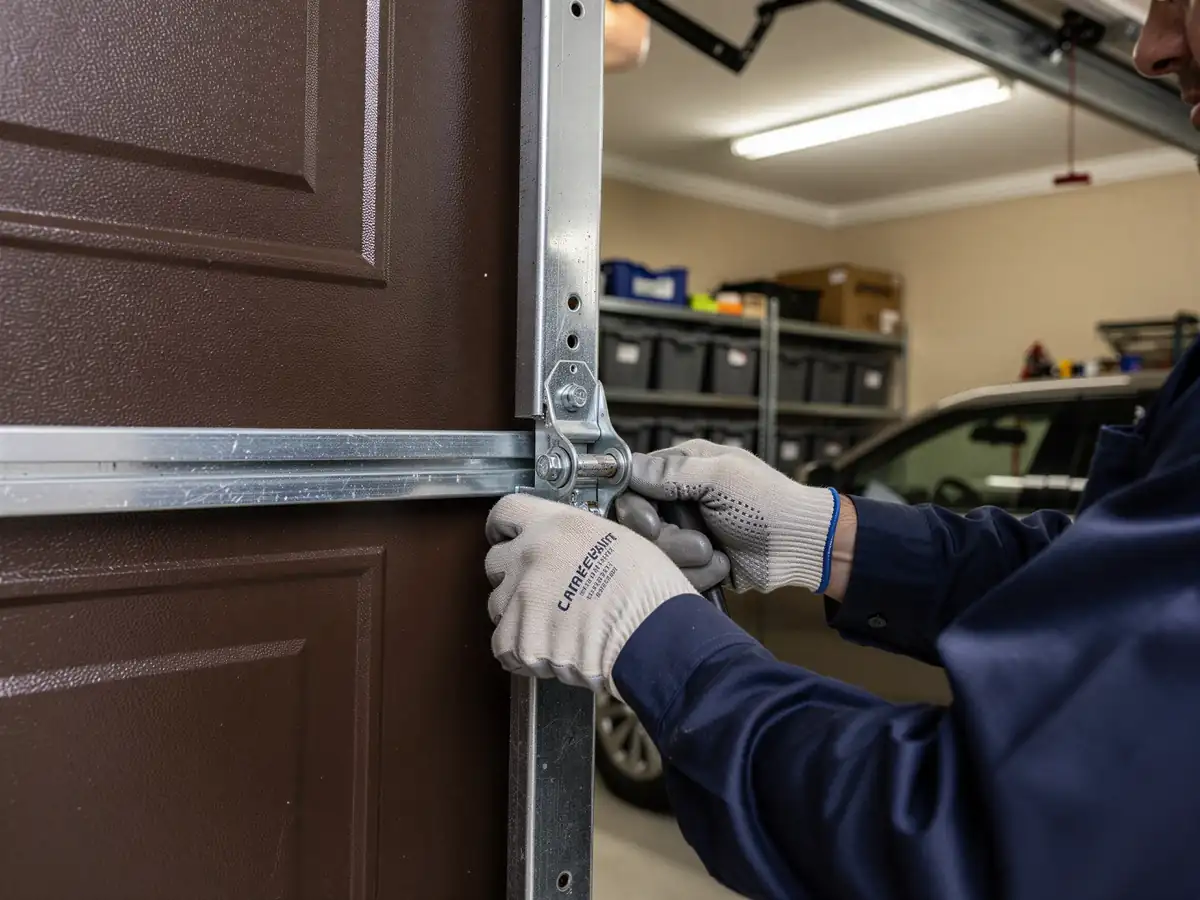
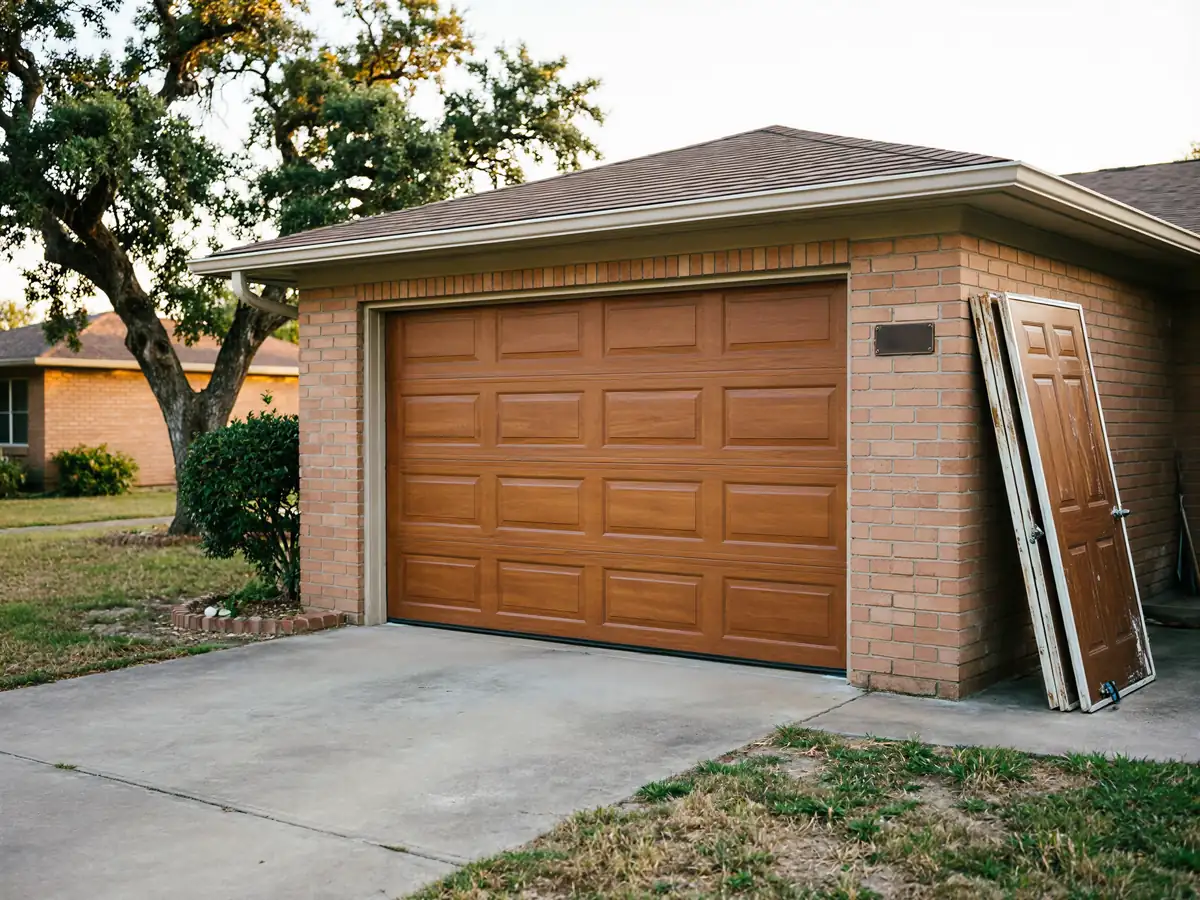
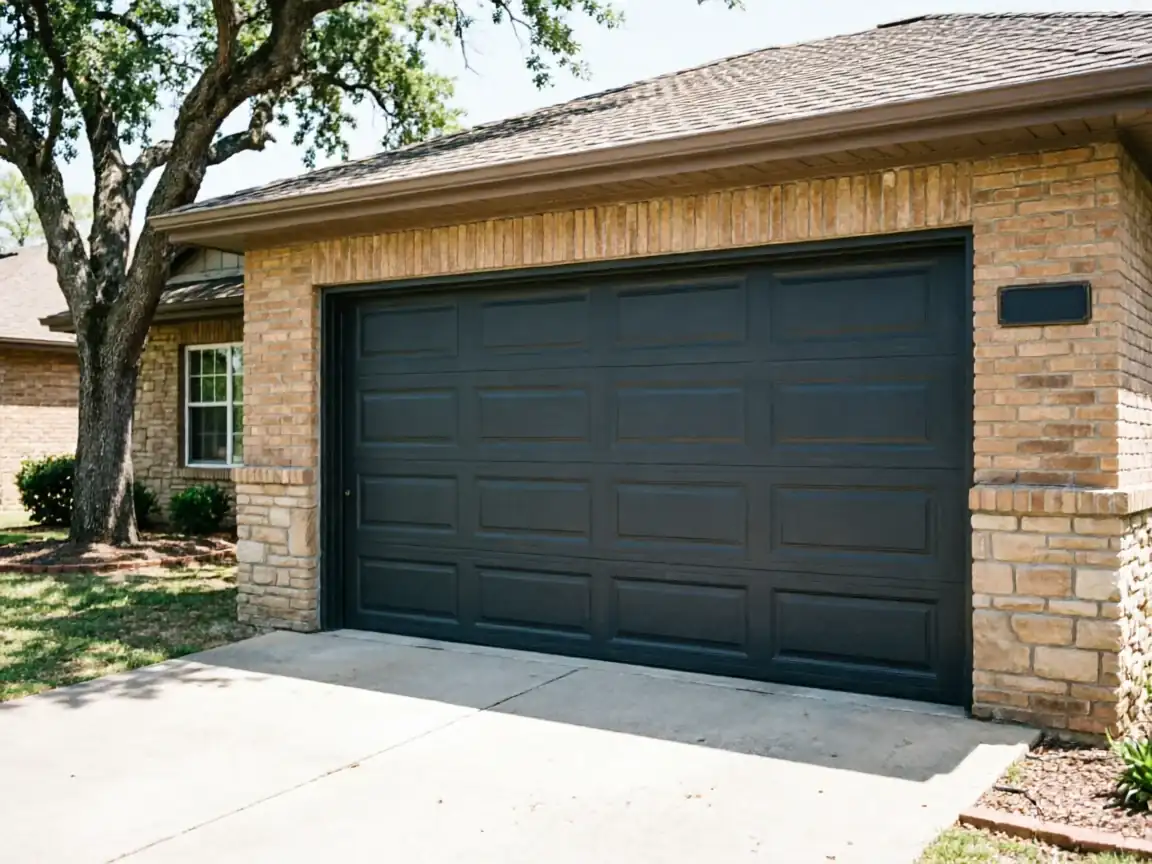
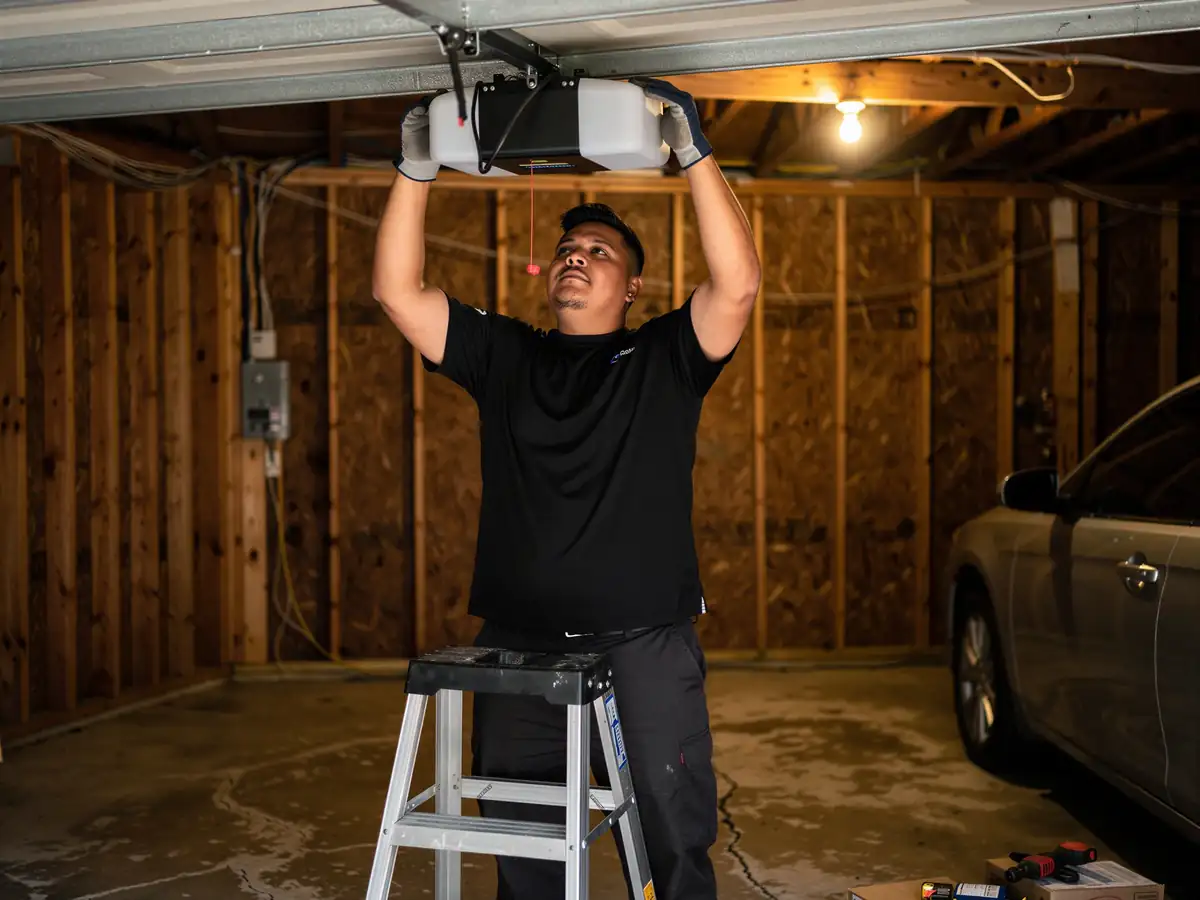
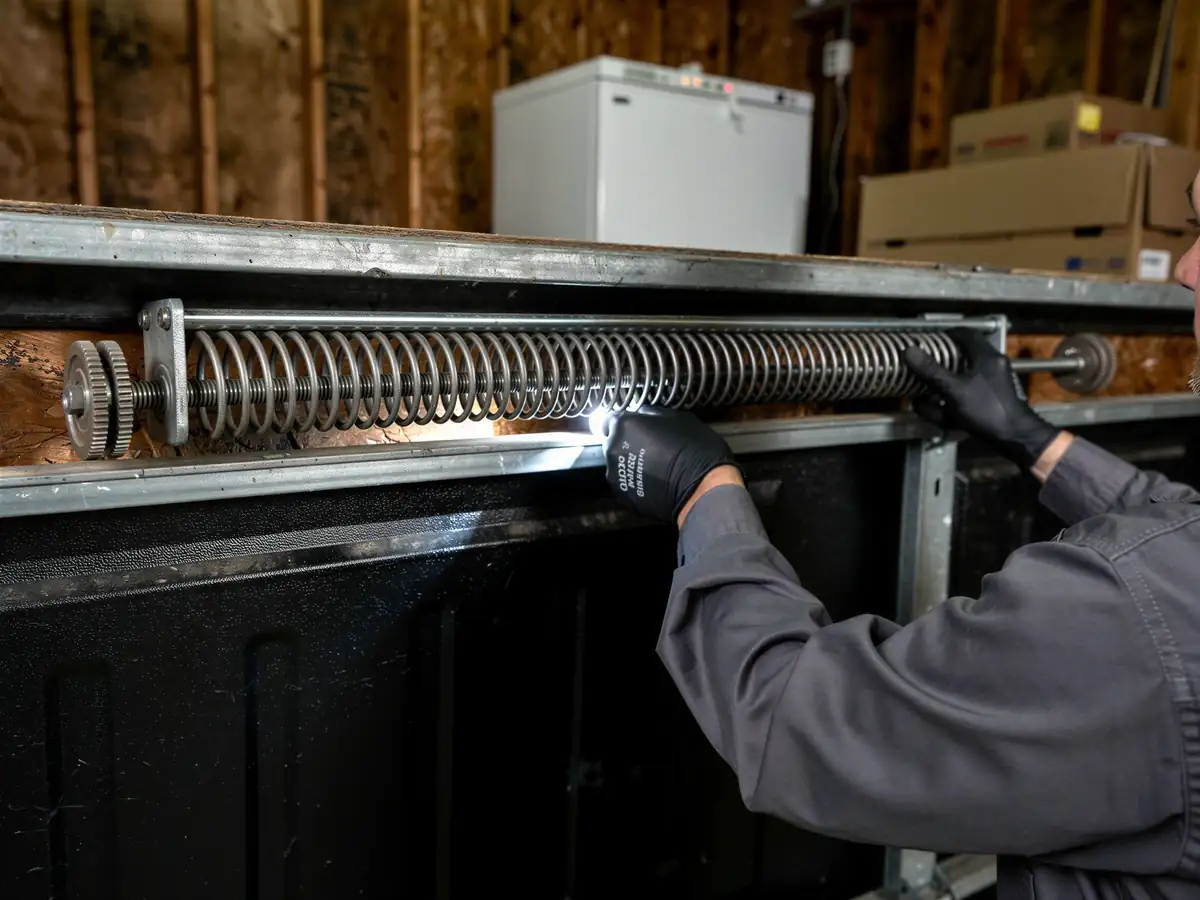
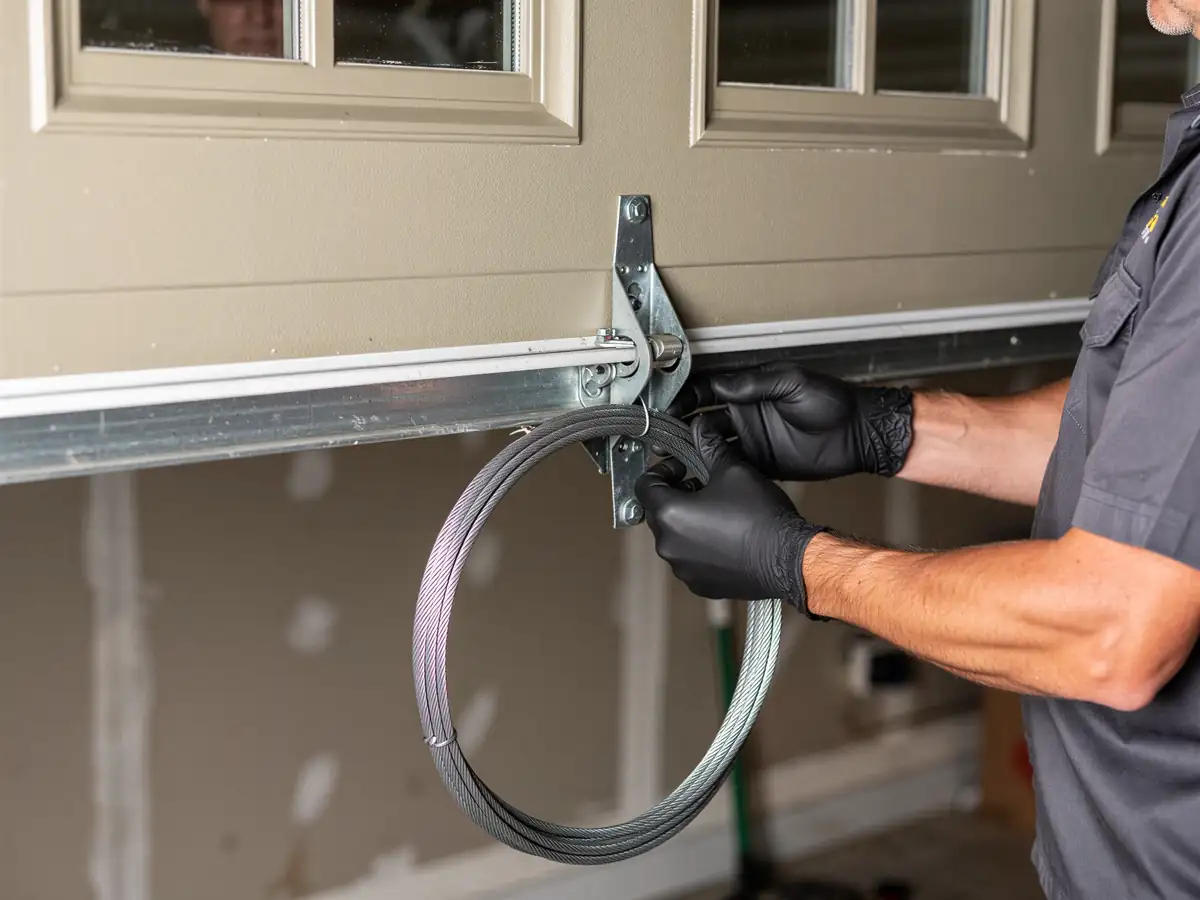
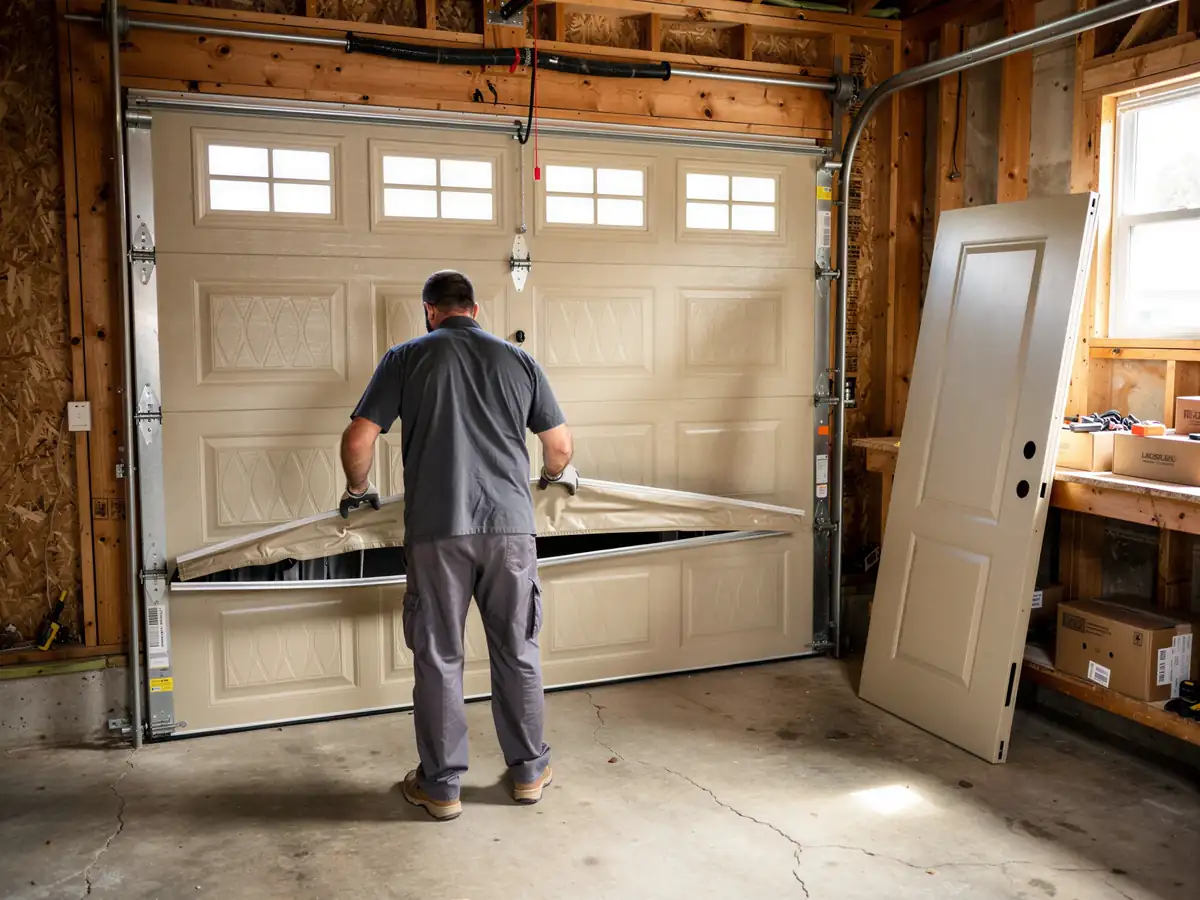
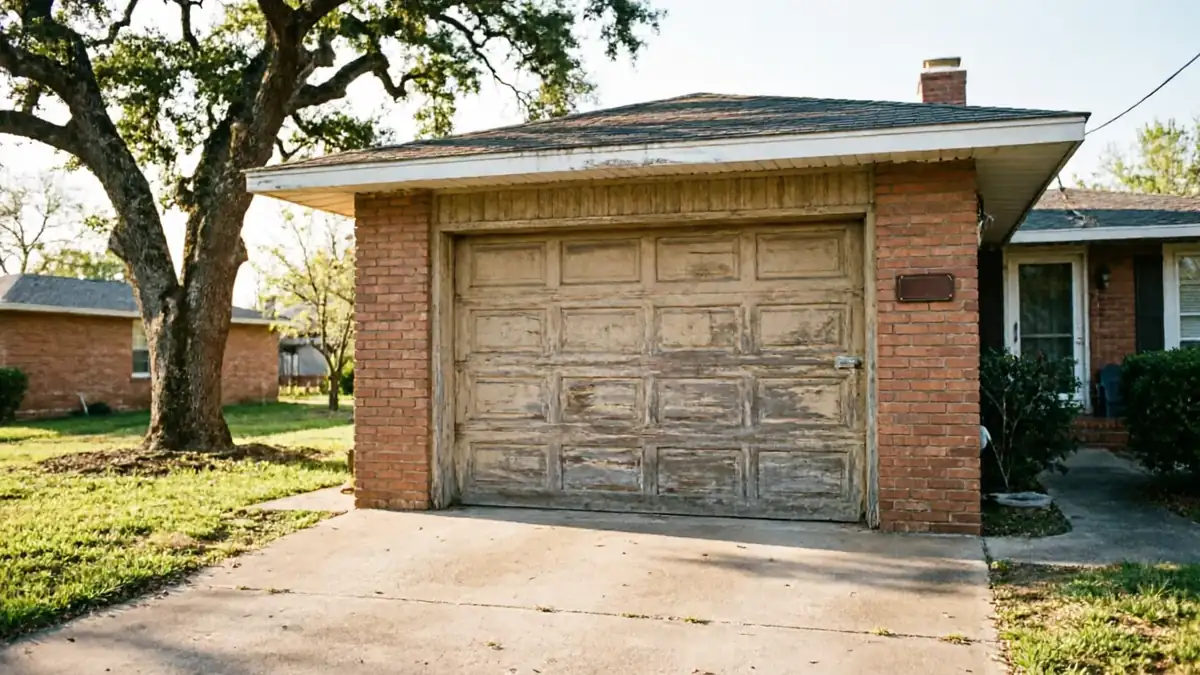
Across the nineteen named areas we cover, most of the housing stock dates to the 1980s and 90s, sitting inside that 1953-2014 build window with a median year of 1986. That matters for repair decisions because doors from that era are mostly steel panel with torsion or extension springs sized for standard residential loads - parts that are still easy to source and match, unlike the handful of older wood doors scattered through earlier pockets of the service area. With 38,391 owner-occupied houses and a median household income of $85,625 across the area, most owners here are deciding between a $150-300 spring or cable repair and a full replacement that runs well into four figures. The math usually favors repair when the door itself - the panels, the track, the frame - is sound and only the hardware has failed. It tips toward replacement when the panels are dented through, the door is pre-1990s wood that's swelled and cracked, or you're already on your second spring failure in a few years, which usually means the whole assembly is undersized or worn out.
What the Weather Here Does to It
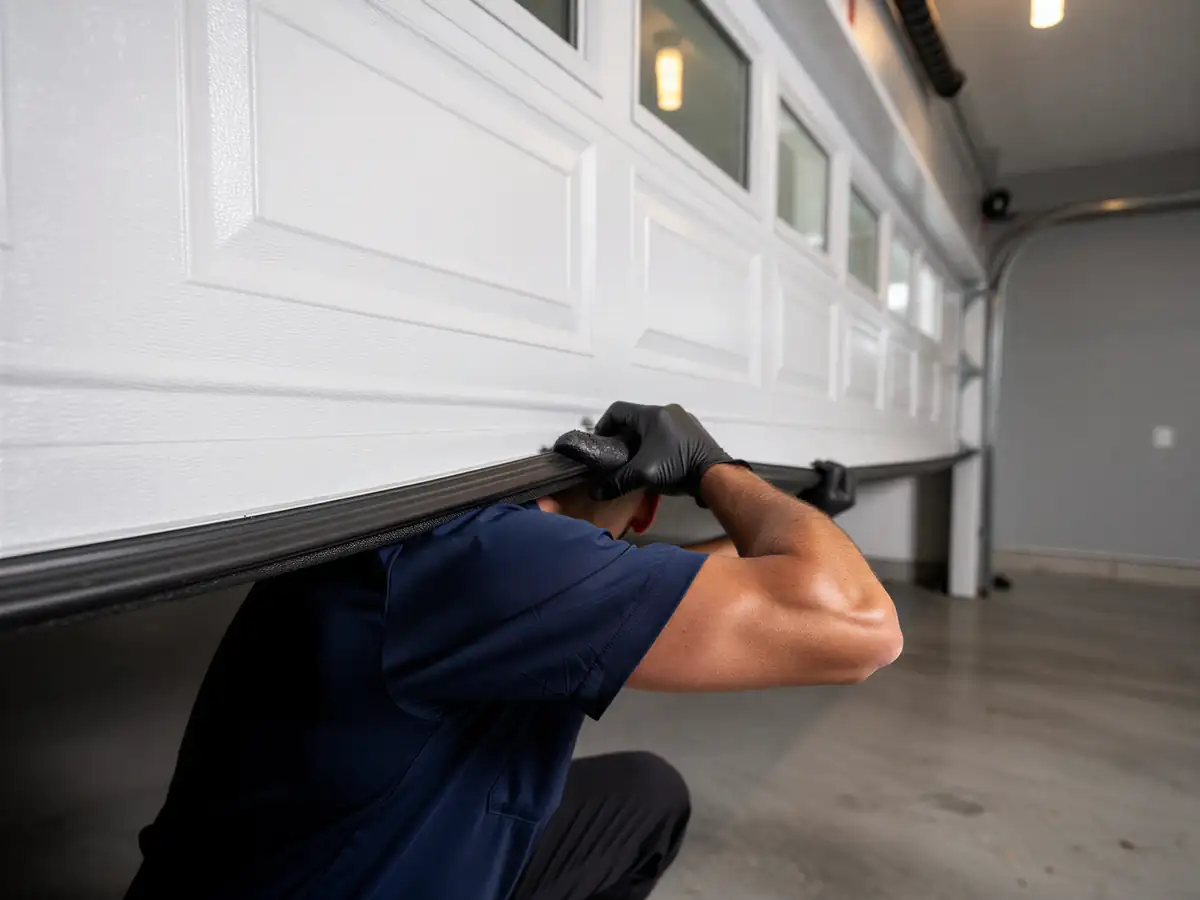
This area sits in a moderate heat band, not the extreme swings you'd get further south or in a harsher climate, so the damage pattern on older doors is steadier and less dramatic than storm-driven failure. What it does instead is slow degradation: rubber seals and weatherstripping dry and crack from repeated summer heat cycling, lubricant on hinges and rollers thins out faster than the label promises, and steel panels on doors from that 1980s-90s stock can develop rust at the bottom corners where condensation collects overnight and then bakes off by midday. None of that breaks a door outright, but it's why a twenty-year-old torsion spring here often still has rated cycles left in it while the weatherstrip around it has given up years earlier. If your door is from that median-era construction and the complaint is drafts or a dried-out bottom seal rather than a structural problem, that's a repair, often a cheap one. Heat wears the soft parts first and the hard parts last, which is usually good news for anyone deciding whether to fix or replace.