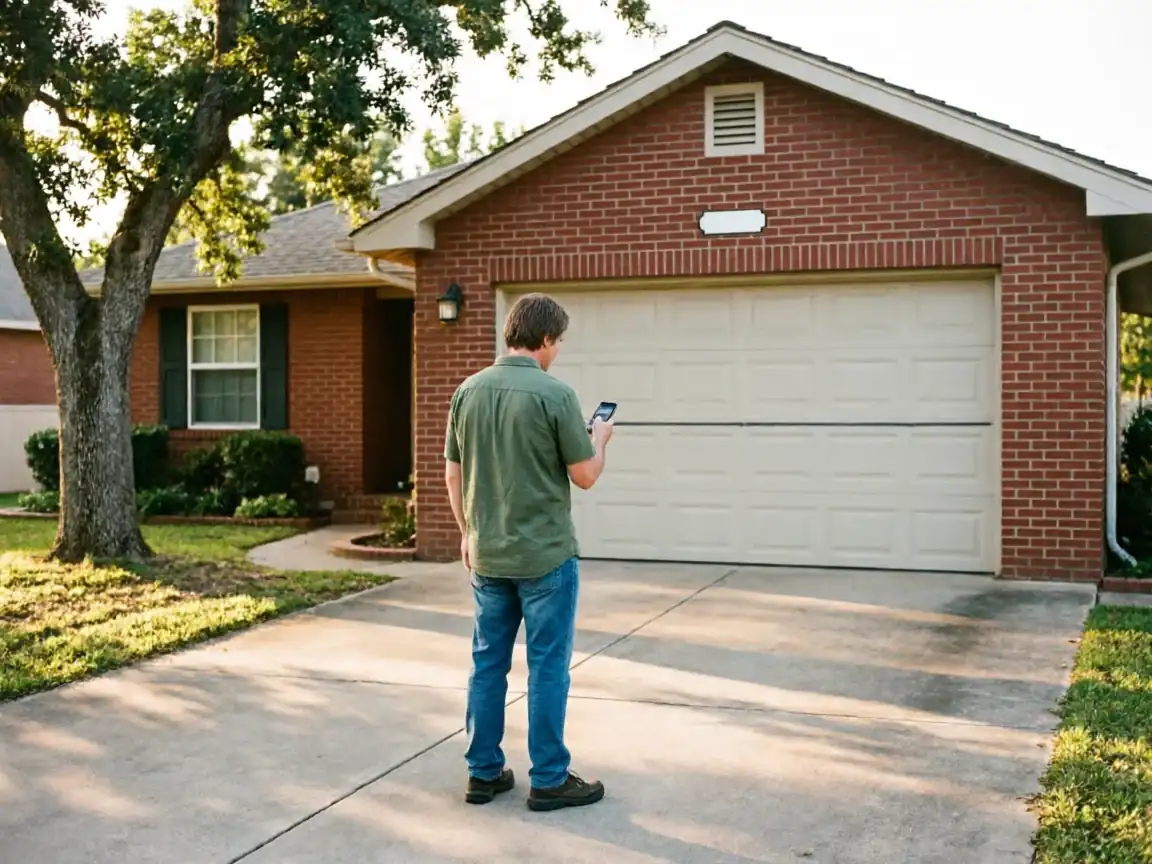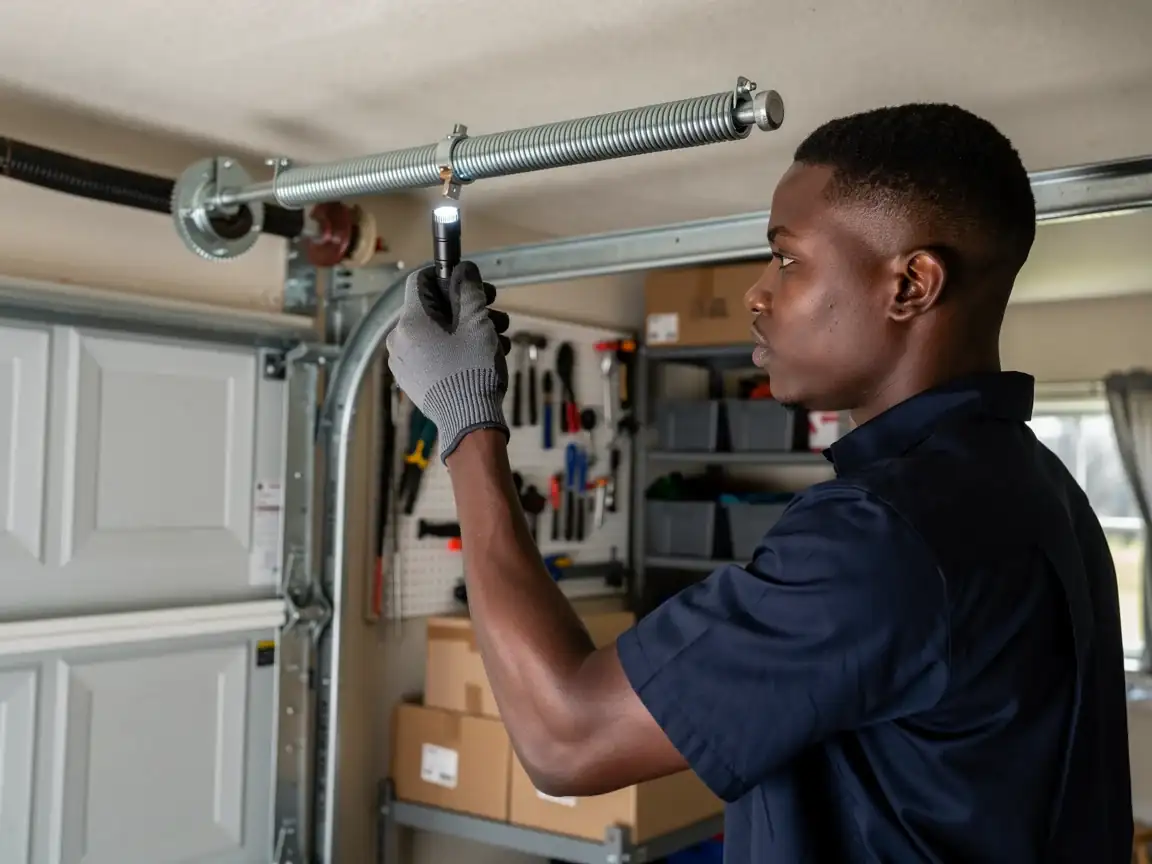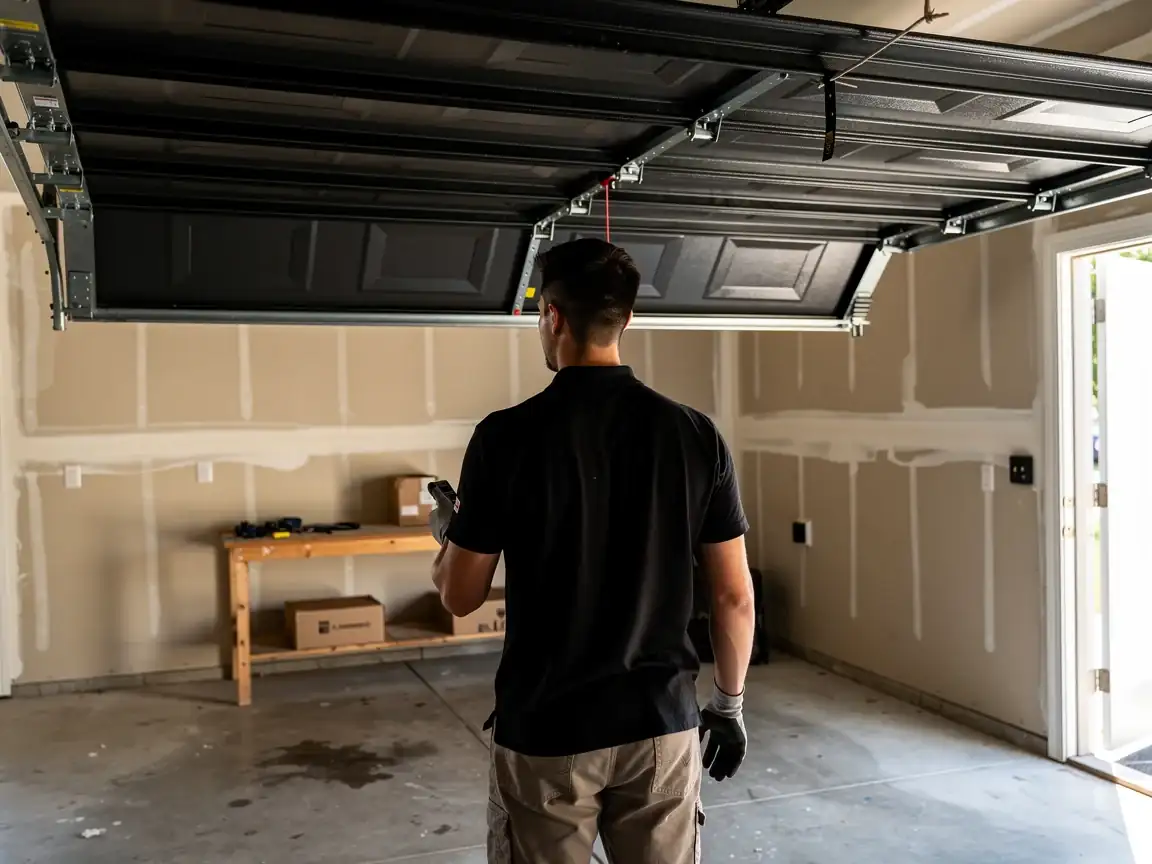
The Situation
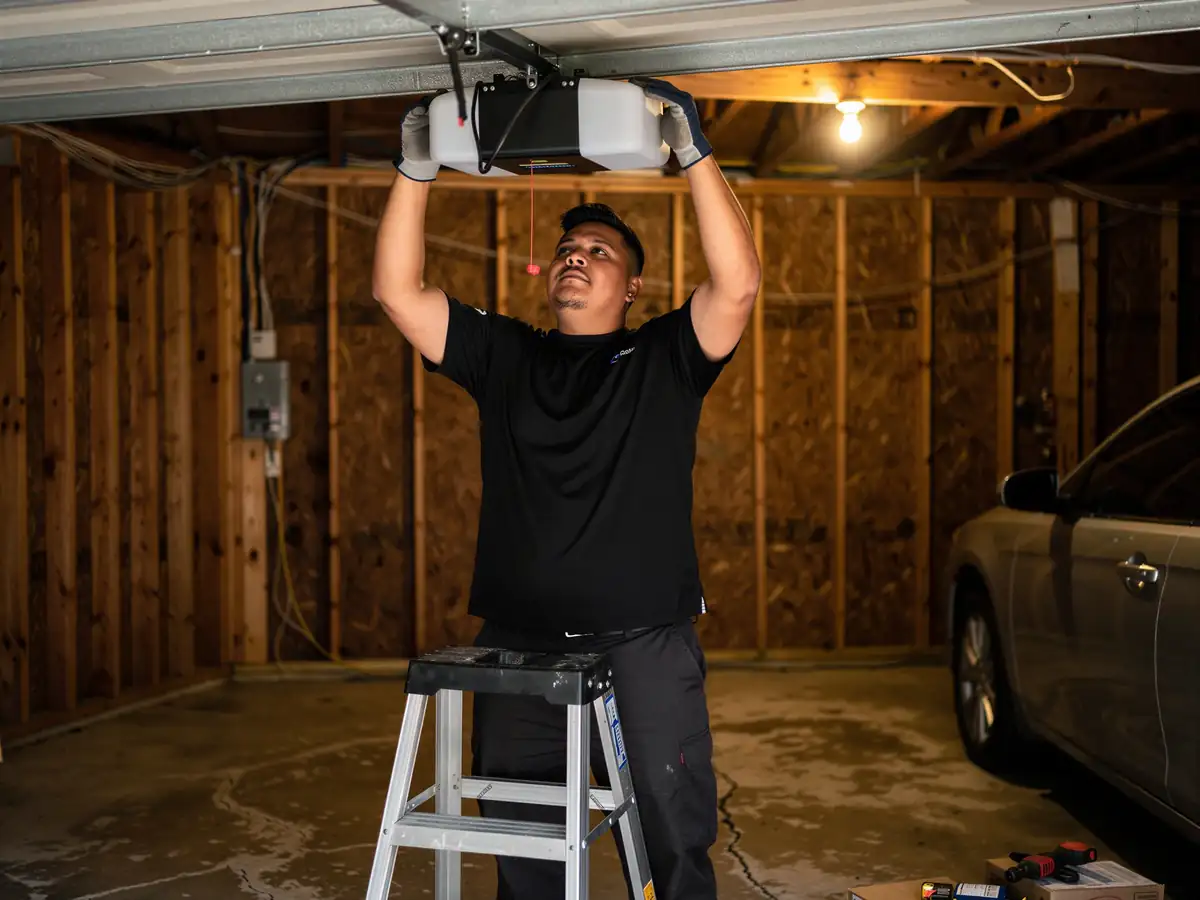
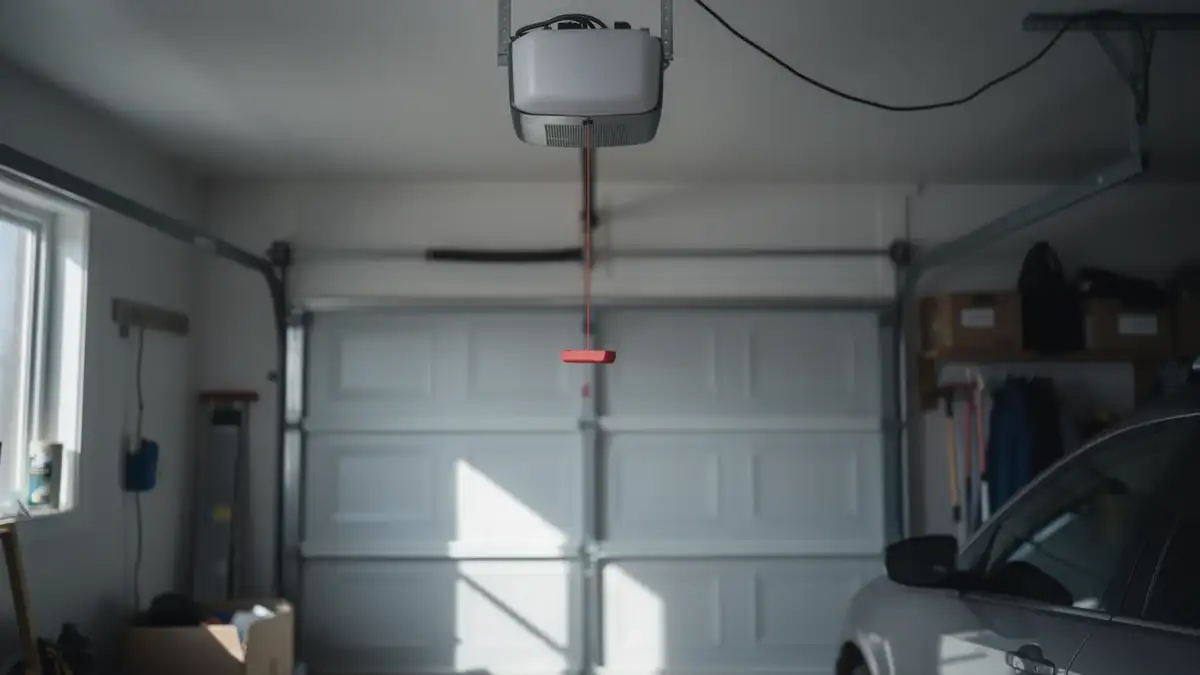
Because most of the housing stock here dates to the 1980s and 90s, a lot of openers in Burleson are coming up on, or past, the point where a logic board failure is more likely than a motor failure. Boards from that generation weren't built with battery backup - that became common on openers made well after 1986, the rough median build year for houses in this area. So when the power cuts, a newer opener with a backup battery keeps working on the next cycle or two; an original-era unit just stops cold until the grid comes back. Across roughly 38,000 owner-occupied houses in the service area, that split matters: some homeowners have a door that shrugs off a short outage, and others have one that goes fully dead. There's no way to know which camp a given house falls into without checking the opener's manufacture date, usually stamped inside the light cover. If yours doesn't have a battery backup and outages are a recurring annoyance rather than a rare event, that's a retrofit worth asking about - not a full opener swap, necessarily, just the backup unit.
What the Weather Here Does to It
This area sits in a moderate heat band, not an extreme one, but garages still run hotter than the house around them, and that heat is hard on the electronics inside an opener housing. Circuit boards and the capacitors on them degrade faster the longer they sit in heat-soaked air, and a garage with no vent or insulation holds heat long after the sun's down. That's a slower failure than a storm knocking out power - it shows up as an opener that starts skipping commands, or a remote that works some days and not others, months before it quits outright. It's not dramatic, which is exactly why people miss it. A sudden power cut and a slow-cooked logic board can produce the same symptom - a door that won't respond - for two completely different reasons, and treating one like the other wastes a service call. If your opener's acting erratic on hot afternoons specifically, that's heat-stressed electronics, not a power problem, and it points toward replacing the unit rather than just waiting for power to come back.