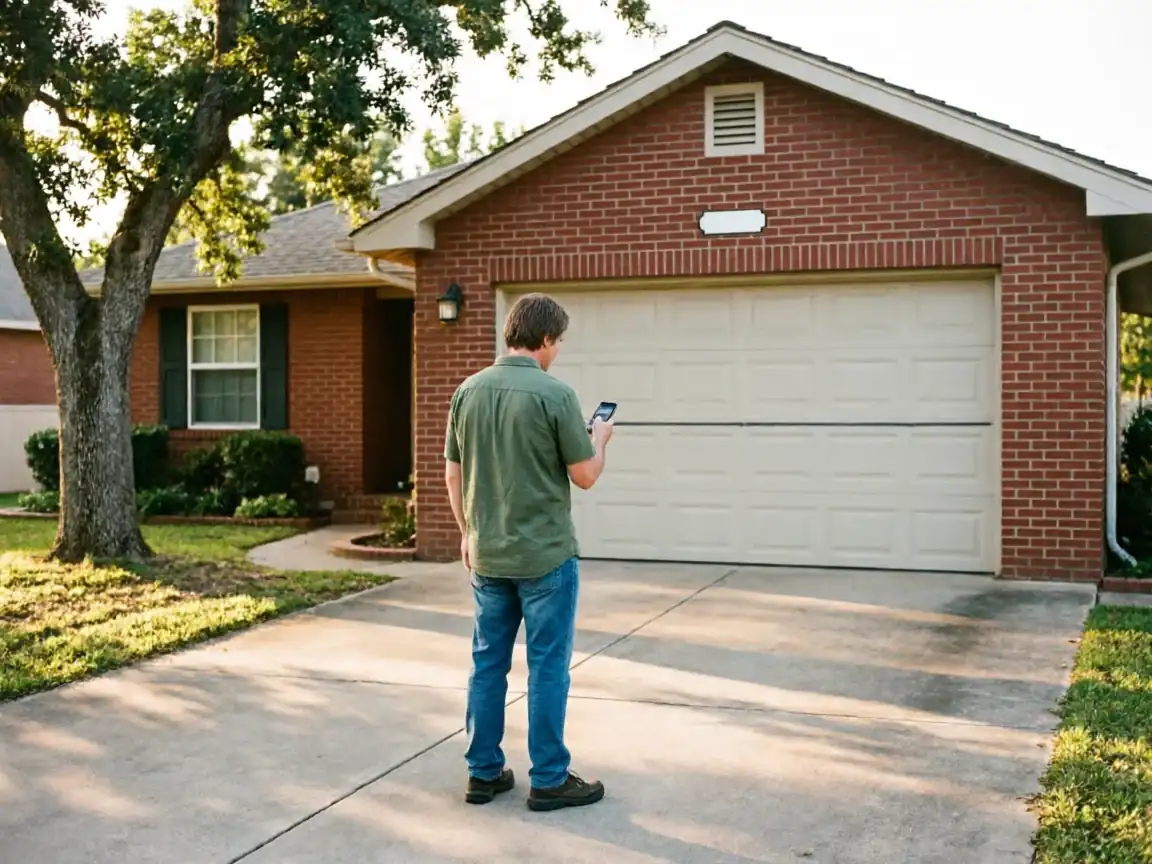
Why This Fails Locally
Most of the houses we get called to in Burleson went up between 1953 and 2014
With the bulk of that building happening in the 1980s and 90s across the area's older subdivisions. That matters because a door and opener installed in, say, 1988 is pushing 35+ years on original springs, rollers, and in a lot of cases the original opener motor. Nothing on a garage door lasts forever, and a huge share of the housing stock here is sitting right at the point where original parts are worn past the point of smooth operation.
The climate band for this area is moderate heat
Not the extreme swings you get further west or south. That sounds like a break, and in some ways it is - you don't get the same freeze-thaw cycling that kills hardware in colder regions. But moderate heat held for months at a time still dries out lubrication on tracks and hinges faster than owners expect, and it softens the nylon rollers that a lot of 80s and 90s builders spec'd as standard. Add in a torsion spring that was never rated for the extra cycles of a daily two-car household, and you get the slow-motion failure we see most: stiff, noisy, or off-track doors that didn't happen overnight, they happened over thirty-plus summers.
What the Repair Takes
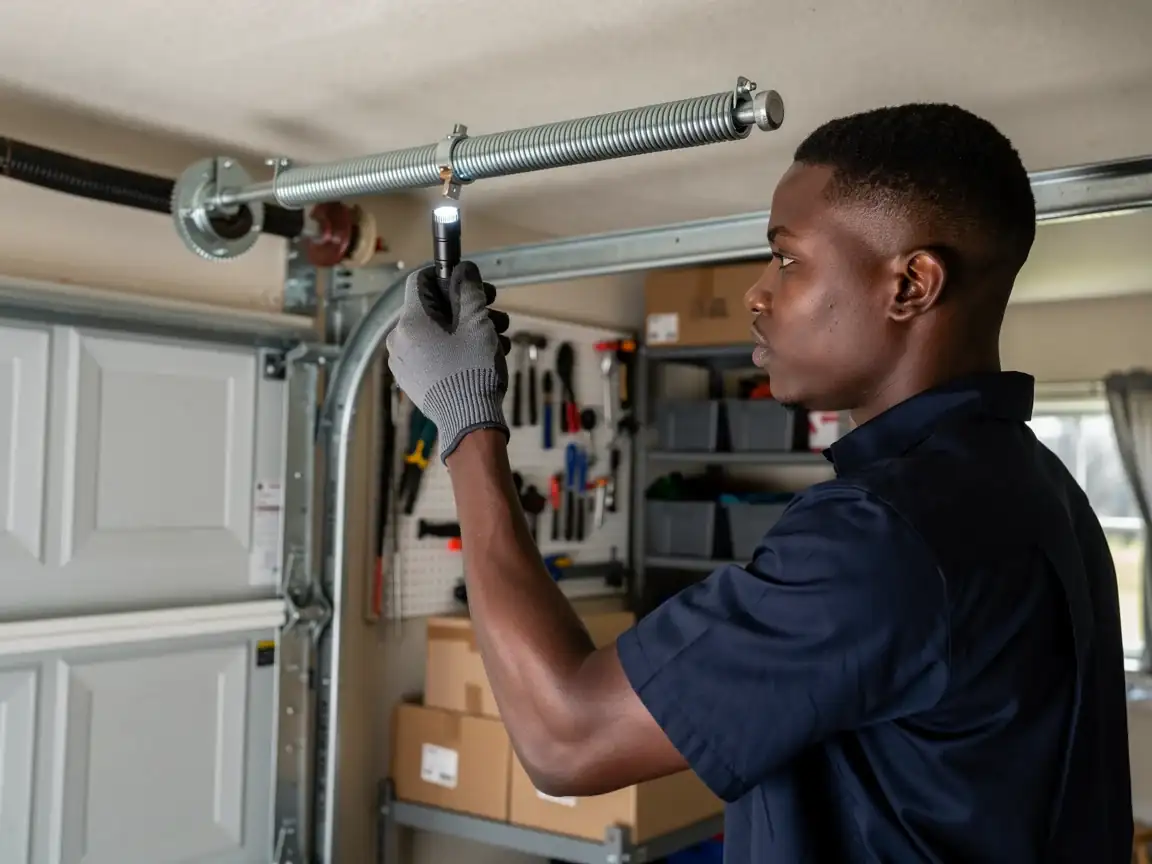
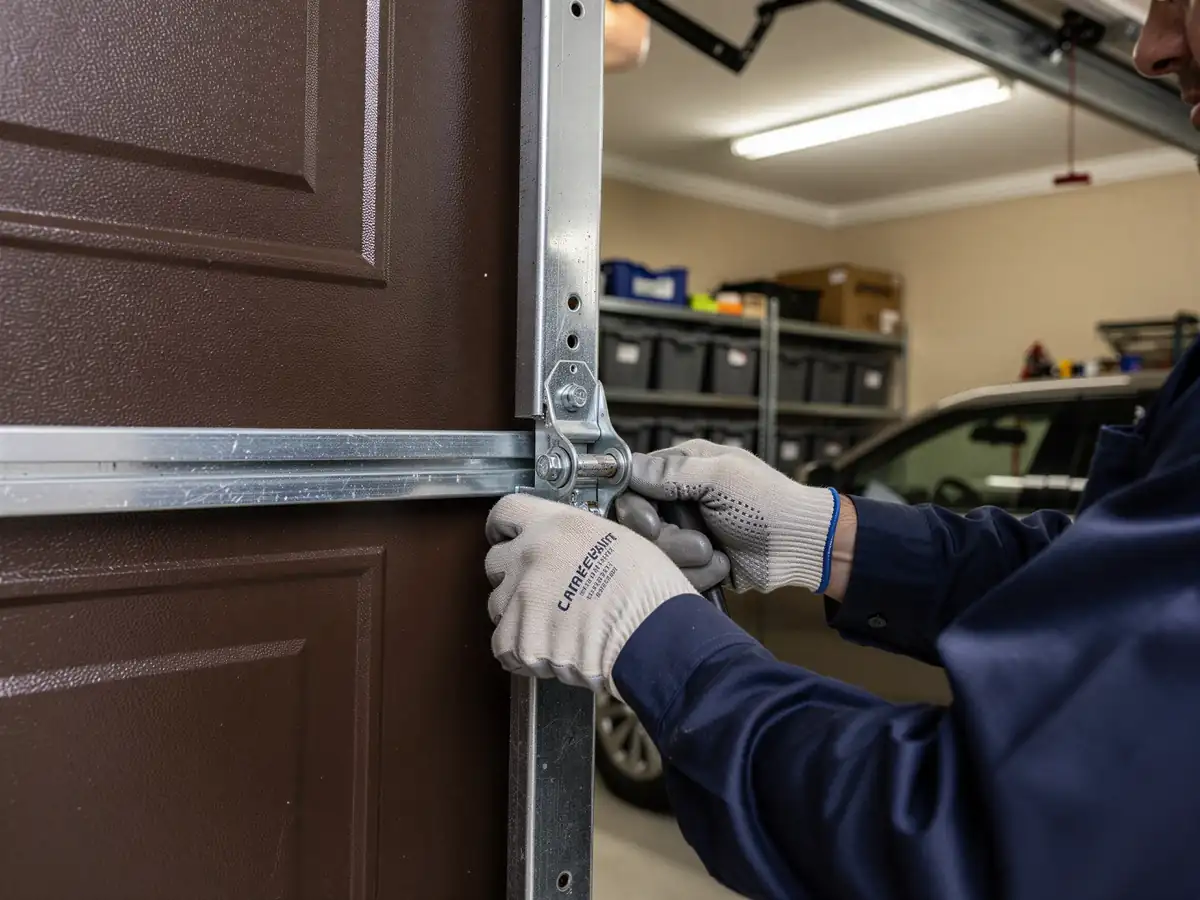
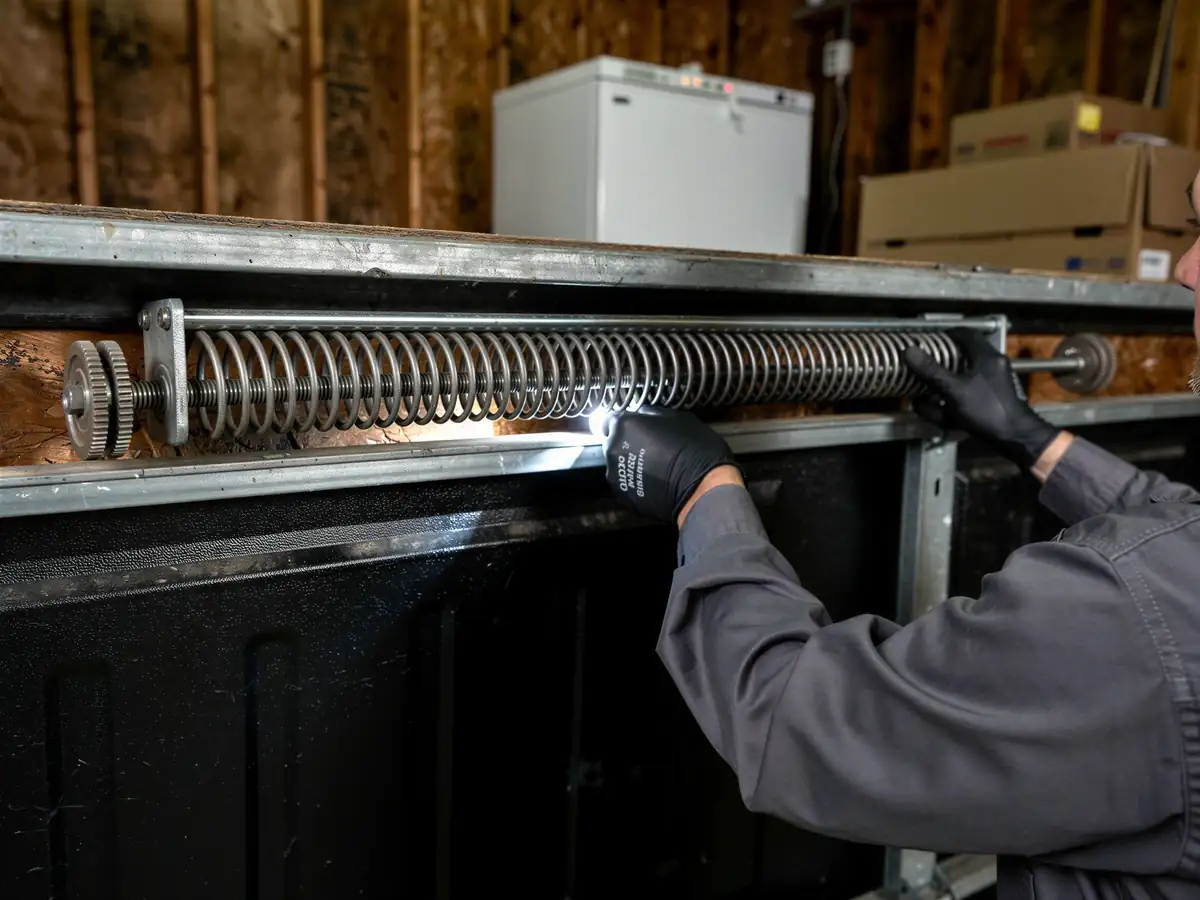
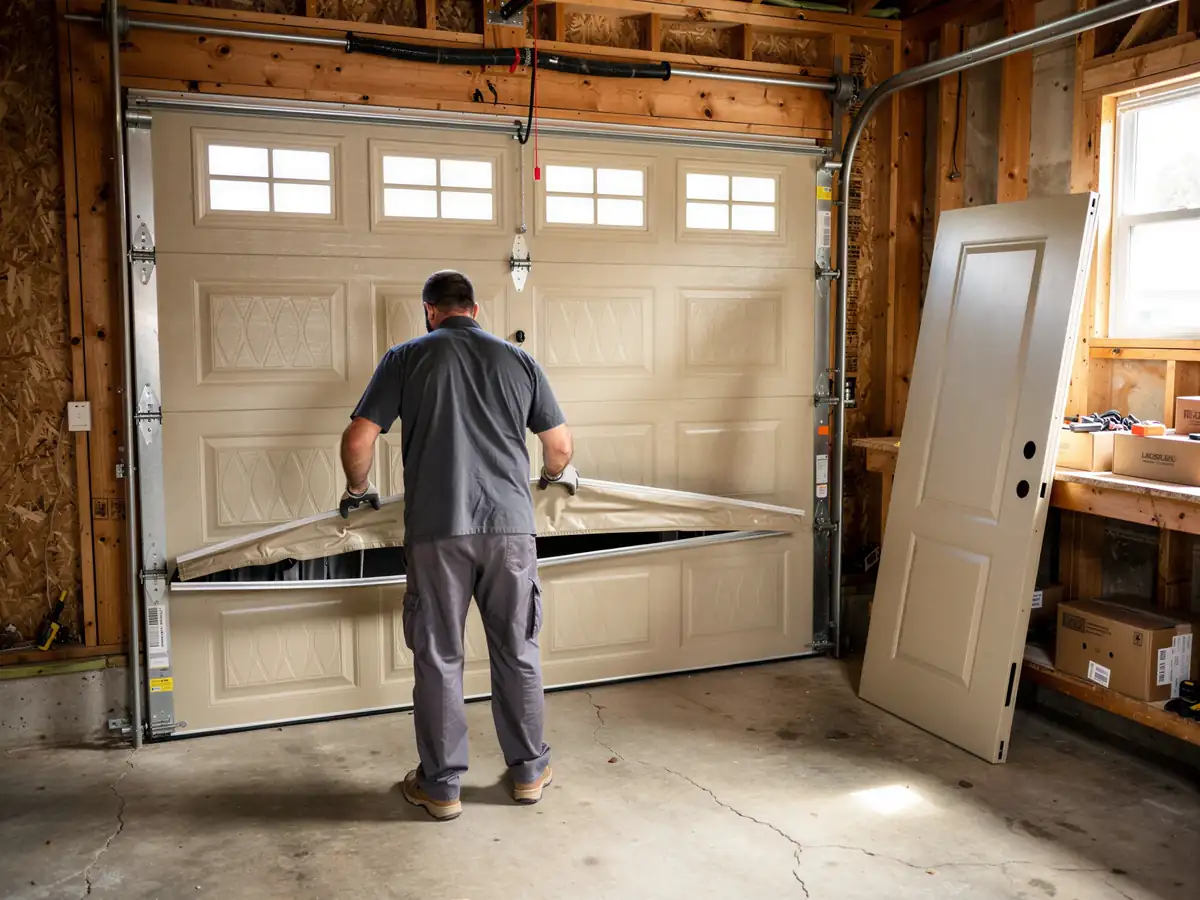
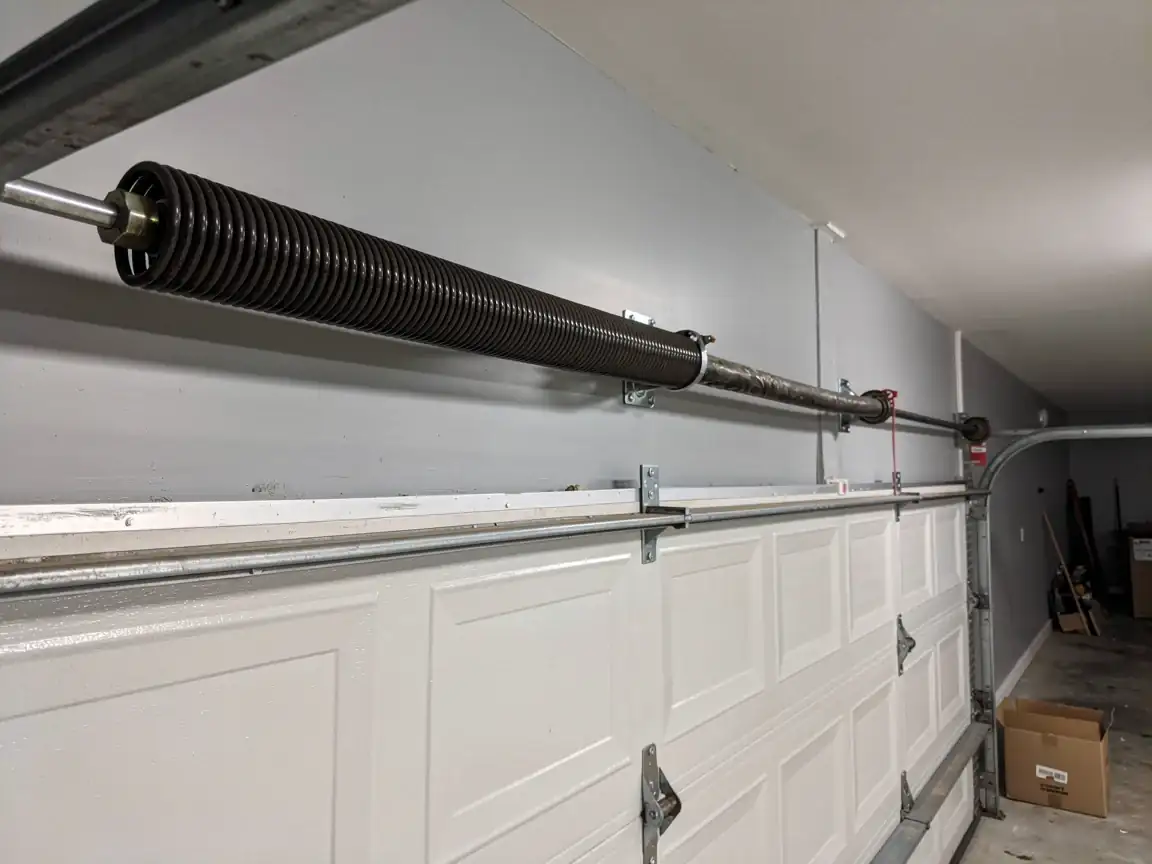
A service call on a door this age usually starts with the spring and the rollers, because those are the parts that take the most cycles and were never meant to run three decades without replacement. If the door is original to a house built in the 1980s or 90s, we're often looking at galvanized torsion springs that have gone soft, track that's bowed from years of a roller binding against it, and opener gearing worn down from compensating for a door that doesn't balance right anymore.
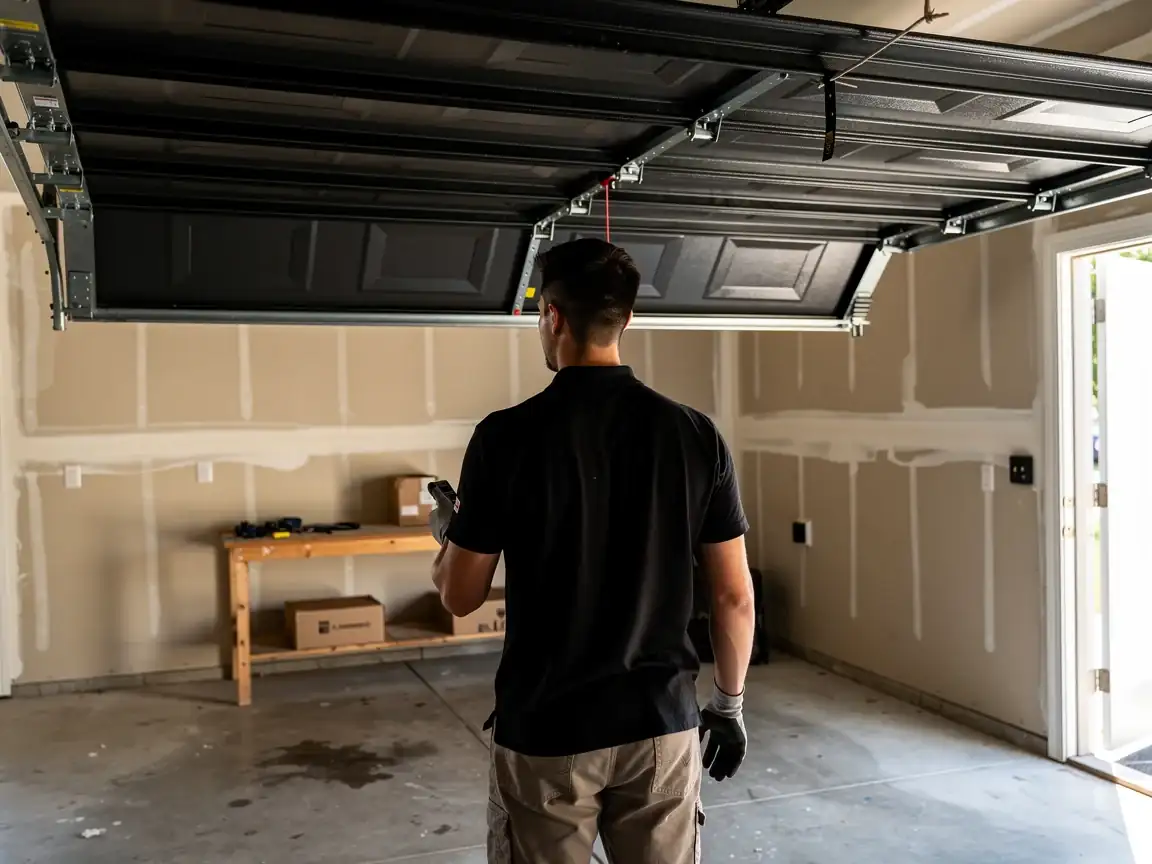
We check balance first - pull the release, lift the door by hand, see where it wants to sit. That tells us whether this is a spring job, a track and roller job, or both. On houses in the older end of the 1953-2014 range, we sometimes find hardware that was already a repair patch from a prior owner, which changes what parts we're matching to. We carry common spring sizes and roller types for the housing stock that's typical across Burleson and the surrounding area, but if a door has an odd or discontinued opener model, that part can mean a short wait.
Can You Do This Yourself
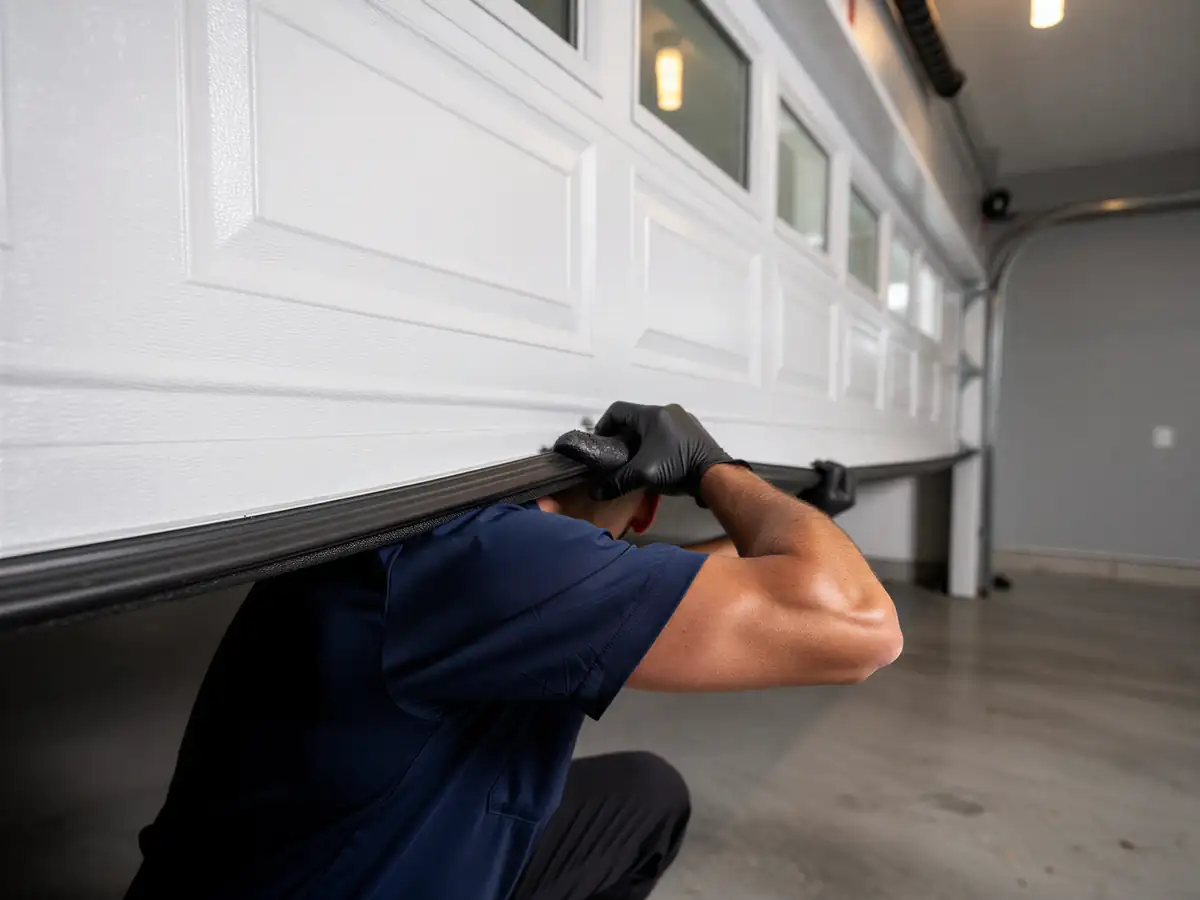
Rollers, weatherstripping, and lubrication are reasonable DIY territory if you're comfortable on a ladder and willing to do it right - a yearly pass with the right lubricant on track and hinges will stretch the life of the hardware you've got, especially given how moderate heat here dries things out faster than owners think.
Springs are a different matter. A torsion spring on a standard door is under enough tension to cause serious injury if it lets go while you're working on it, and that's true whether the door is five years old or thirty-five. We don't recommend spring replacement as a homeowner job, full stop. If you're not sure whether what you're looking at is a roller problem or a spring problem, the balance test above is a safe way to check before you decide what to tackle yourself and what to call in.
How It Shows Up
On a lot of the houses we see
Built mostly in that 1980s-to-90s stretch across Burleson's older sections - the first sign isn't a dead door, it's a loud one. A grinding or popping sound on the way up usually means a roller's worn through its bearing. A door that reverses halfway, or that feels heavier on one side when you lift it by hand with the opener disengaged, points to a spring that's lost tension.
Some owners notice it seasonally
The door that worked fine through spring starts sticking once the moderate heat sets in for months at a stretch and the old lubrication finally gives out. Others just notice the opener straining harder than it used to, working longer to get the door up, which is usually the motor compensating for a door that's out of balance rather than the motor itself failing. Either way, the pattern we see again and again in this area ties straight back to how old the hardware is and how long it's been run without that balance ever getting checked.