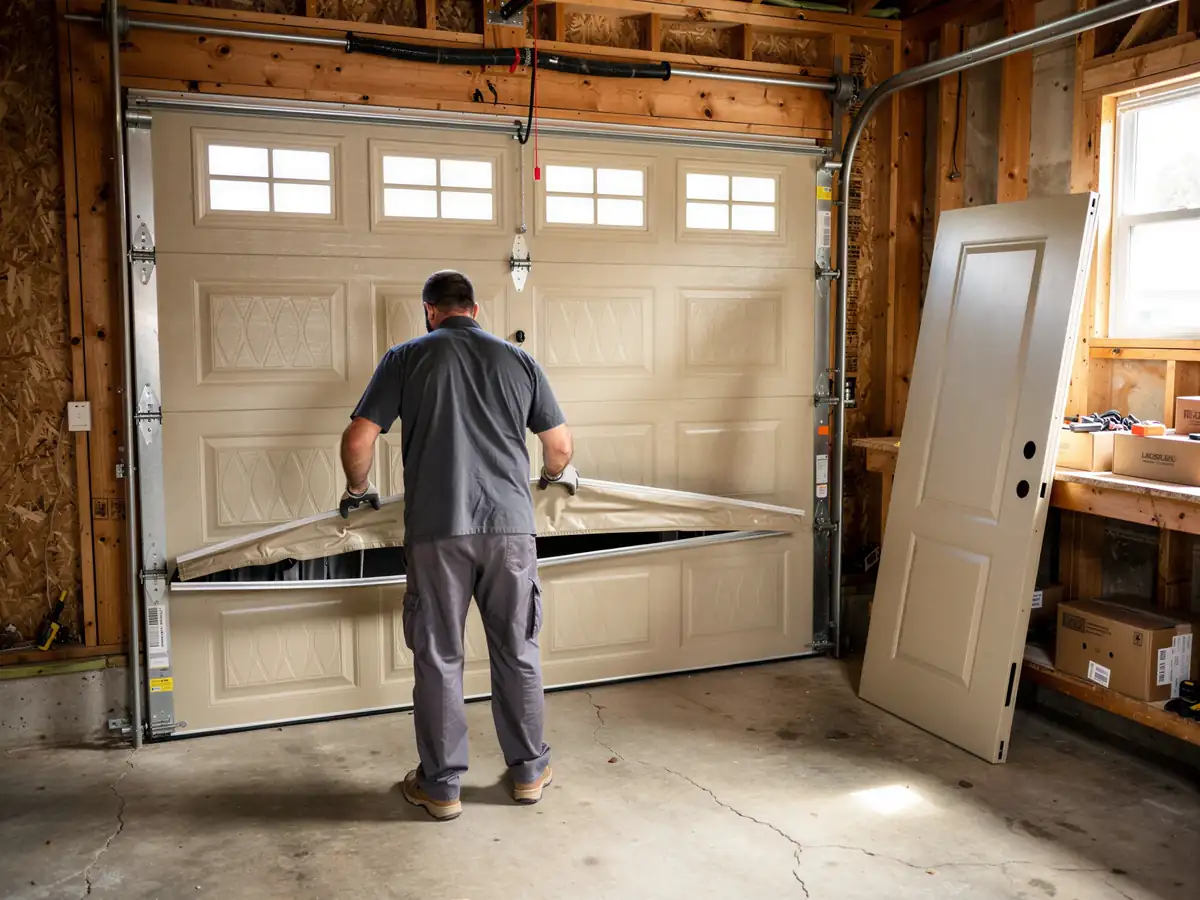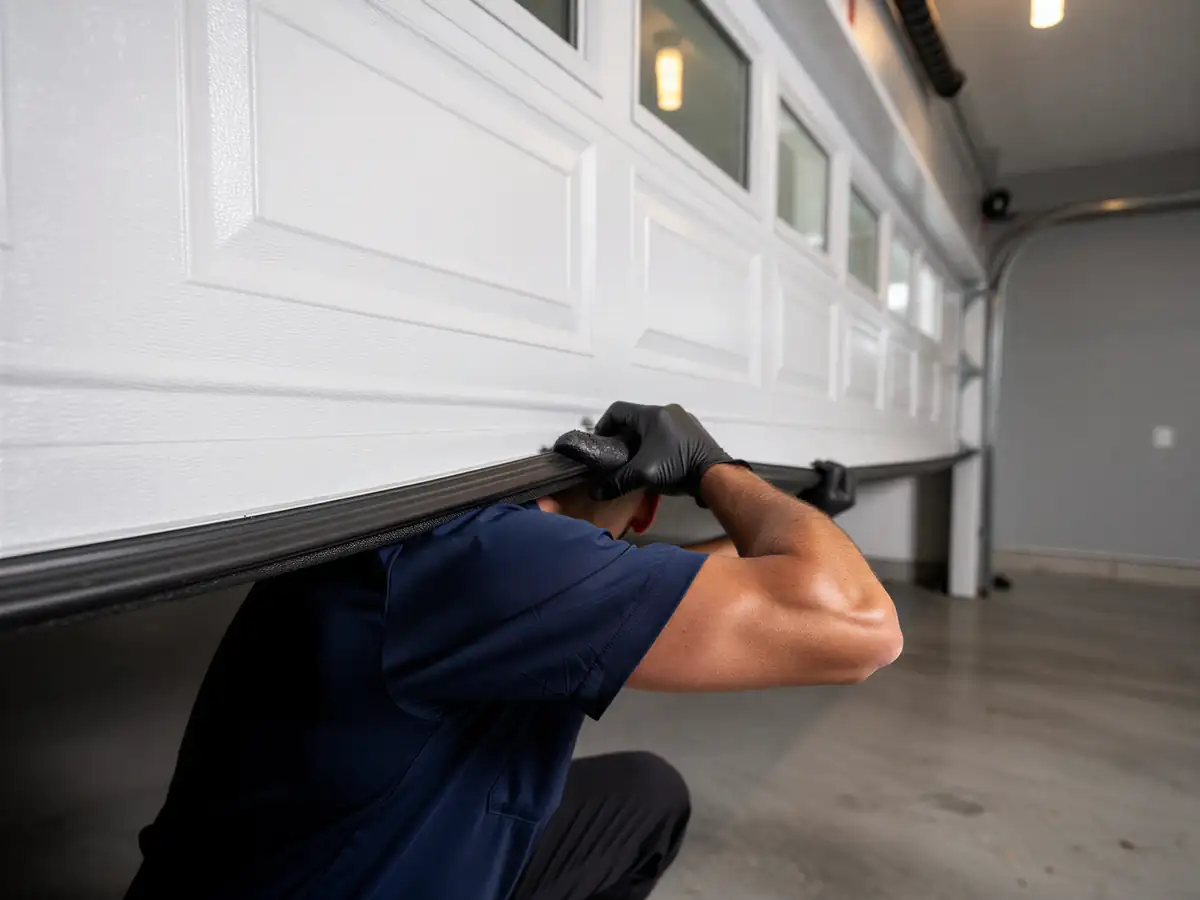
Why This Fails Locally
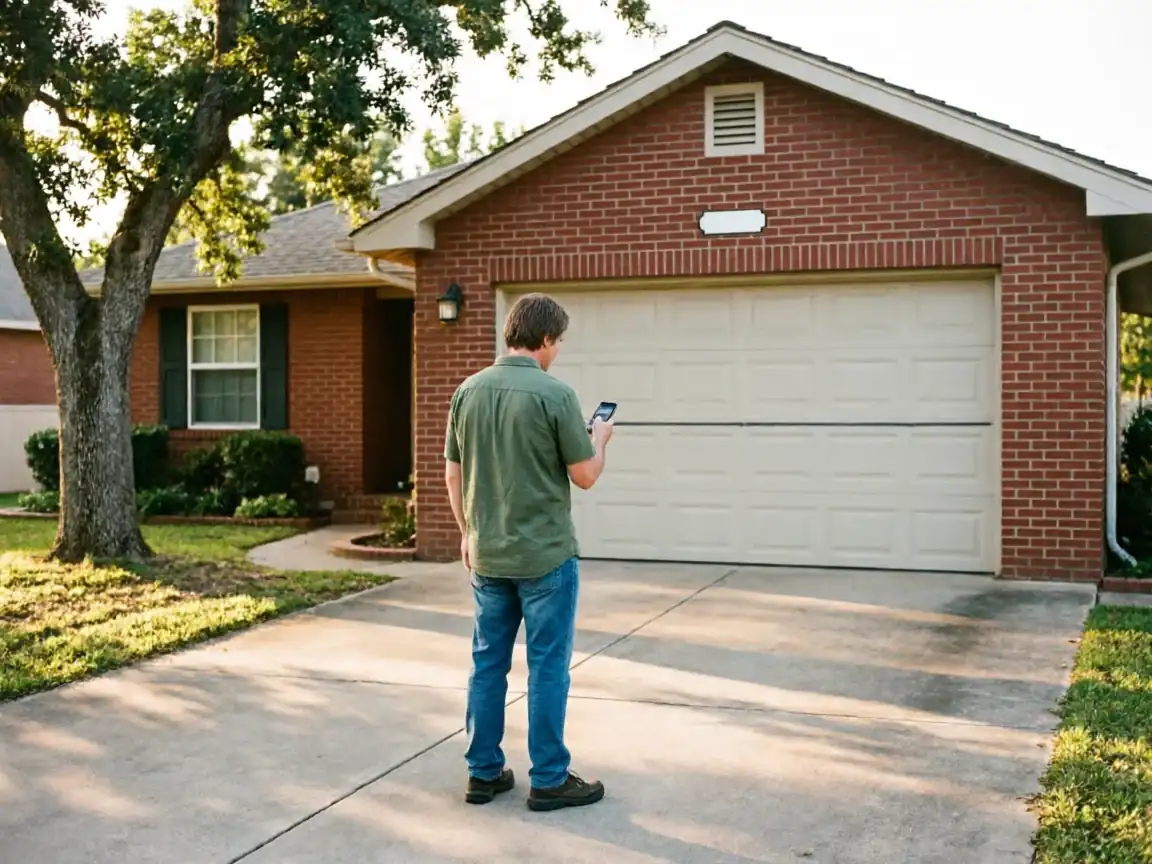
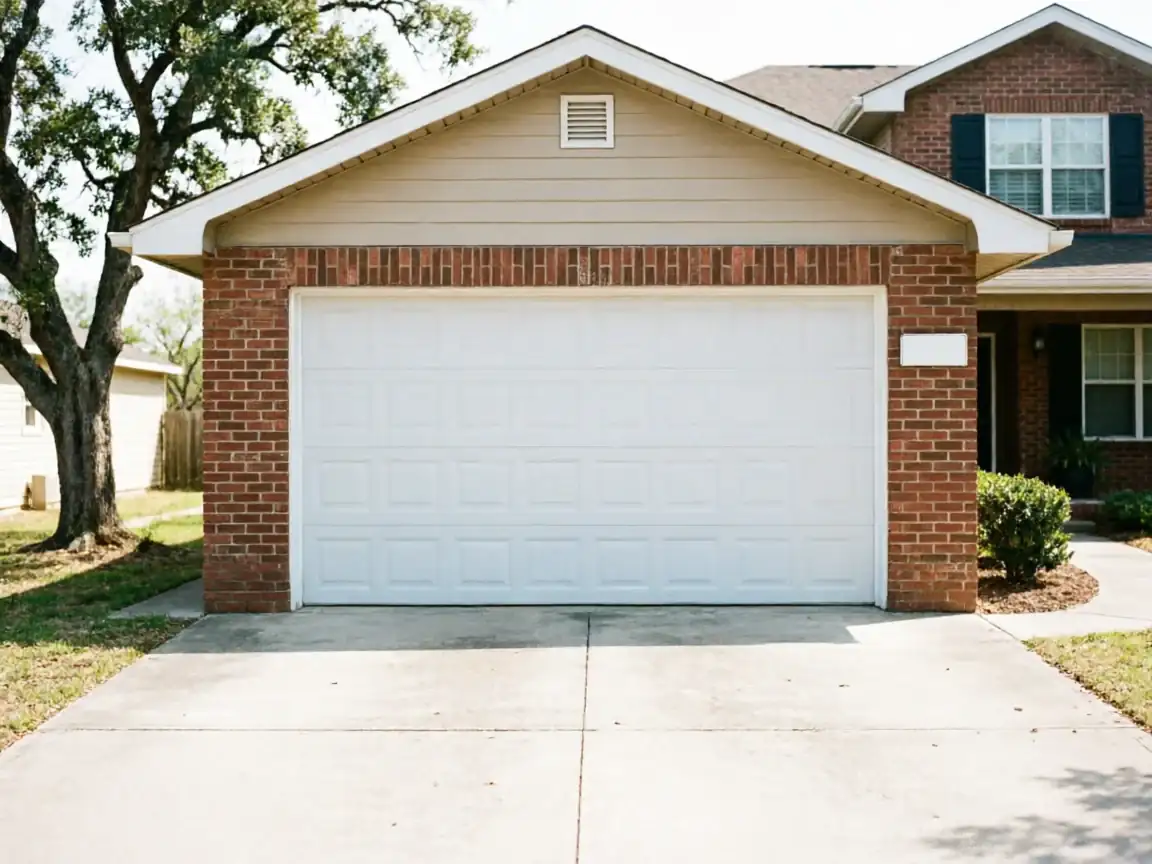
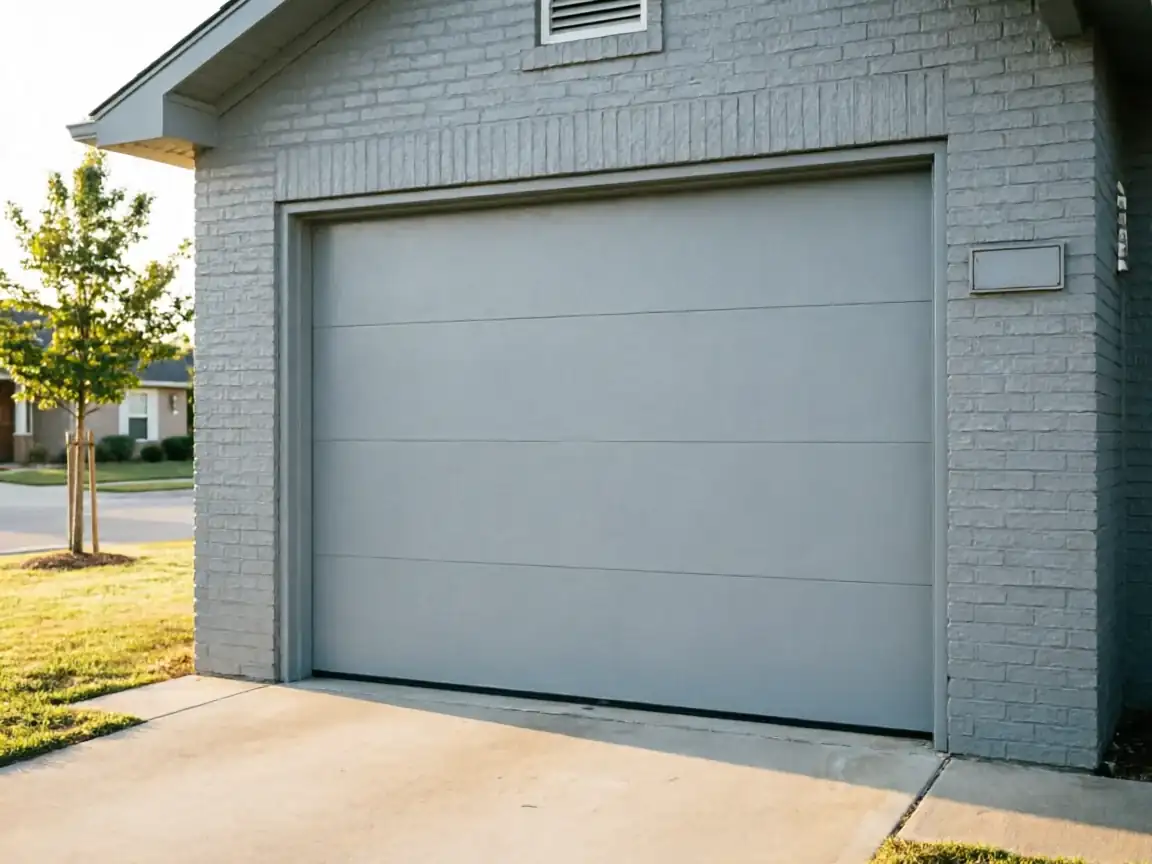
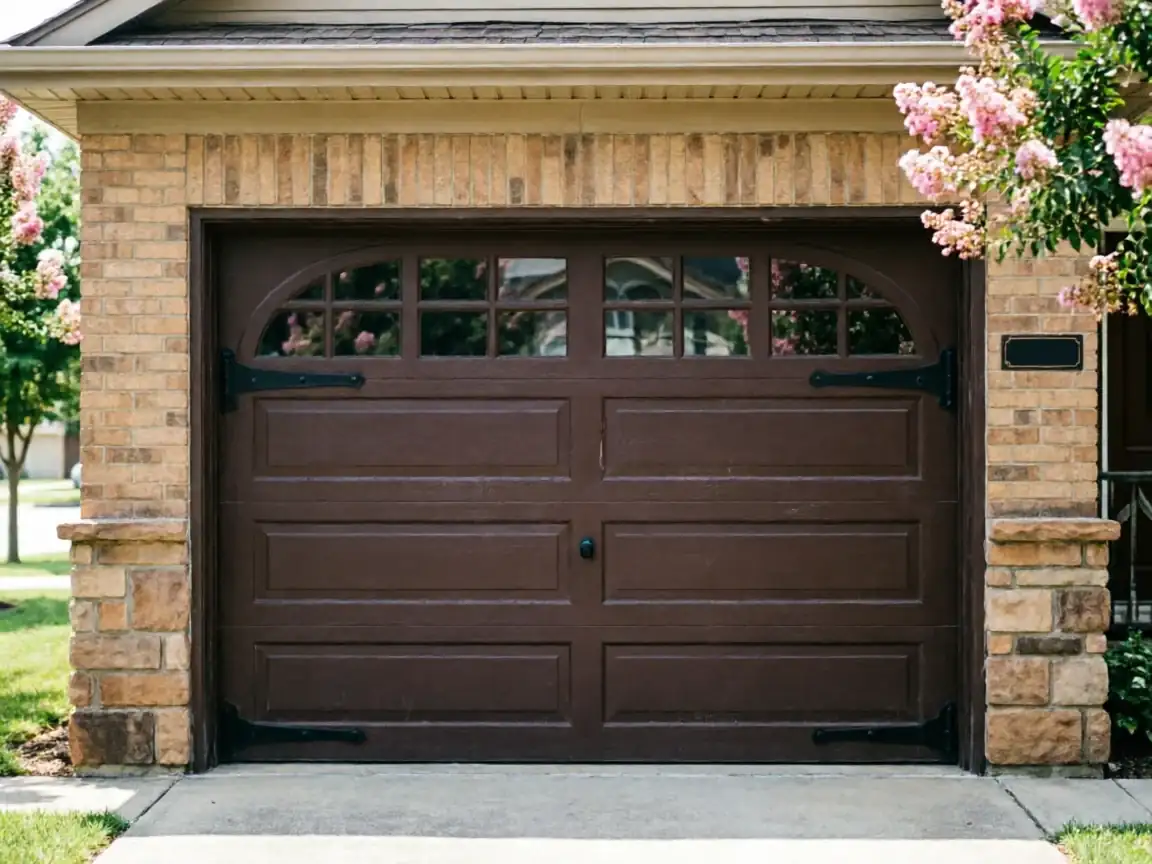
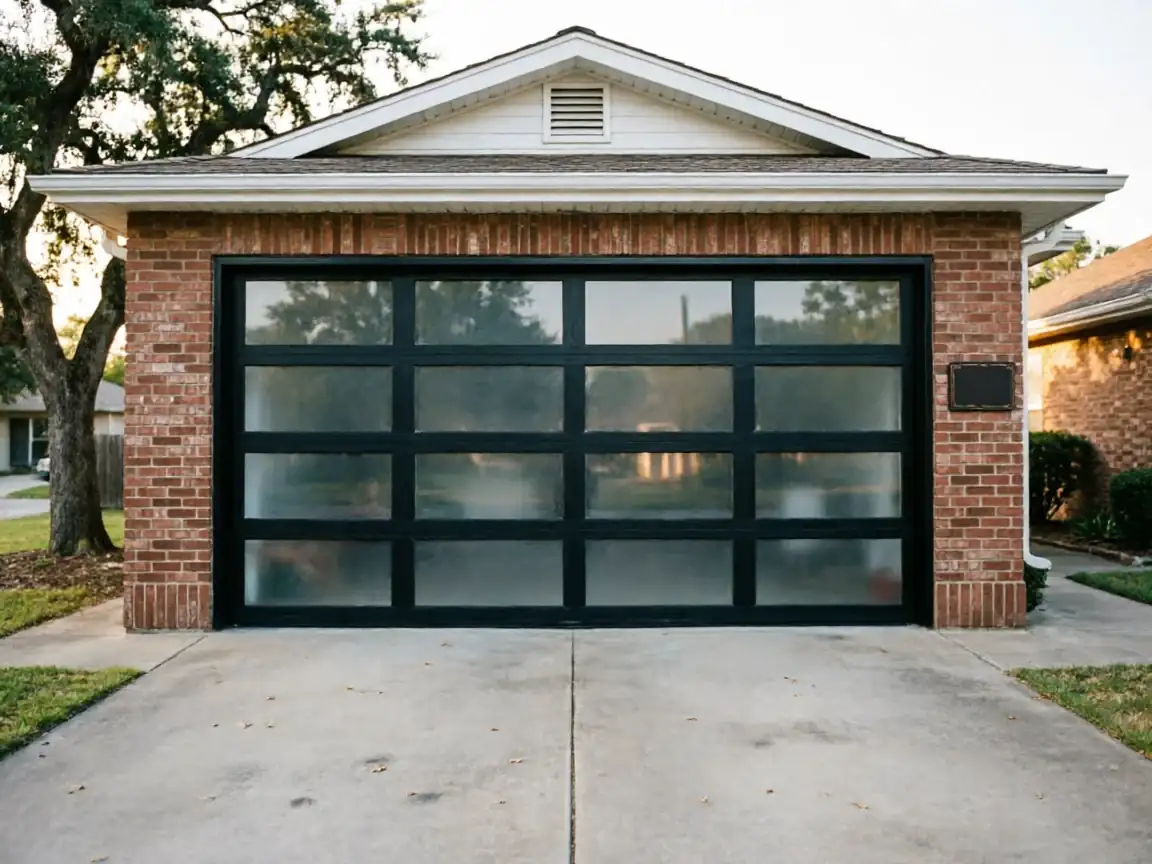
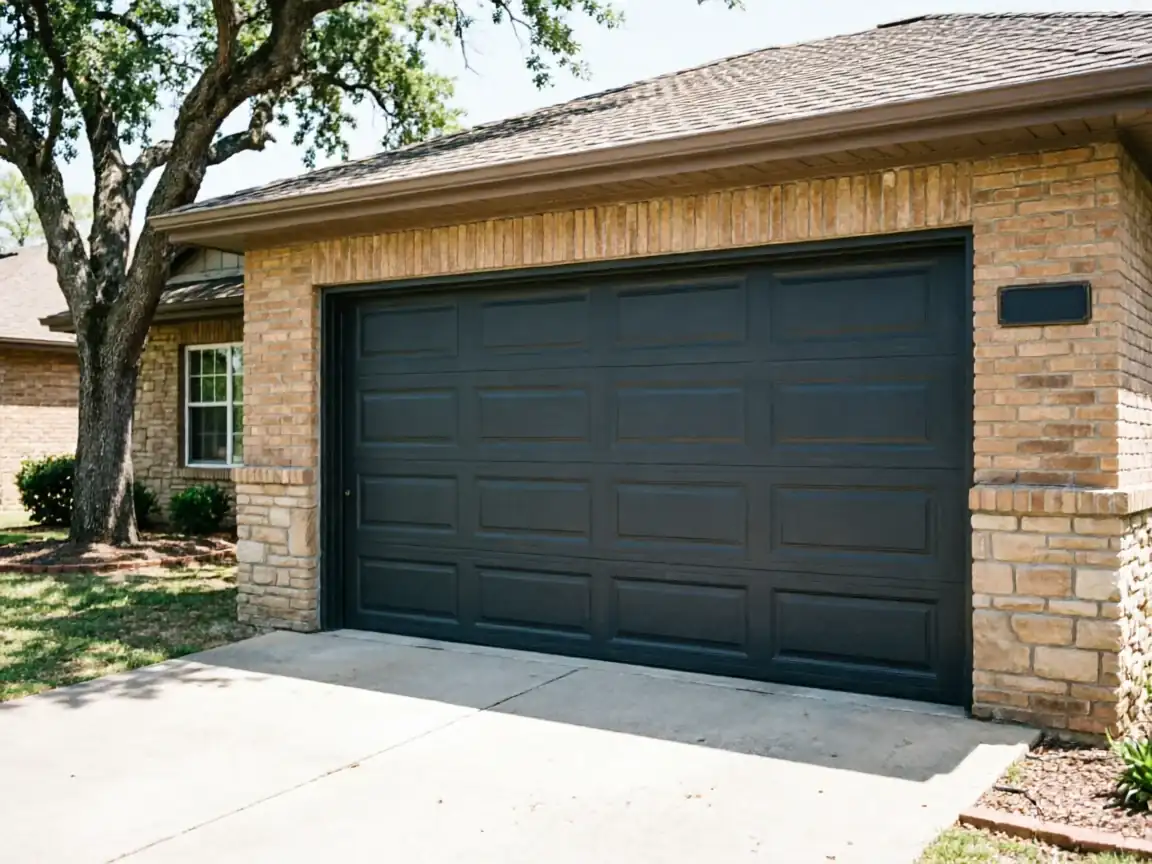
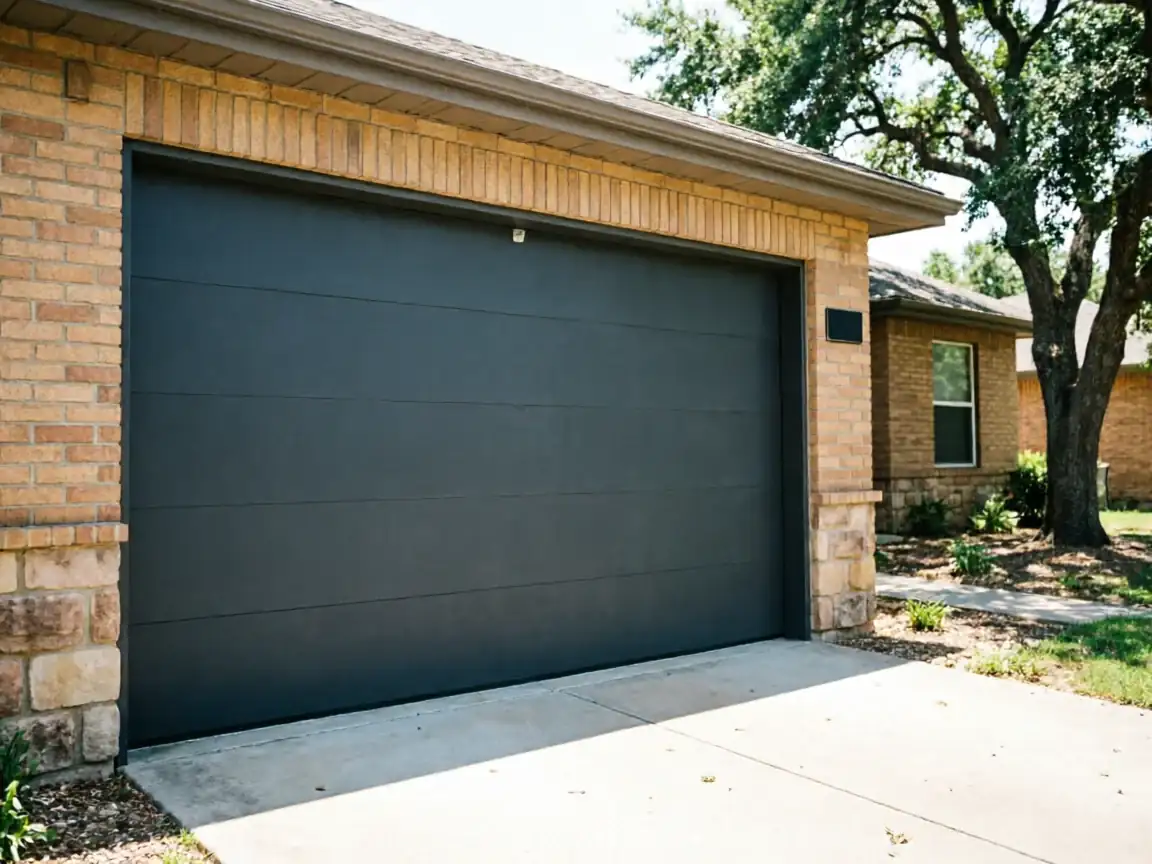
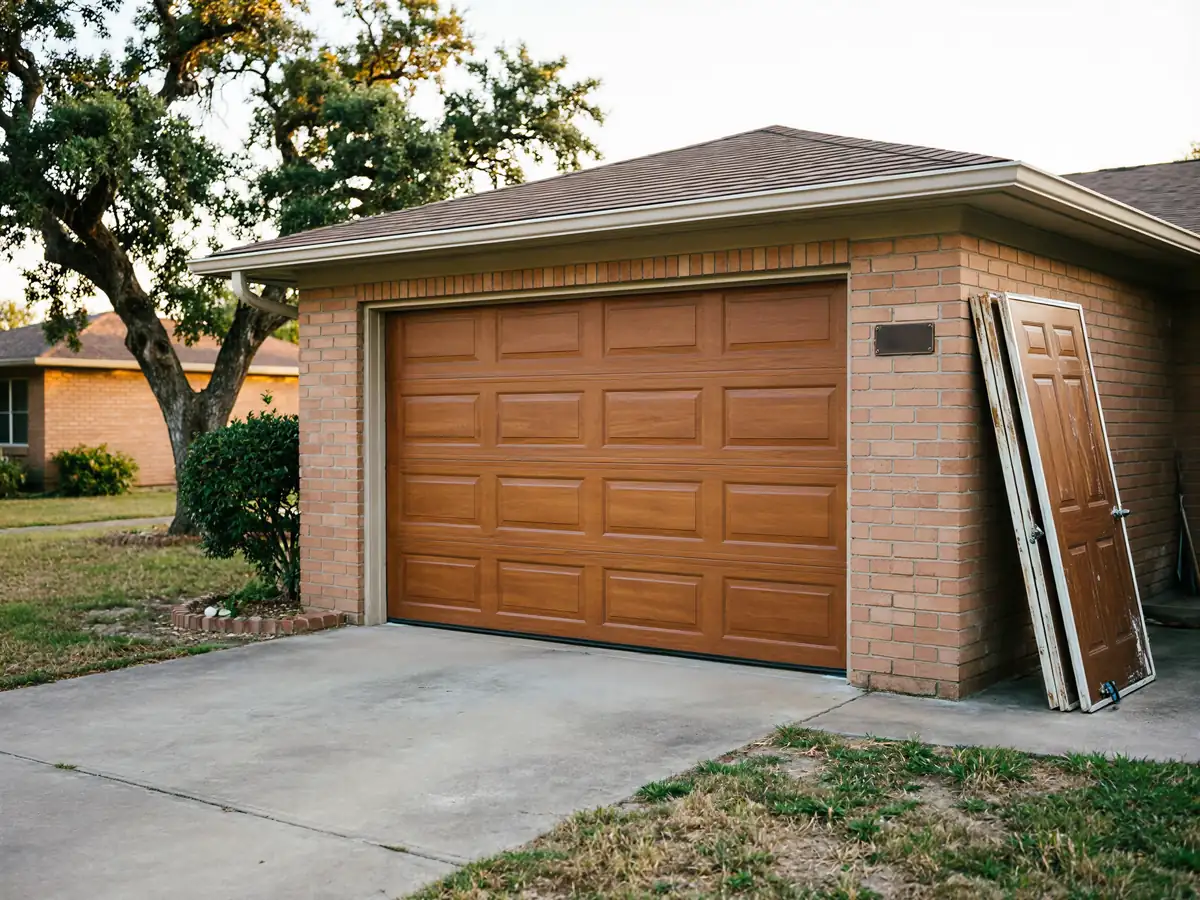
Most of the garage doors across this service area went up on houses built between 1953 and 2014
With the median home dating to 1986. That means a huge share of the torsion springs out there are original or close to it, and steel springs don't last forever no matter how well they were wound. The housing stock here leans heavily toward 1980s and 90s construction, so the springs we see failing most often are the same era of hardware - thirty-plus years of cycling on a part rated for a fixed number of turns.
This area sits in a moderate heat climate band, which matters more than people think
Springs don't just wear out from opening and closing the door - they fatigue from thermal expansion and contraction as the garage swings through hot Texas days and cooler nights. That's a different failure pattern than you'd see somewhere with hard freezes, where cold-brittle steel snaps in winter. Here, the fatigue builds slowly through the summer months and the spring usually lets go on an ordinary day, not during a storm.
Add it up and you get a lot of doors in this area running on springs that are past the point where failure is a surprise
It's expected hardware, aging on schedule.
What the Repair Takes
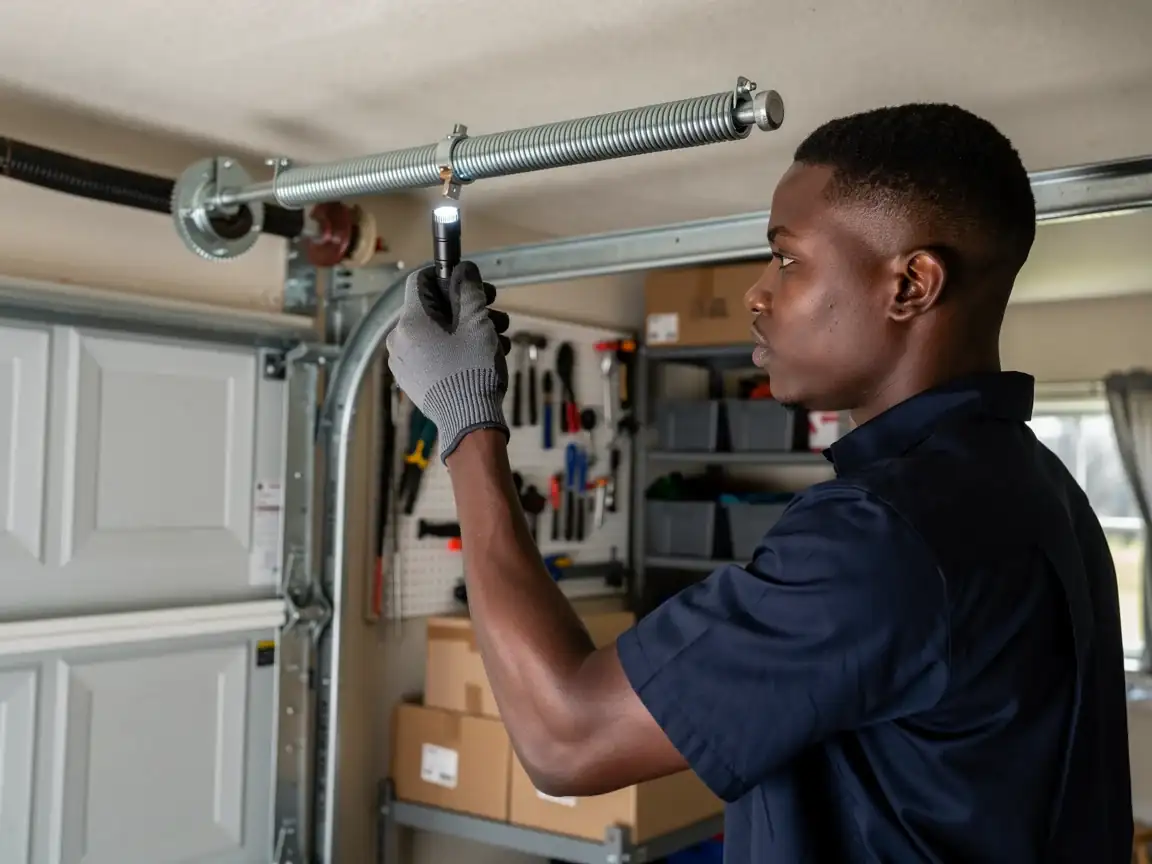
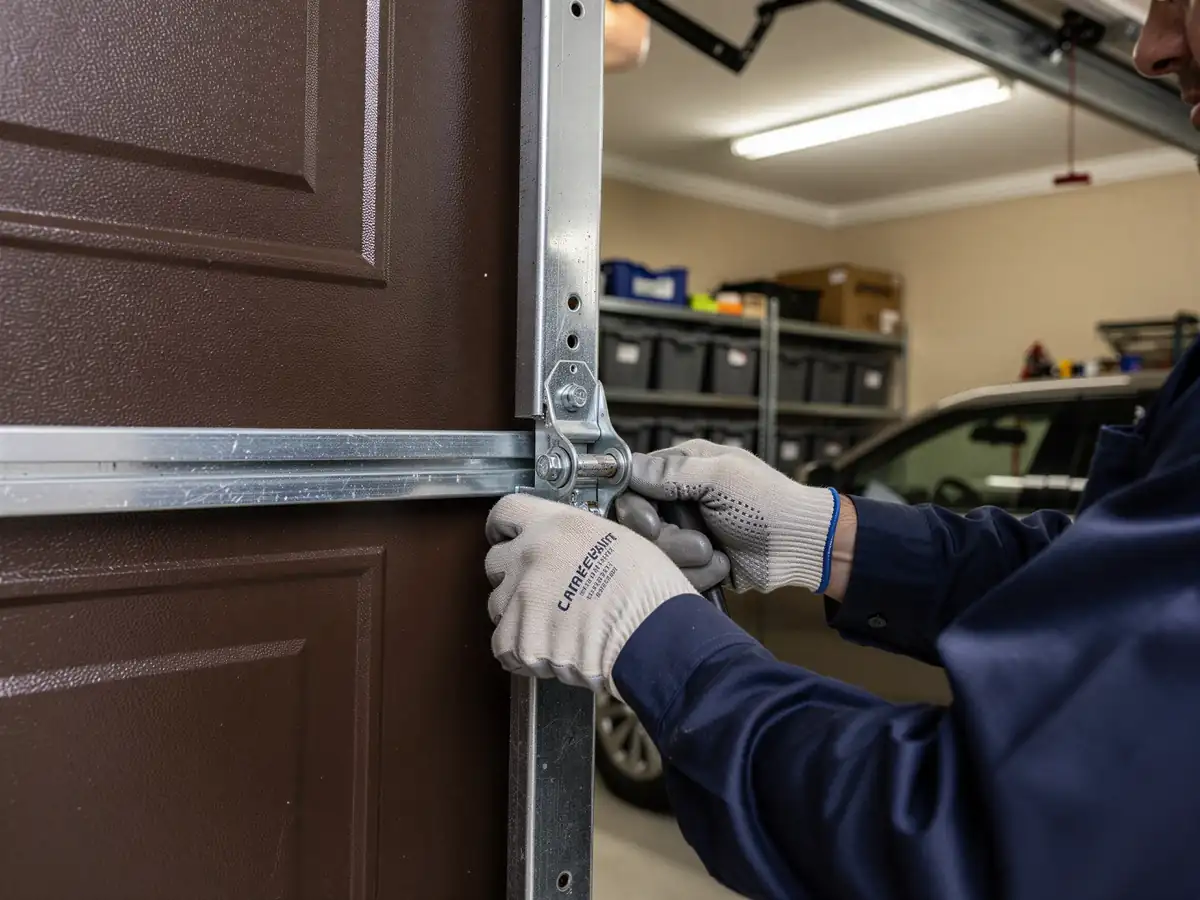
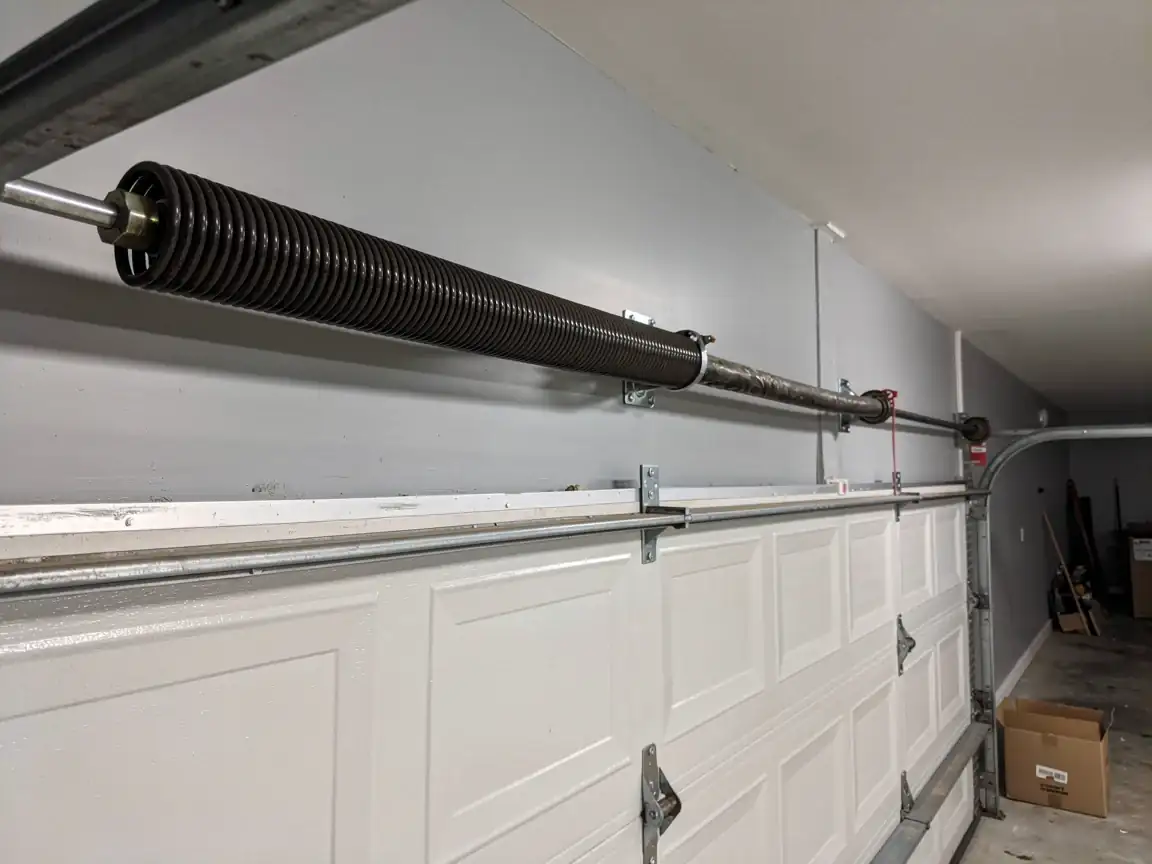
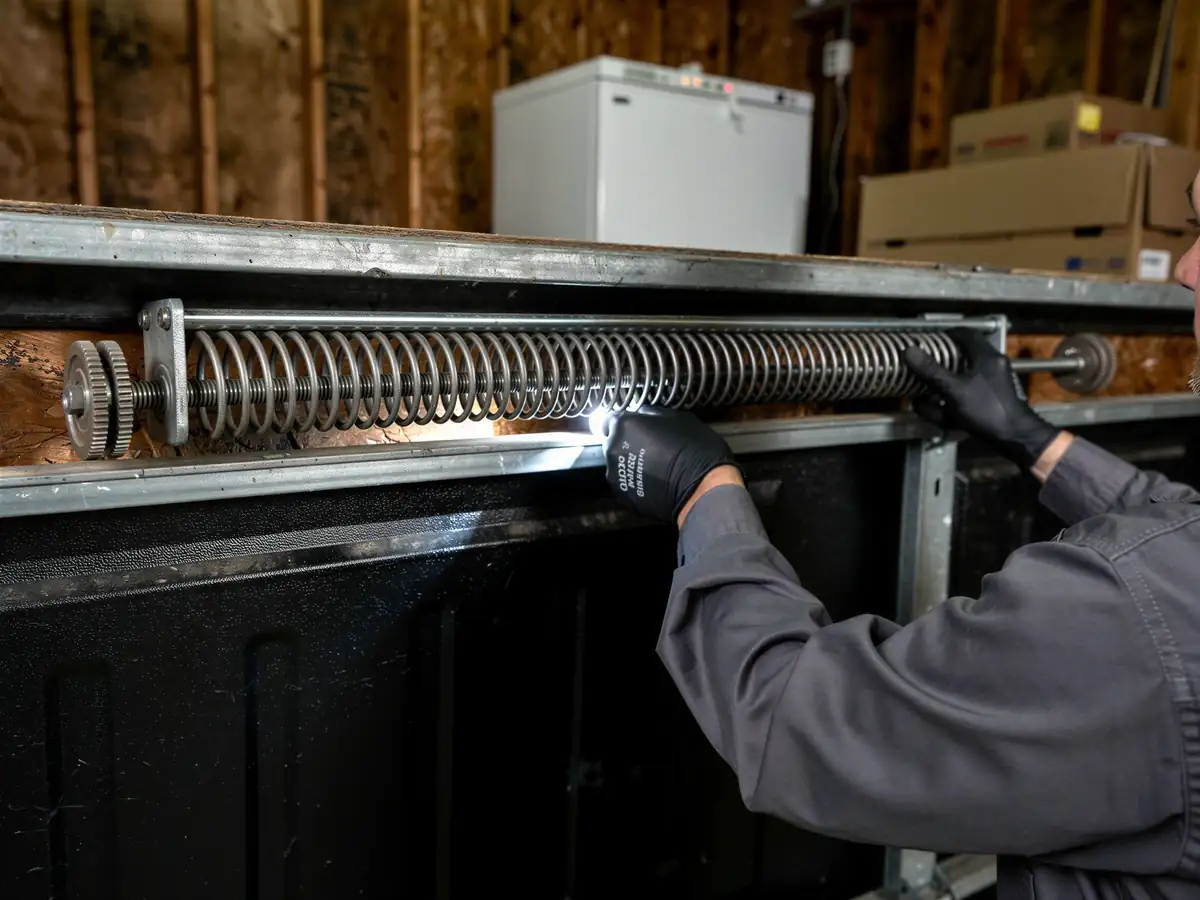
A torsion spring job means measuring the wire size, inside diameter, and length of what's currently on the door, matching it to the door's weight, and winding the replacement to the right number of turns. On a lot of the 1980s and 90s doors still in service here, that's straightforward - the parts are common. On some of the older houses from the 1950s through 70s pocket of this area's housing stock, the hardware can be a less common size, and that's the one honest limitation worth stating up front: we don't keep every spring size on the truck, and an unusual door can mean a short wait on a part.
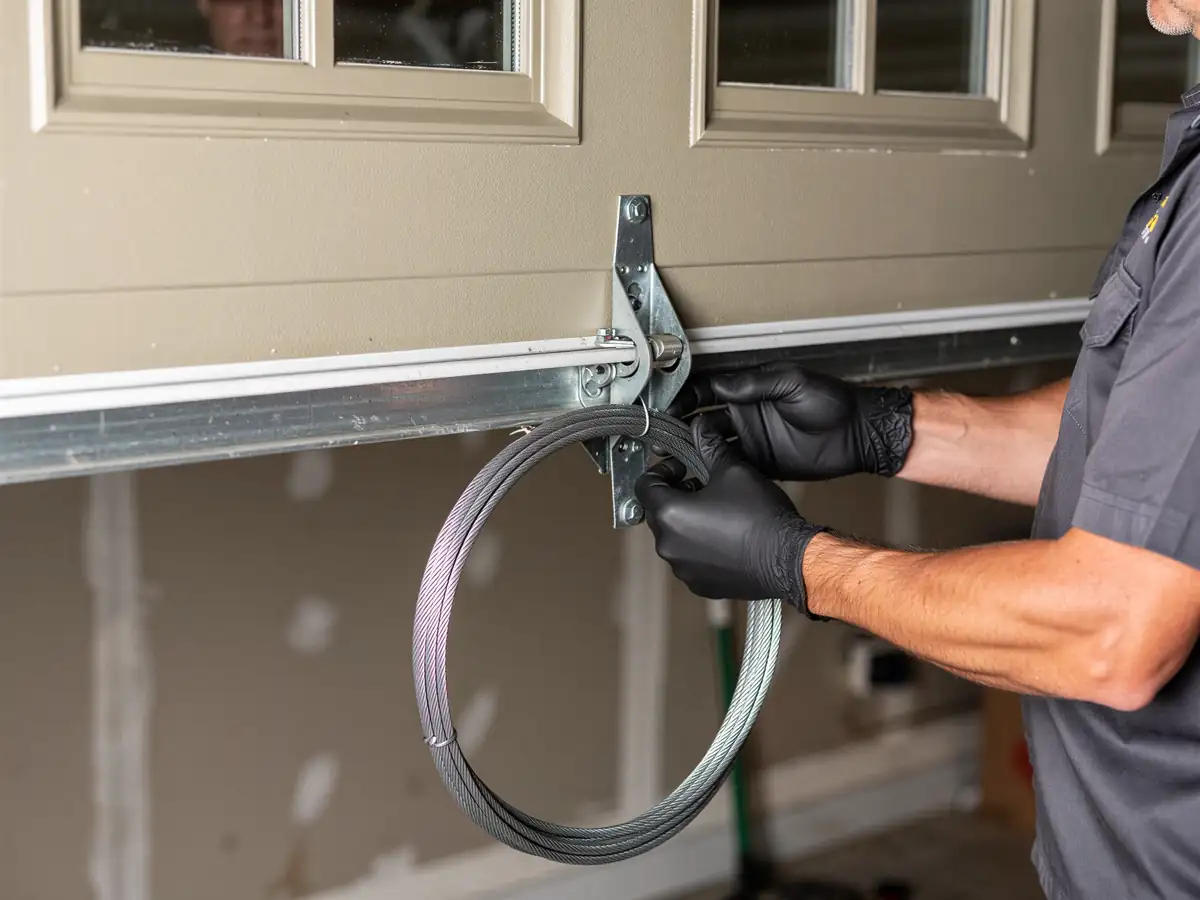
Most jobs also mean checking the cable, drums, and bearing plates while the spring is off the door, since a spring failure often puts extra stress on those parts in the moments before and after it breaks. A spring swap done without that check is a callback waiting to happen.
We size for the door you have, not a generic average, because a spring wound a few turns short or long either strains the opener or won't hold the door at all.
Can You Do This Yourself
A torsion spring is under enough stored tension to cause serious injury if it lets go while you're working on it, and there's no safe way around that - it's not a skill-level problem, it's a physics problem. Extension springs on older setups carry less tension but still aren't forgiving if the winding cone slips.
If you're comfortable with tools, there's plenty you can check yourself before calling anyone: look at the spring for a visible gap (a broken torsion spring usually shows a clean separation), check whether the door is noticeably heavier to lift by hand with the opener disconnected, and listen for a loud bang from the garage, which is usually the spring letting go rather than anything wrong with the opener itself.
What we'd tell you not to do is attempt the winding or unwinding of a torsion spring without the right bars and a clear idea of how many turns it needs. That's the part of this job that isn't a reasonable DIY project, regardless of how handy you are.
How It Shows Up
Most people find out about a broken spring the same way
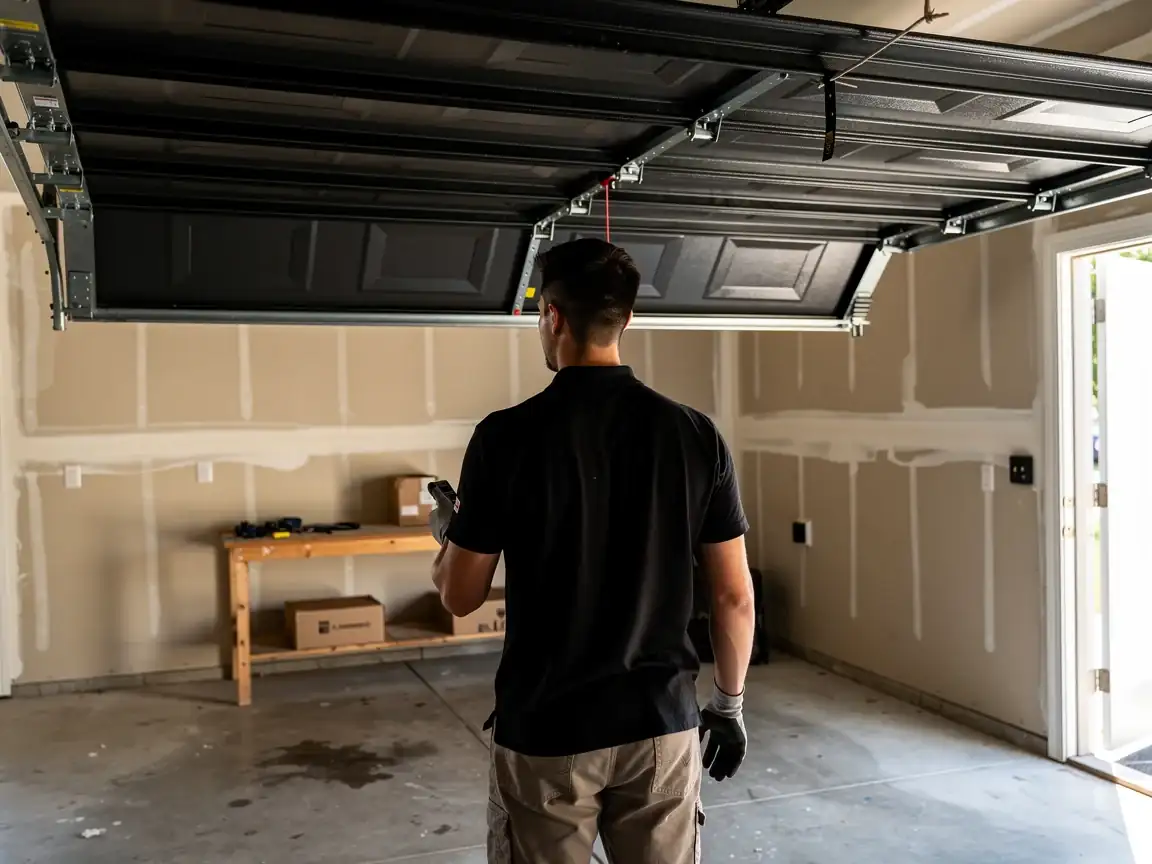
The door won't budge, or it only moves a few inches before the opener strains and stops. Some hear it happen - a loud bang from the garage, often mistaken for something falling or a car backfiring outside. That's usually the moment the spring separates.
Before the full break, there are warning signs if you know what to watch for
The door might feel heavier than usual when you lift it manually. It might close unevenly, with one side dropping faster than the other, which points to one spring on a double-spring setup giving out while the other still holds some tension. The opener might run louder or strain longer than normal as it compensates.
On the older end of this area's housing stock
Failure sometimes comes with visible rust or a spring that's stretched slightly out of its coiled shape well before it actually snaps. On the newer end - homes built closer to 2014 - a spring failure is more often sudden, with less visible warning, since the hardware simply reaches the end of its rated cycle count.