Why This Fails Locally
Housing stock in this part of Texas runs from 1953 up through 2014
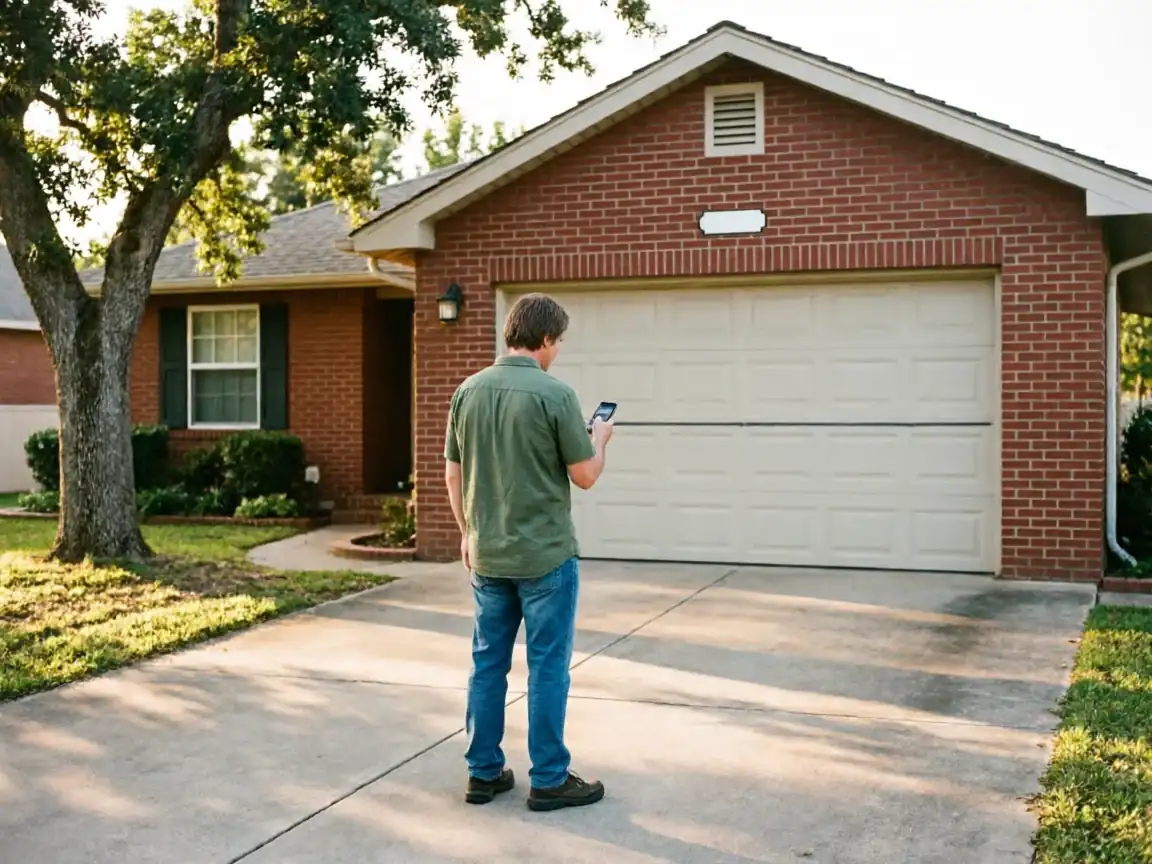
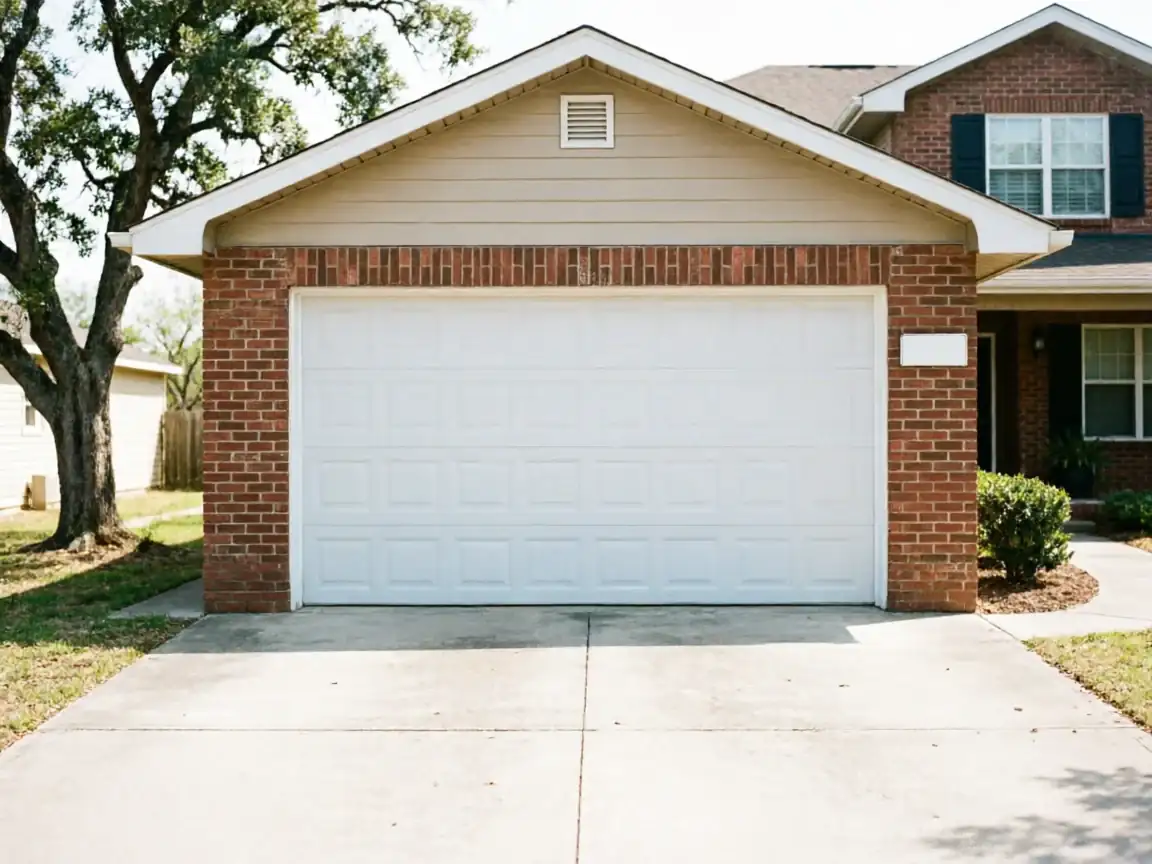
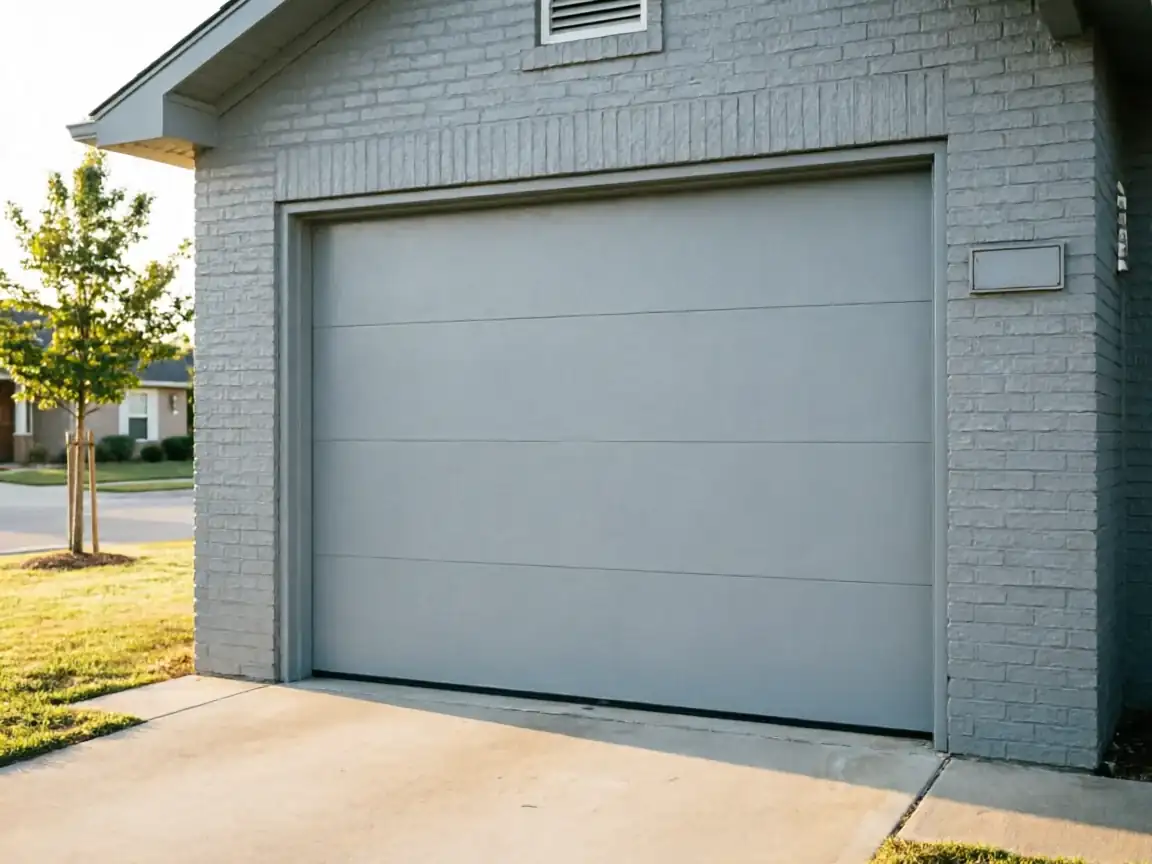
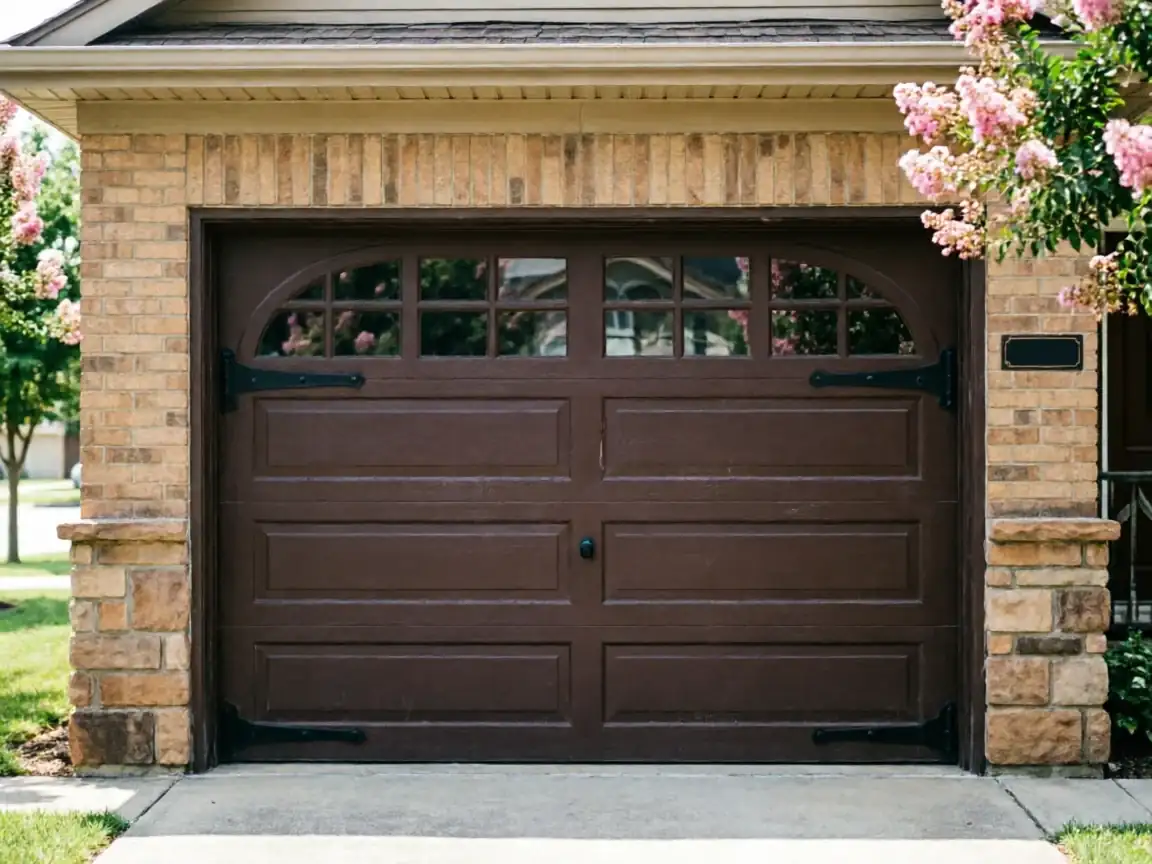
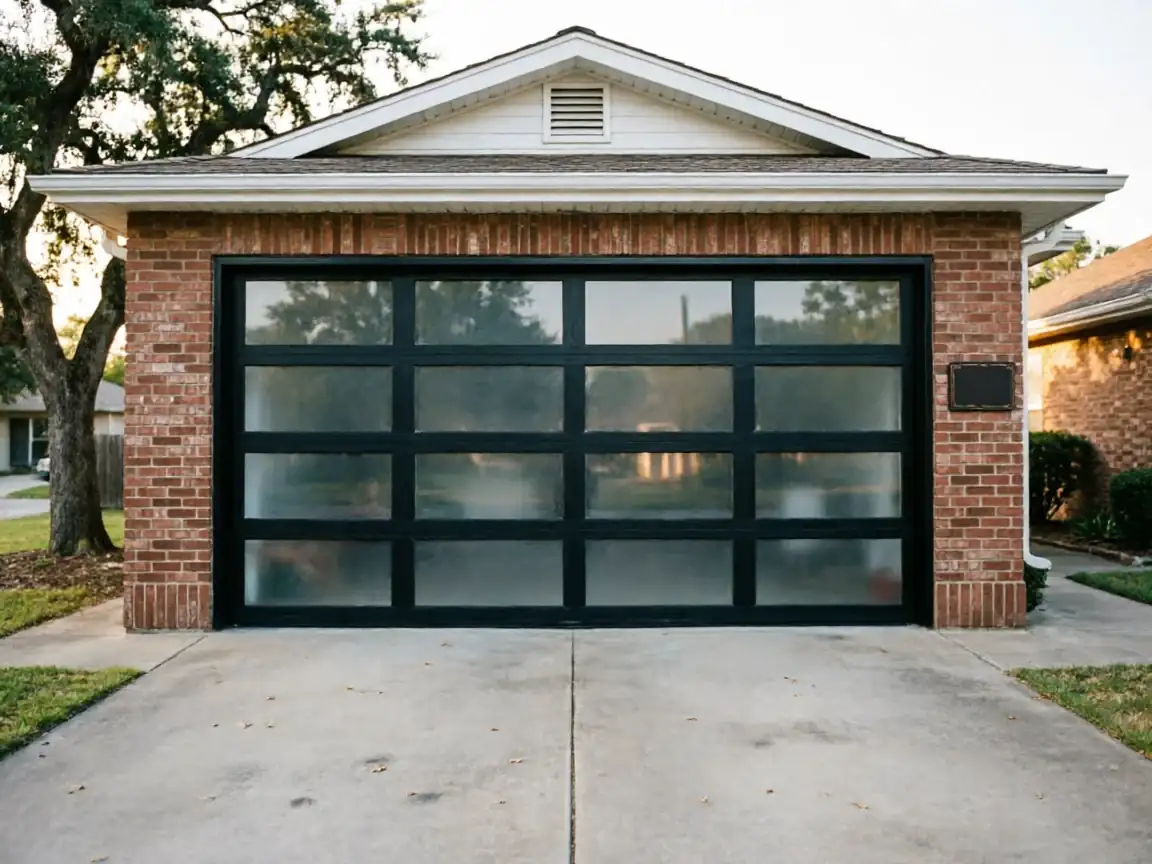
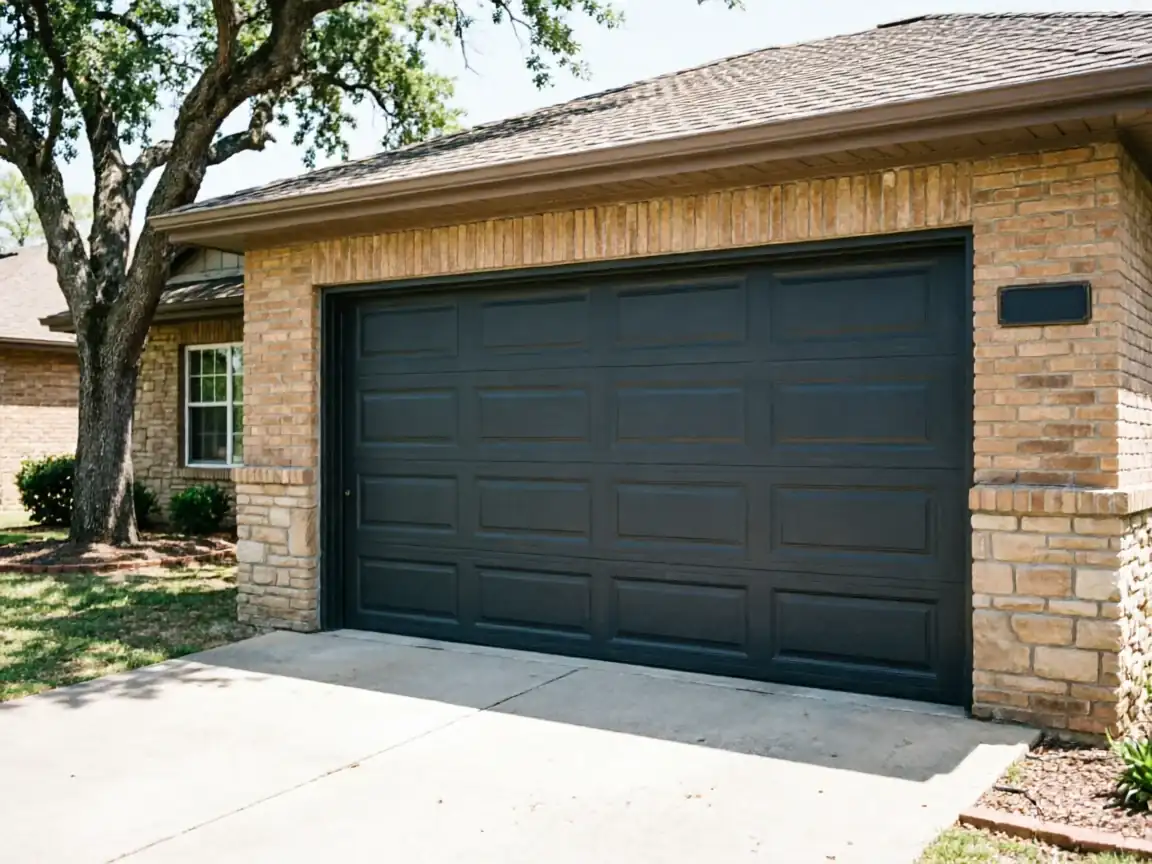
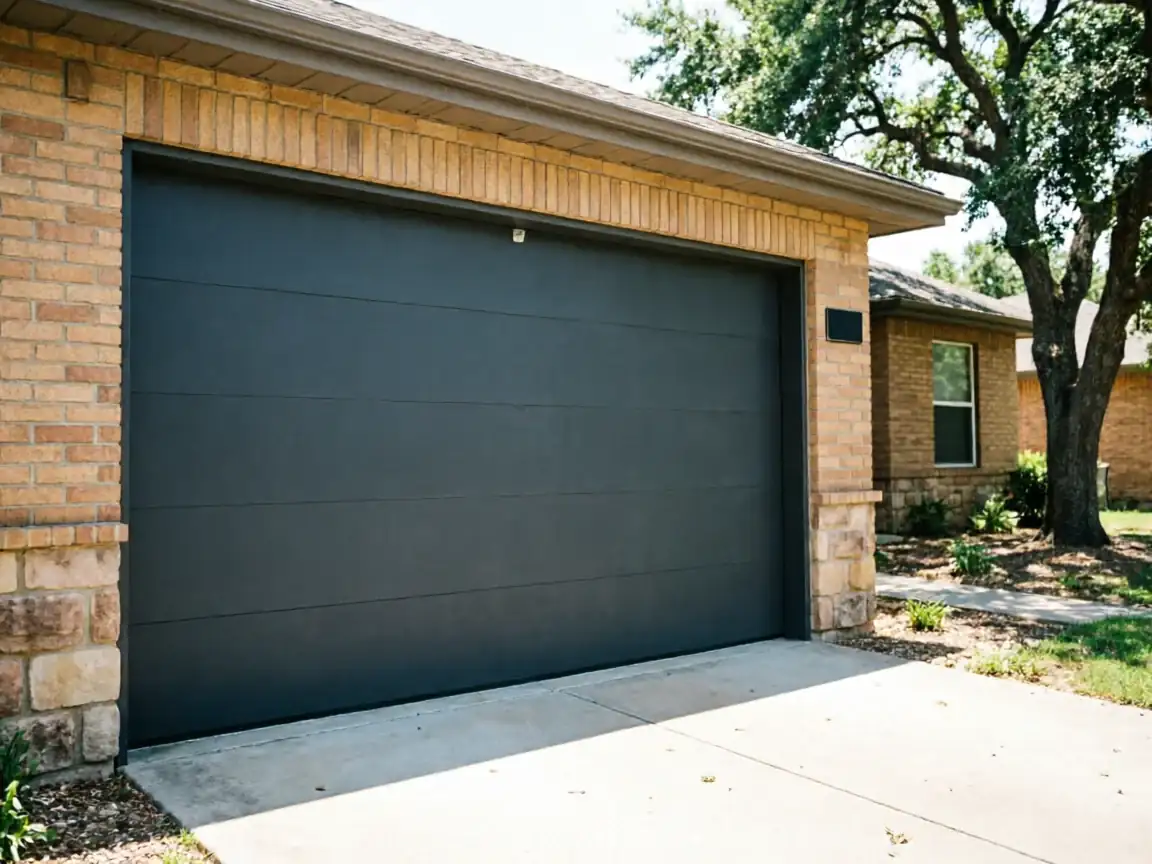
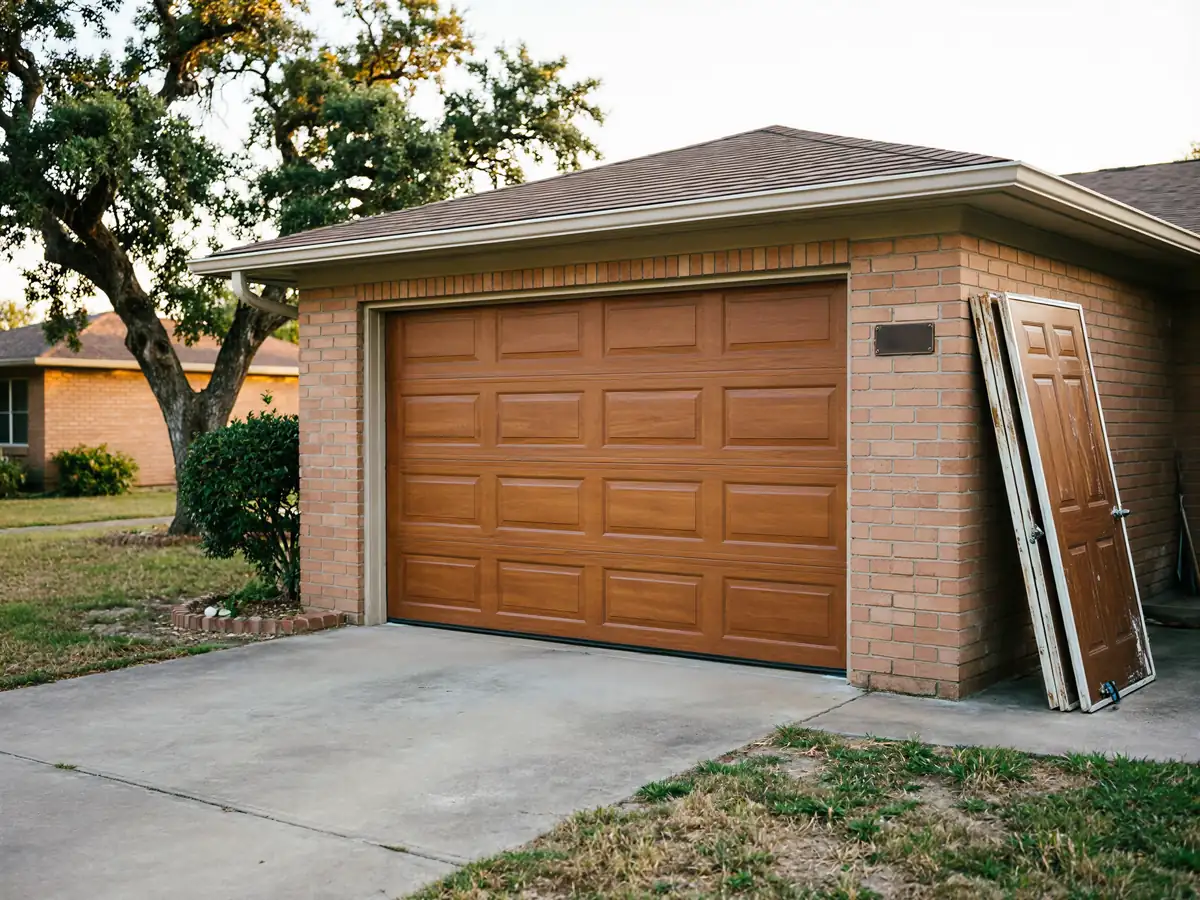
But the median build year sits at 1986, and the heaviest cluster of construction across the 19 named communities in the service area landed in the 1980s and 90s. That means a huge share of garage doors on the street right now are original equipment - thirty to forty-plus years old, installed with hardware and openings that matched building habits from that decade, not today's standard sizes.
The climate here is classed HEAT moderate, not freeze-prone
So the failure pattern isn't ice splitting a seal the way it would further north. It's steady sun and heat cycling a steel or aluminum panel door open and shut for decades until the seams loosen, the vinyl weatherstrip turns brittle and shrinks away from the frame, and the track - sized for a lighter door than what's often bolted to it now after past patch repairs - starts to bind. In towns like Crowley, Joshua, and Rendon, all within the same build era, you see the same door giving out at roughly the same age, not randomly.
A repair patches one symptom
An install addresses the fact that the whole system - door, track, spring sizing, opener - was built to a 1986-era spec that doesn't match current door weights or insulation standards.
What the Repair Takes
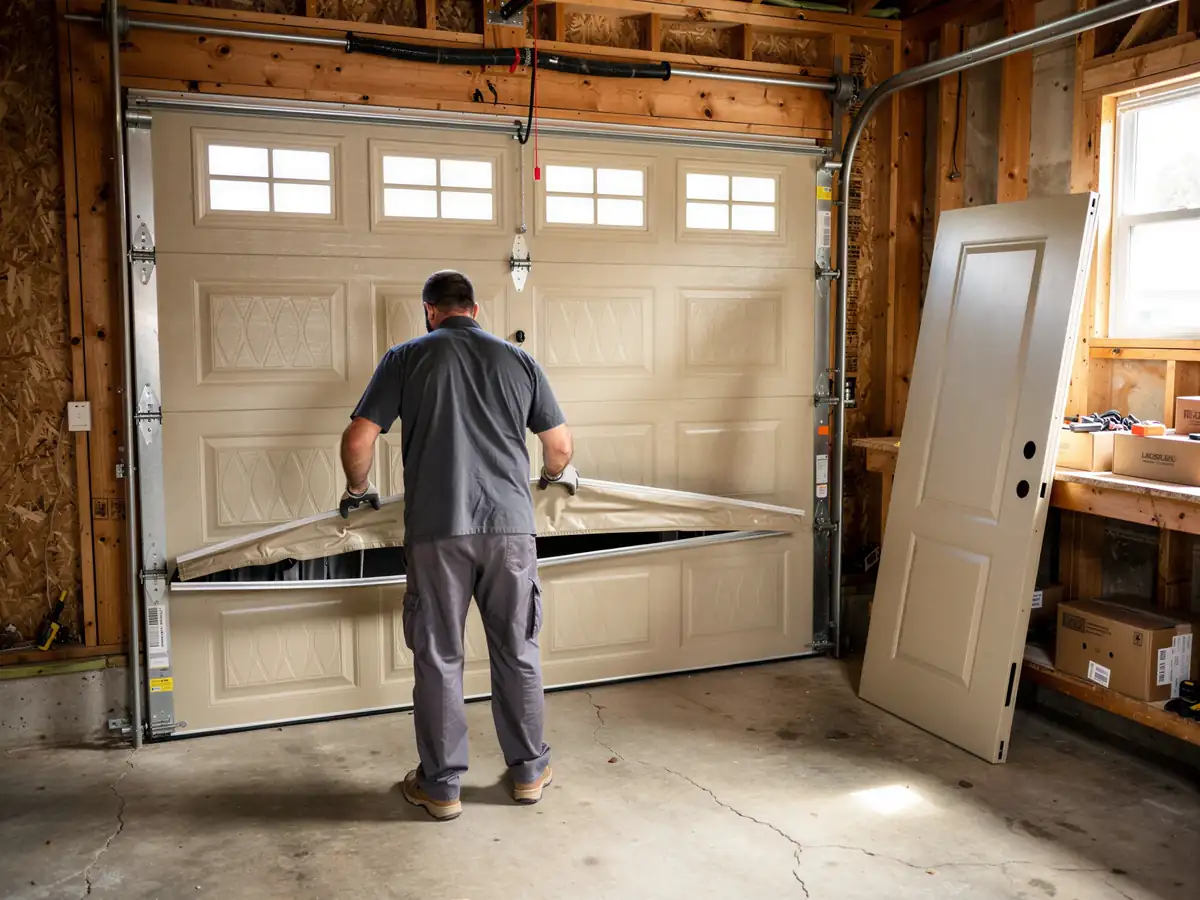
Installing a new door on a house built in the 1980s or 90s usually starts with the opening itself. Framing from that period was cut to fit whatever single or double door was standard at the time, and it's rarely a perfect match for today's panel sizes without some adjustment at the jamb or header.
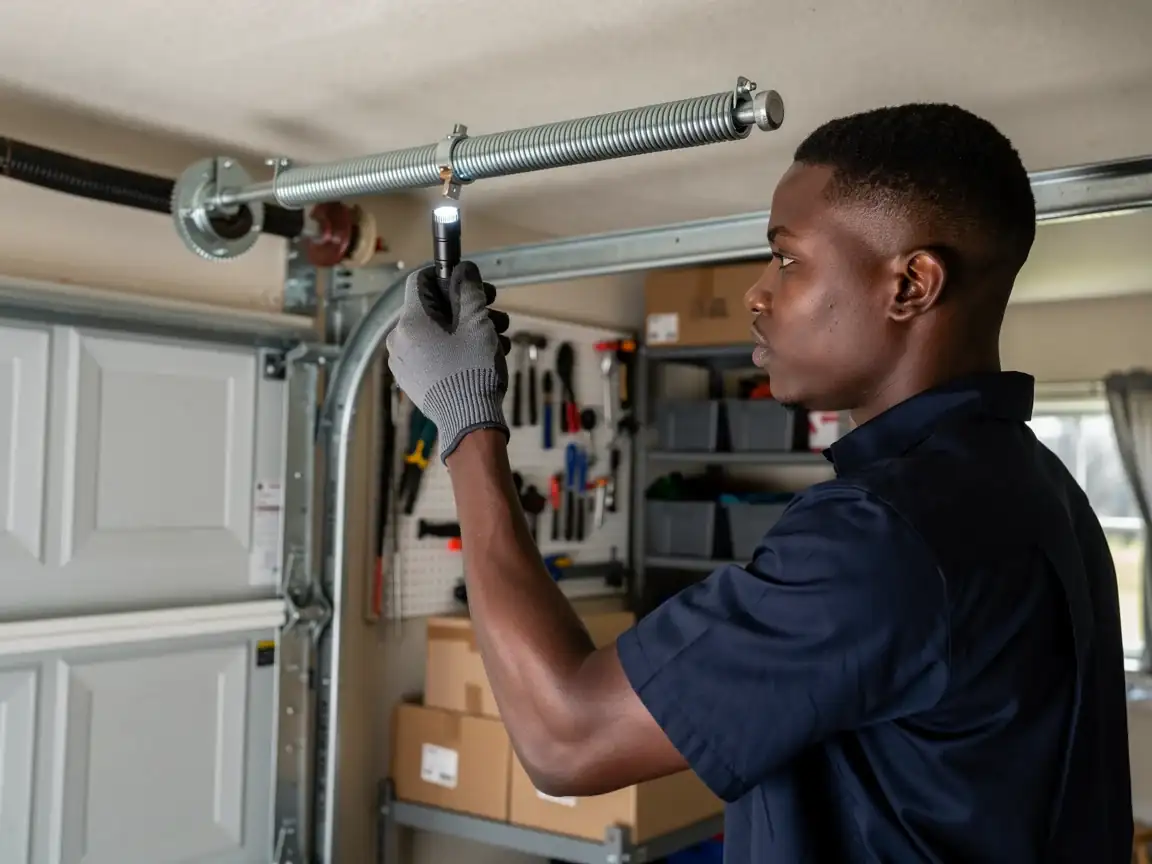
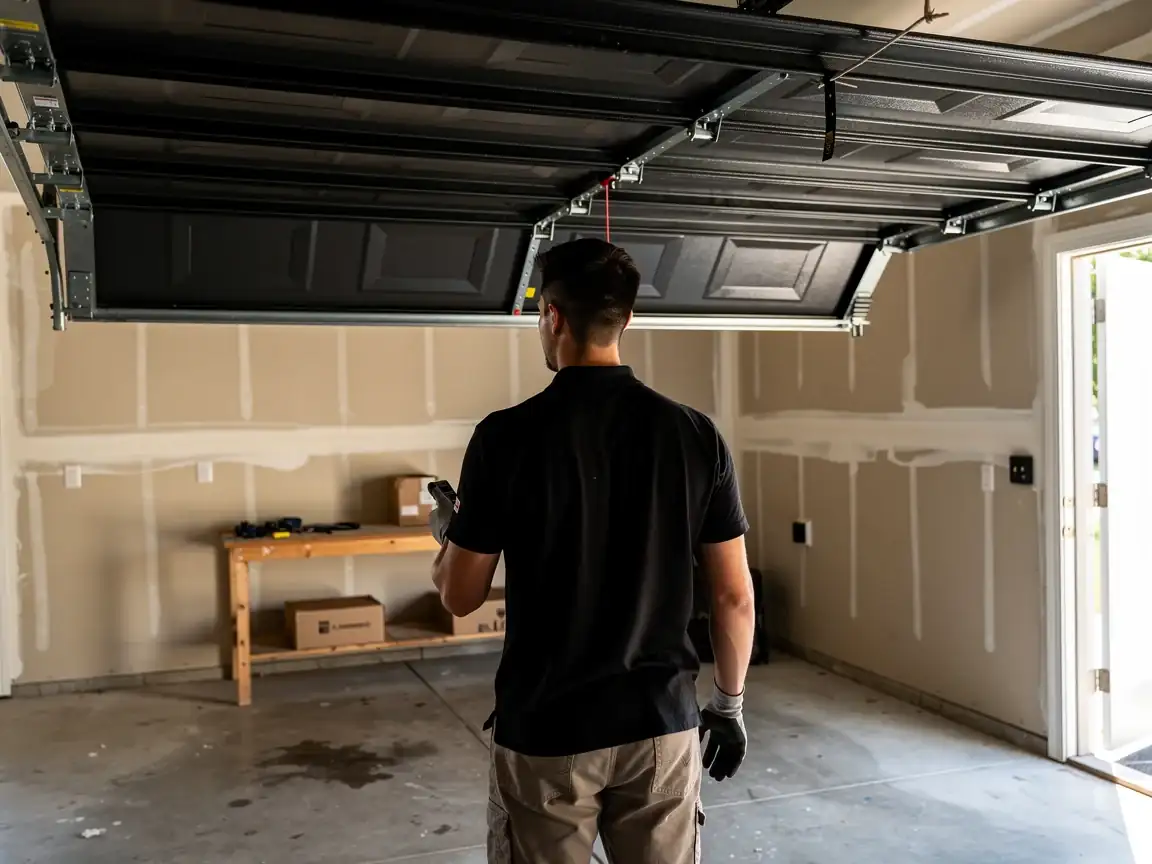
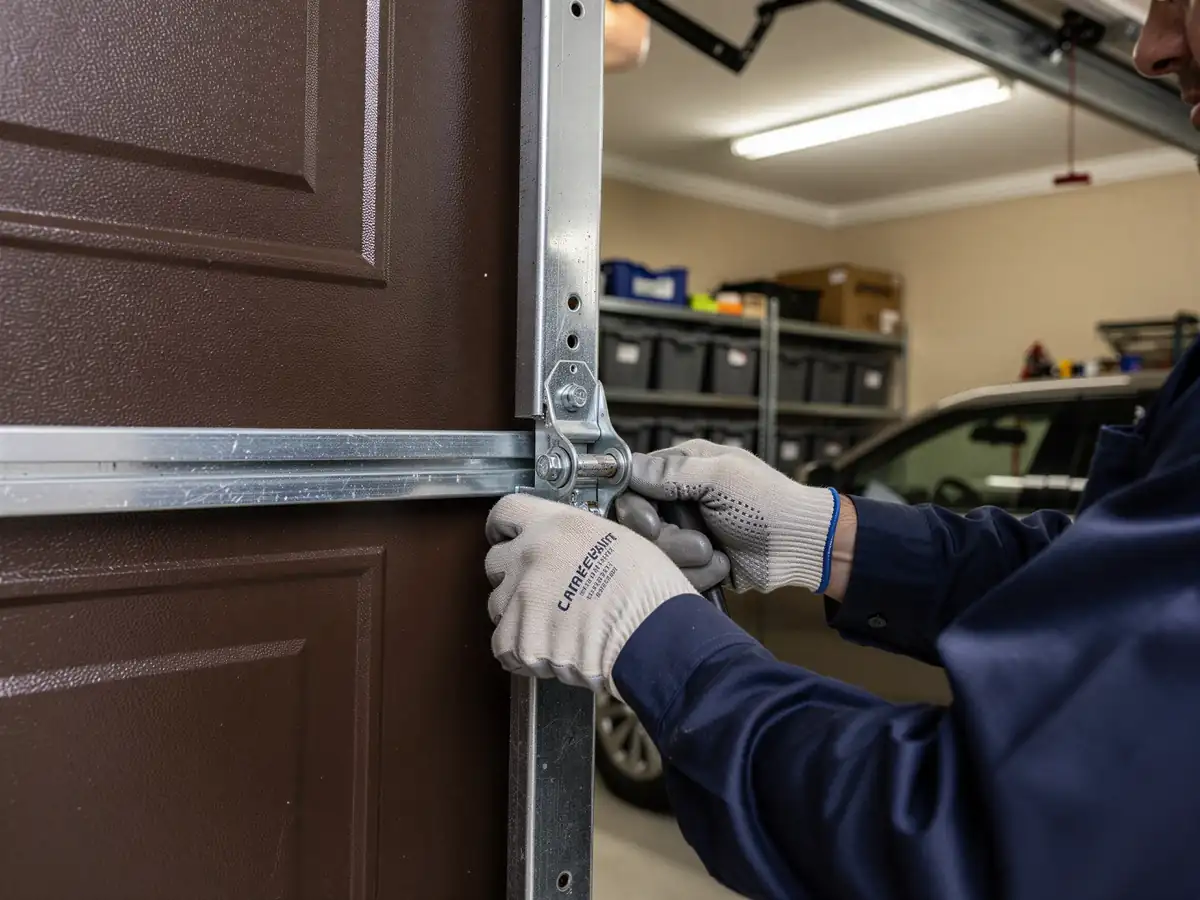
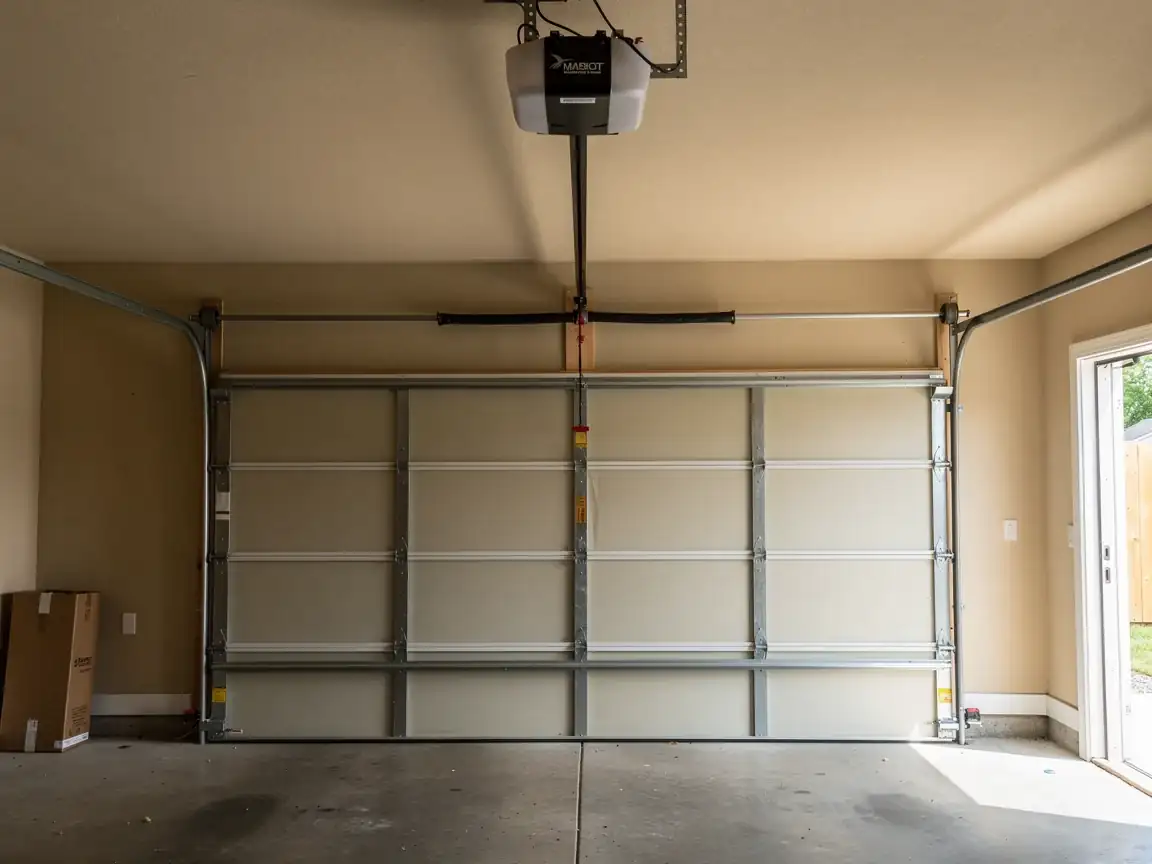
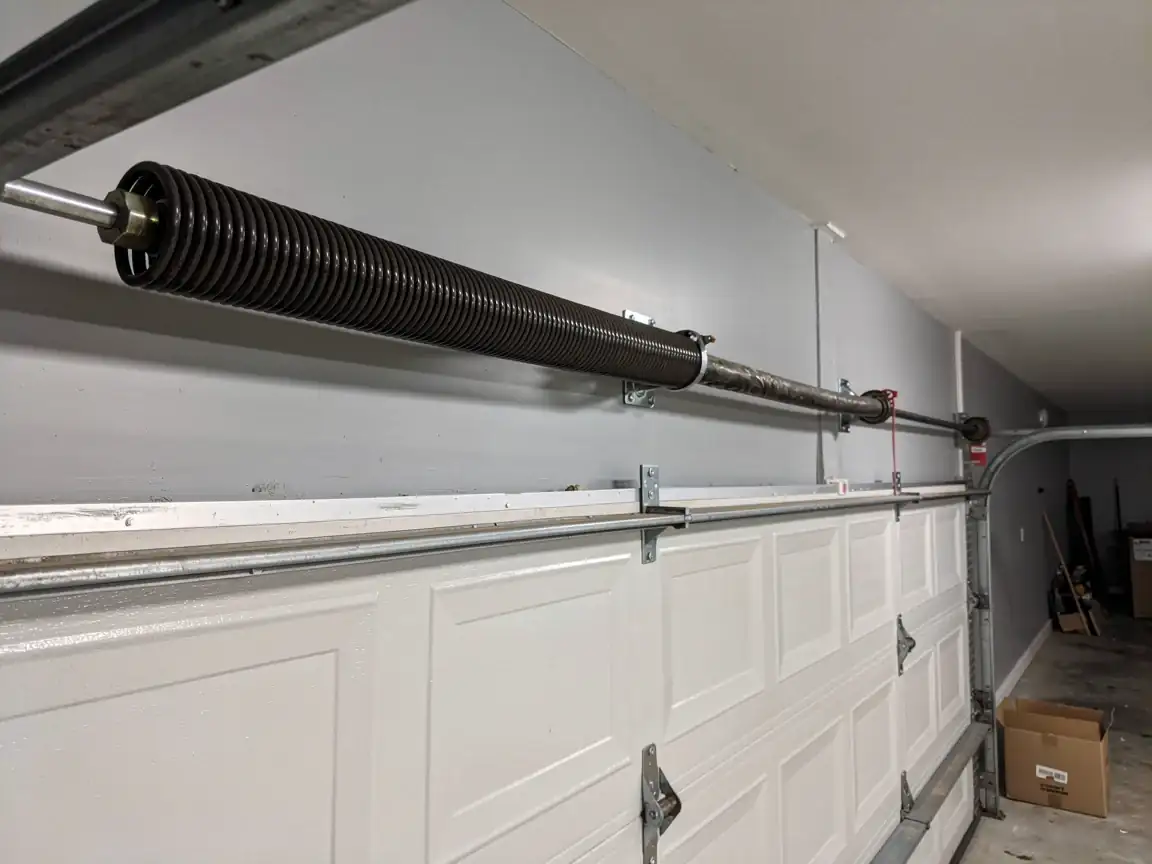
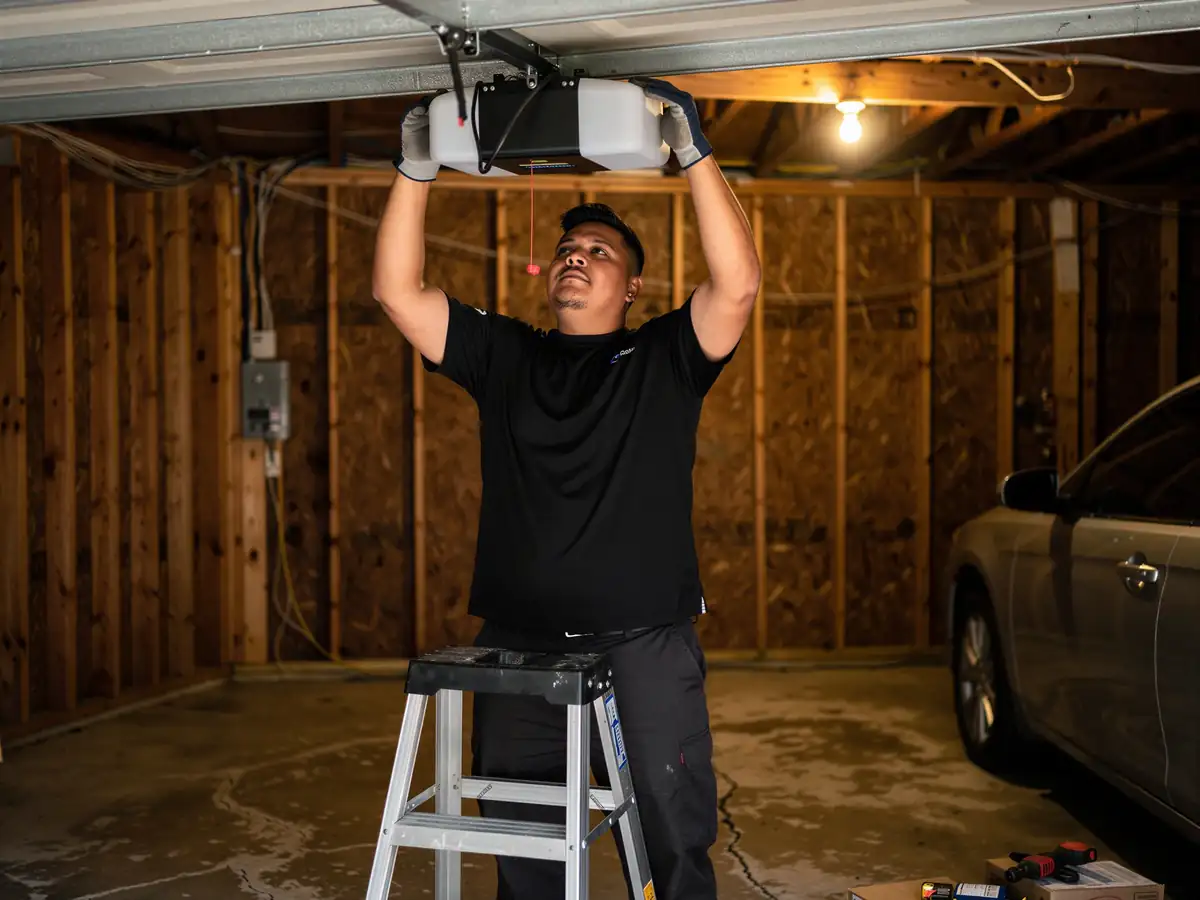
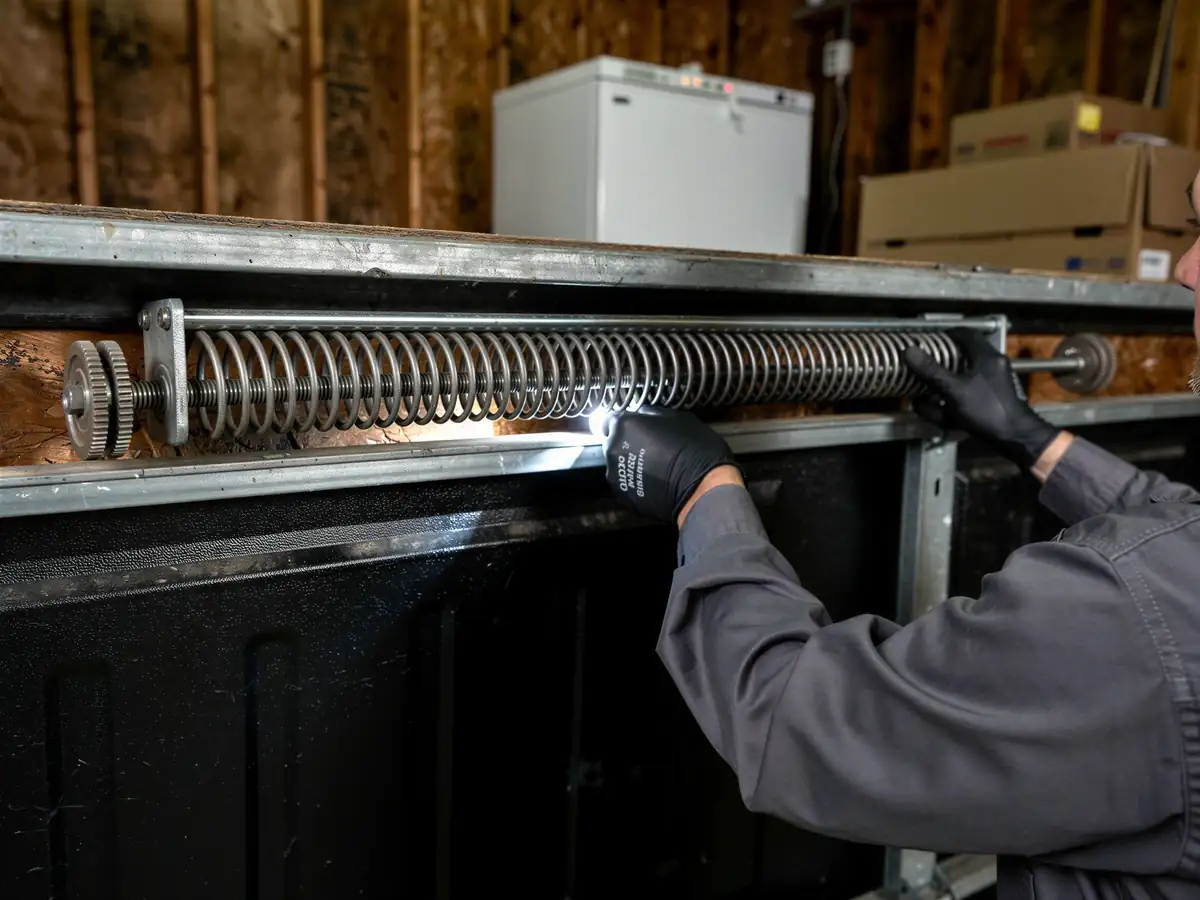
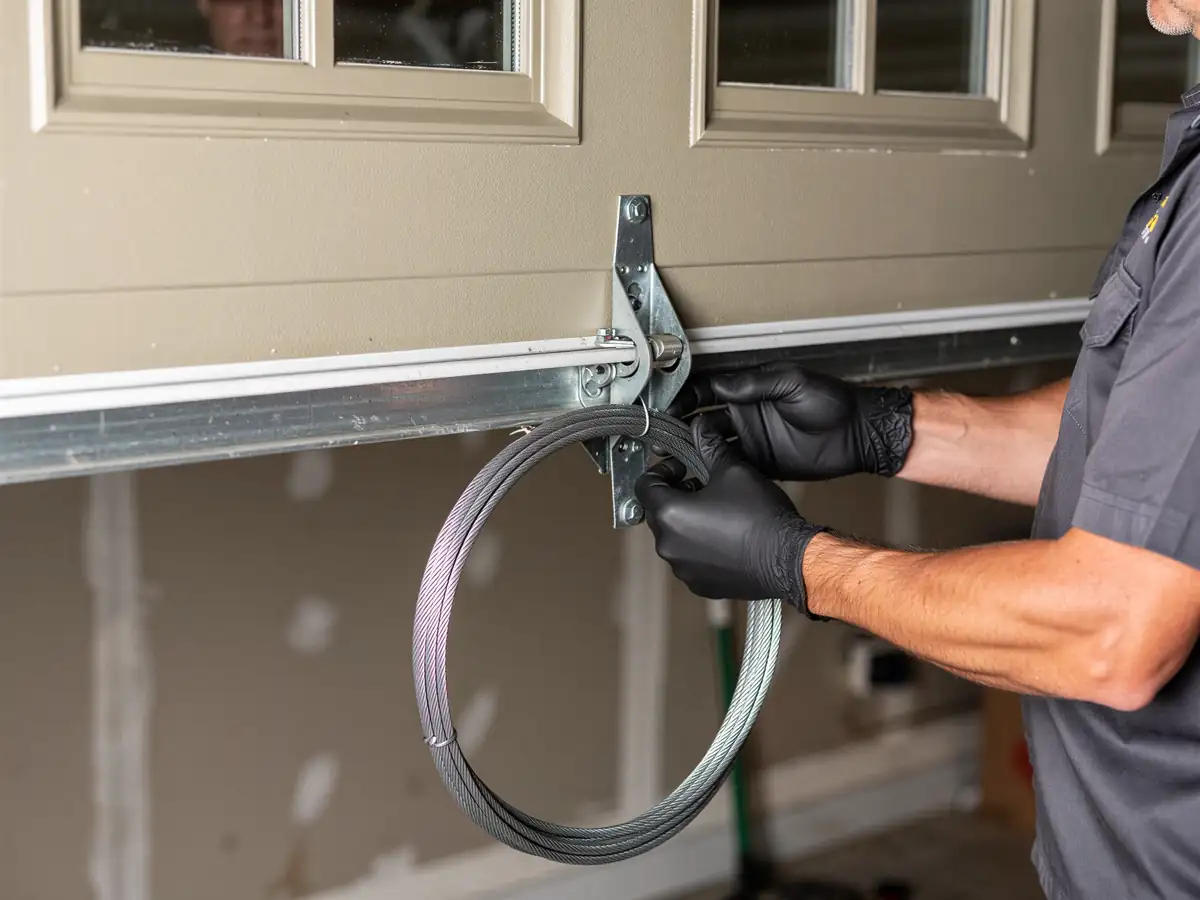
The job involves pulling the old door and track completely, checking the header for rot or sag (common once weatherstrip has been letting moisture creep in for a few decades), resetting new track to plumb, and matching spring tension to the actual weight of the new door - not the door that used to hang there. Openers from the original install era are almost always undersized or simply worn out by now, so the opener gets swapped too, matched to the new door's weight and travel distance.
With a median household income of $85,625 and 38,391 owner-occupied houses across the service area, most homeowners here are choosing a full door and opener swap rather than stacking another patch repair onto 1980s hardware. That's less about preference and more about the math: parts for some original track hardware from that era are getting hard to source at all.
Can You Do This Yourself
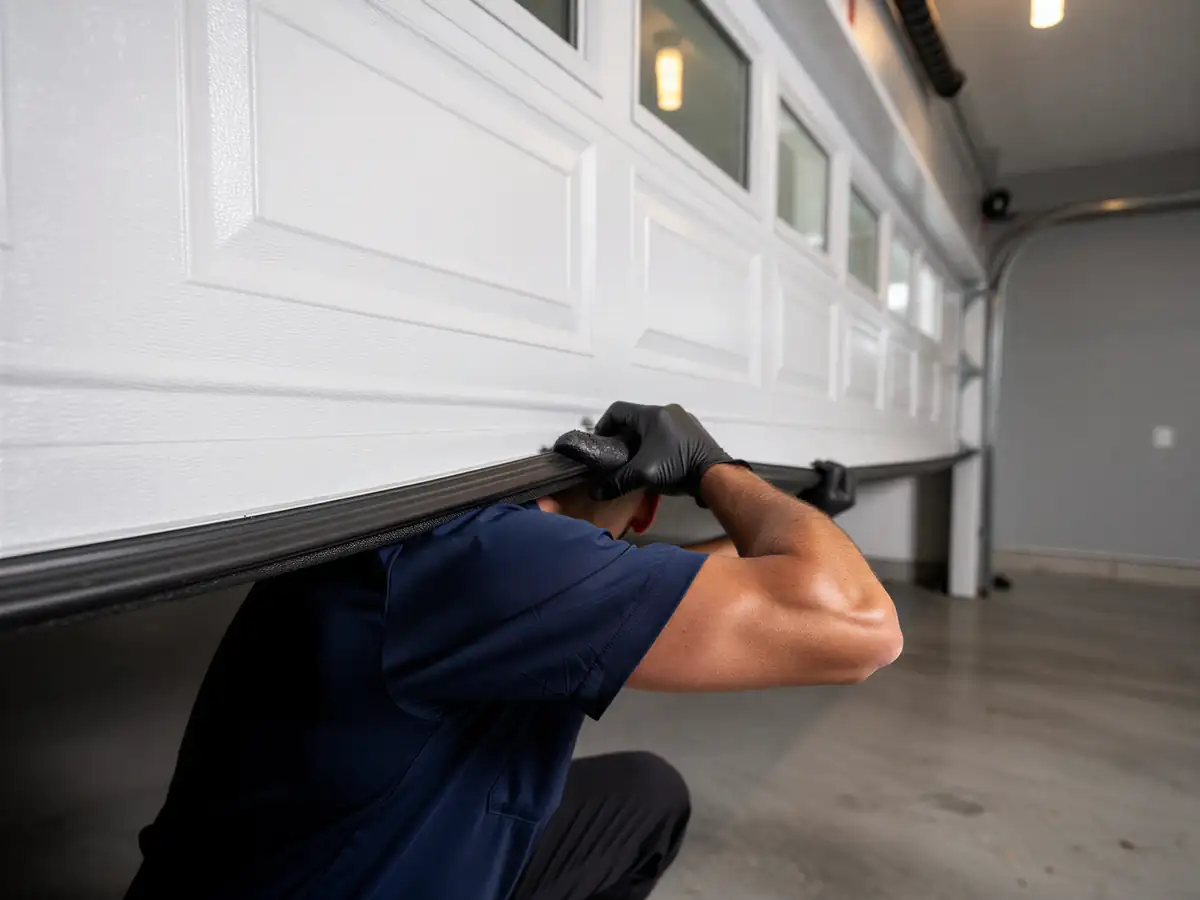
Some of this you can do. Swapping weatherstrip, tightening loose hinges, lubricating rollers - that's homeowner-level work and it buys you time if your door is only showing early wear.
A full installation isn't in that category. Setting spring tension on a new door means working against enough stored force to cause a serious injury if the wind-up is off, and getting the track plumb against an older, possibly uneven jamb takes more than a level and patience. This is also where I'll be honest about a limit: if your opening has shifted out of square from decades of settling, that's a job that needs to be measured and corrected before a new door ever goes up, and it's not something I'll guess at from a phone photo.
If you're set on doing it yourself, at minimum get someone to check your spring sizing and track alignment before you bolt anything permanent in place. The cost of a bad weld or a mis-sized spring is a lot higher than a service call.
How It Shows Up
The first sign on a house this age is usually the door not sitting flush when closed
A gap at one corner that wasn't there last year, from a track that's shifted slightly out of plumb after years of heat expansion and contraction.
Next comes the opener straining
If it was sized for a lighter door, or if the door itself has sagged from loose hardware, you'll hear the motor working harder and taking longer on the up-cycle, which on an original 1980s or 90s unit is often the last stretch before the opener itself gives out.
Weatherstrip that's cracked and pulling away from the frame is almost universal on original doors of this age under moderate heat exposure
It's not storm damage, it's thirty-plus years of sun doing what sun does. None of these signs alone mean you need a full install, but on a door this old, they tend to show up together within the same year or two, which is usually the point where patching stops making financial sense.