Why This Fails Locally
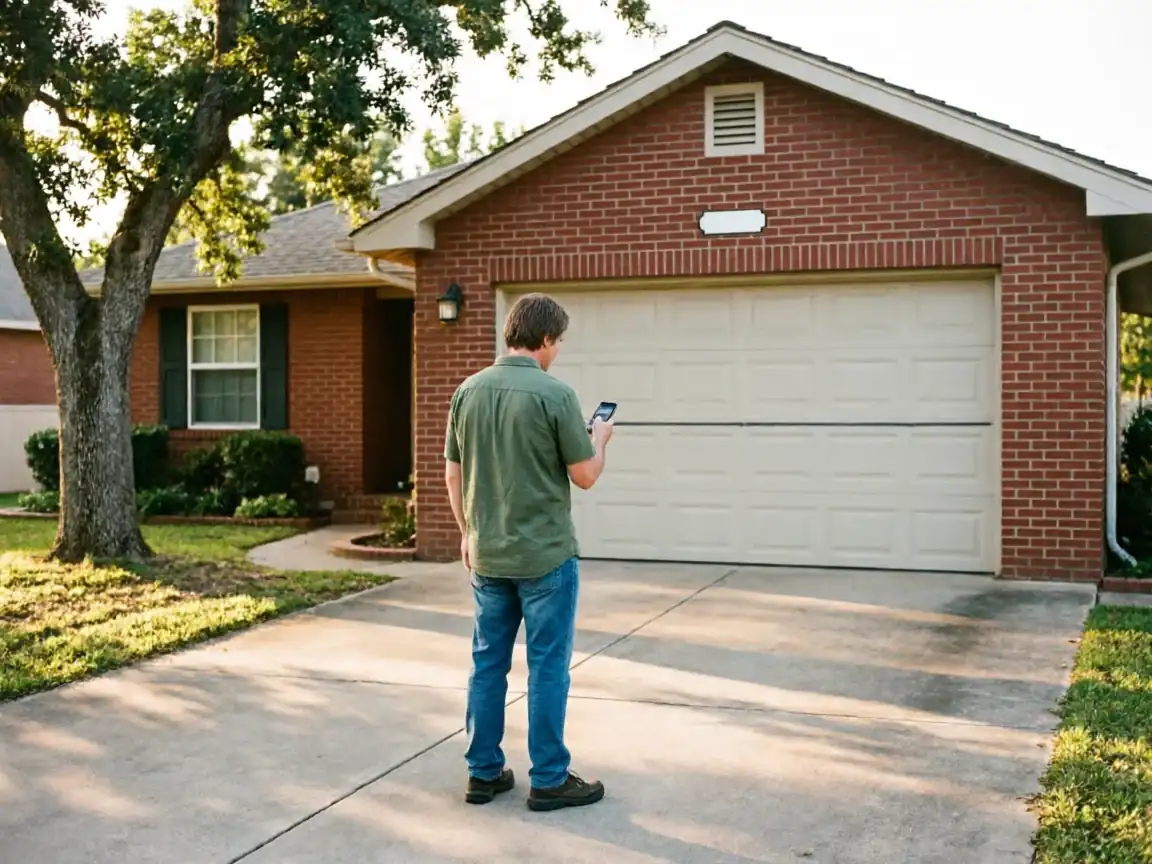
Houses in this service area were built between 1953 and 2014
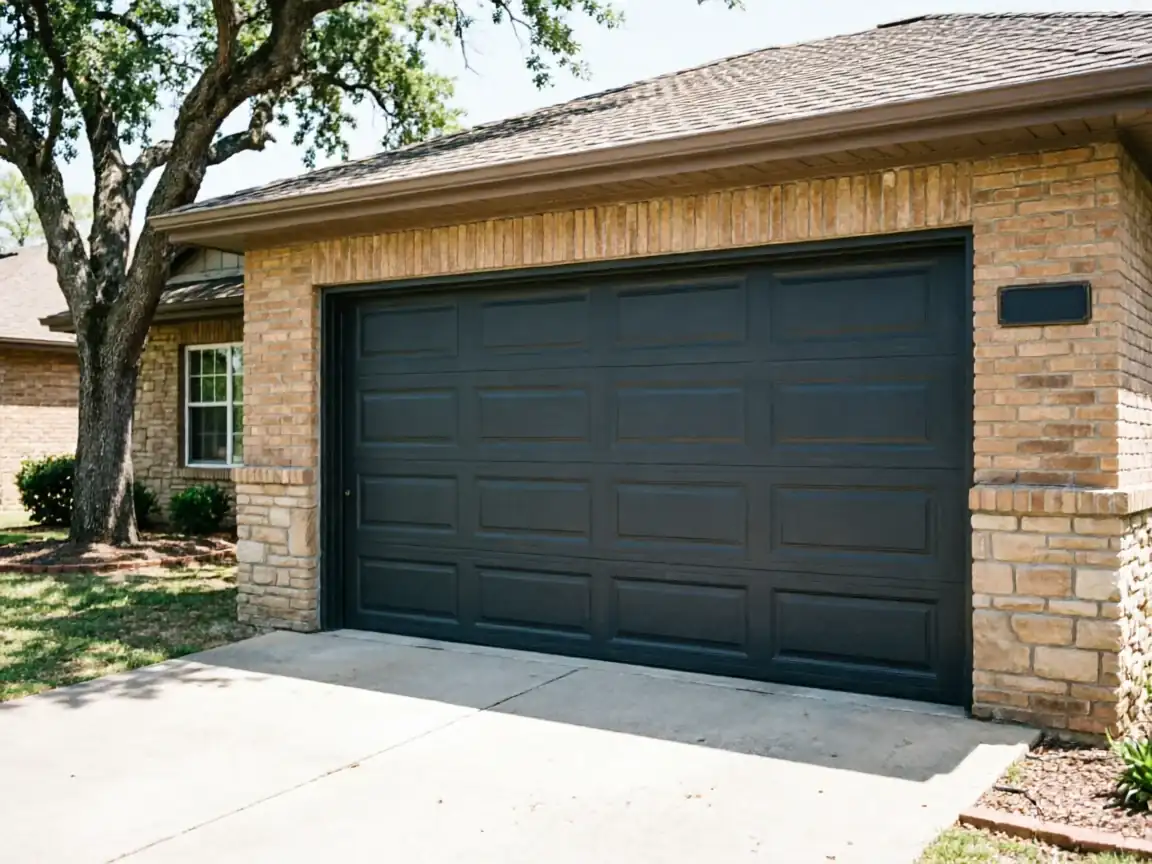
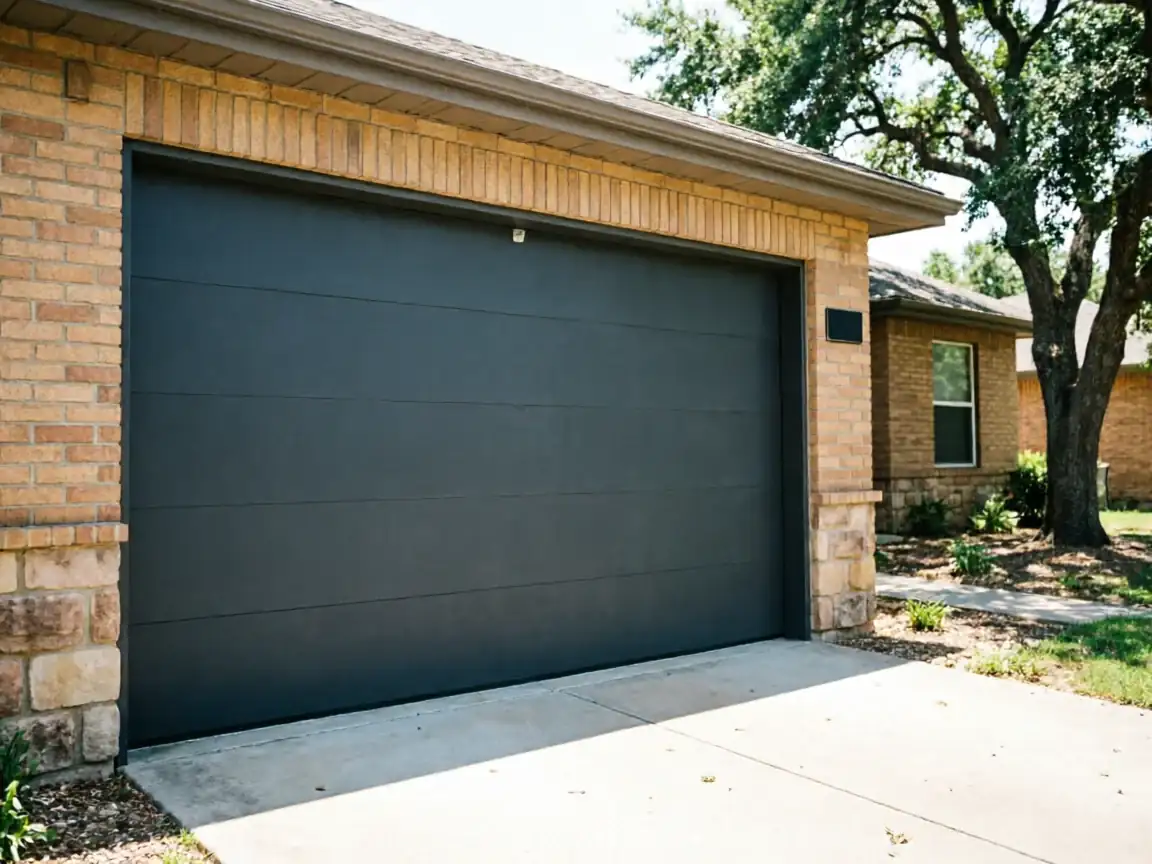
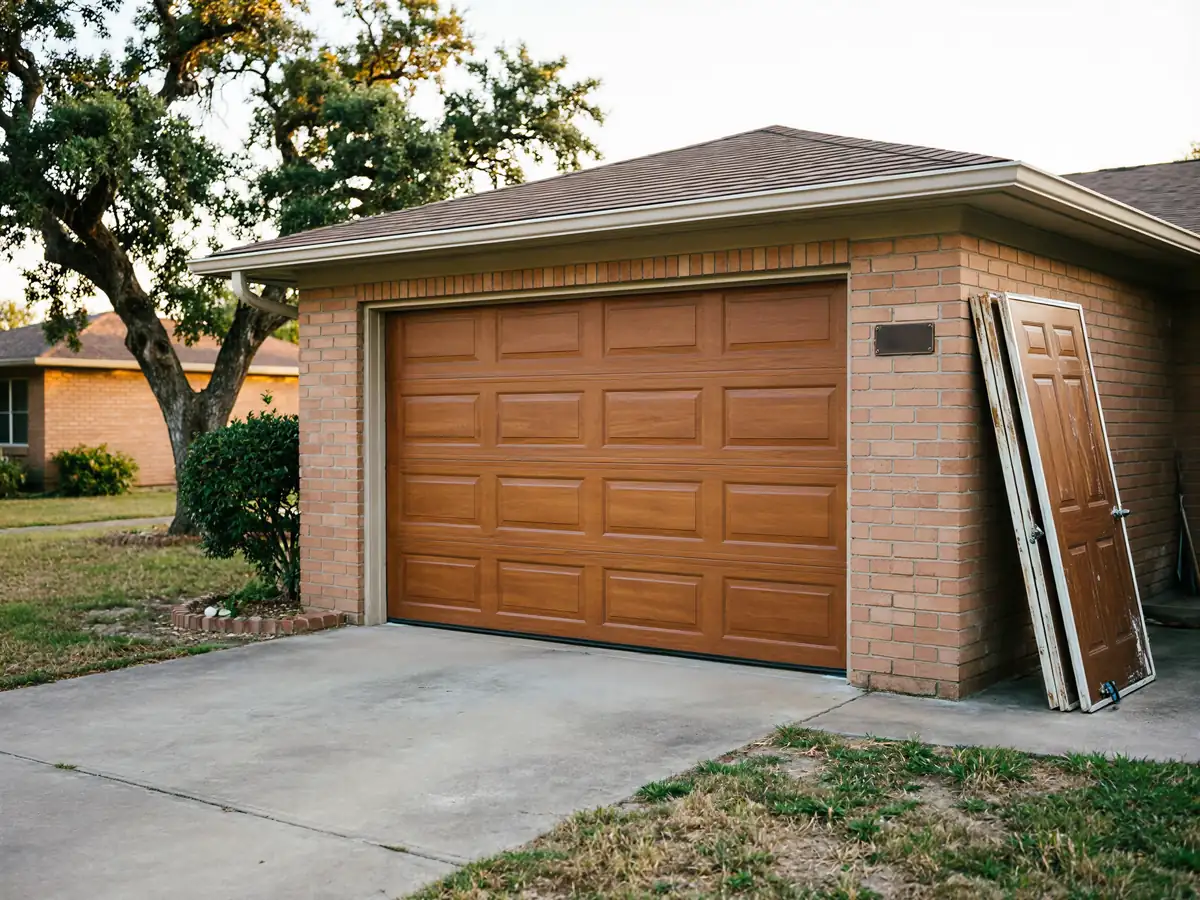
With most of the stock going up in the 1980s and 90s. That matters because a garage door system has a working life measured in cycles, not years, and a door installed when a neighborhood was new is now thirty-plus years into springs, rollers, and hinges that were never designed to be maintenance-free forever. Across the 19 communities we cover, from Crowley and Joshua in close to Grandview and Midlothian further out, that same construction wave means the same parts are aging out at roughly the same time.
- 19 communities
The moderate heat band this region sits in adds its own wear pattern
Summer heat dries out lubricant on tracks and hinges faster than a cooler climate would, and it stiffens up nylon rollers and weatherstripping. None of that breaks a door overnight. It shows up as noise, drag, and uneven travel first, and those small signs are what a maintenance visit is built to catch. Skip it for a few years on a house from this era and you're not dealing with a tune-up anymore, you're dealing with a spring that lets go or an opener motor straining against resistance it shouldn't have to fight.
What the Repair Takes
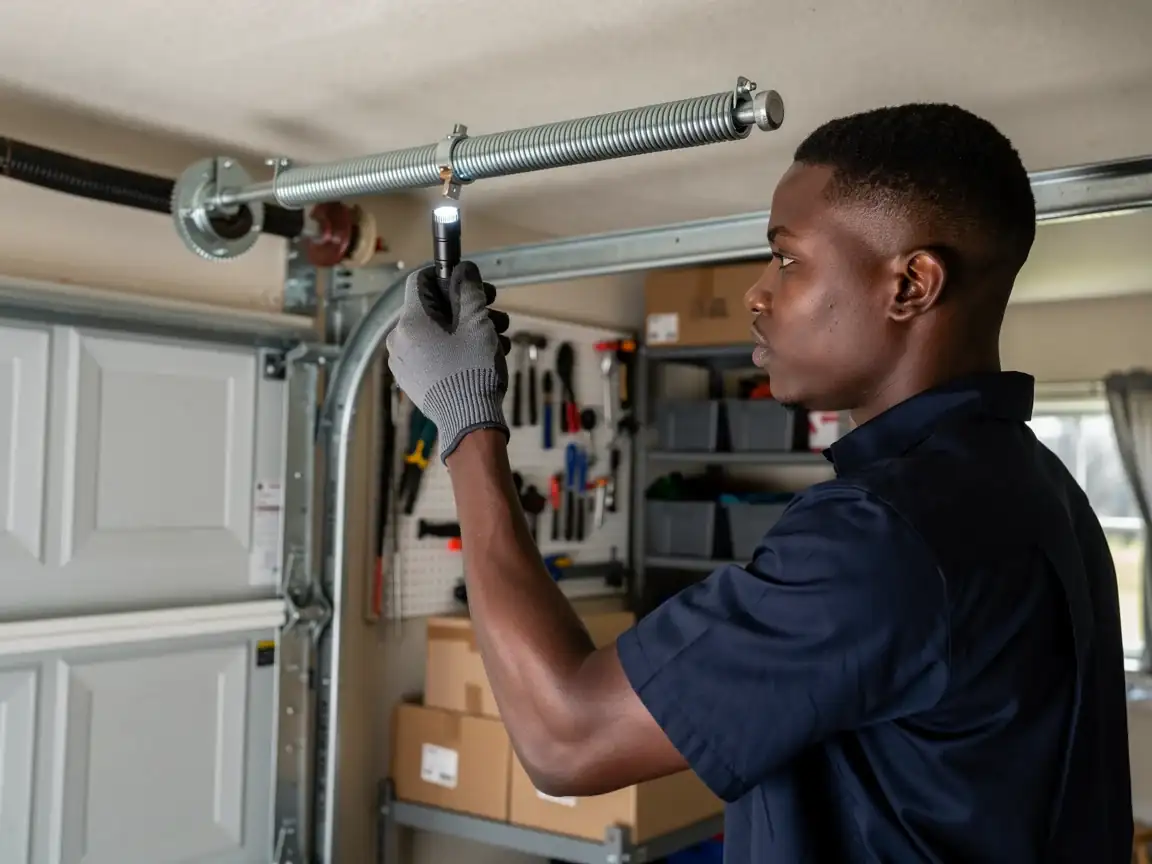
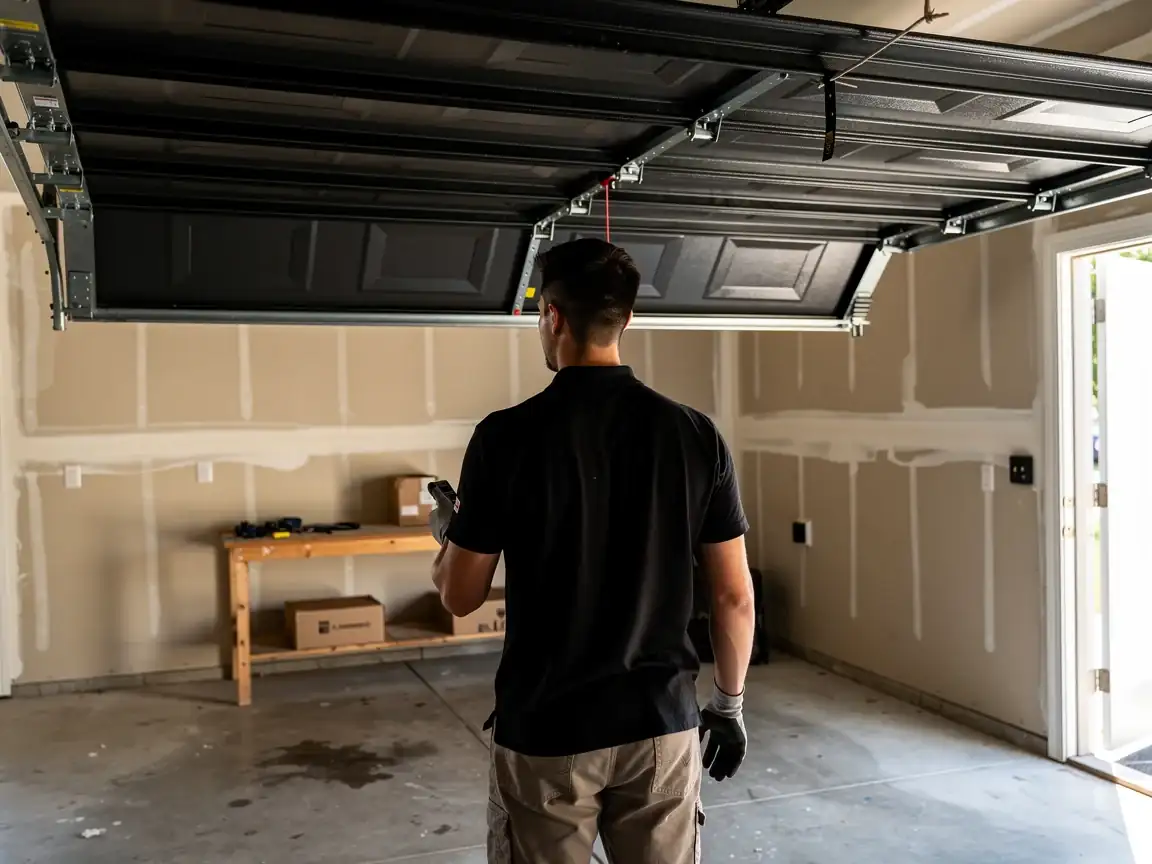
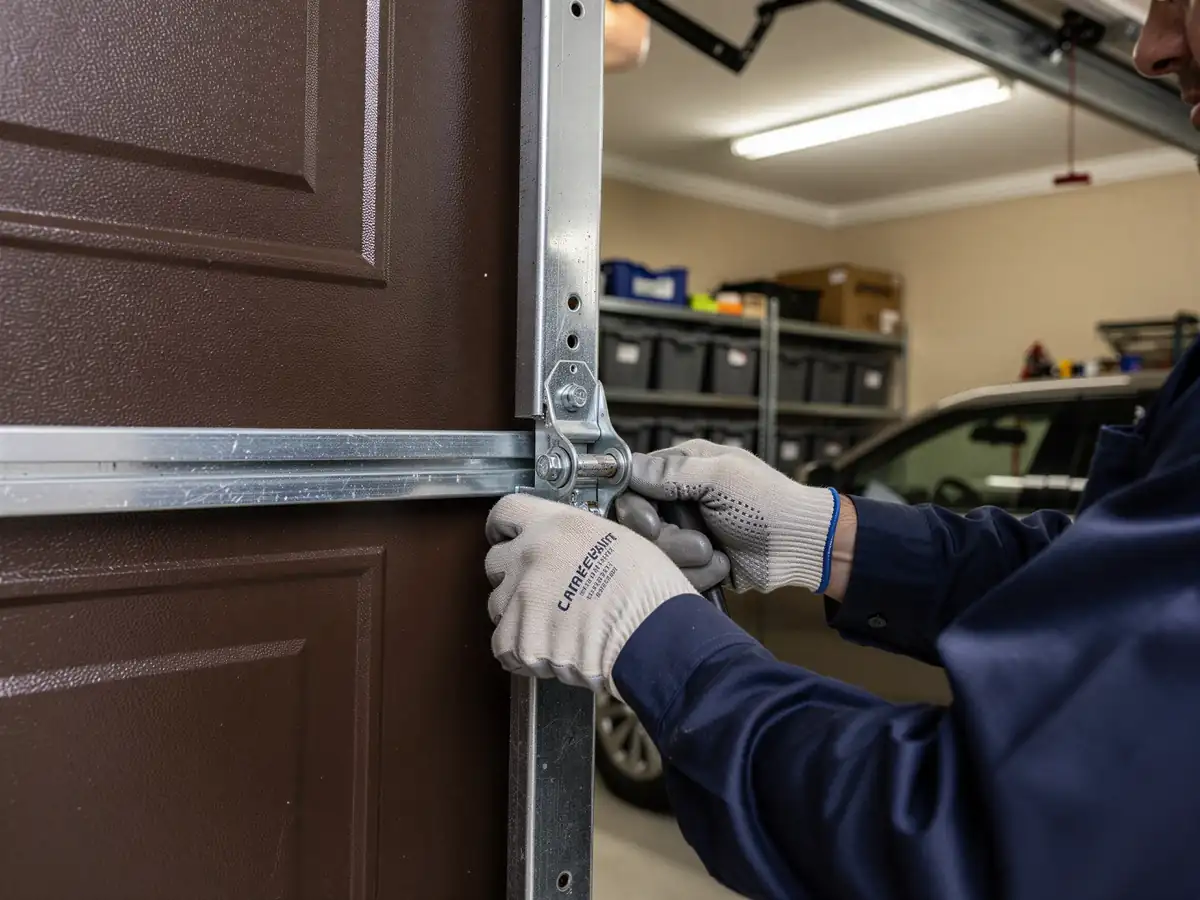
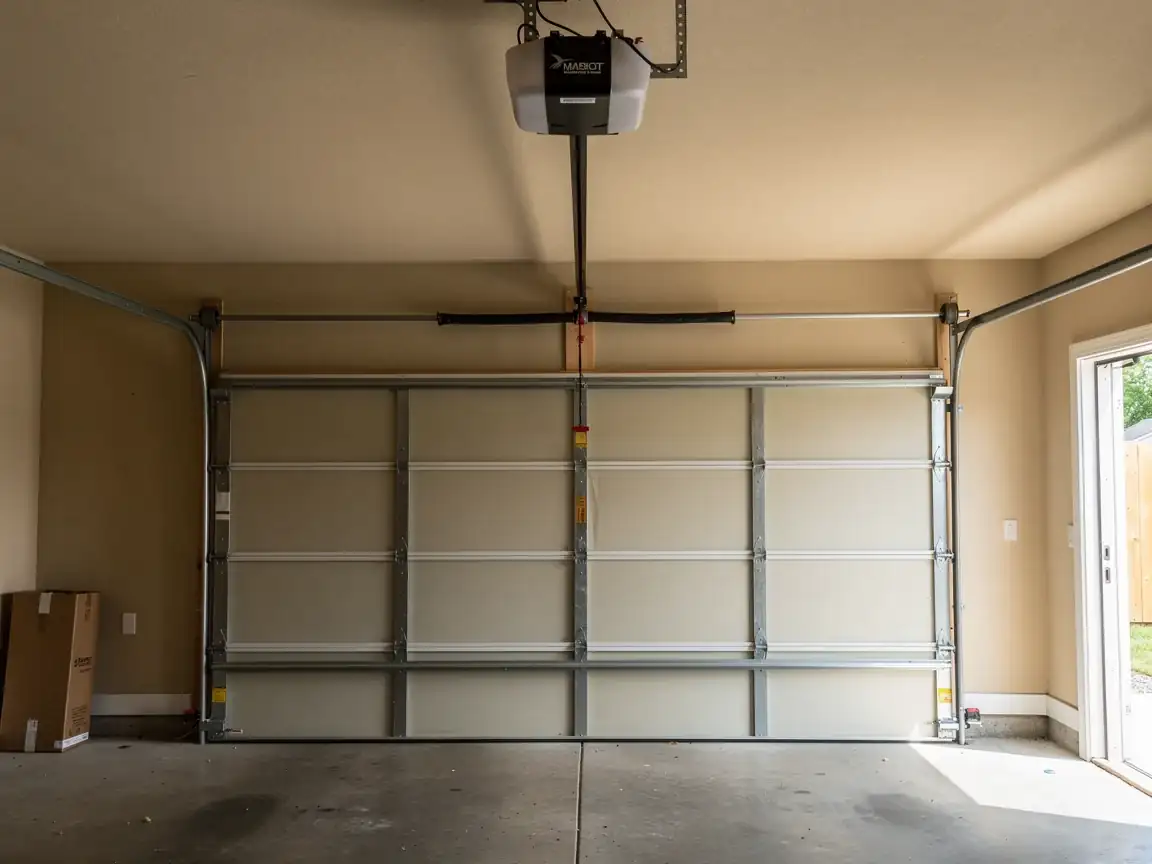
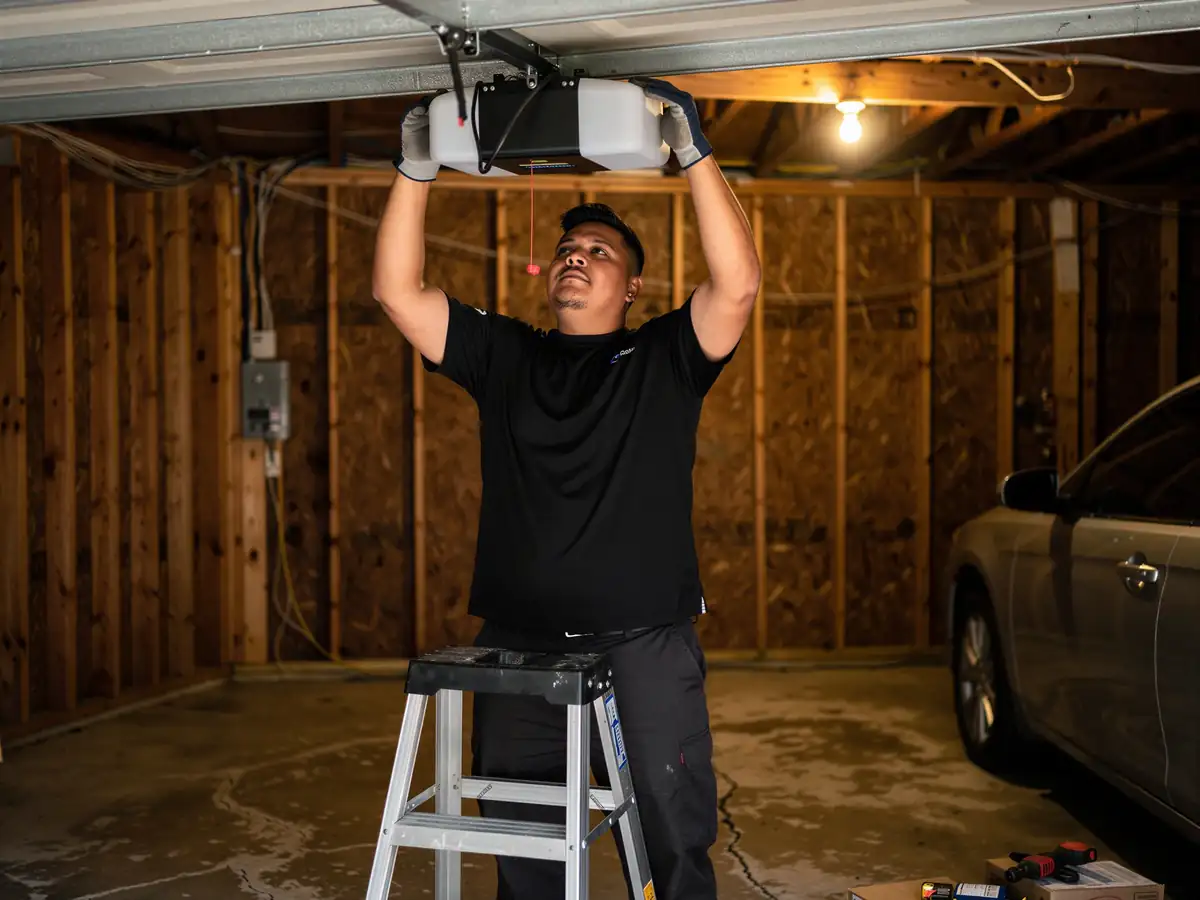
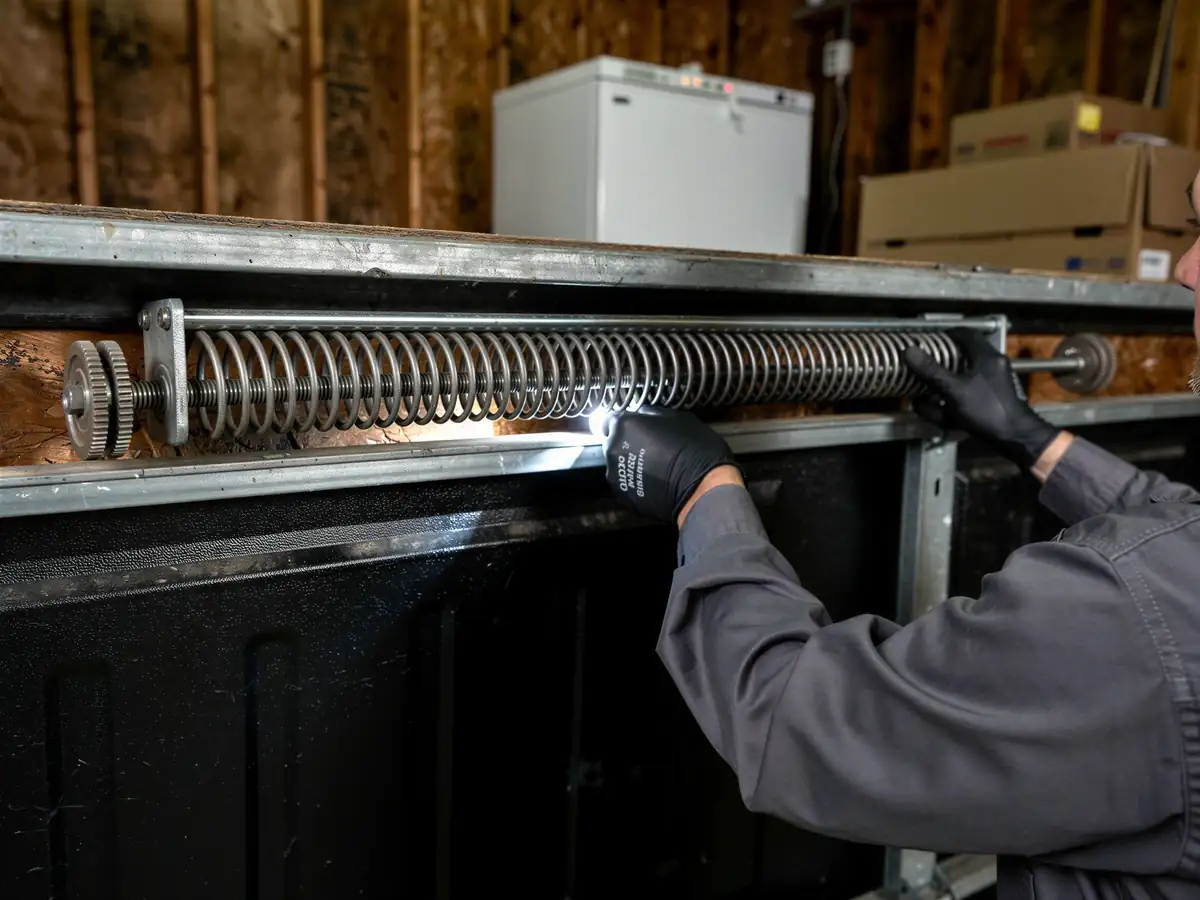
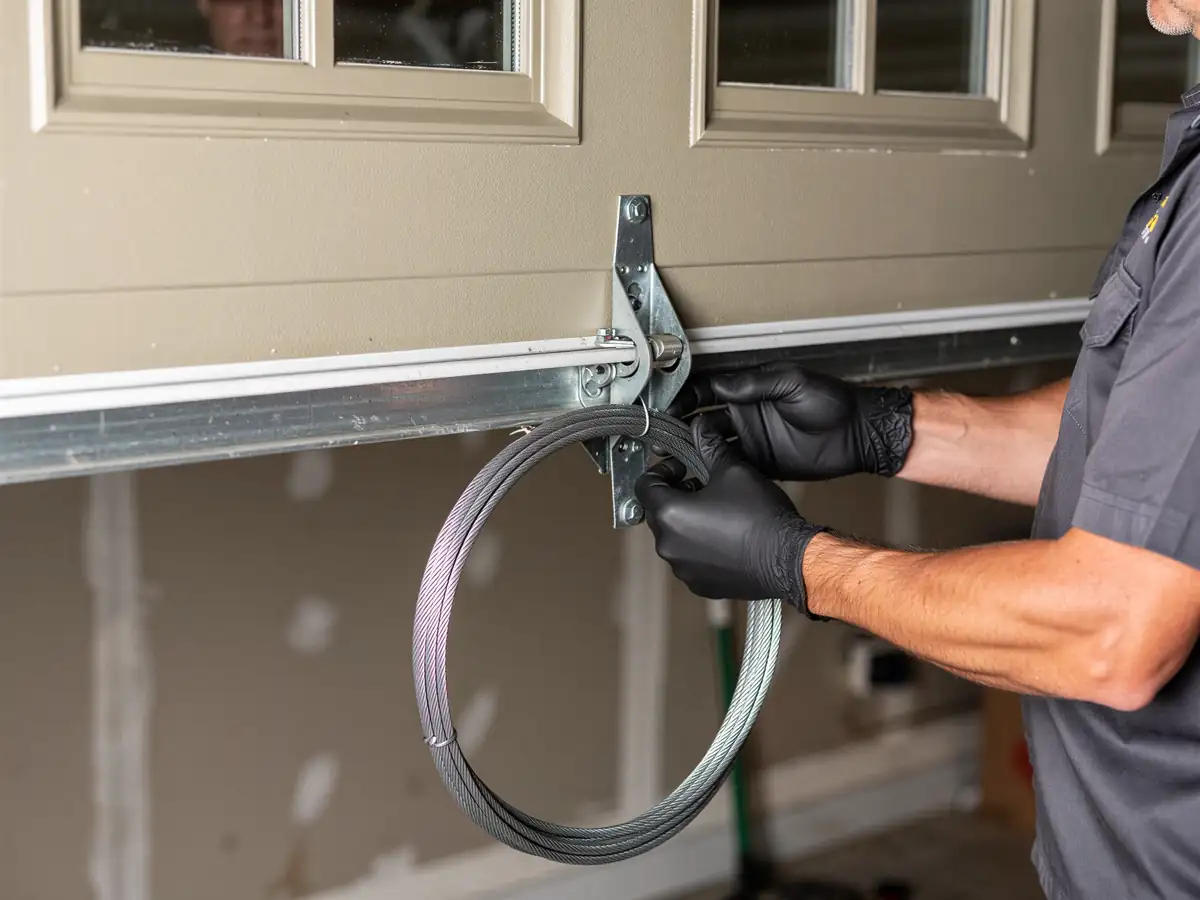
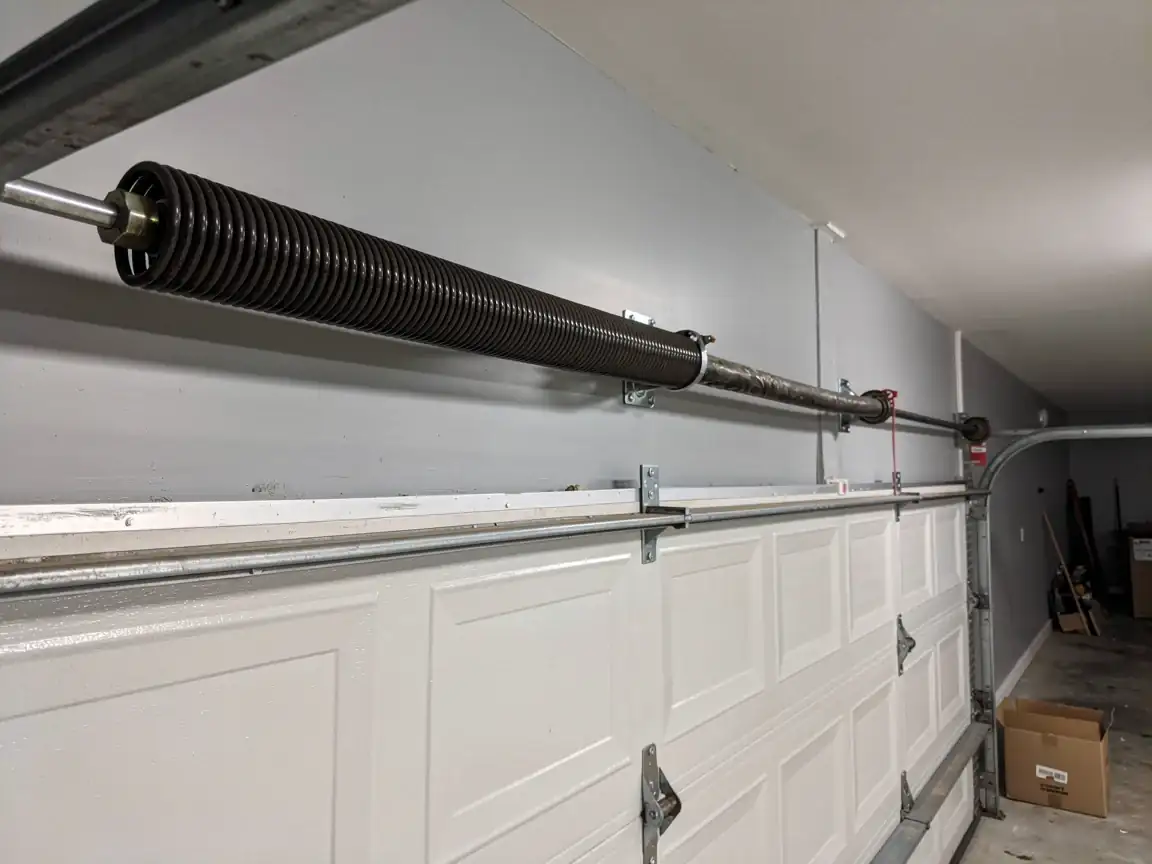
A real maintenance visit on a door from this housing stock covers the torsion spring and its cable drums, the track alignment, roller condition, hinge wear, and the opener's force and travel settings. On a house built in the 1980s or 90s, we're usually looking at original or first-replacement hardware, so the spring wire gauge and drum size matter for getting adjustments right rather than just tightening what's loose.
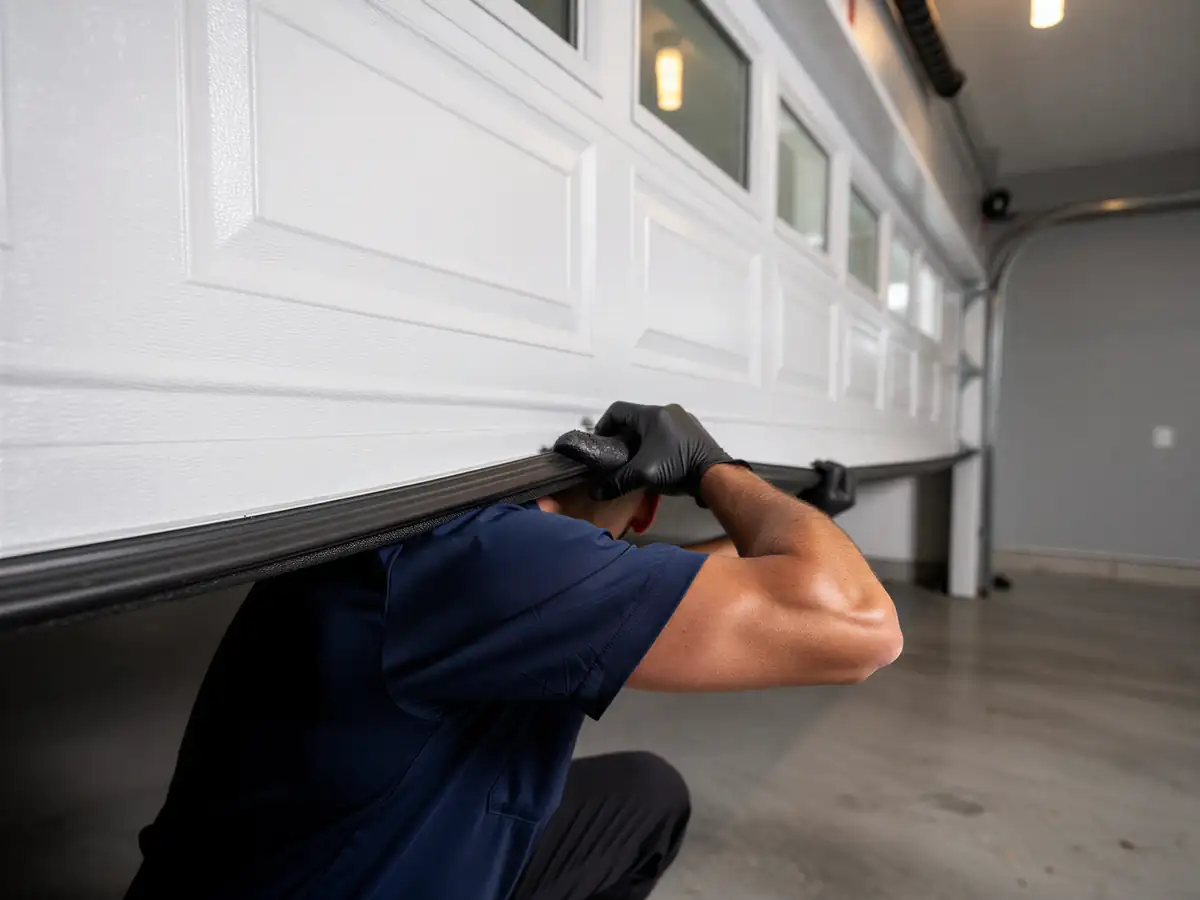
Lubrication matters more here than in a milder climate, because the heat band this area sits in burns through standard grease faster. We use lubricant rated for that kind of cycling, not a one-size spray that breaks down by midsummer. Track alignment gets checked under load, not just by eye, since a track that's a quarter inch off doesn't show until the door's partway open and the rollers bind.
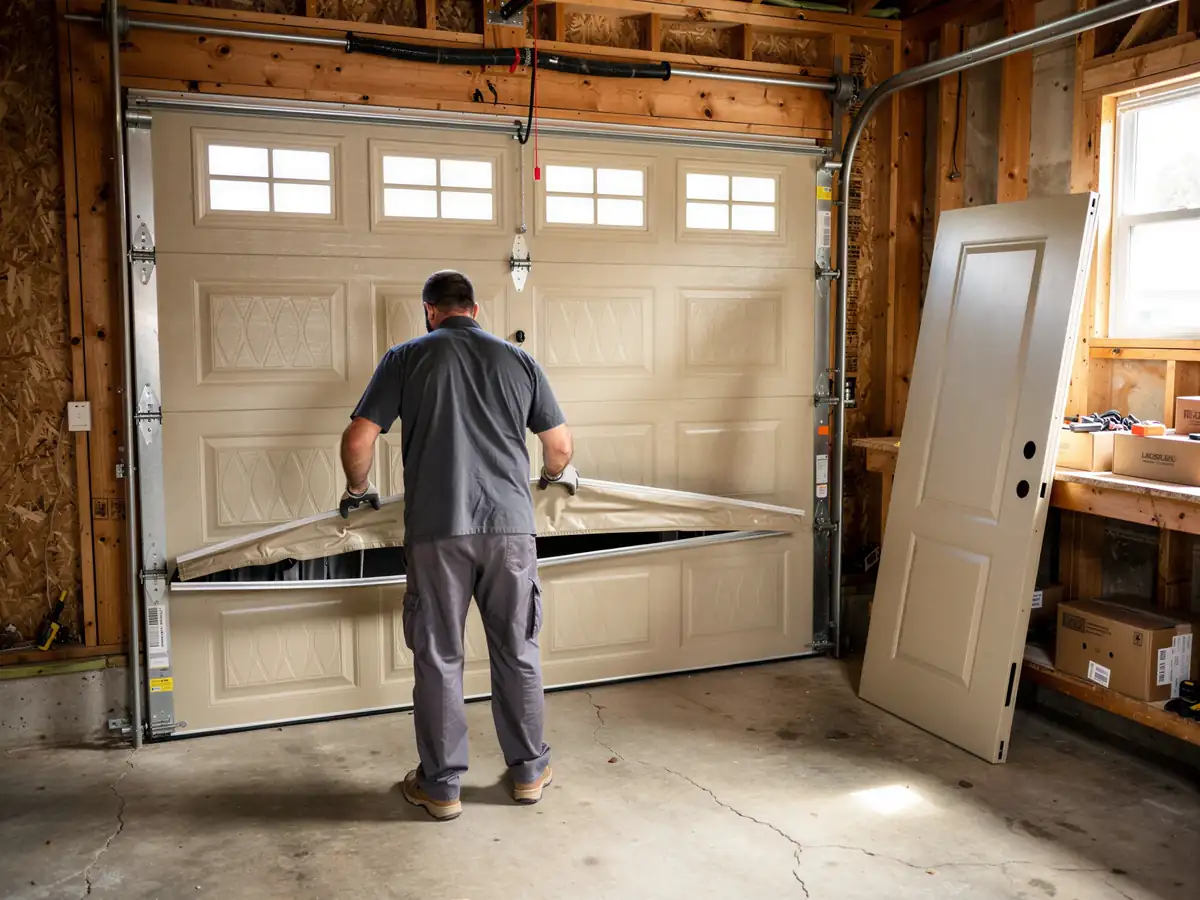
We're straightforward about scope: a maintenance visit is not a rebuild. If a spring is already fatigued past safe adjustment, or an opener board is failing, that's a repair or replacement conversation, not something a tune-up fixes. Telling you that up front is part of the job, not an upsell.
Can You Do This Yourself
Some of this is reasonable to do on your own. Wiping down tracks, checking that the auto-reverse safety feature still works, and listening for new noises are things any owner can do without tools. If your house falls in that 1980s-to-90s build range common across this area, a visual check for rust on the spring coils or fraying on the lift cables twice a year is worth the five minutes.
What we don't recommend doing yourself is anything involving the torsion spring itself. It's wound under enough tension to cause a serious injury if it releases wrong, and that's true whether the door is five years old or thirty. Adjusting opener force settings is also easy to get wrong in a way that masks a real mechanical problem instead of fixing it.
Our honest limitation here: we don't do loose bolt tightening as a standalone call. If all you need is a few screws snugged up, that's a ten-minute job you can do with a socket wrench, and we'd rather tell you that than send a truck out for it.
How It Shows Up
On a door from this era, wear announces itself before it fails outright
A grinding or popping sound on the way up usually means a roller or hinge has gone dry under the heat this area sees each summer. A door that reverses partway or closes unevenly points to a track that's drifted out of alignment, which happens gradually as a house settles, not all at once.
If the opener strains, runs longer than it used to
Or the door feels heavier when you lift it manually with the opener disconnected, that's often the spring losing tension, which is normal aging for hardware that's been cycling for decades in this climate. Catching it at that stage is a maintenance call. Catching it after the spring snaps is a repair call, usually on a weekend, usually with the car stuck inside.
Across the towns we serve, from the closer-in communities like Crowley, Joshua, and Rendon out to Cleburne, Godley, and Midlothian, the pattern is consistent because the housing stock and climate are consistent
A door that's quiet and balanced today can start showing these signs within a season once it crosses that wear threshold.