What the Repair Takes
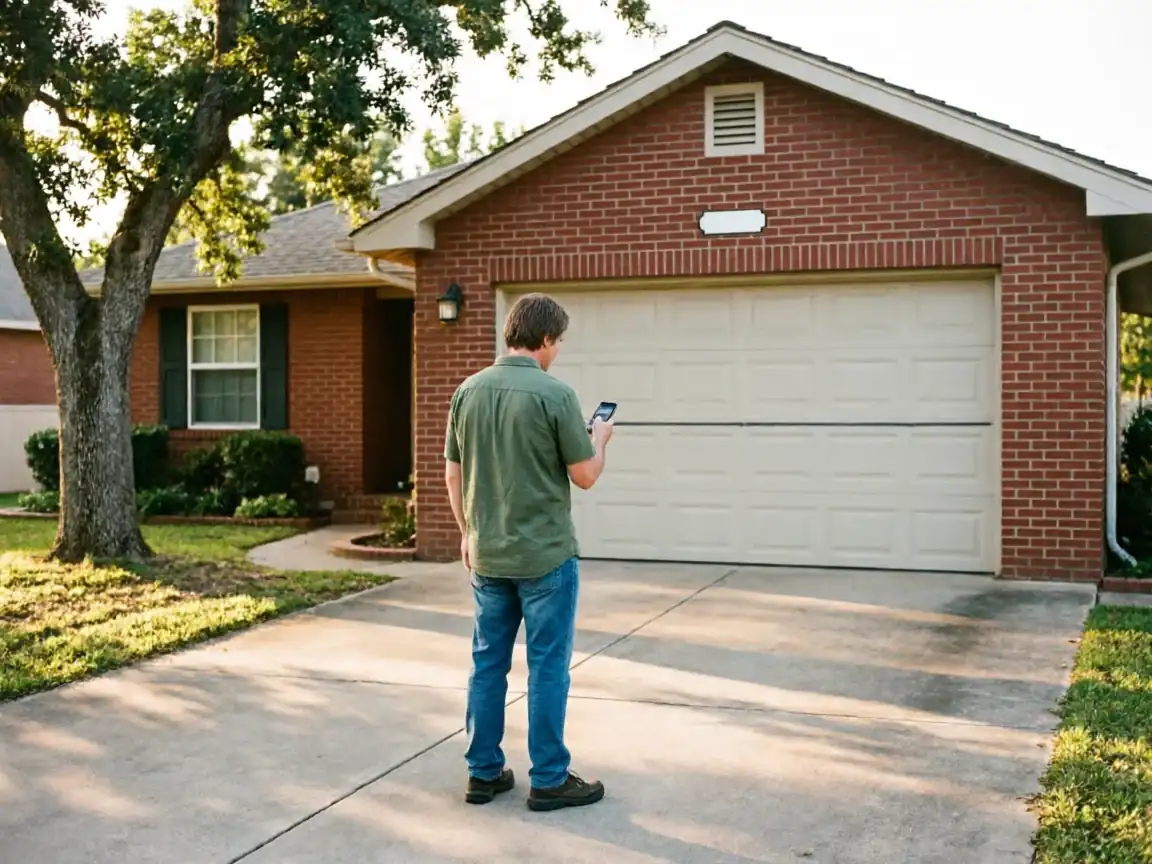
Crowley sits five miles from Burleson, close enough that a tech leaving the shop is turning into a driveway here before the radio finishes a song
That short run matters less for speed than for what it does to the job itself - there's no second stop to break up travel time, so the diagnosis starts the second the truck is parked, not twenty minutes later. A short drive also means less wear on whatever part is already riding loose in the truck bed, which counts when a spring or a section has to survive the trip intact.
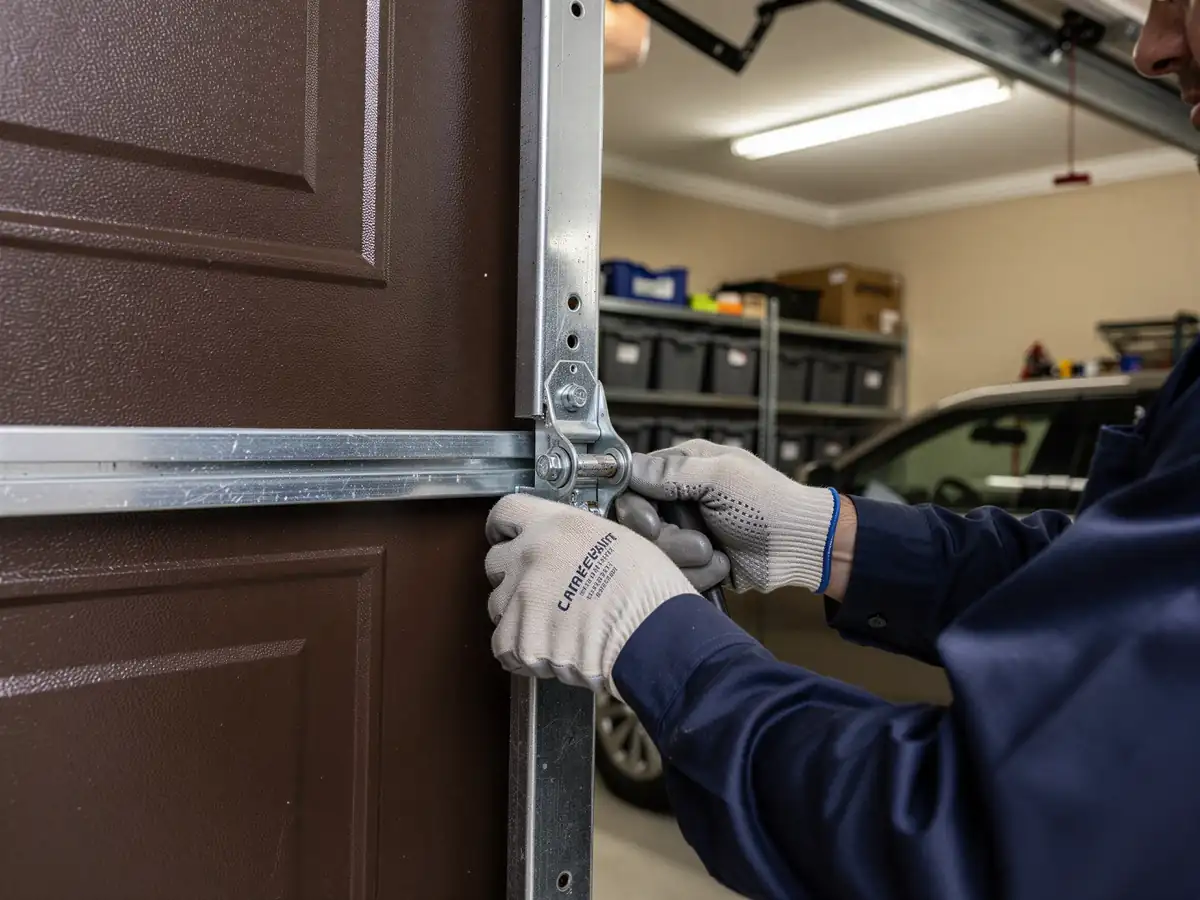
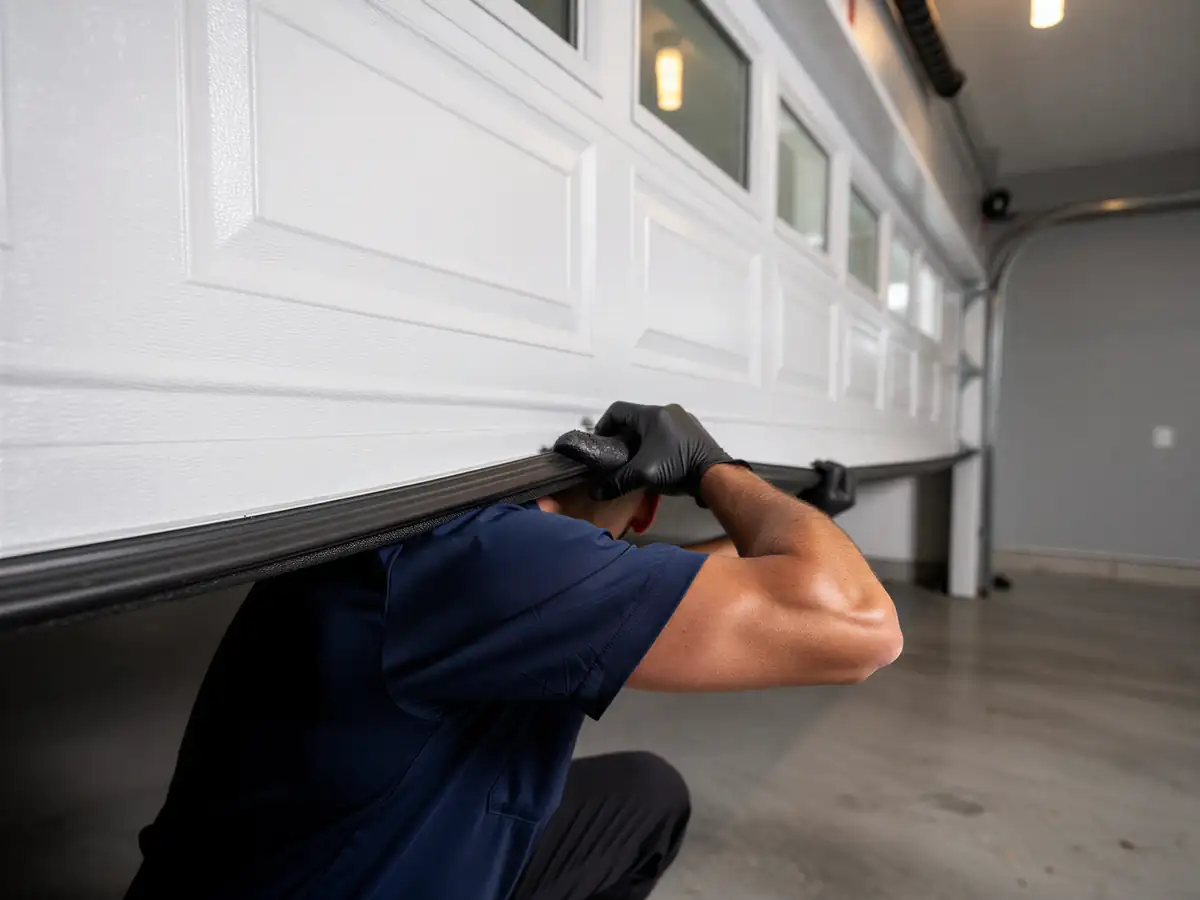
What the repair actually takes once the tech is standing in front of the door depends heavily on what's behind the door
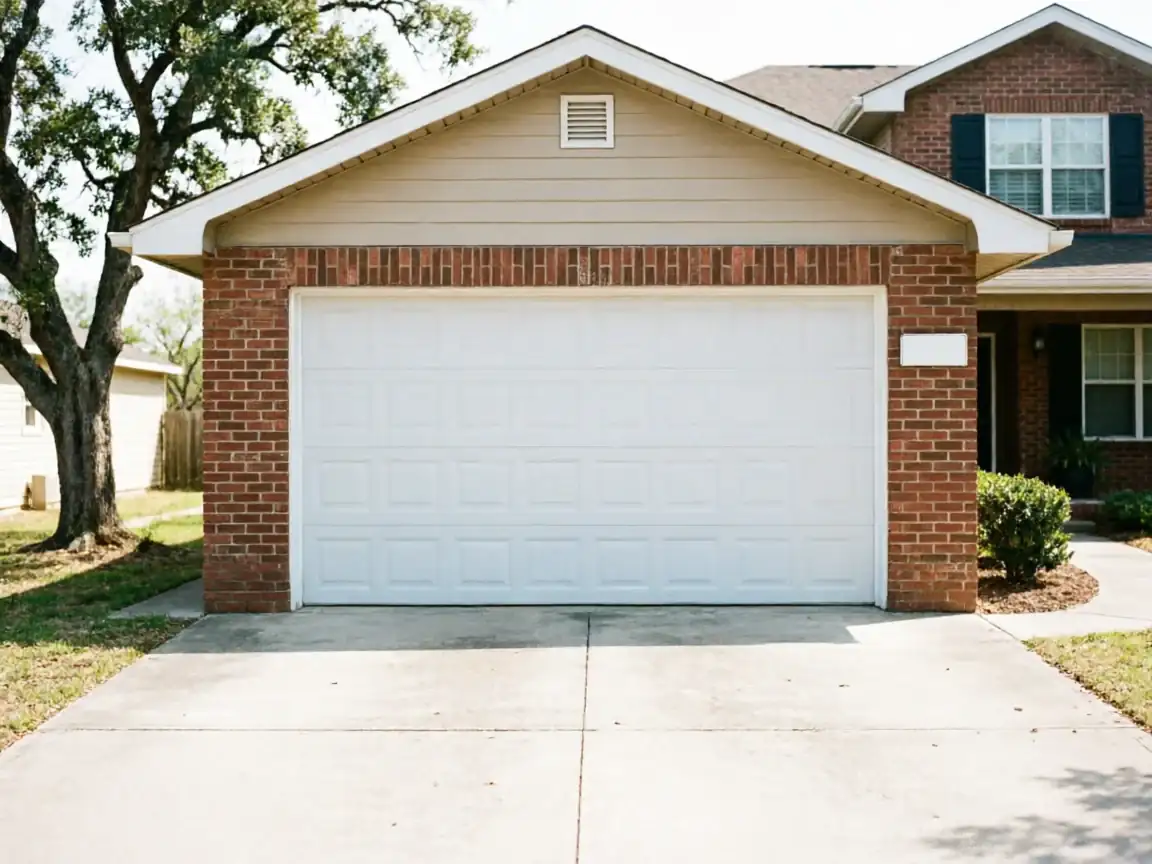
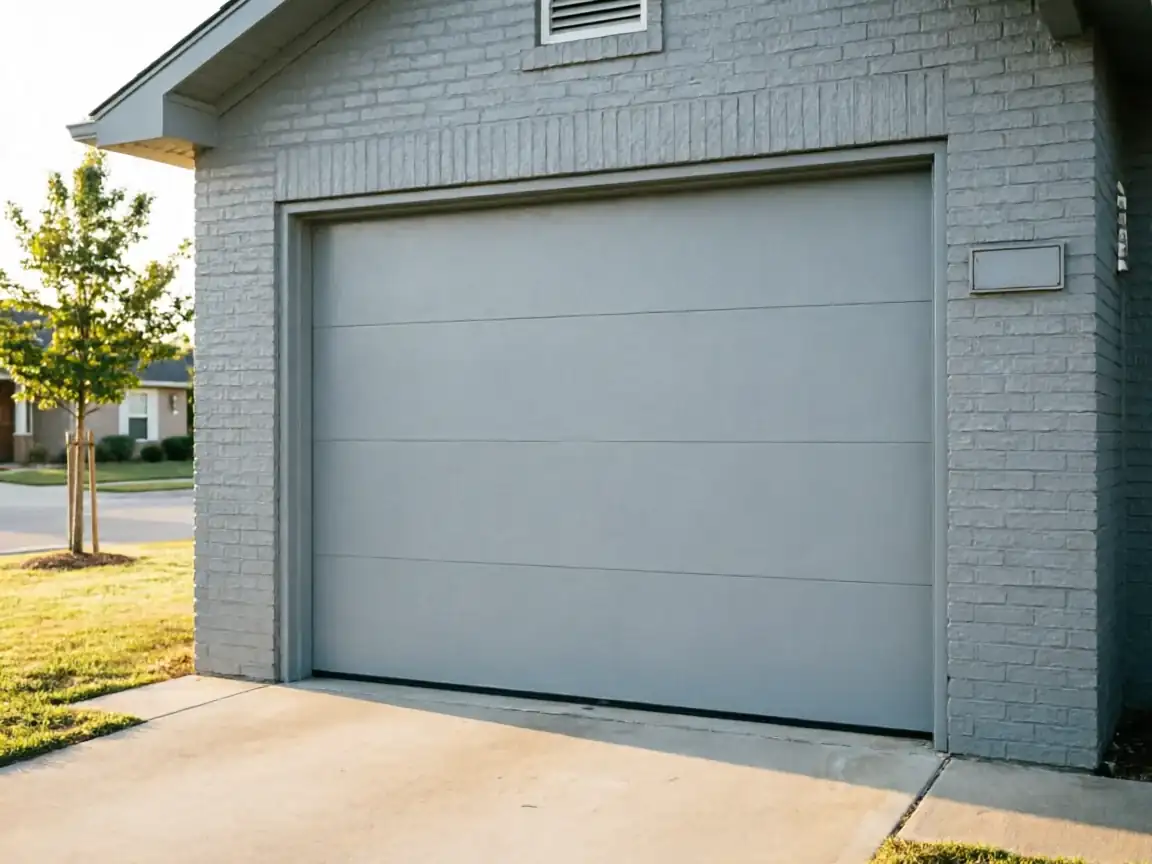
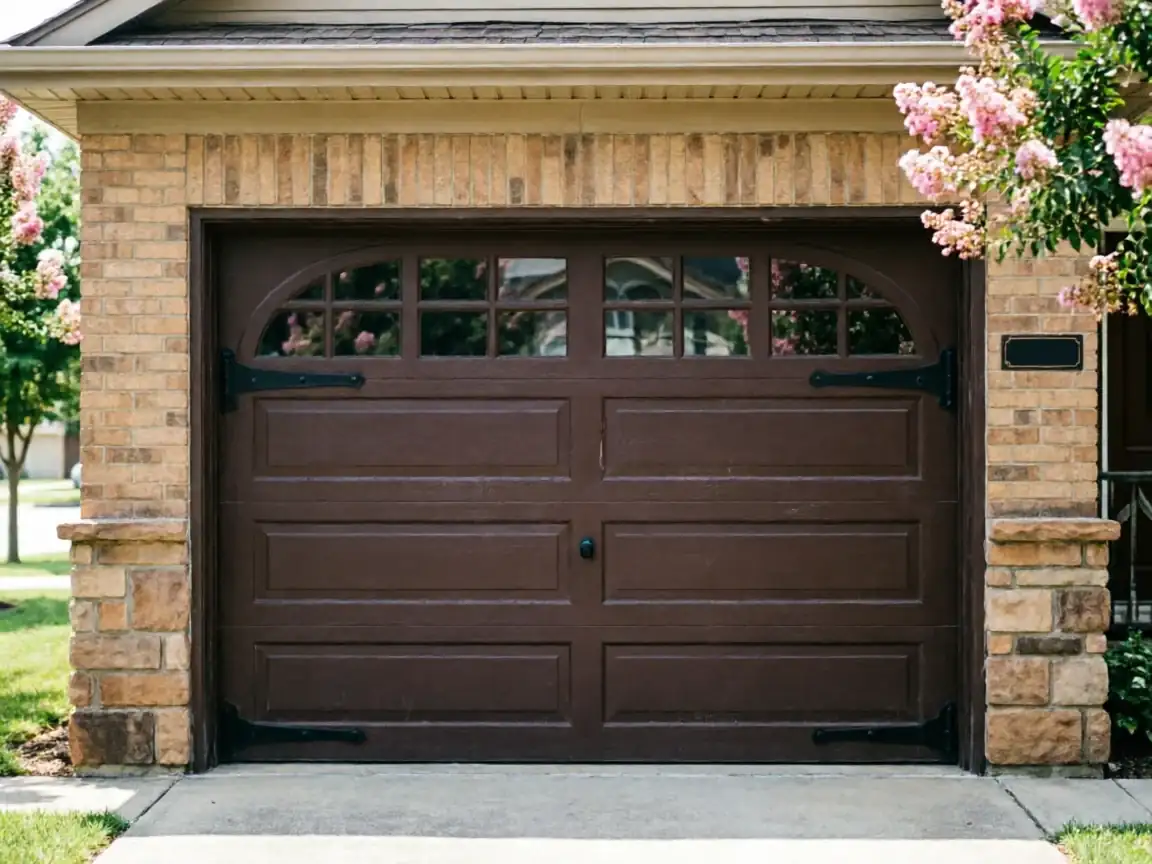
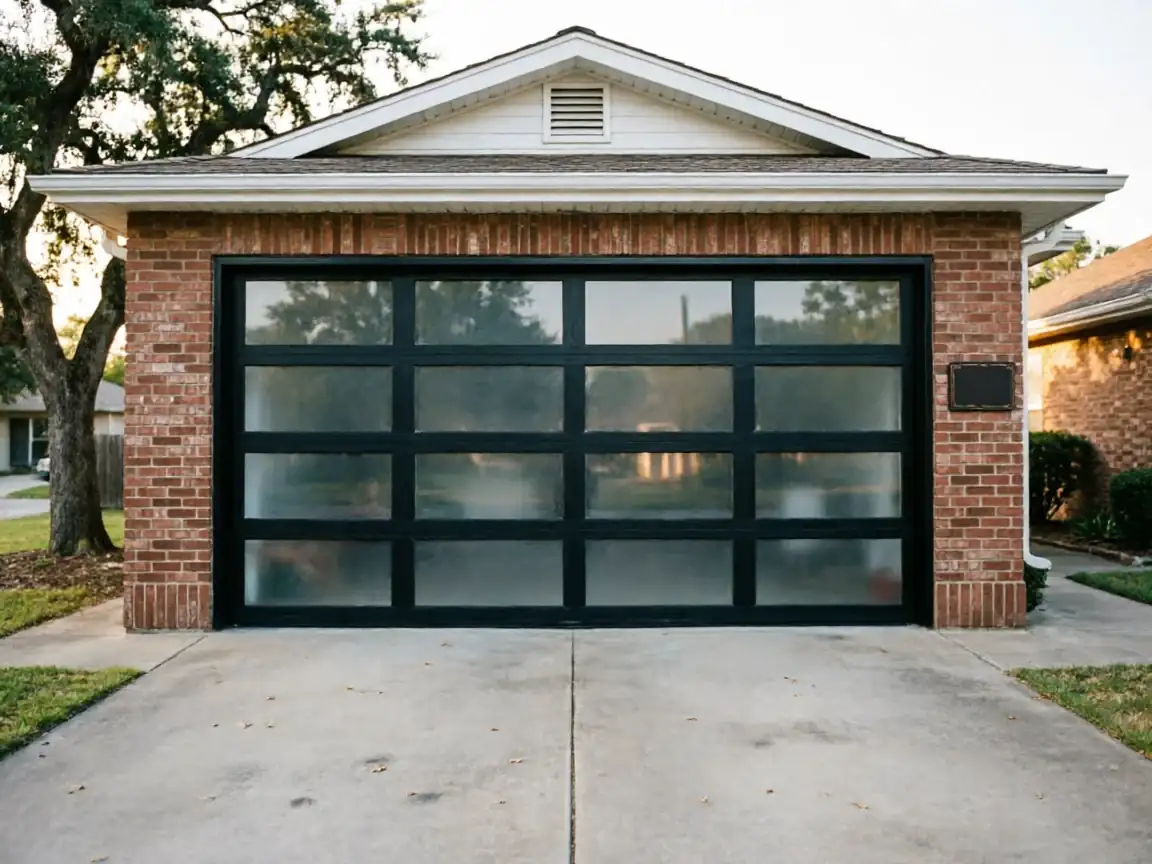
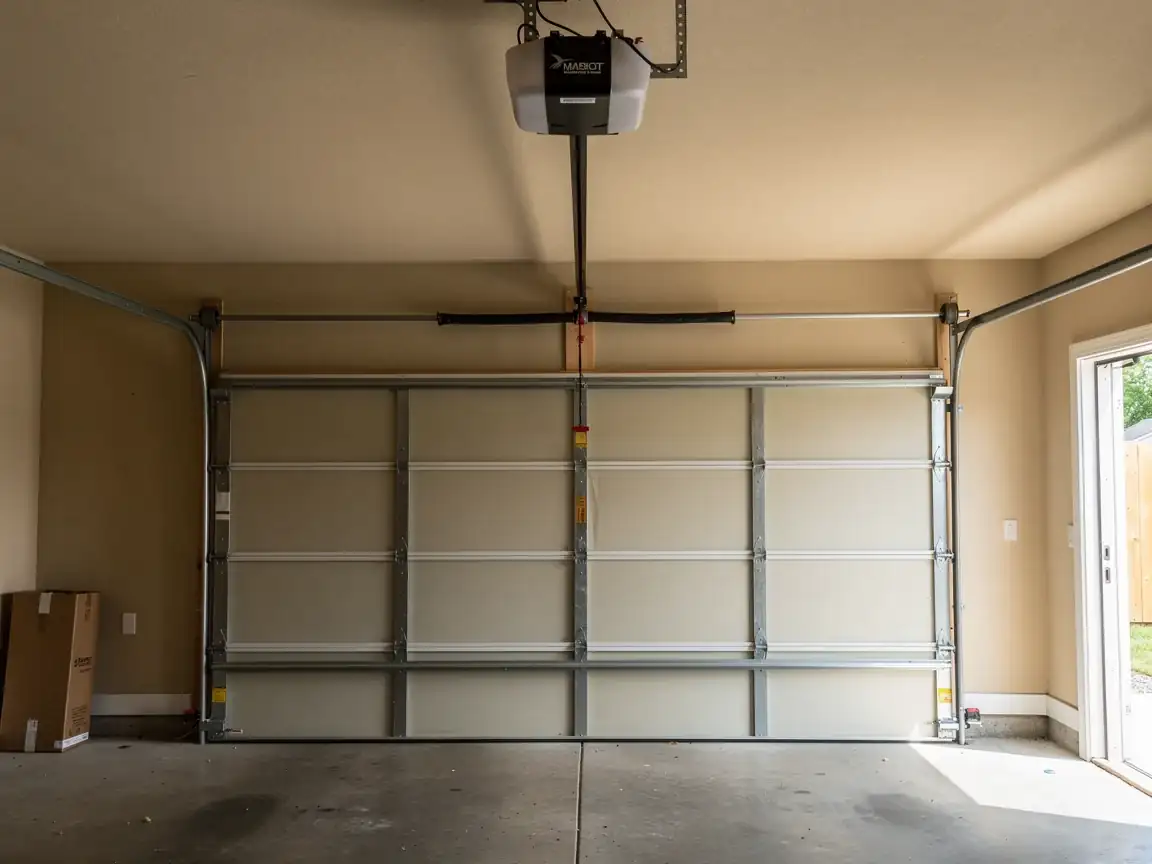
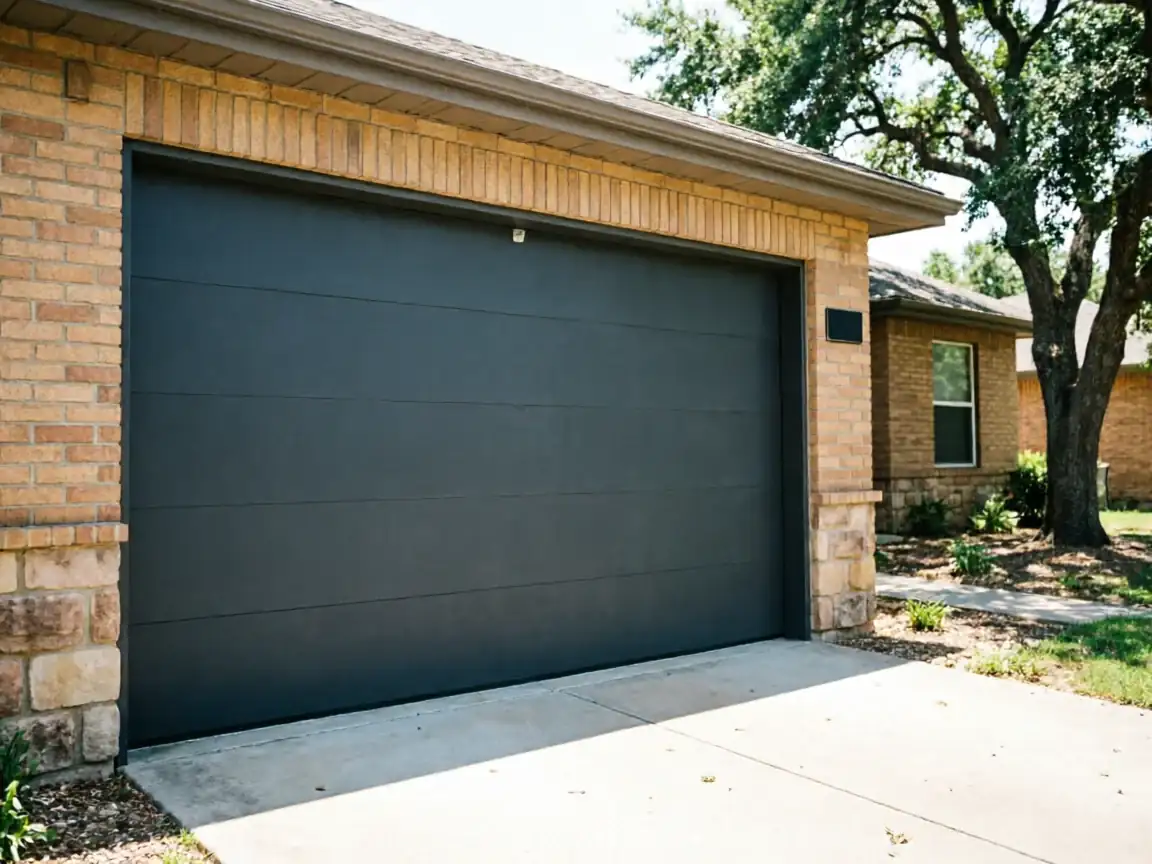
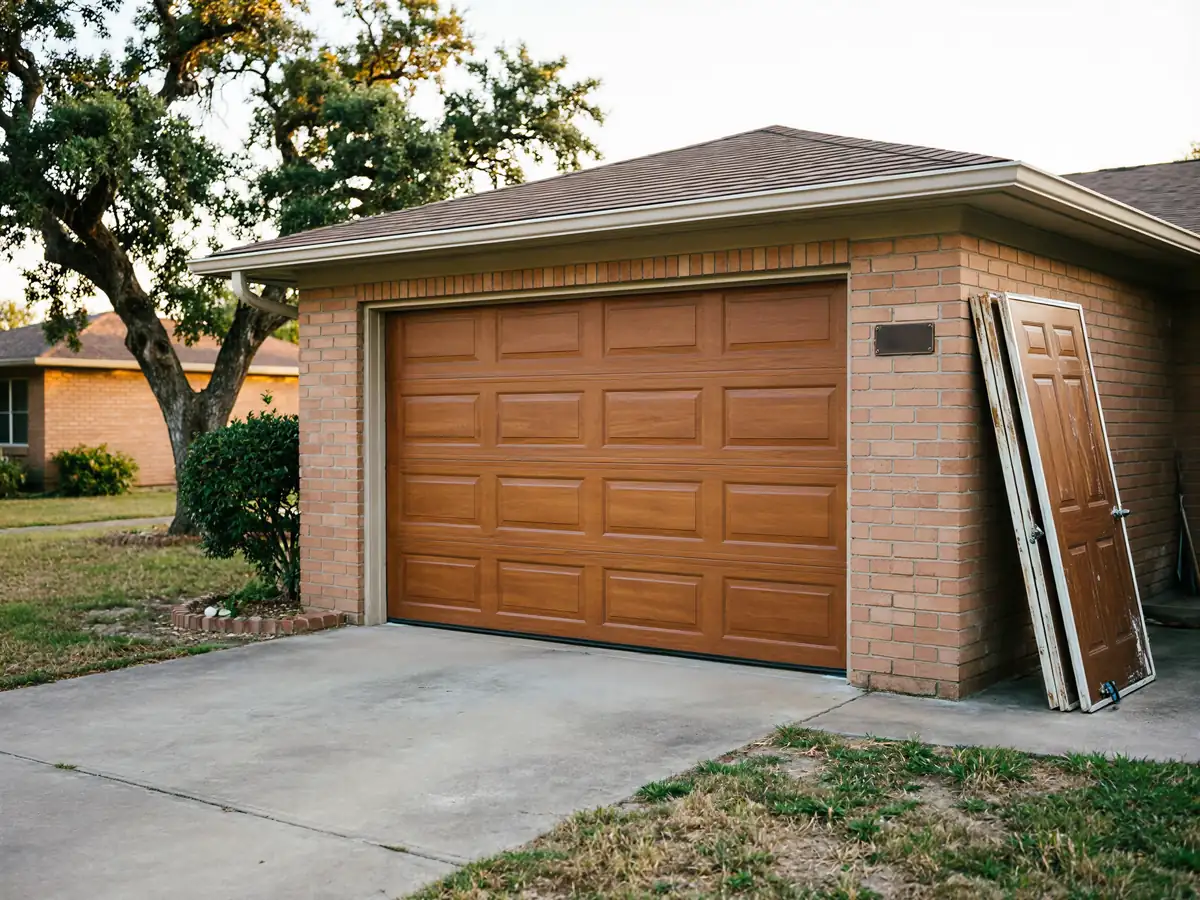
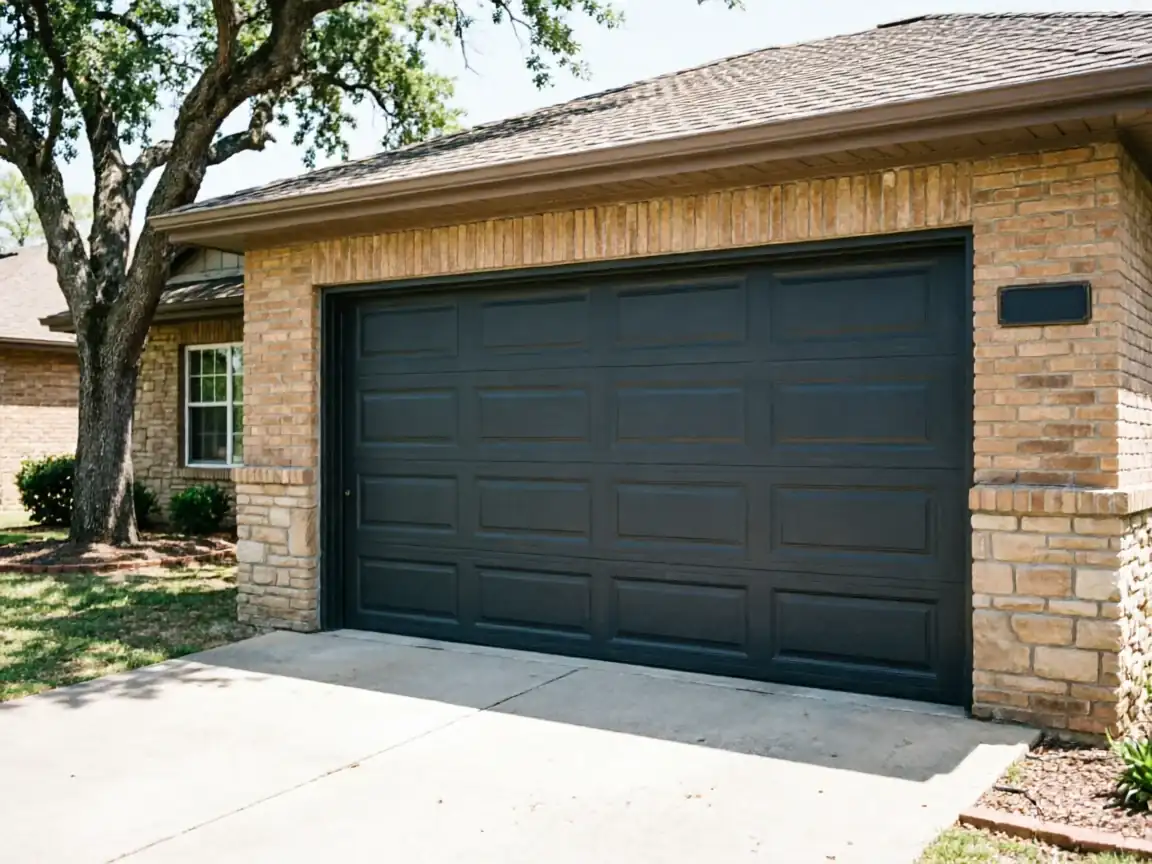
Crowley's housing stock runs newer than much of the rest of the service area - the median build year here lands around 2003, almost two decades past the service area's overall median of 1986. That gap changes which parts show up broken. A 2003 build is far more likely to have a factory steel door on a standard torsion spring and a chain or belt-drive opener with a circuit board, rather than the older hardware and door-mounted switches still common on pre-1986 stock elsewhere on the loop.
How It Shows Up
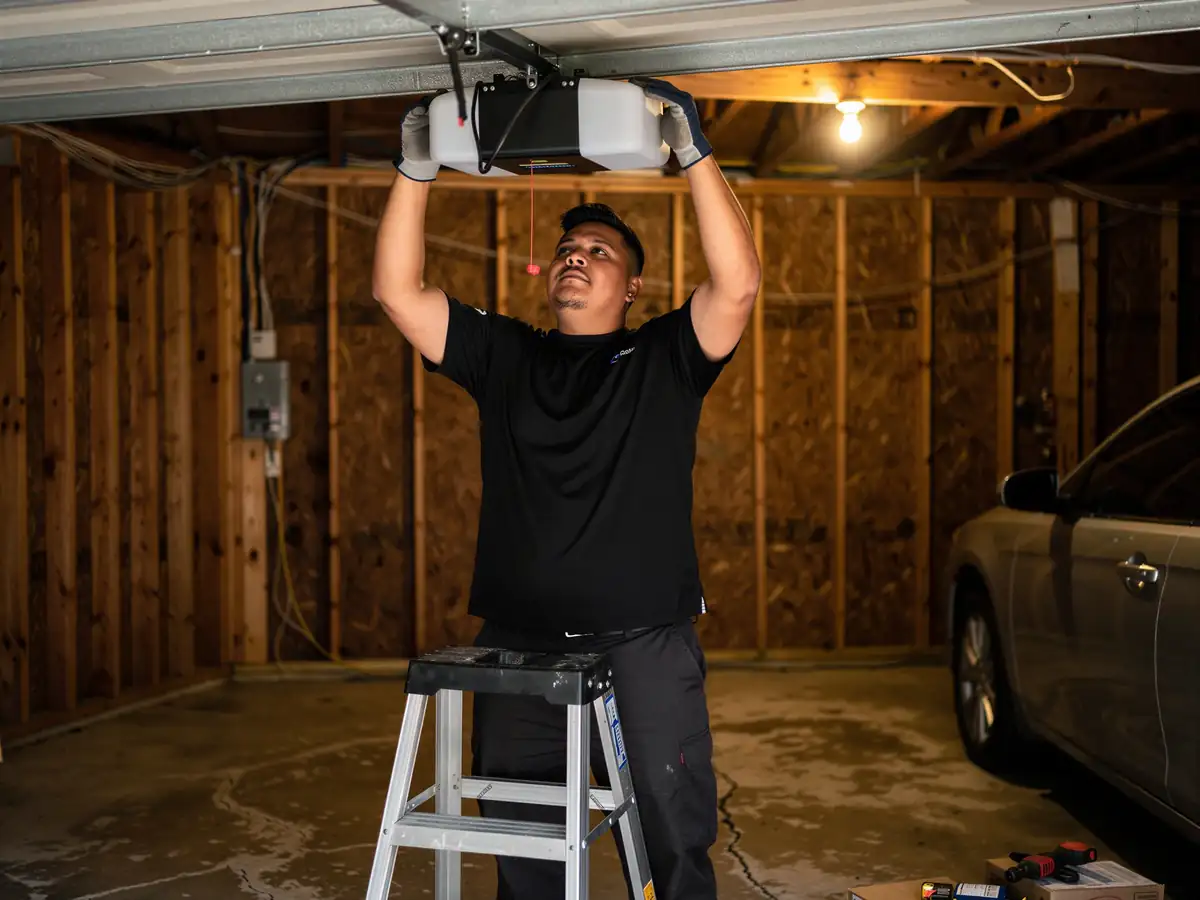
On newer builds like most of Crowley's, the complaint is rarely "the door won't budge" in the dead-spring sense - it's more often an opener that runs but won't fully close, a sensor light blinking instead of staying solid, or a remote that stopped talking to the unit. Those are circuit-board and sensor problems, not cable-and-pulley problems, and they get fixed with a different toolkit entirely.
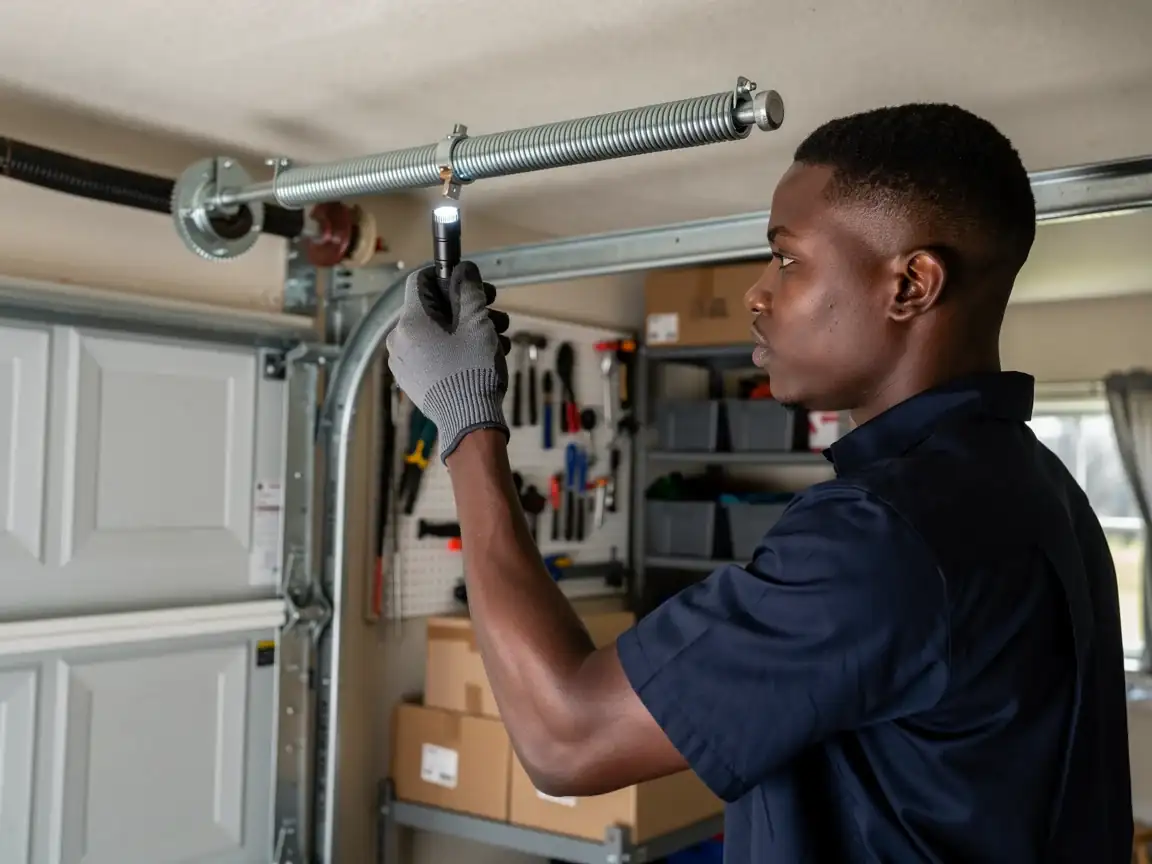
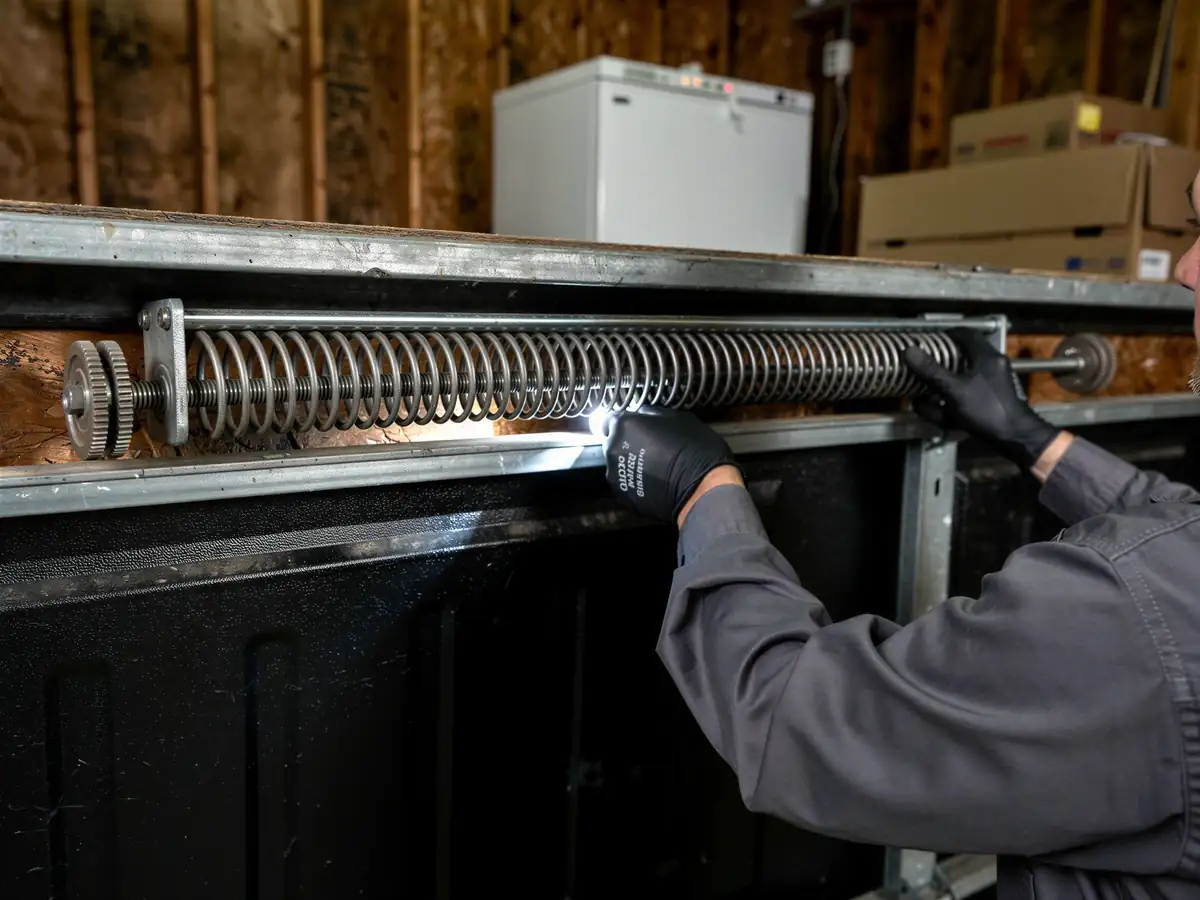
That doesn't mean springs never go. A torsion spring on a 20-year-old door is well within its wear window, and double doors on higher-cycle households - two cars, two schedules - see that failure show up as a dead stop halfway up, with the opener straining and clicking rather than lifting. The heat band this area sits in is moderate, which is kinder to spring coatings and nylon rollers than the extremes some parts of Texas get, but it still means older grease dries out and rollers start complaining with a grinding sound in the warmer months rather than a sudden snap.
Getting It Booked In
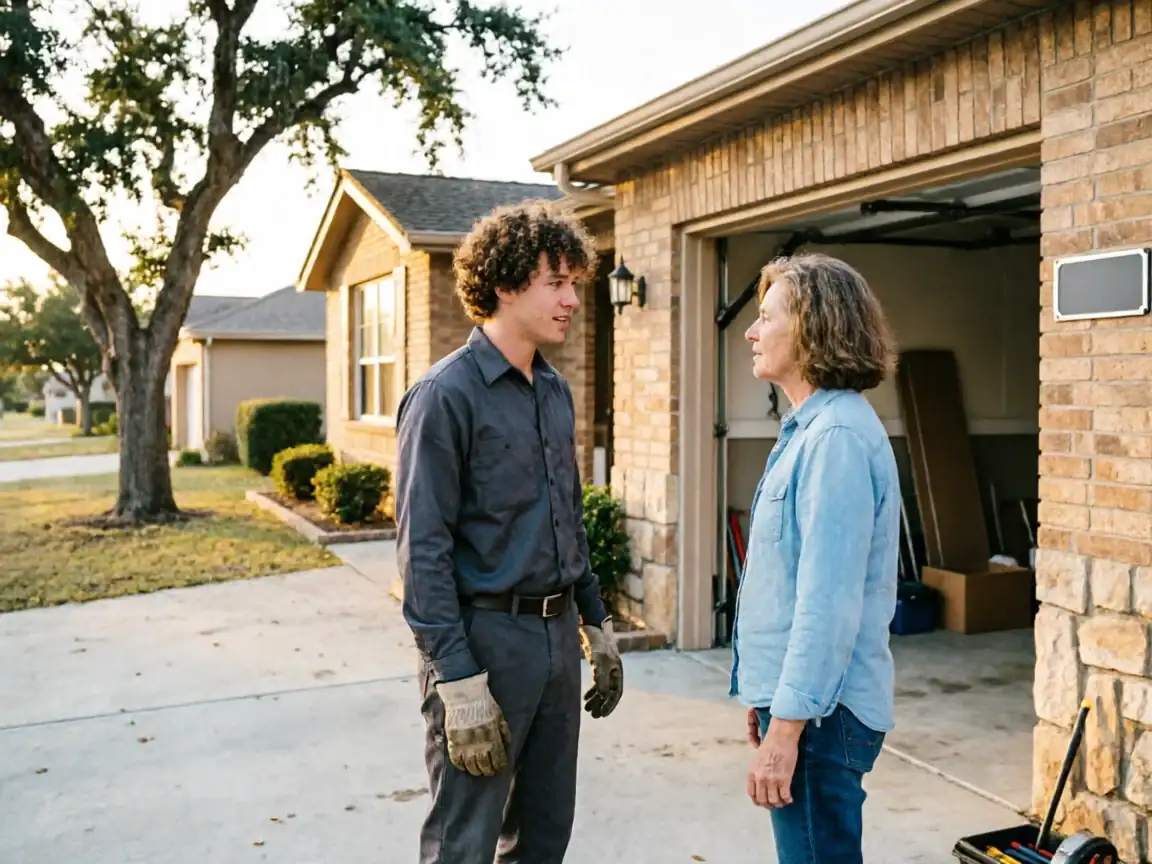
Booking a call for Crowley works the same way it does anywhere on the Burleson Garage Door Pros loop - the tech comes from the Burleson shop, not a local branch, since there isn't one here. The five-mile run is short enough that it rarely changes the scheduling math, but it's worth saying plainly: this is a company that travels to Crowley, not one based in it.
What helps most when booking is naming the opener brand and roughly how old the door is, since Crowley's mix skews newer and that narrows down the likely fault before the truck leaves. A door that's part of a 2000s-era build is a different conversation than one from the 1980s stock seen elsewhere in the area, and giving that detail up front means less guessing once the tech is on site.
Why This Fails Locally
The honest answer is that newer doesn't mean failure-proof, it means a different failure
Crowley's housing, built mostly from the late 1980s through the 2010s with a median around 2003, carries openers that are old enough now to have worn logic boards and failing capacitors, but young enough that owners assume the whole unit is still "new" and don't expect a repair bill. That mismatch between age and expectation is the single most common reason a Crowley call starts with "I don't understand why this is breaking already."
The household income here runs higher than the surrounding area's $85,625 median
Crowley's figure is closer to $92,599 - which tends to mean more two-door garages with two openers working double duty, and a lower tolerance for leaving a broken door as-is while parts get ordered. That's the one limitation worth saying outright: if a part isn't common stock, it has to be ordered, and that wait doesn't shrink just because the drive from Burleson is short.
How Long You Are Without the Door
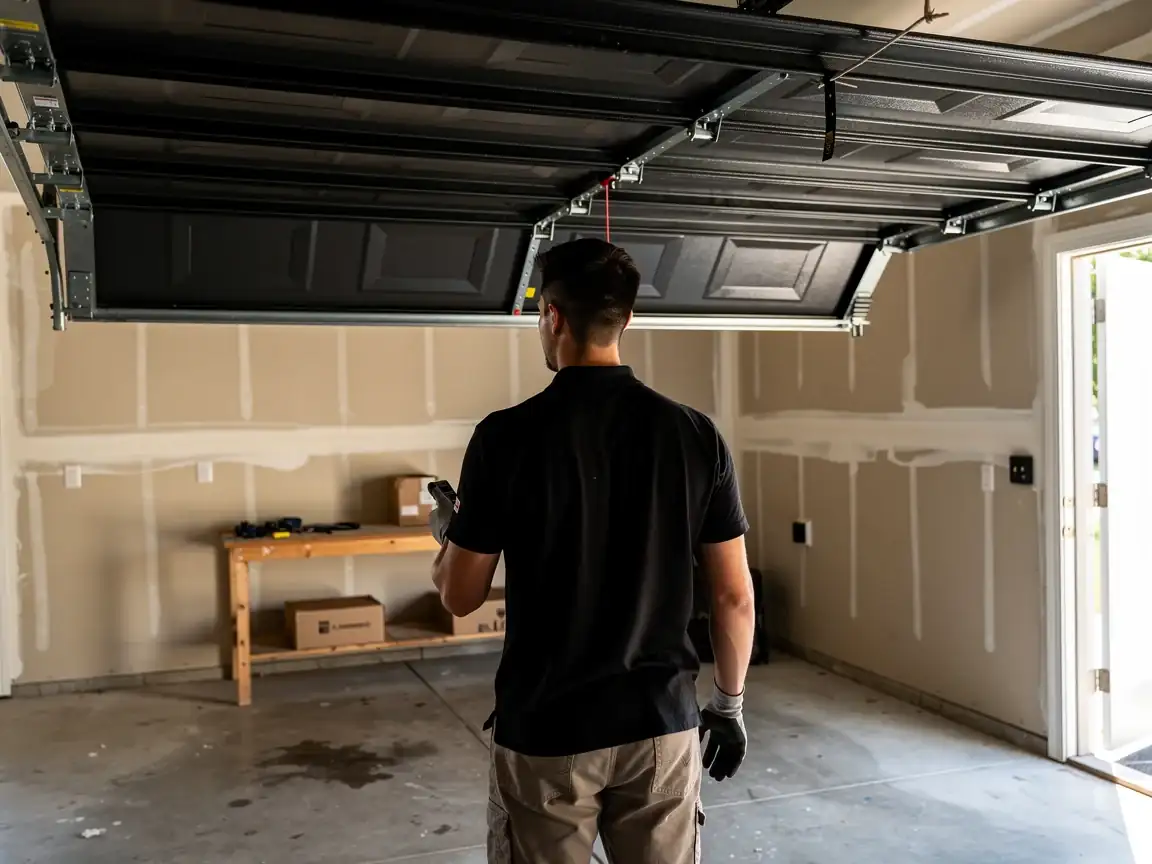
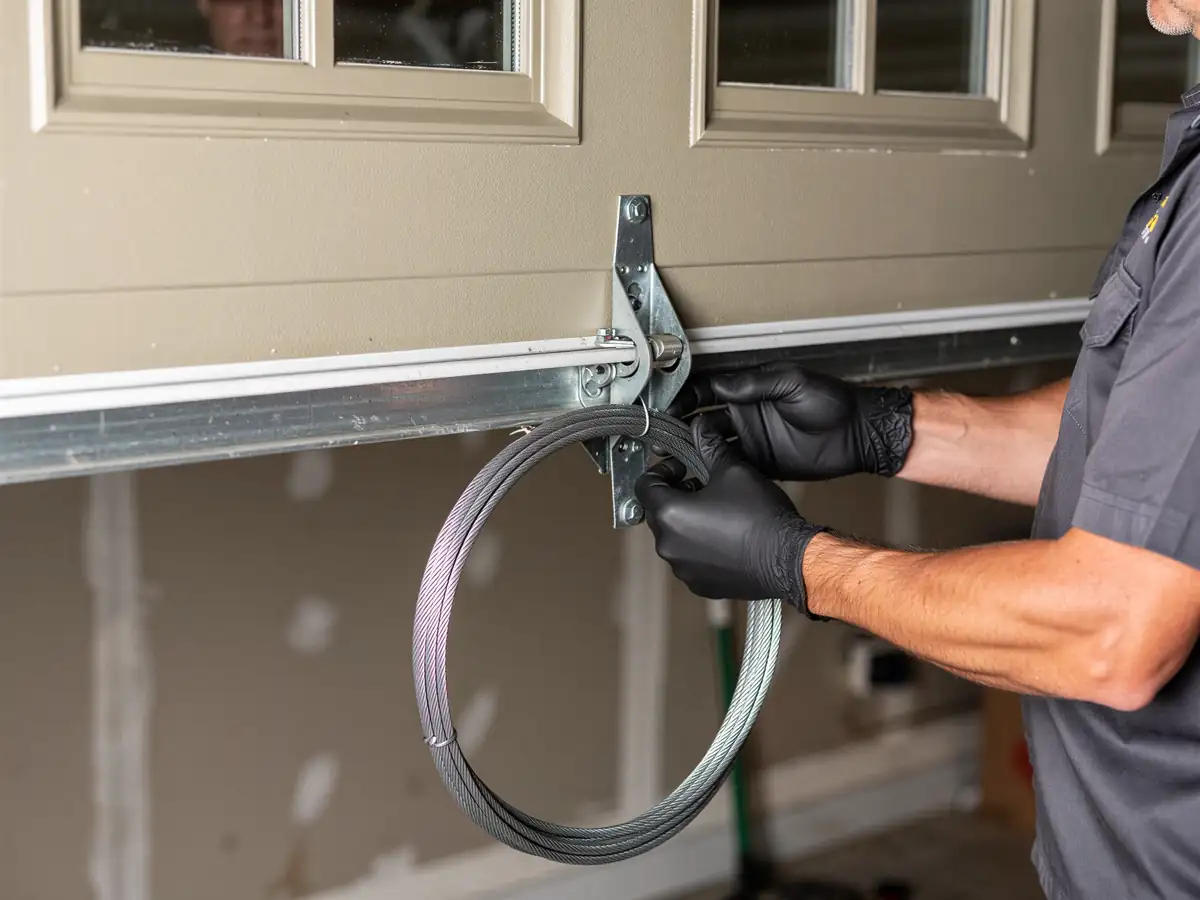
For a straightforward fix - a sensor realignment, a worn roller, a spring on a standard torsion setup - the drive from Burleson isn't the bottleneck; the work itself is quick once the tech is in front of the door. Where it stretches out is a board replacement or a part that isn't sitting in the truck, since Crowley's newer opener models sometimes need a specific board rather than a universal one.
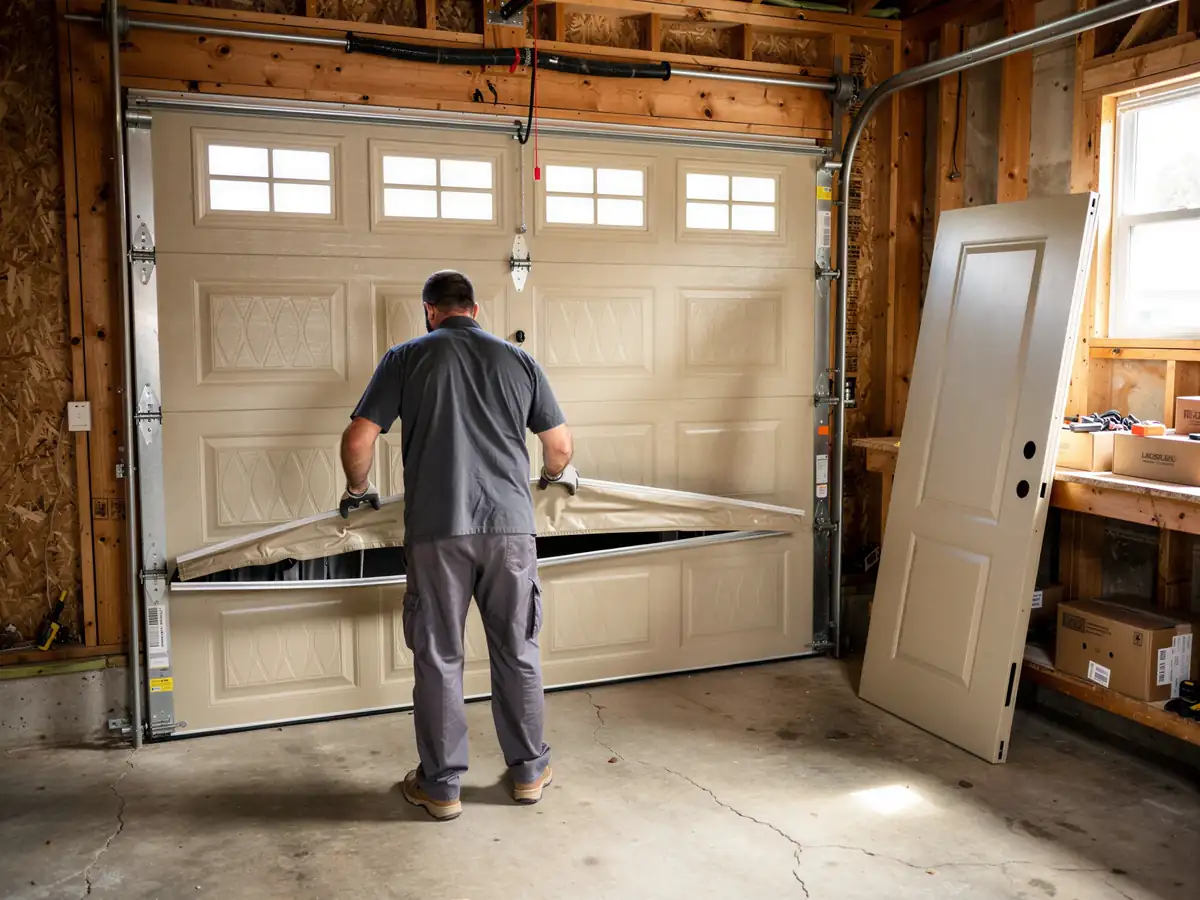
With 6,172 households in Crowley, most sitting in that post-1986 build window, the door most of them have is a factory steel panel on a torsion spring - common enough hardware that a second trip, if one's needed, is usually about getting the right board or panel ordered, not about finding an obscure part for an old door nobody stocks anymore.