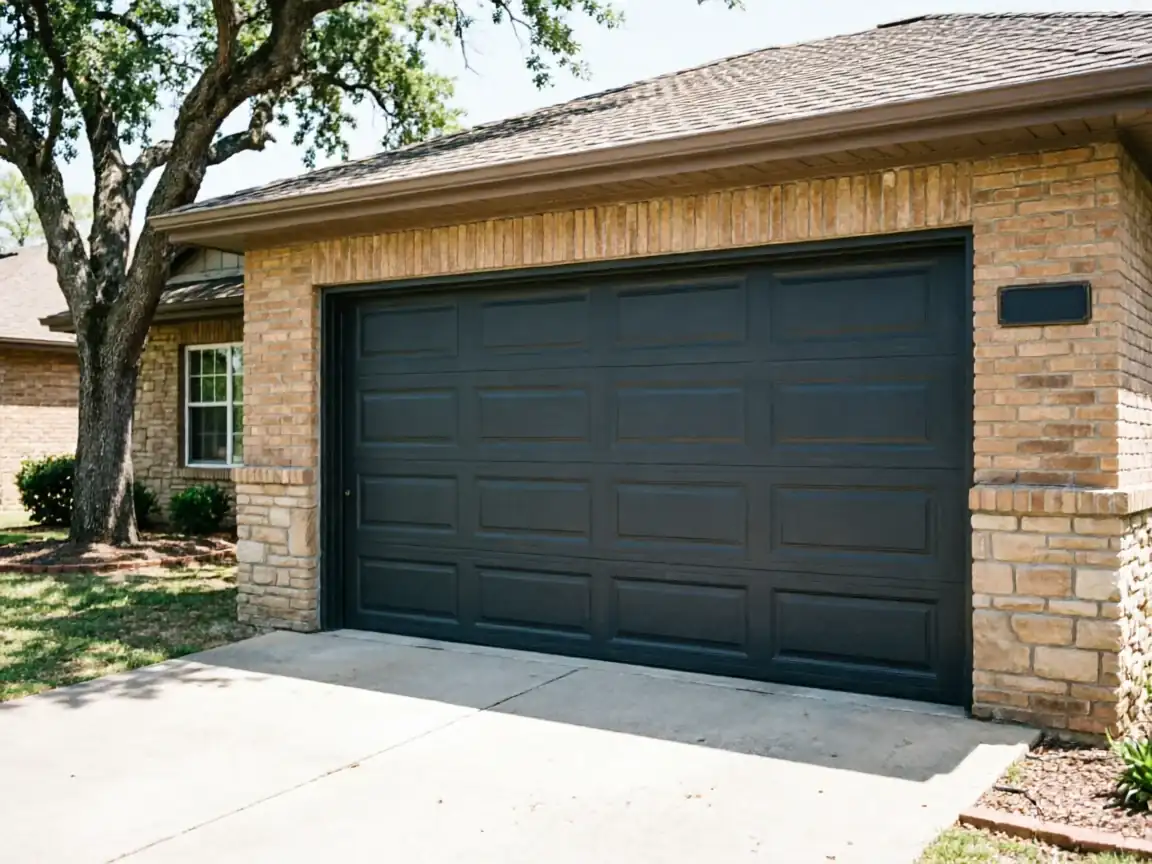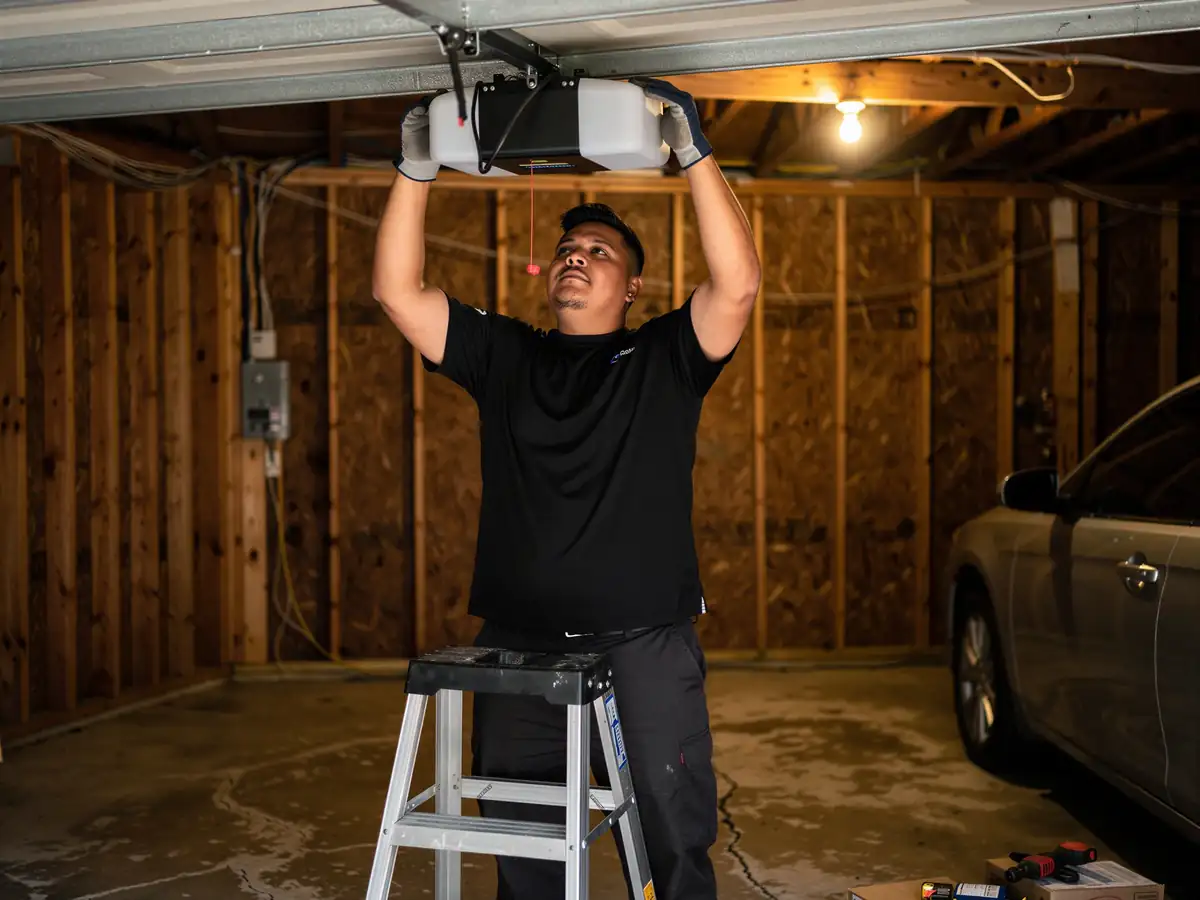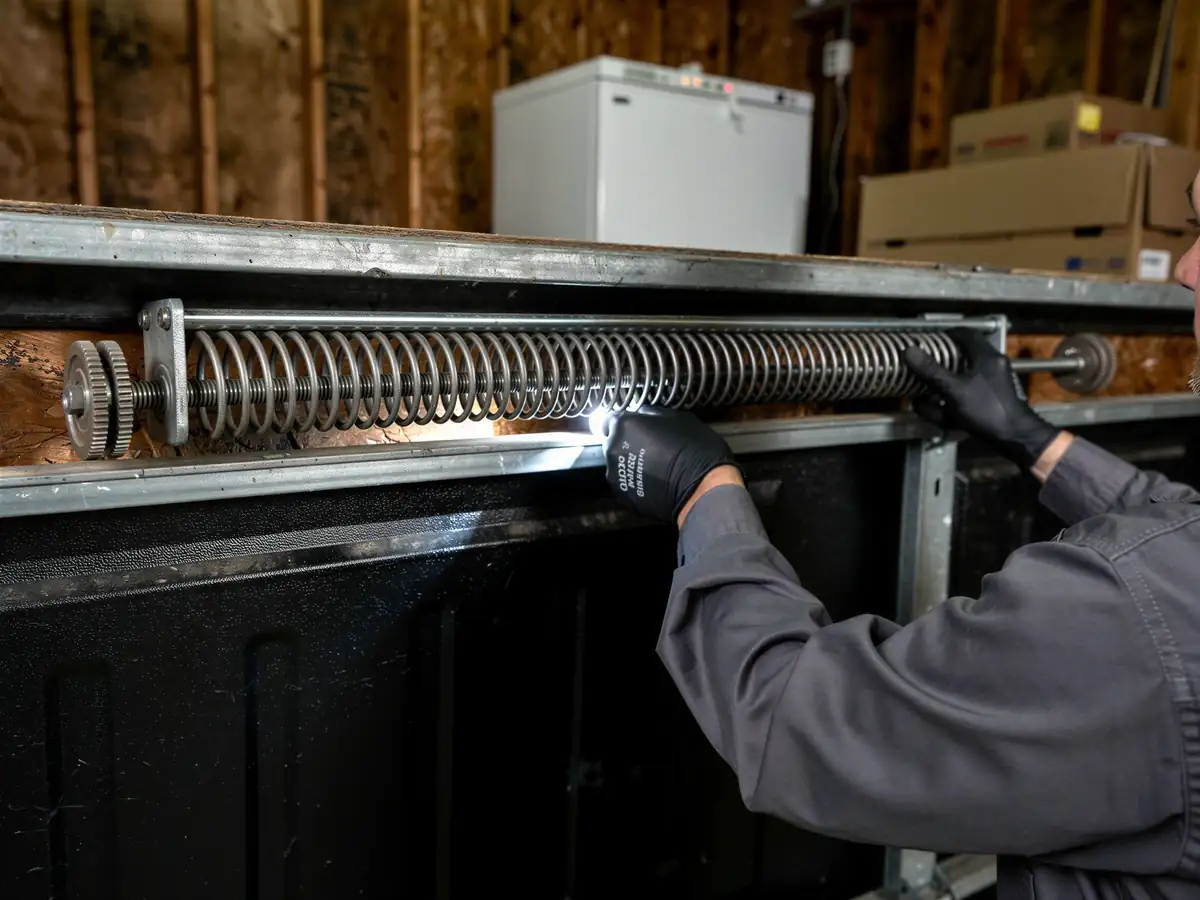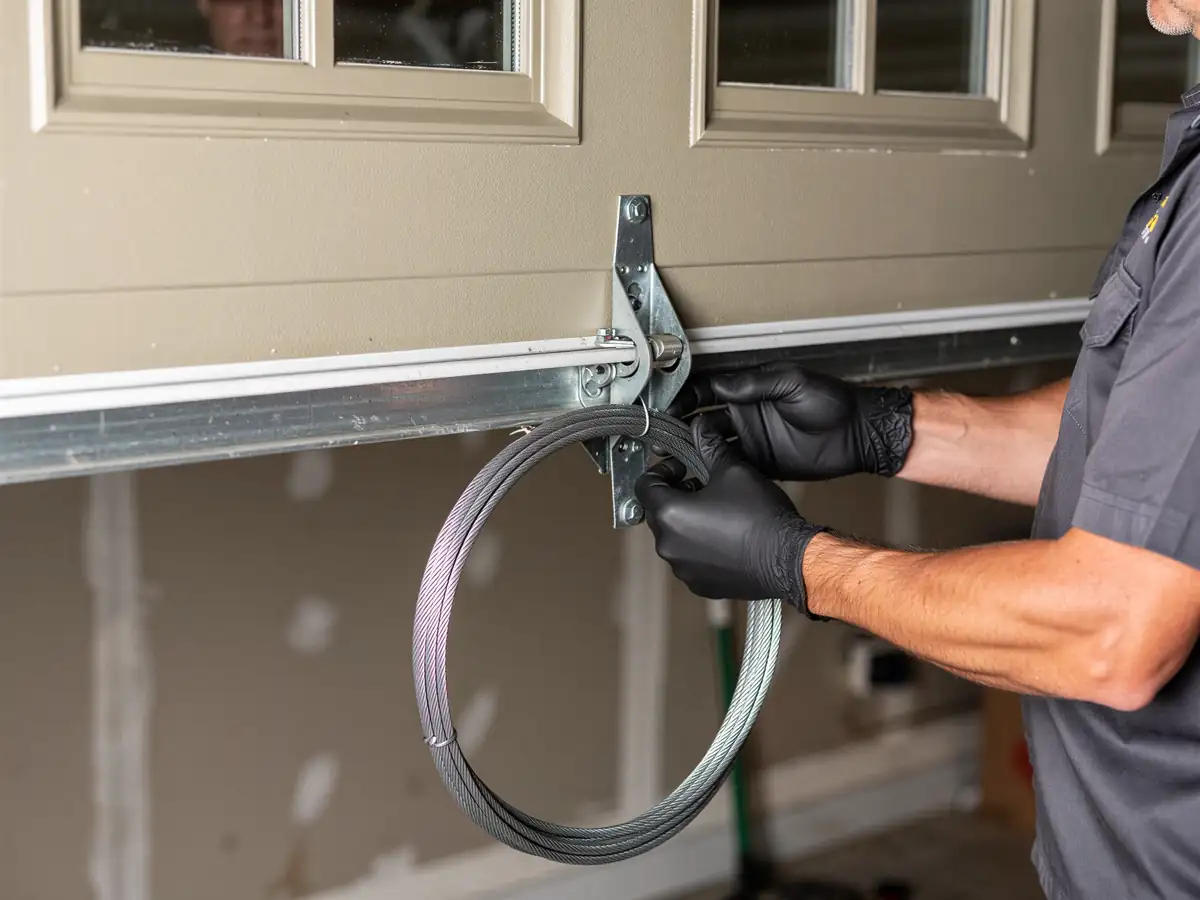
How It Shows Up
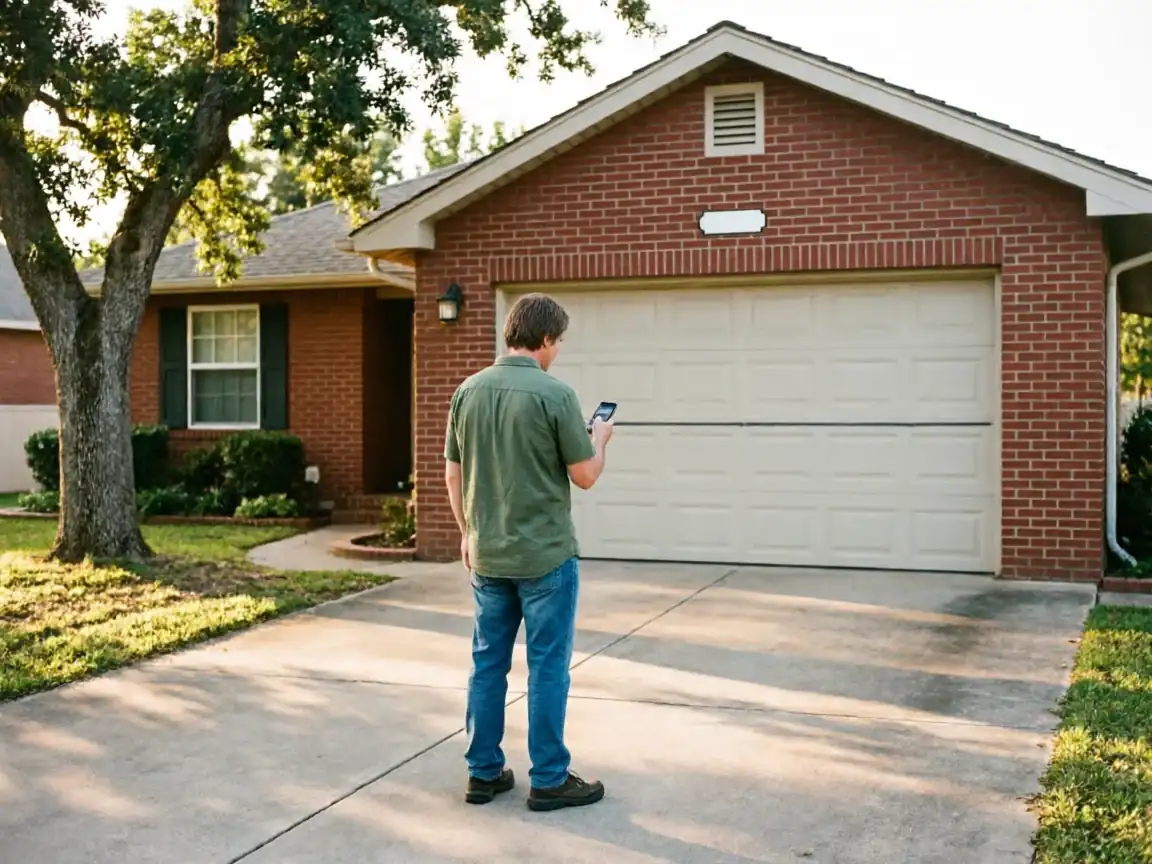
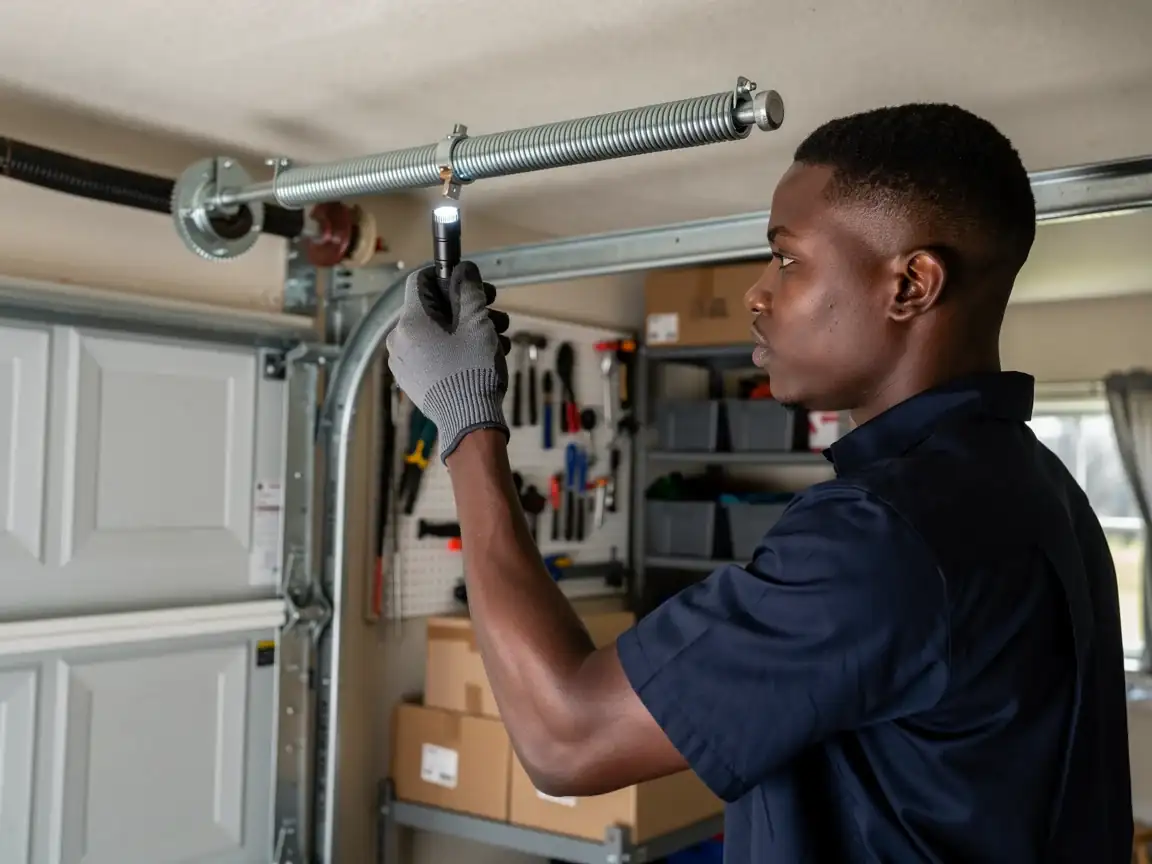
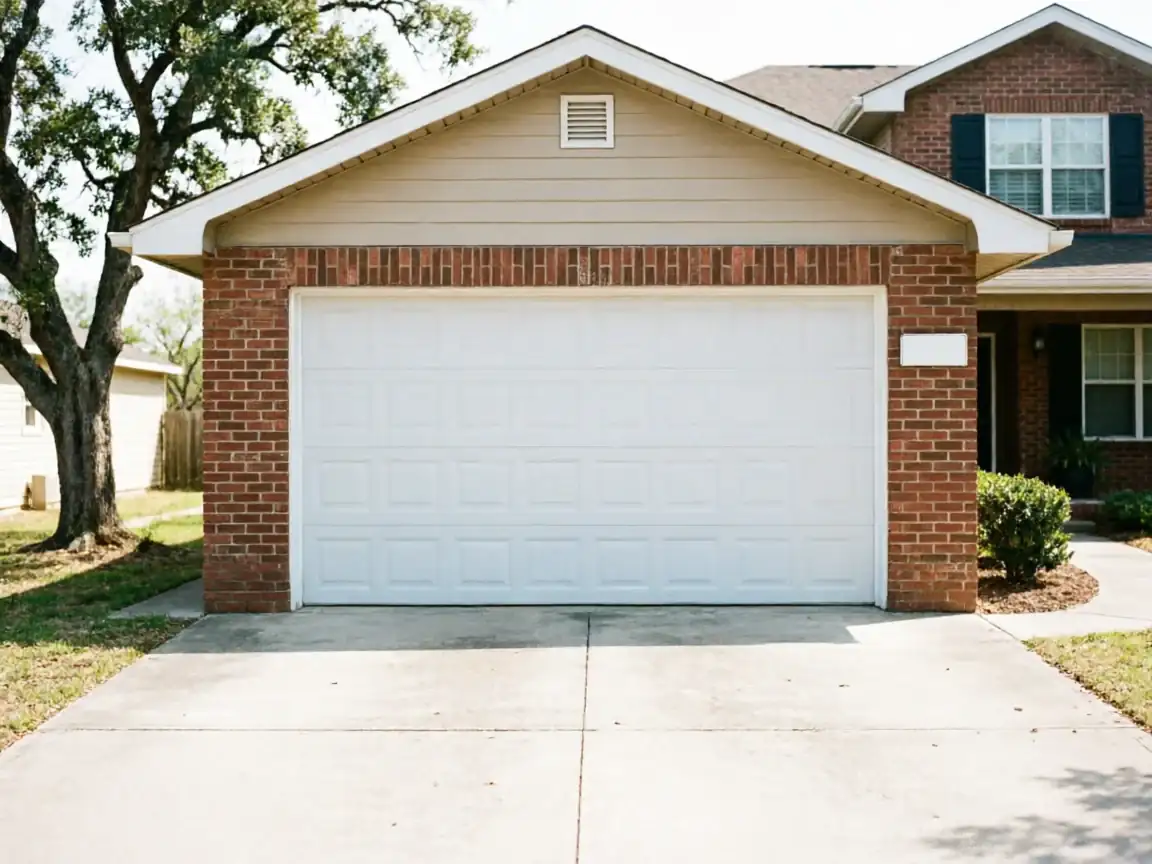
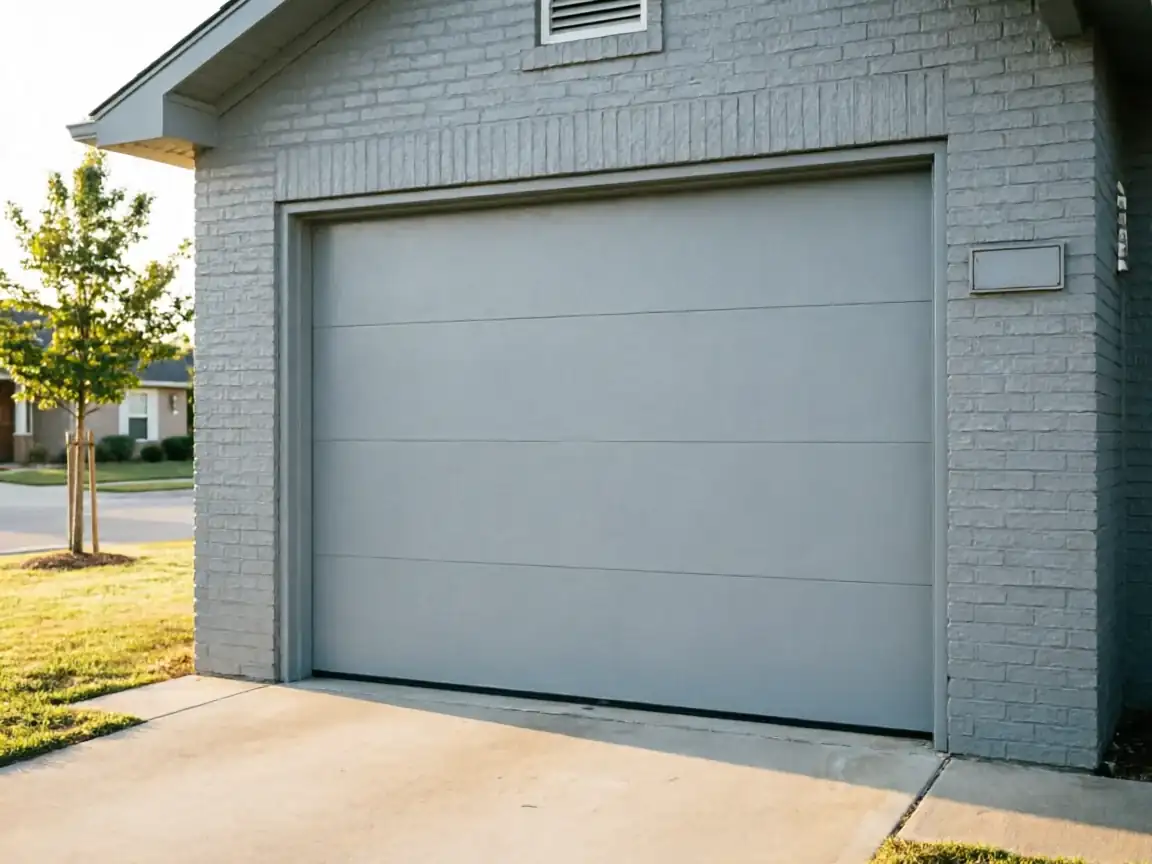
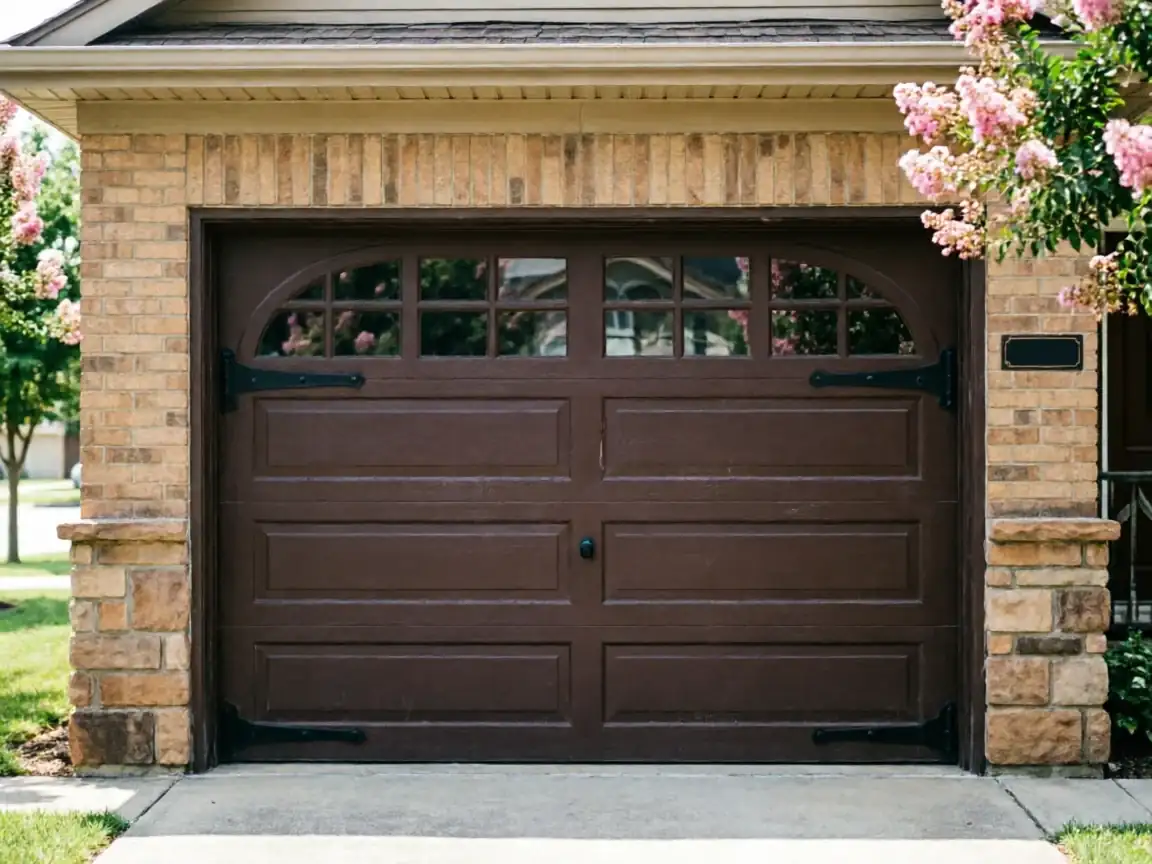
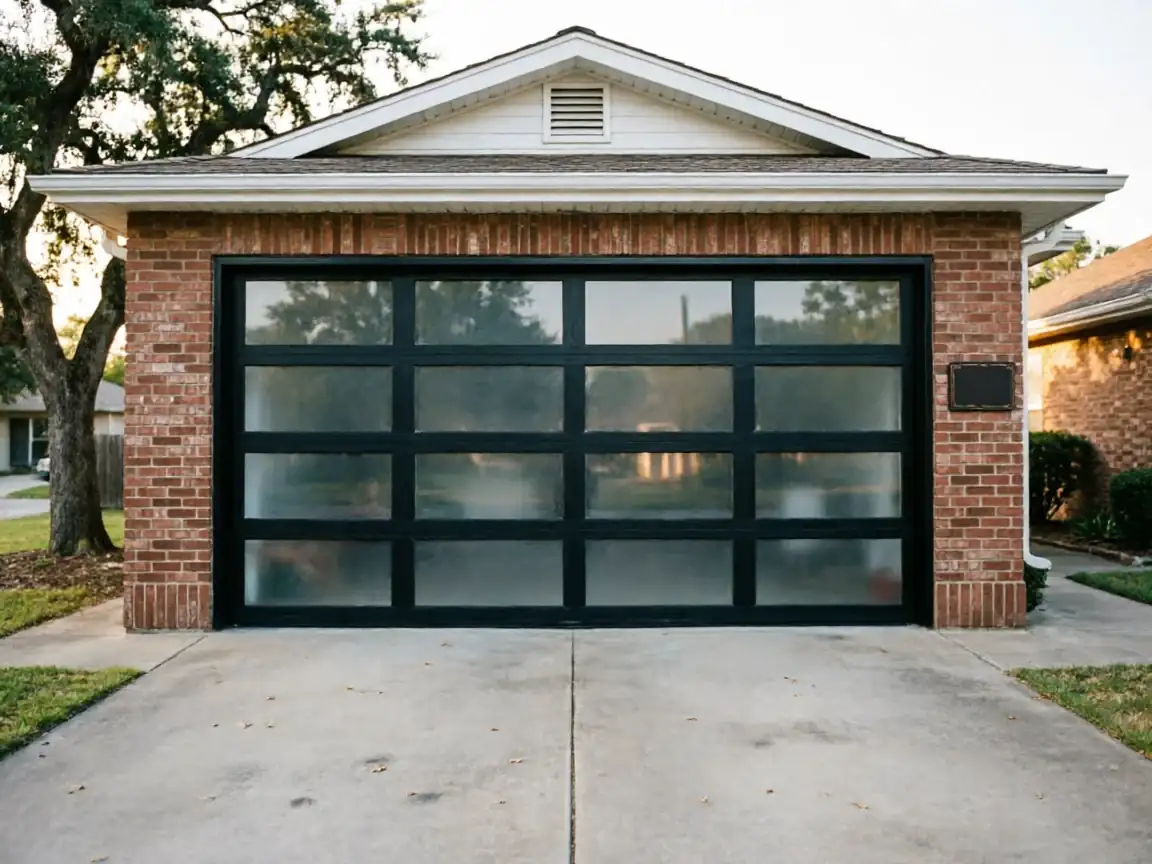
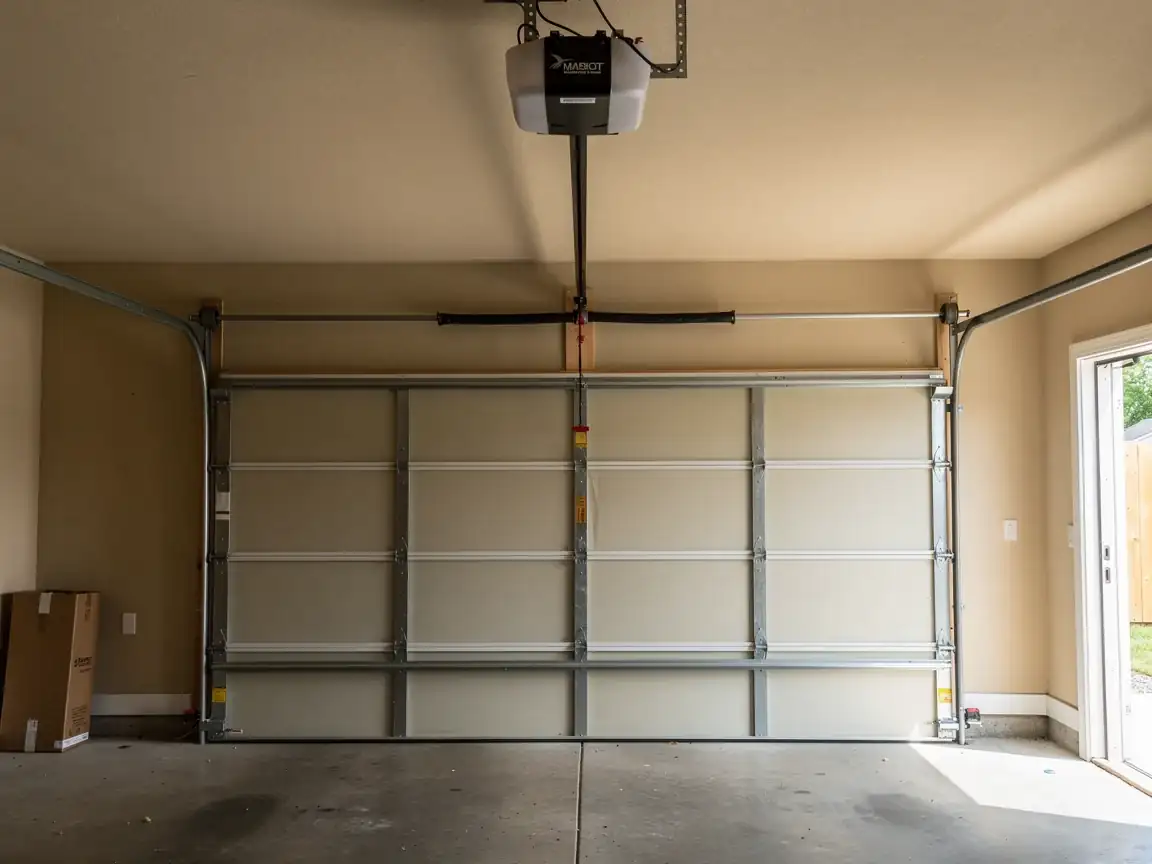
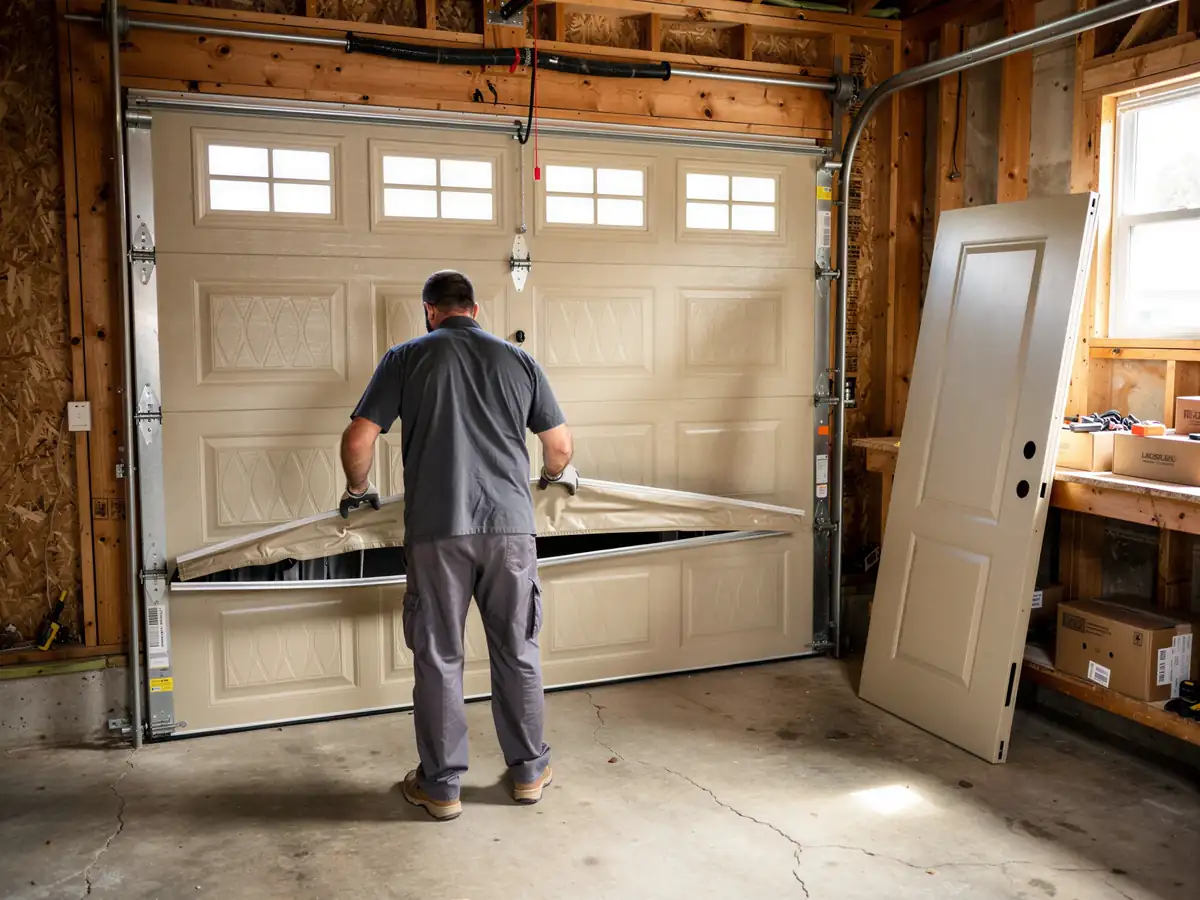
The first sign is usually noise - a grinding or rattling on the way up that wasn't there a year ago. On 2000s-era doors like the ones common in Crowley, that's often the nylon rollers wearing flat on one side, not the spring. Springs on doors this age are more likely to show up as a slow start, where the opener strains for the first foot of travel before the door catches speed. A door that reverses partway up, or that won't stay down without the opener holding it, points at a cable or a bottom bracket rather than the motor. Owners sometimes assume opener failure when the real issue is a sensor lens coated with dust or spiderweb - the photo-eye units from this build era sit low enough to the slab to collect it. We also see gear-and-sprocket wear inside the opener housing itself, which sounds like a faint clicking under load before it fails outright. None of these are dramatic until they are: a worn roller left alone eventually chews the track, and a spring left past its rated cycle count breaks without much warning. Catching the early sound is cheaper than replacing what it leads to.
Getting It Booked In
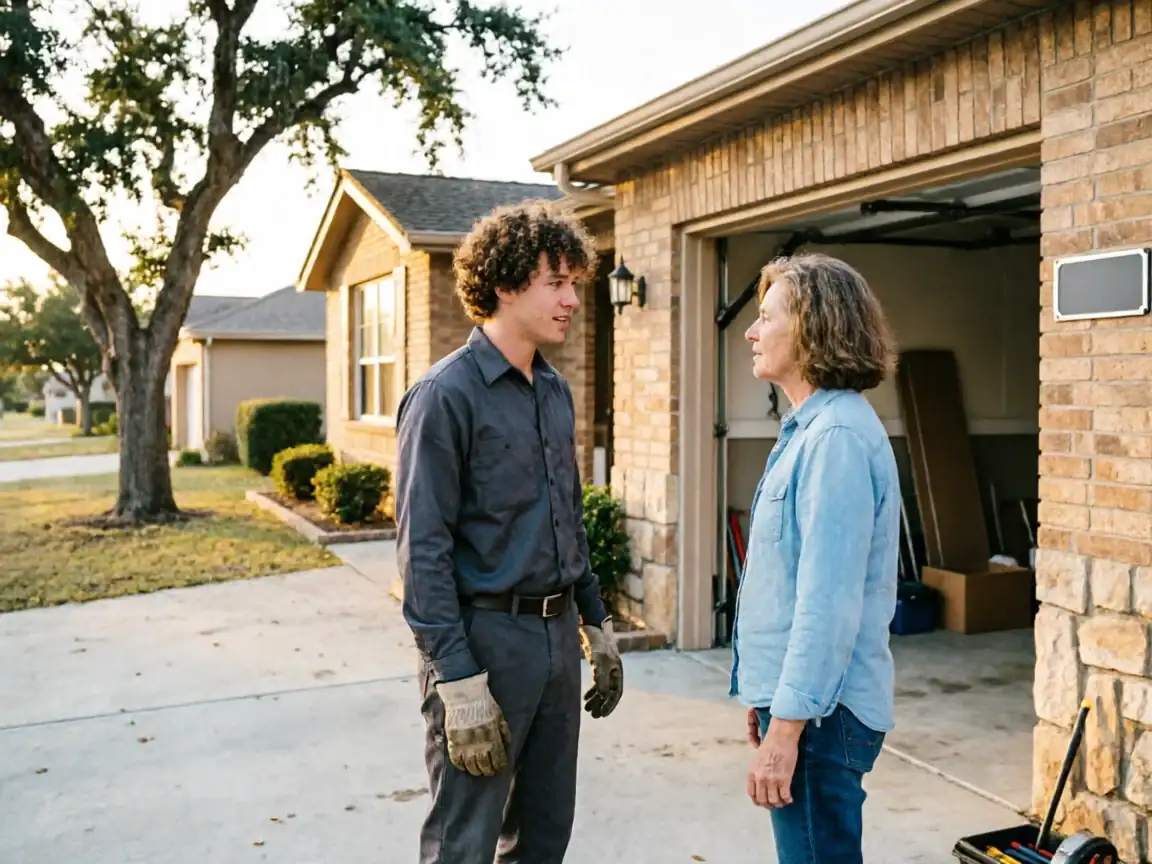
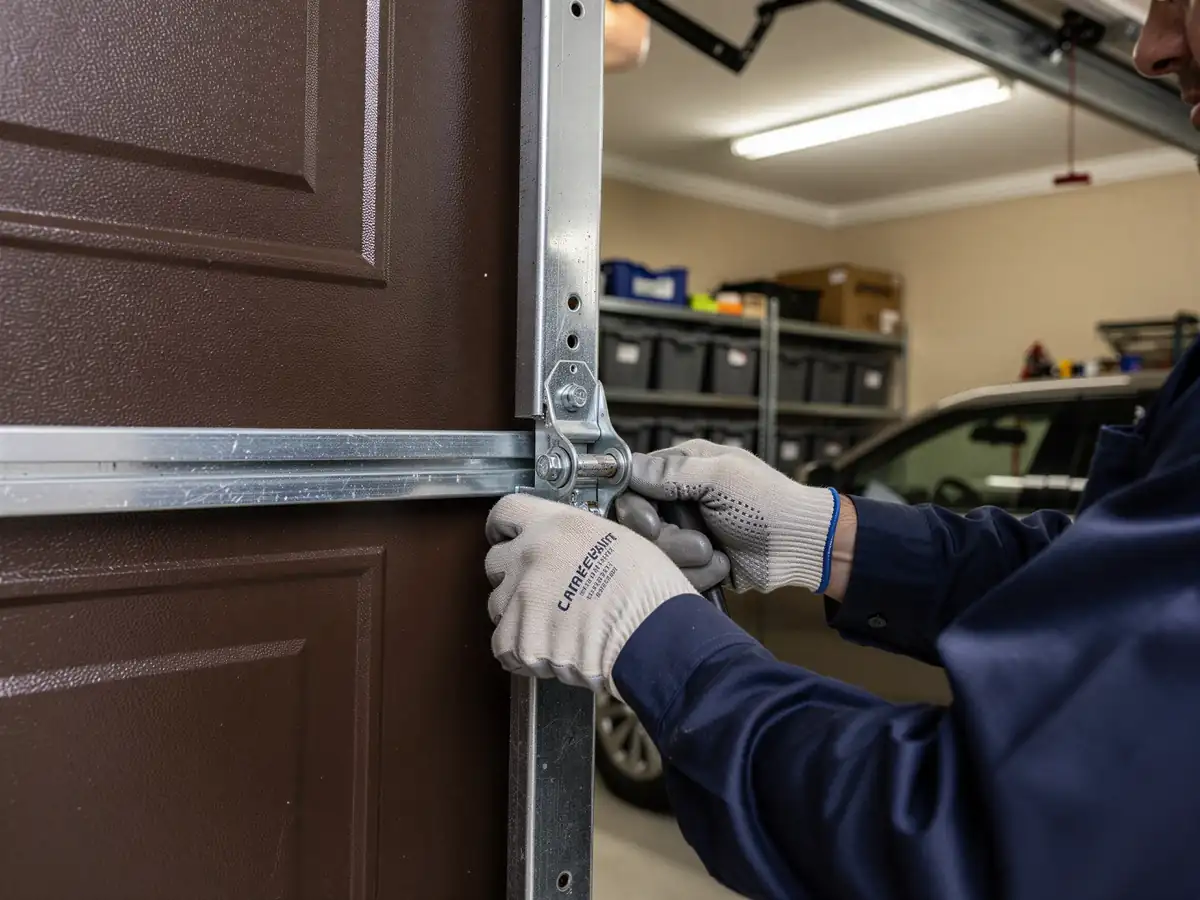
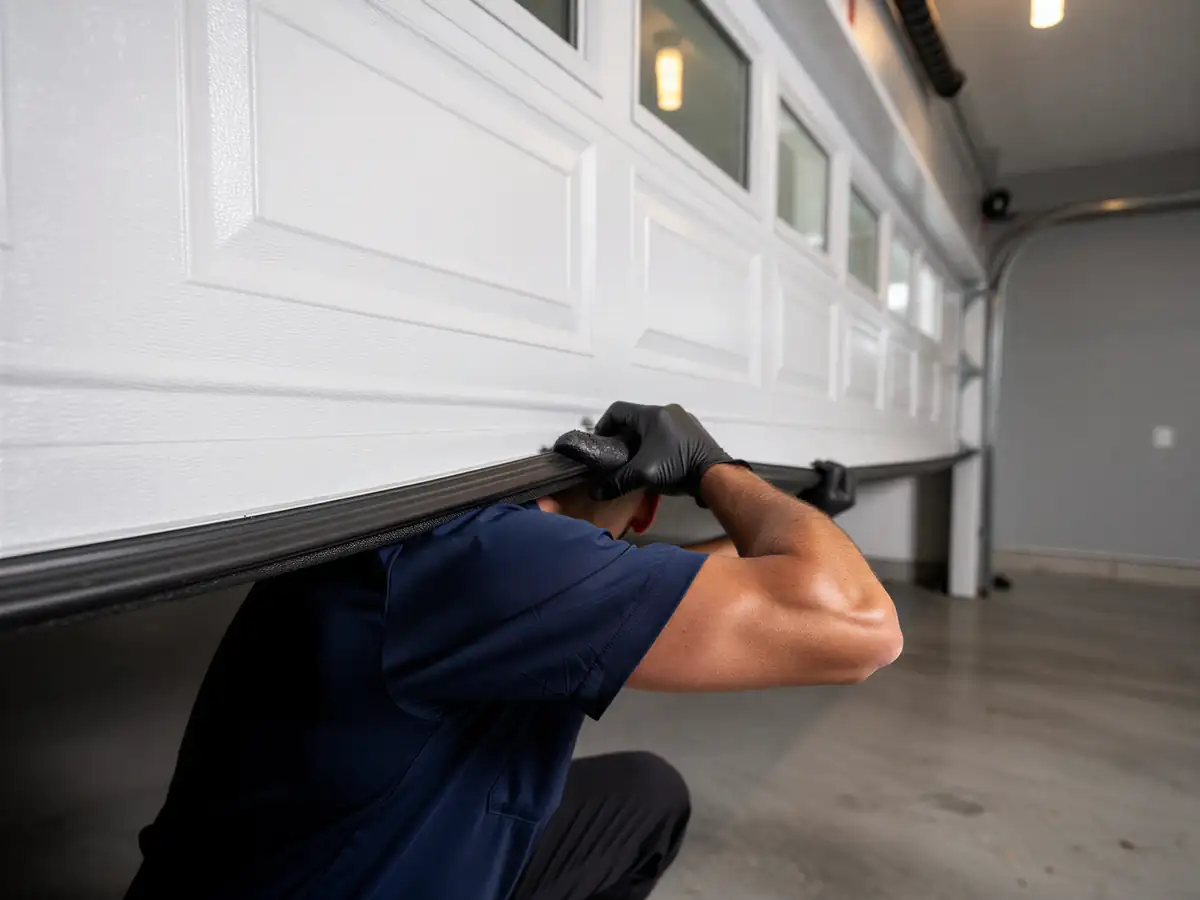
We run out of Burleson, five miles from Crowley, and we don't keep a separate office or crew stationed in town - the truck comes to you. That's worth saying plainly: there's no local branch here, just a short drive from the shop. Scheduling works the same as anywhere else in the service area - you call, we find a slot, the truck shows up with the parts most likely to match a door of this age and weight. Because Crowley homes skew newer than much of the rest of the territory, the truck stock leans toward the hardware that actually fits - standard-duty torsion springs rated for insulated doors, ball-bearing roller upgrades, and opener logic boards compatible with 2000s-era openers rather than the older chain-drive units still found on the oldest stock elsewhere in the service area. If a part isn't on the truck, that's a return trip, not a same-visit fix - we won't pretend otherwise. Maintenance visits themselves are straightforward: full hardware inspection, lubrication, balance check, and sensor alignment, built around what's typical for a door built in the early 2000s rather than a one-size list.
How Long You Are Without the Door
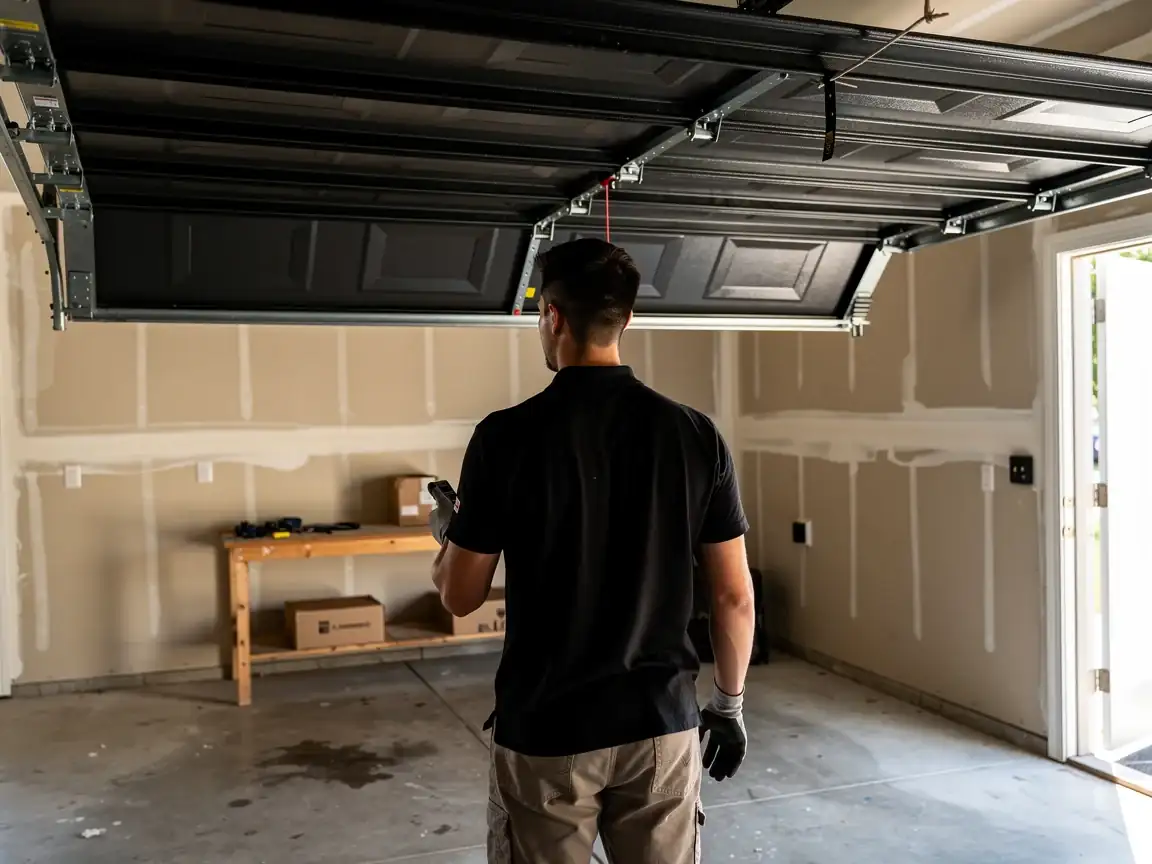
Here's the honest limit: if a maintenance visit turns up a part that needs replacing rather than adjusting - a cracked bottom bracket, a gear set worn past the point of lubrication helping - and that part isn't the one on the truck that day, you're waiting on a return trip. We don't carry every spring size or every opener gear kit for every build year on every run out from Burleson, and a door built in the early 2000s sometimes uses a size or logic board that's less common now than it was when the house went up. Most routine maintenance - lubrication, balance adjustment, sensor realignment, hardware tightening - gets done in one visit with no downtime at all, since the door stays operable the whole time. It's the spring replacement or opener swap that can mean a day or two without full use of the garage while the right part gets sourced. We'd rather tell you that upfront than promise a same-day fix we can't always back.