Why This Fails Locally
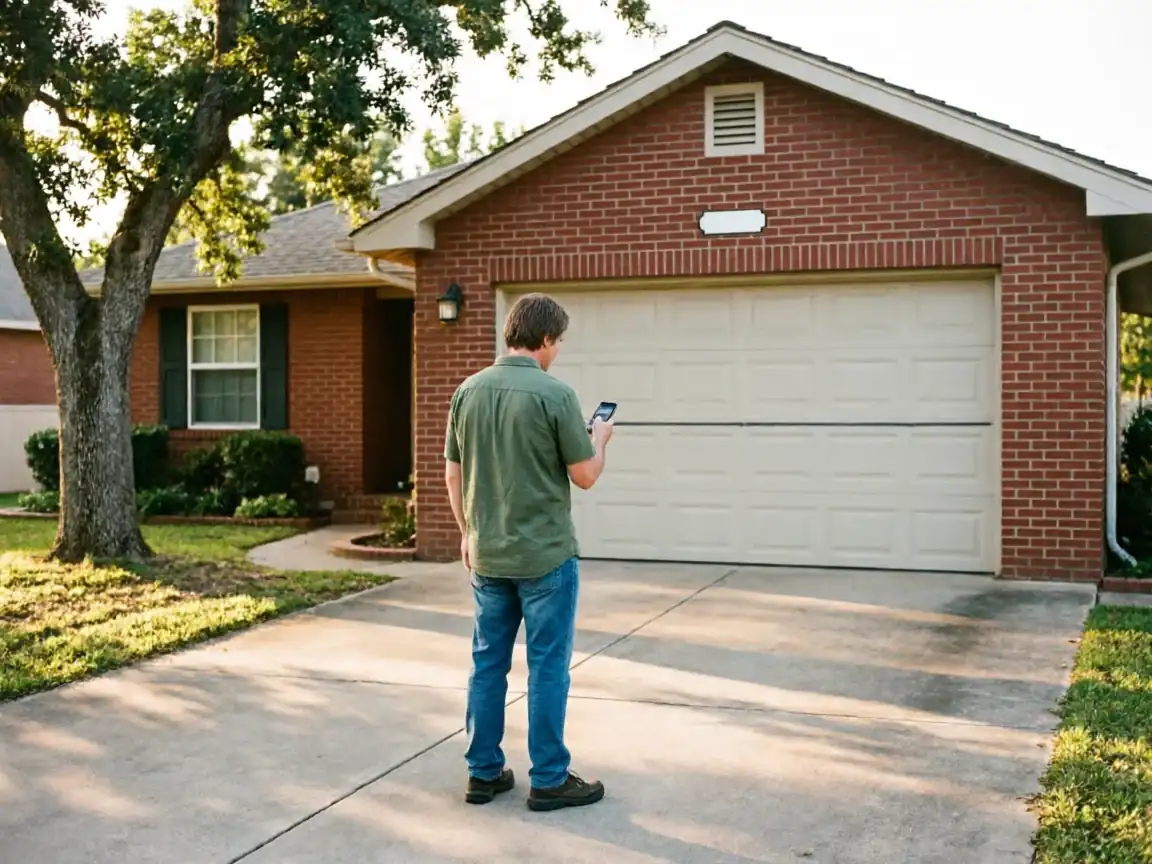
Most houses in Keene went up around 1985
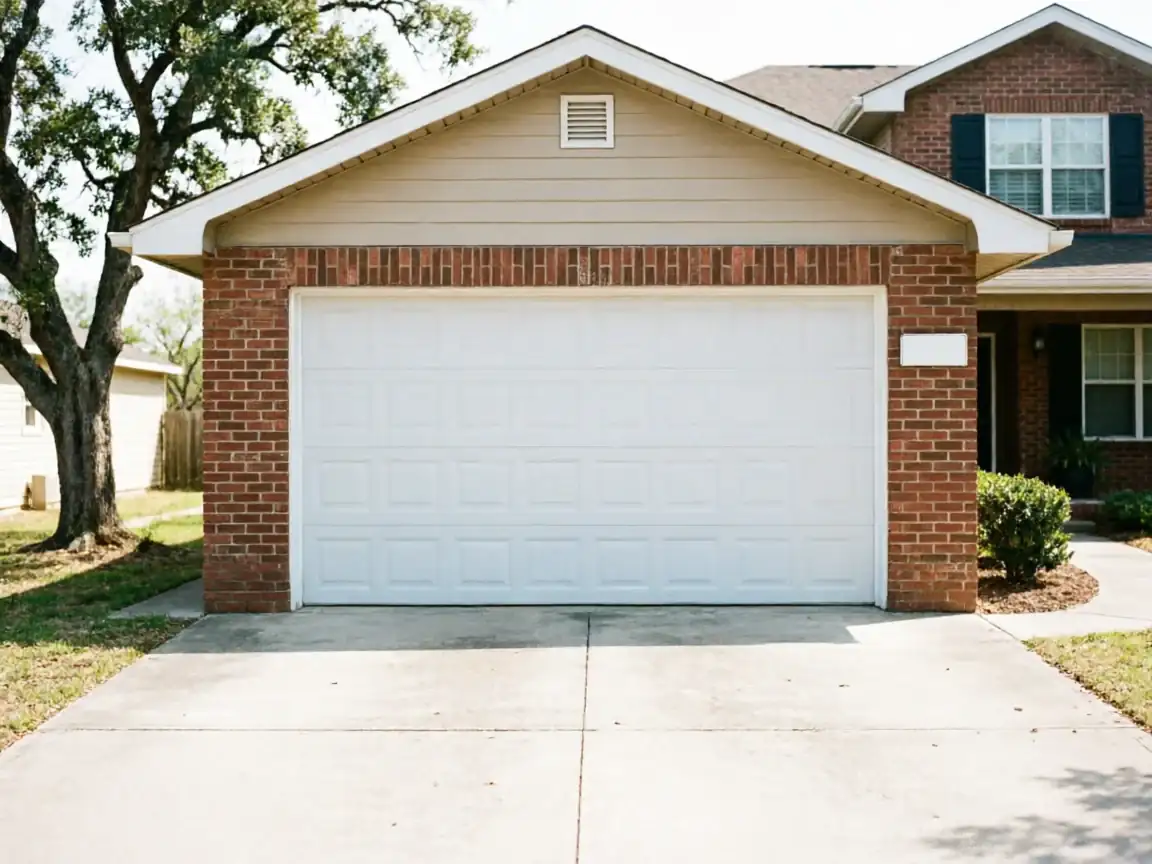
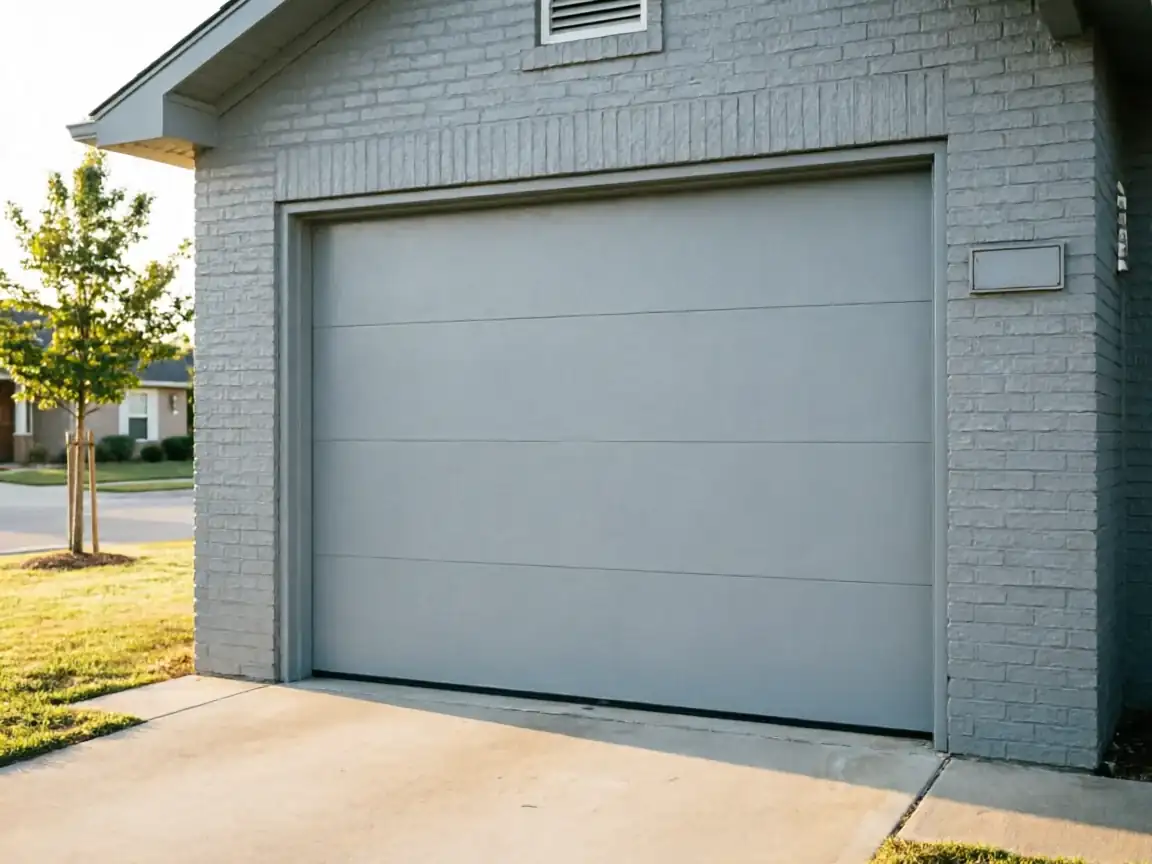
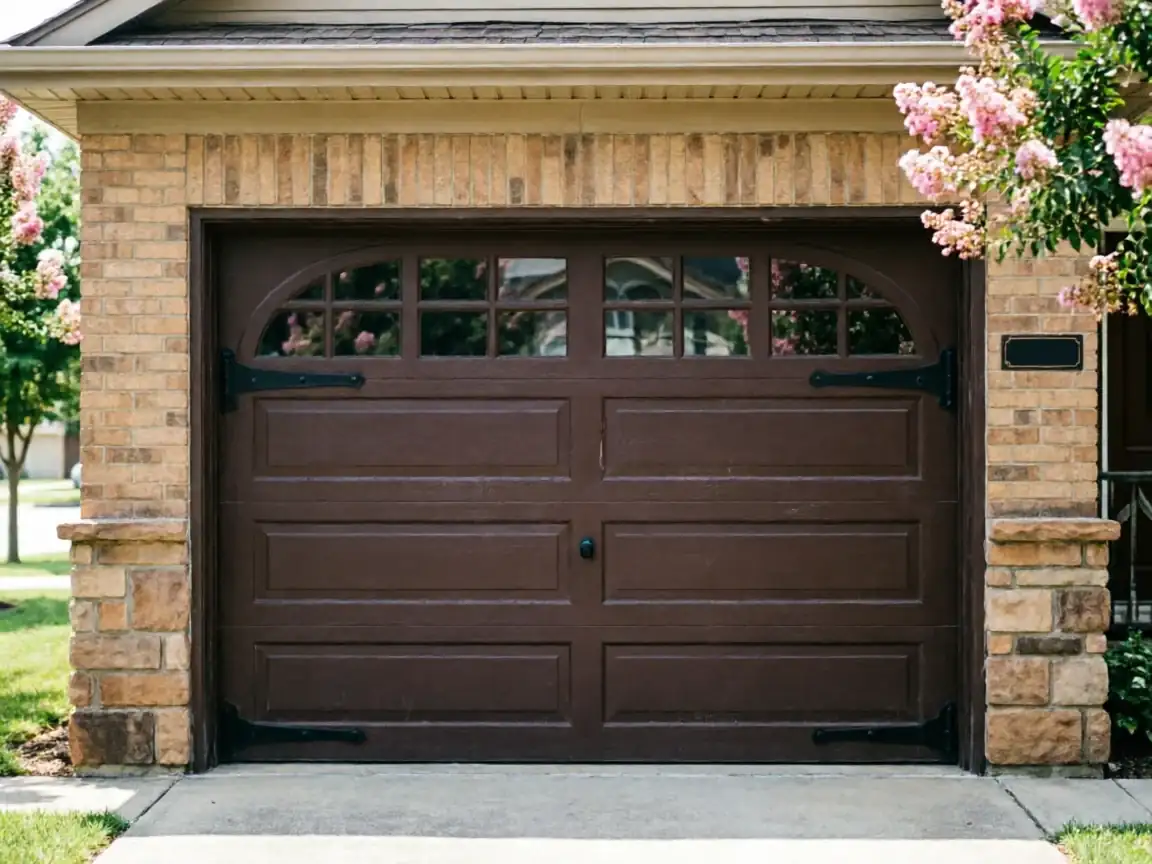
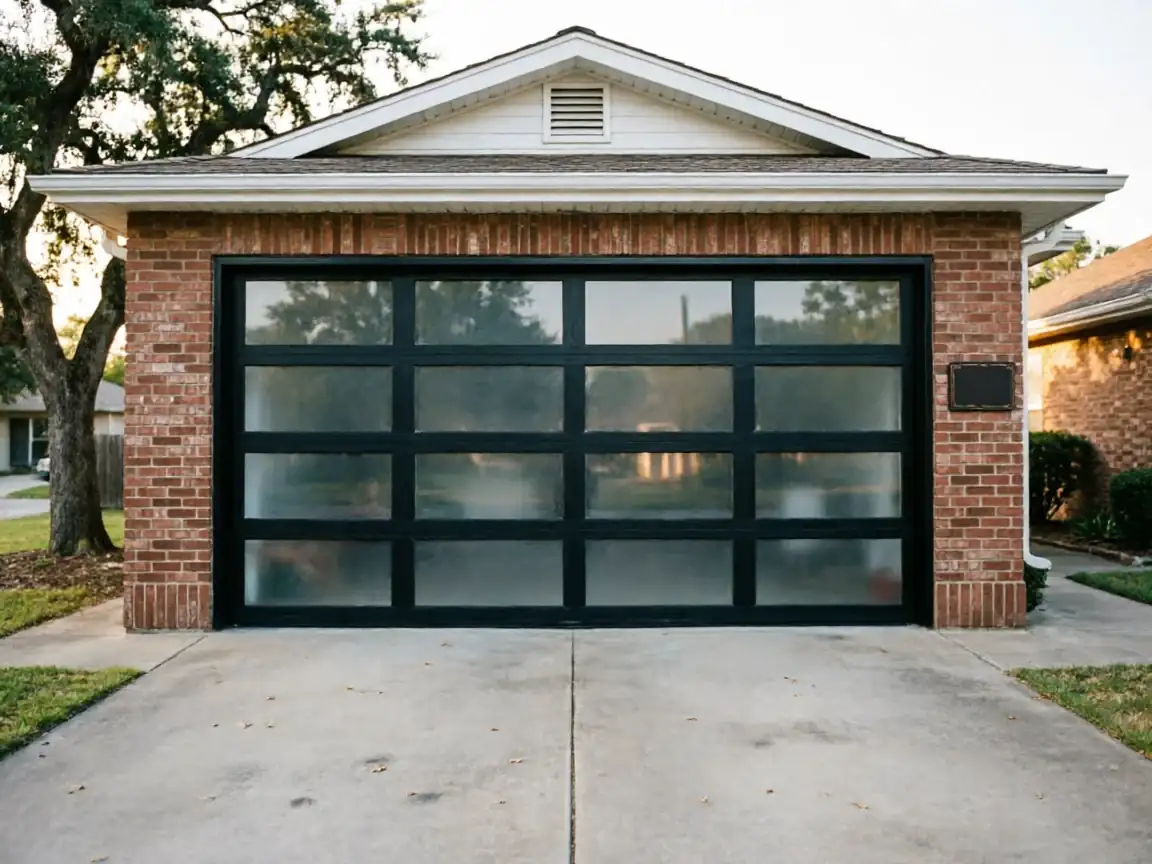
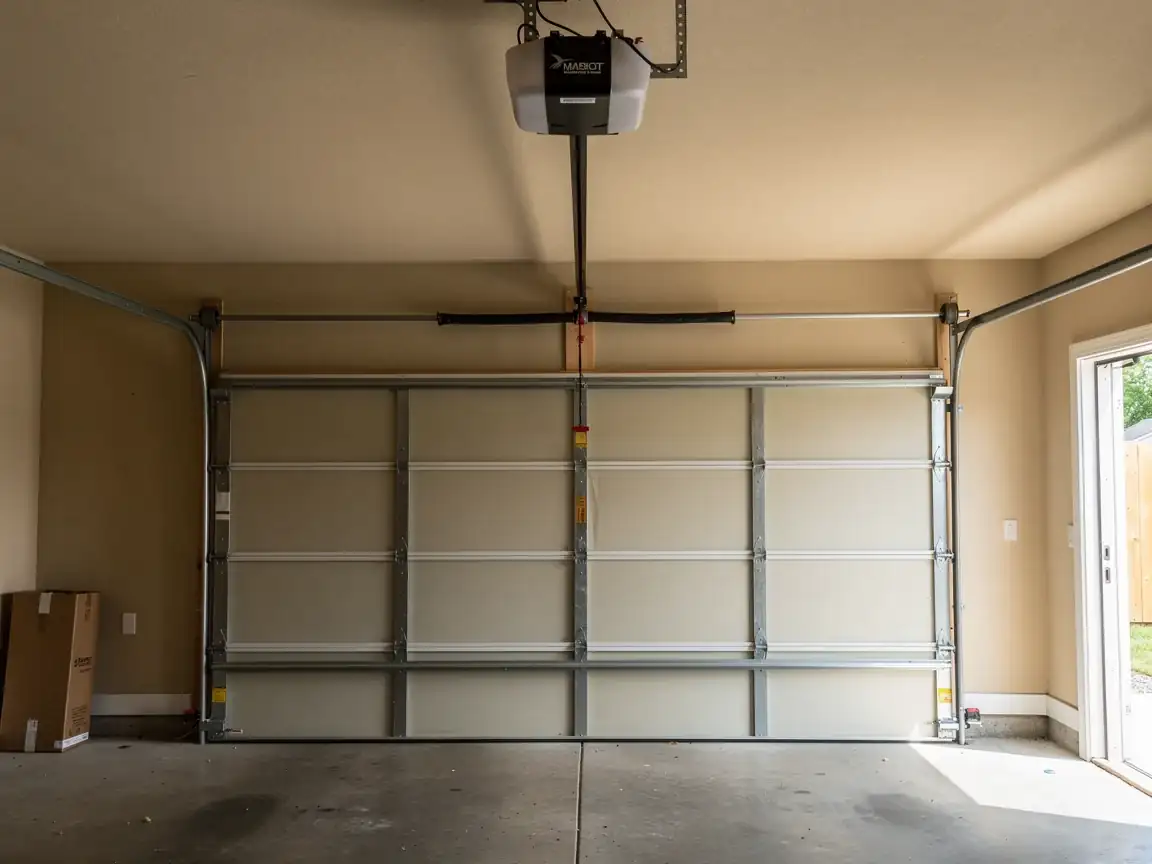
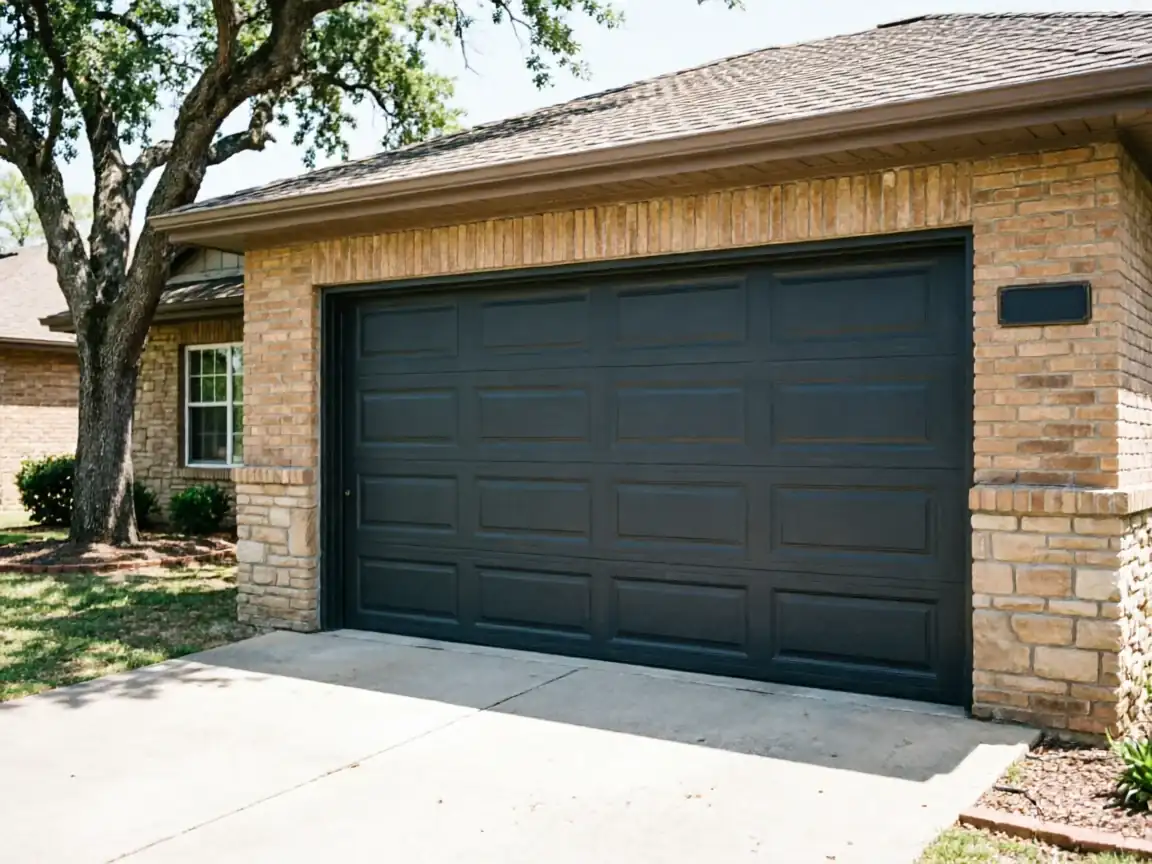
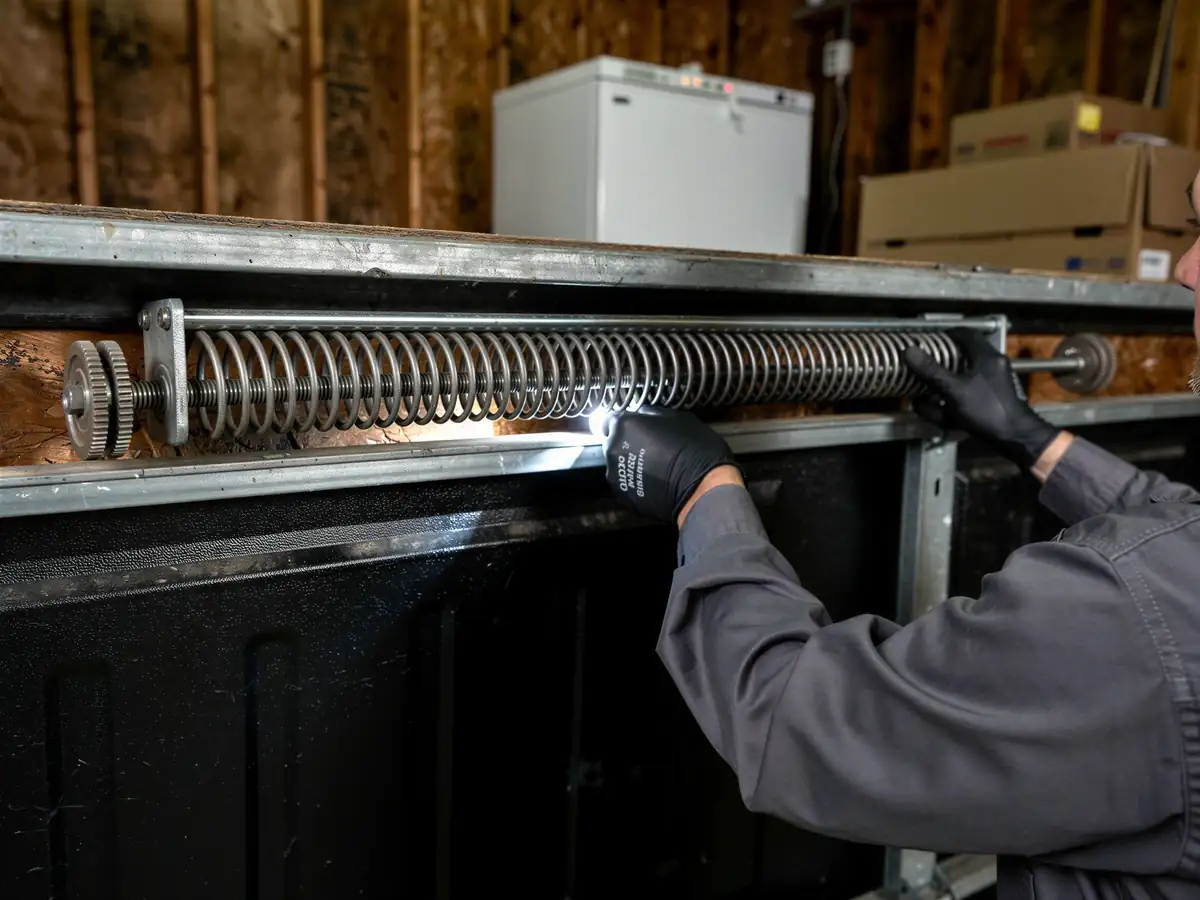
And the garage door on that house is almost always the one it shipped with: a steel sectional door, non-insulated, hung on a single torsion spring or a pair of extension springs bolted to the back wall. Nobody swapped them out because nothing broke outright - they just wore down. After close to forty years, the spring has lost tension it can't get back, the rollers have worn grooves into the track, and the panels have picked up rust at the bottom seam where water sits. None of that announces itself. It shows up as a door that groans on the way up, an opener that strains and stutters, or a door that comes down crooked because one side is dragging. With 2,282 households in Keene and a median income of $50,796, most owners here are stretching a door well past the point a lot of service writers would call it done, and that's a reasonable call - right up until the spring lets go while someone's standing under it.
- 2,282 households
- $50,796 median household income
We're not saying every door built in 1985 is a liability
A door that's been serviced along the way can run another decade. The problem is the ones that haven't been touched since the day they were installed.
Parts We Carry
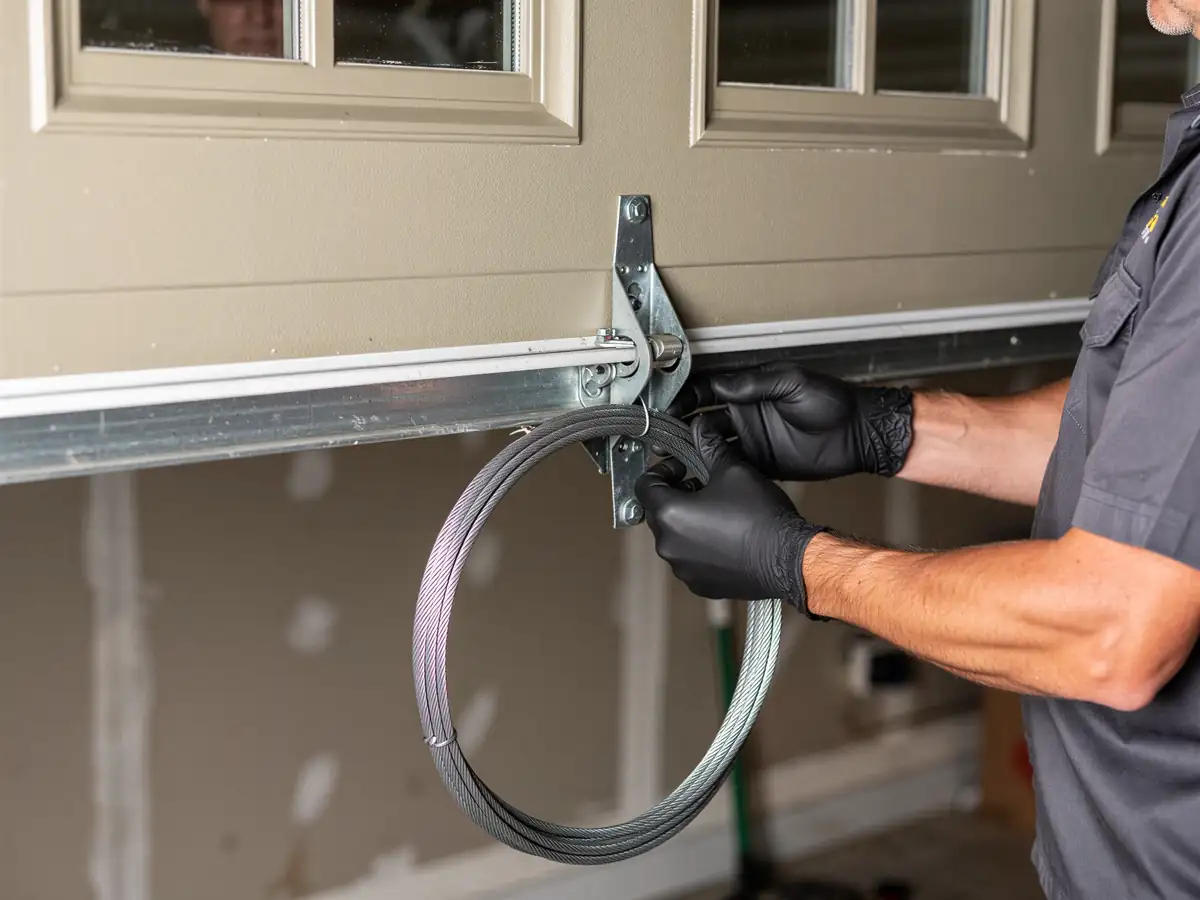
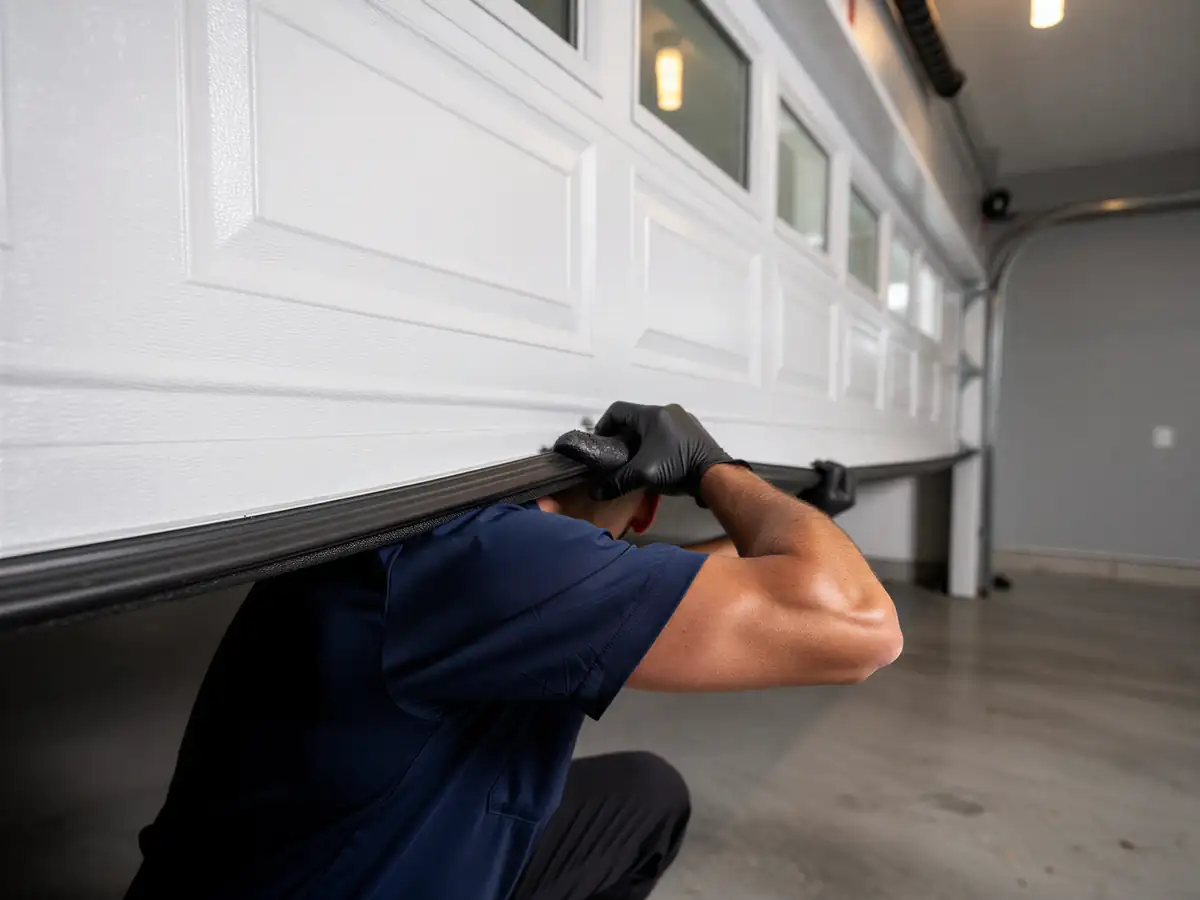
For doors from Keene's building era, the common failure points are the torsion or extension springs, the stamped-steel rollers (plastic composite rollers weren't standard yet), the lift cable, and the bottom bracket where rust tends to start. We carry replacement torsion springs sized for the lighter steel sectional doors common to 1980s construction, standard-lift cable, and steel and nylon roller options - nylon runs quieter and doesn't need the lubrication steel rollers do. We also stock weatherstrip for the bottom seal, which on a door this age is usually cracked or missing outright.
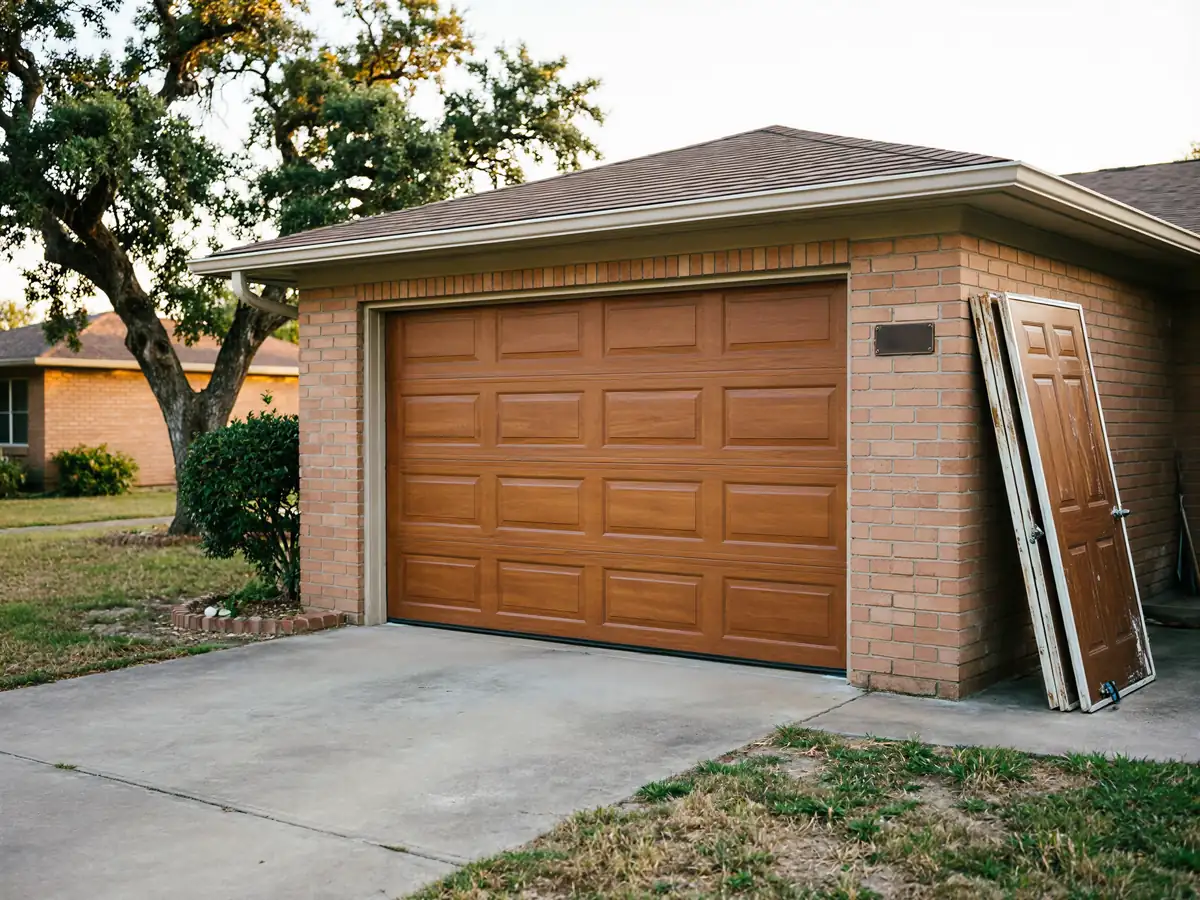
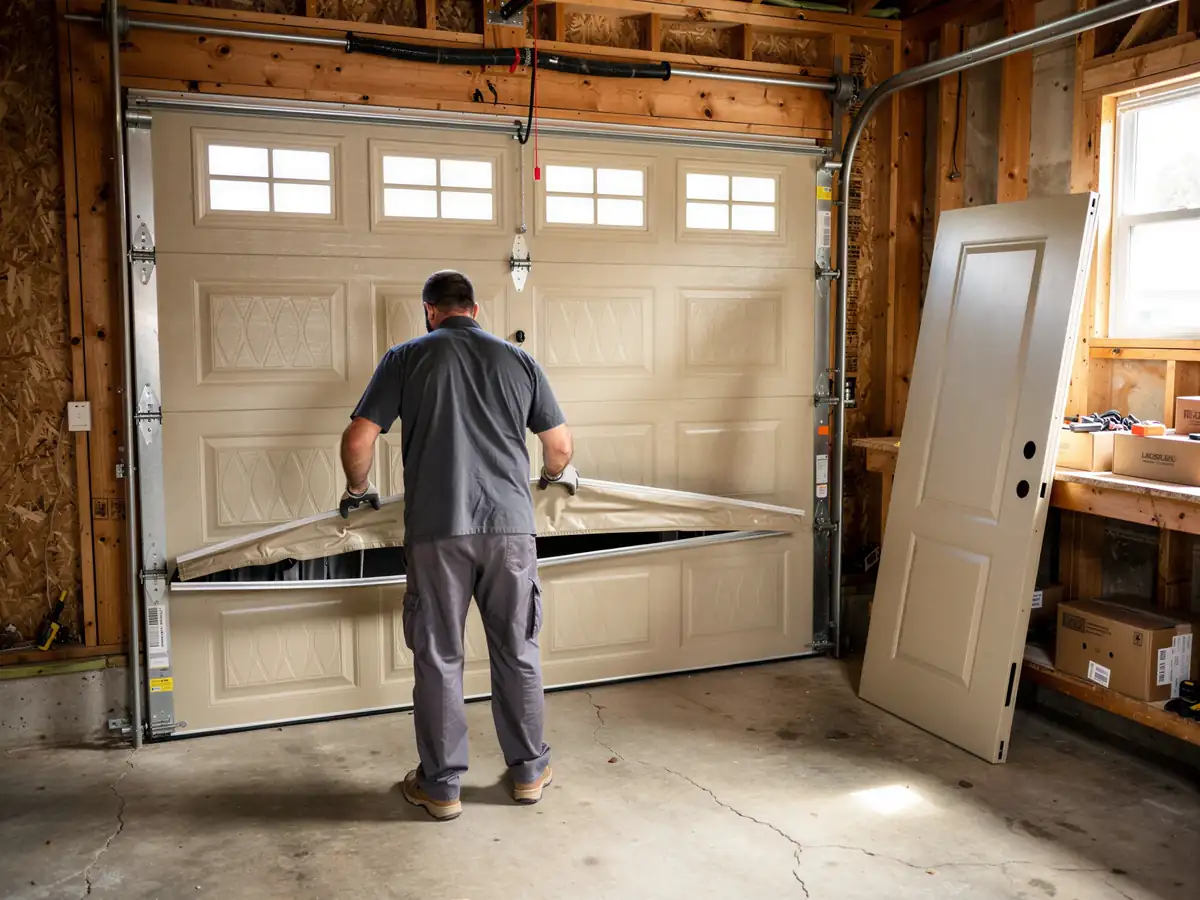
What we don't carry on the truck: insulated panel sections to match an original 1985 non-insulated door. If a single panel is bent or rotted through, we can usually special-order a matching section, but that's a lead-time item, not a same-visit fix. For a door that's taking rust in more than one panel, replacement is usually the more honest answer than patching it section by section.
What the Repair Takes
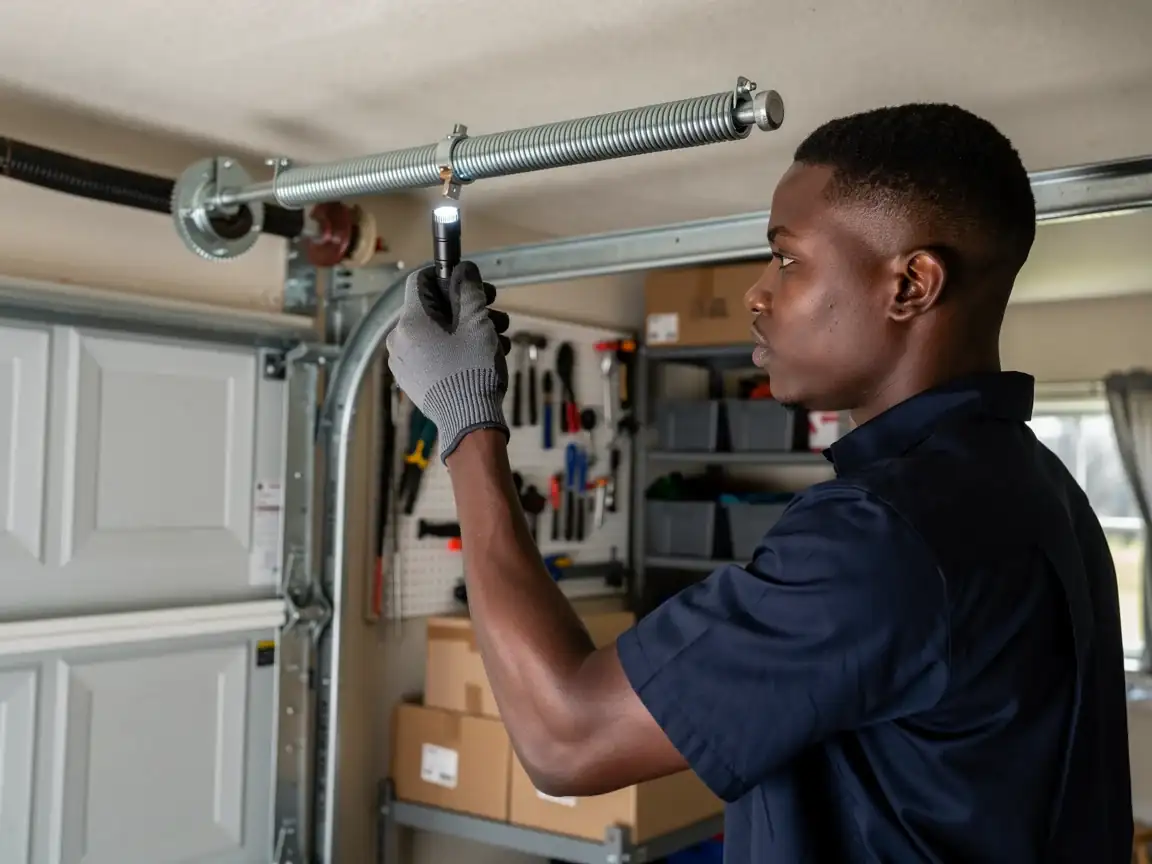
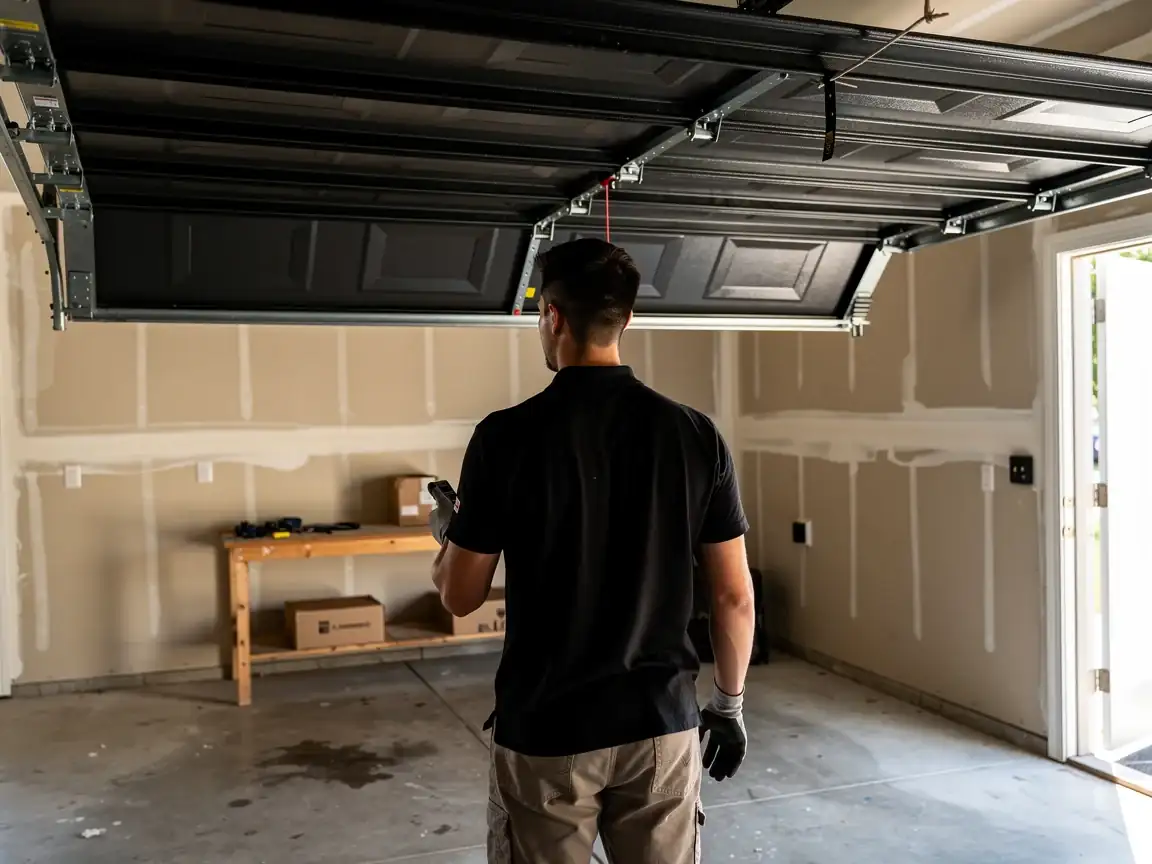
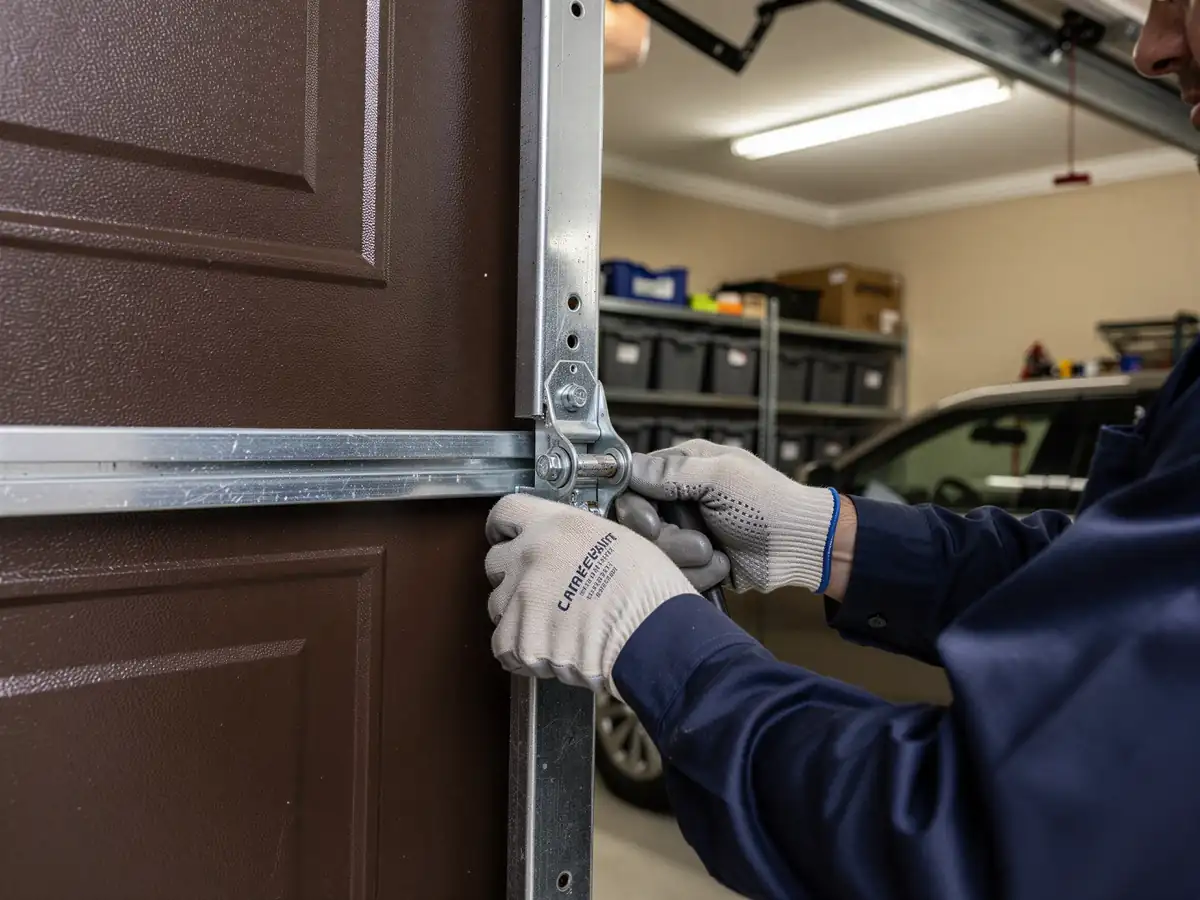
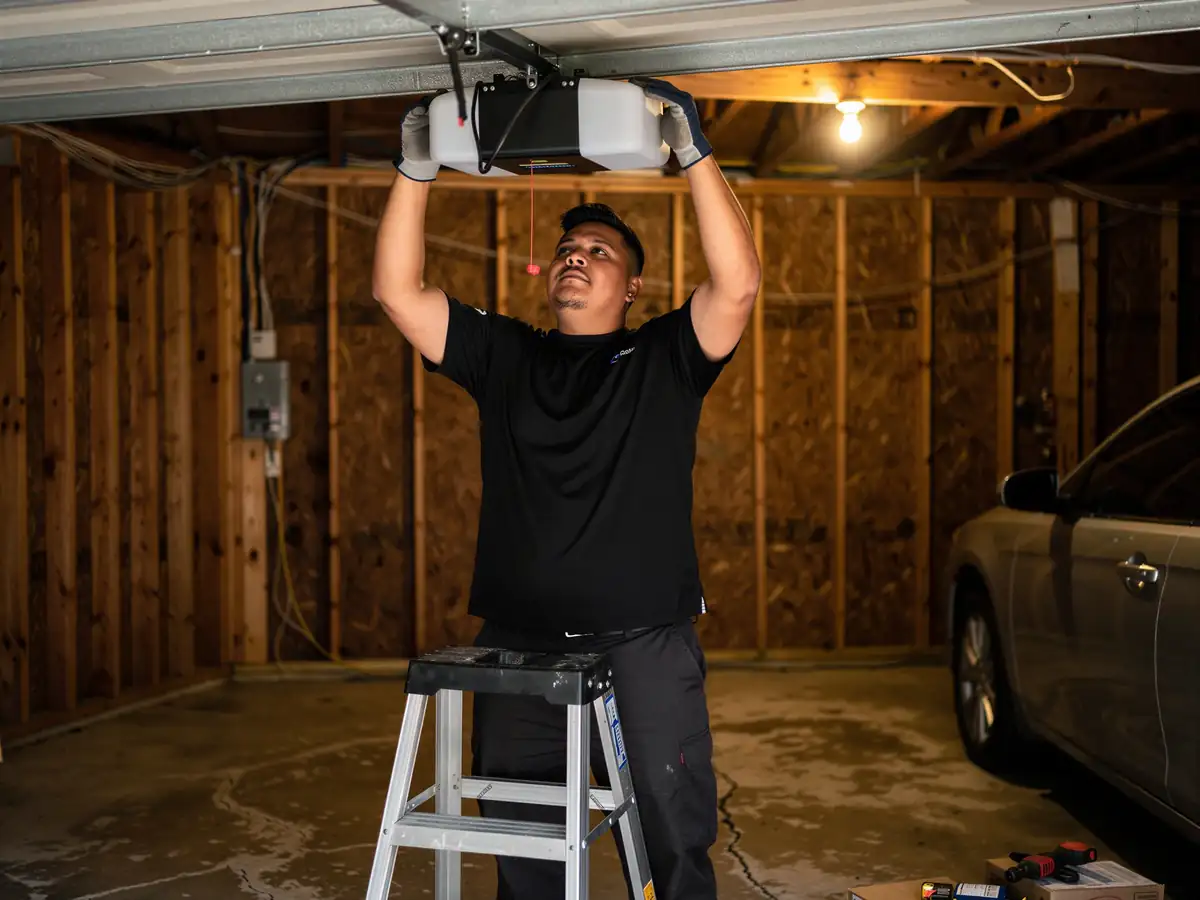
A standard maintenance visit on one of these doors covers the spring tension, the track alignment, the roller condition, the opener's force and travel settings, and the cables and bottom bracket for rust or fraying. On a door this age, we're also checking the back wall bracket where the spring anchors - on original installs from the mid-1980s, that bracket is often undersized for today's code and worth noting even if it hasn't failed yet.
If the spring has already gone, that's a same-visit repair in most cases - it's the part we carry the most of. If the track is bent from a door that's been riding crooked for months, straightening it is sometimes possible, but a track that's been bent and re-bent is weaker at the fold every time, and we'll tell you when it's cheaper to replace the section than keep adjusting it. We don't sugarcoat that call; a repair that holds for three months and then fails again costs more than doing it once.