Why This Fails Locally
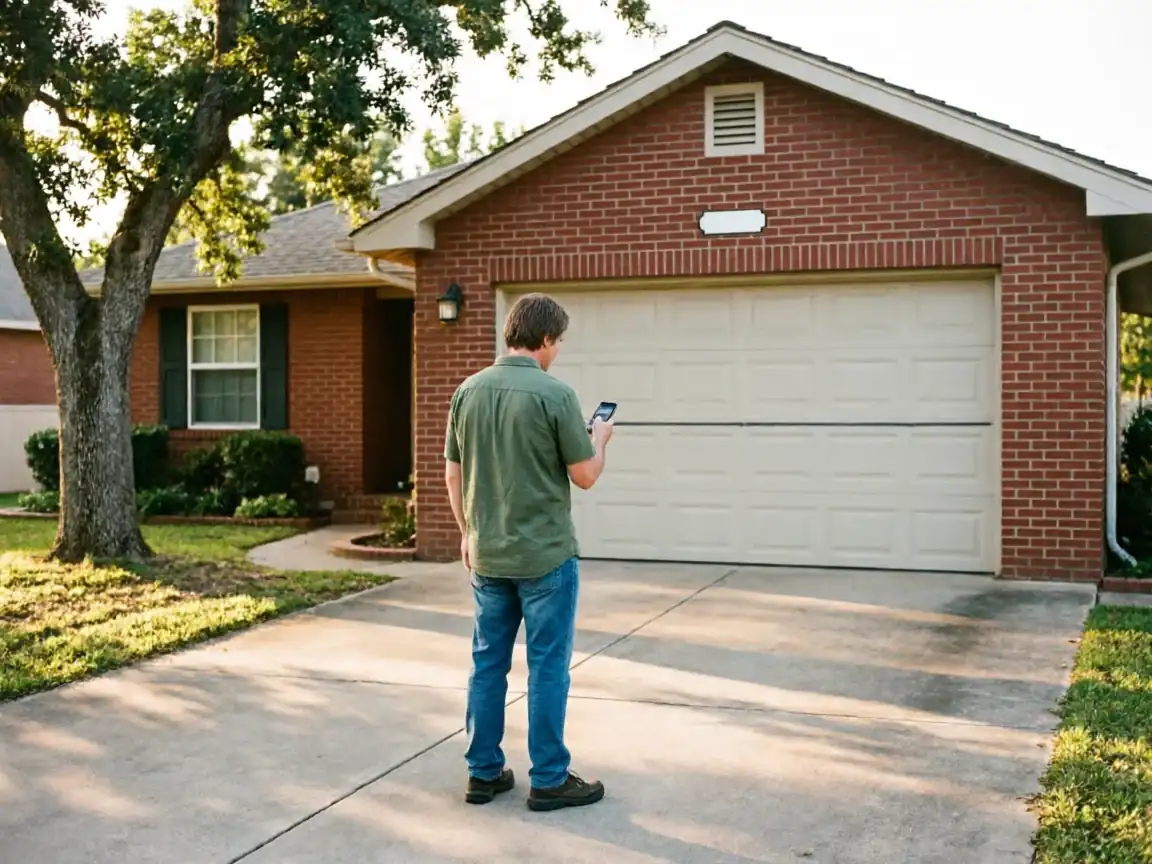
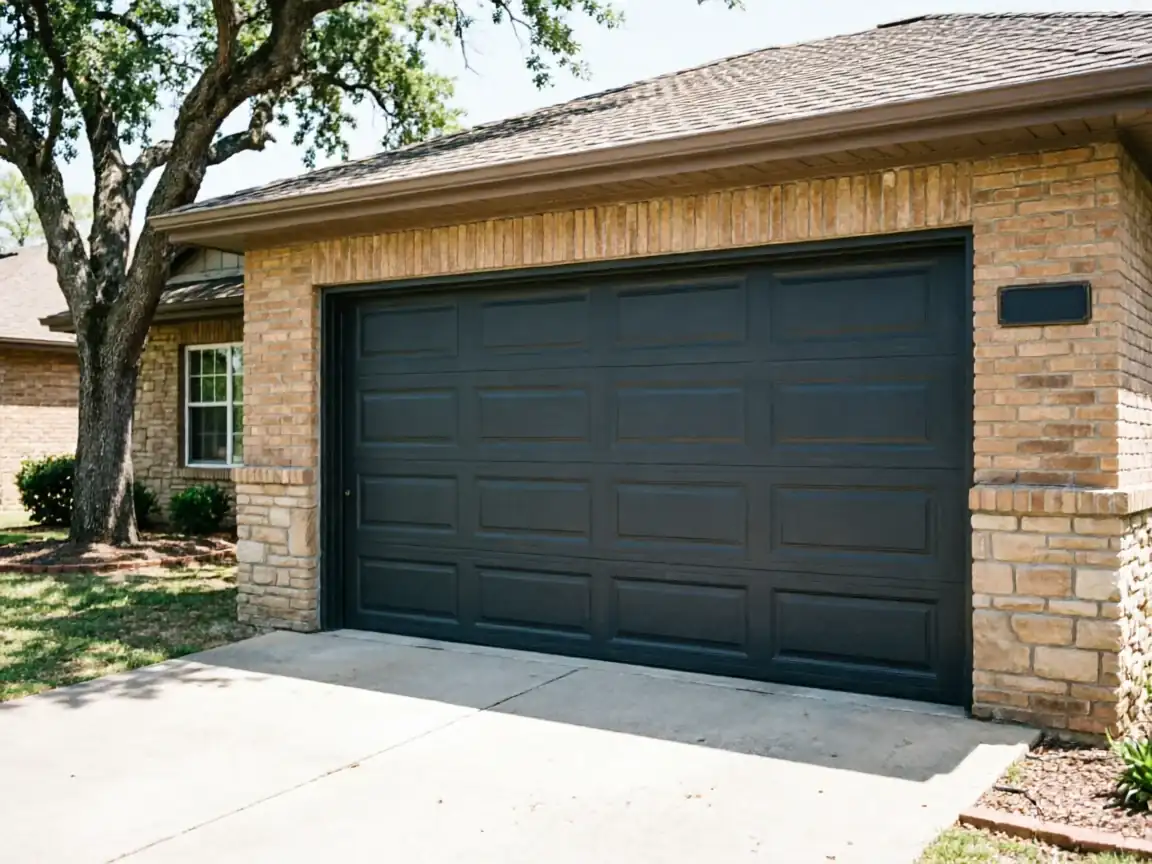
Keene's housing stock centers on 1985, close to the broader service area's 1986 median but with its own character
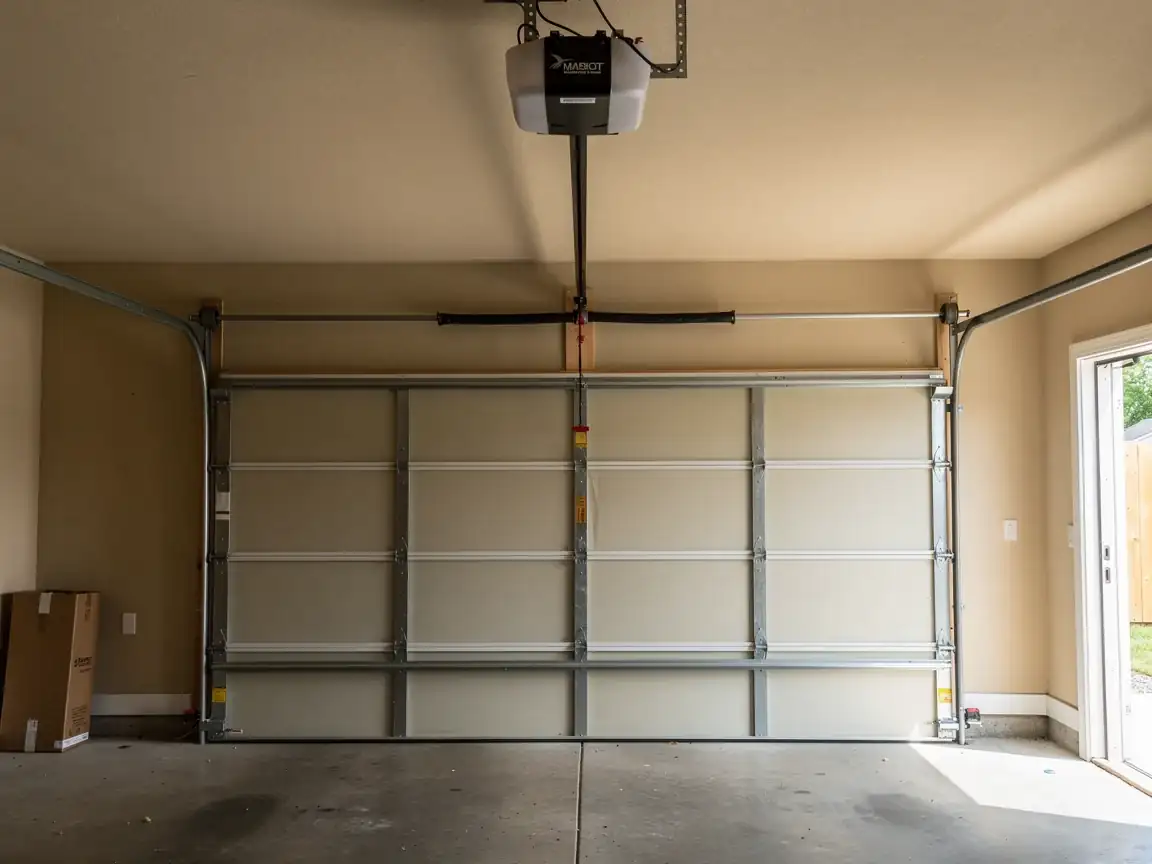
A lot of these houses went up with whatever opener the builder had a deal on that year, usually a 1/3 horsepower chain-drive unit bolted to a single rail, wired to one wall button and nothing else. No keypad, no smartphone tie-in, no battery backup for an outage. That setup worked fine for decades because nobody asked it to do more.
The failure shows up now because the motor and the drive gear are both original
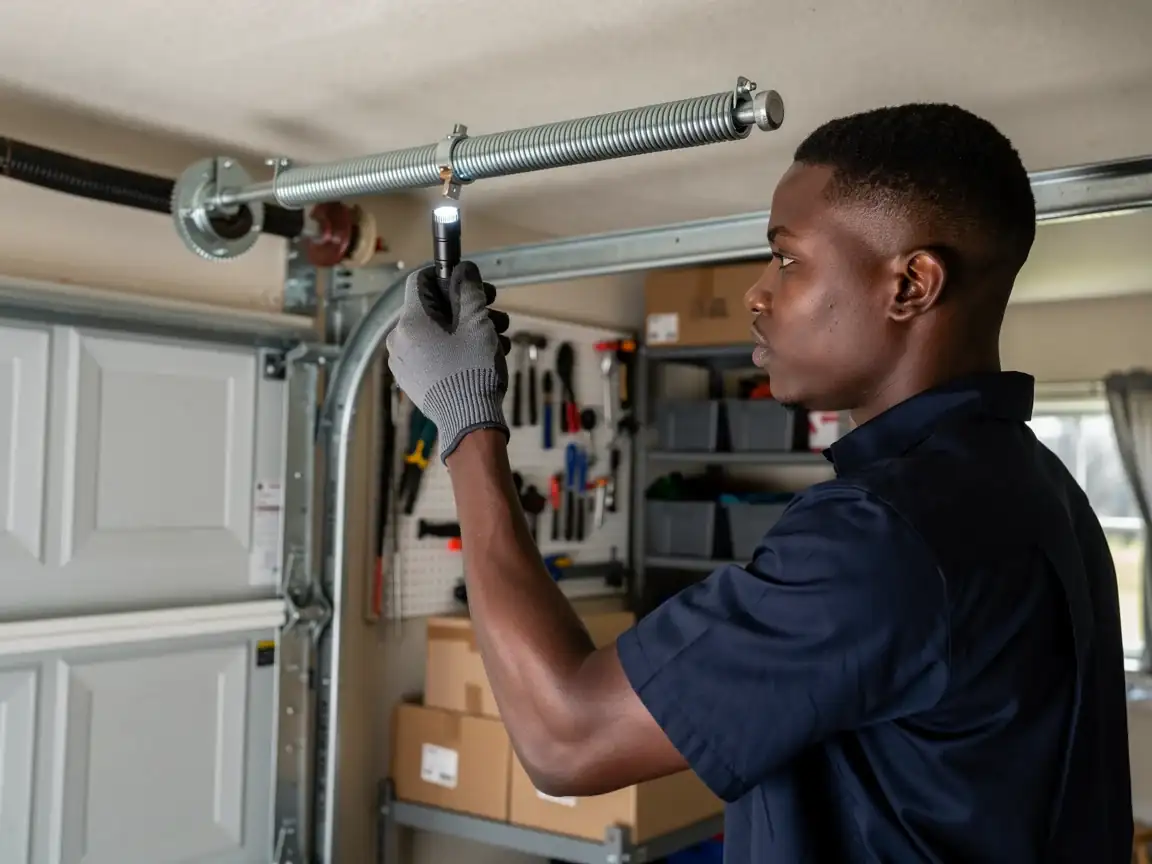
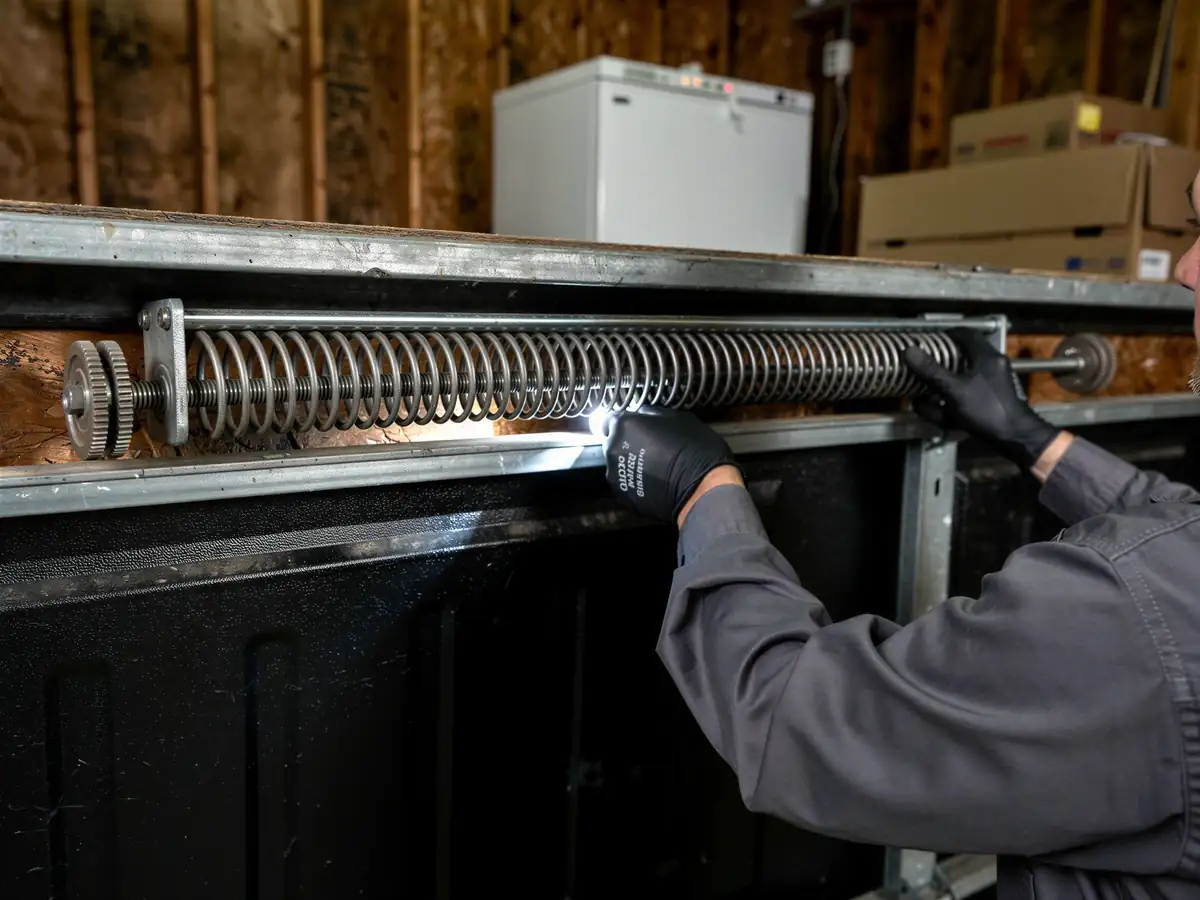
Gears in those older units are often nylon, and after thirty-plus years of cycling they strip quietly - you hear the motor run but the door doesn't move, or it moves in fits. Capacitors age out too, which shows up as a door that starts the open cycle and then stalls halfway. None of that is dramatic. It's just a part reaching the end of what it was built to do, on the schedule you'd expect from a house this age.
With about 2,282 households in Keene, most sitting in that same build window
This isn't a one-house problem. It's the hardware generation, not the specific door.
- 2,282 households
Parts We Carry
For a house from Keene's 1985 build era, the opener coming out is almost always a chain-drive, and the replacement going in usually is too - chain still handles a heavier door well, and it doesn't ask you to change anything else about the setup. We also install belt-drive units where quiet operation matters more, since belt runs smoother on the same rail length these older garages already have.
We carry units across a range of horsepower and control options - standard wall button, keypad entry, smartphone-connected models with built-in cameras, battery backup units that keep the door working through a power outage. None of that is forced; a household doesn't need a camera-equipped opener just because the technology exists.
The honest limitation: if your current opener is an older model from a brand that's since changed hands or stopped stocking parts for that line, we're not going to chase down an obsolete control board. At that point replacement is the only real option, and we'll say so rather than quote a repair that won't hold.
What the Repair Takes
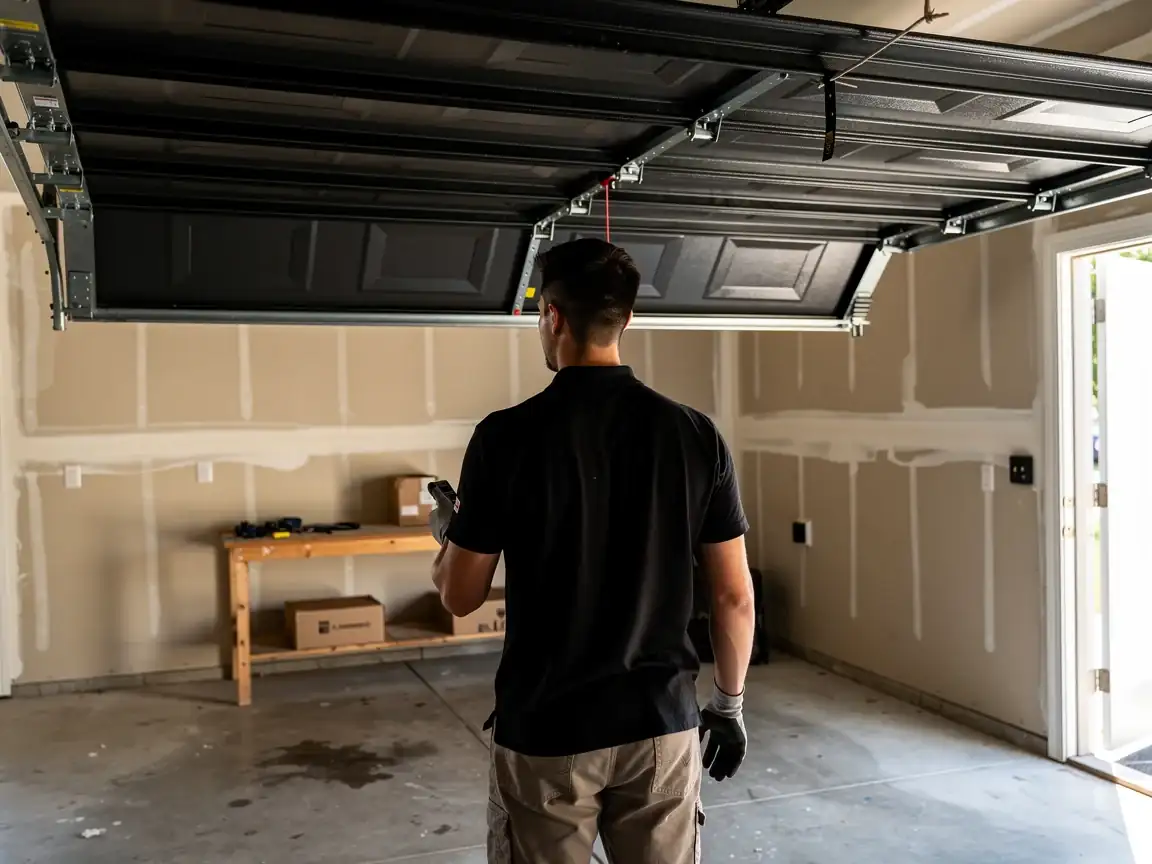
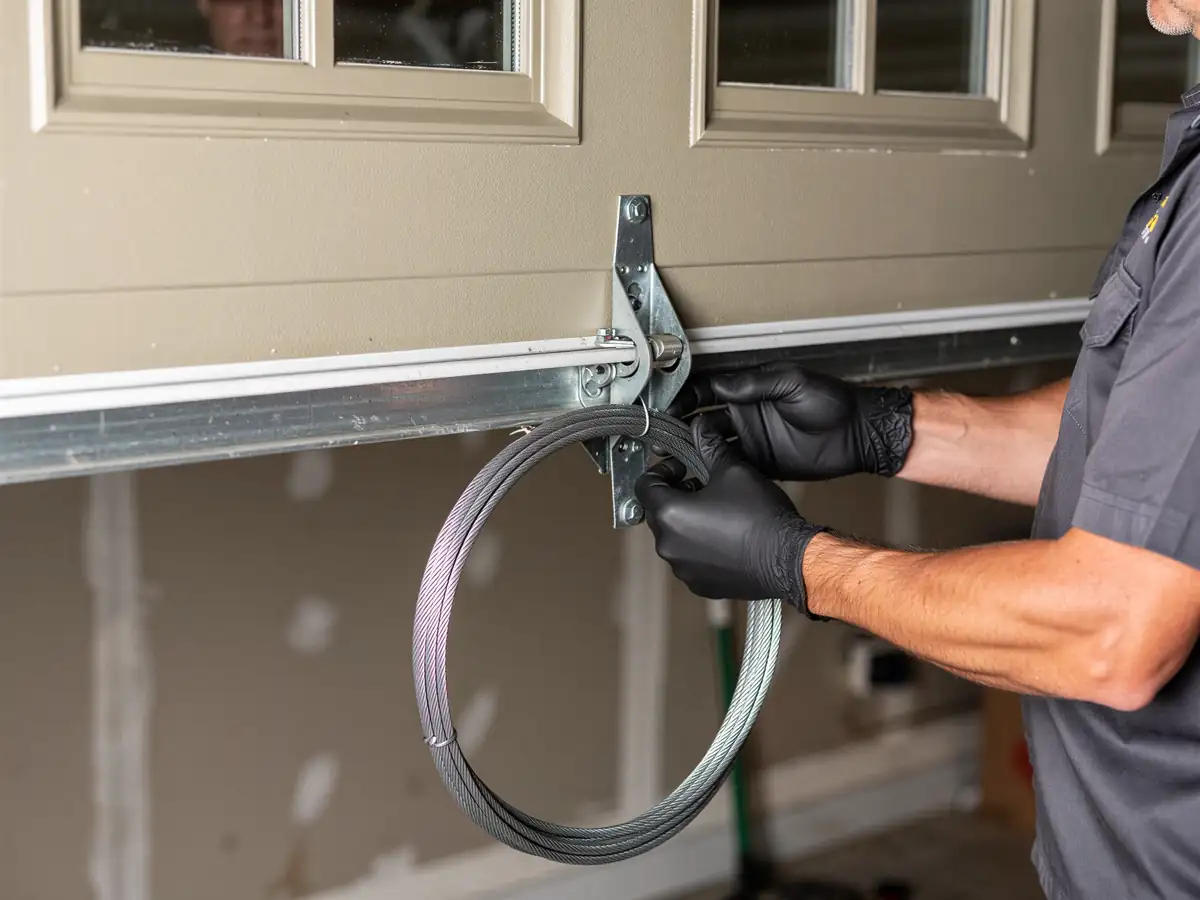
The job starts with the rail and the mounting bracket, since a house from 1985 often has ceiling framing and bracket spacing that doesn't match what a new opener kit assumes out of the box. We check that before anything else goes in, because forcing a new unit onto old hardware is how you end up back out here in six months.
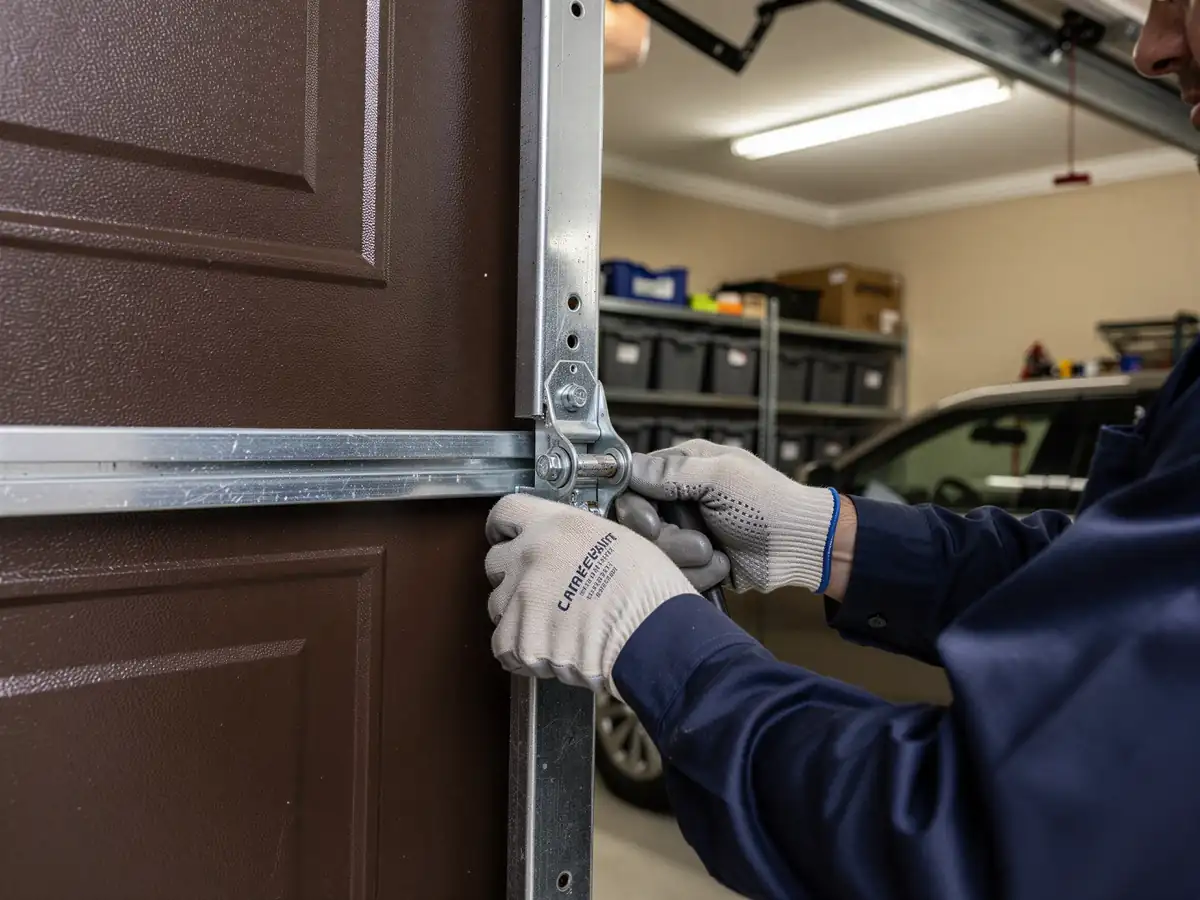
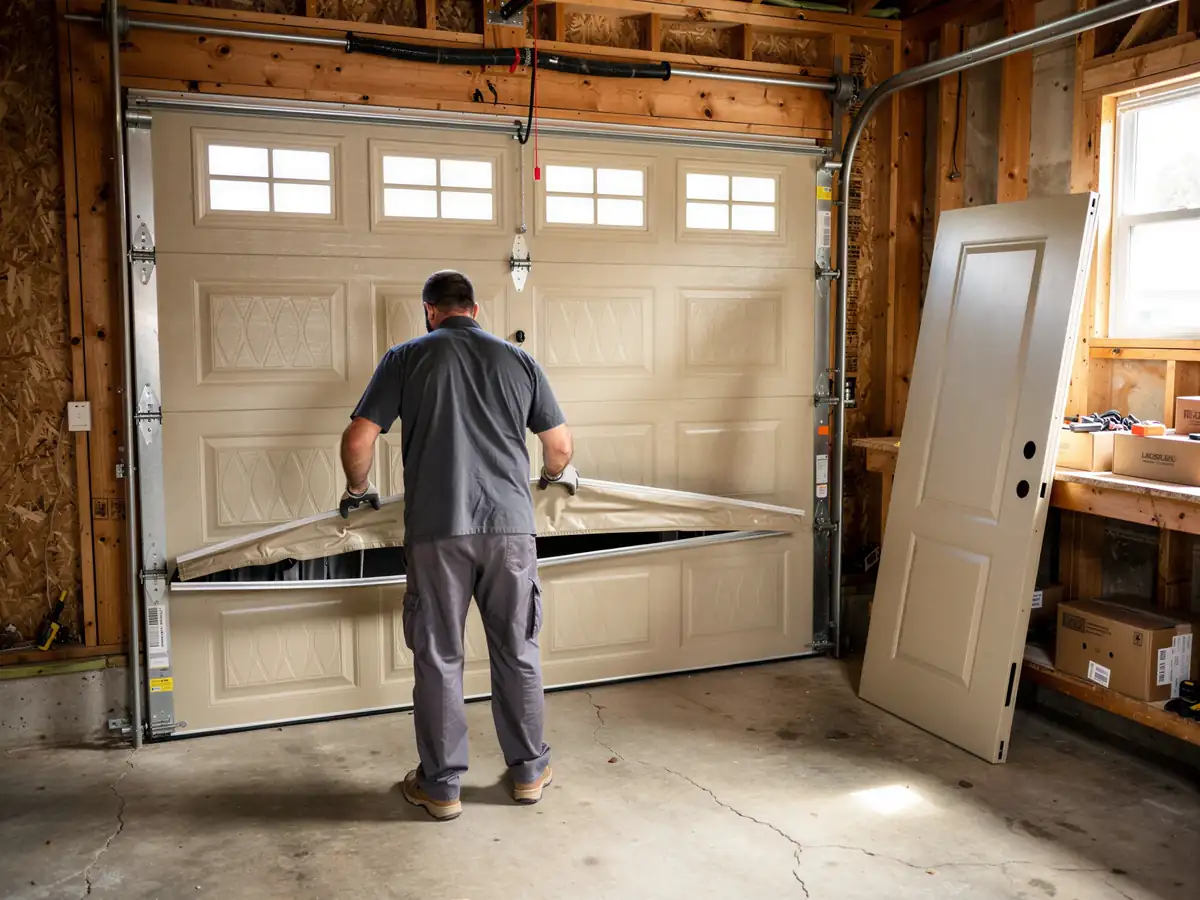
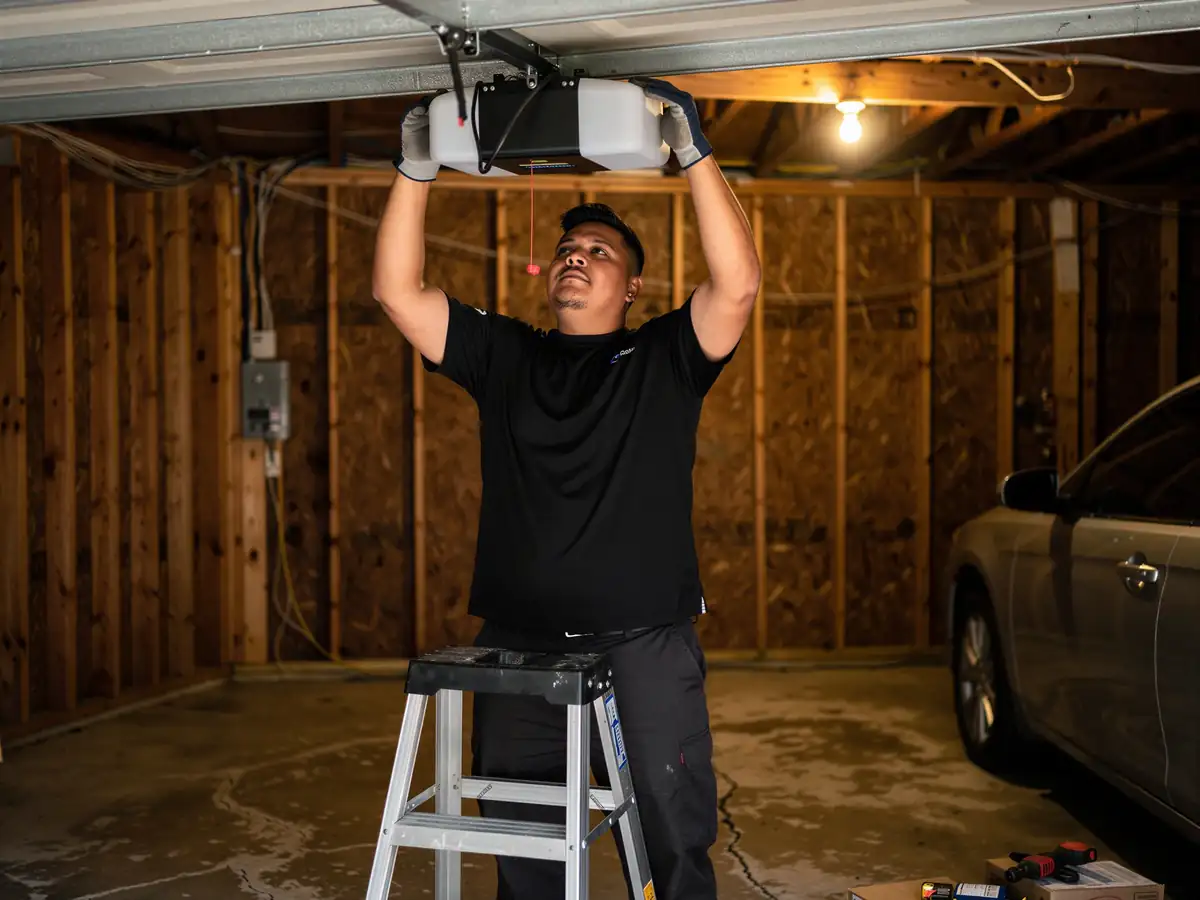
Old unit comes down, including the original wall control and any wiring run specific to that chain-drive setup. New rail goes up, motor gets mounted, safety sensors get aligned and tested - a step that matters more on an older garage where the sensor brackets may have shifted or rusted slightly over the years. We set the travel limits and force settings to match the actual door weight, not a factory default.
Most installs finish in the same visit. Where the garage has unusual framing or the existing wiring needs more than a straightforward swap, that adds time, and we'll tell you that before starting, not after.
Getting It Booked In
Keene sits about 8 miles from our shop in Burleson
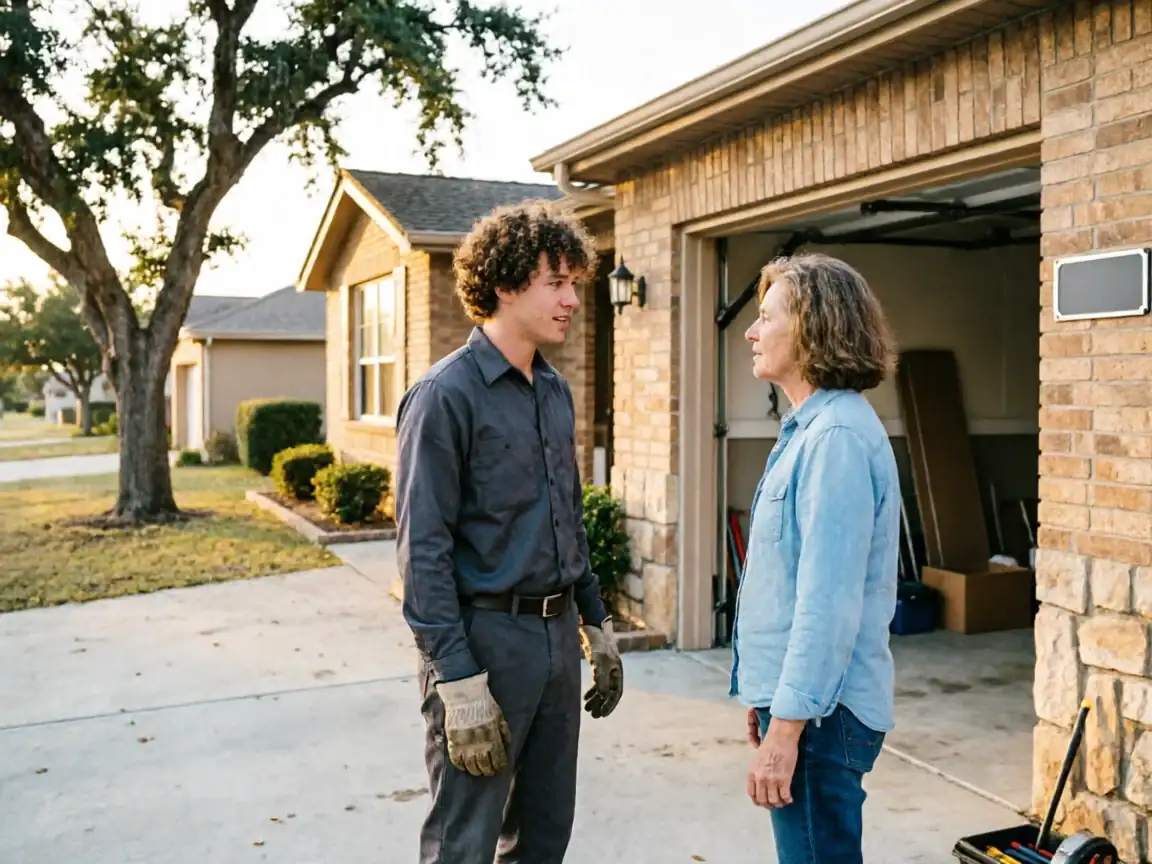
Close enough that scheduling a visit here works the same as anywhere else in the territory - we just build the drive time into the day. We don't run a branch or drop-off counter in Keene itself; every job travels out from Burleson, which is worth knowing if you're expecting a same-hour walk-in.
- 8 miles
Keene's median household income runs around $50,796
Noticeably under the roughly $85,625 average across the wider area we serve. That number doesn't change what we install, but it does shape the conversation - we'll generally walk through whether a repair makes sense before jumping straight to full replacement, especially on an opener that's otherwise sound.
To book a visit or see what else we handle in the area
Check our Keene service page or look at the full opener installation details on our Burleson page.