What the Repair Takes
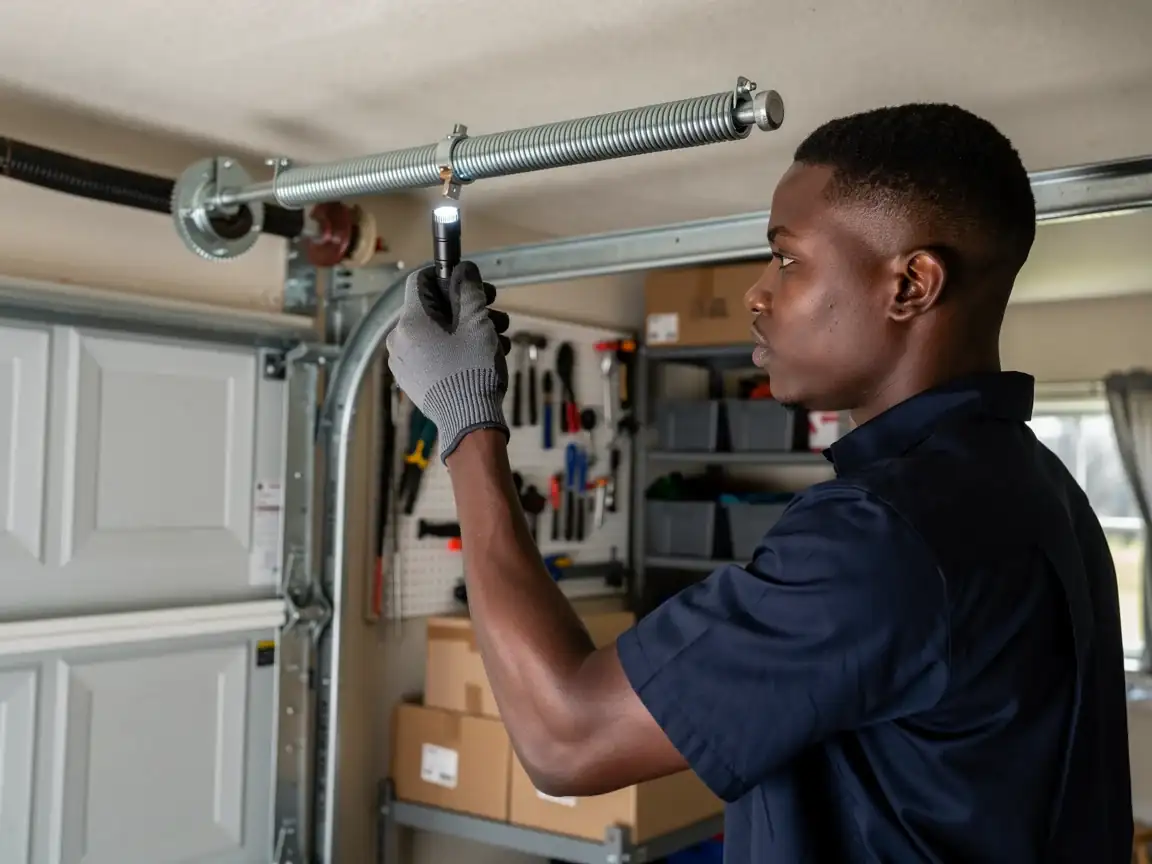
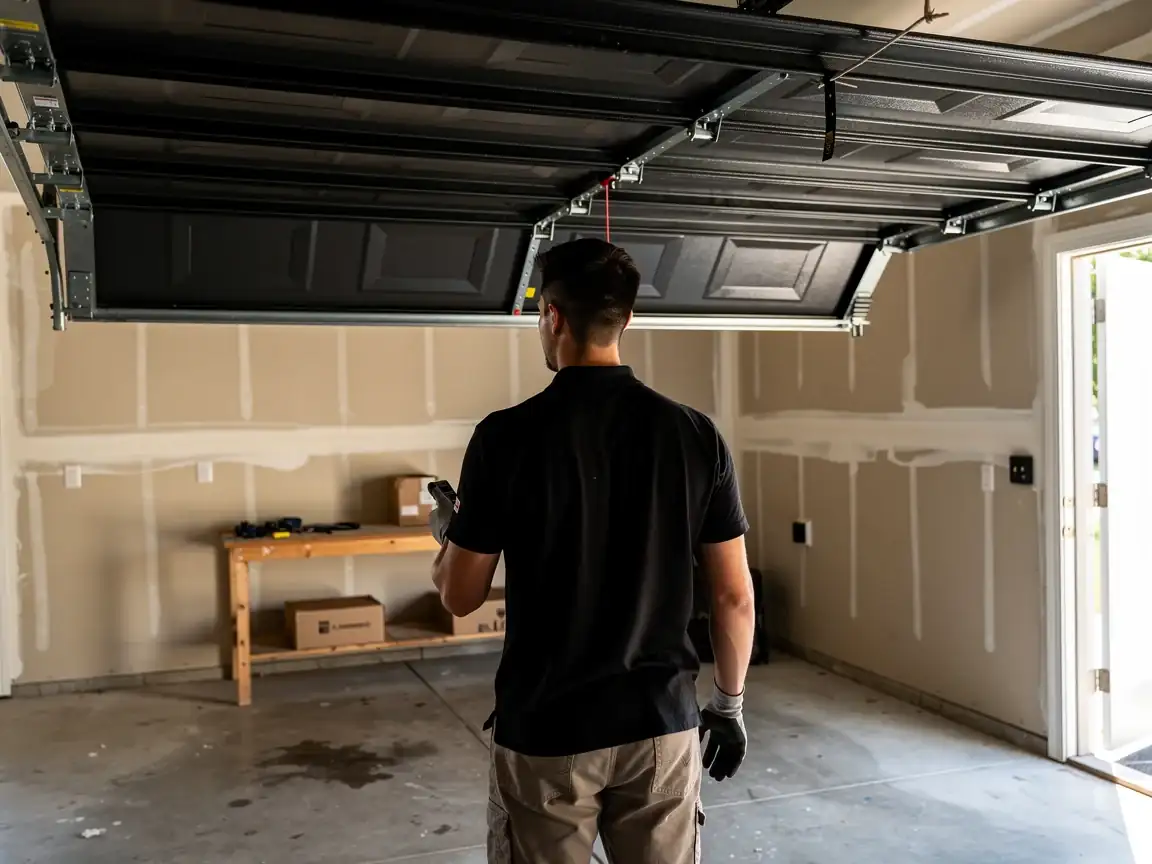
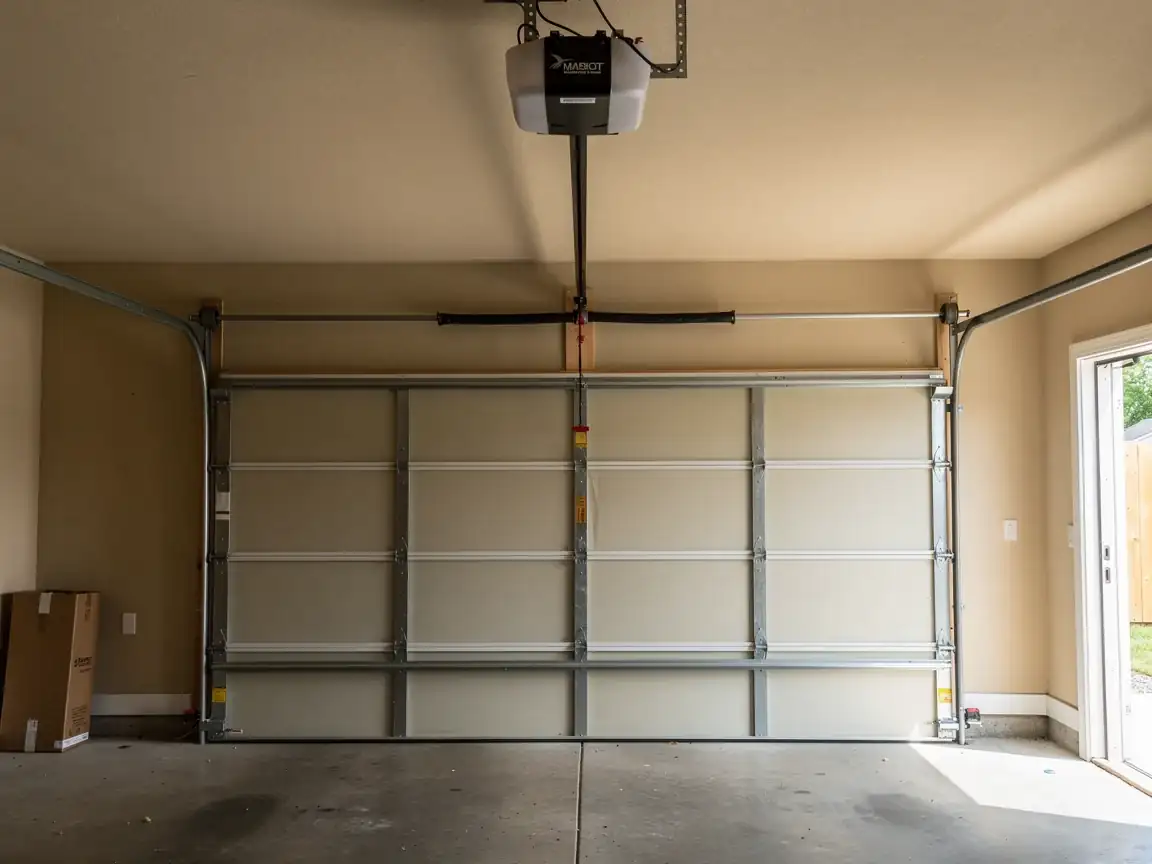
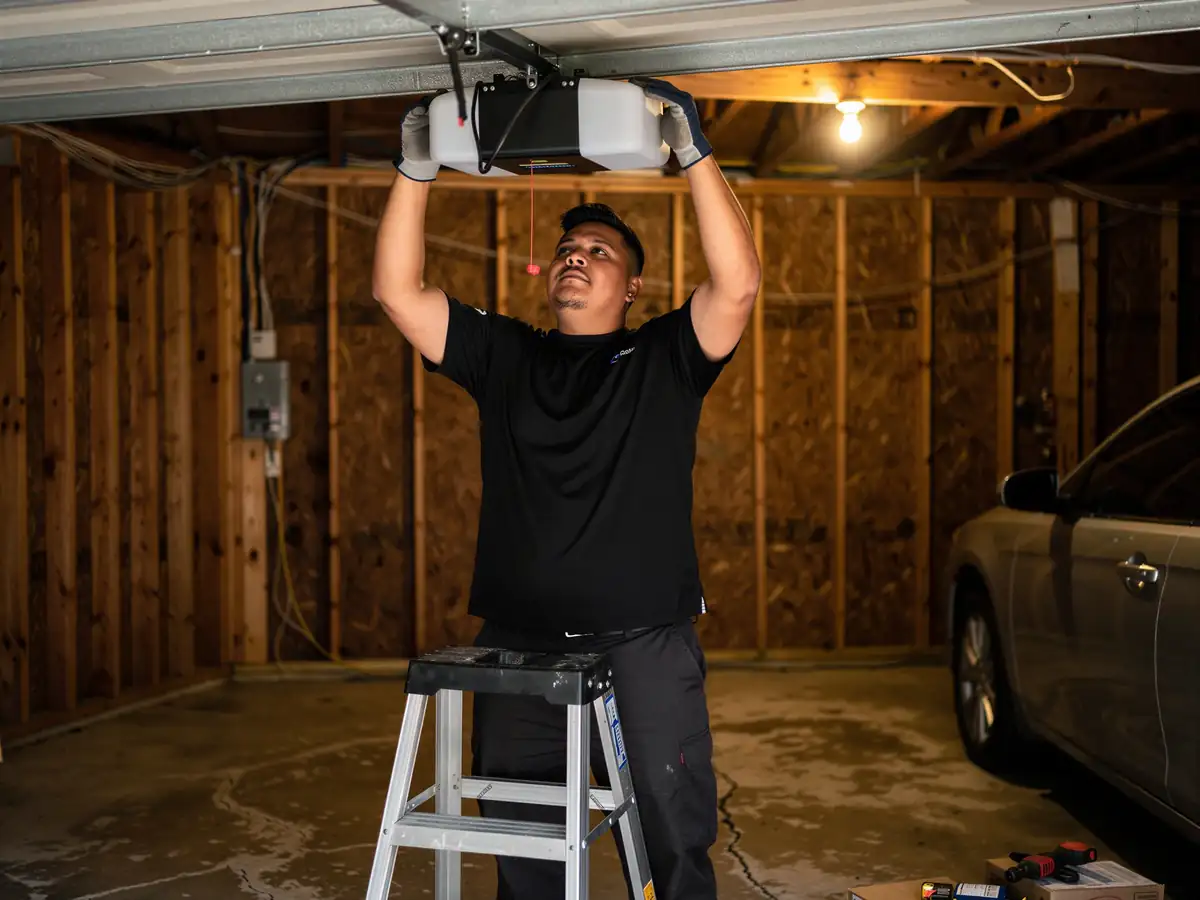
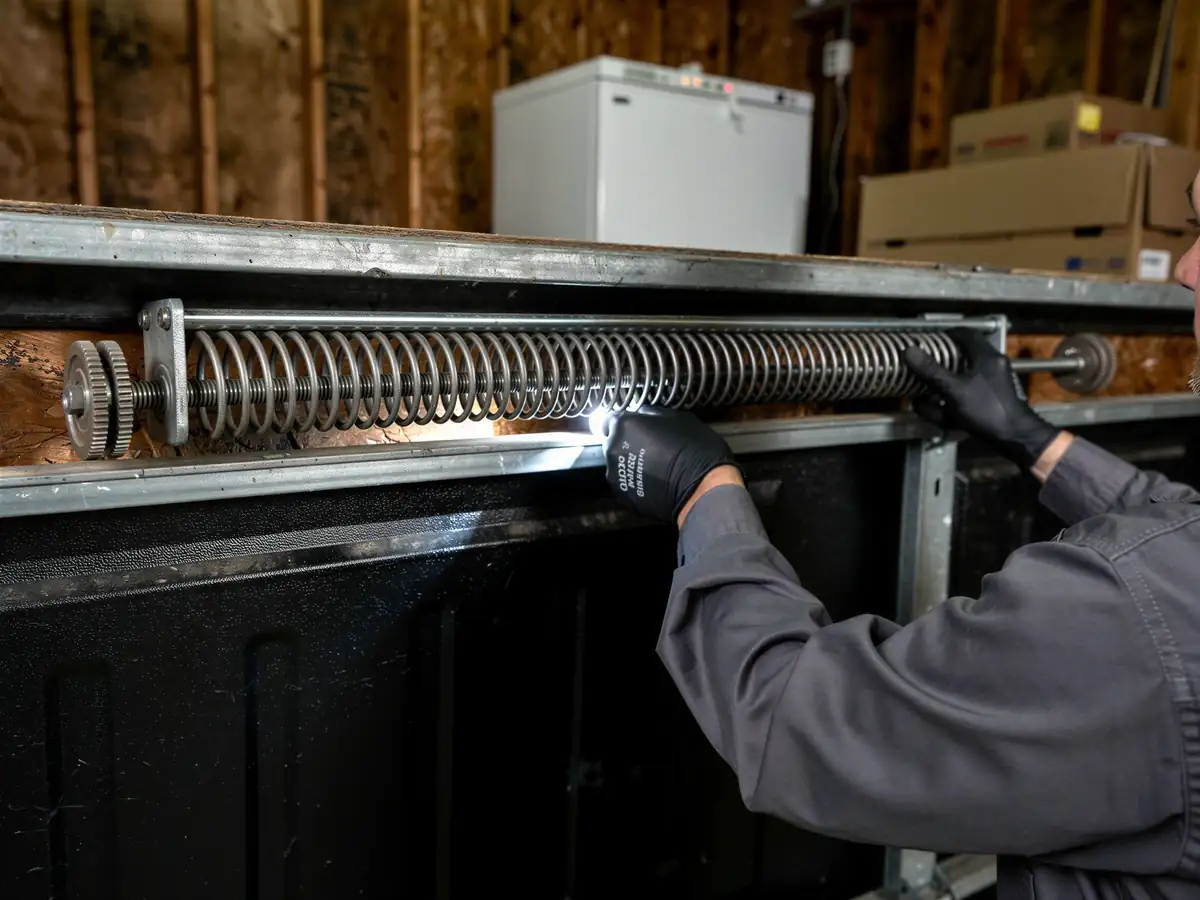
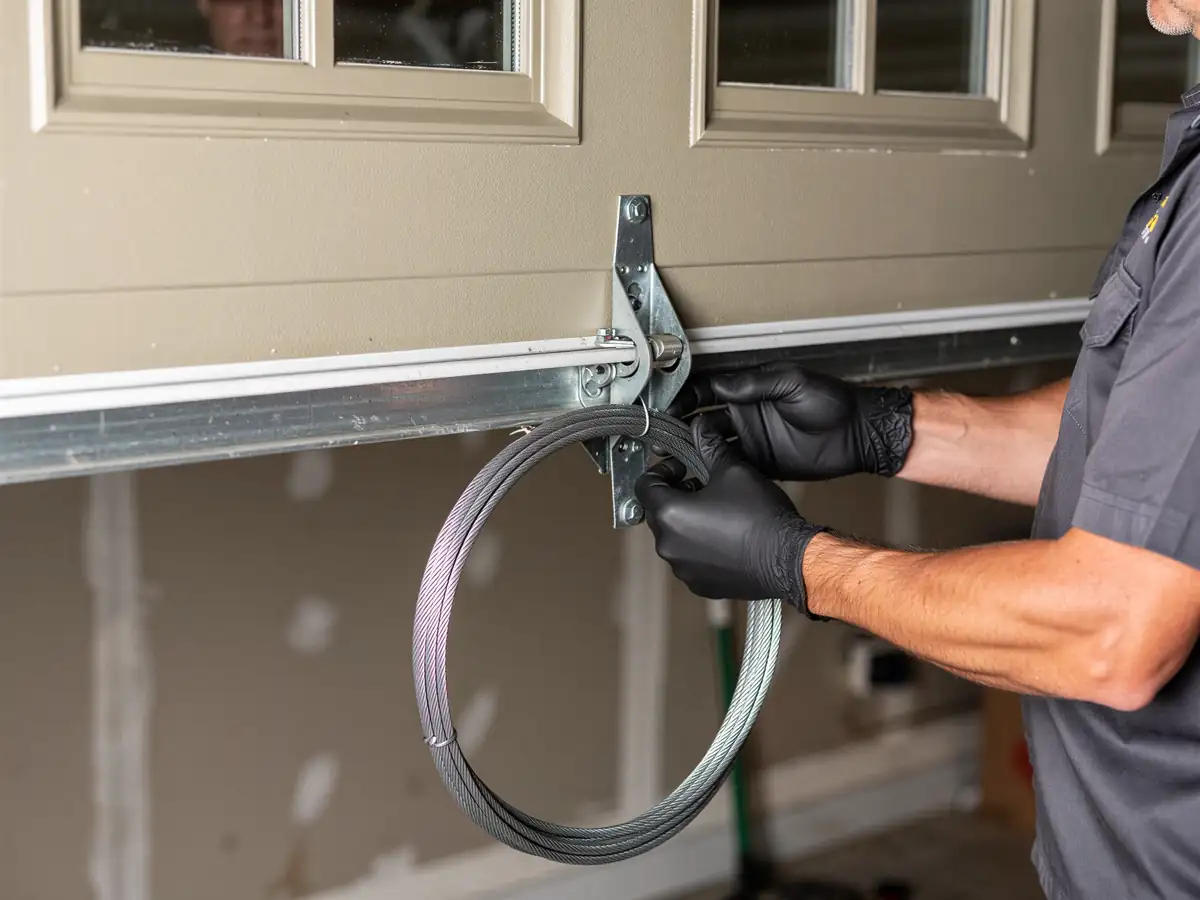
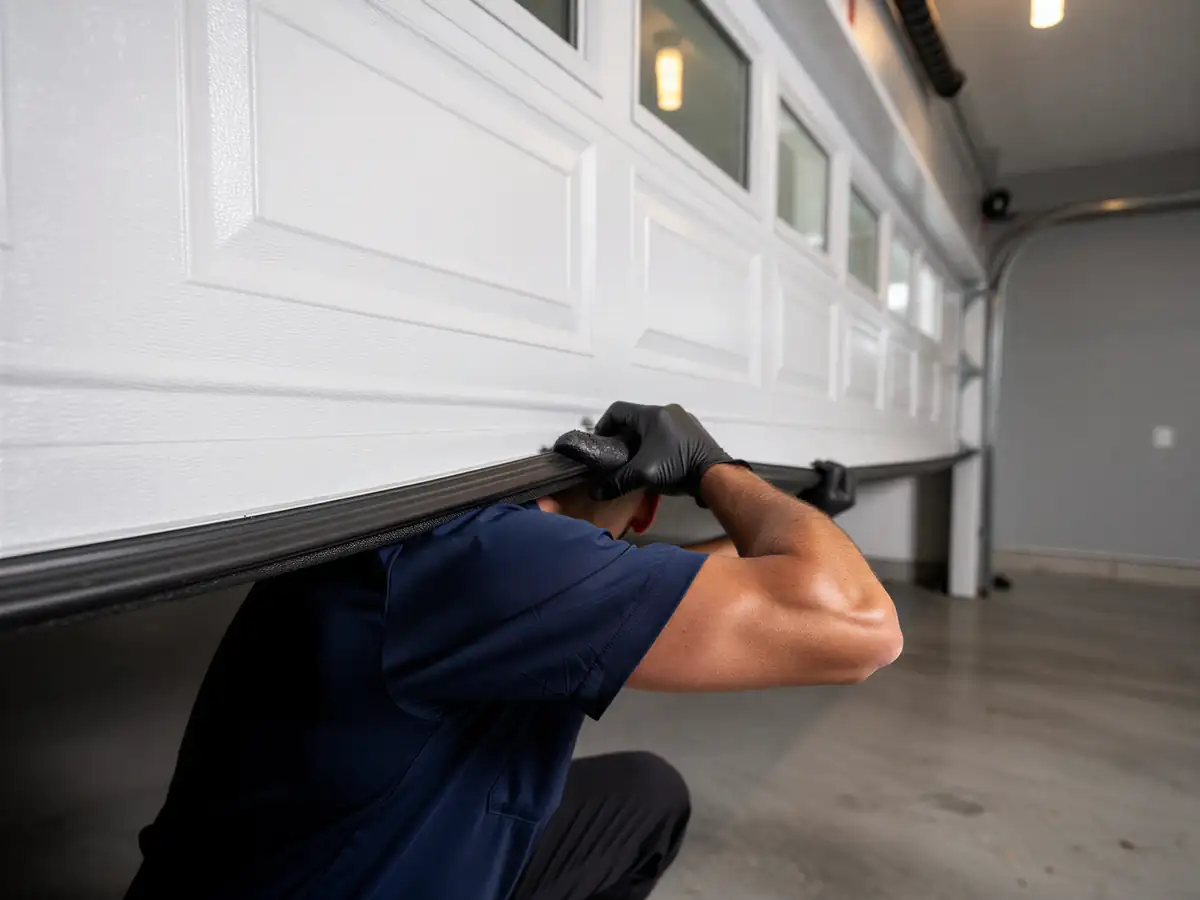
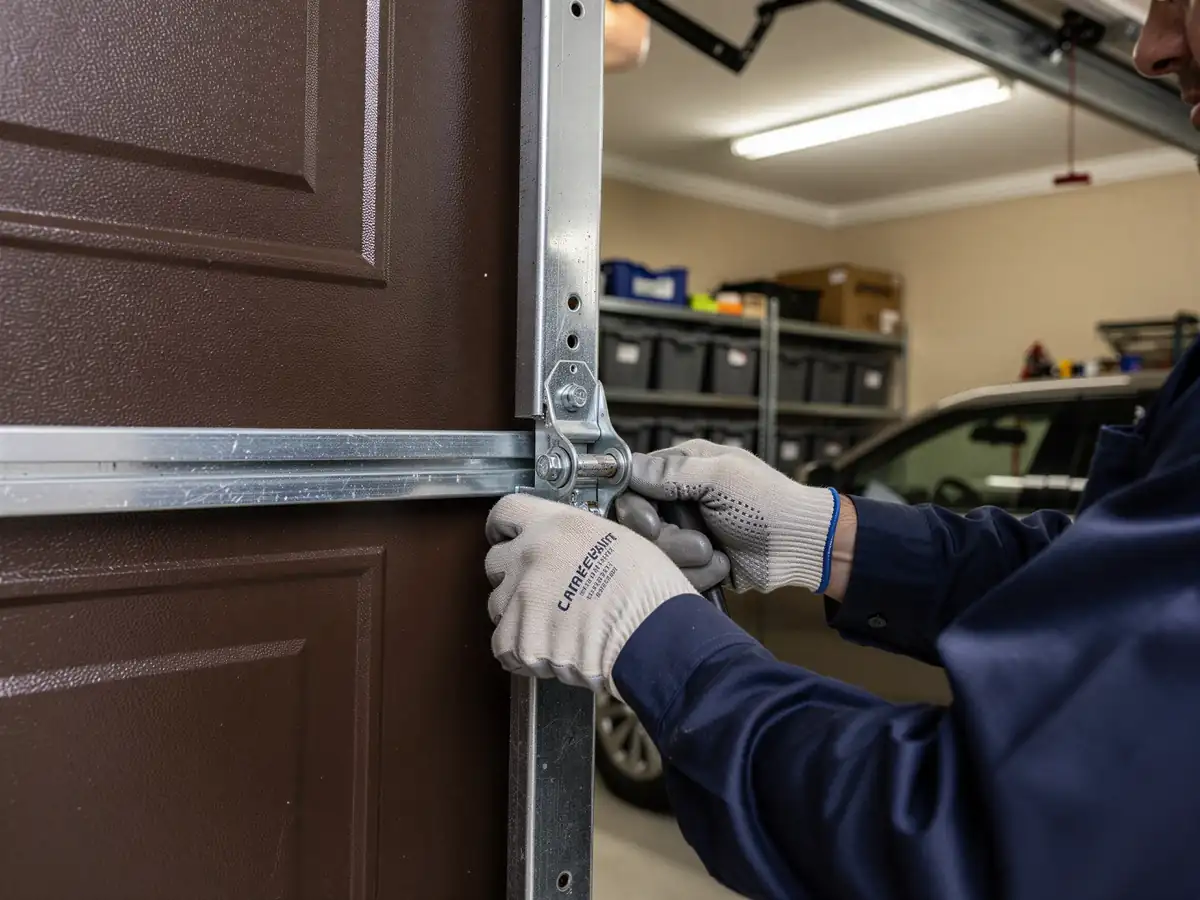
On a door from the 1969 era, the first job is figuring out whether the track and spring system are original or whether a prior owner swapped in newer parts that don't quite match the opening. We pull the door down to neutral, check spring tension, and look at the track alignment before touching anything electrical. A worn torsion spring or a seized roller on a door this age usually comes apart cleanly once the tension is off, but rusted-through brackets or warped track sections on original hardware sometimes mean replacing more than the single failed part. We tell you that before we start, not after. If the opener is a later add-on bolted to original door hardware, we also check that the travel limits and force settings match the actual weight of the panel, since a mismatch there is a common reason doors on older houses slam or reverse unexpectedly.
Getting It Booked In
We run this job out of Burleson, about 8 miles from Everman, so a call in the morning generally gets a tech out the same day rather than waiting on a local branch that doesn't exist. You can check which other parts of the area we cover on our service area page, and if what you actually need is a full door swap rather than a repair, that's handled on the Burleson repair page rather than here. When you call, it helps to know roughly how old the door is and whether it's ever had the springs replaced - on a house built close to 1969, that single detail tells us a lot about what we're driving out with.
How It Shows Up
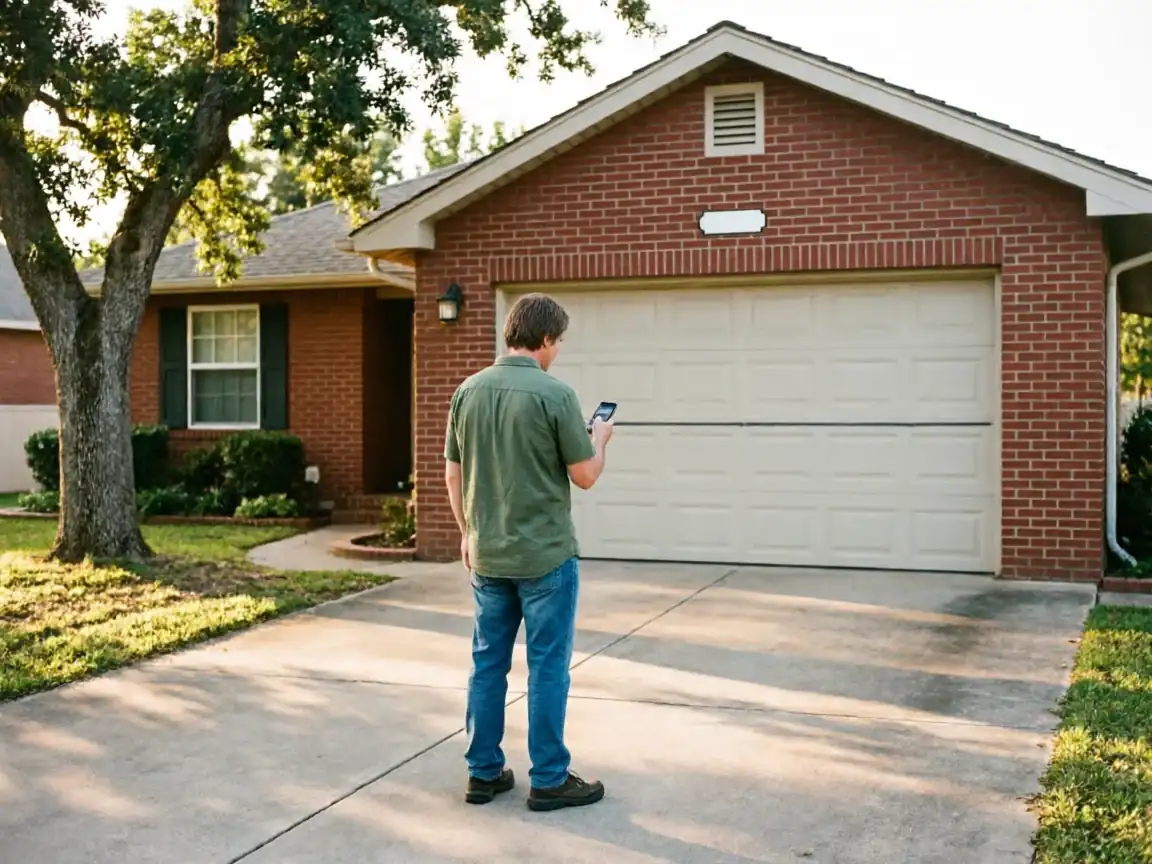
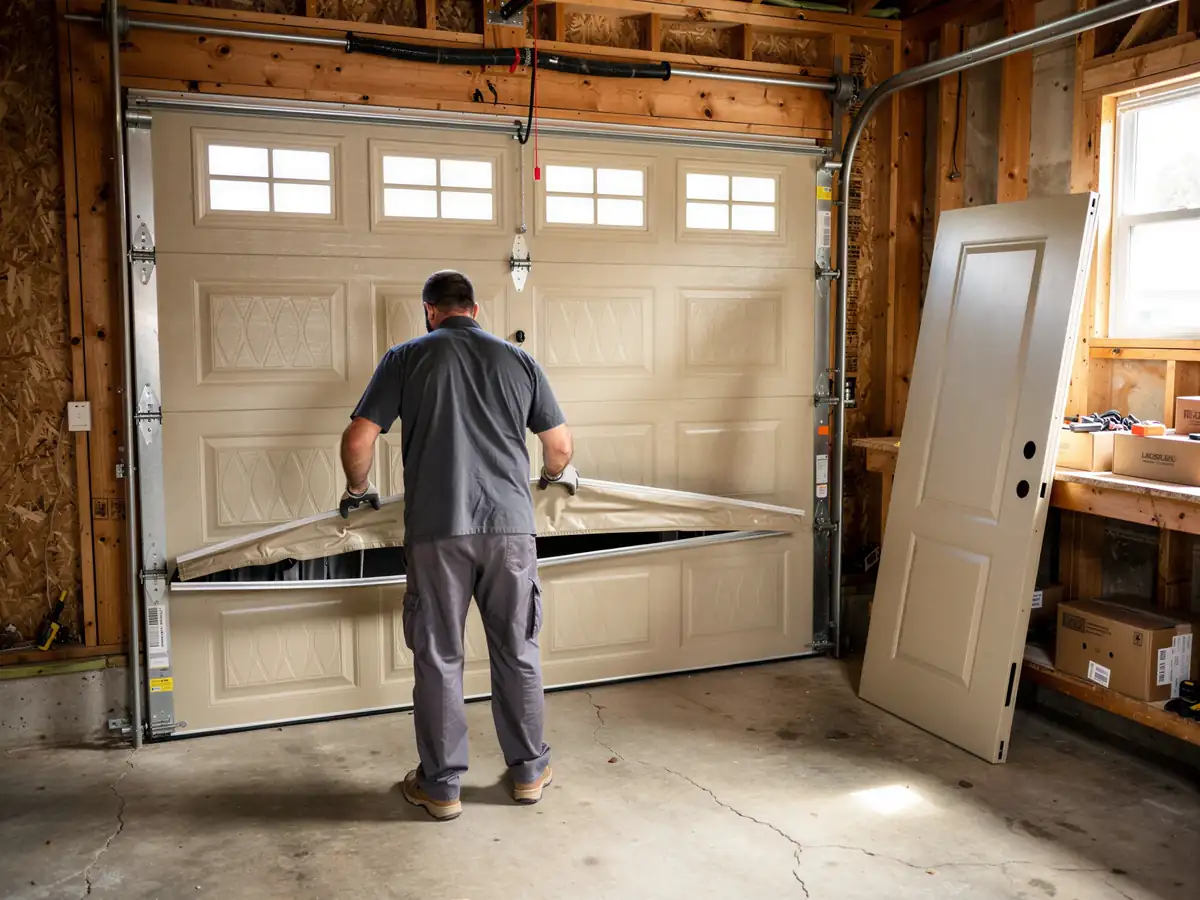
On houses from around 1969, the failure pattern tends to follow the hardware. A door that suddenly won't lift, or lifts a few inches and stops, is almost always a broken spring - original torsion springs from that era are well past their cycle life by now. A door that shudders or drags on one side points to a worn roller or a track that's pulled slightly out of alignment over decades of settling. If the opener strains and makes a grinding noise before the door moves, that's usually the opener compensating for a spring that's lost tension rather than an opener problem at all. We've seen all three on the same door more than once in this part of the service area, which is part of why we check the whole system rather than just replacing the part that failed first.