Parts We Carry
Everman's housing stock skews older than most of the towns we cover out of Burleson
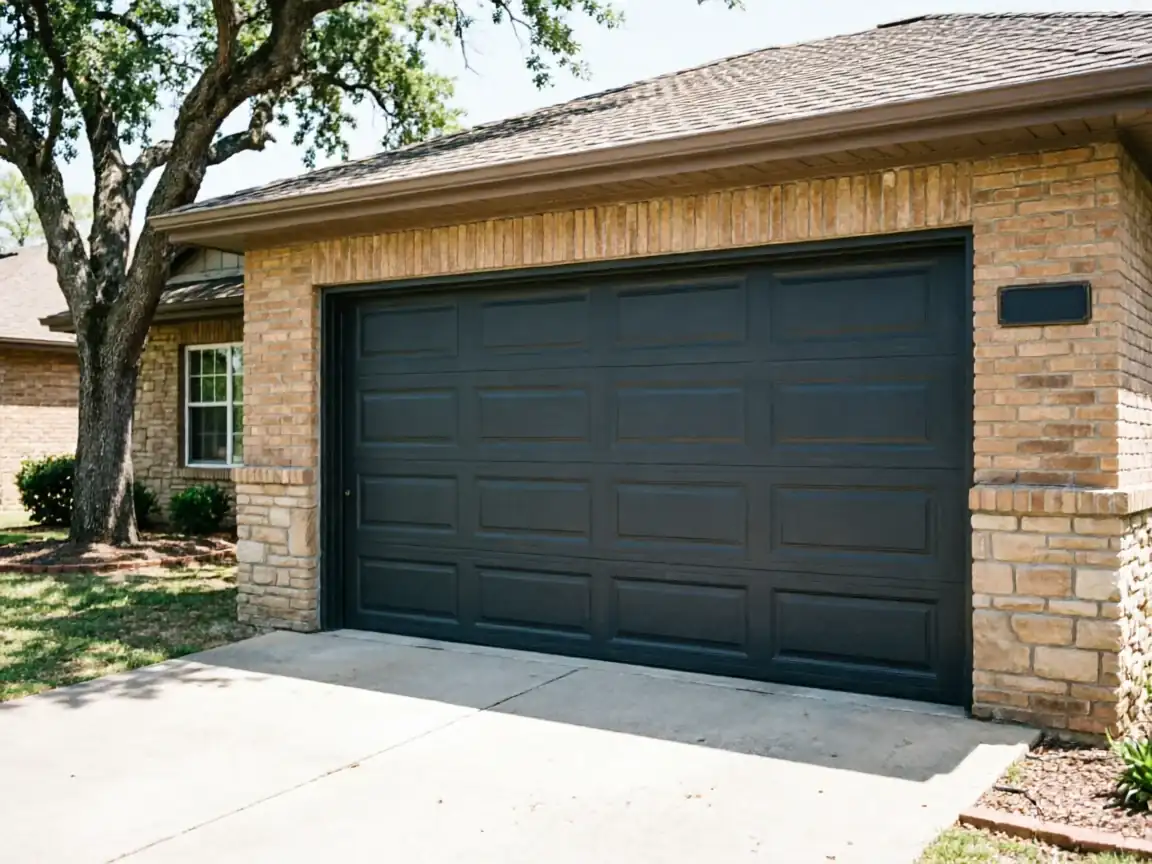
The median build year here lands around 1969, well ahead of the 1986 median across the wider service area. That matters for panels because doors from that era were almost always steel sectional, often in narrower panel heights than what's sold new today. A lot of them never got insulation, which means the panel itself is a thinner gauge than a 2000s door and dents or buckles differently when a car clips it or a kid backs a bike into it.
We carry common panel widths and the hardware that goes with them
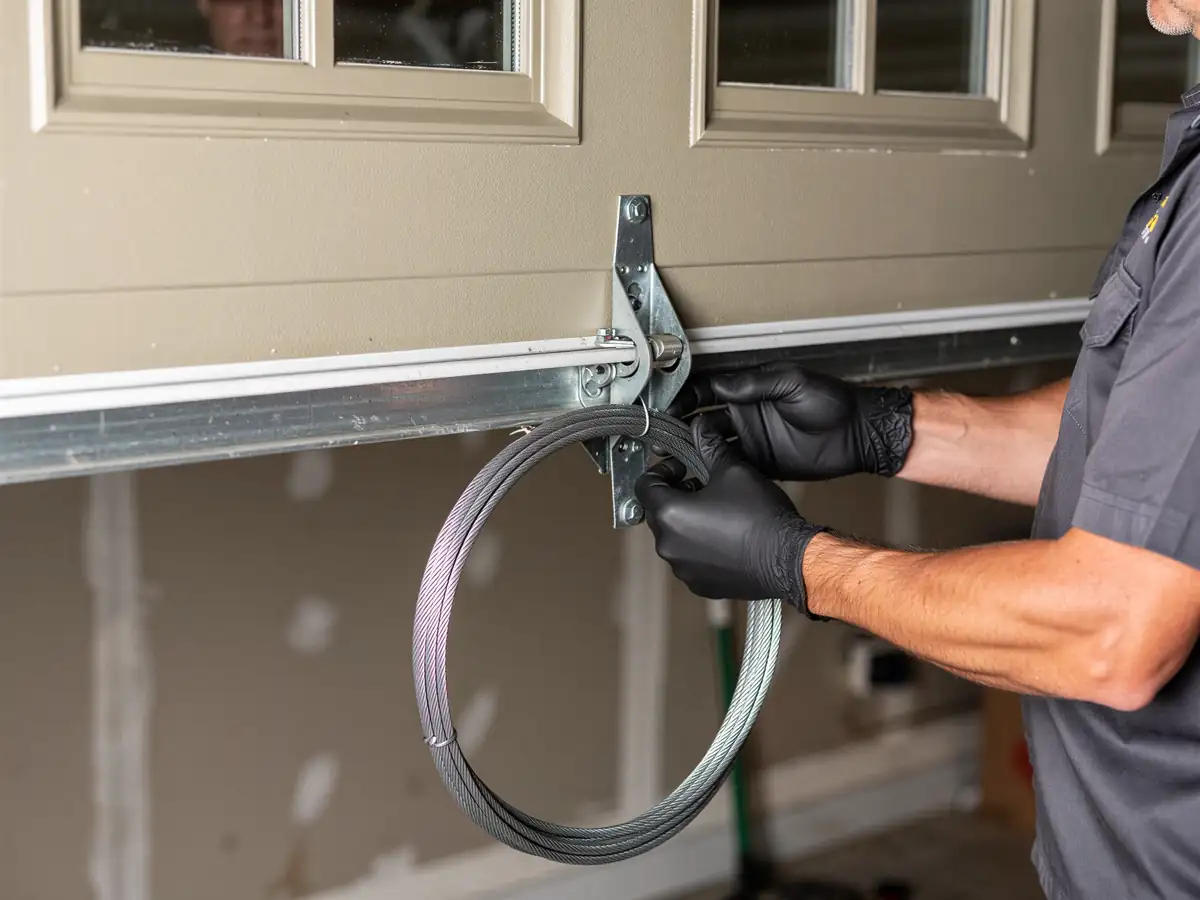
Hinges, end caps, the fasteners specific to older track profiles. What we don't always have on the truck is an exact color or rib pattern match for a door that old. If your door was painted or faded over fifty-plus years, we'll tell you straight whether a new panel will stand out next to the old ones, rather than promise a seamless match we can't deliver.
What the Repair Takes
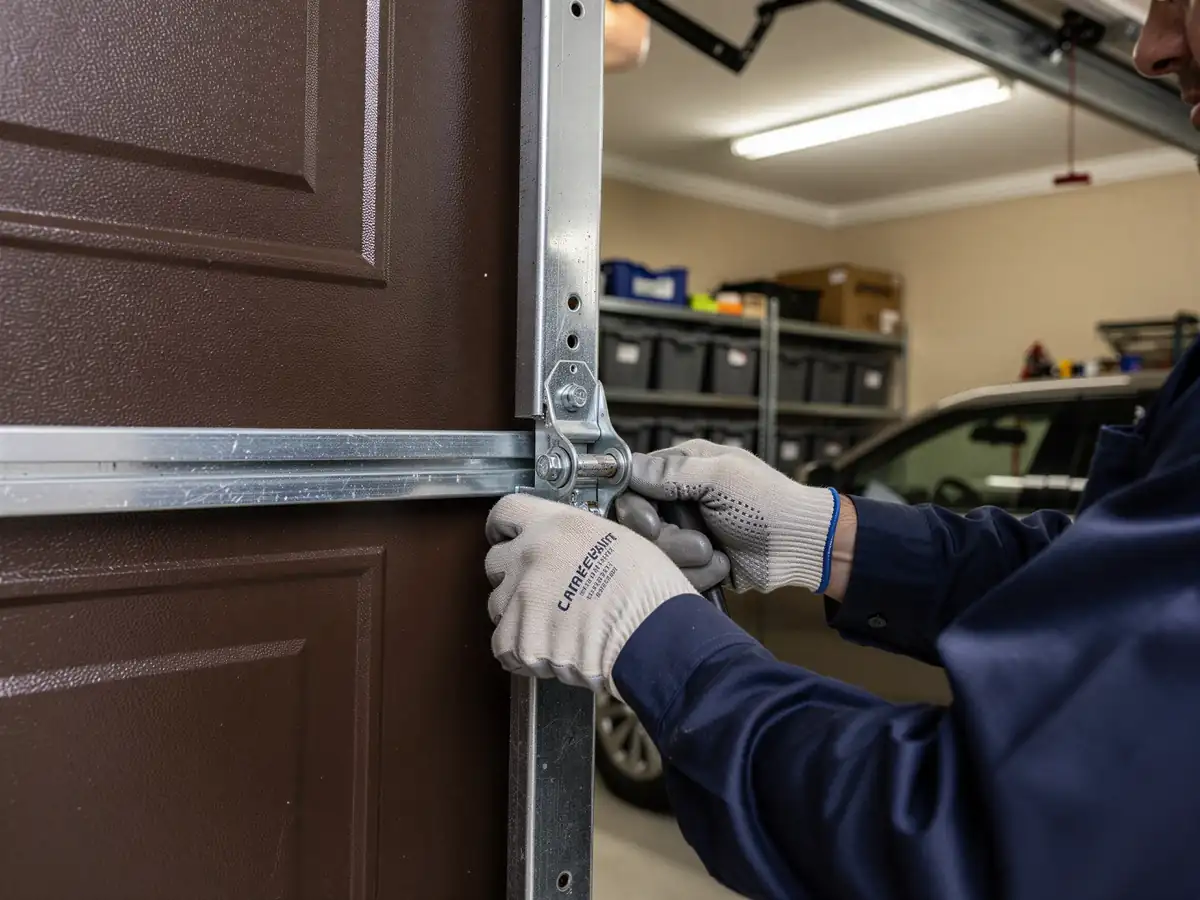
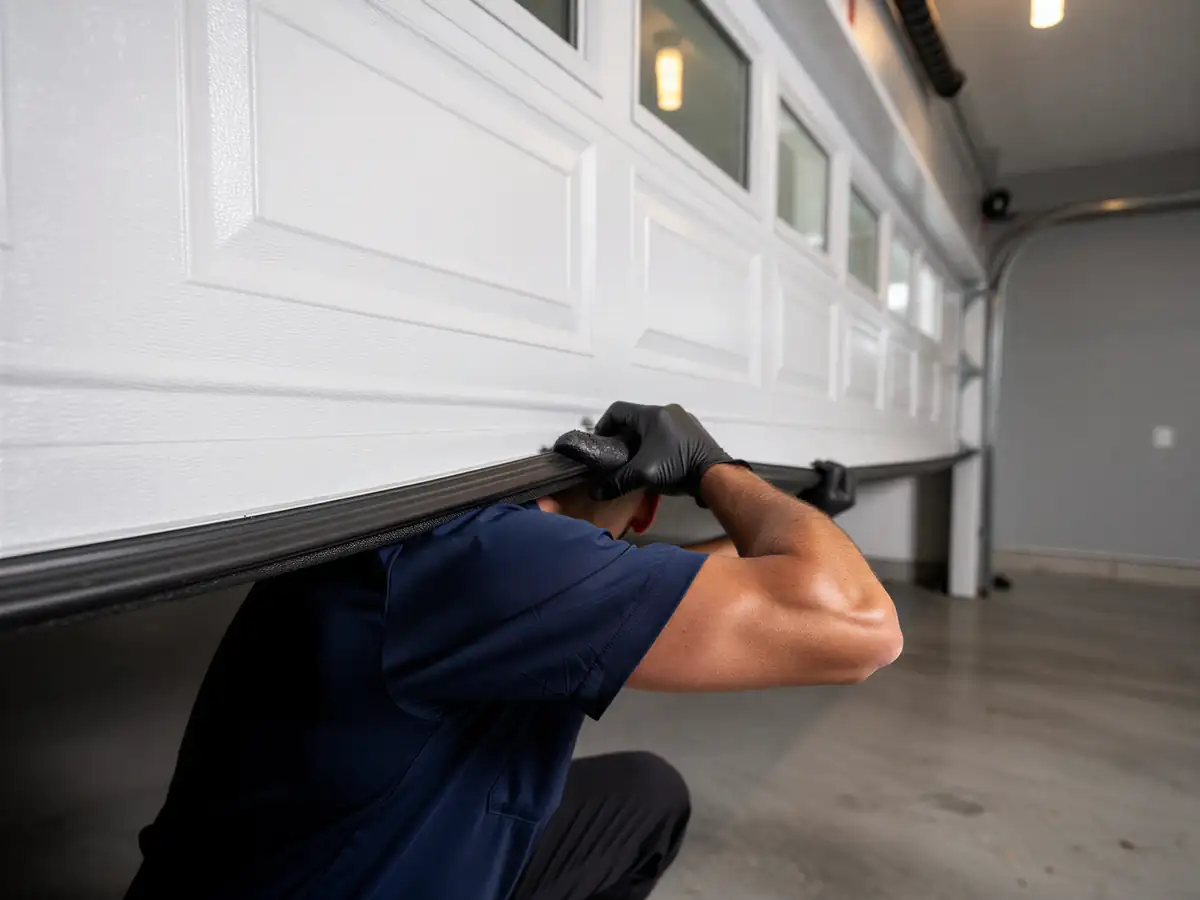
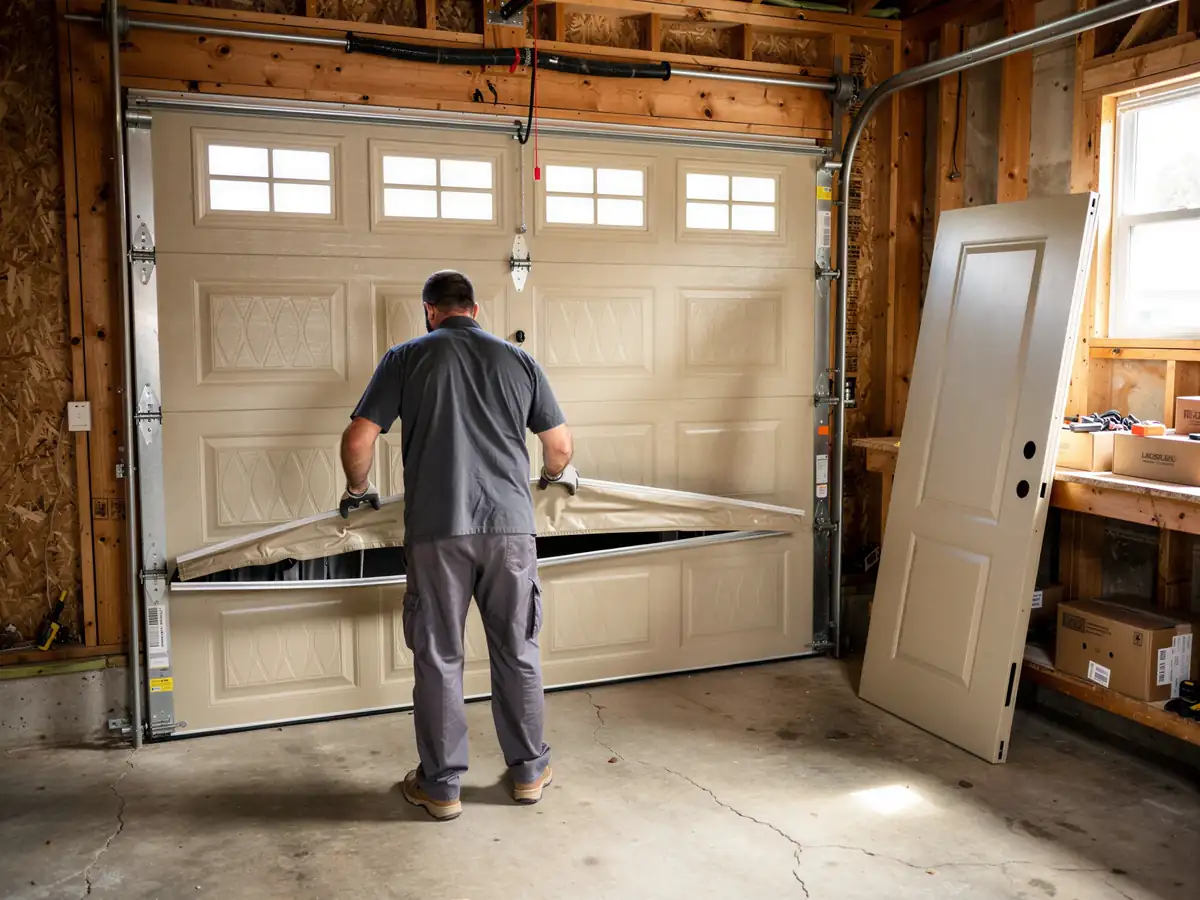
Swapping a single damaged panel on a sectional door isn't a full teardown. We pull the door off its track just enough to free the damaged section, disconnect the hinges on either side, and set the new panel in. On a door built when Everman's housing was mostly going up - the late 1960s through the 1970s - the panel sections tend to be shorter and the hinge spacing different from a modern door, so we're matching to what's actually on the house rather than swapping in a generic kit.
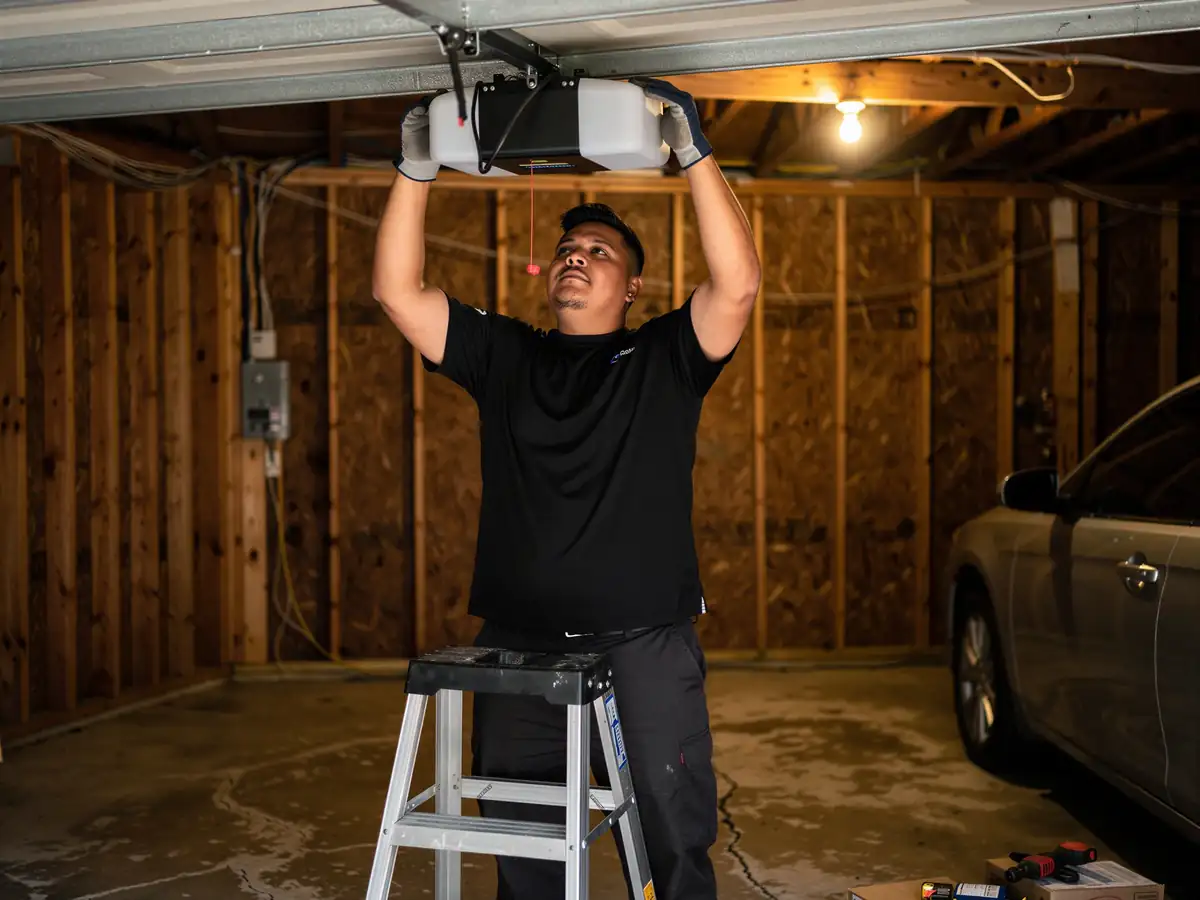
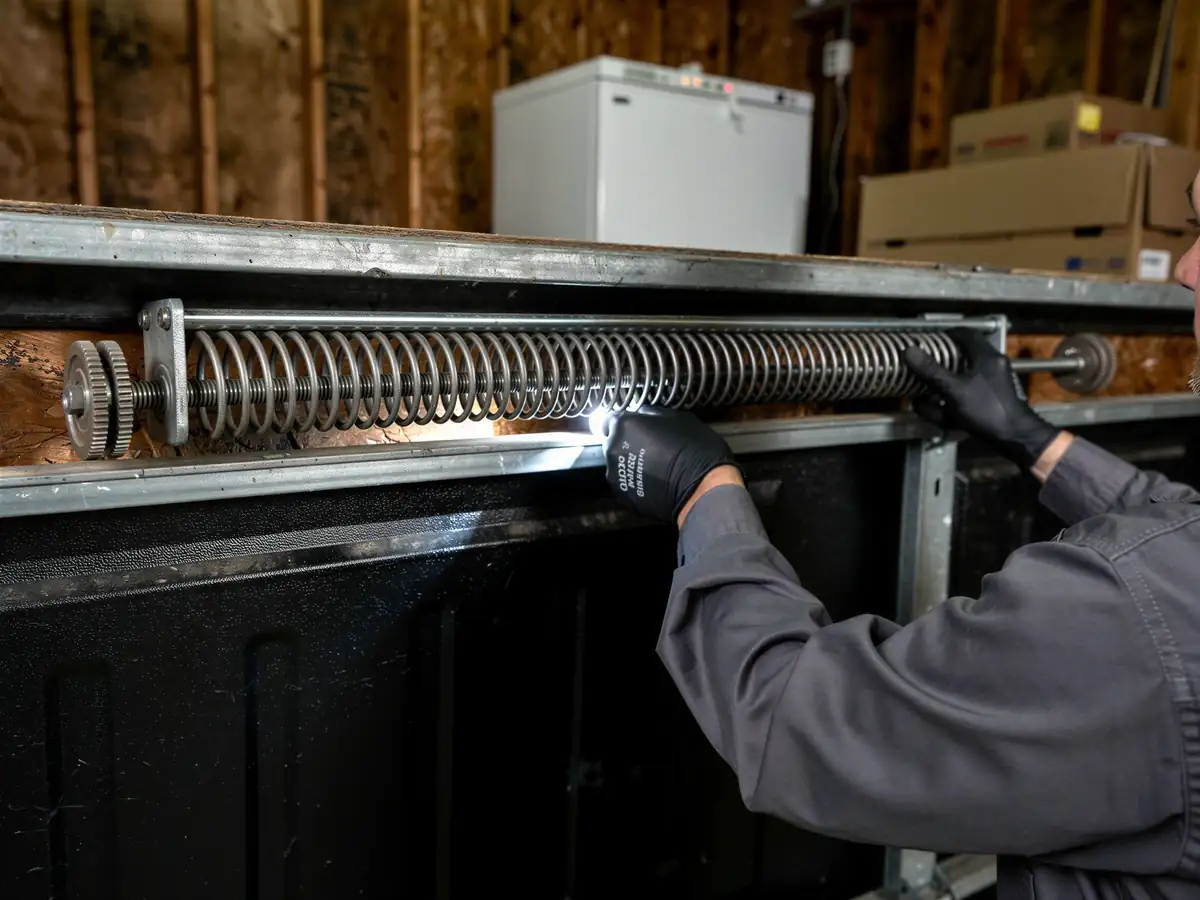
If the track or rollers have worn unevenly from decades of use, we check those while the door is apart, since a panel swap on bad rollers just shifts the next failure a few months down the road. Springs and opener are a separate job and we won't bundle work you didn't ask for into a panel call.
Getting It Booked In
We run this job out of Burleson, about 8 miles from Everman, so there's no separate branch here and no local crew sitting idle waiting on a call. A panel swap gets scheduled like any other job on the route - we confirm the panel width and door brand over the phone or from a photo, load the part if we've got it in stock, and drive out.
If your panel size or color is unusual for a door this old, we may need a day to source it before we come out, rather than show up and discover it doesn't fit. That's a scheduling step, not a delay we're hiding - we'd rather tell you upfront than reschedule on your driveway.
How Long You Are Without the Door
A single panel swap on a door that's otherwise sound is usually a same-visit job once the part is on the truck
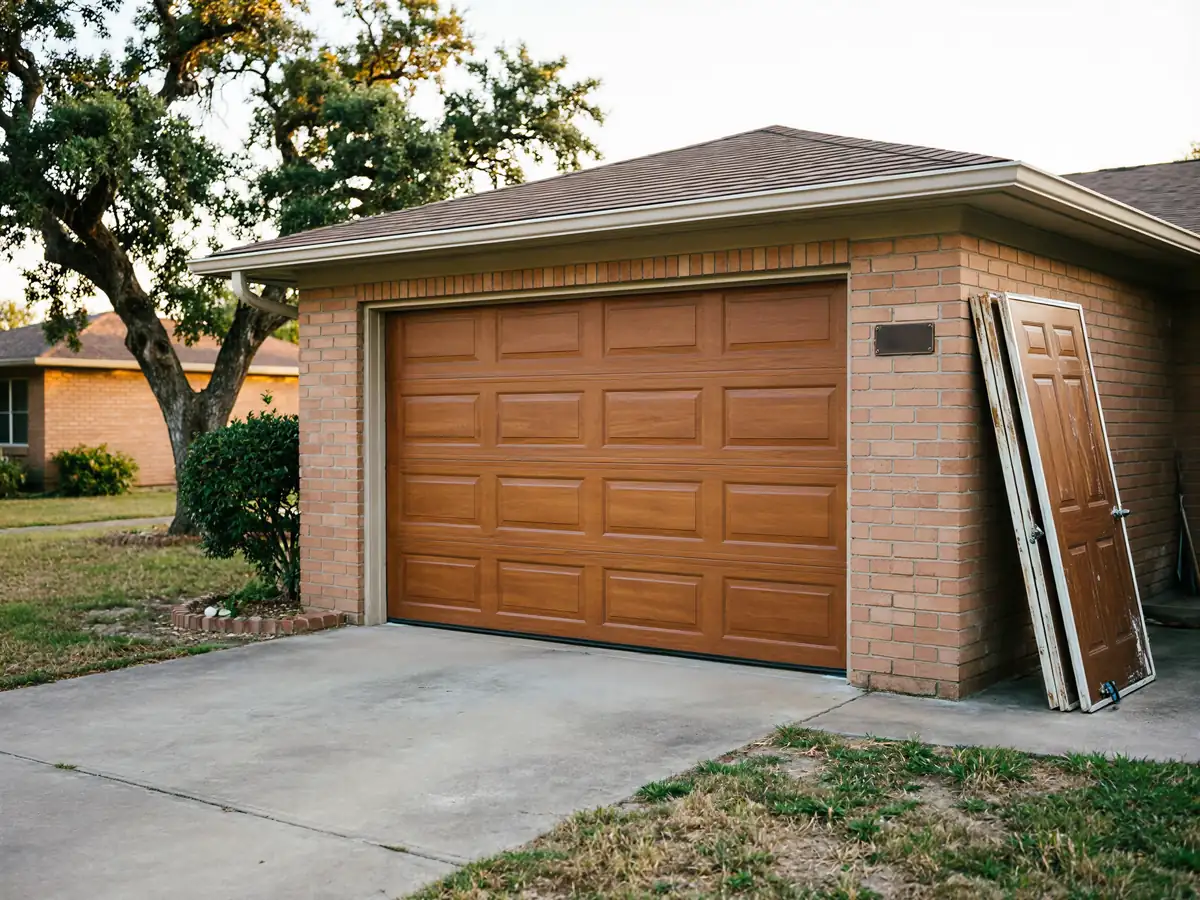
Where it stretches out is matching: with roughly 2,188 households in Everman and a housing stock built mostly decades before current door lines, the odds that your exact panel profile is sitting in a warehouse nearby are lower than in a newer subdivision. If we have to order the panel, the door is usable but cosmetically mismatched in the meantime - it still opens and closes, it just has a visible repair until the part arrives.
- 2,188 households
We'll give you a straight answer on whether that wait is worth it versus a full door swap
Especially if the rest of the panels are also showing their age.
How It Shows Up
Most panel damage we see on older Everman doors is from the obvious stuff - a bumper, a trailer hitch, a basketball - but we also see panels that have simply fatigued. Steel that's been flexing in and out of a track for fifty years starts to bow along the bottom edge even without a single impact, especially on doors that were never insulated and take the full swing of temperature without a foam core to brace them.
With household incomes in Everman running lower than some of the surrounding towns we cover, we try to be upfront early about whether a panel repair makes financial sense versus letting the whole door go at once - sinking money into matching parts for a forty-plus-year-old door isn't always the better call, and we'd rather say that than sell a patch job that doesn't hold.