What the Repair Takes
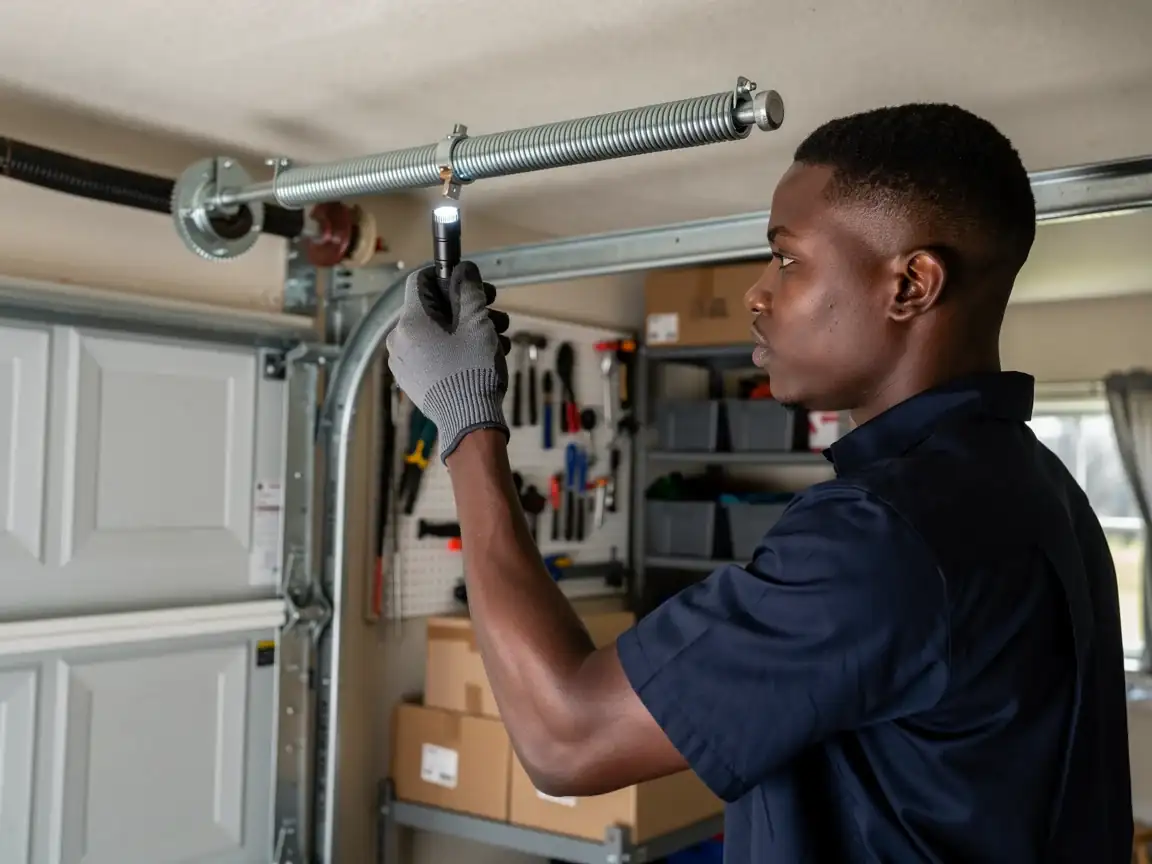
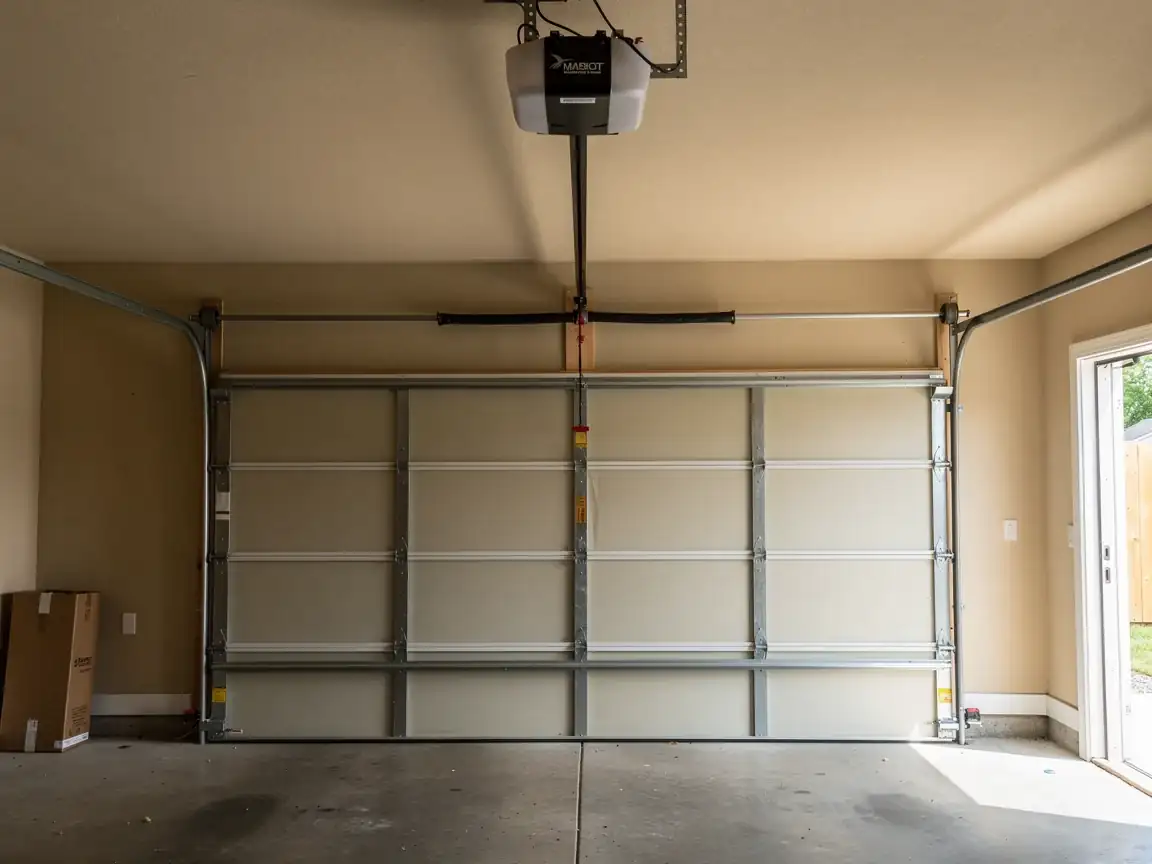
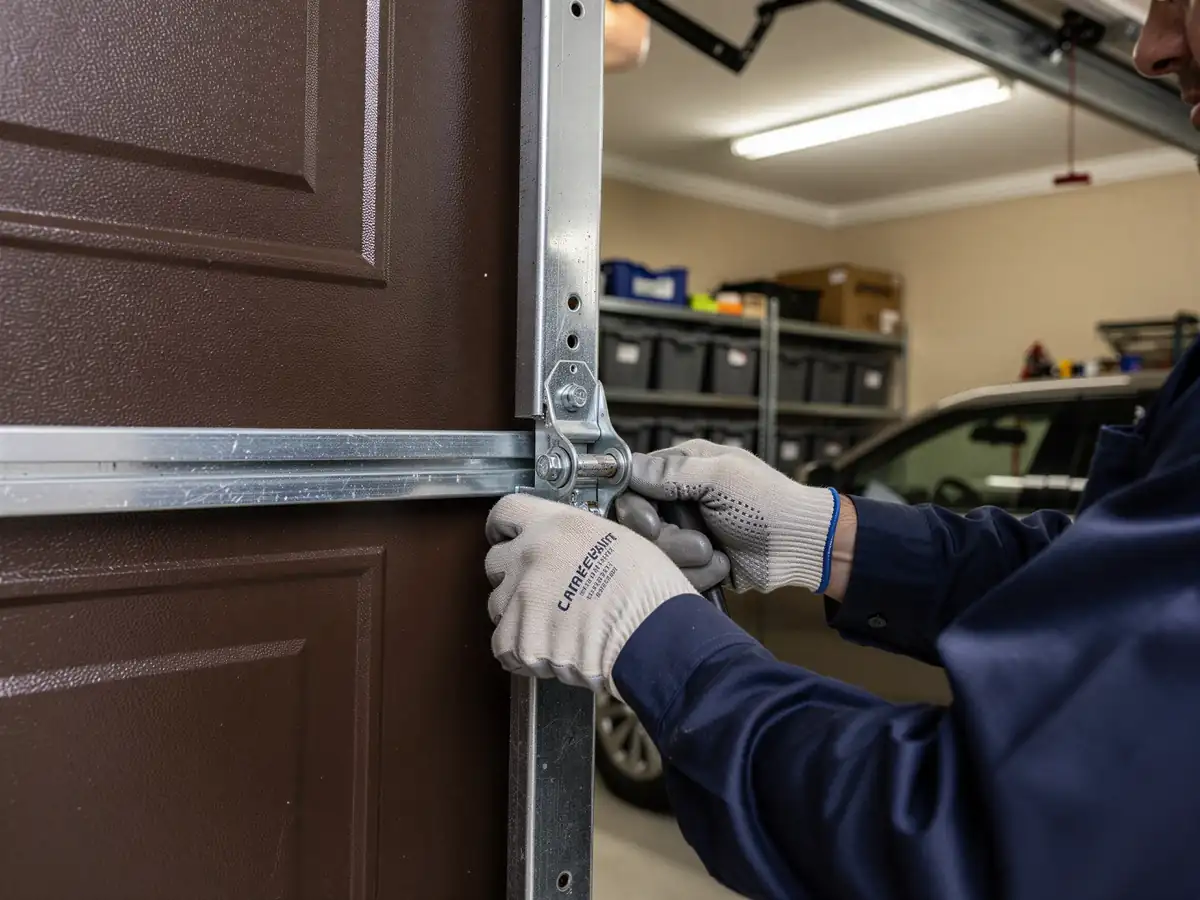
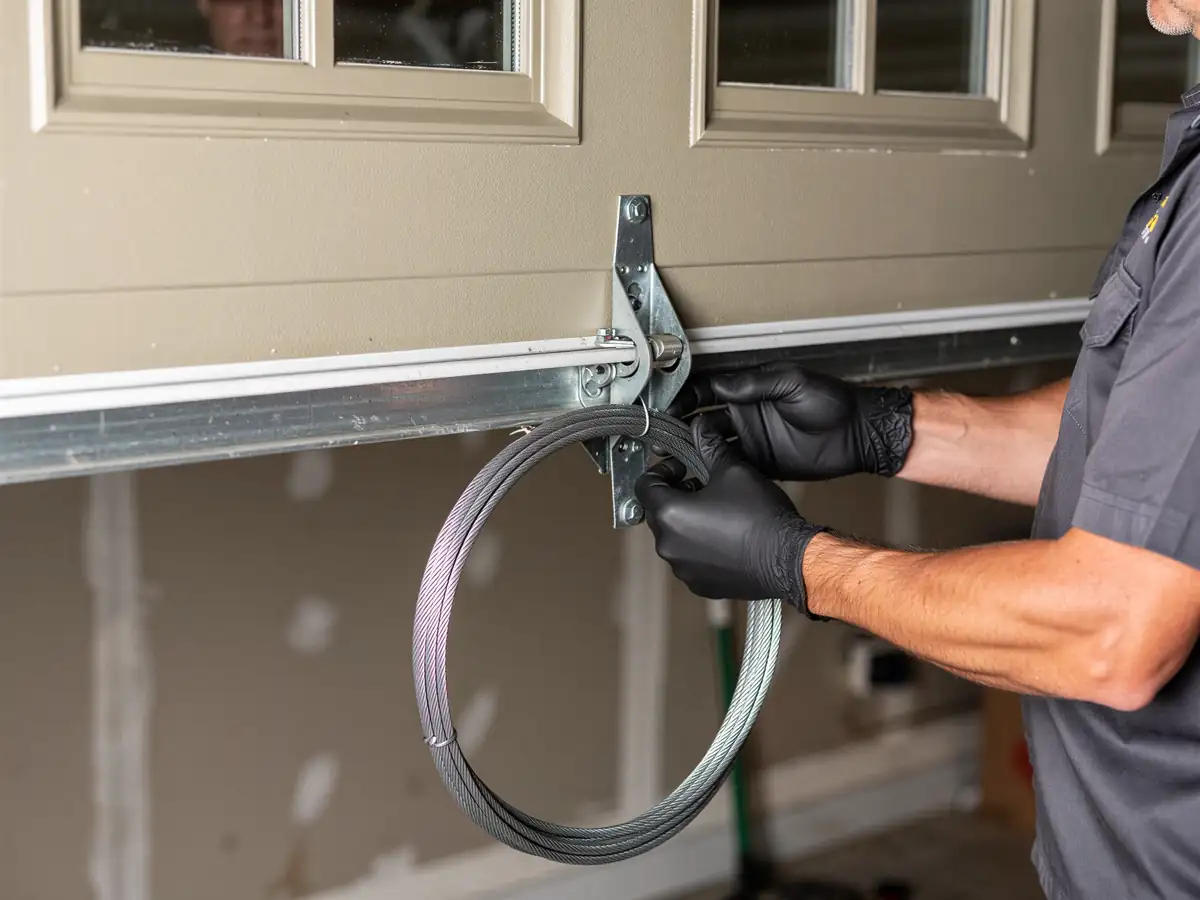
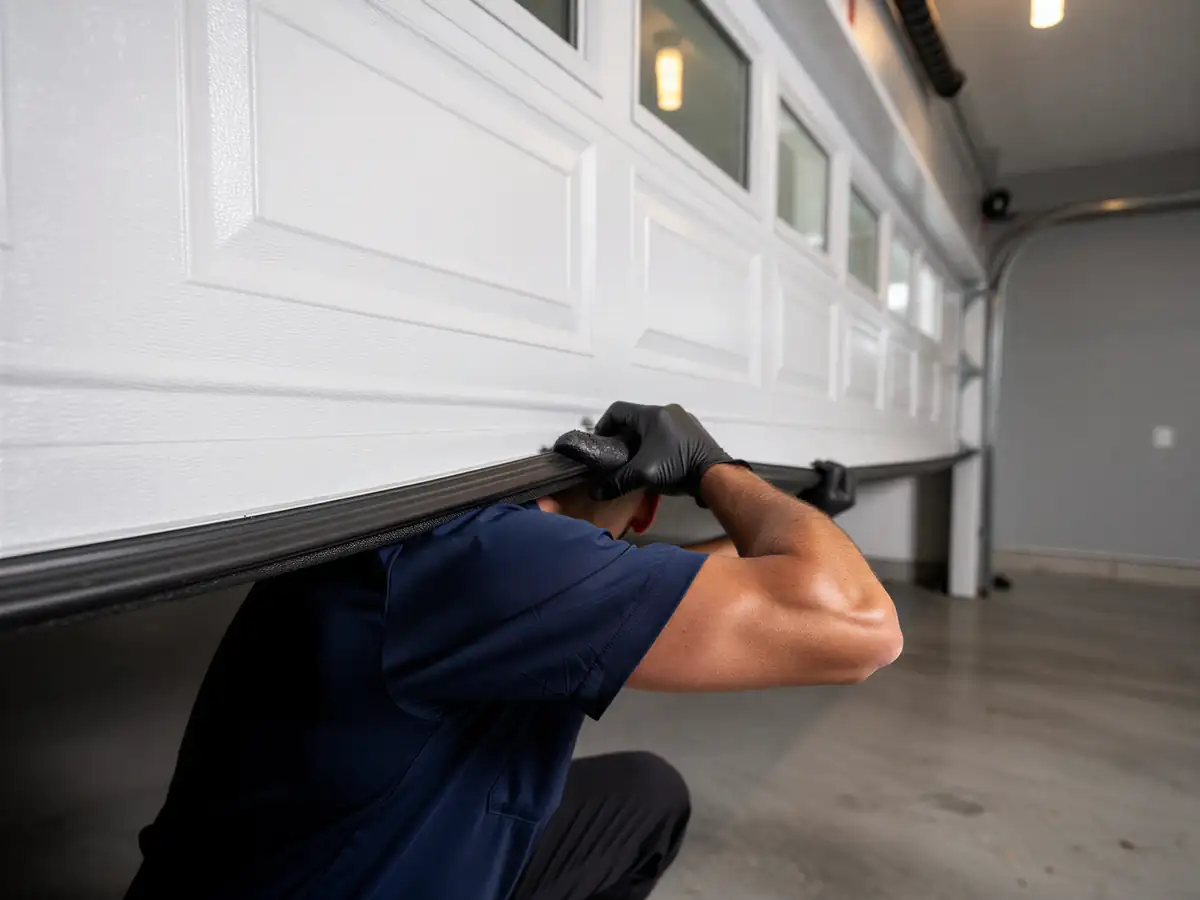
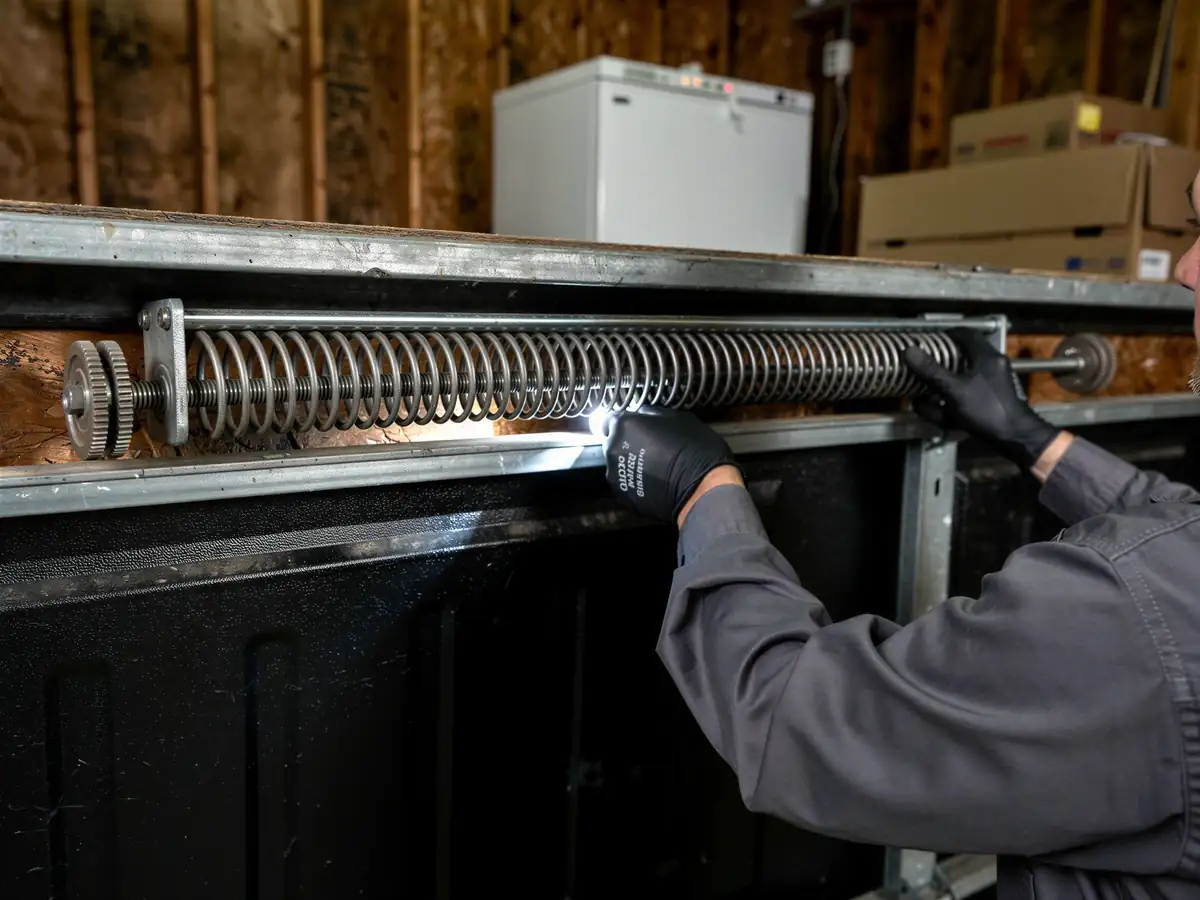
On a house built around 1969, the spring is rarely the only thing that's original. The bottom brackets, the center bearing plate, and sometimes the cable drums are too, and once we're in there replacing a broken spring we check those at the same time, because the labor to get back in later costs more than doing it once. A torsion spring swap on a standard door runs through disconnecting the opener, clamping the shaft, pulling the old spring, winding the new one to the correct turns for the door weight, and testing balance by hand before we ever plug the opener back in. If the drums or bearing are worn past safe use, we say so and price that separately rather than bolt a new spring onto bad hardware.
Getting It Booked In
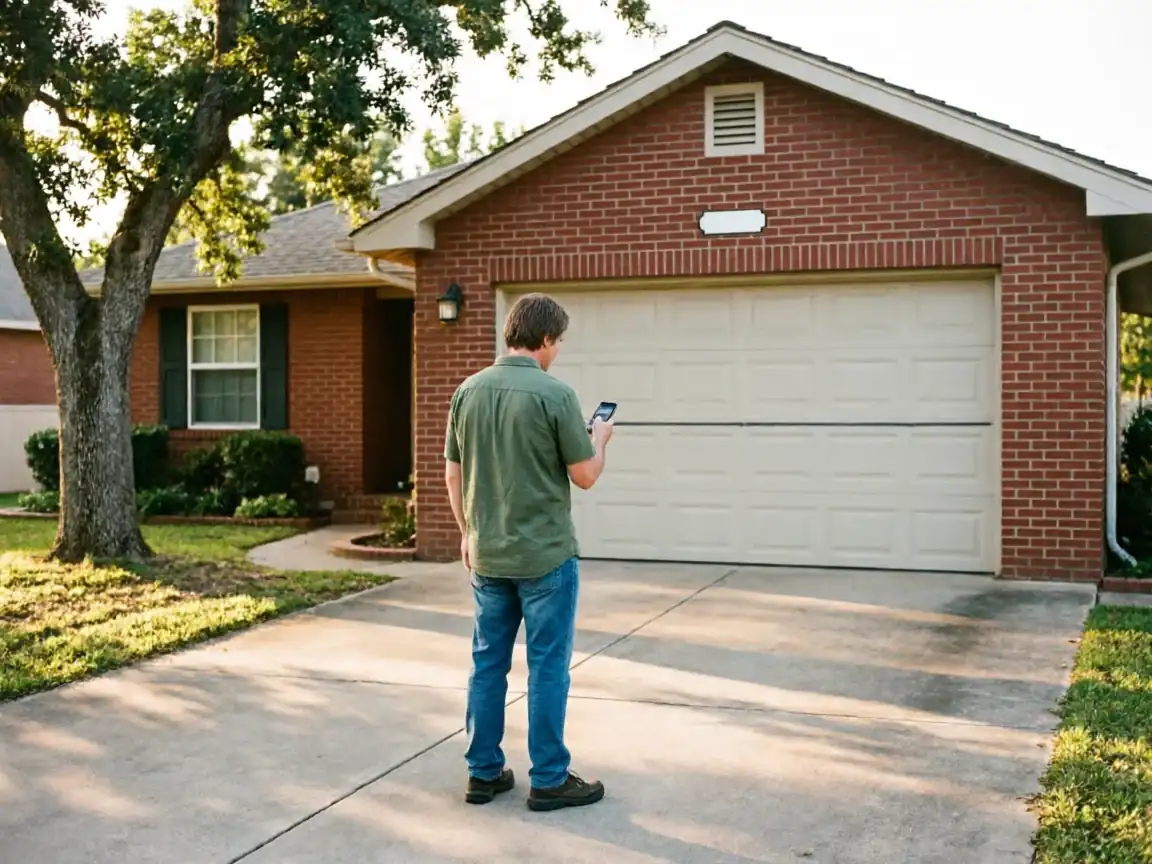
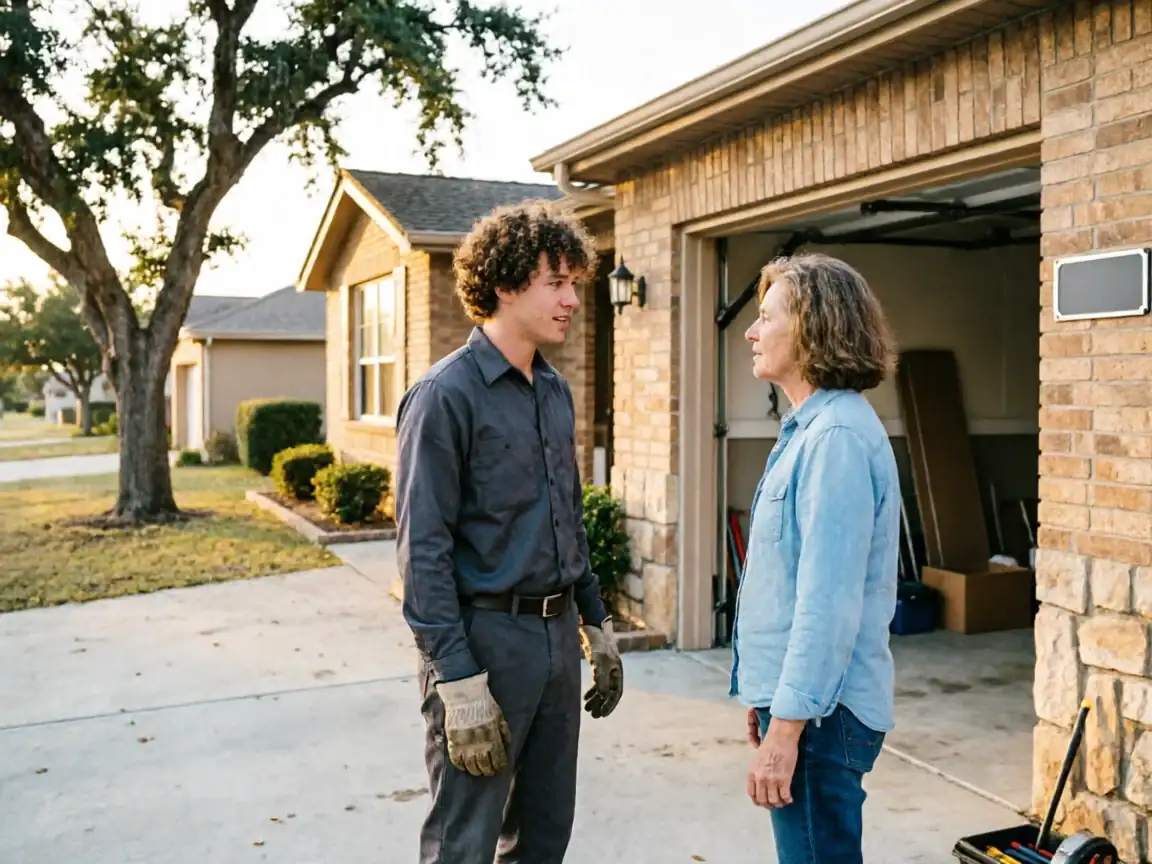
We run this job out of Burleson, about 8 miles from Everman, so there's no local branch to call - just a truck that comes out. When you call, tell us the door's rough age (if it's from the original build, say so) and whether it's torsion or extension, if you can see it. That's enough for us to load the right spring sizes before we leave. Everman's roughly 2,188 households skew toward the older end of what we service, so a lot of these calls are the same fault: a torsion spring that simply reached the end of its cycle life decades after the house was built.
How It Shows Up
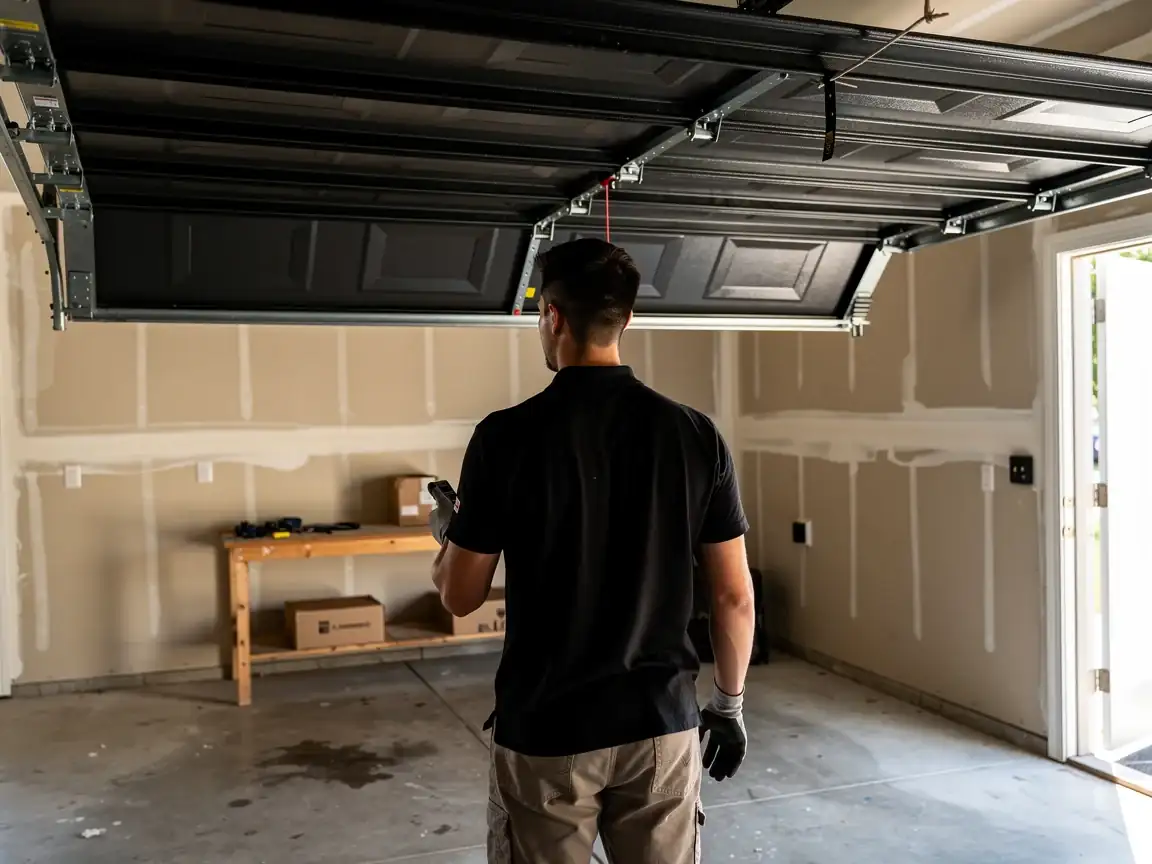
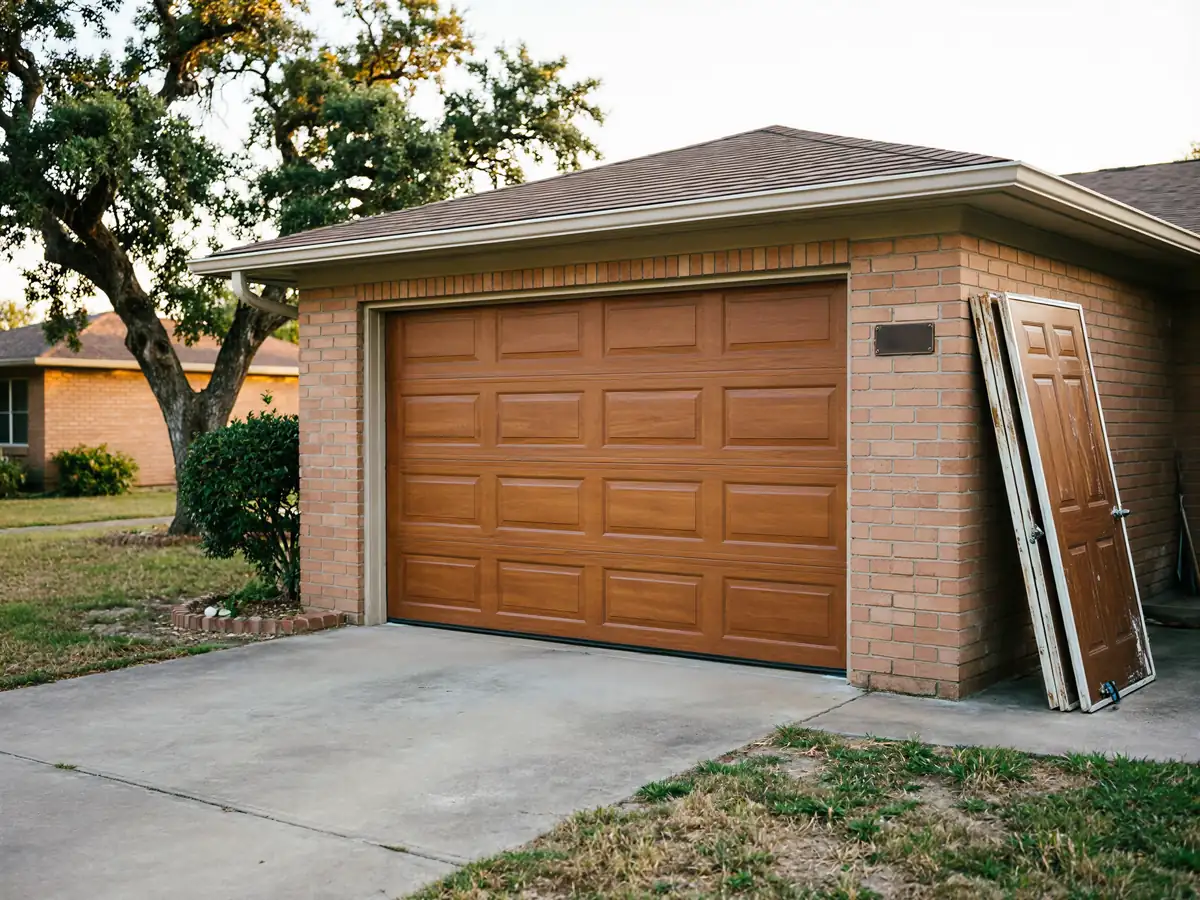
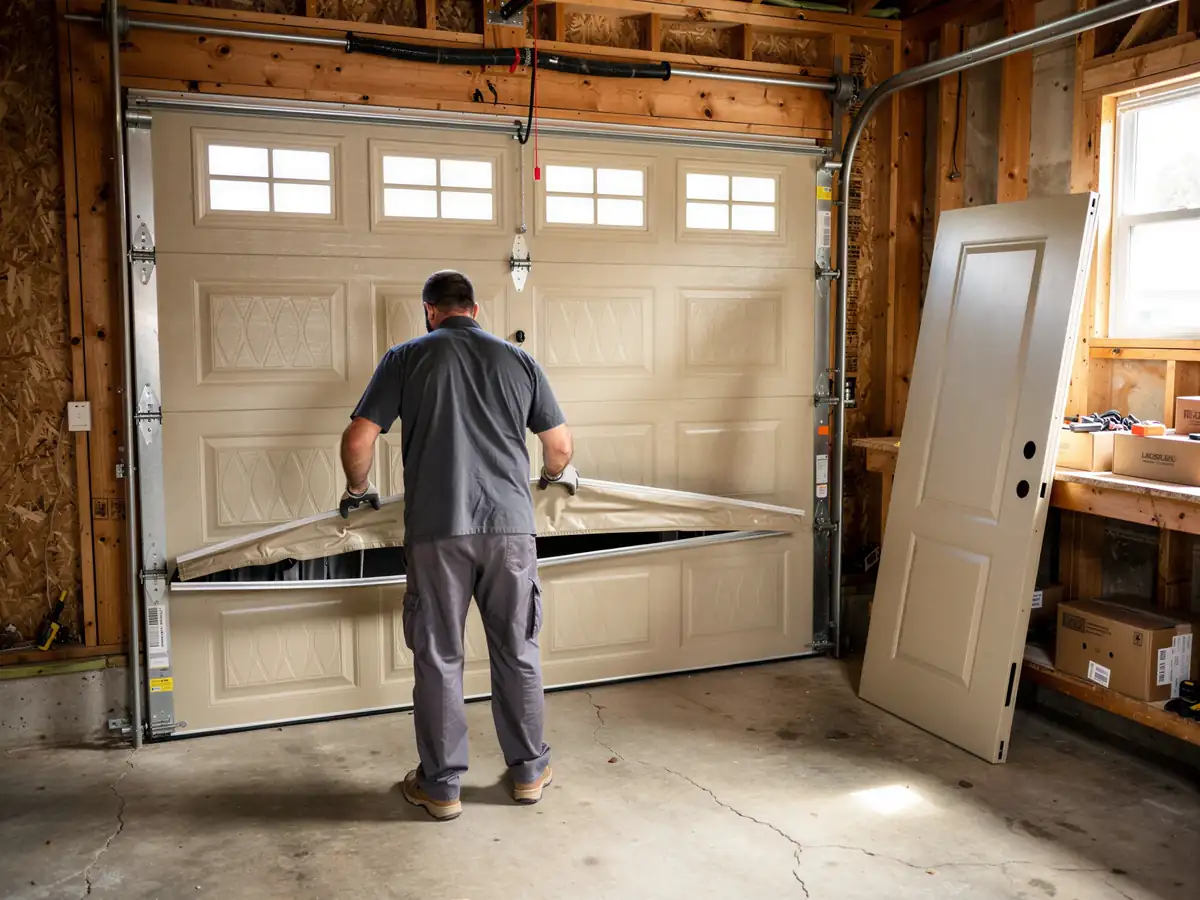
The failure pattern on Everman's older doors tends to be sudden rather than gradual: the spring lets go on a cold morning lift, or a cable slips off a worn drum. With median household income here at $60,068, a fair number of these calls are about getting the door back to safe use without pushing into a full replacement the budget doesn't need yet. A broken spring doesn't always mean a new door - on a sound panel and track, a spring swap on original hardware from 1969 is often the whole job.