What the Repair Takes
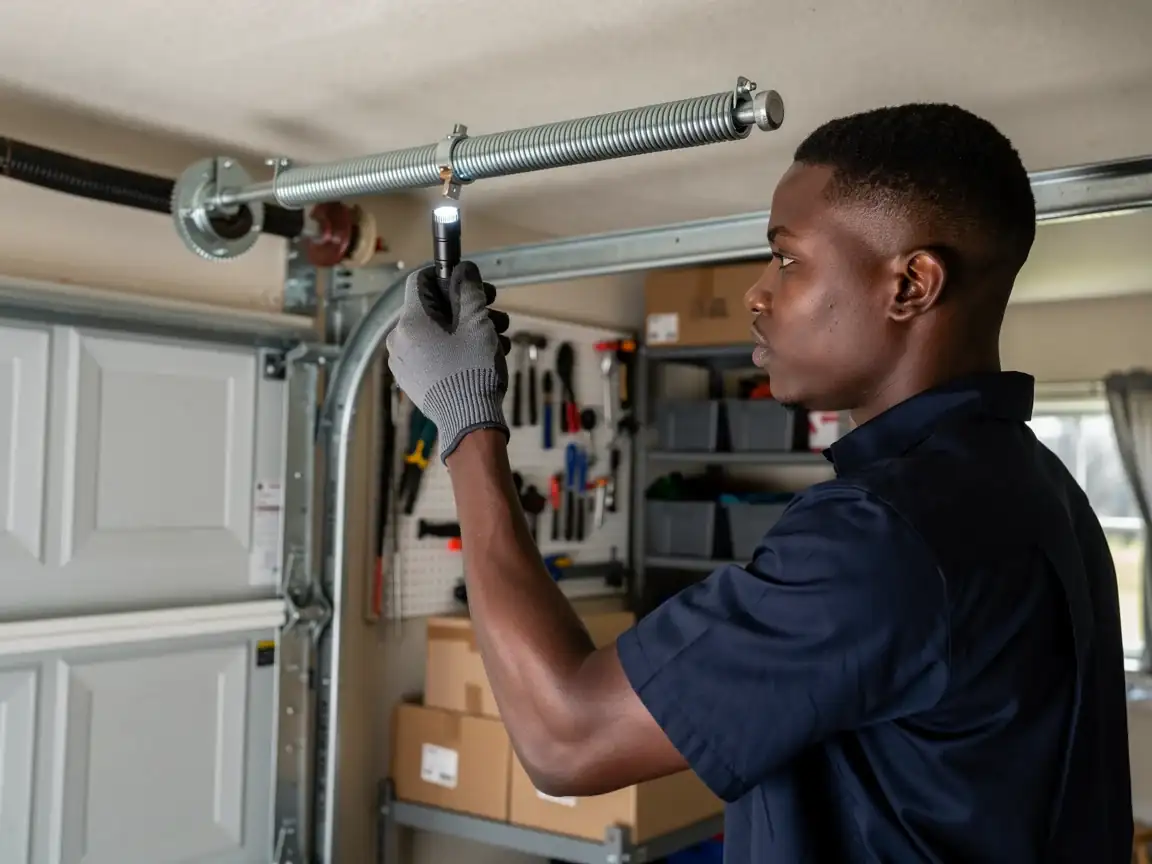
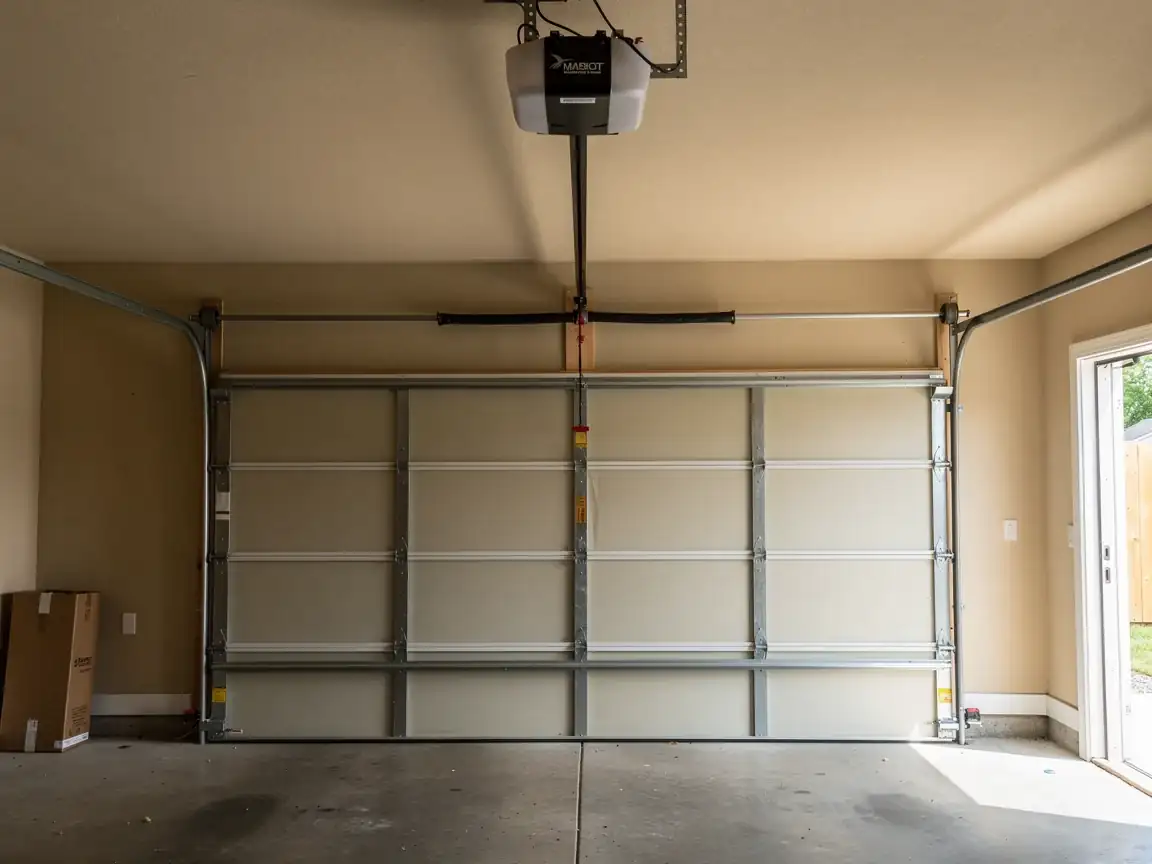
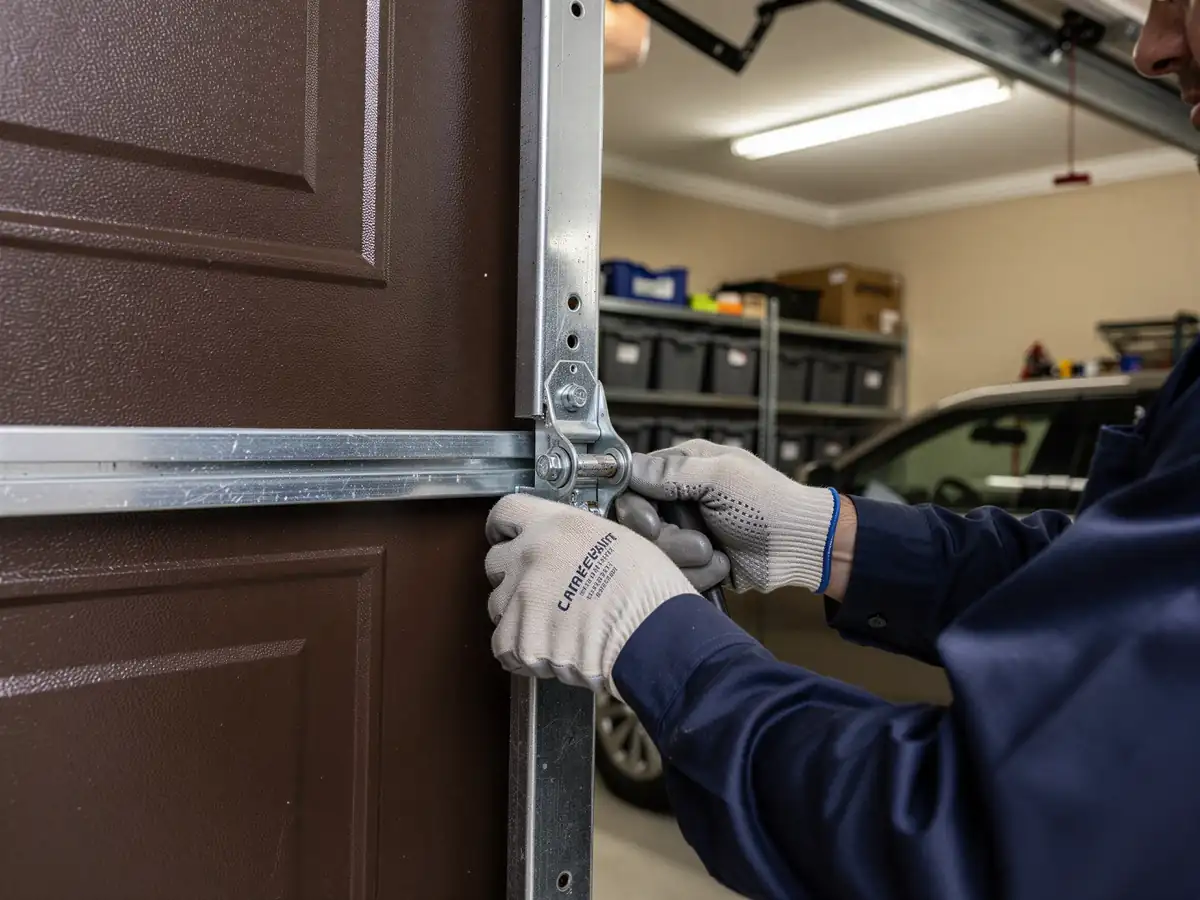
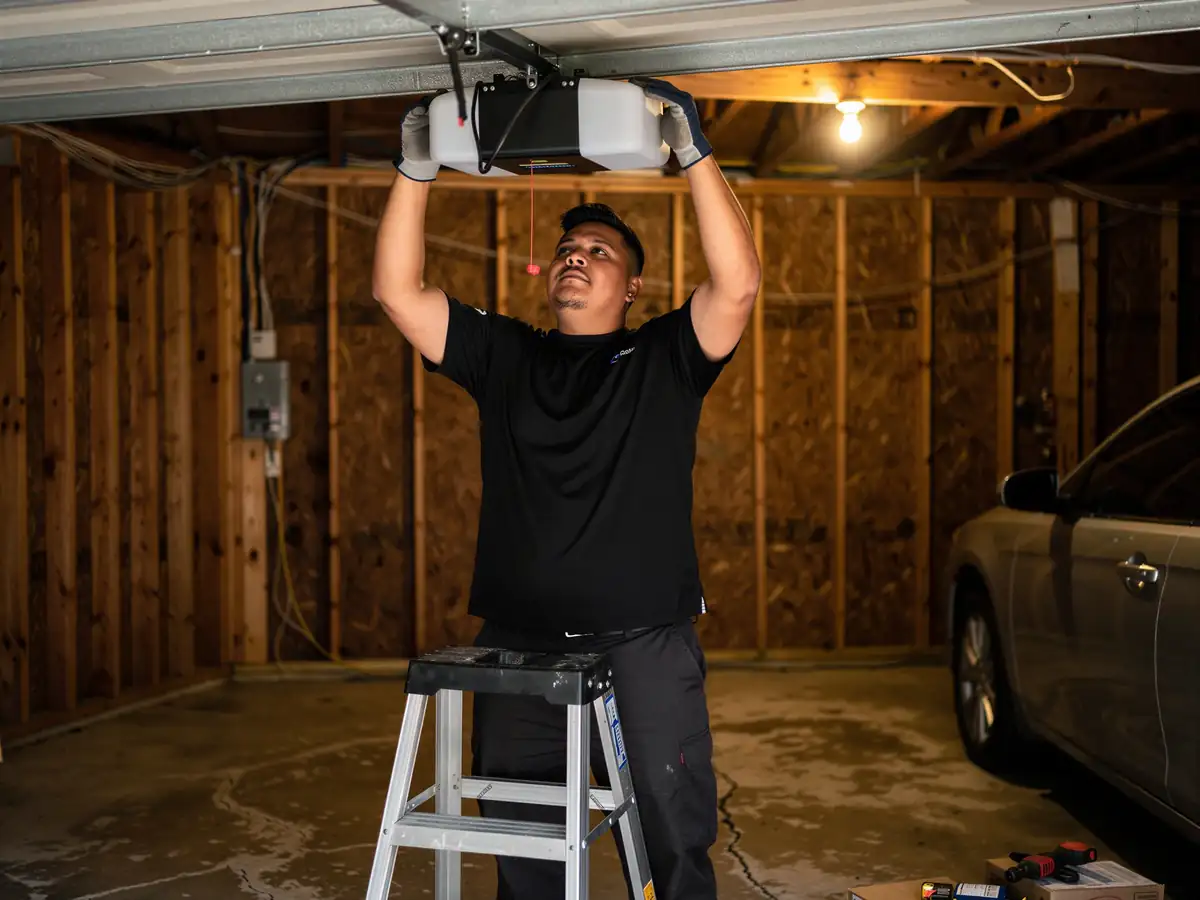
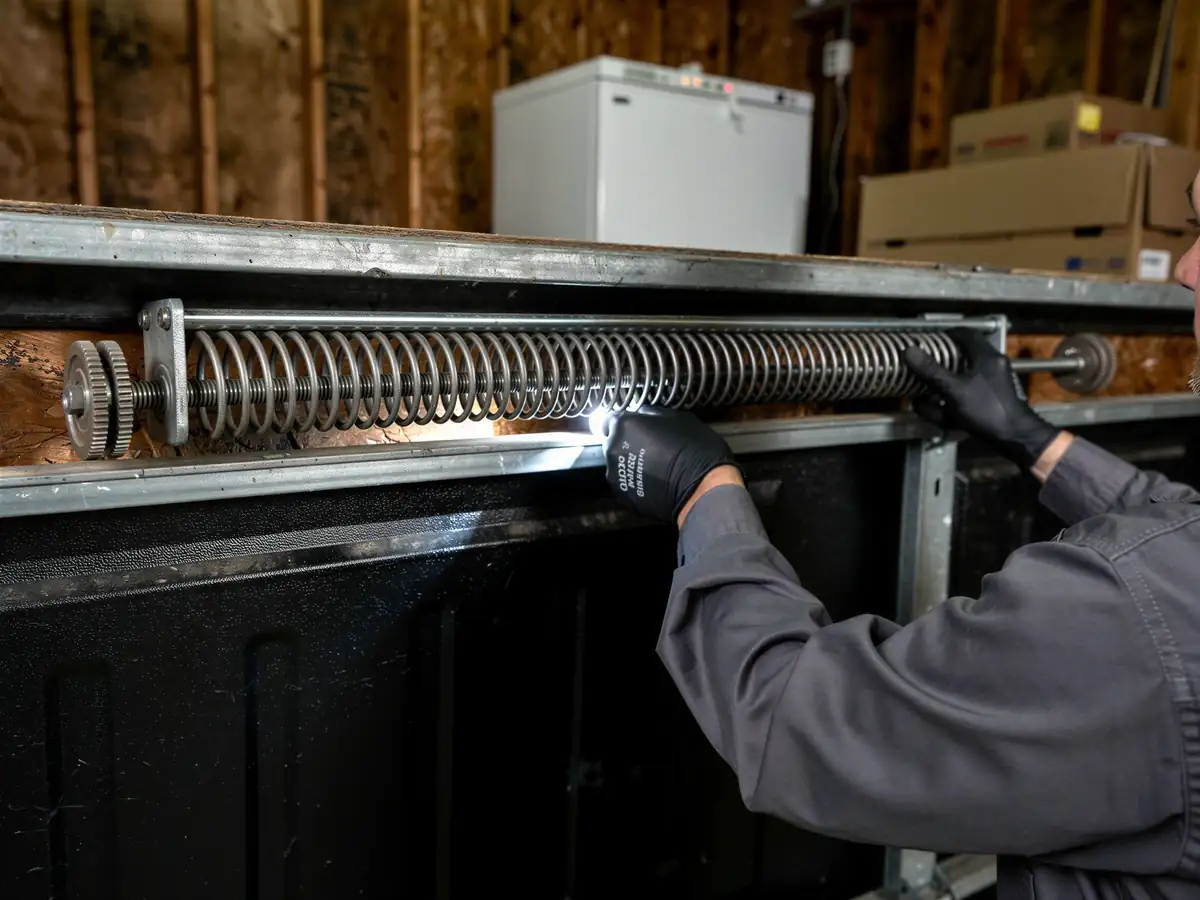
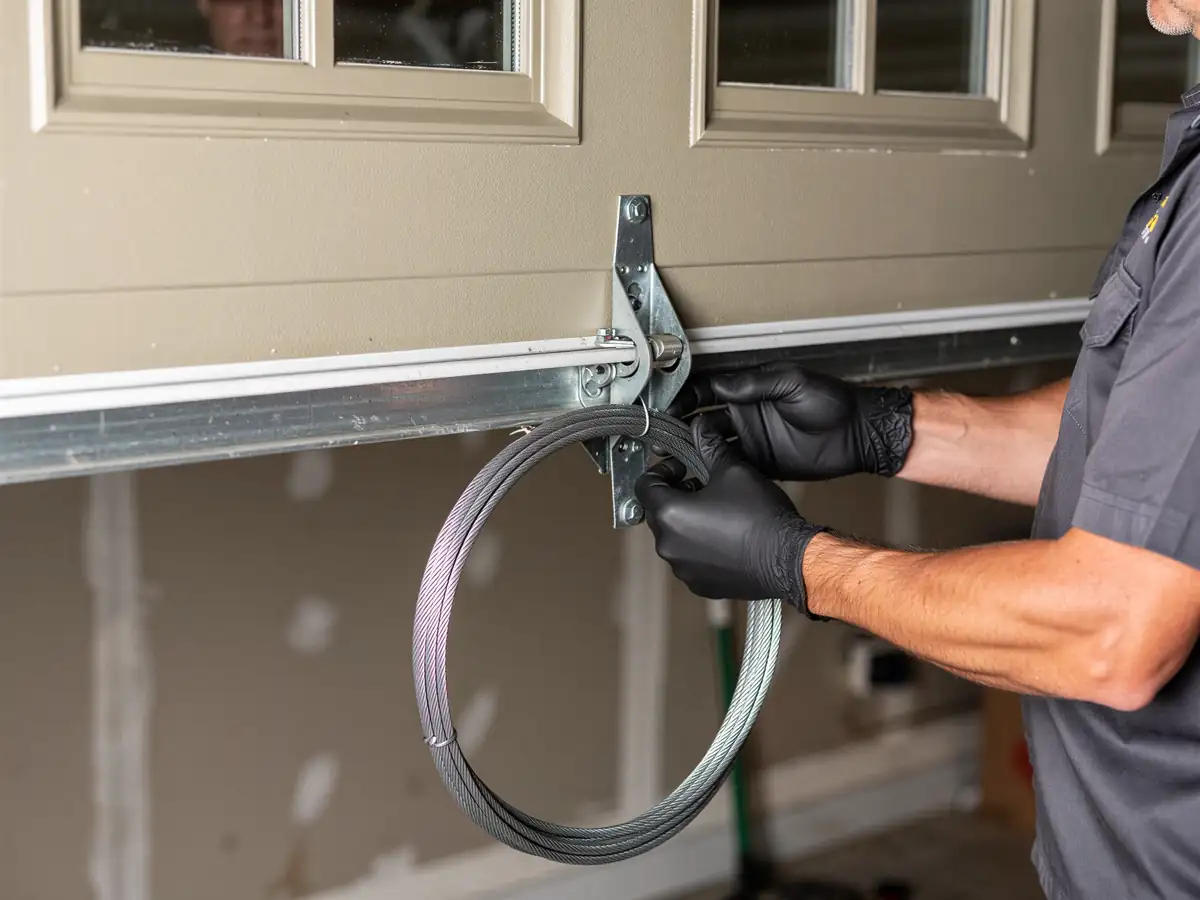
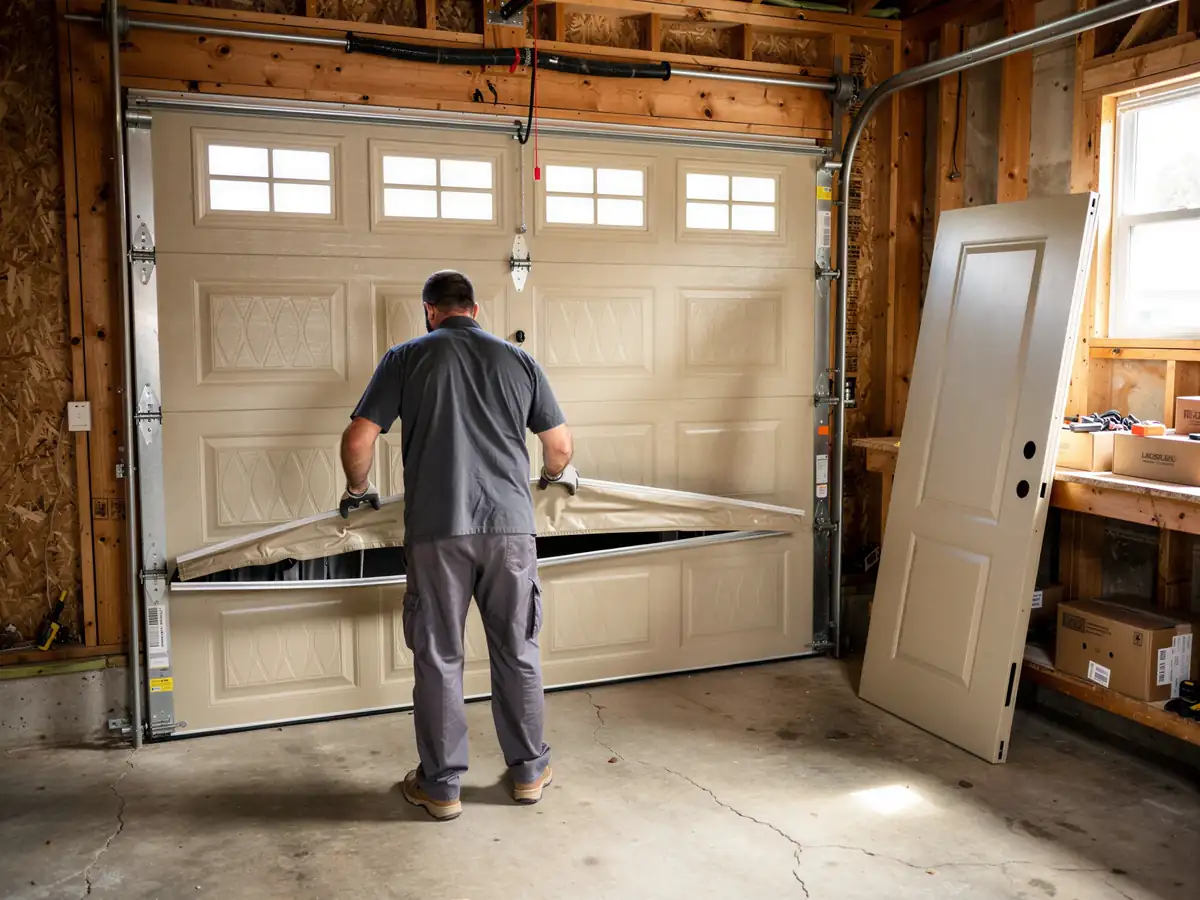
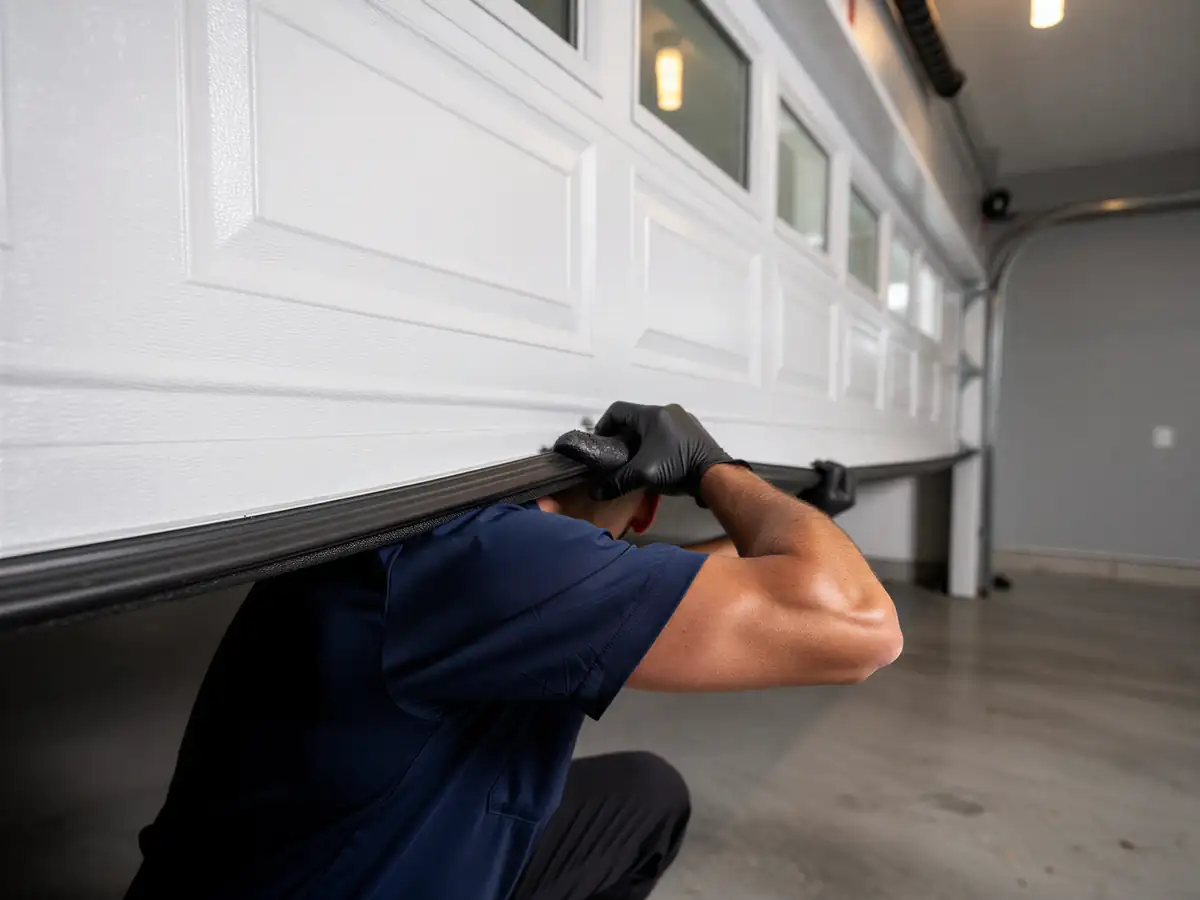
On a house built around 1969, the fault that shows up most is a spring that's simply outlived its cycle count, not a bent track or a bad opener. Extension springs on older setups wear differently than torsion springs - they stretch and lose tension gradually instead of snapping clean, so a door that's gotten noticeably heavier to lift by hand has usually been telling you for weeks. We check the spring, the pulley and cable routing specific to the extension system, and the condition of the track mounts, since houses from this era often have the track bolted straight into older framing that's shifted a little over fifty-plus years. If the opener is a later add-on - which it usually is, since openers weren't standard equipment in 1969 - we also check that the bracket and arm were fitted to the original door correctly, because that's a common mismatch on retrofits.
Getting It Booked In
We run out of Burleson, about 8 miles from Everman, so a booked call means a drive, not a dispatch from around the corner. We ask for the make and rough age of the door up front - 1960s extension spring setup versus a later torsion conversion - so the truck is loaded with the right spring size before it leaves. That one detail saves a second trip more often than anything else we ask. Booking is straightforward: tell us what the door is doing (won't open, dropped on one side, grinding on the track) and roughly when the house or door was last worked on, if you know it. We'll give you a window for the visit rather than an exact minute, since Everman calls get worked into the same route as the rest of the service area.
How It Shows Up
The truck comes from Burleson, so there's no local branch or storefront in Everman - just a scheduled visit with the parts loaded based on what you told us about the door. Given the age of the housing here, we load for extension springs as the default, with torsion parts as backup in case the door's already been converted. Everman's household count is small relative to the wider service area, and incomes here run under the area median, so we try to be clear about cost before the work starts rather than after - no surprise add-ons once the spring's off the wall. If the job turns out bigger than the call-in described, we stop and talk it through before doing anything that adds to the bill.