Parts We Carry
Rendon's median home dates to 1992, newer than the 1986 median across the wider service area we cover from Burleson
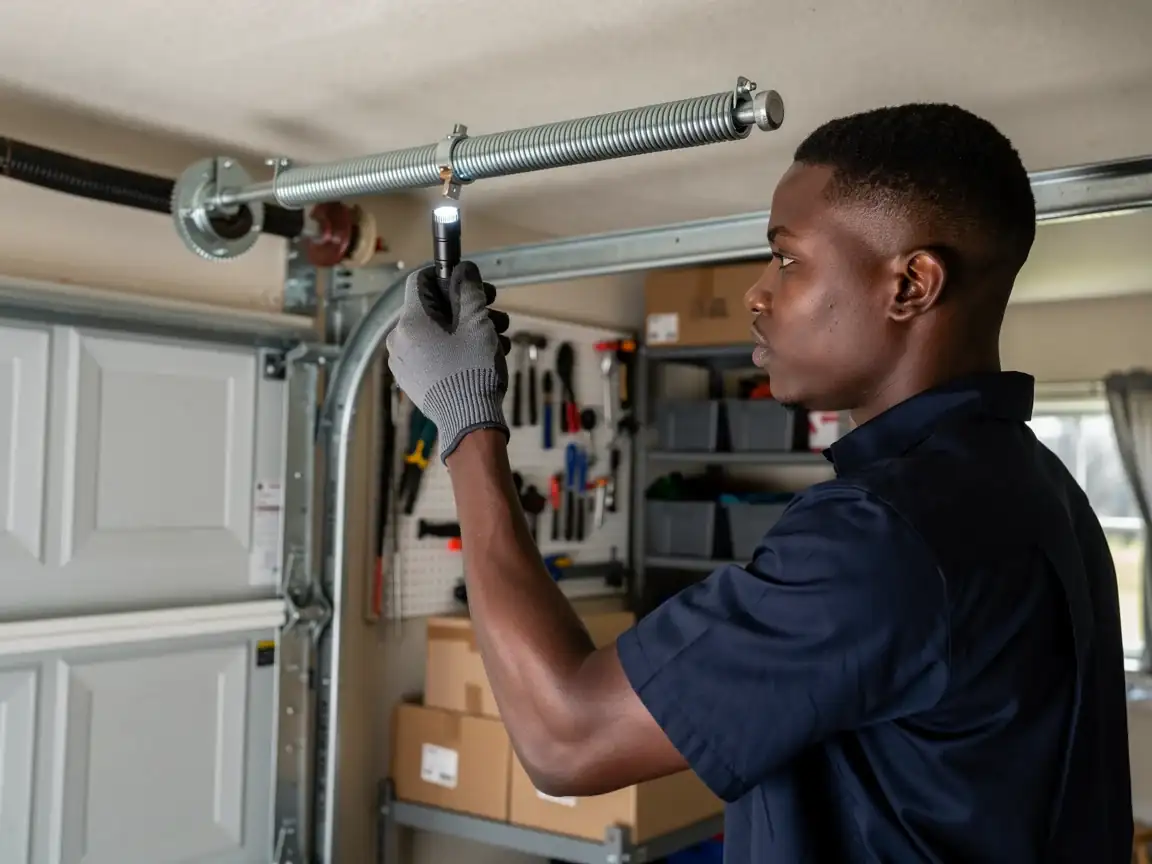
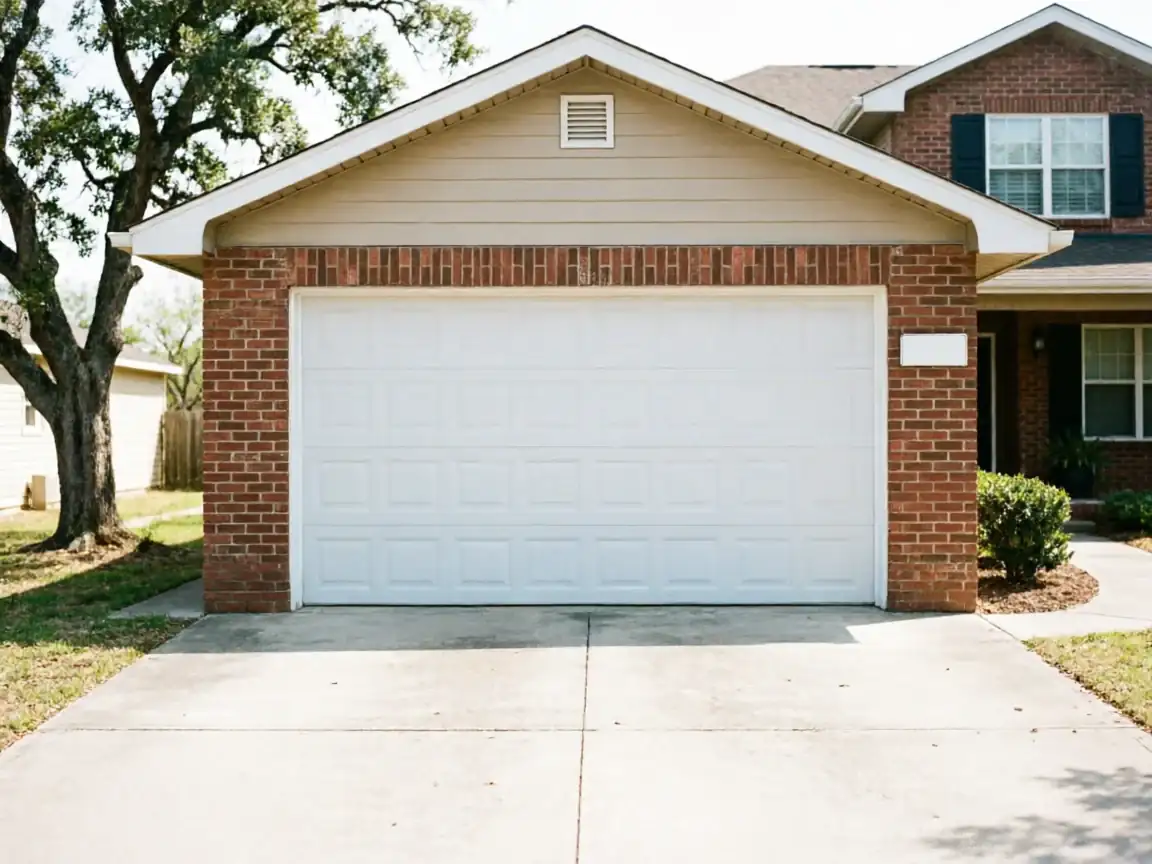
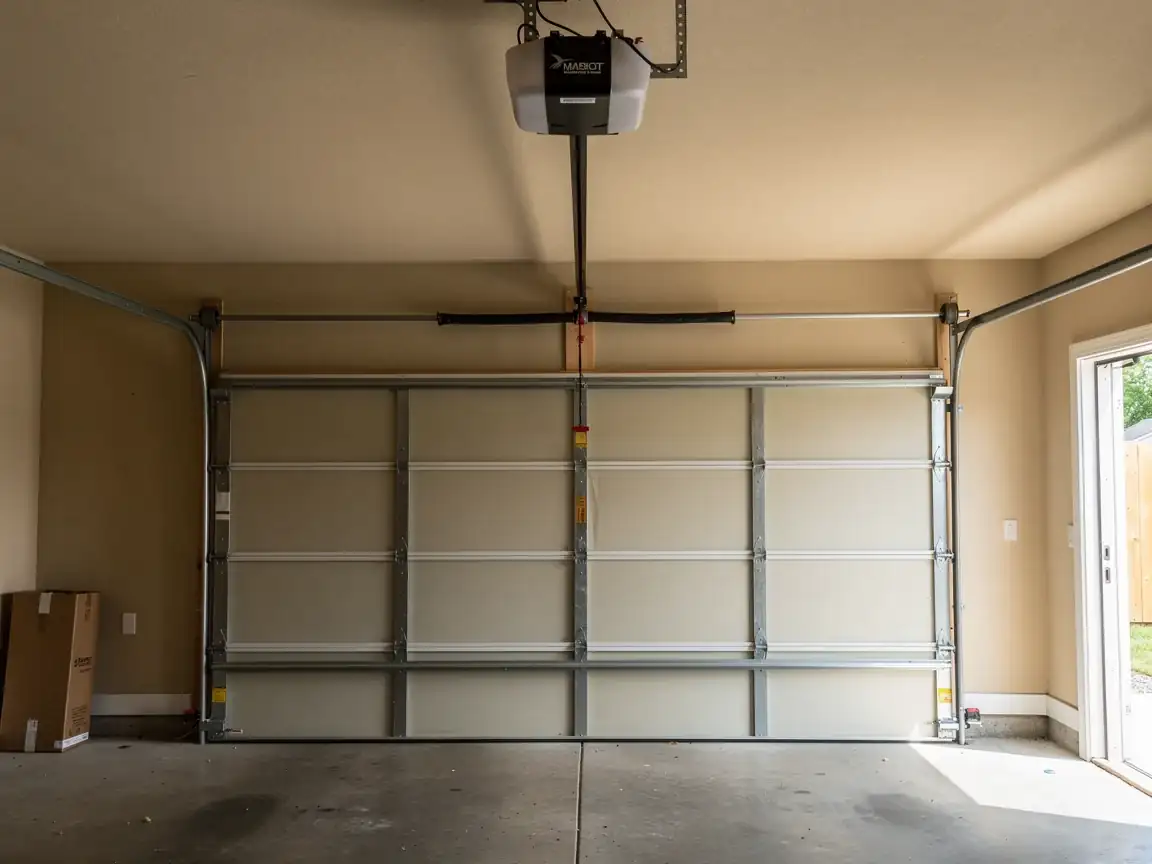
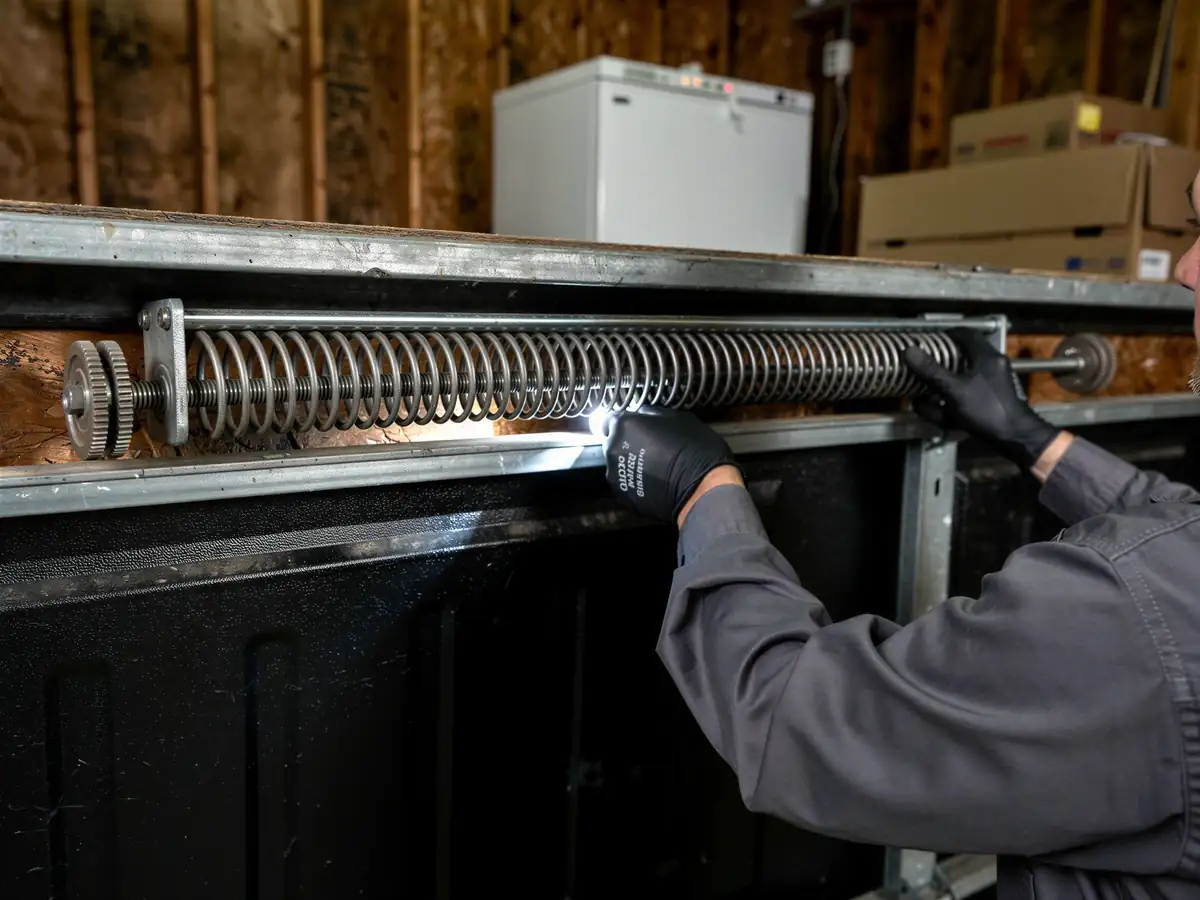
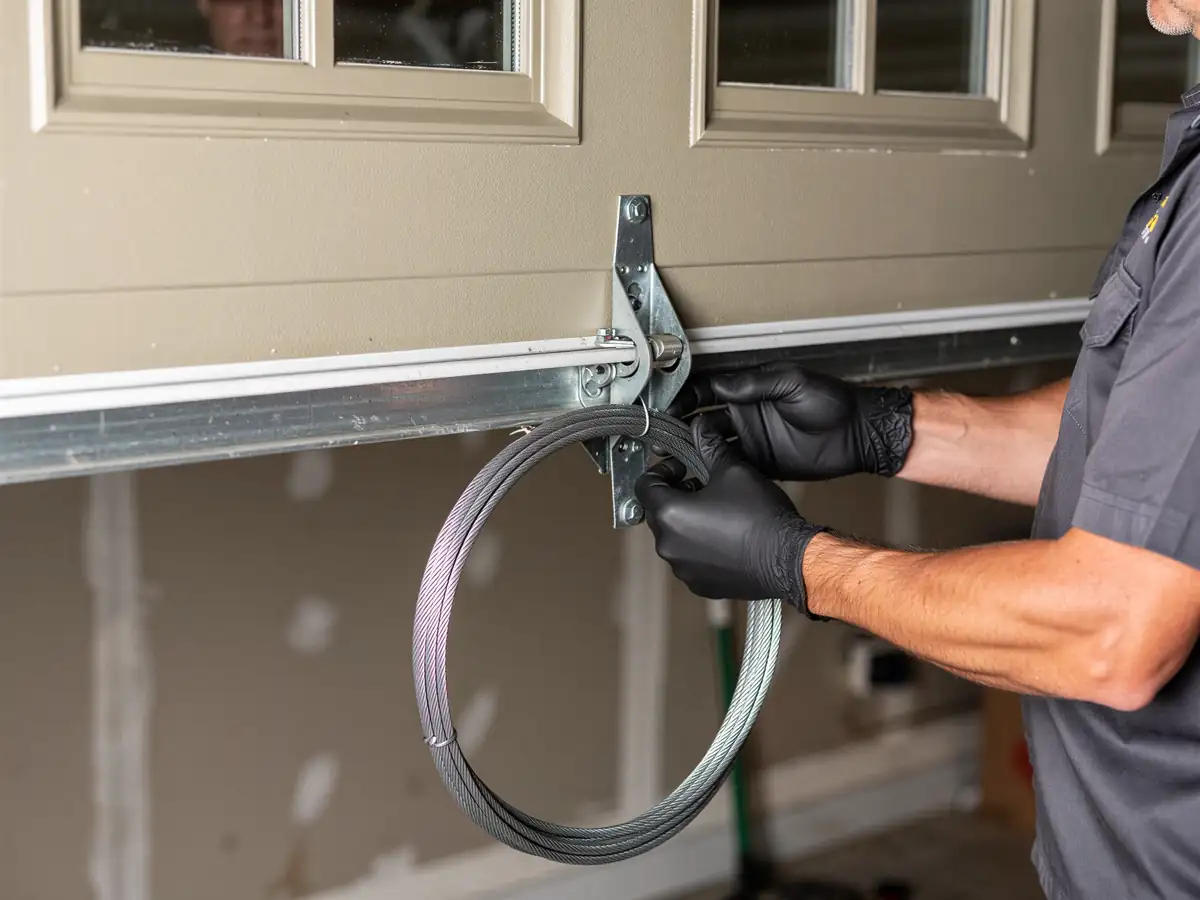
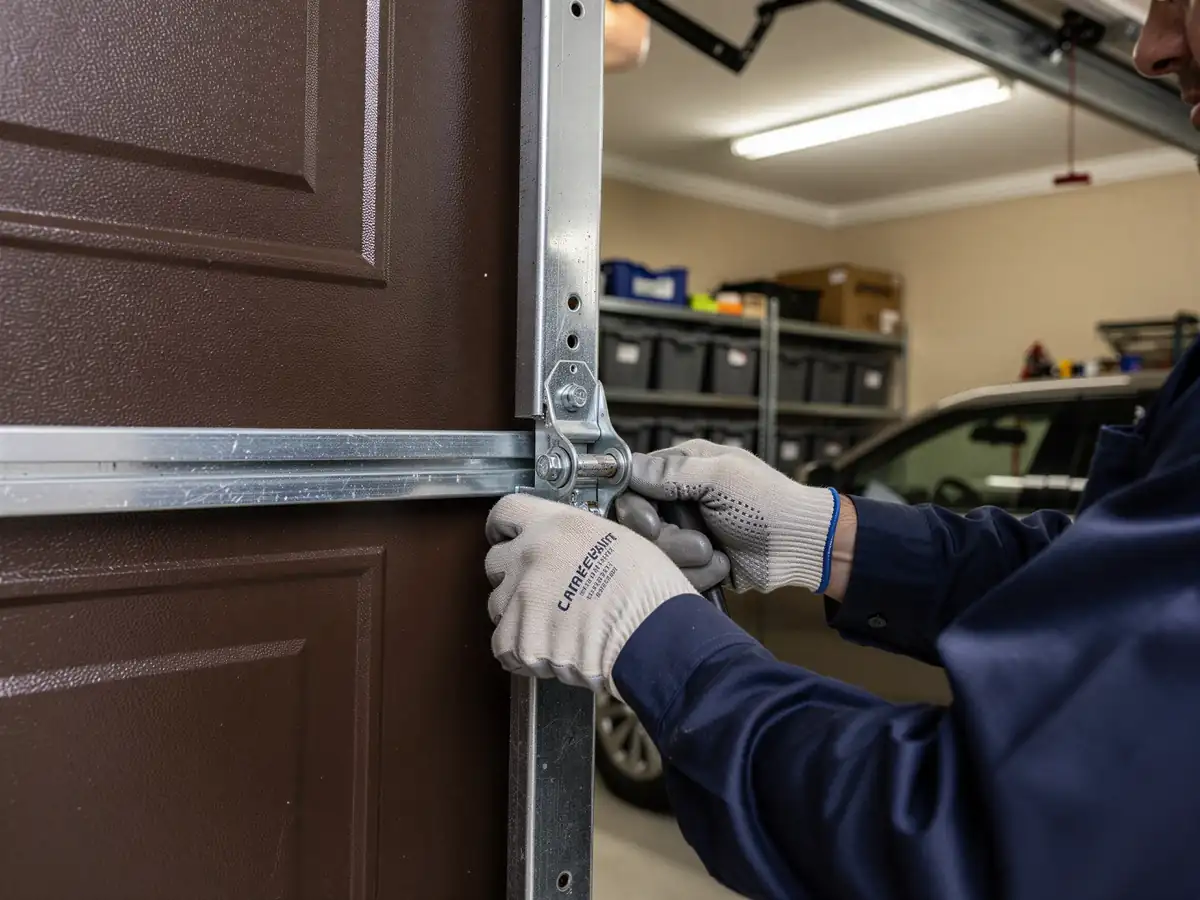
That matters for what breaks. Houses from this build wave almost always went up with steel sectional doors on torsion spring hardware, not the older extension-spring setups you still find in neighborhoods built a decade or two earlier. We carry torsion springs sized for a standard 7-foot steel door, nylon and steel rollers, galvanized lift cable, and center/end bearing plates to match that era of track.
Openers are the other half of it
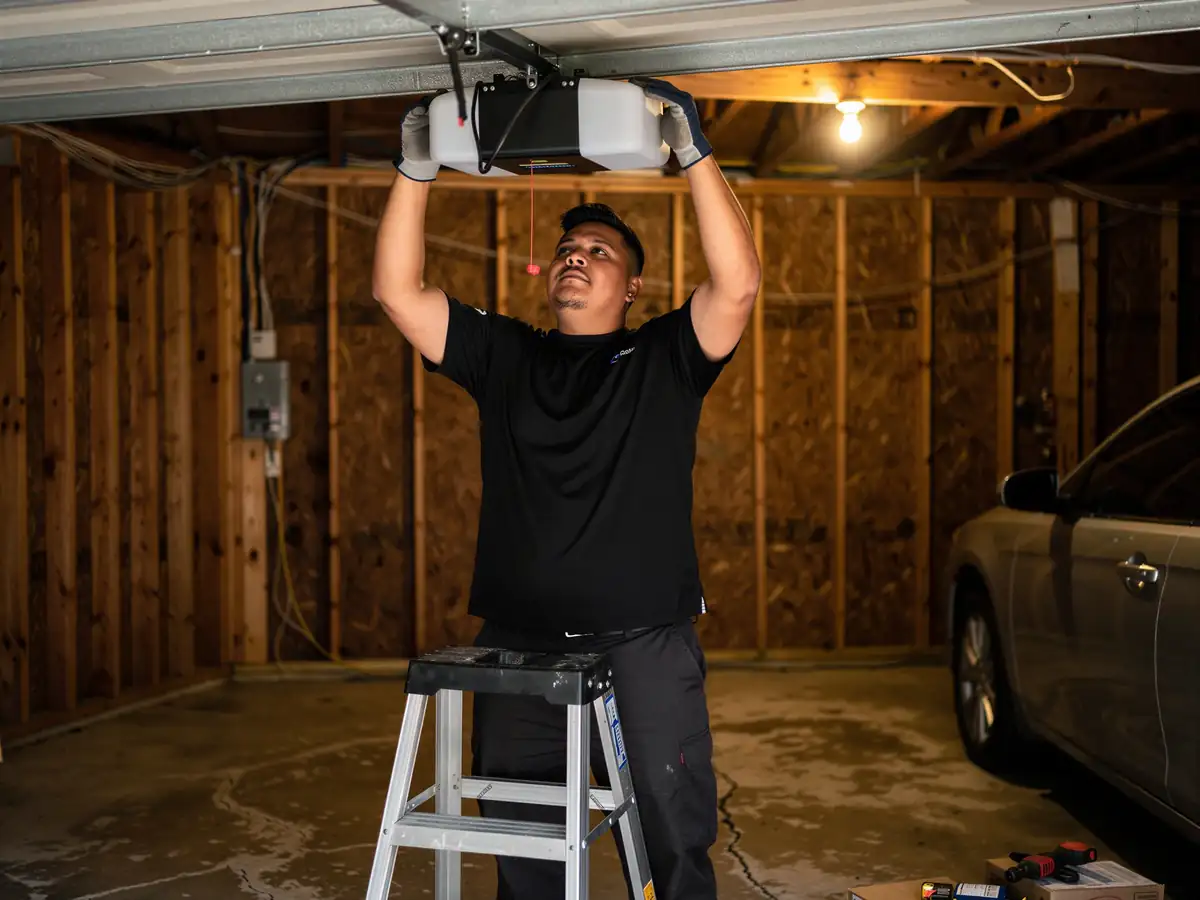
A door from 1992 is old enough that its original opener, if it's still running, is on its second or third logic board by now, and parts for that specific chain-drive unit can be slow to source. We stock current belt and chain-drive openers with rolling-code receivers, plus the standard photo-eye safety sensors that retrofit onto older rail systems. What we don't stock on the truck: cosmetic wood-composite panel inserts for custom doors, since that's special-order regardless of where the house sits.
How Long You Are Without the Door
We run every Rendon call out of Burleson, about 7 miles away. That's a short enough haul that a torsion spring replacement or a cable job doesn't turn into a half-day wait just because of the drive. We don't publish a guaranteed arrival window here, because we haven't been asked to hold to one, but the distance itself isn't the bottleneck on a repair like this.
What actually stretches a job out is parts. A standard torsion spring or a rail-mount opener for a 1990s-built garage is usually something we're carrying already. A less common panel width, or a logic board for a specific legacy opener model, can mean a day or two of waiting on a supplier rather than us. We'll tell you up front if a part has to be ordered instead of pulled off the truck.
How It Shows Up
On a door this age, the failure pattern is pretty consistent. Torsion springs on a 1992-era door are now into their third decade of daily cycling, and that's past the point where most of them were rated to last. The door gets heavy to lift by hand, or the opener strains and groans before it moves at all - that's a spring giving out, not the opener dying.
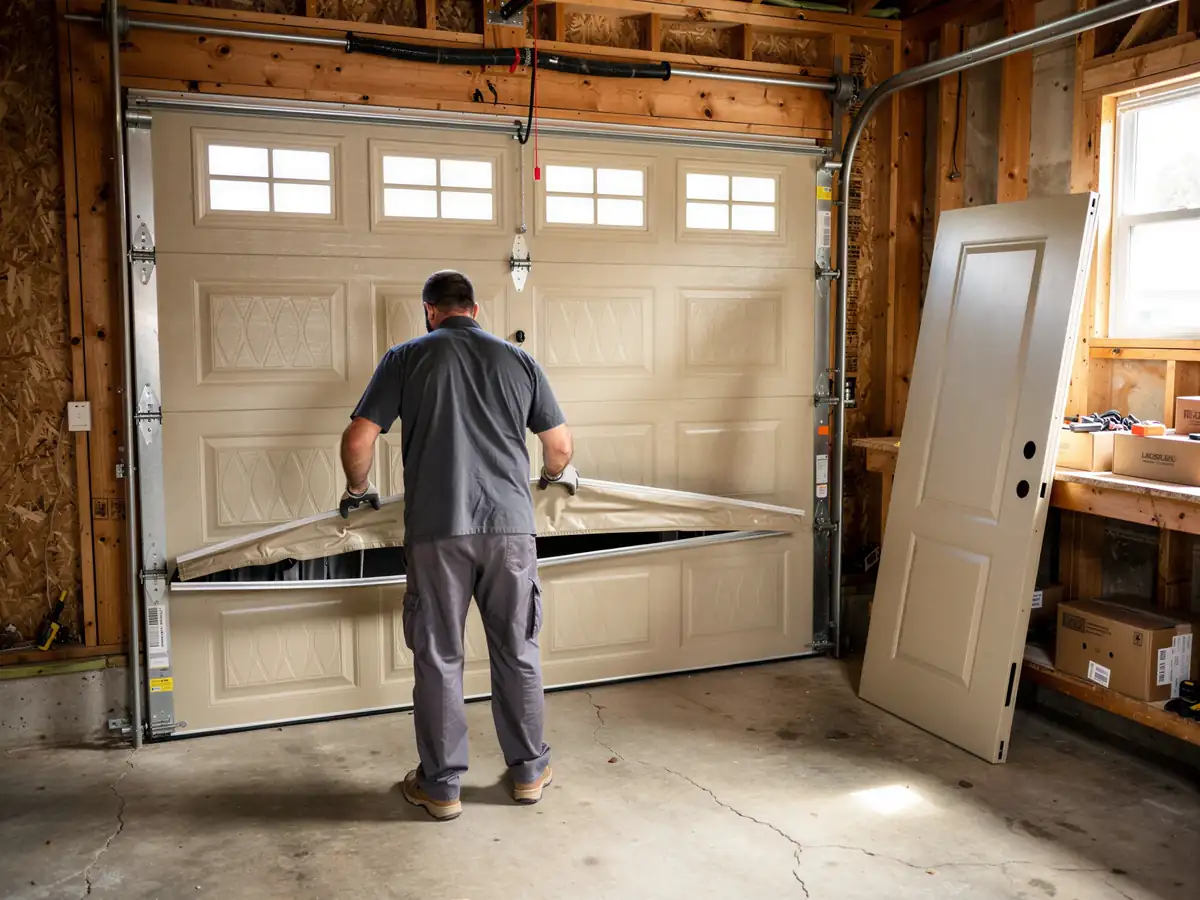
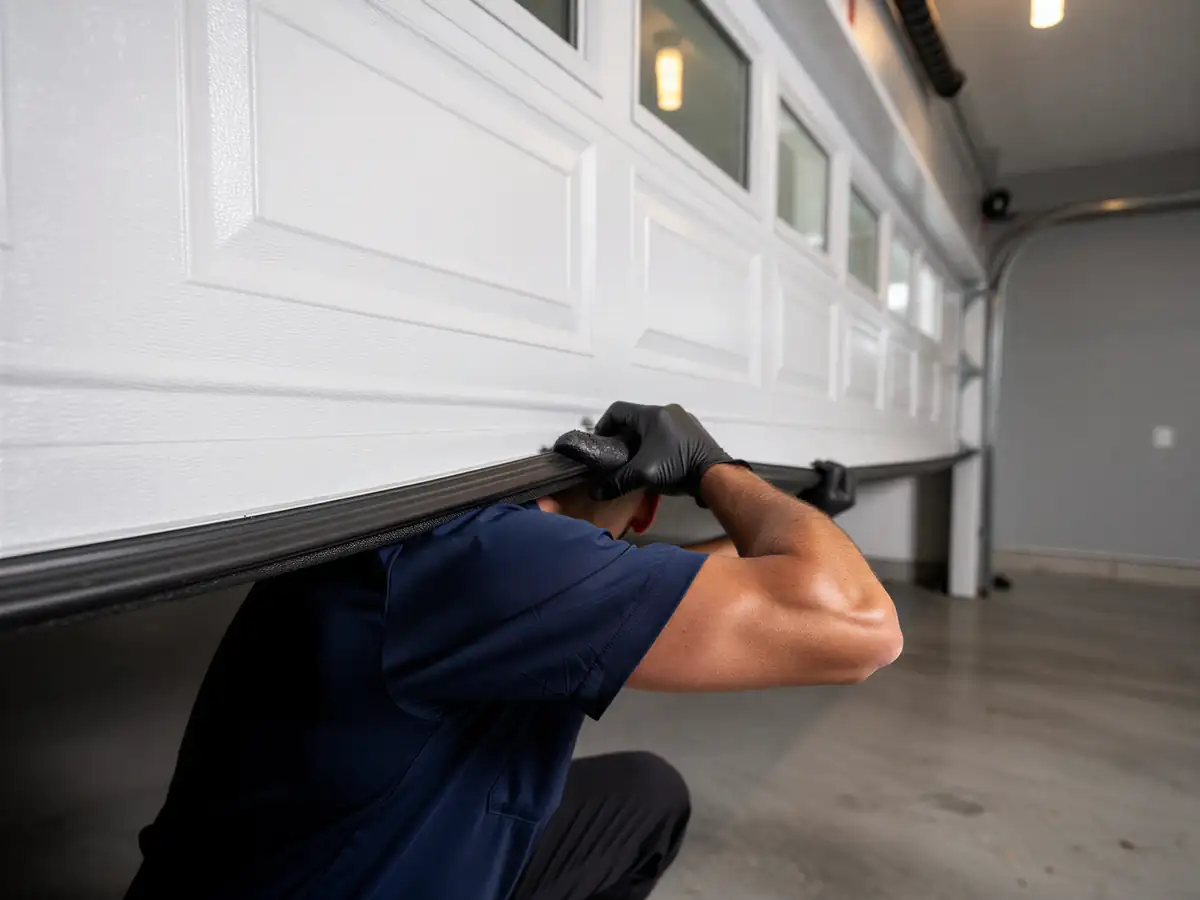
Rollers are the other common one. Steel rollers from the original build wear grooves into the track over 30 years, and you'll hear it as a grinding or popping noise on the way up or down rather than a smooth roll. Cracked bottom panels show up too, usually from a car bumper tap rather than age, but the panel style on a 1990s steel door is different enough from a 1960s wood door that repair and replacement options aren't the same. If your opener is original to the house, a frayed drive chain or a stripped gear on the motor unit is a frequent cause of a door that won't open at all.
Can You Do This Yourself
A torsion spring holds enough stored tension to break a hand or worse if the winding bars slip
And that's true whether the door is new or thirty years old. We don't recommend a homeowner attempt a spring swap, and we're honest about that even though it costs us nothing to say otherwise. Roller replacement and tightening loose track bolts are reasonable DIY jobs if you're comfortable on a ladder and the door is disconnected from the opener first.
Where it gets tricky is diagnosing whether the opener or the spring is actually at fault
A door that's hard to lift by hand, with the opener disconnected, means the spring is going. A door that lifts fine by hand but the opener won't run it points to the motor unit or the logic board. Get that wrong and you can spend money on an opener repair when the real problem is a $40 part on the spring side.
The Complications
Rendon sits in a moderate heat climate band, which doesn't bring the extreme swings some regions deal with, but it still means steel expands and contracts enough through summer to loosen hinge screws and track bolts over the years - more noticeable on doors installed during that early-1990s build wave, since they're old enough now for the cumulative effect to show. That's a maintenance issue more than an emergency, but it's often the thing that turns a minor rattle into a jammed track.
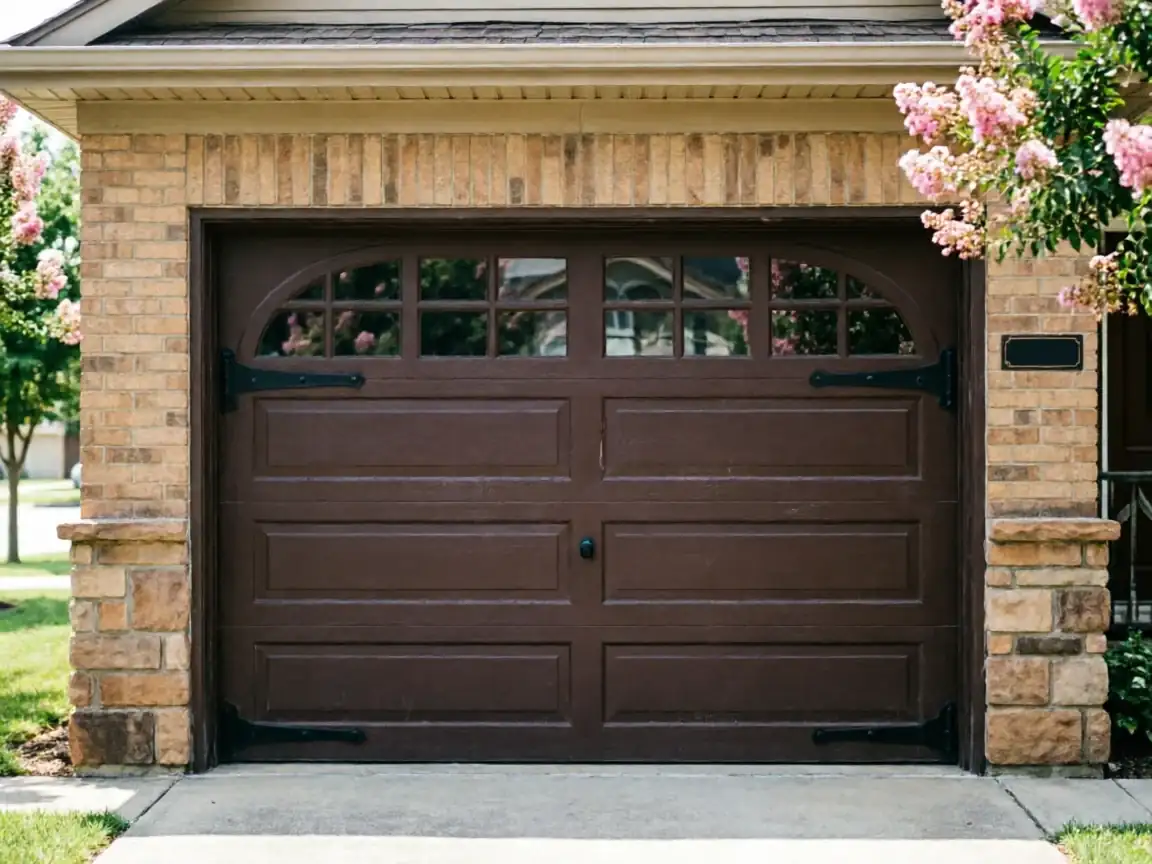
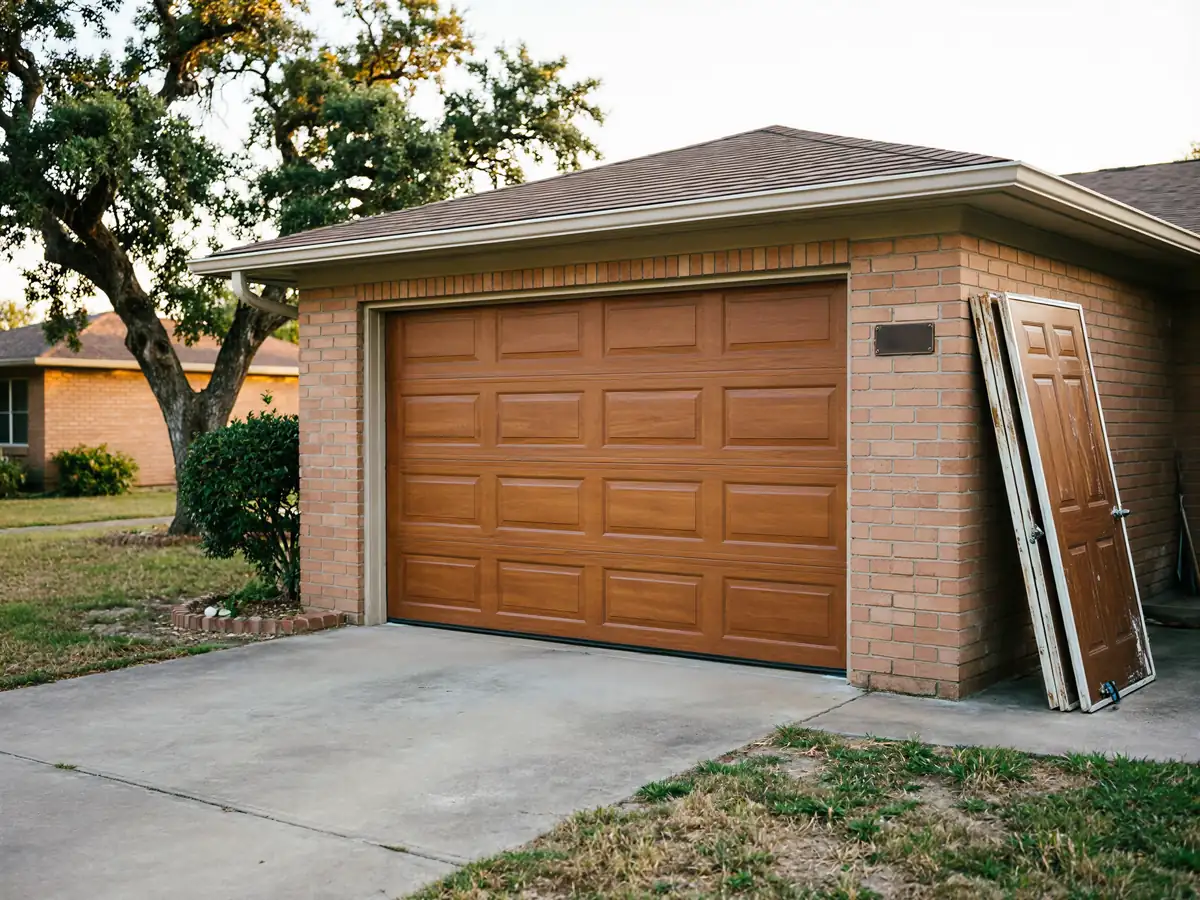
The other complication is sourcing for anything non-standard. If a Rendon home has had its original door swapped for a custom width or a wood-look composite panel at some point since 1992, that's no longer standard stock, and we may need to order a replacement panel rather than pull one off the truck. We'll always check the door's actual dimensions and panel style before quoting a fix, because guessing based on the build year alone isn't reliable once a door's been replaced.