Parts We Carry
Rendon's housing mostly went up in the early 1990s
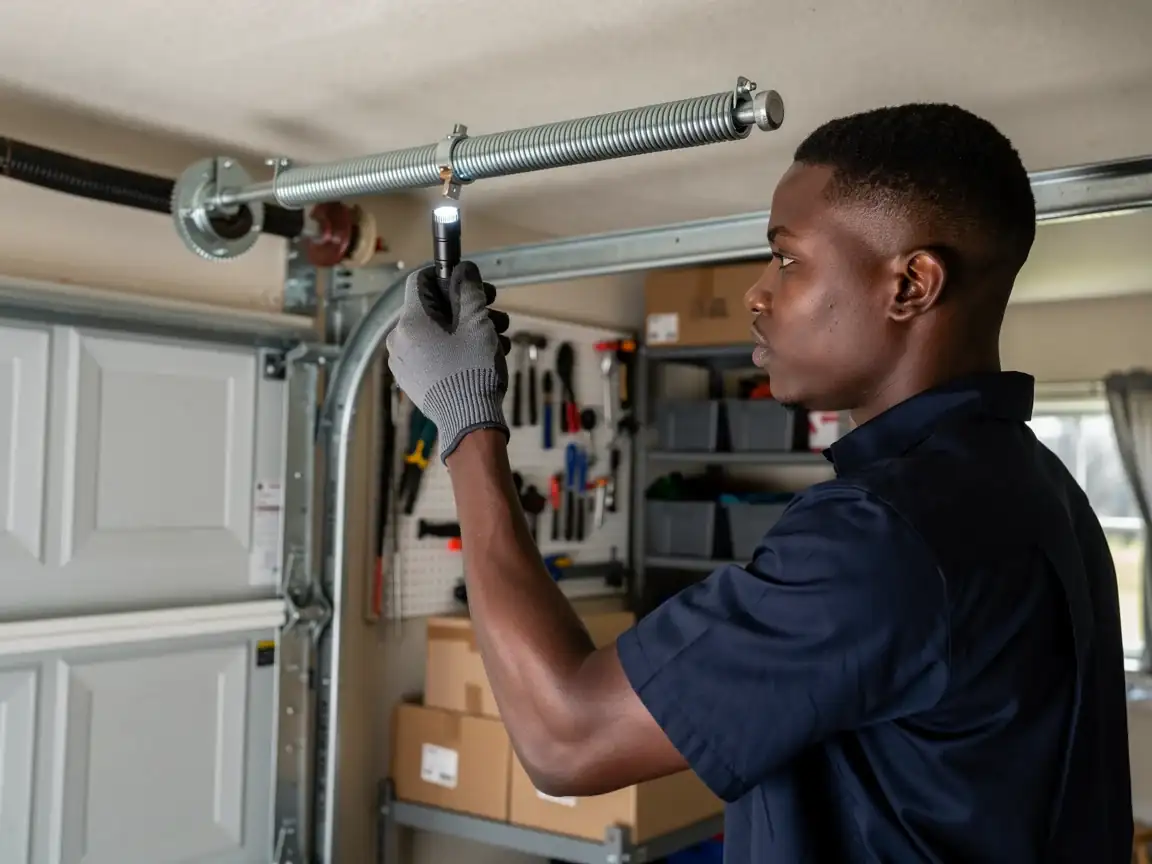
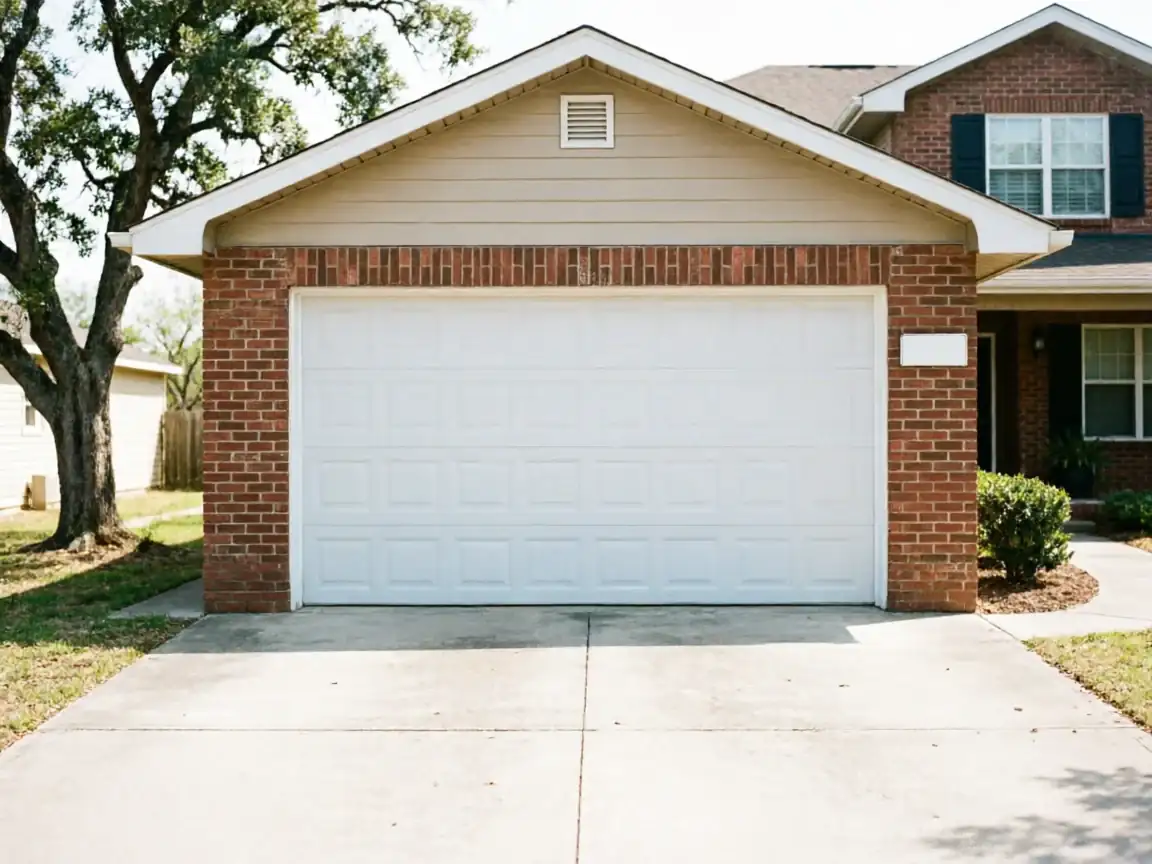
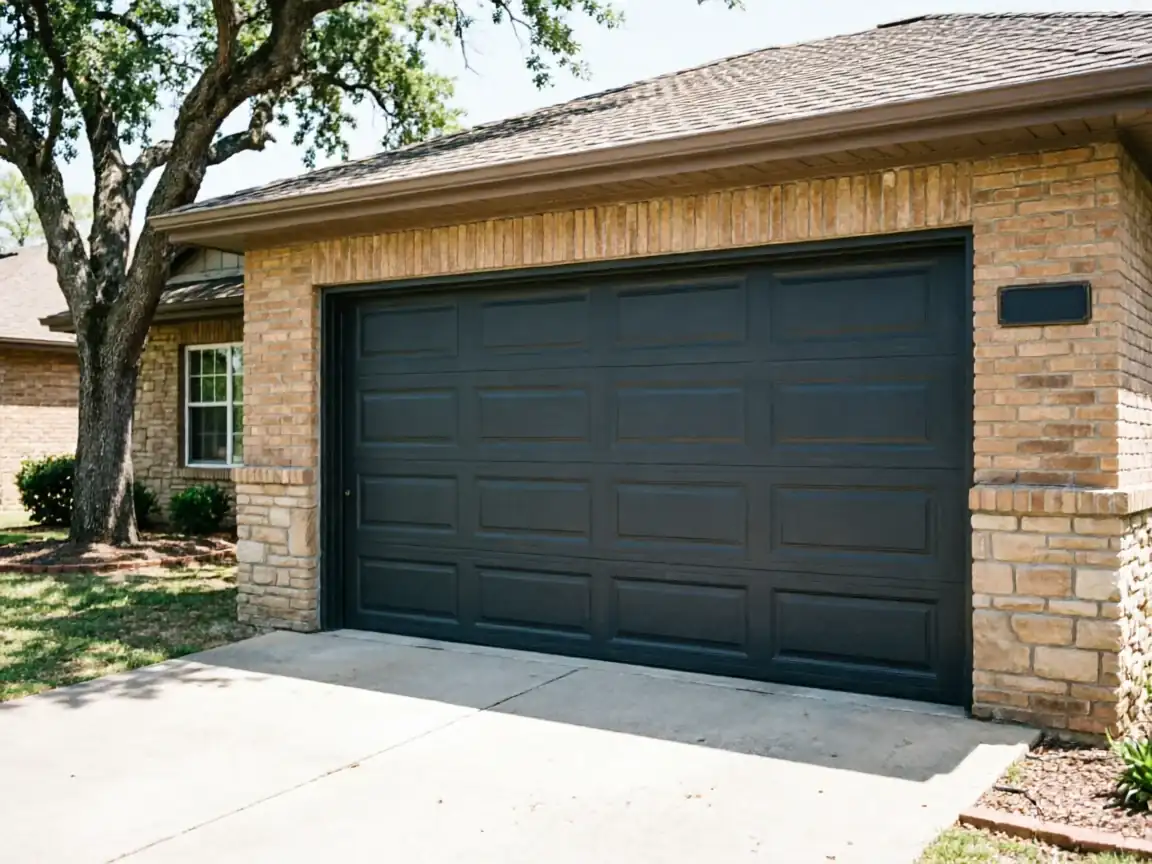
A few years past the 1986 median for the wider Burleson service area, where homes range from 1953 to 2014. That six-year gap matters more than it sounds. Early-90s builder-grade doors almost always shipped with torsion springs on a factory-set drum rather than the side-mounted extension setups you still find on older stock elsewhere in the area. We carry torsion springs sized for those standard 7-foot and 8-foot sectional doors, plus the drums, cables, and center bearing plates that wear alongside them.
With a median household income of $107,618 here
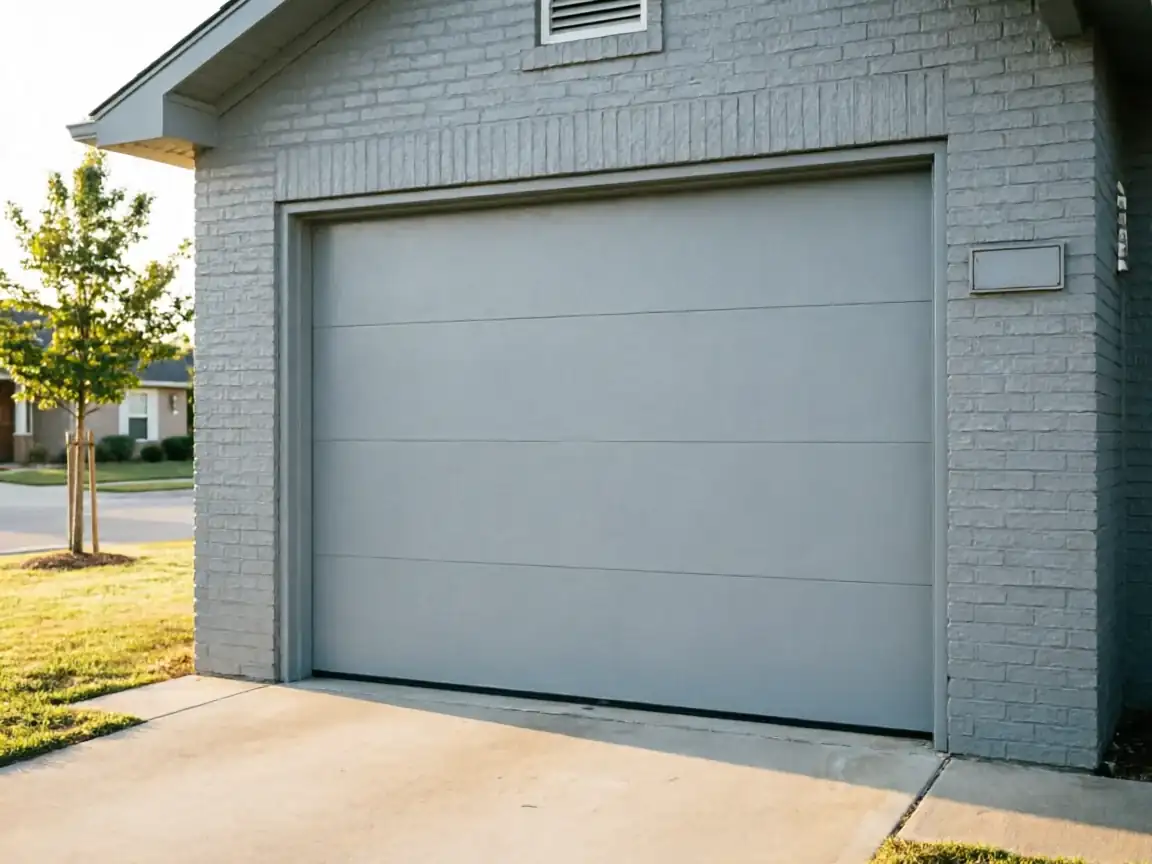
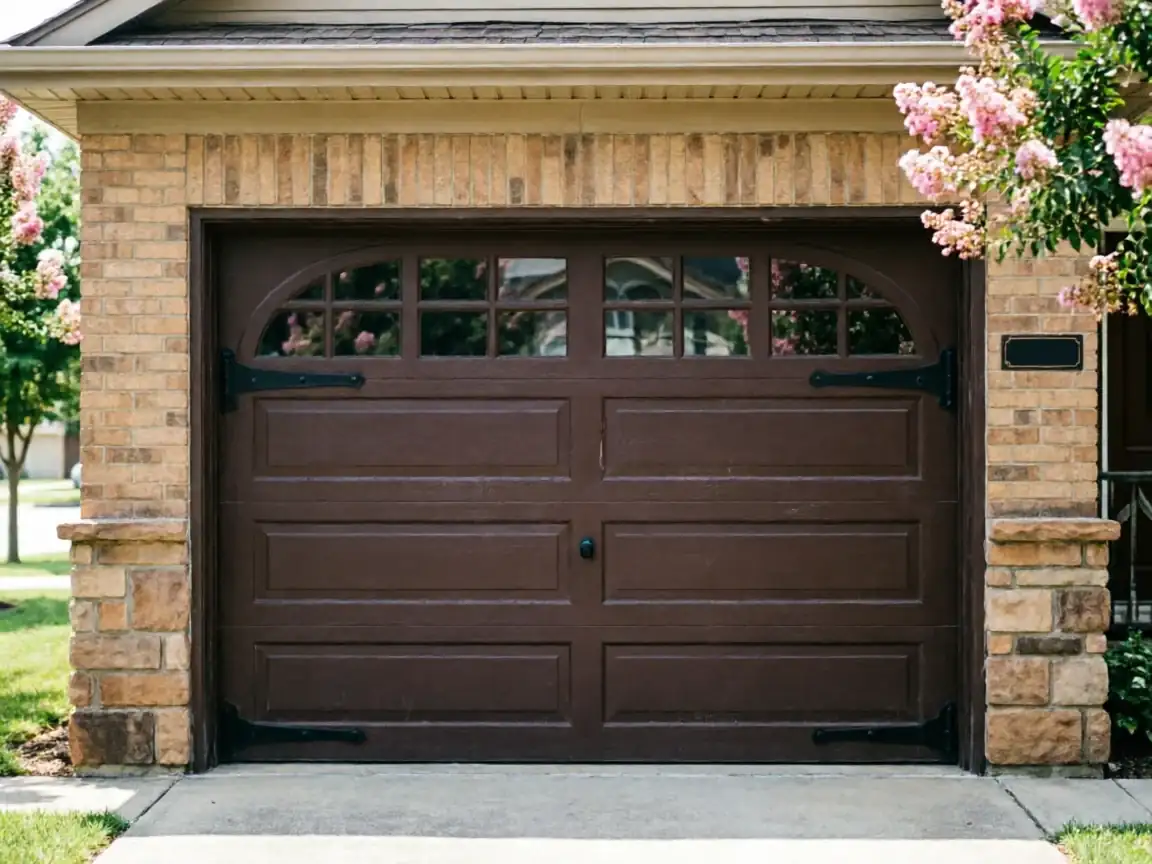
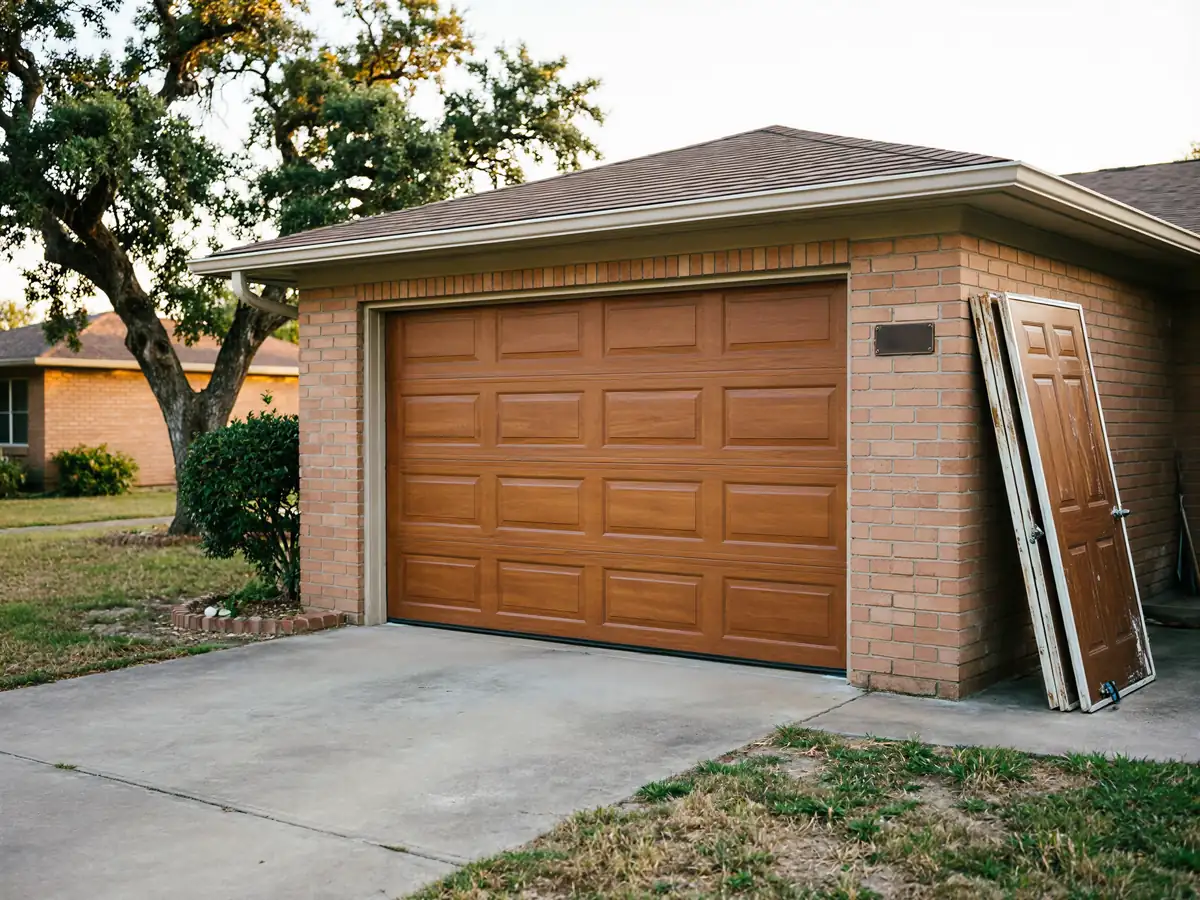
Well above the $85,625 figure for the service area as a whole, a good number of Rendon garages carry heavier insulated doors - two-layer steel with a foam core - which puts more cycles and more load on the springs than a hollow single-layer door does. We stock the higher-wind-load torsion springs that those doors need, not just the lighter standard-duty ones. One honest limit: if your door is a specialty size or a custom wood-look panel, the matching spring may need to be special-ordered, and that can add a day or two.
How Long You Are Without the Door
We run this job out of Burleson, and Rendon sits about 7 miles out - one of the closer stops on our route, closer than Crowley or Joshua at 5 miles aside, and well inside the radius that covers Everman, Keene, and Edgecliff Village further out. We don't keep a branch or a drop box in Rendon itself, so every call starts with a truck leaving Burleson, loaded for the job once we know what's broken.
A broken torsion spring on a standard double door is usually a same-visit fix once we're on-site: diagnose, match the spring to the door weight and drum size, swap it, and recheck the balance. What takes longer is anything outside the common sizes - a custom door width, a spring rated for an unusually heavy insulated panel, or hardware that's been replaced piecemeal over the years so the drum and cable don't match what the door needs now. In those cases, we're waiting on a supplier, not on the drive.
How It Shows Up
The region sits in a moderate heat climate band, and that shows up in how springs age here rather than in dramatic failure. Heat cycling softens the coating on an older spring and speeds up metal fatigue, so Rendon homeowners tend to see a slow give before the sudden snap: the door starts feeling heavier on the opener, it hesitates a beat before lifting, or it stops a few inches up and the opener strains. Some doors drift down a couple of inches on their own when the chain is disengaged - that's the spring telling you it can't hold the weight anymore.
The sudden version is the loud bang, usually when nobody's home, and the door won't budge or budges unevenly, one side higher than the other. Both patterns trace back to the same part giving out under the number of open-close cycles the door's logged since 1992 or whenever the house was actually built, not some fixed lifespan on a calendar.
Can You Do This Yourself
You can check a few things yourself before calling anyone
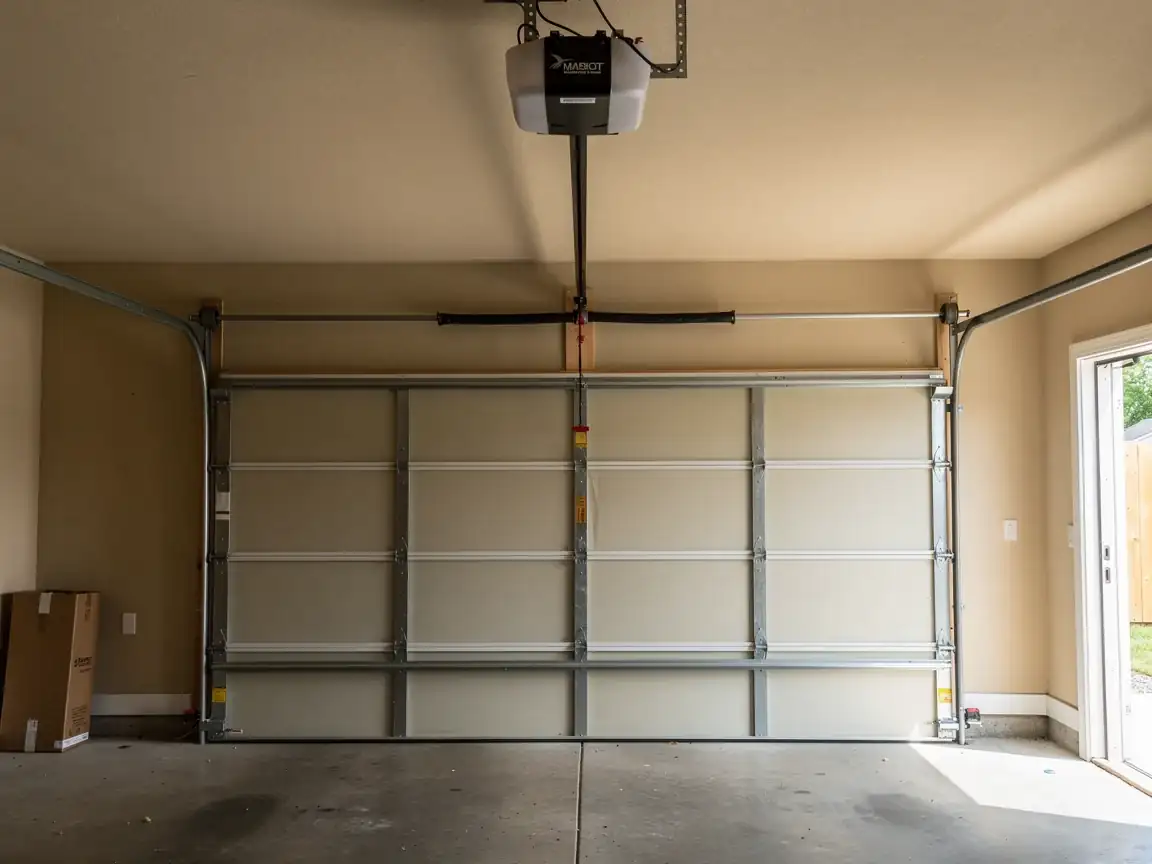
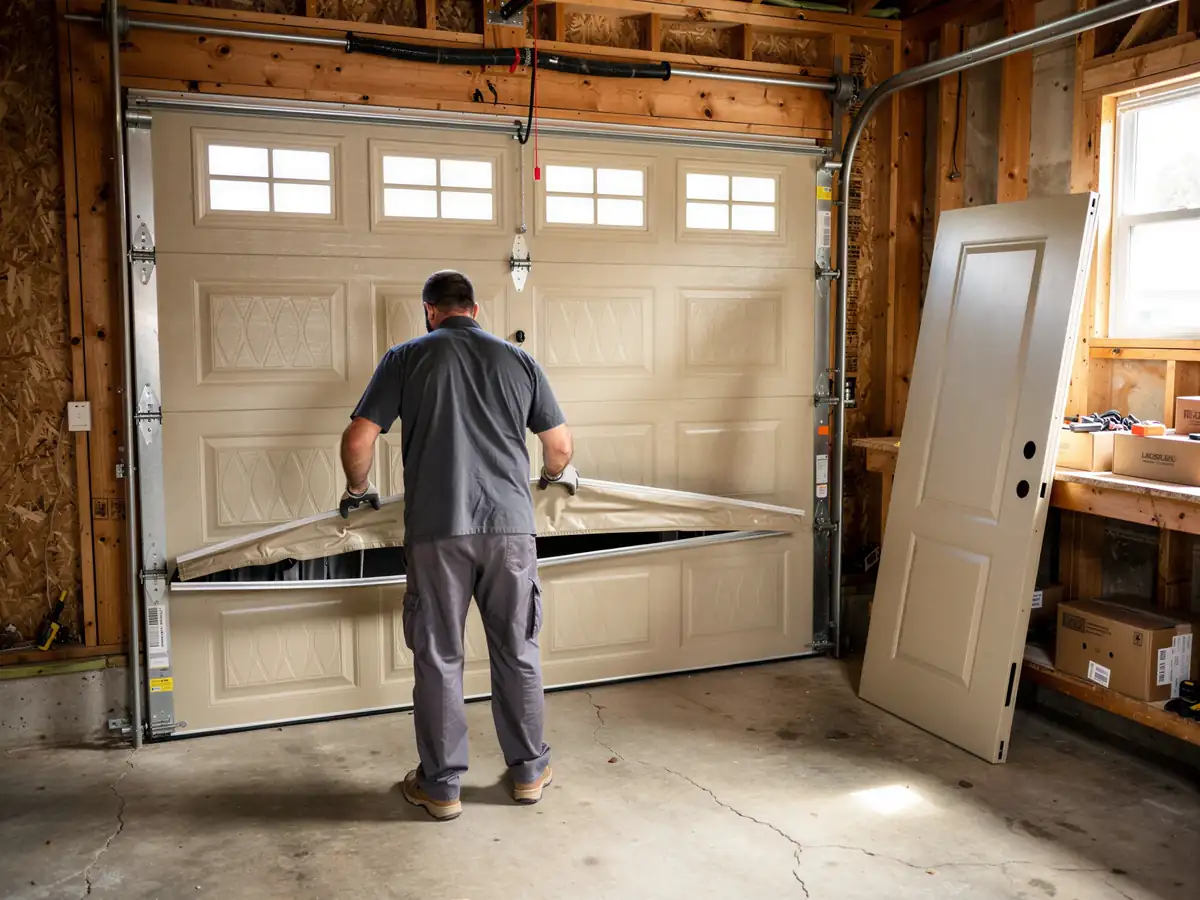
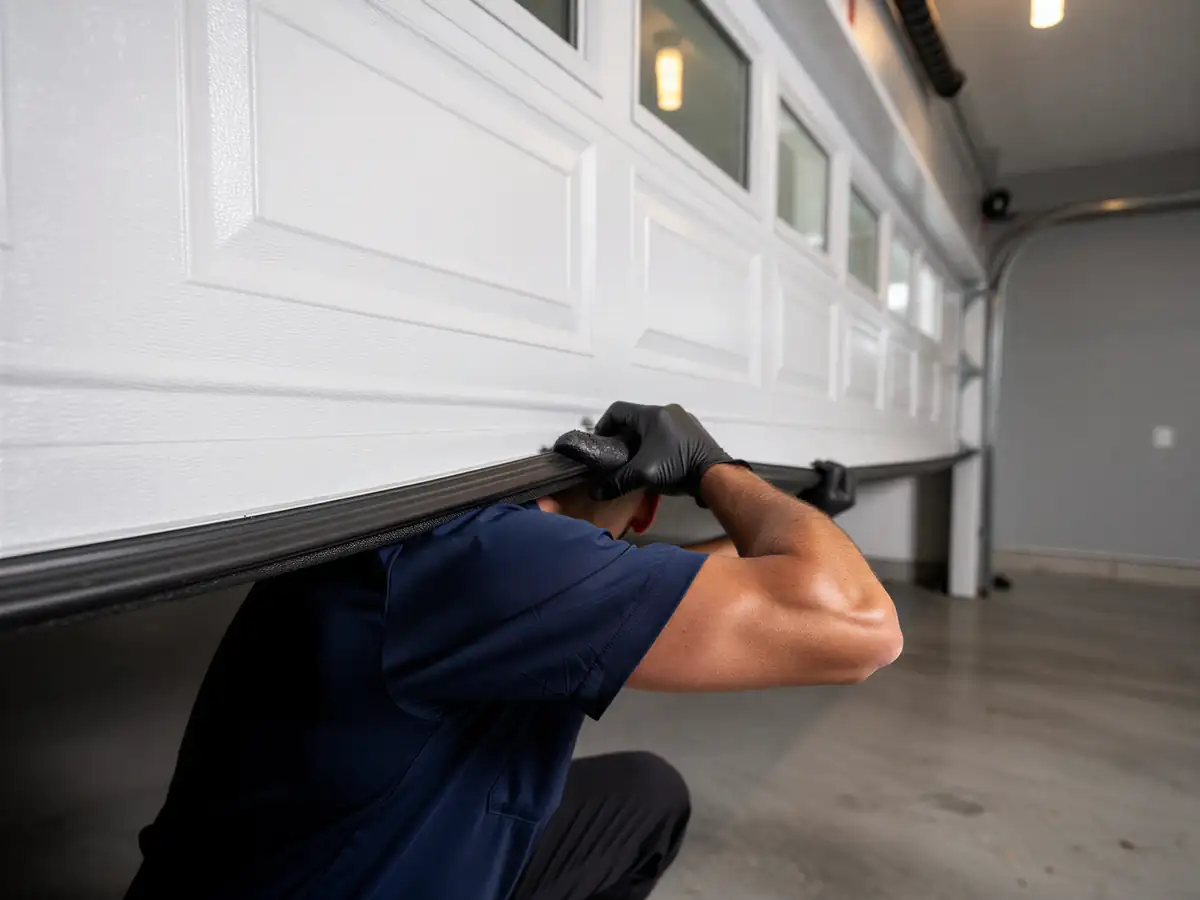
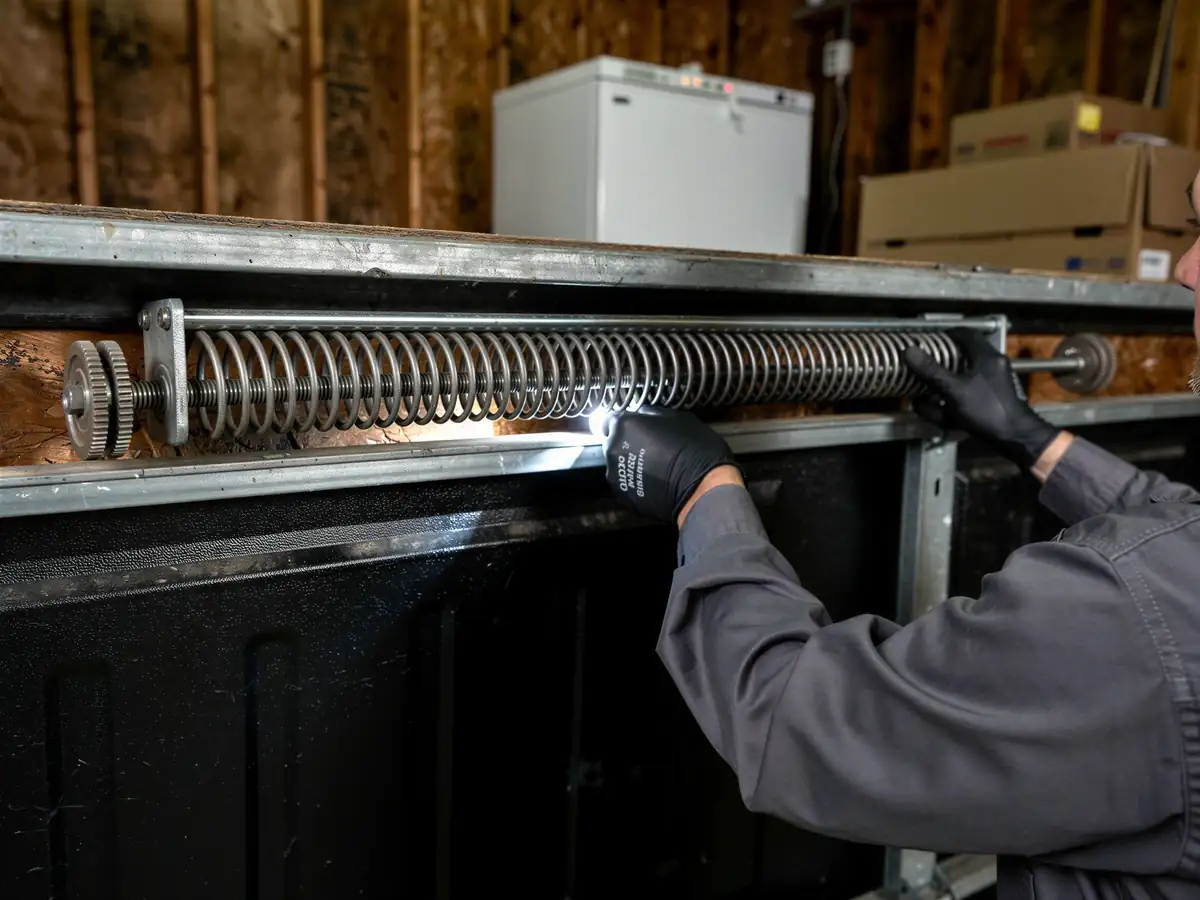
Pull the emergency release, lift the door by hand, and see if it feels balanced - it should hold roughly level at waist height without you fighting it or it sliding back down. Look at the springs above the door: a visible gap in the coil, or one spring clearly wound tighter than its twin, tells you something.
What you should not do is touch the winding cone or try to adjust spring tension yourself
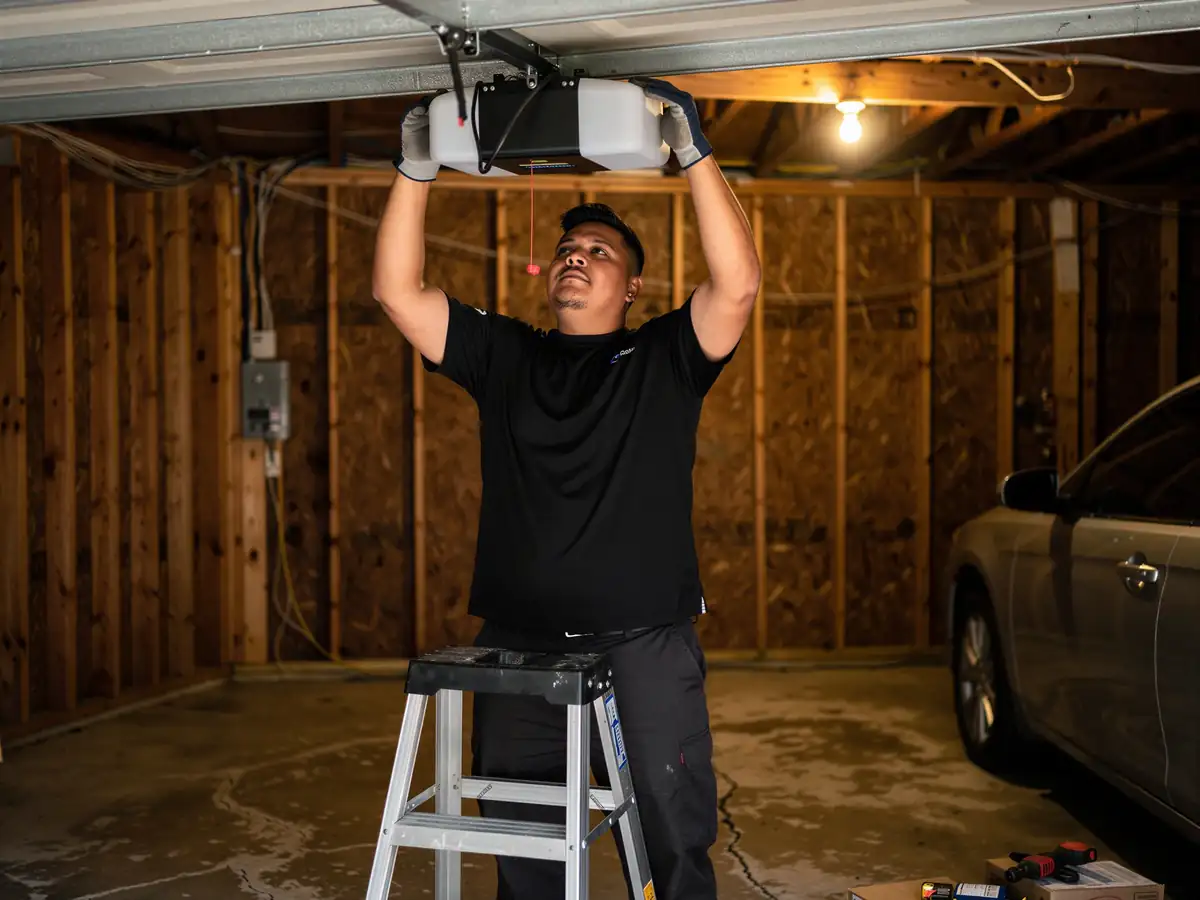
A torsion spring under full tension holds enough stored force to break a wrist or worse if the winding bar slips, and there's no safe way to learn that lesson on your own garage. This is the one place in garage door work where the margin for error is genuinely zero, not just inconvenient. If the door's imbalanced or the spring's visibly broken, leave it closed, don't force the opener to lift it repeatedly, and get someone out to look at it before the cable or the opener's gears take the extra strain.
The Complications
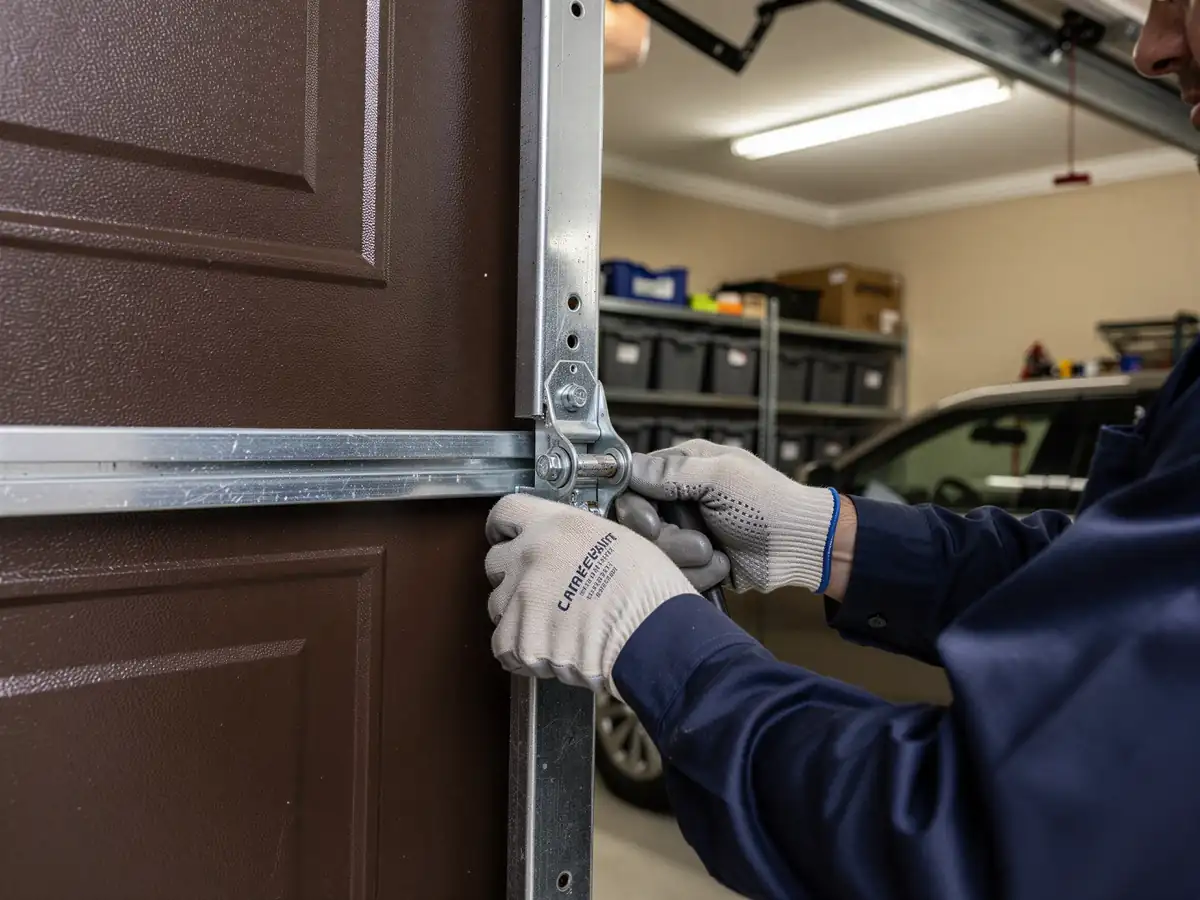
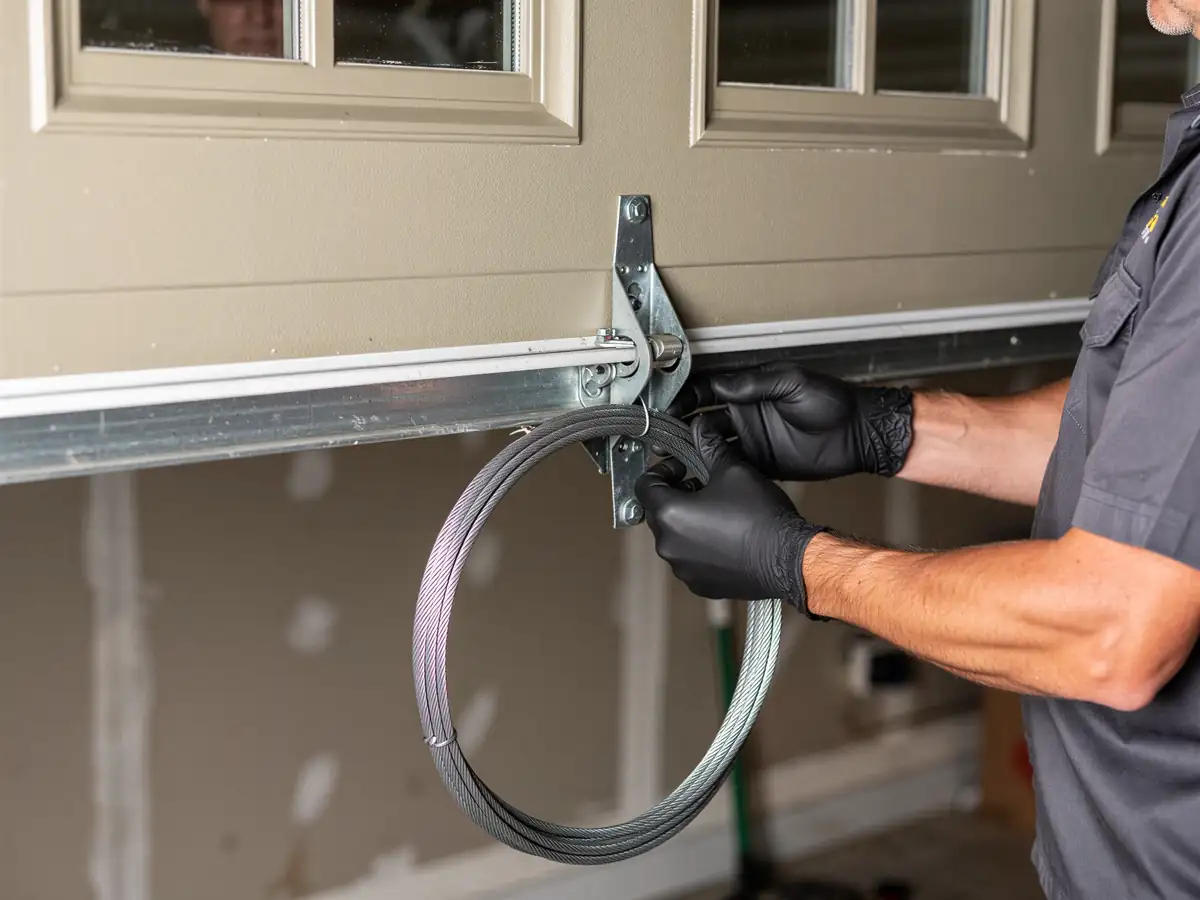
Most of the trouble on an early-90s door isn't the spring itself - it's everything the spring has been quietly compensating for. A drum that's slipped slightly on the shaft, a cable with a few strands frayed, or a bottom bracket that's been bent and straightened once already all change how a new spring should be set. Put the right spring on bad hardware and it'll feel fine for a week, then start showing the same symptoms again.
Rendon counts roughly 5,074 households against the 66,405 spread across the whole Burleson service area, and on the smaller end of that range we still see the full mix of door ages and conditions you'd expect anywhere - some garages untouched since the house was built, others already carrying a second or third spring. The complication we can't shortcut: if the opener's been fighting an unbalanced door for months, the gears or the drive mechanism may need attention too, and that's a separate conversation from the spring once we're actually looking at it.