Parts We Carry
Most houses in Rendon went up around the early 1990s
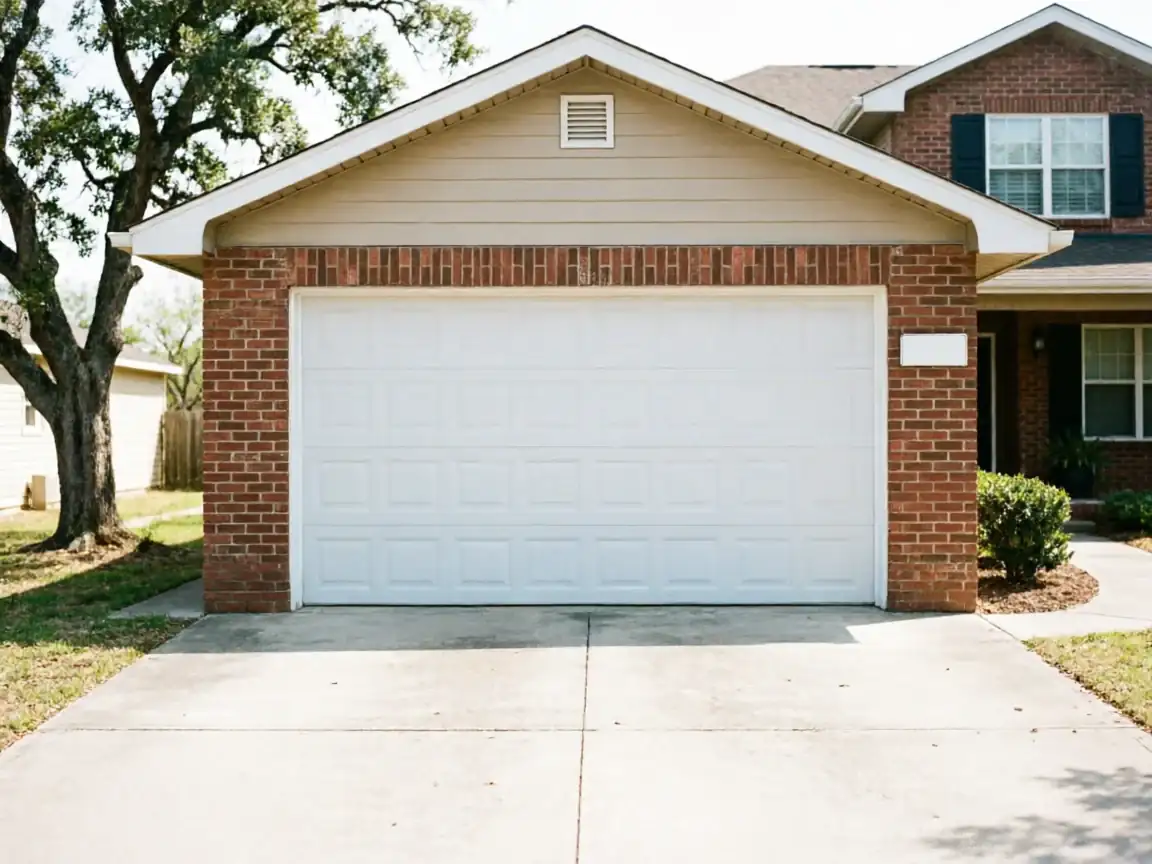
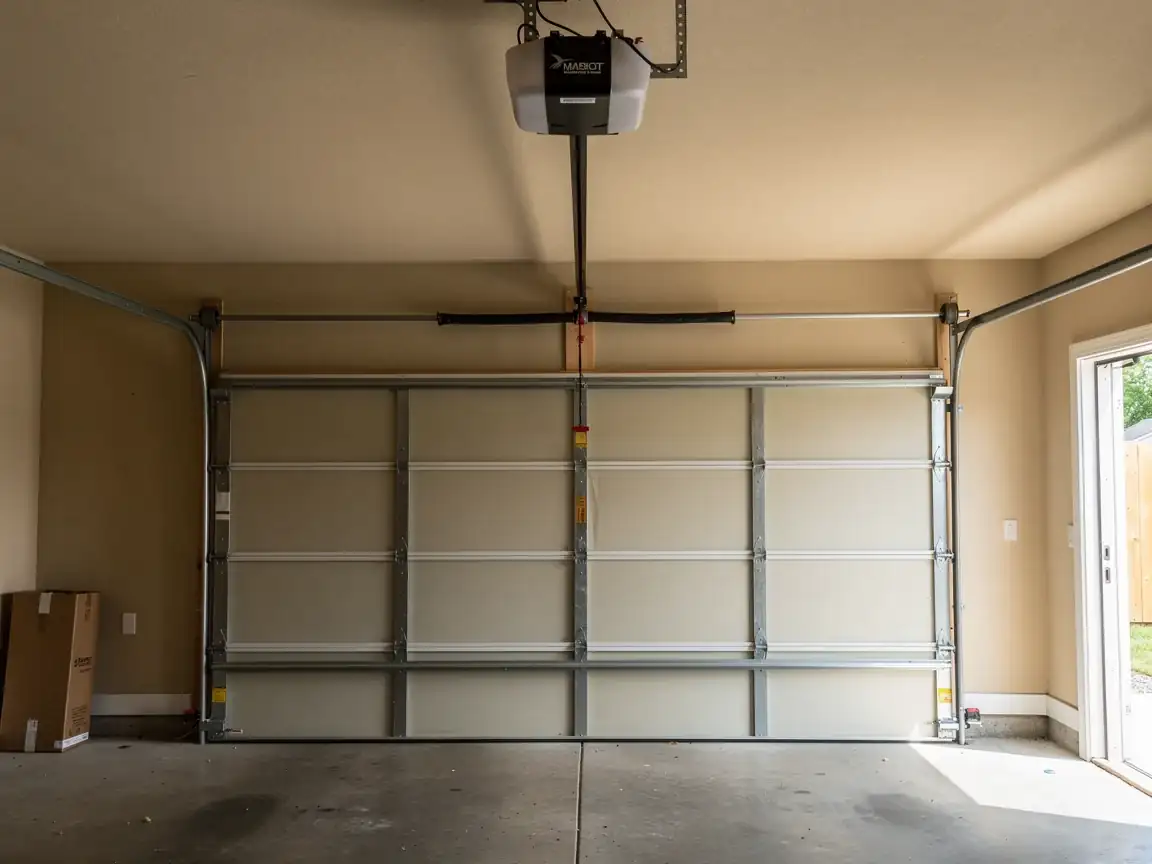
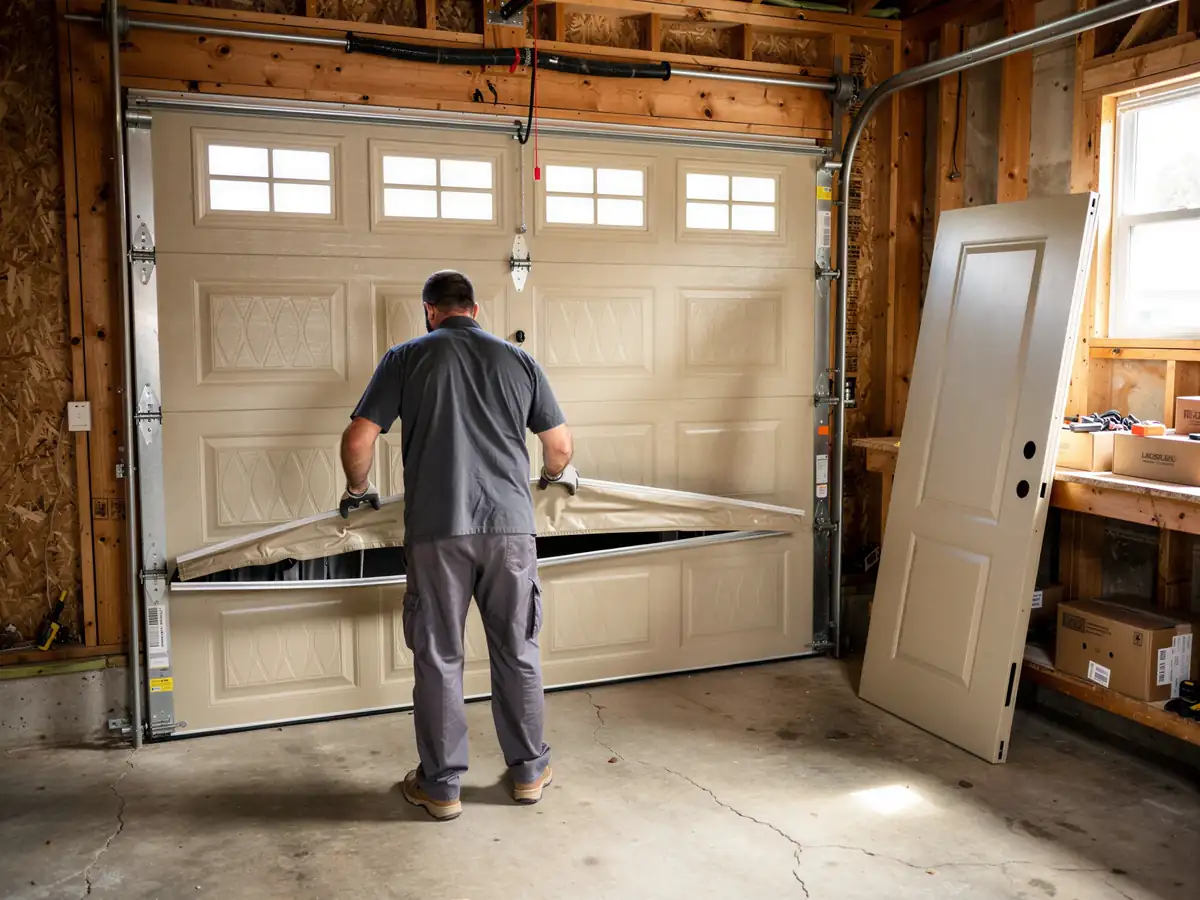
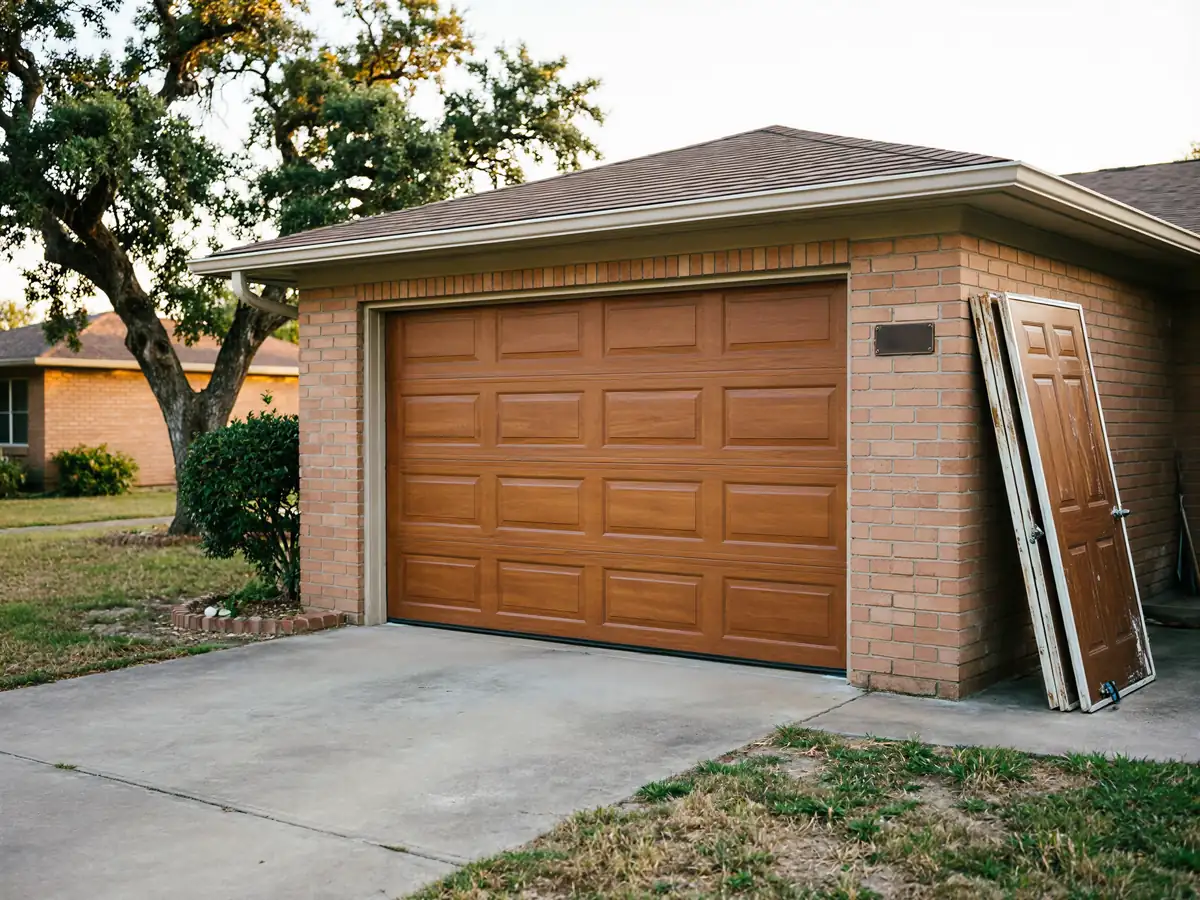
With the area's median build year sitting at 1992. That puts the original door on a lot of these houses at the tail end of its working life - a steel sectional door, usually a single 9x7 or a double 16x7, hung on a standard-lift torsion system with galvanized tracks that were common hardware for that decade. Those doors were rarely insulated, because insulation wasn't the selling point it is now, and the heat band here is moderate rather than extreme, so a lot of builders skipped it.
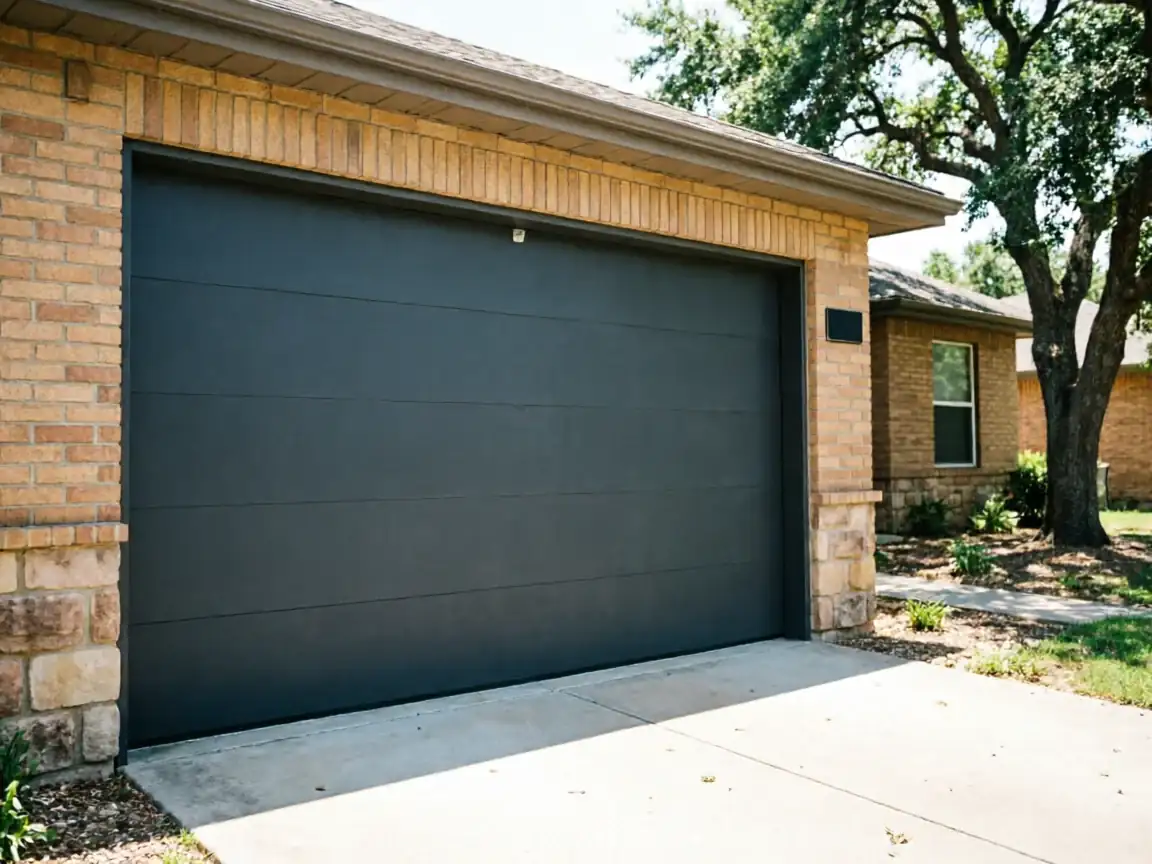
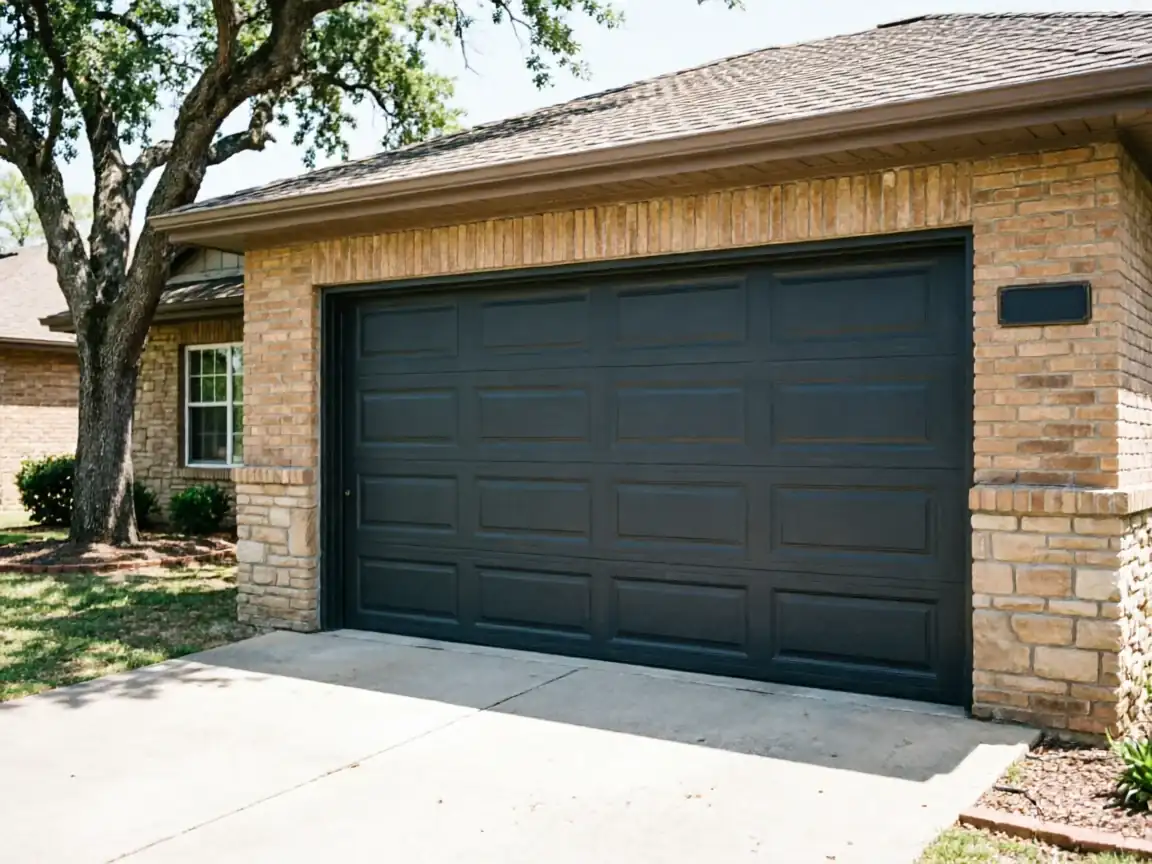
When we replace one of these, we carry steel sectional doors in both widths
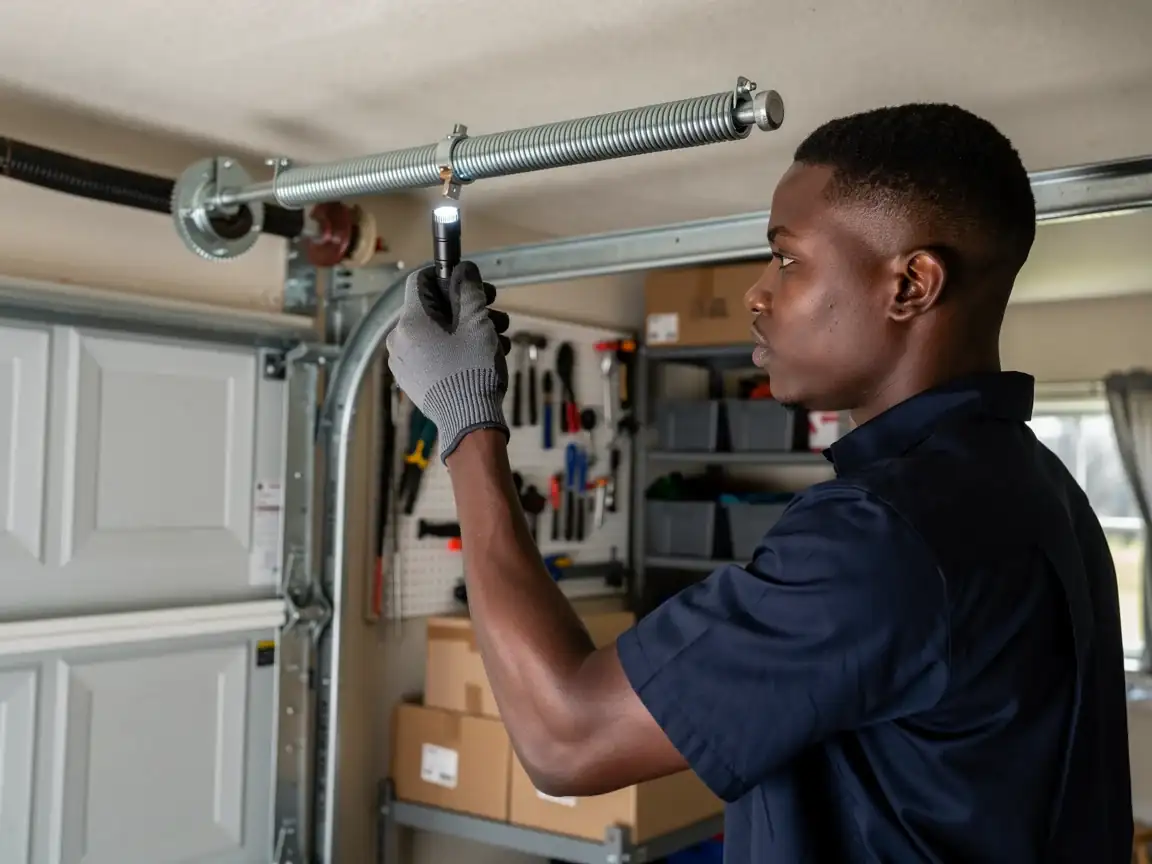
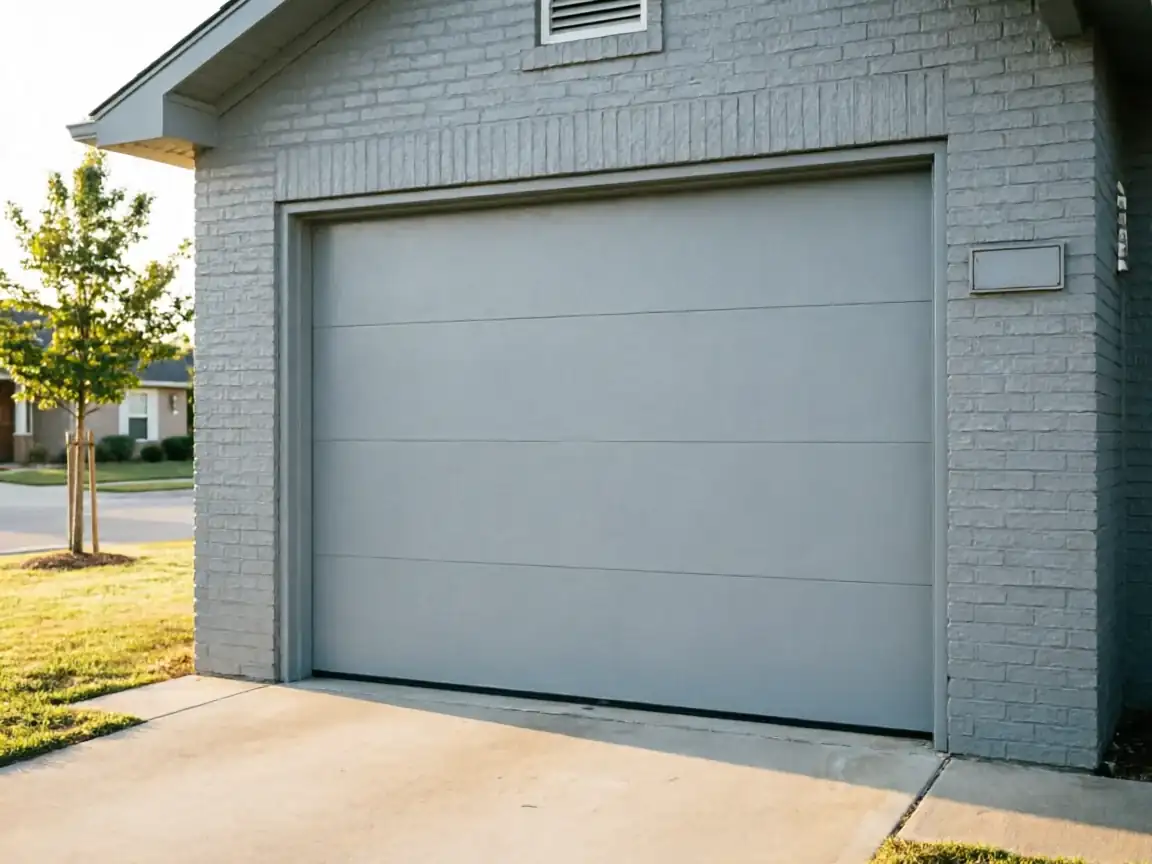
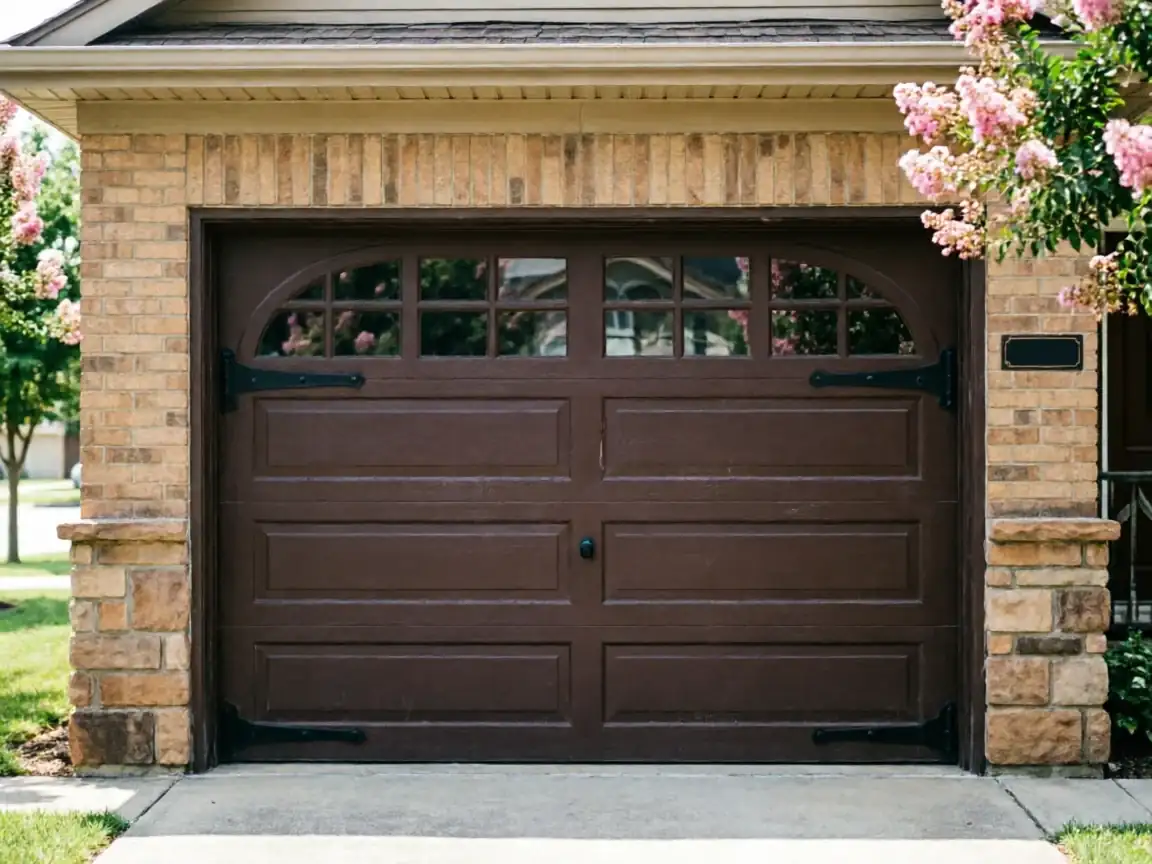
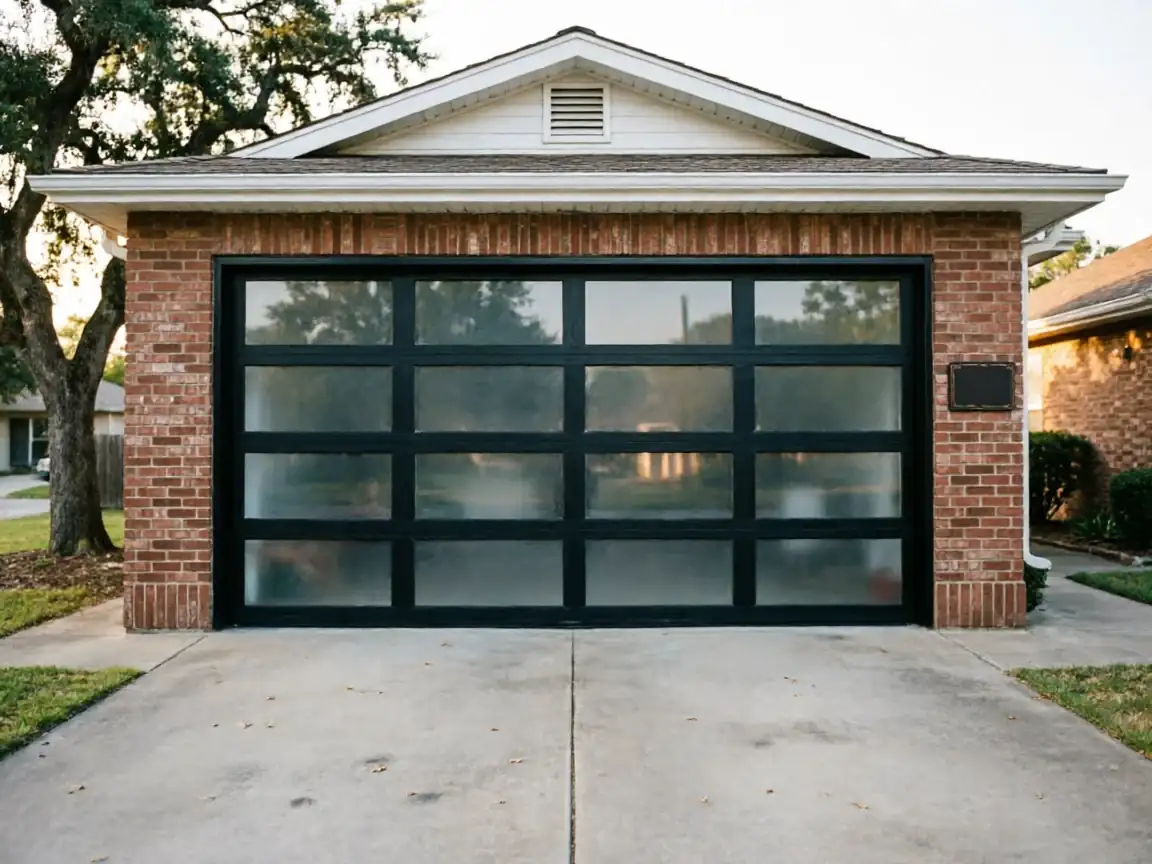
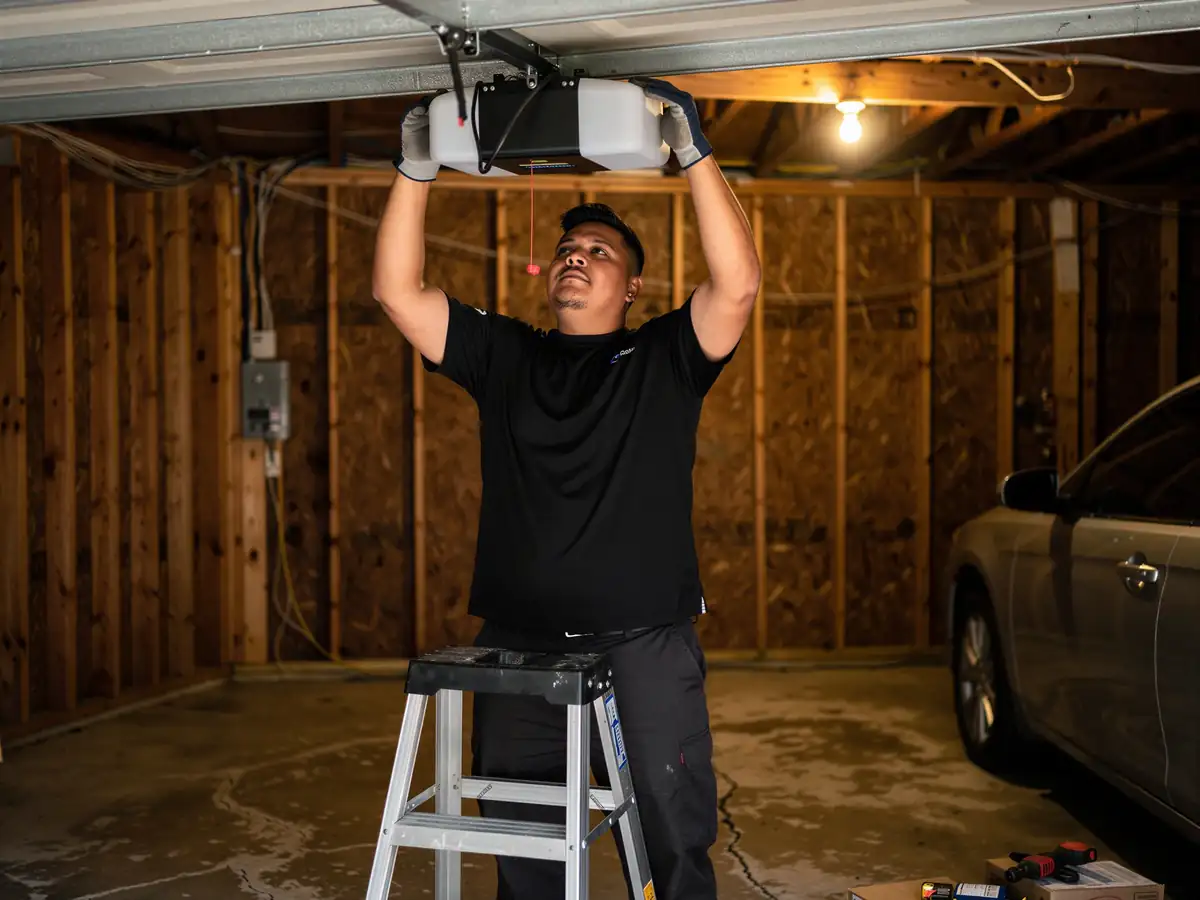
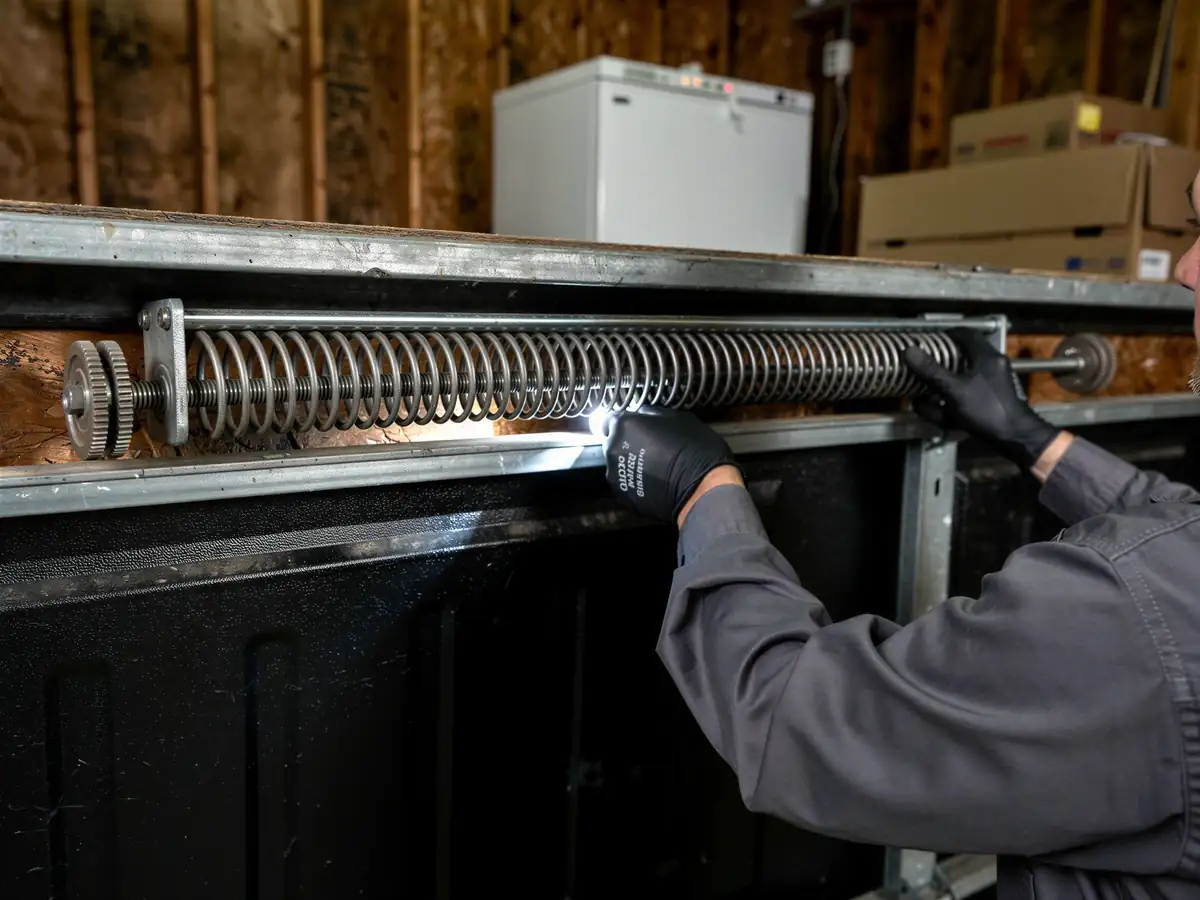
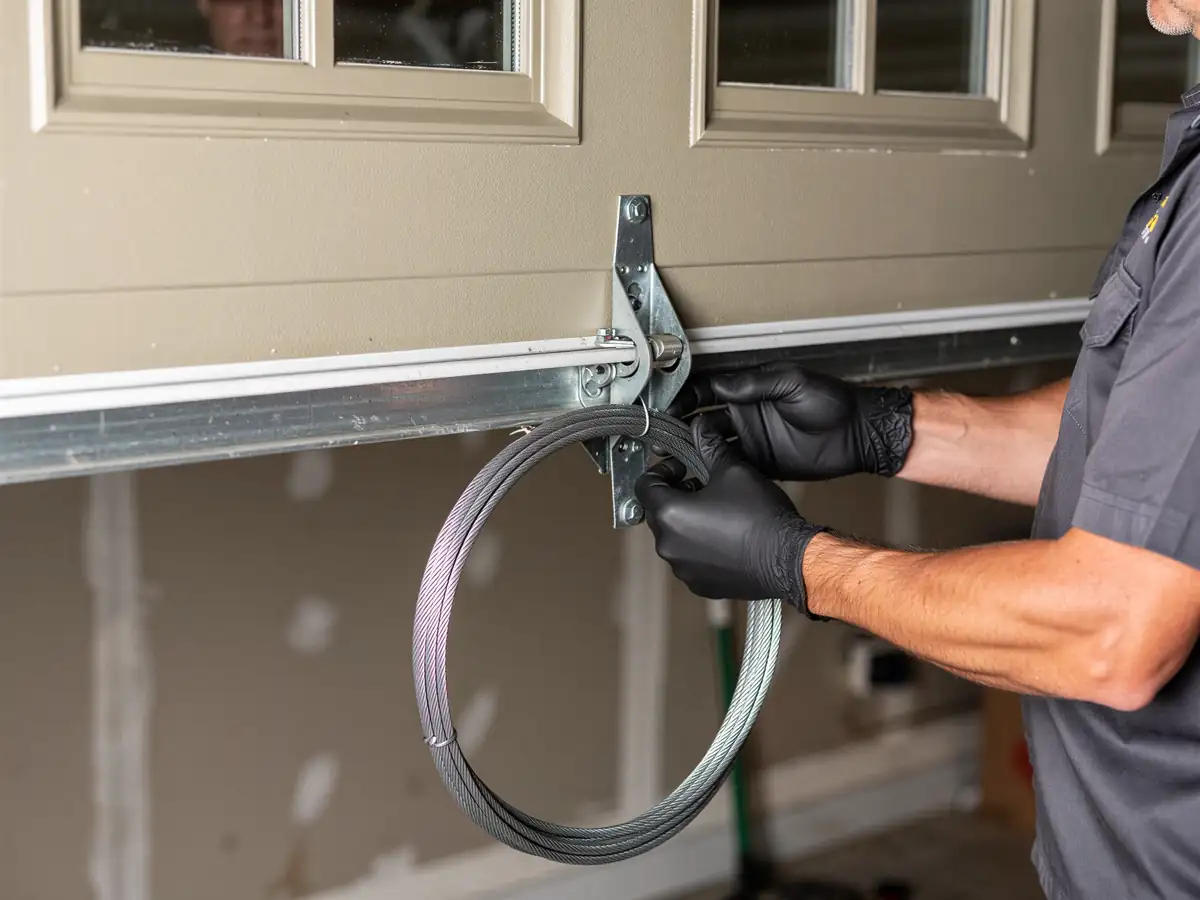
With and without a polystyrene or polyurethane core, plus torsion springs sized to the door weight and matching standard-lift drums and cable. We also stock the openers that pair with that hardware. What we don't stock on the truck is anything custom - a carriage-style door with a specific panel pattern, or a non-standard width - those get special-ordered, and that adds lead time. If your house falls outside the typical 1990s build, tell us the width and height up front so we know what to bring from Burleson.
How Long You Are Without the Door
We run this job out of Burleson, about 7 miles from Rendon, so travel isn't the bottleneck - what matters more is whether your door is a stock size or a special order. A standard 9x7 or 16x7 steel sectional, the sizes that match most Rendon construction from the 1990s, is usually something we can get on the truck without a special order, so the gap between the old door coming down and the new one going up tends to be short - a matter of hours on the day of install, not days.
Where it stretches out is custom widths, odd headroom, or a door style that isn't on the shelf. If your house is one of the older ones near the edge of that 1953-2014 build range for the wider service area, or one of the newer ones built after 2000, the hardware spacing can be different enough that we need to confirm measurements before we order. We'll tell you at the estimate whether your job is a same-visit swap or a scheduled install with a lead time, and we won't guess at that over the phone.
How It Shows Up
On a door built around 1992, the failure pattern is pretty consistent. The steel panels start to show surface rust along the bottom section first, where water sits after rain, and the seams between panels widen as the hinges wear. The torsion spring on these doors is now past its rated cycle count for most households, so a spring that lets go without warning is common - you'll hear a loud bang in the garage and find the door won't lift, or lifts crooked.
Openers from that era are often the chain-drive type with a wall button and no keypad, and when they finally fail, the door still physically works but has to be lifted by hand. If your door sticks partway up, drops suddenly on the way down, or the remote stopped working years ago and nobody replaced it, that's the typical sign for a house in this age bracket. None of this is dramatic until the spring actually breaks, which is usually the point people call.
Can You Do This Yourself
Swapping the opener yourself is reasonable if you're comfortable on a ladder and can read a wiring diagram
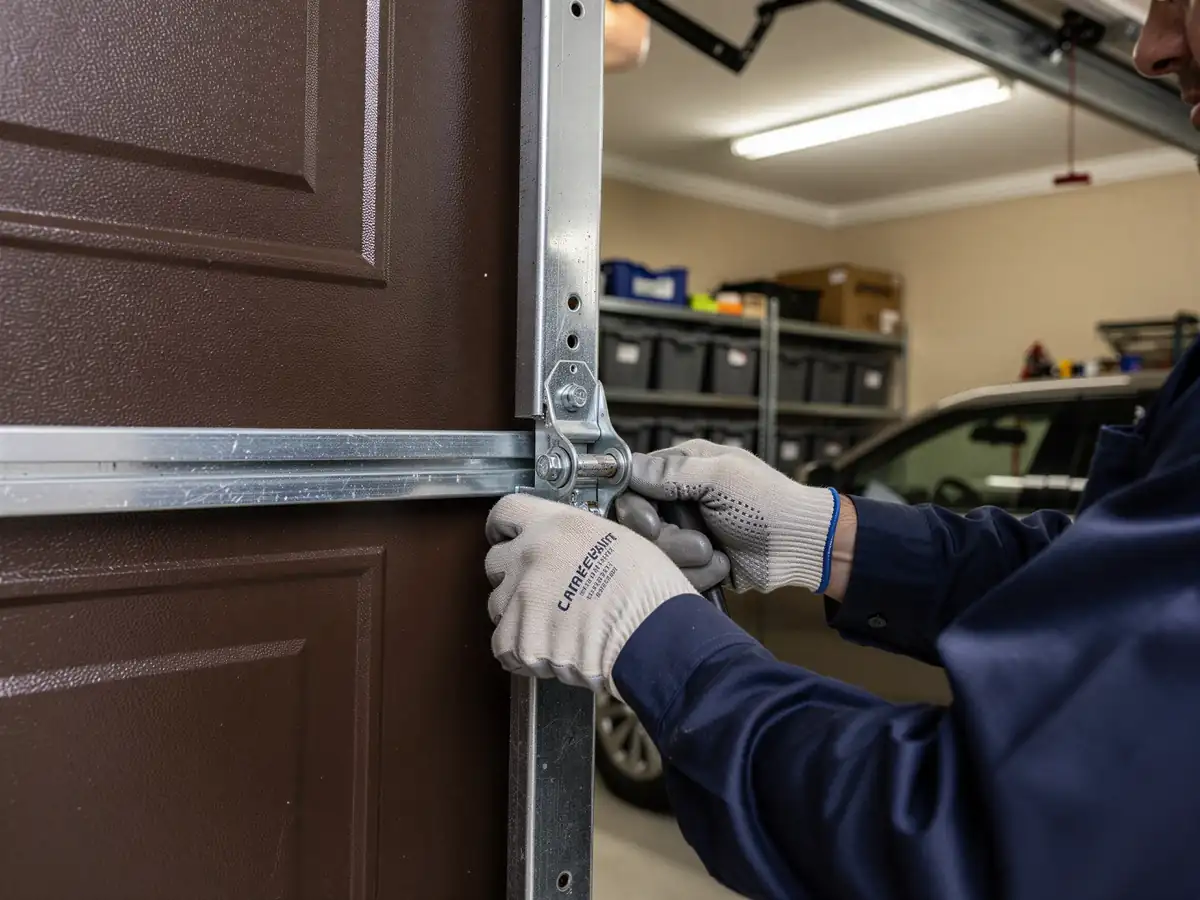
That part isn't where people get hurt. The door itself is a different matter. A torsion spring on a 16x7 double door built in the 1990s is wound under enough tension to break a wrist or worse if the winding bars slip, and the springs sized for that door weight aren't something you rent from a hardware store.
We'll be honest about the limit here
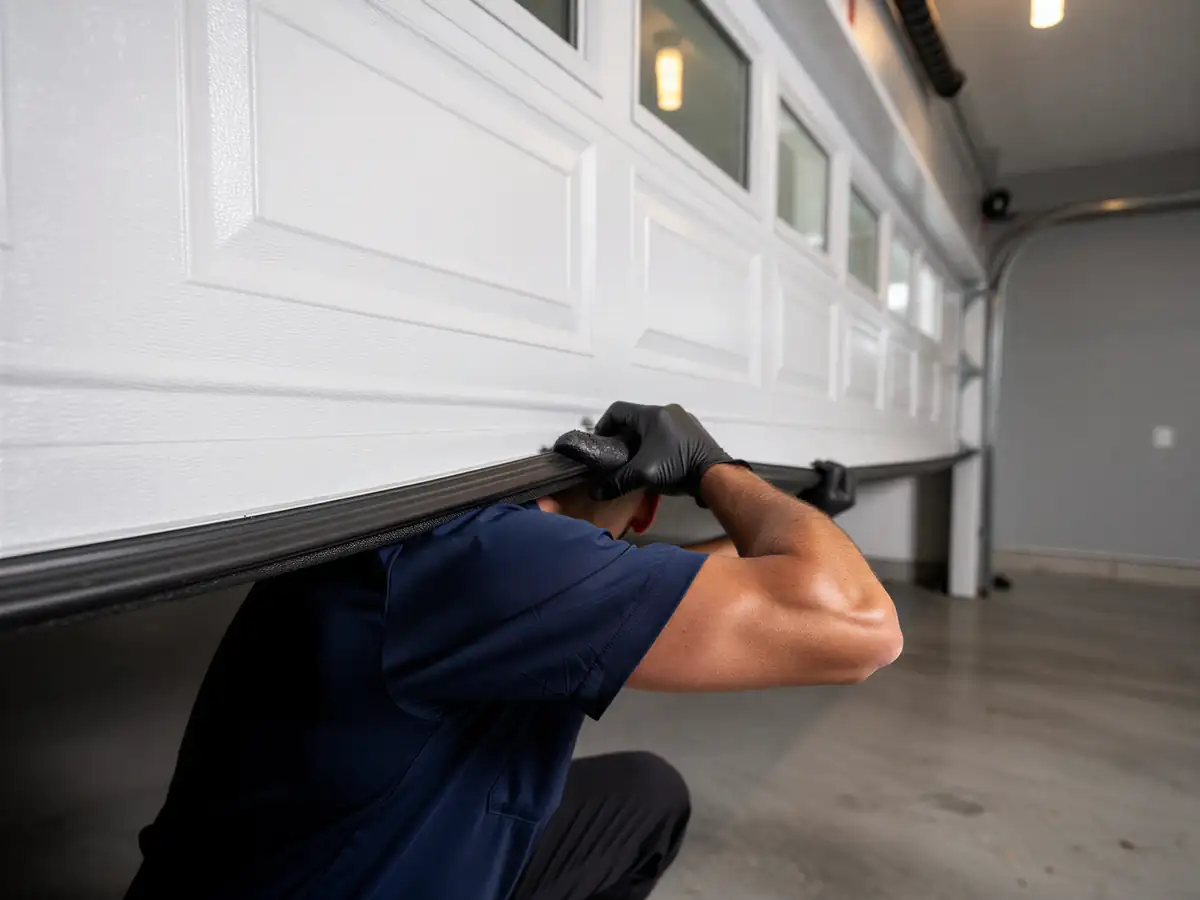
If you want to replace weatherstripping, tighten hinges, or lubricate rollers and track, that's safe DIY work and we'd rather you not pay us for it. Once you're talking about pulling the old door off its torsion hardware and setting a new one, that's the job we do, not a weekend project.
The Complications
The two things that slow down an otherwise simple swap in Rendon are headroom and opener compatibility. Houses built in this era sometimes have less clearance above the door than current doors and openers expect, especially if the garage was framed tight to code minimums at the time. We measure that before we quote, not after.
The second complication is matching a new door to an opener that's still working. If your opener is original to the house, it may use a drive system or safety sensor setup that doesn't pair cleanly with a newer door's weight or track profile, and swapping the door alone can leave the opener straining. We'll tell you straight if the opener needs to go too, rather than let you find out six months later. One honest limit: we don't do custom wood doors or anything requiring architectural millwork - that's outside what we stock and outside what we'd recommend for value on a house in this price range.