Can You Do This Yourself
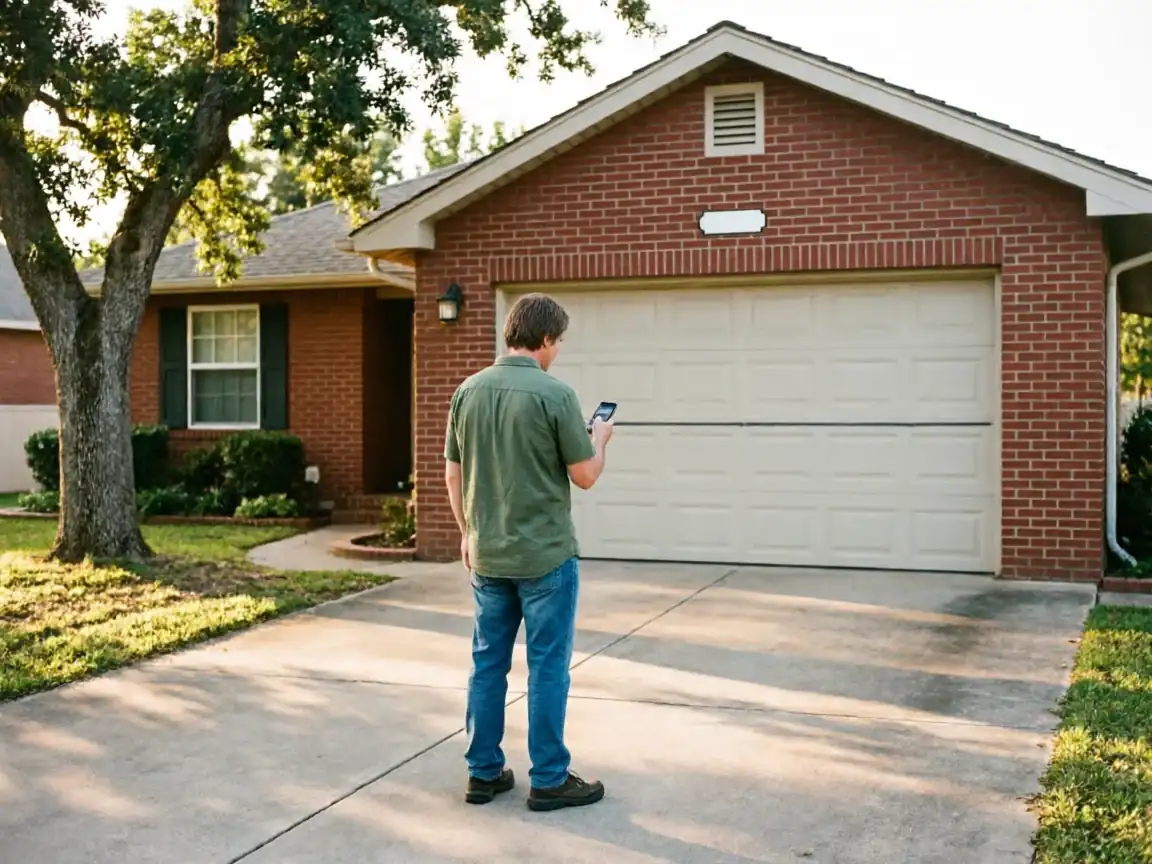
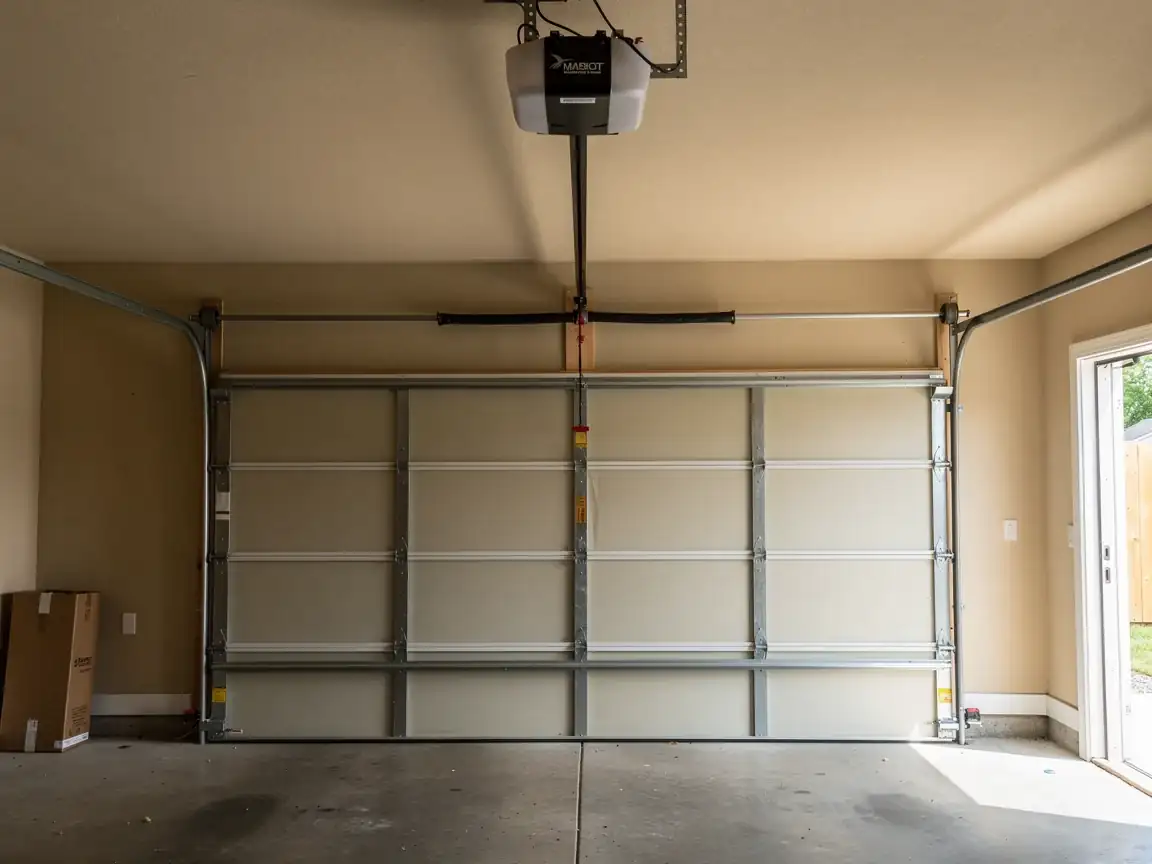
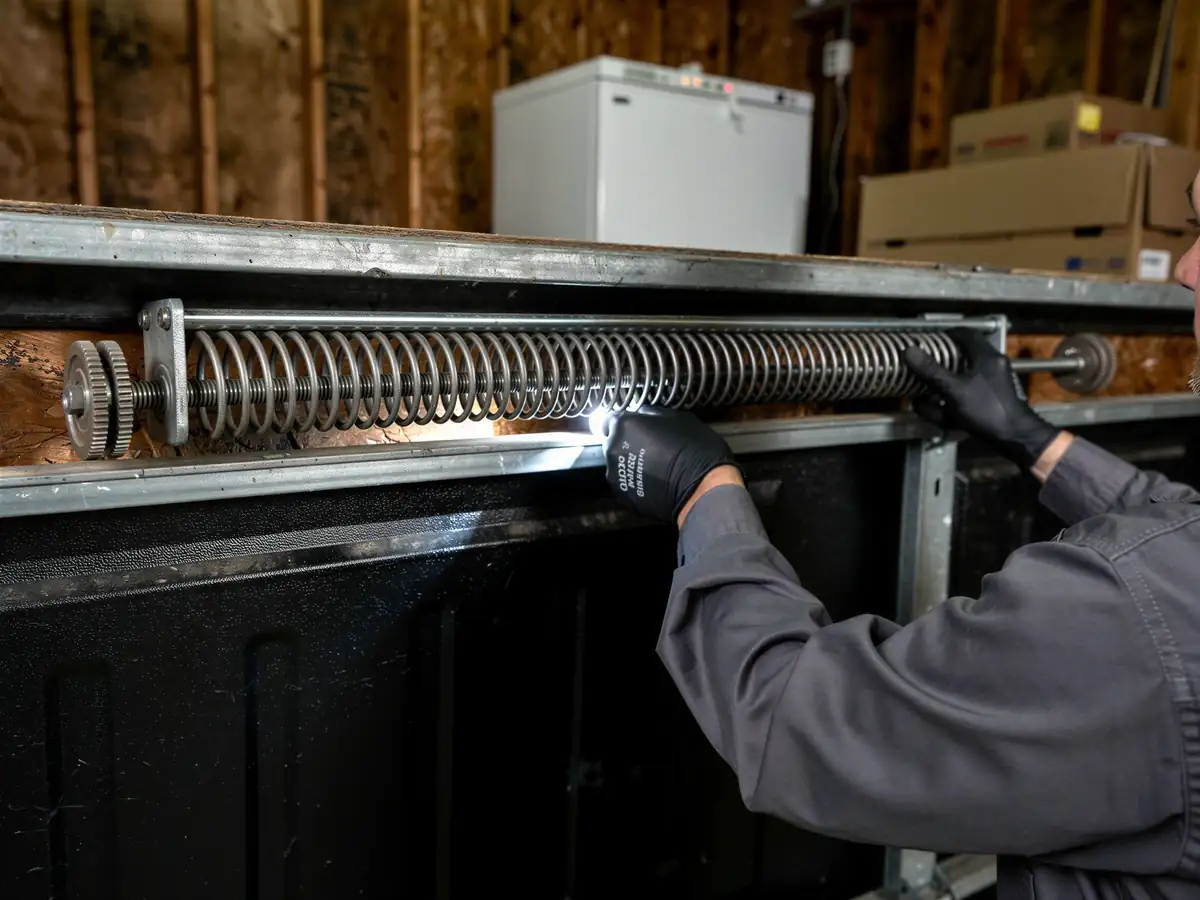
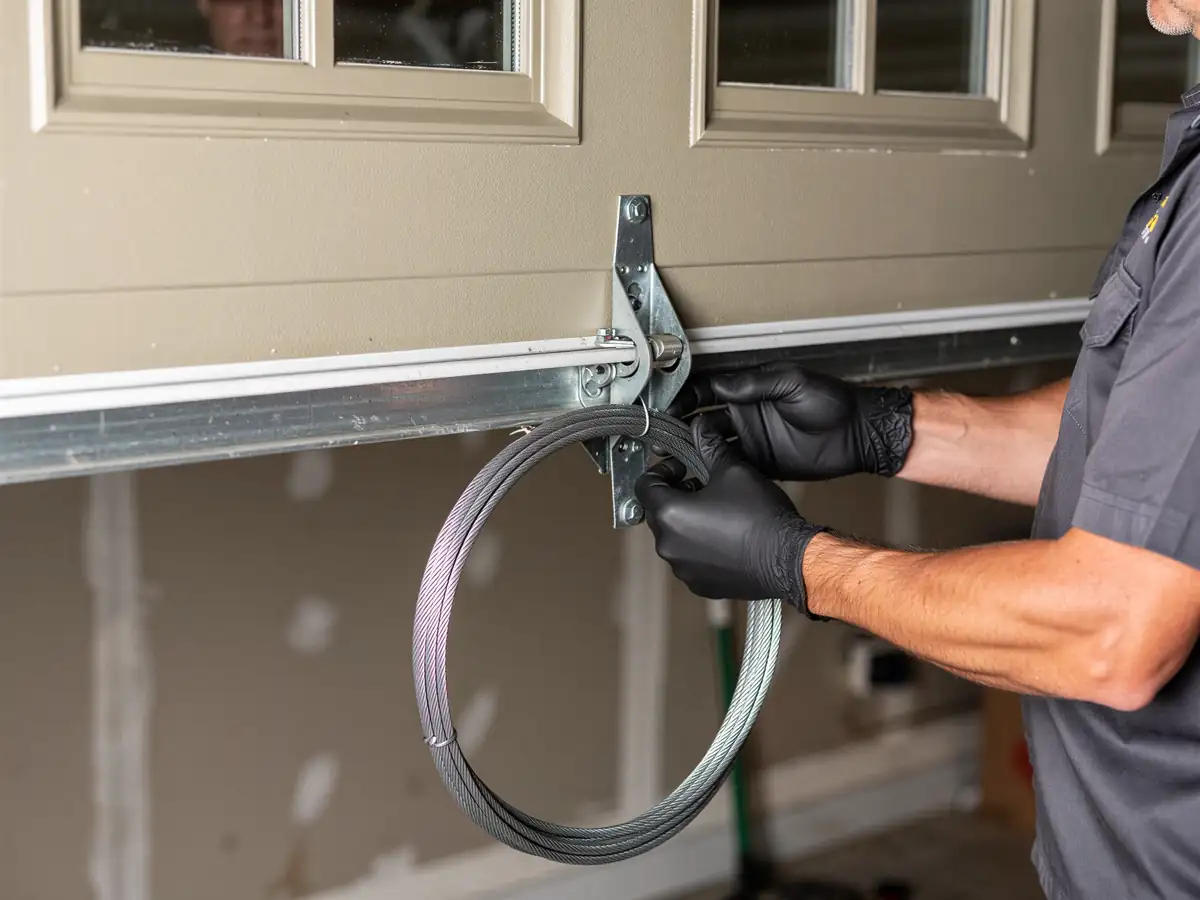
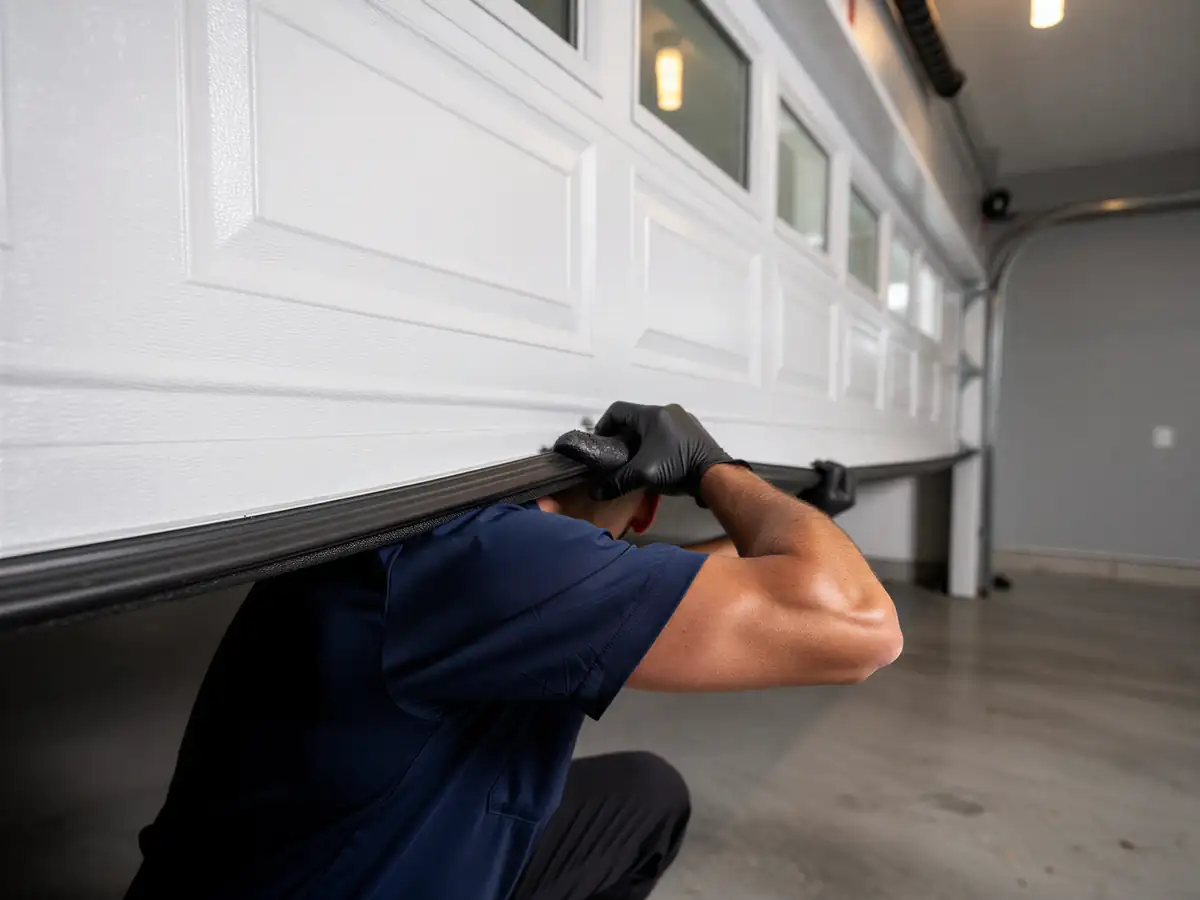
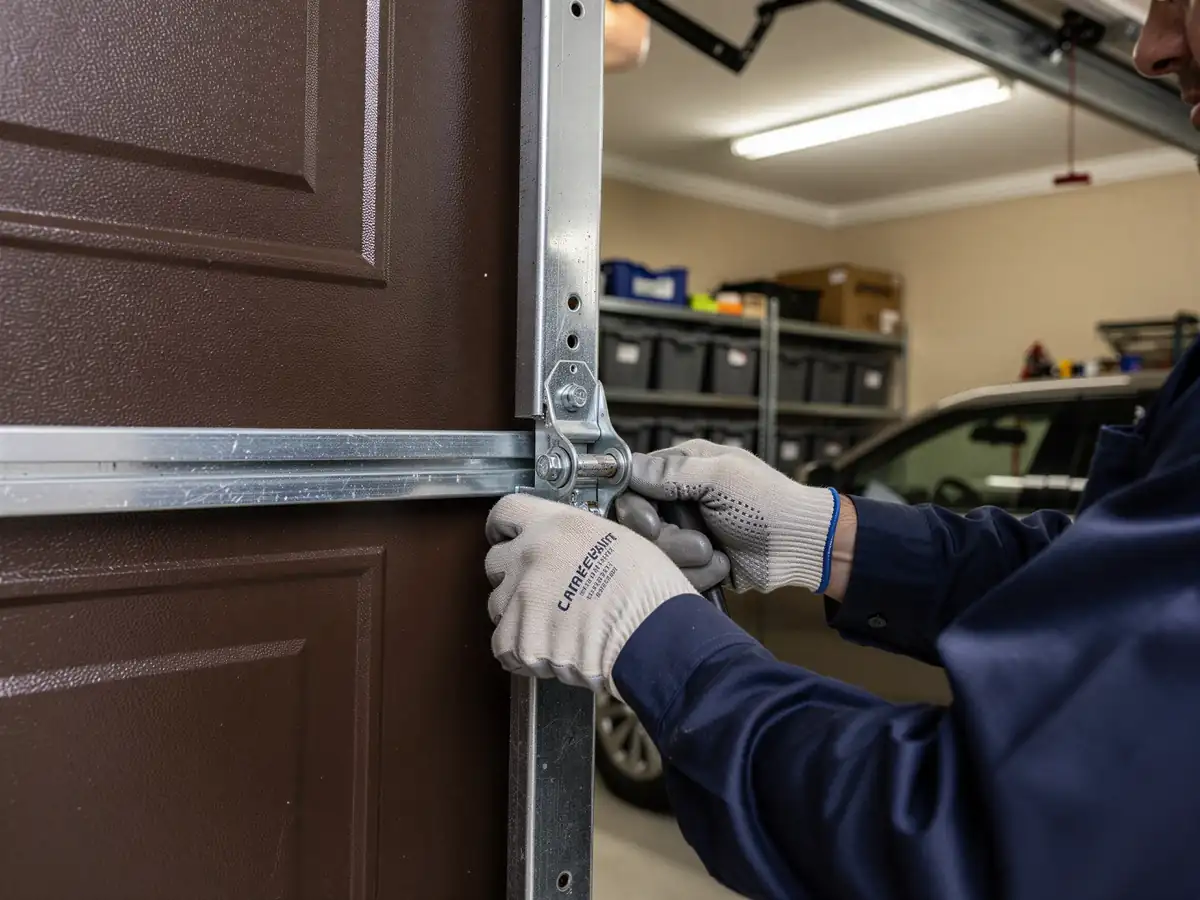
Some of it, yes. Lubricating hinges and rollers, tightening loose bolts on the track brackets, and replacing a worn weatherstrip at the bottom panel are all reasonable weekend jobs. A broken torsion spring is not one of them. The spring on a door this size is wound under several hundred pounds of tension, and the winding bars and clamps needed to release or set that tension safely aren't something most garages have lying around. Cable replacement has the same problem - the cable is load-bearing the moment the door moves. If the opener itself has stopped responding but the door moves fine by hand, that's a safer DIY diagnostic: check the wall switch, the photo-eye sensors near the floor, and the circuit breaker before assuming the motor's dead. If you get to the point of touching anything under tension, that's the line where a call is worth more than a YouTube video.
How Long You Are Without the Door
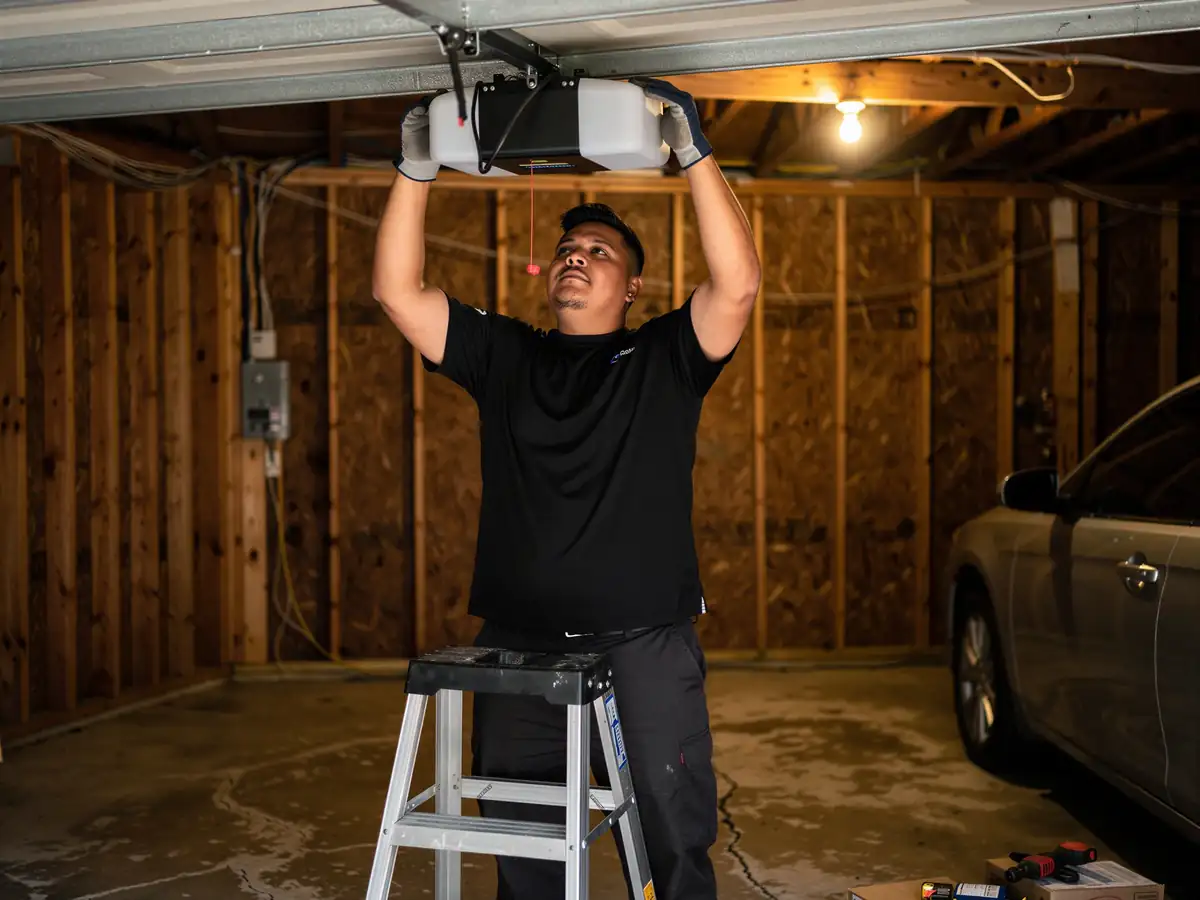
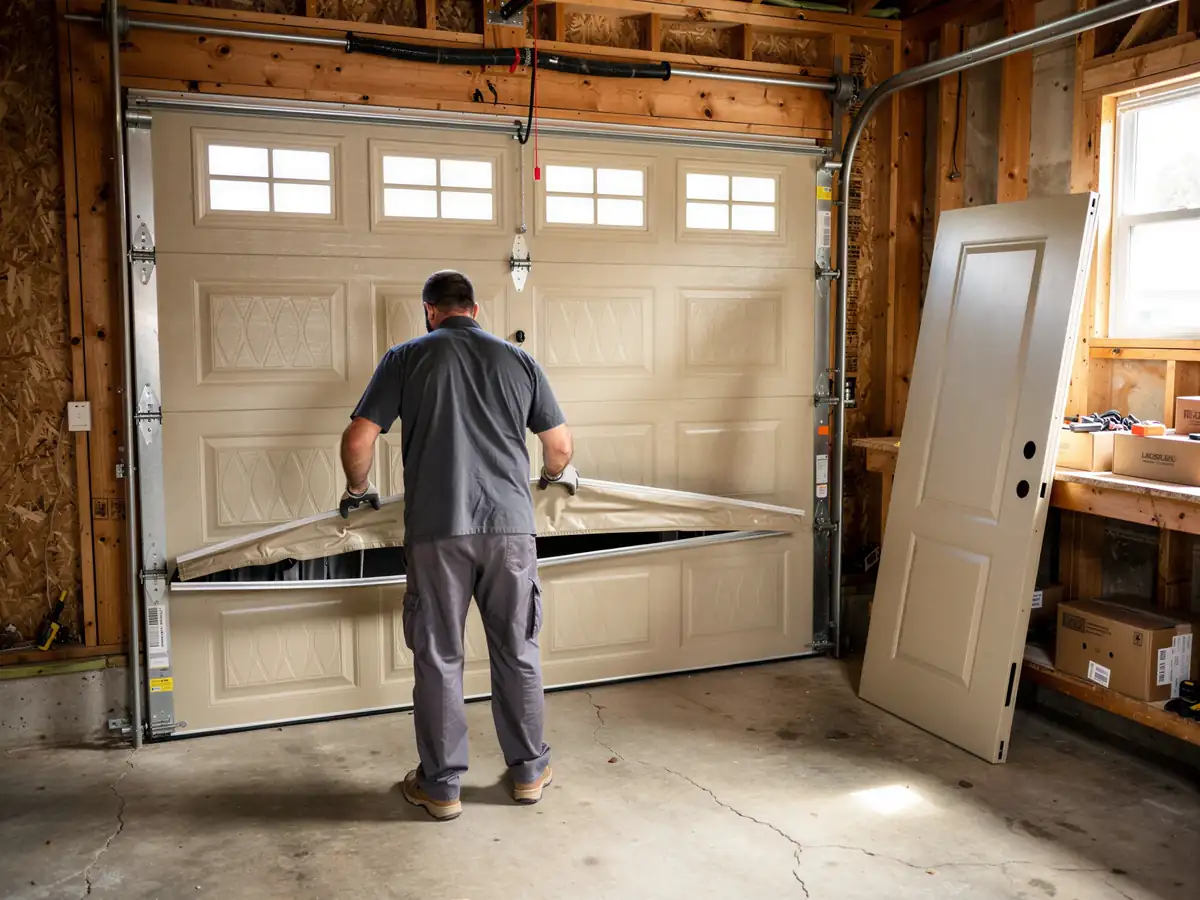
A single broken spring, a snapped cable, or a stuck opener motor is usually a same-visit fix once the truck is there - the job itself runs an hour or two depending on whether both springs need replacing. The part that varies is the trip out: Joshua sits about five miles from Burleson, so the door is down for however long it takes to get a truck here plus the repair window, not an extended wait. Where it stretches out is parts. If the door is an odd width for its era, or the opener is an older model whose logic board isn't stocked on the truck, that piece might need ordering - a day or two, not weeks, but worth knowing before you plan around it.
The Complications
The biggest wrinkle on 1990s-era Joshua doors is spring sizing. Torsion springs from this period were often matched to the door and the house by the original builder, not a standard off-the-shelf size, so a replacement spring sometimes needs to be wound specifically rather than pulled straight off a shelf. That adds time to a job that would otherwise be quick. The second complication is openers that have been swapped at least once already - a 30-year-old house has usually had at least one replacement opener installed on original track and hardware, and the two don't always match cleanly, which can show up as grinding, binding, or a door that reverses for no clear reason. Neither of these is a reason to avoid the repair. They're just why a quote over the phone, without seeing the door, is a guess rather than a number.
What the Repair Takes
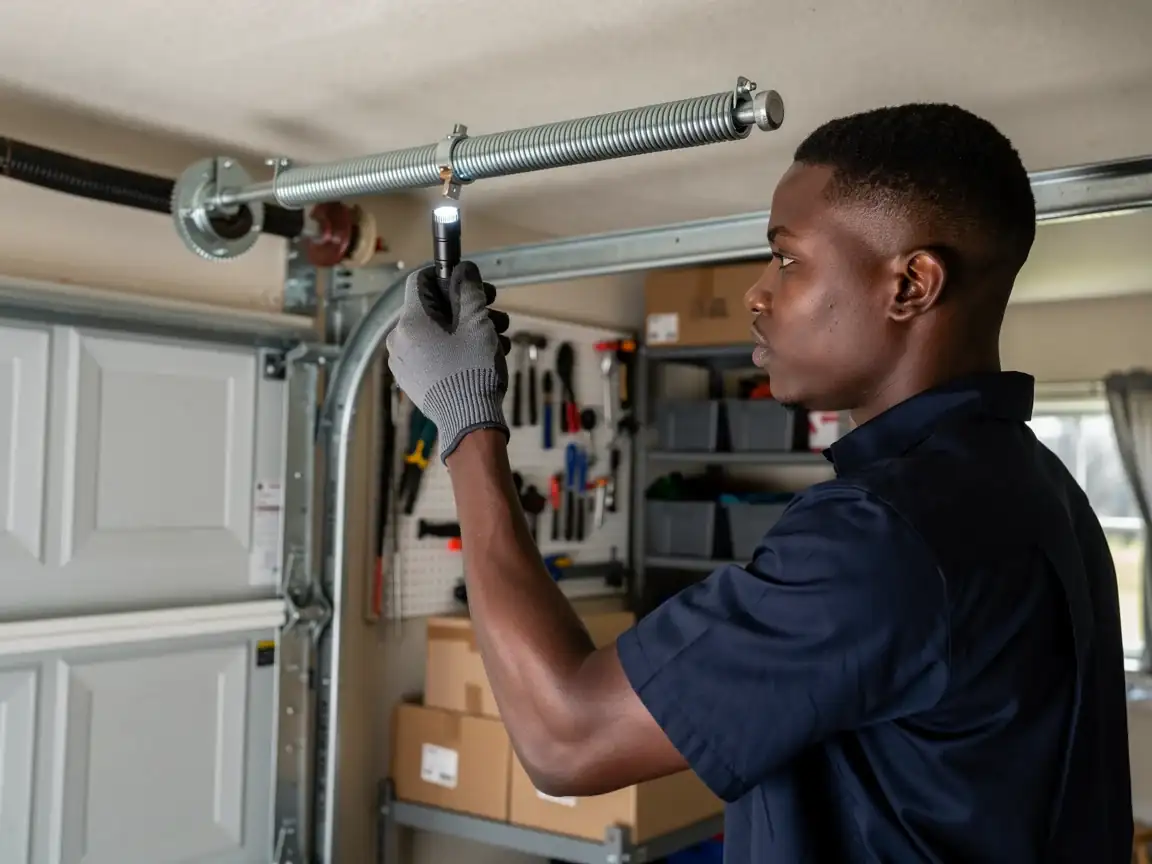
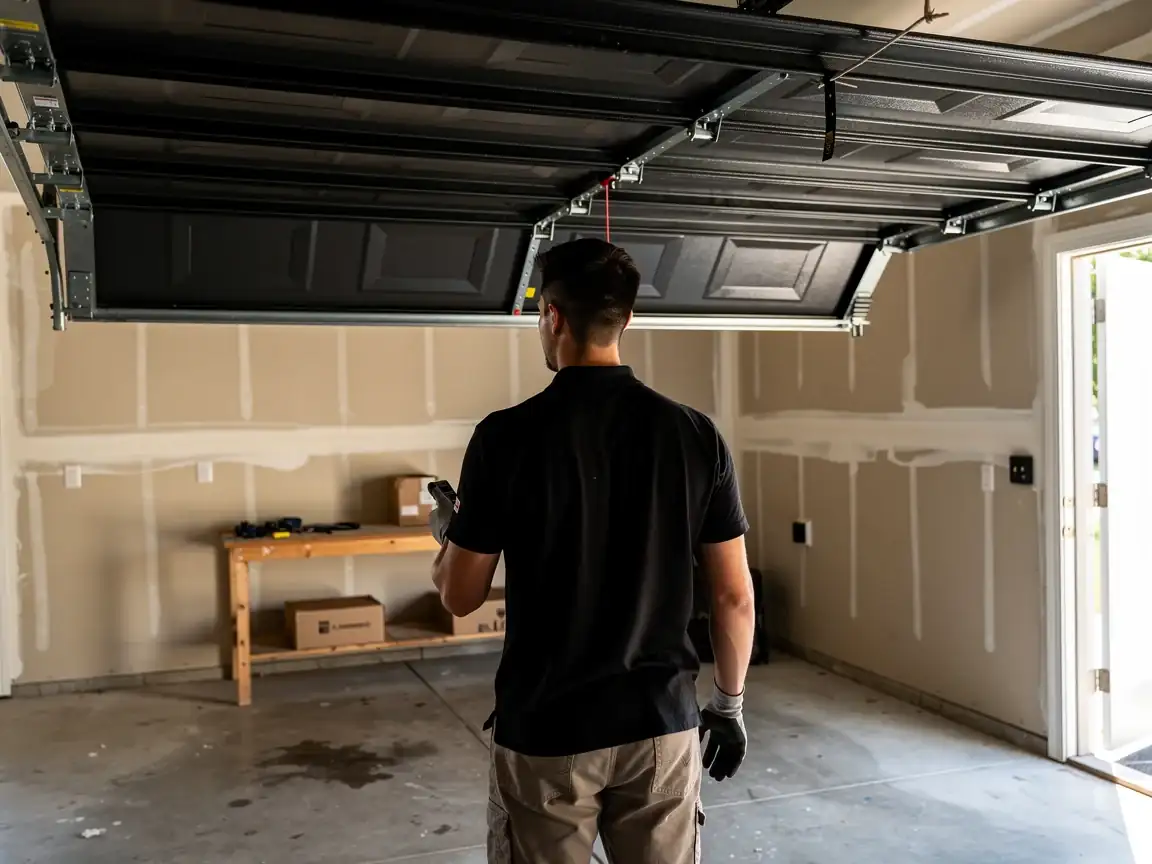
For a spring job: winding bars, vise grips, a ladder, and a spring rated to the door's weight and width - guessing the spring size wrong is how a second service call happens. For a cable replacement, matched-length aircraft cable and the correct drum alignment, since an uneven cable on one side will pull the door crooked on the track. For an opener, the diagnostic usually starts at the photo-eye sensors near the floor track before touching the motor, since misaligned sensors are a far more common cause of a non-responding door than a dead motor board. On a door built in the early '90s, we're also checking the track brackets and the header bracket holding the spring, since three decades of cycling loosens lag bolts that were torqued once and never touched again.