Why This Fails Locally
Start with the number that matters most here
Joshua's median household income is $60,466, well under the $85,625 median across the wider service area. That gap matters because it decides, in real terms, whether a worn spring or a bad roller gets fixed or the whole door gets replaced. On a tighter household budget, a $900 decision isn't abstract - it's the line between maintenance and a new loan.
The housing stock here plays into it too
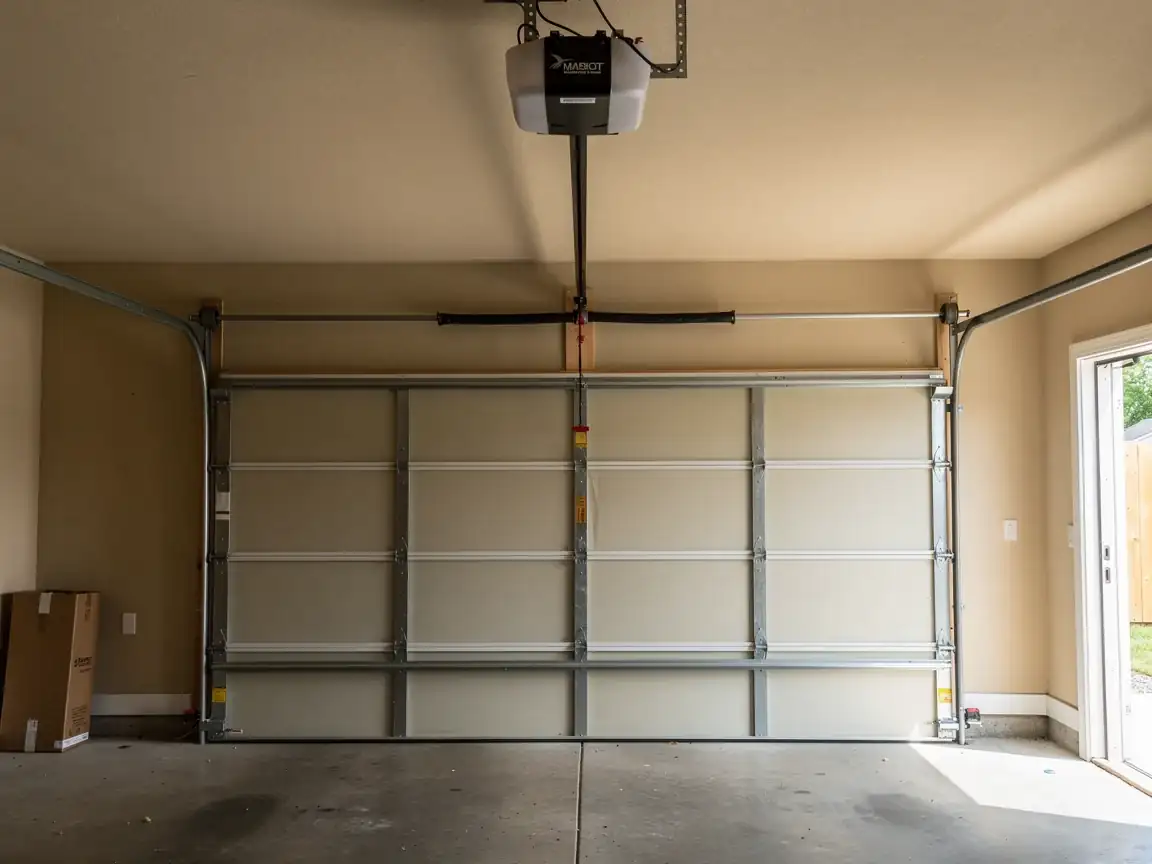
Joshua's homes went up around 1993 on average, a few years past the broader area's median build year of 1986. That means more of these doors came factory-equipped with torsion springs rather than the older extension-spring setups you still find on the oldest houses in this service area. Torsion hardware holds up well, but it isn't maintenance-free - the springs are rated for a cycle count, and a door built in the early 90s is now old enough that original springs are reaching or past that count. The failure mode people in Joshua call about most isn't a mystery problem; it's a 30-year-old spring doing exactly what springs do at the end of their life.
Can You Do This Yourself
Lubricating hinges and rollers, vacuuming the track, and checking that the door reverses when it meets resistance - all of that you can do yourself, and you should do it a couple of times a year regardless of what year your house was built. It takes twenty minutes and a can of the right lubricant.
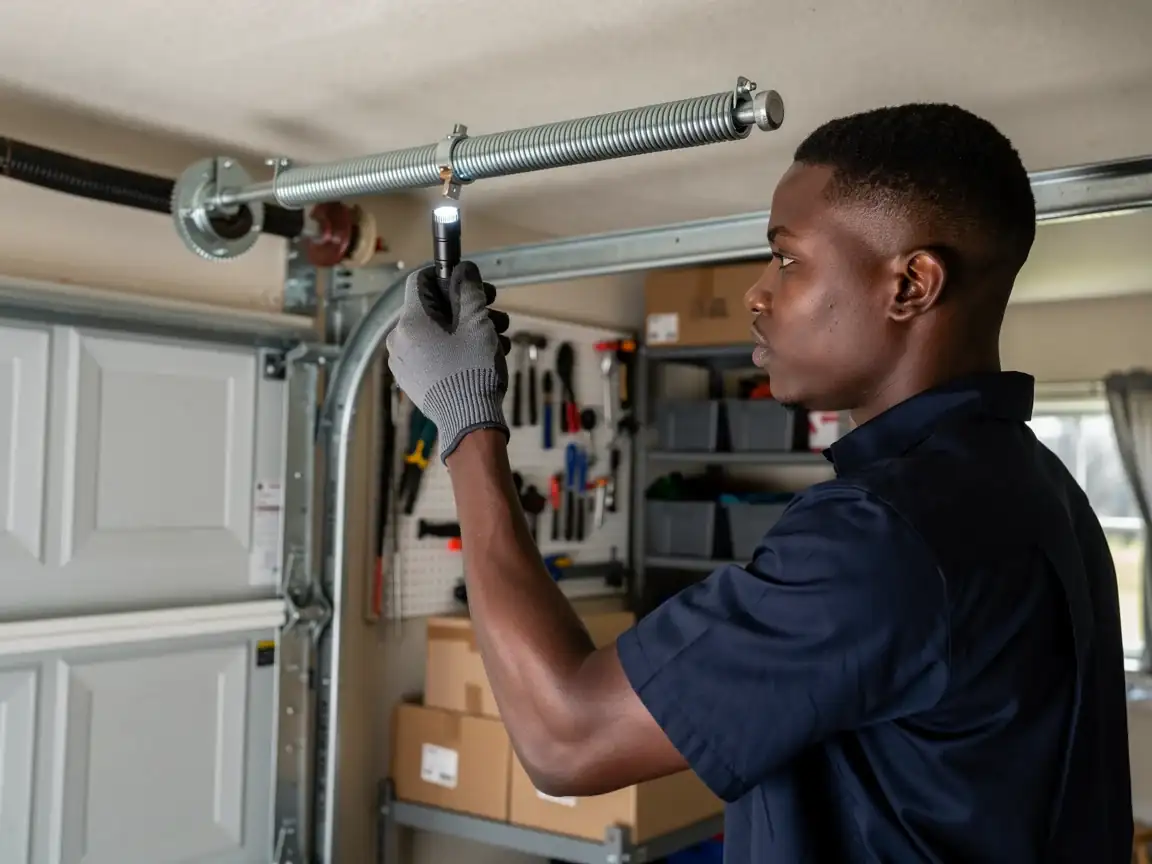
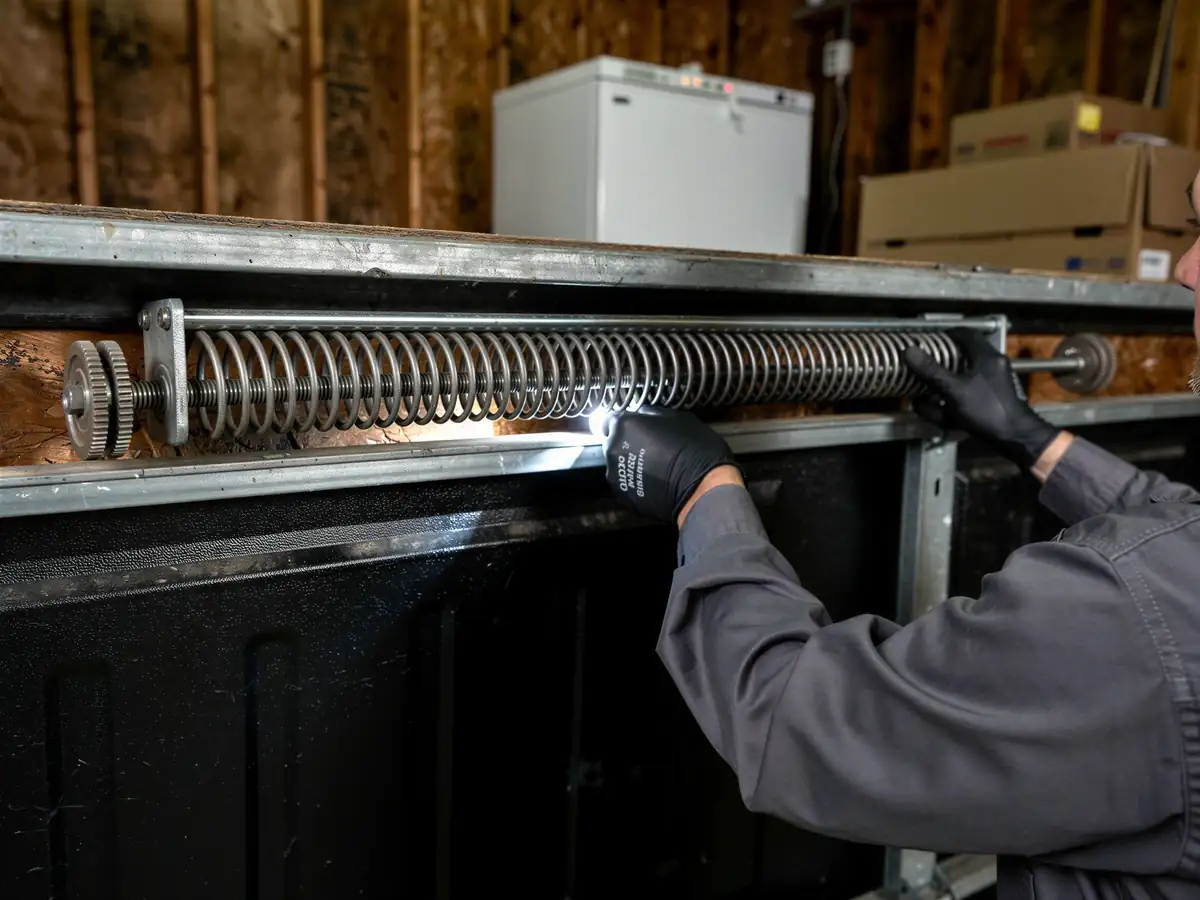
What you shouldn't do yourself is anything involving the torsion spring itself. A spring under tension that lets go while you're adjusting it can break a wrist or worse - this isn't caution for caution's sake, it's the reason winding bars exist as a trade tool and not a homeowner one. If your door is sagging unevenly, or one side drops faster than the other when you release the opener manually, that's a spring or cable issue, not a lubrication issue, and it's not a DIY afternoon.
How Long You Are Without the Door
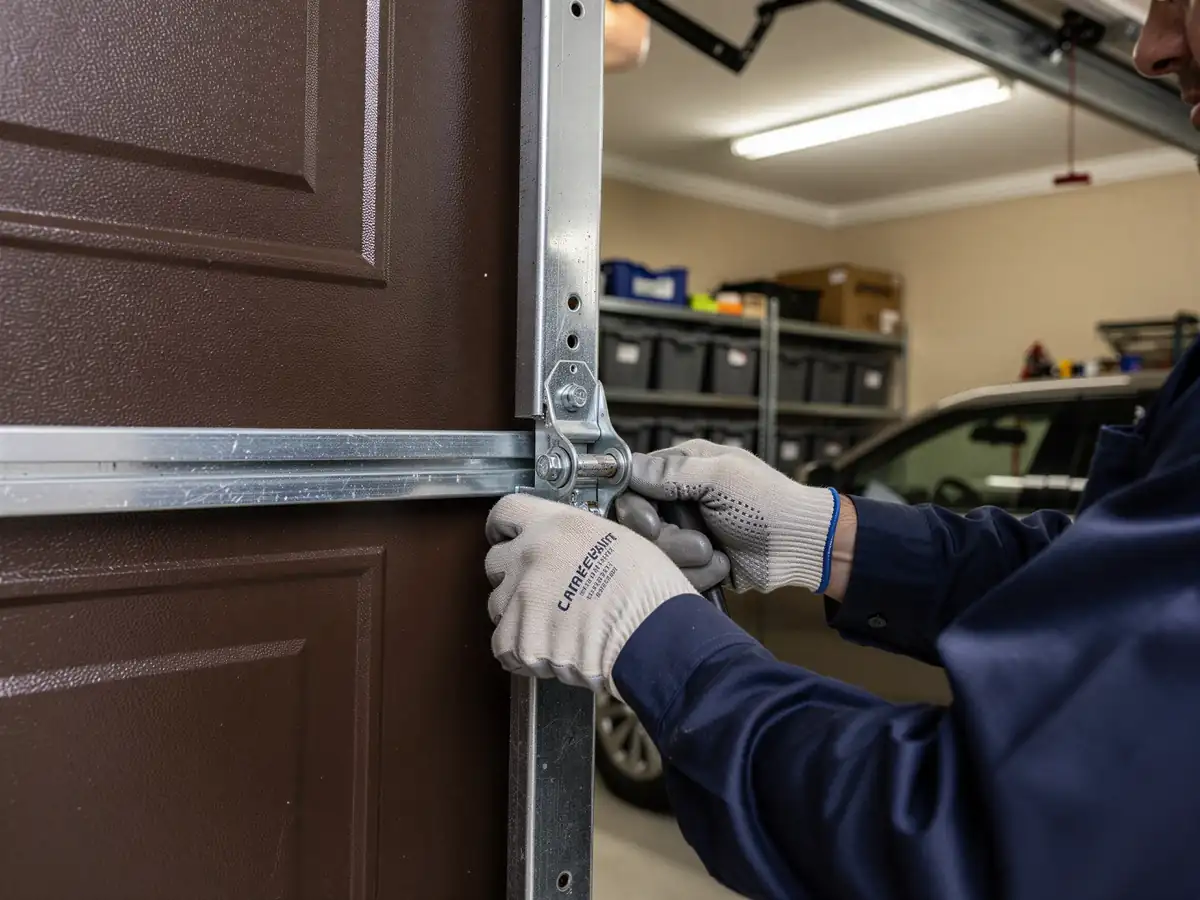
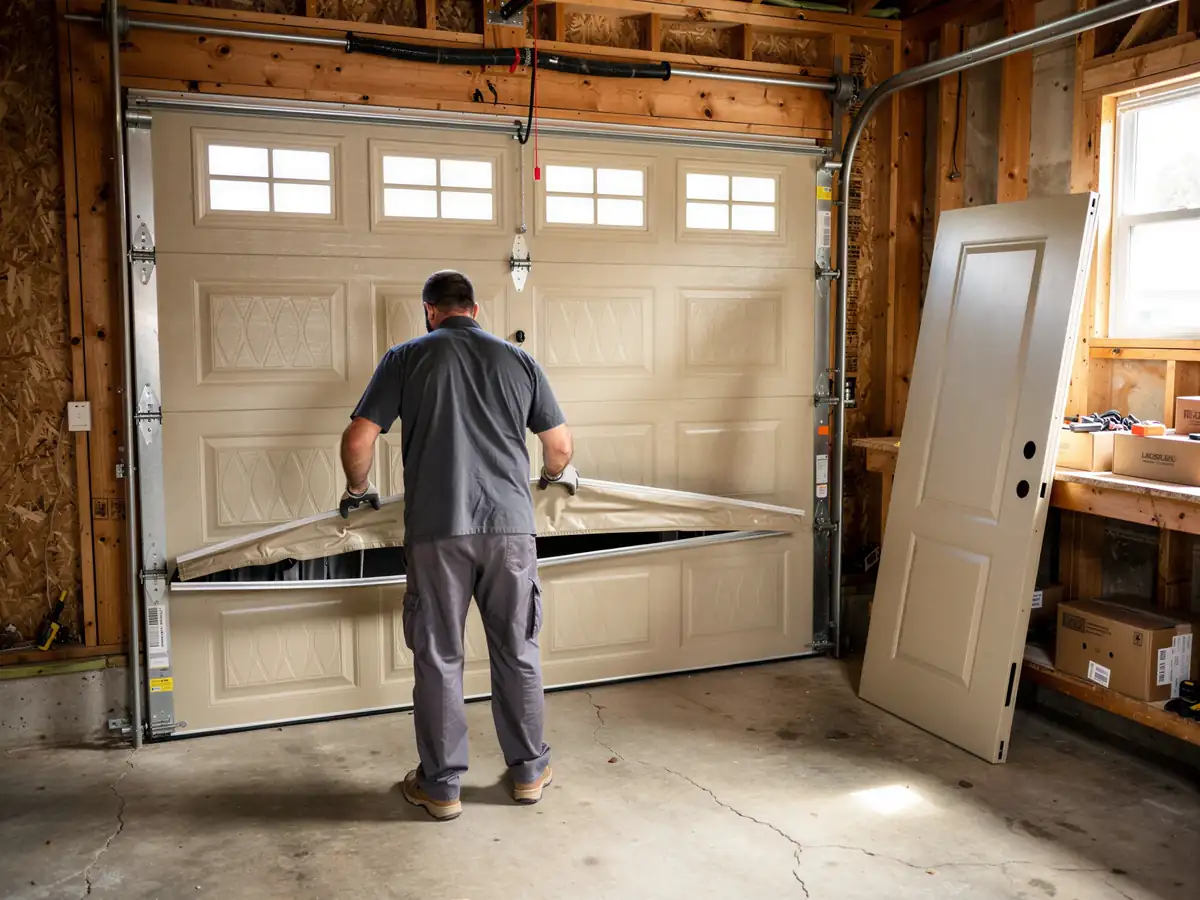
For a straightforward maintenance visit - lube, hardware check, balance test, track alignment - the door is never fully out of service; you're in and out the same day with the door working the whole time. If the visit turns up a spring near the end of its life on a 1990s-built door, replacing it usually happens on the spot once the right spring is confirmed.
Where it stretches is when a part isn't common stock - an older opener board or a less common track width. That's not a Joshua-specific problem, it's a parts-supply reality anywhere, but it's worth knowing going in rather than assuming same-day on every call.
What It Costs
A routine maintenance visit
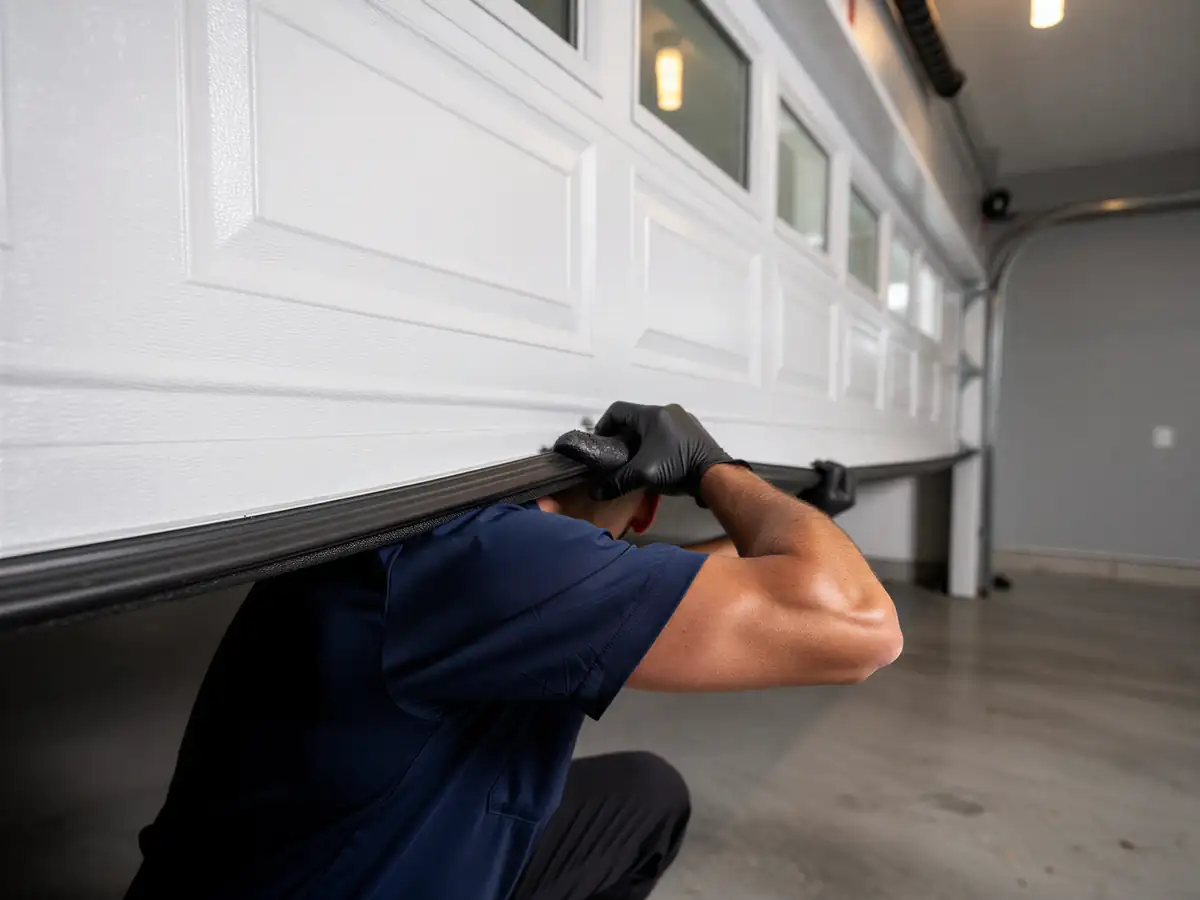
Balance check, hardware tightening, lubrication, track and cable inspection - costs less than a spring replacement, and a spring replacement costs less than a door swap. That ladder is the same everywhere, but where you land on it matters more in Joshua given the $60,466 median household income here versus the $85,625 median across the broader service area.
That income gap is exactly why maintenance pays off here specifically
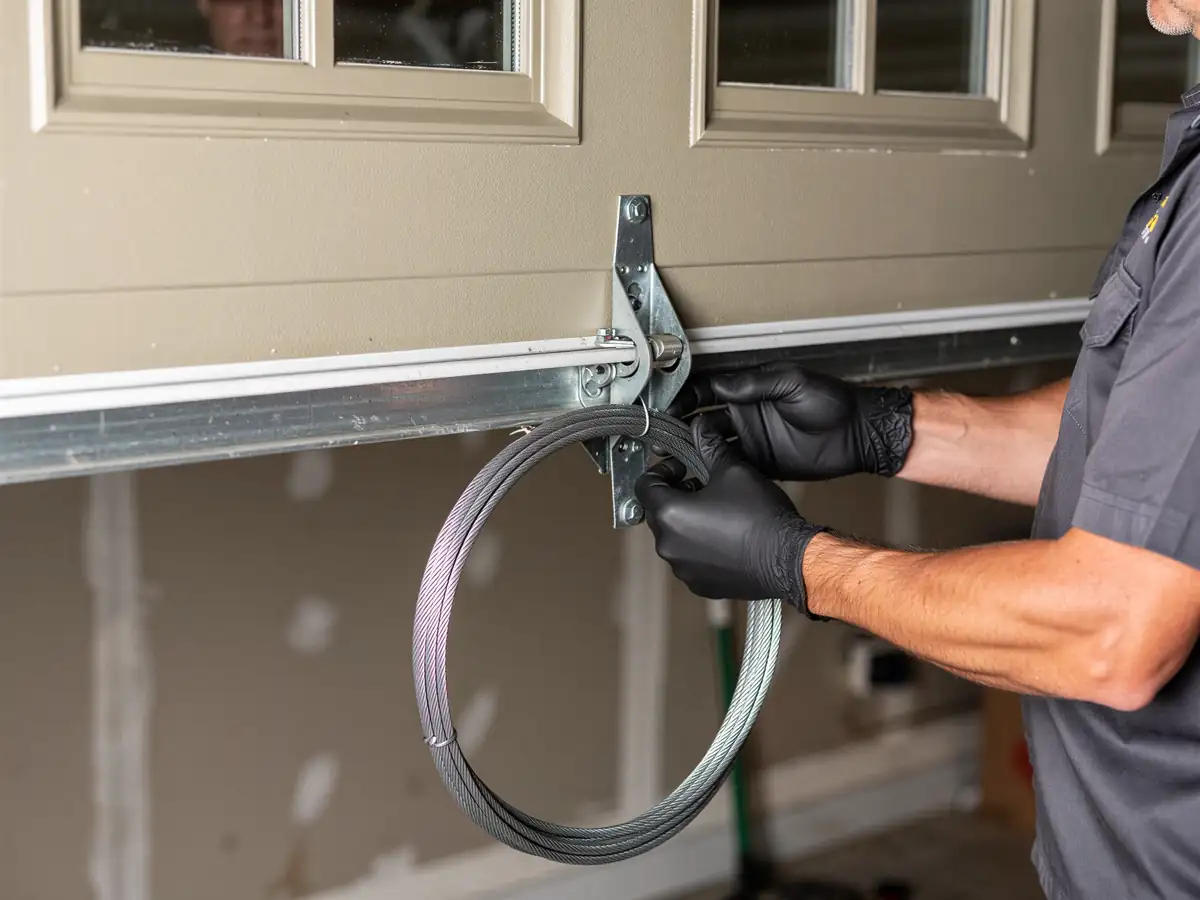
Catching a fraying cable or a worn roller before it takes out a panel is the difference between a maintenance bill and a replacement bill, and on a tighter household budget that difference is bigger. We won't quote a number without seeing the door - spring sizing depends on door weight and age - but the honest answer is that routine upkeep is the cheapest thing you'll ever pay for on a garage door.
The Complications
Houses built around 1993 in this area typically carry original torsion springs if nothing's been swapped, and those springs are now entering or past their rated cycle count. That's the complication to watch for even on a door that still looks and sounds fine - a spring doesn't usually give warning, it just goes.
The other complication is heat. This area sits in a moderate heat climate band, which is gentler on rubber seals and nylon rollers than true desert heat, but summer temperature swings still dry out old lubricant and stiffen weatherstripping faster than people expect. It's a slower failure than a snapped spring, but it shows up as a noisier, stiffer door over a season or two.
We'll be straight about one limit: if a door's track is bent or an opener board is failing alongside a spring issue, fixing the spring alone doesn't solve the real problem, and we'll tell you that instead of doing a patch job that fails again in a month.
What the Repair Takes
On a visit to a Joshua home, the truck is coming from Burleson - a five-mile drive, short enough that travel time isn't what determines the schedule. What determines it is the door itself: confirming spring size and cycle rating for the age of door typical in this area's 1990s-built homes, checking torsion bar and drum condition, and testing balance before closing out the job.
Most visits are a single trip. The exceptions are the ones where a part isn't something carried on the truck day-of, which is uncommon but does happen on older or less common hardware. We'd rather say that up front than promise same-day on every single call.