Can You Do This Yourself
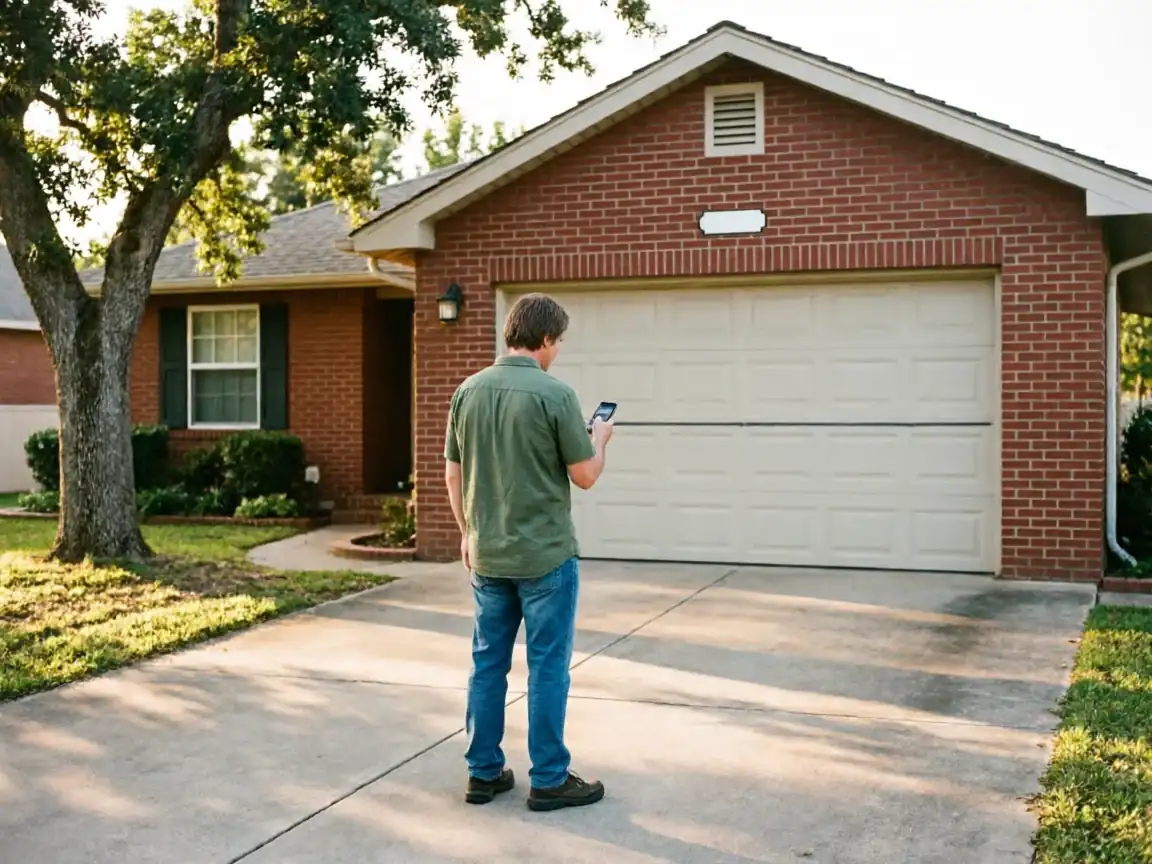
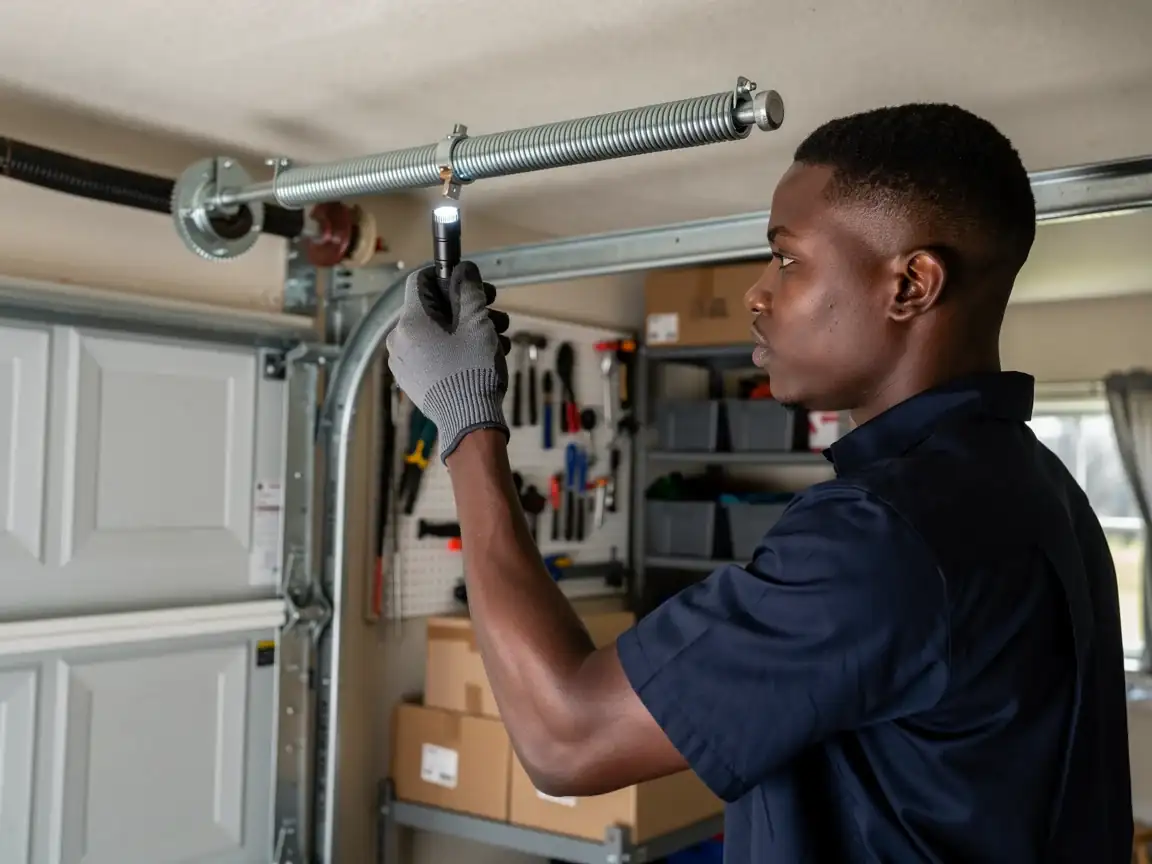
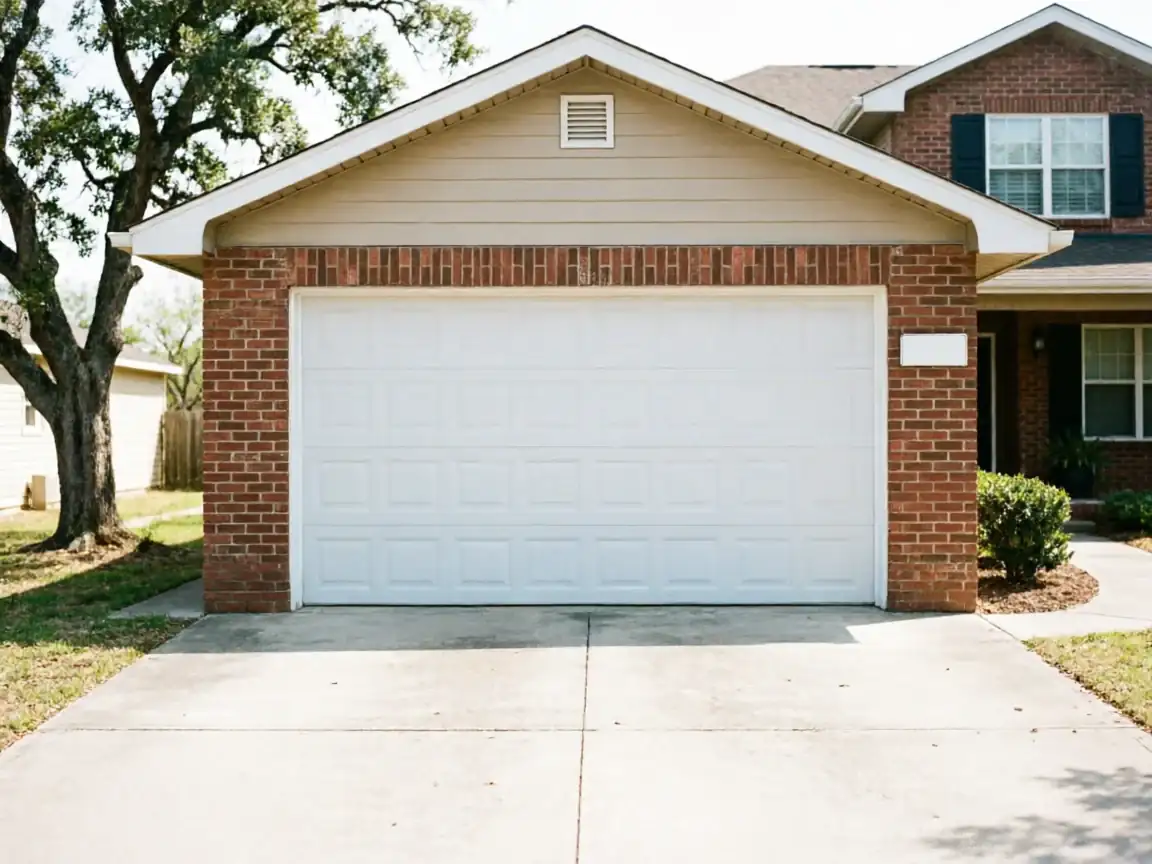
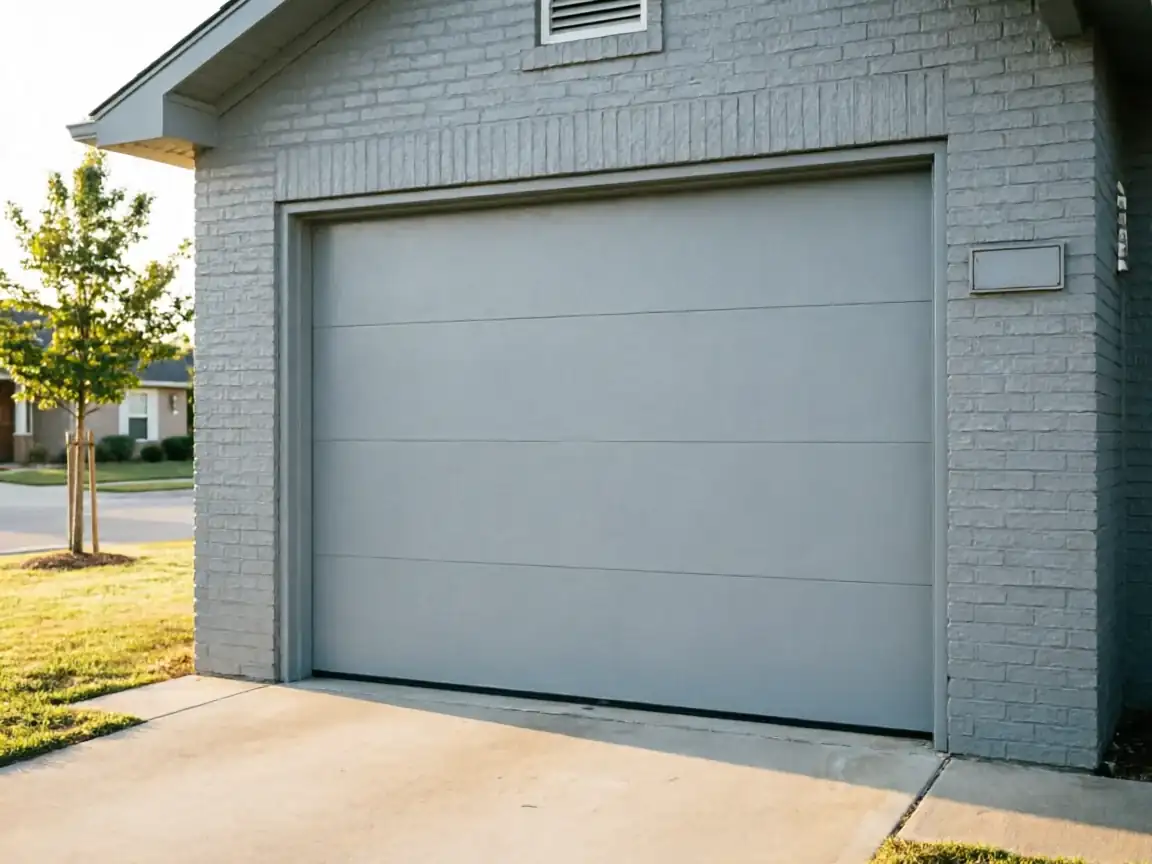
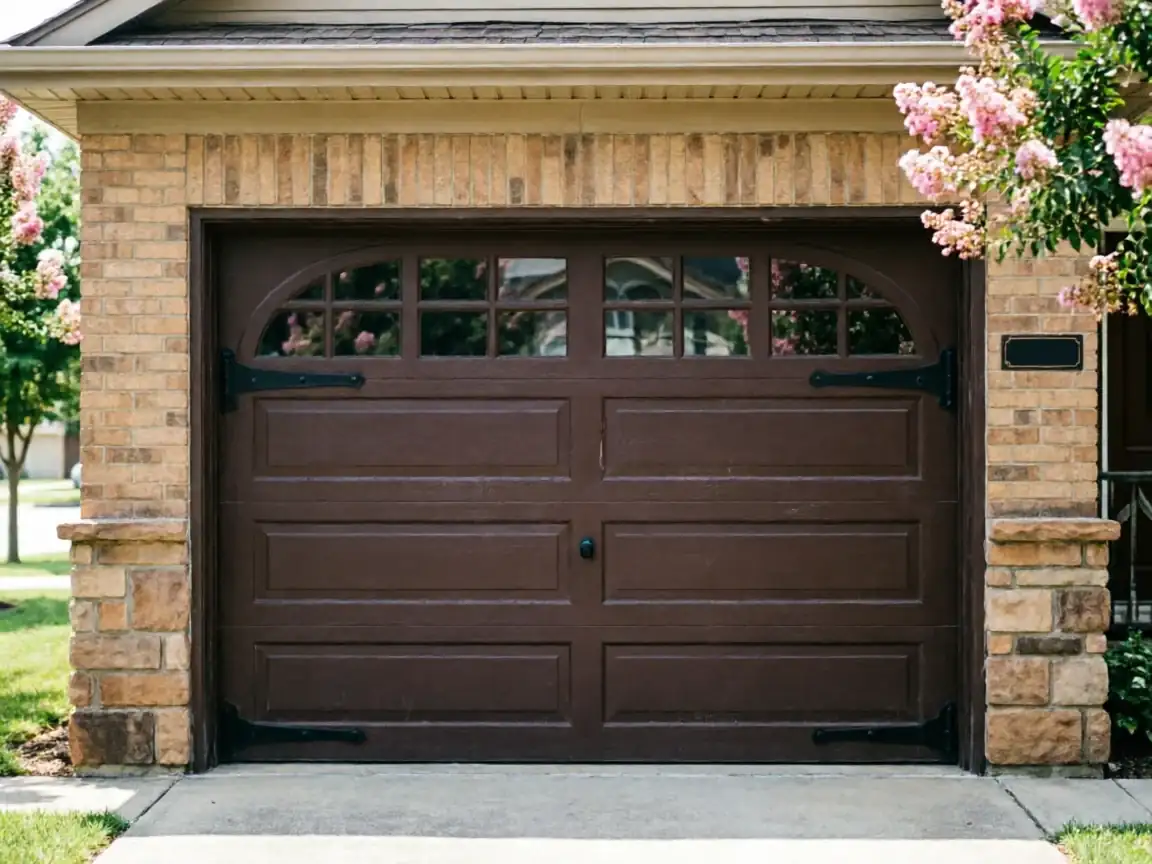
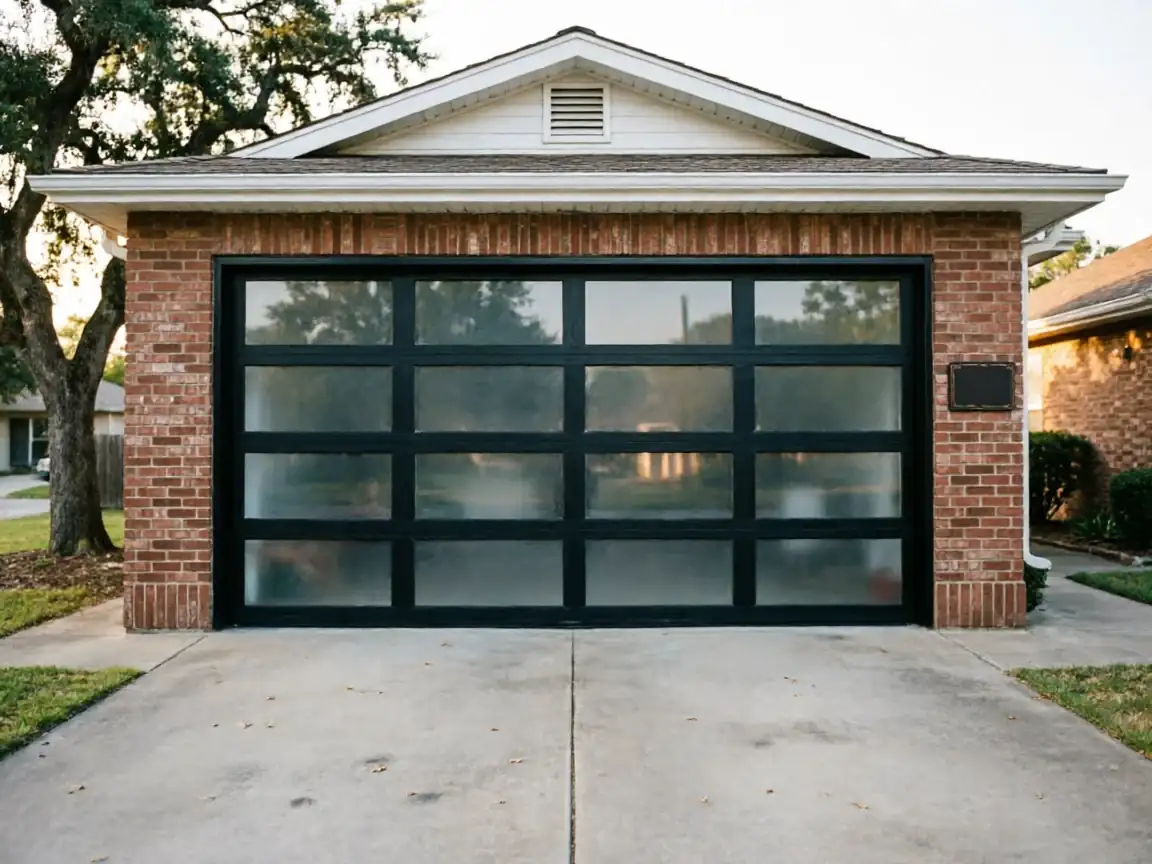
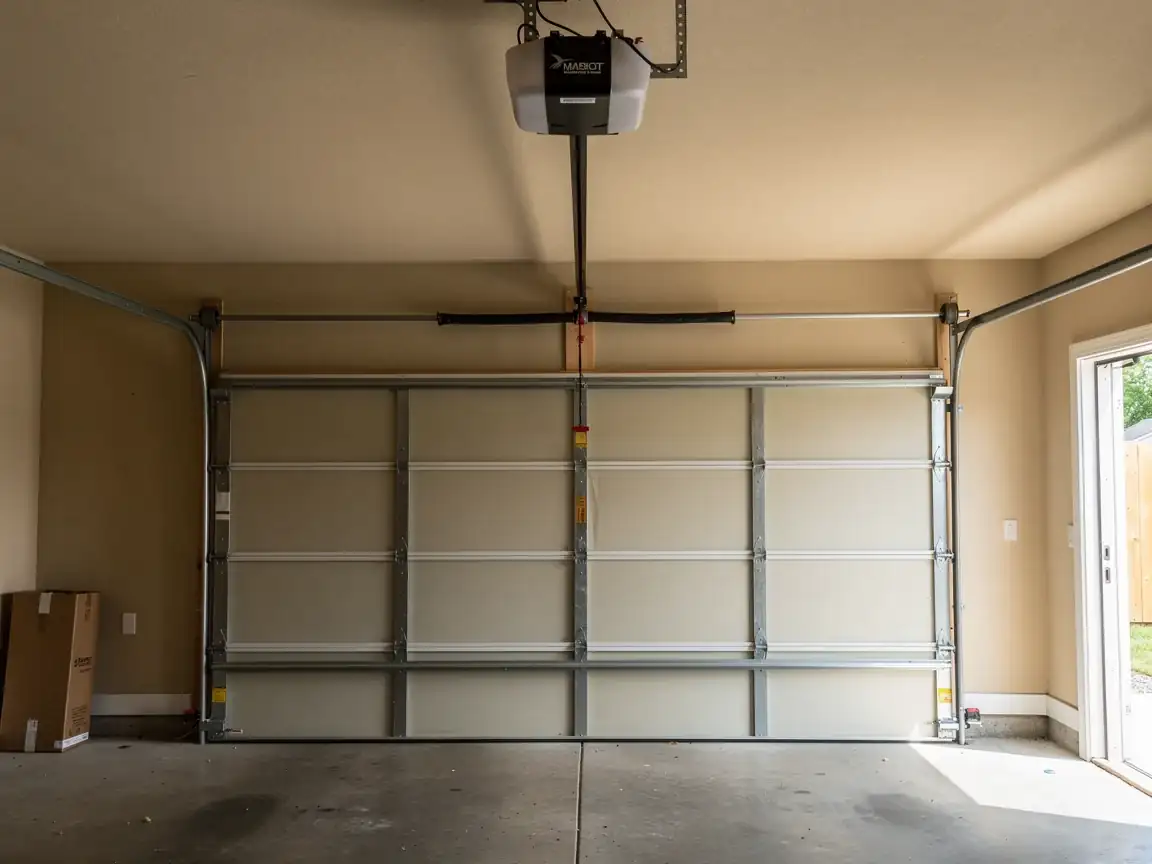
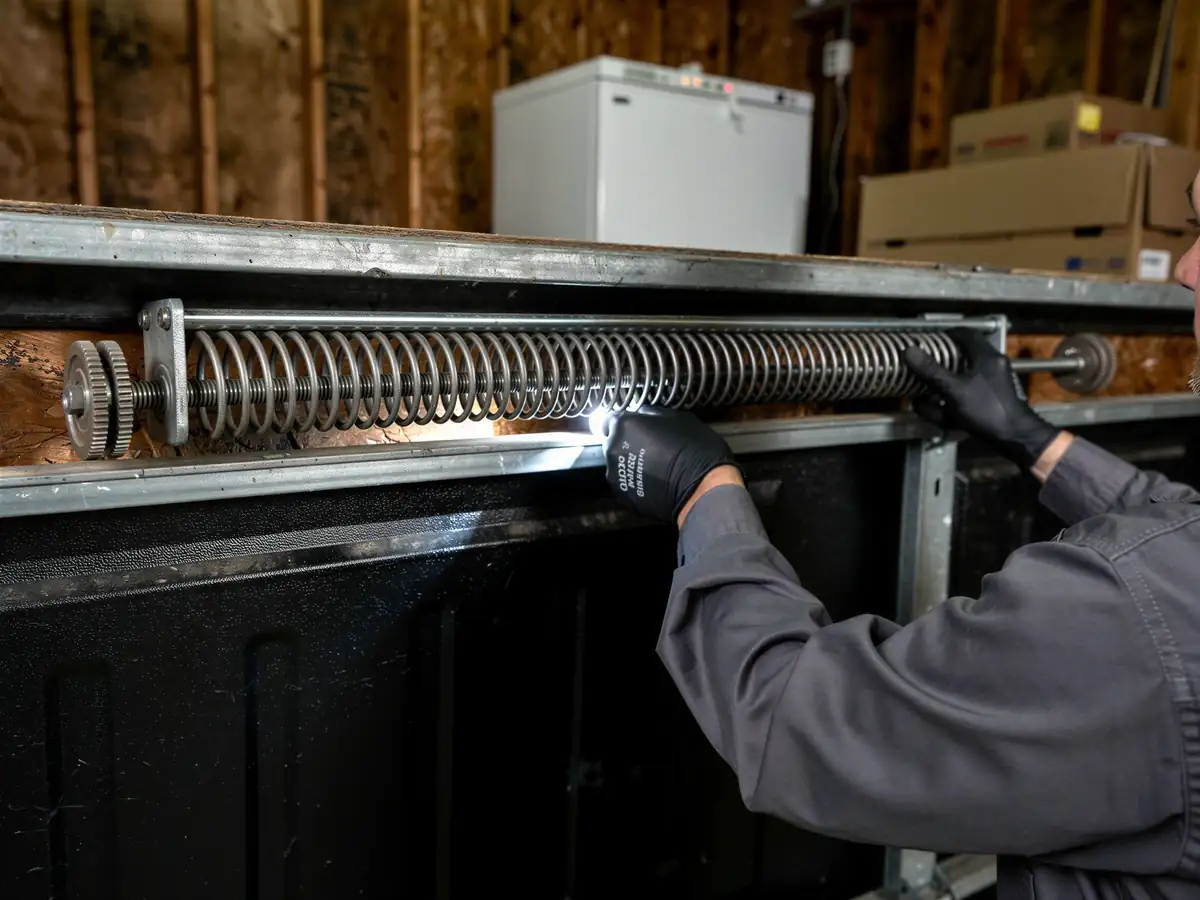
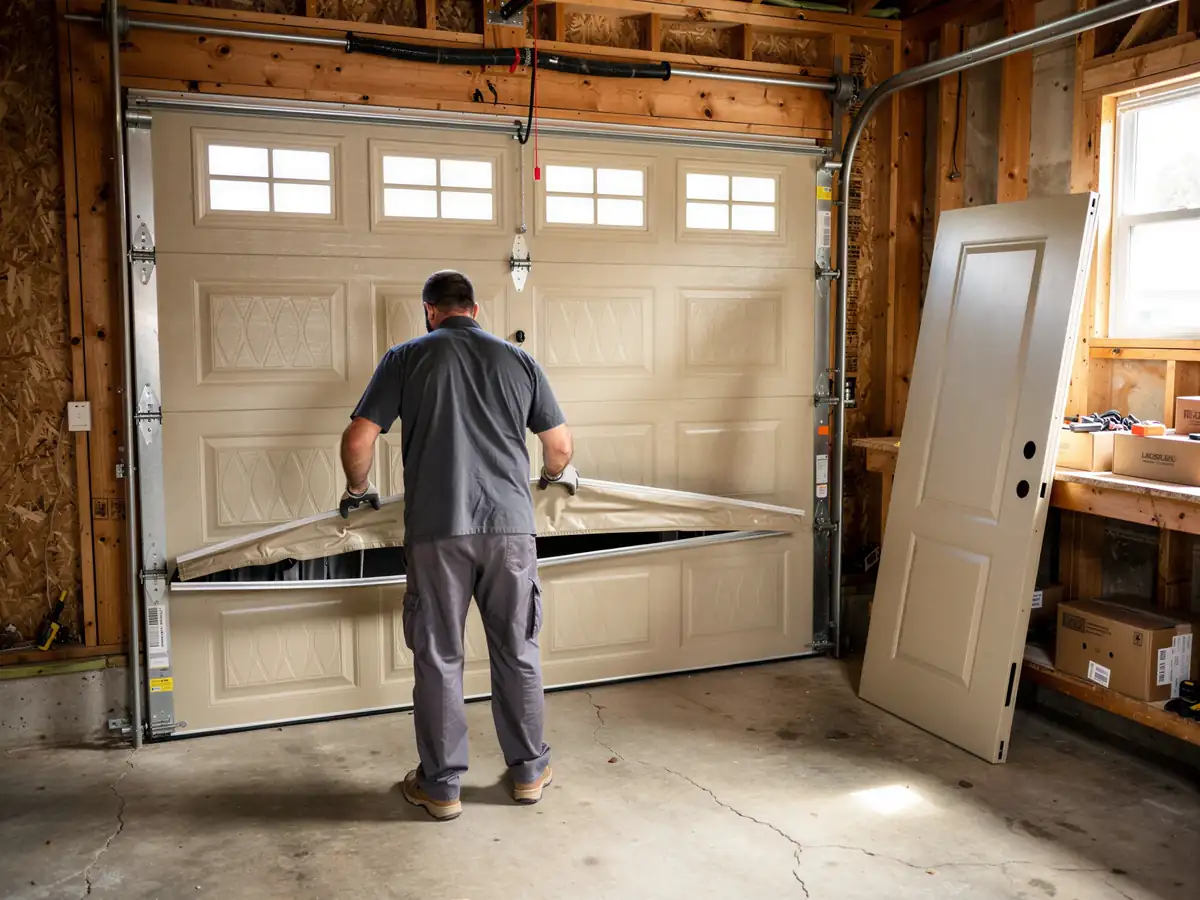
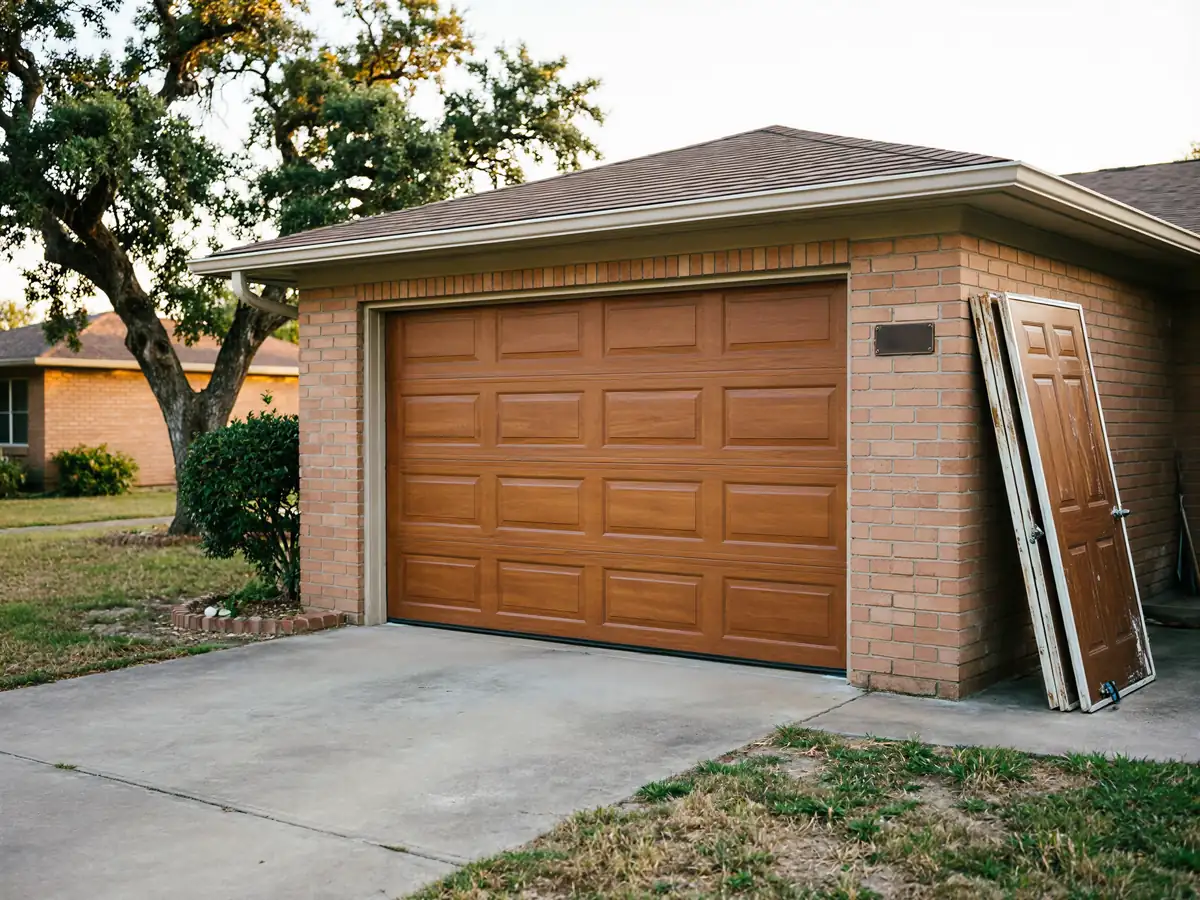
A double garage door, uninstalled, weighs enough that one person lifting a panel alone risks a dropped section or a bent track - that part doesn't change by town. What does matter for a Joshua install specifically is that 1990s-era openings are a known, common size, so a DIY kit door bought off a shelf is more likely to actually fit the rough opening here than it would in a house with an older, non-standard frame. That's the good news. The bad news is the spring system. Torsion springs store enough force to break a wrist or worse if you unwind them without a proper bar and a sense of the turn count, and that risk is identical whether the door is new or forty years old. If you're comfortable swapping a door panel but not touching the spring, that's a reasonable line to draw - have us handle the torsion side and do the rest yourself if you want. We won't talk you out of the parts of the job you're equipped for. We will talk you out of guessing at spring tension.
How Long You Are Without the Door
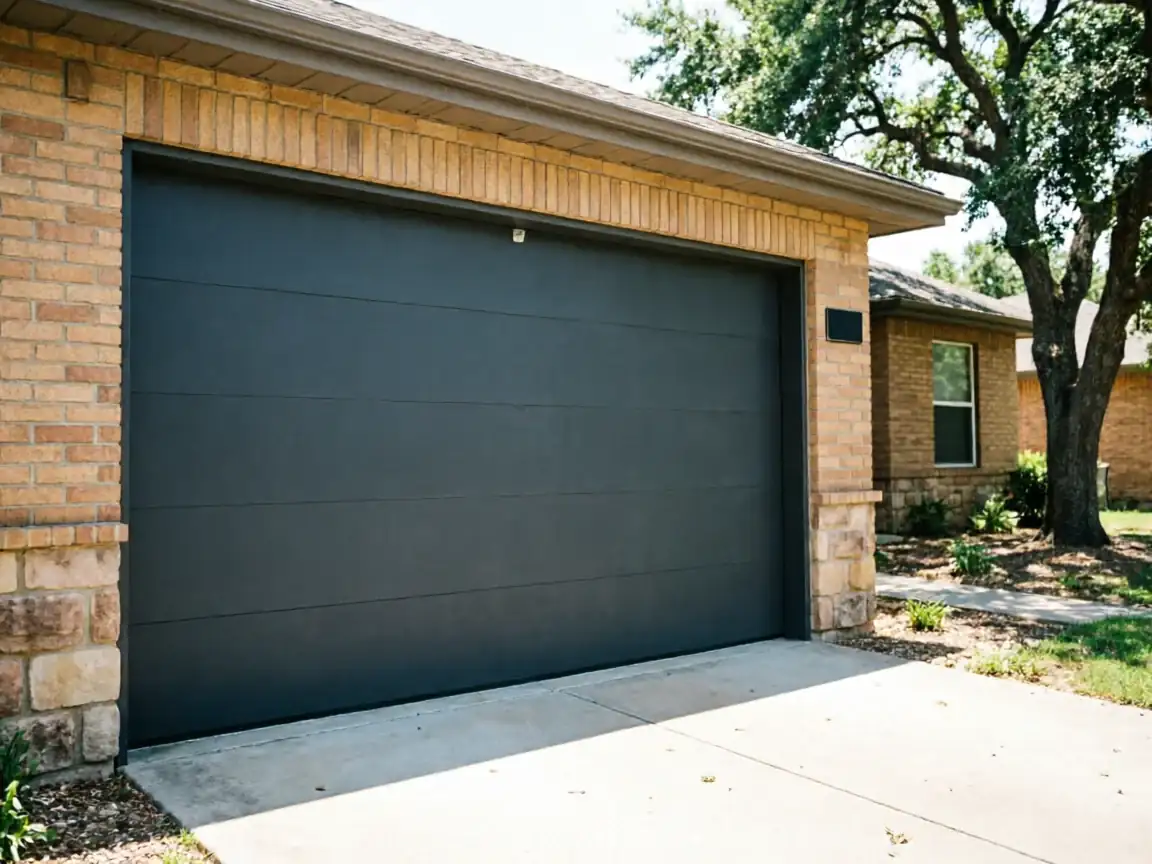
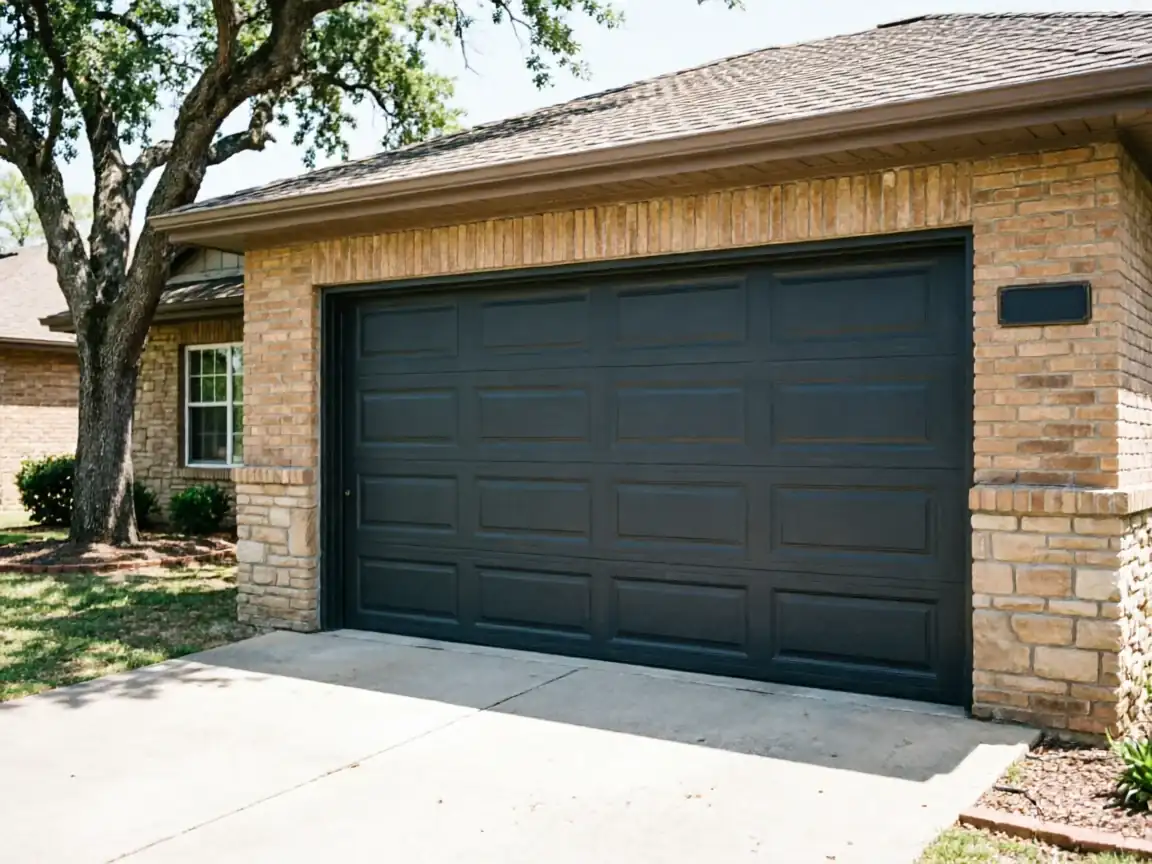
For a straightforward swap on a standard 1990s-size opening, the bulk of the day goes to removing the old door and track, setting new jambs if the frame has shifted, and getting the new door hung and balanced. We don't have a published response time for Joshua specifically, since every call starts from the Burleson shop and the five-mile drive is only part of what sets the schedule - the bigger variable is whether the opener and track need replacing too, or just the door itself. A door-only swap on sound hardware is a same-visit job. Add a new opener, new track, or a reframe because the opening settled over the decades, and that stretches the clock. We'd rather tell you upfront what's likely to add time than give you a number that doesn't hold.
The Complications
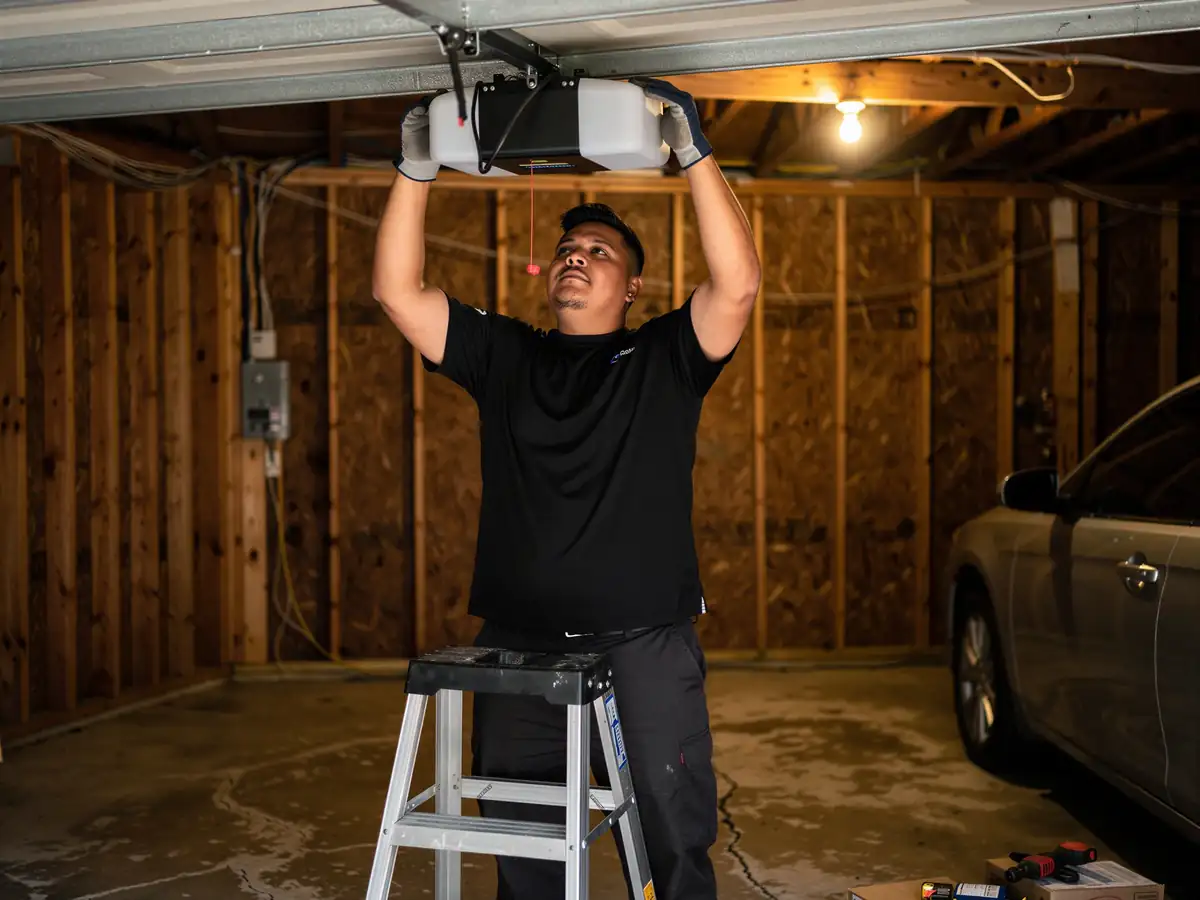
The heat load through this part of Texas is moderate rather than extreme - it's not the kind of repeated hard freeze-thaw or triple-digit swing that cracks panels or warps wood doors outright. That means insulation on a Joshua install is mostly a comfort and noise call, not a structural necessity, and we'll say so rather than upsell a higher R-value than the house needs. The complication that actually shows up here is opener compatibility. A door from the early 1990s often outlives its original opener by a decade or two, and when we swap the door, the old opener sometimes can't be trusted to carry the new panel weight safely - that's a conversation we have on site, not over the phone. With roughly 3,063 households in Joshua, the volume of 1990s-era openings we've worked on in homes like yours means we usually have standard replacement openers on the truck, but a less common drive type can mean a short parts wait rather than a same-day swap.
What the Repair Takes
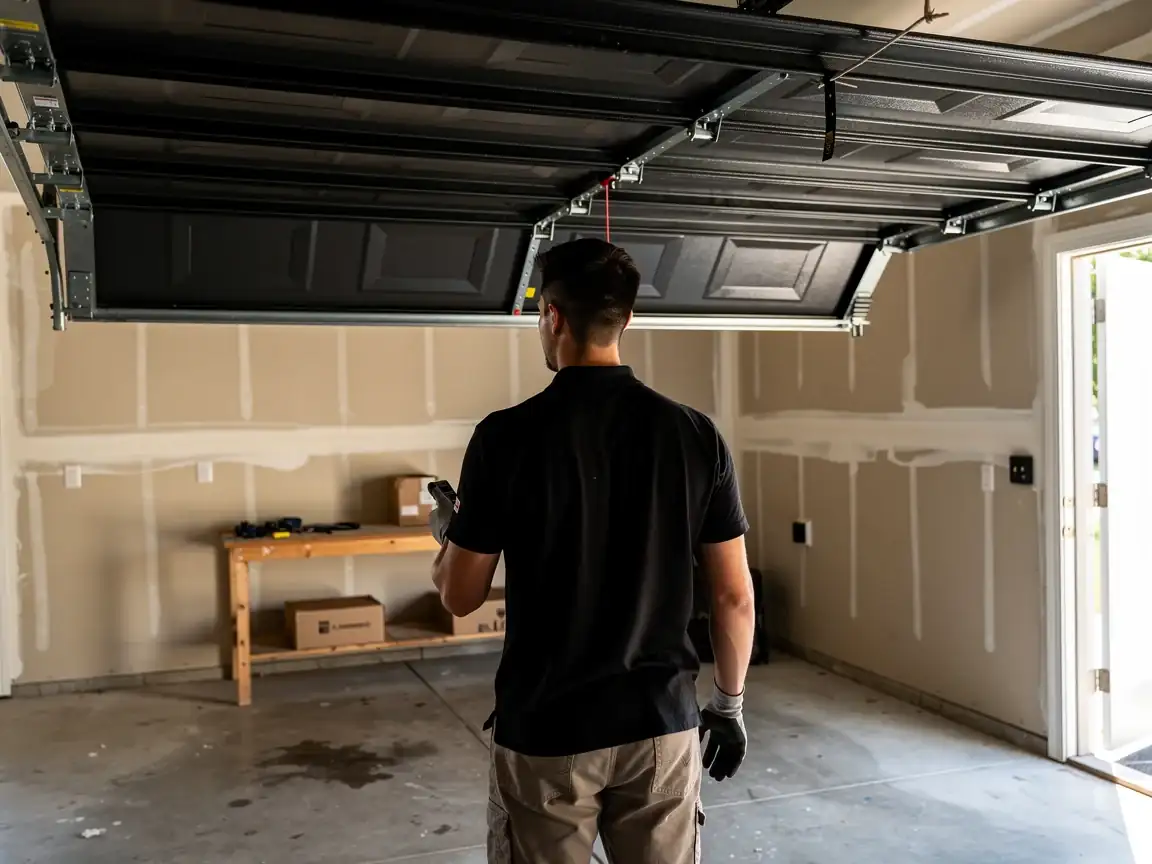
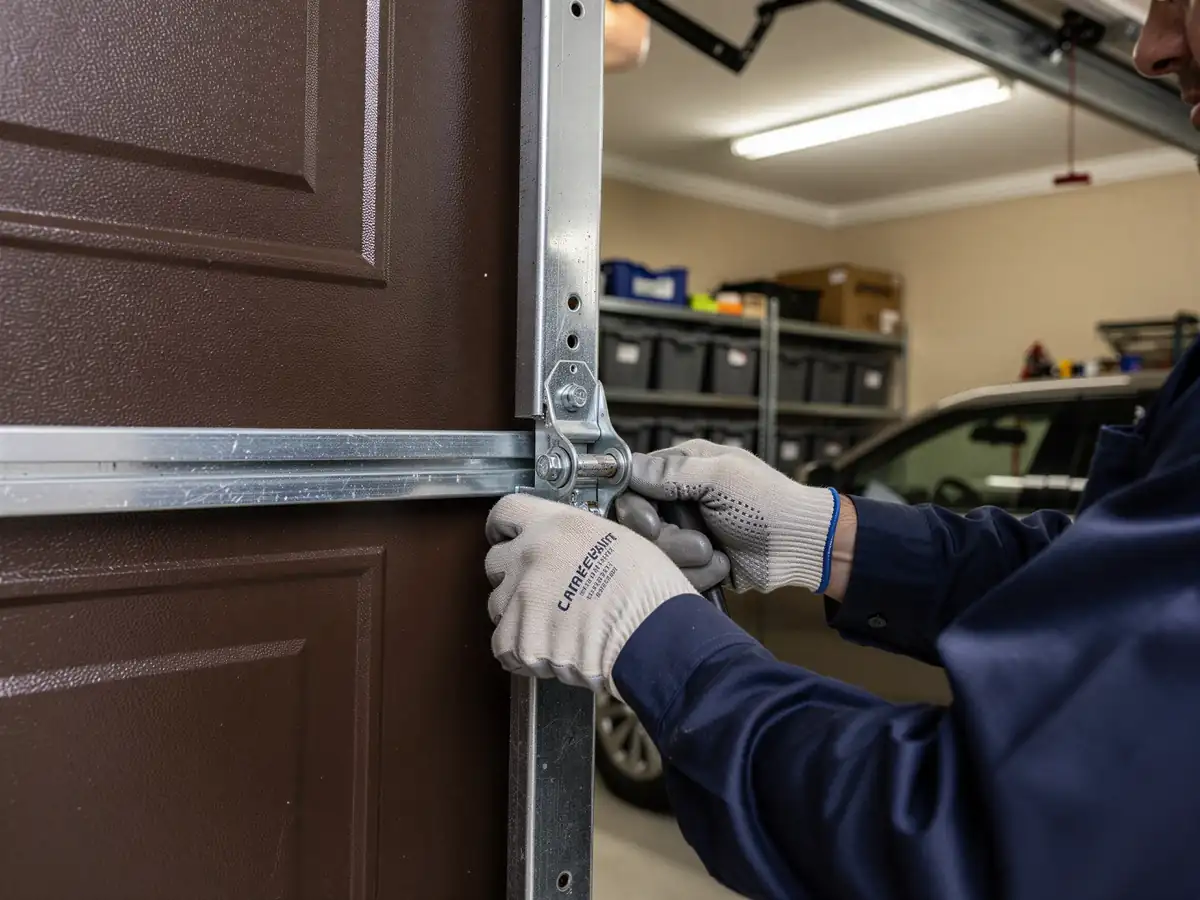
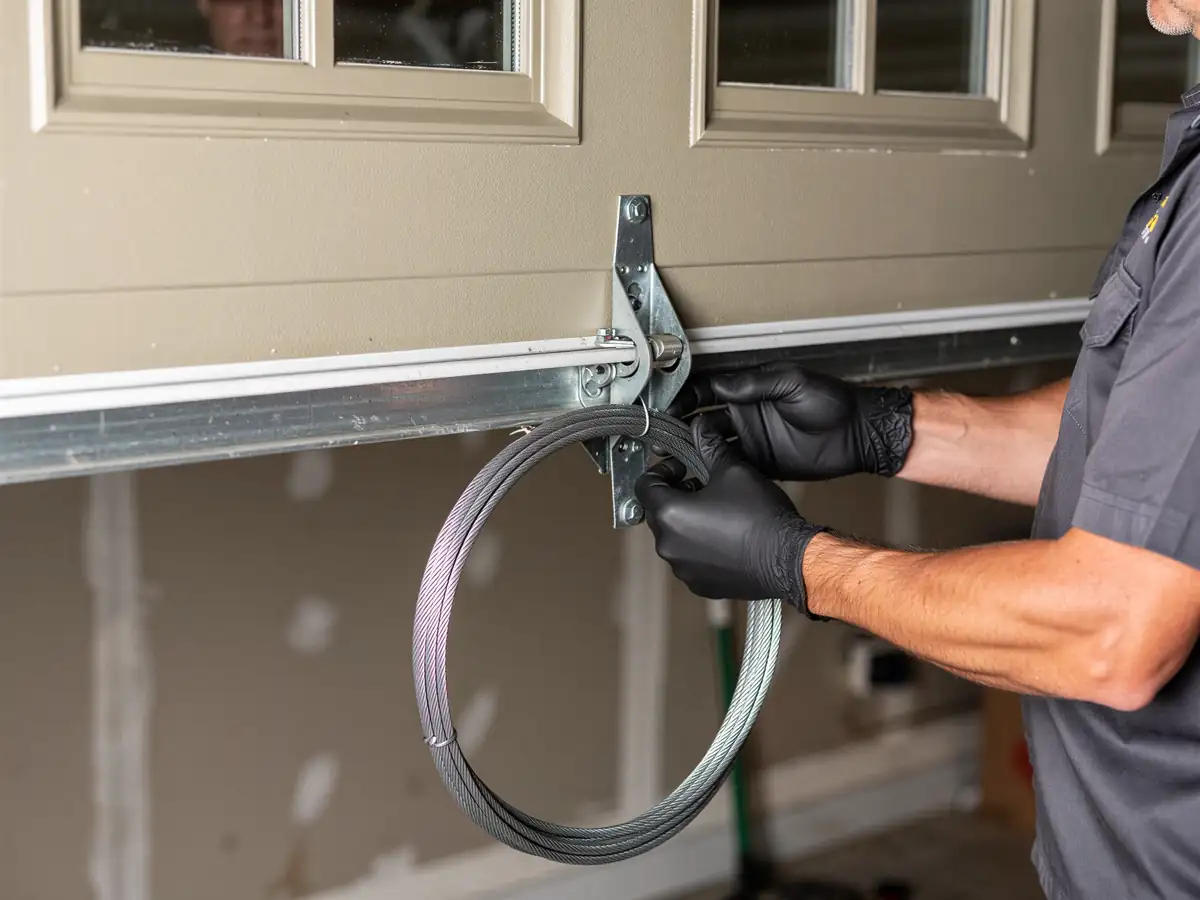
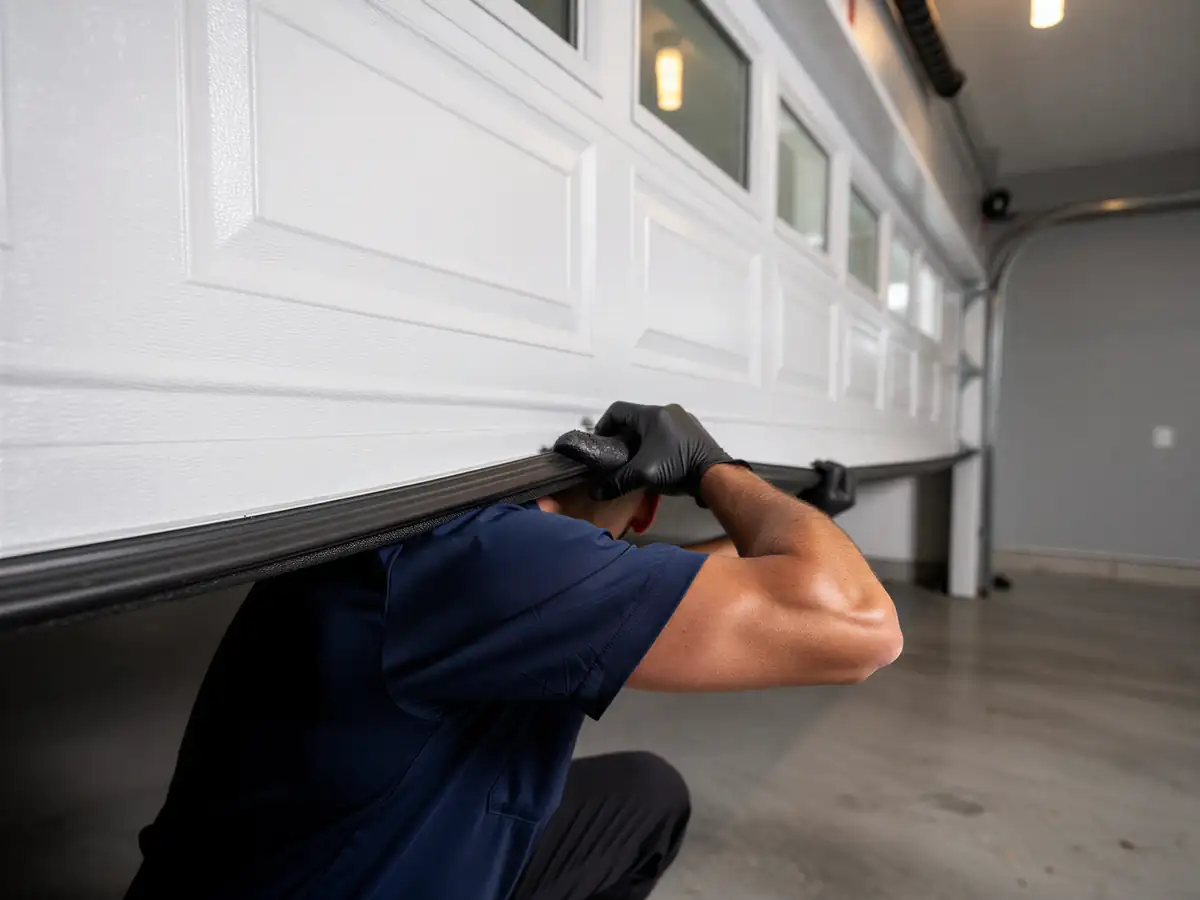
Installing a new door on a 1990s-built Joshua home usually means pulling the old door and track as one unit, checking the jambs are still square (they usually are, given the build era), and setting new vertical tracks before the door goes up. If the spring system is being replaced along with the door, that's torsion hardware sized to the new door's weight, not reused from the old setup - mismatched spring tension is one of the more common causes of an opener straining or a door that won't stay up on its own. Balance testing at the end isn't optional: a door that looks fine closed can still be fighting the opener motor every time it runs, which shortens the opener's life fast. We test manual balance before we ever power the opener back on.