Why This Fails Locally
Most of the damage we see on panel jobs out this way starts the same way
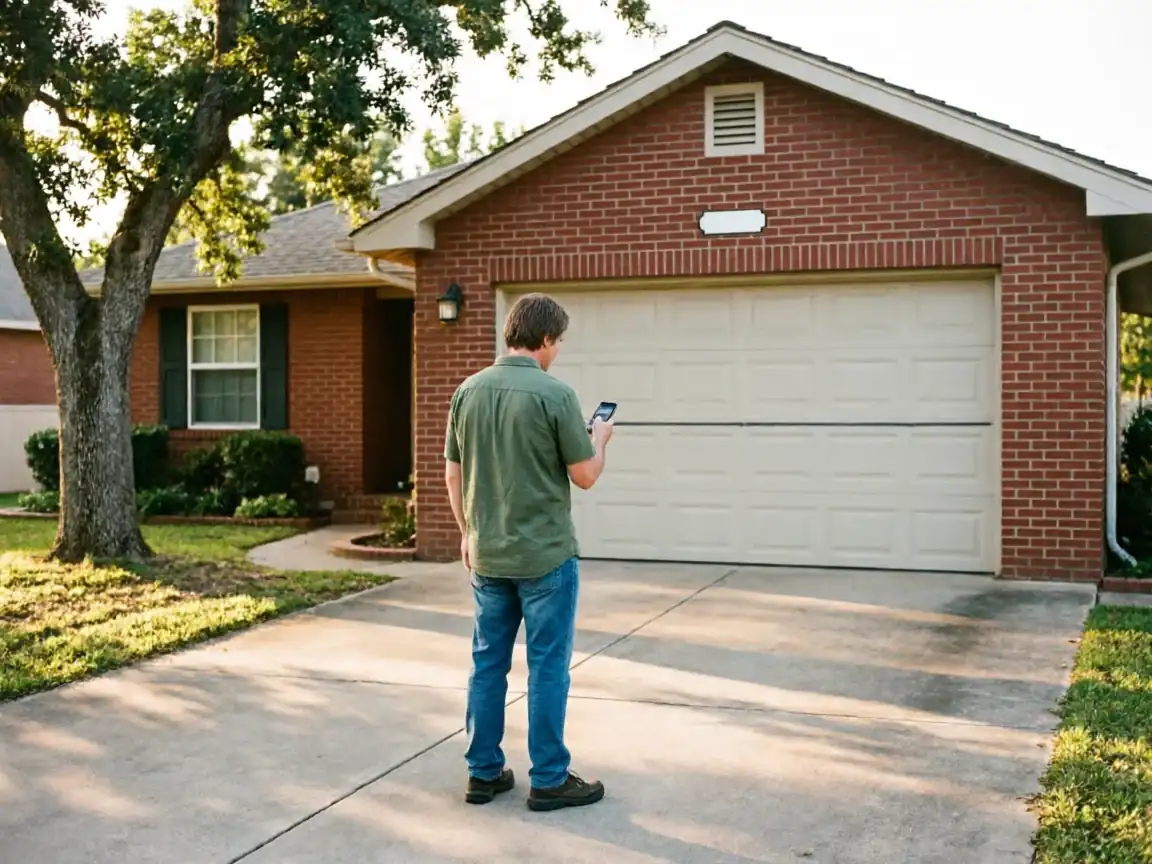
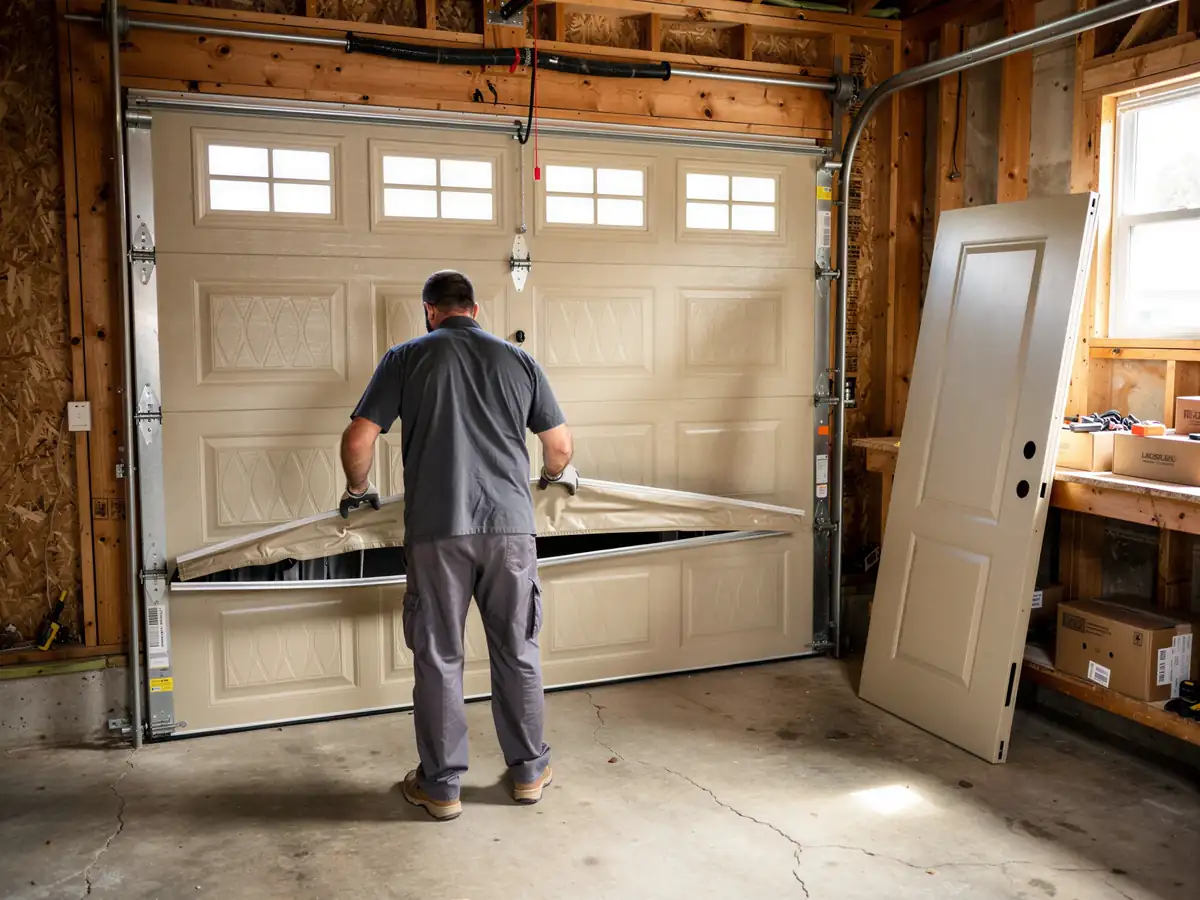
A trailer hitch, a basketball, or a slow slide into the door that leaves one section dented or cracked while the rest of the door is fine. The homeowner wants that one panel swapped, not a whole new door, and that's a reasonable ask - until you go looking for a match.
Joshua's housing stock runs younger than a lot of what we work on elsewhere in the service area
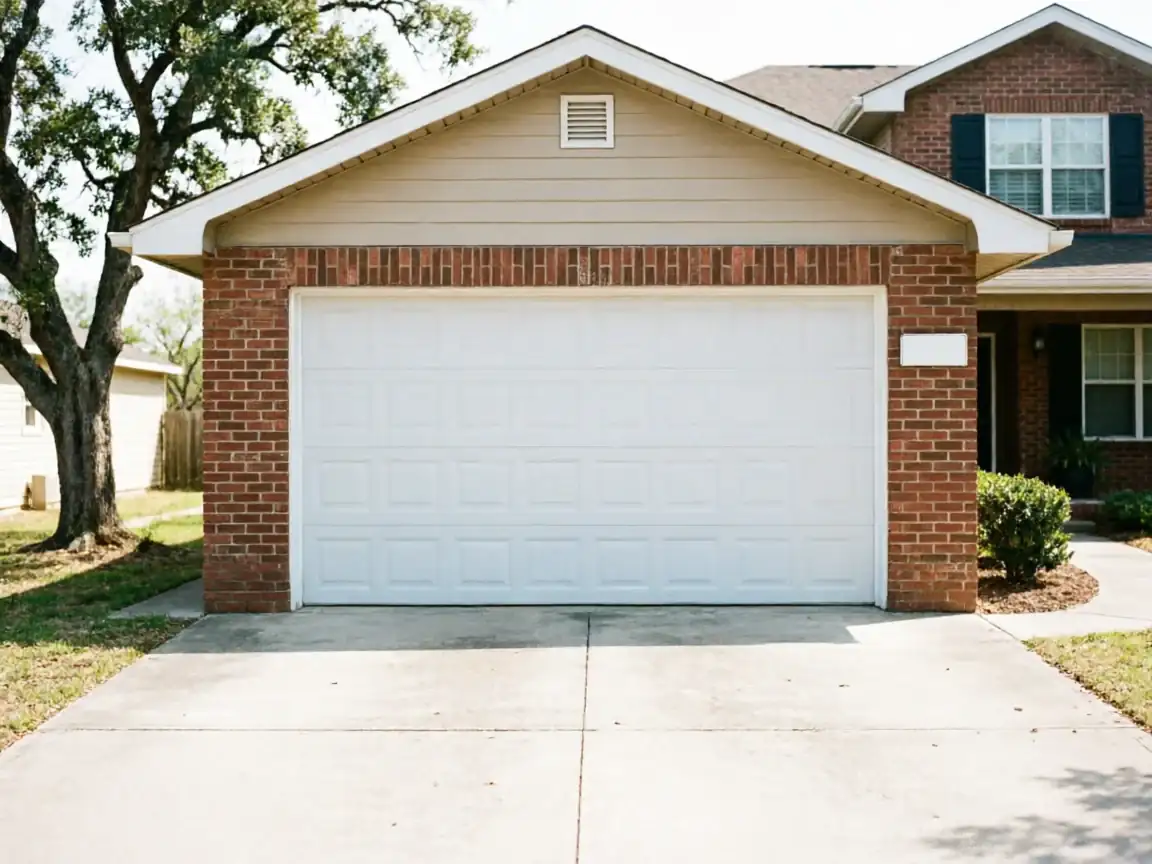
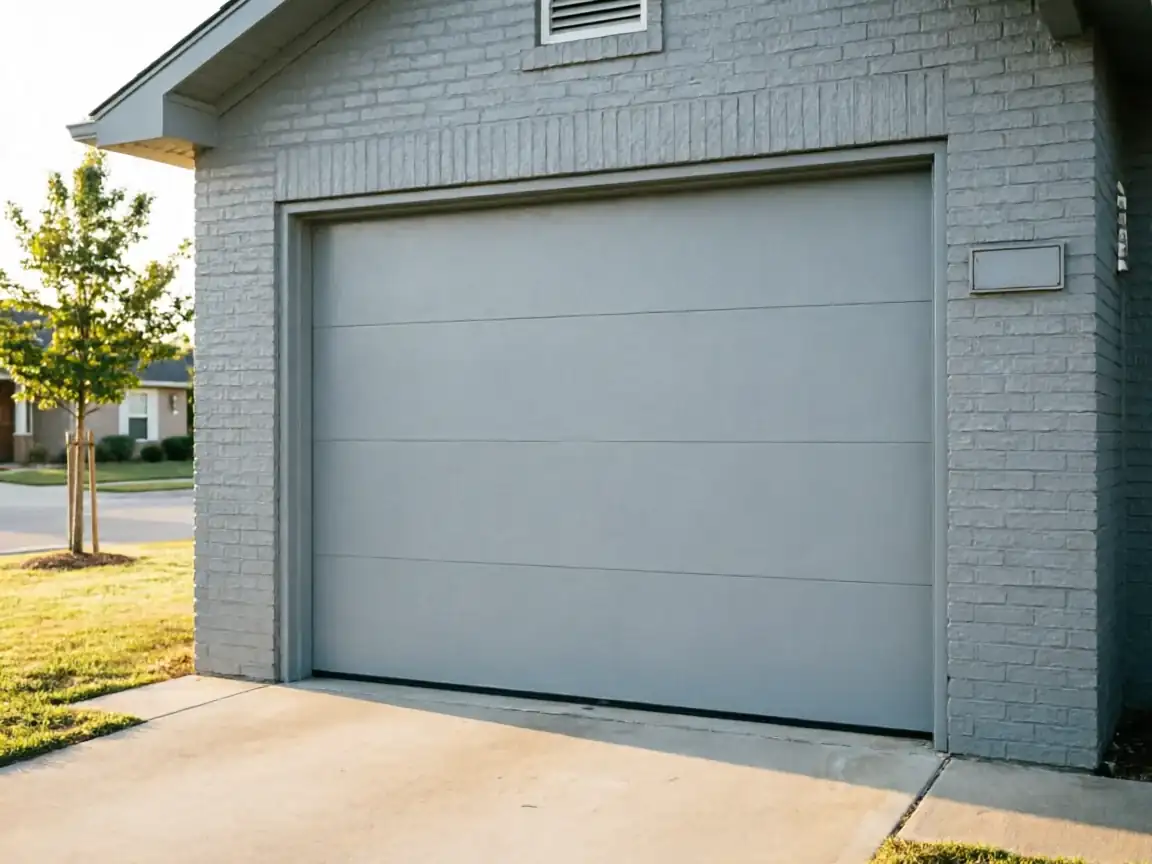
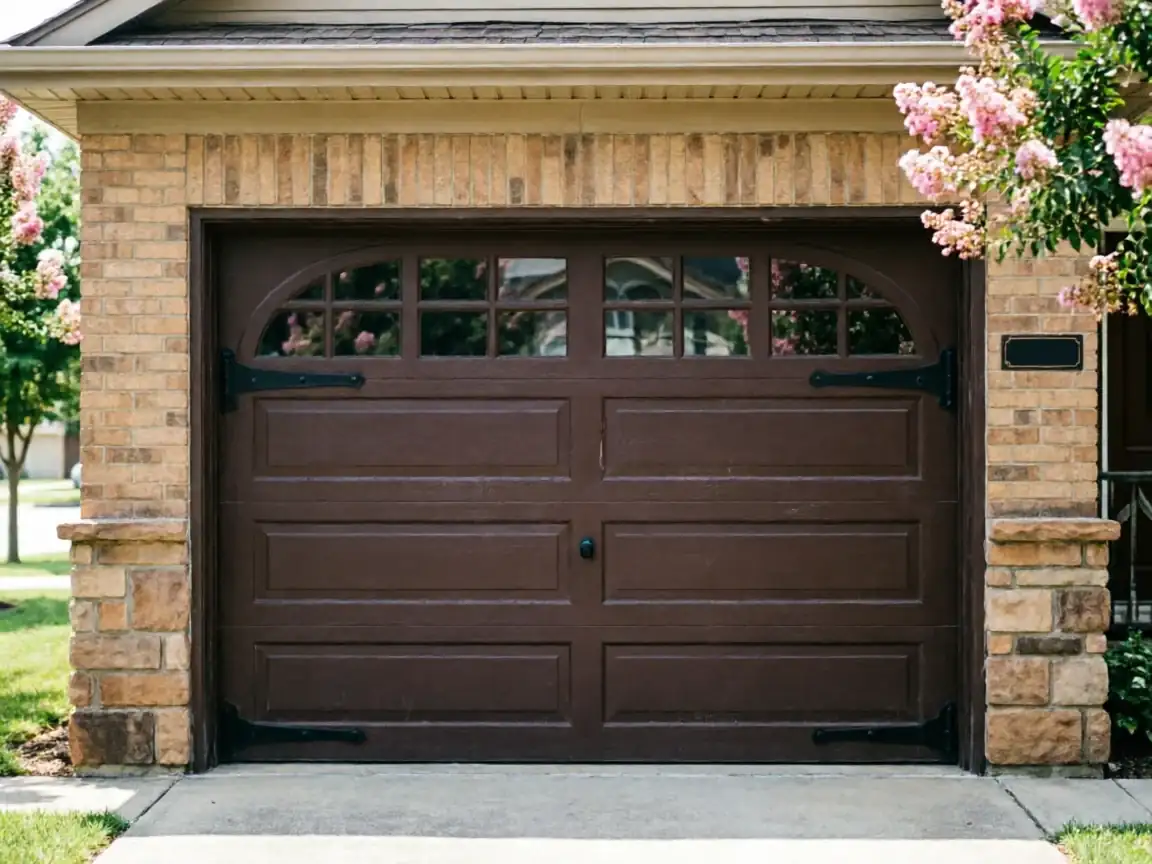
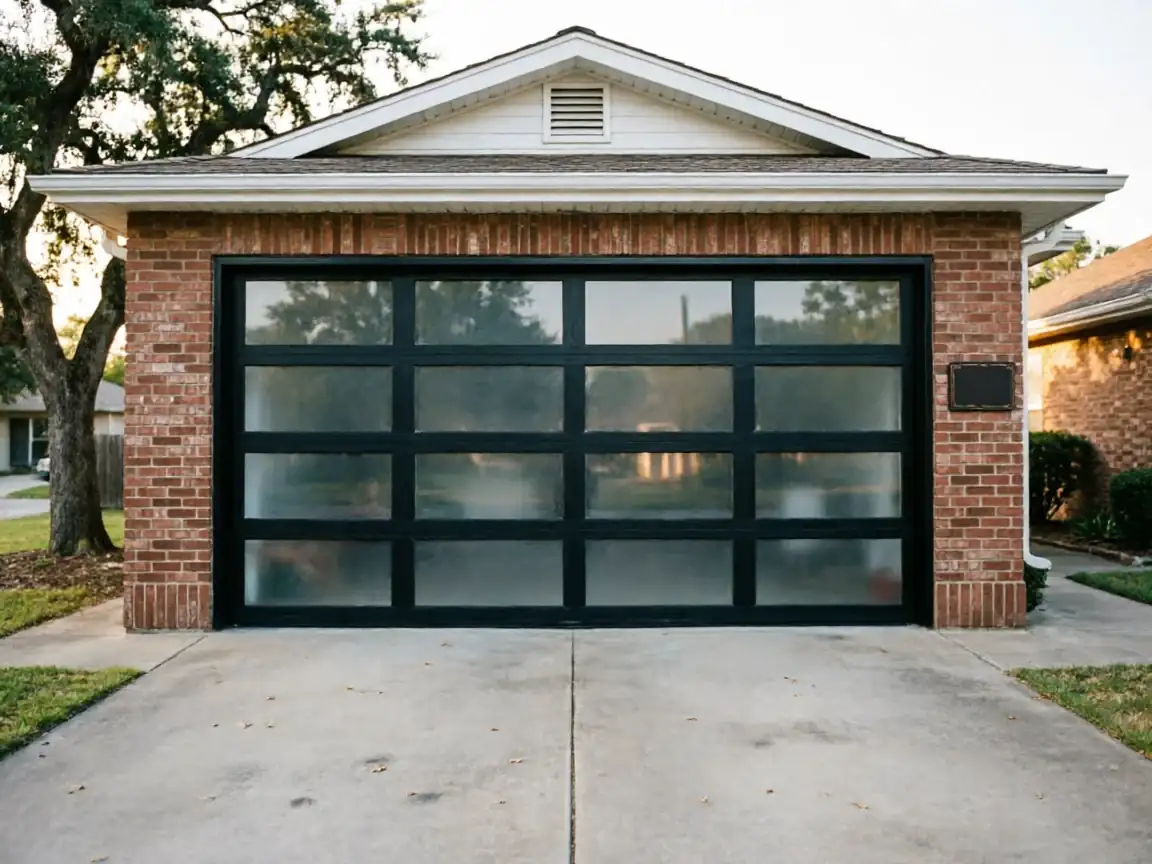
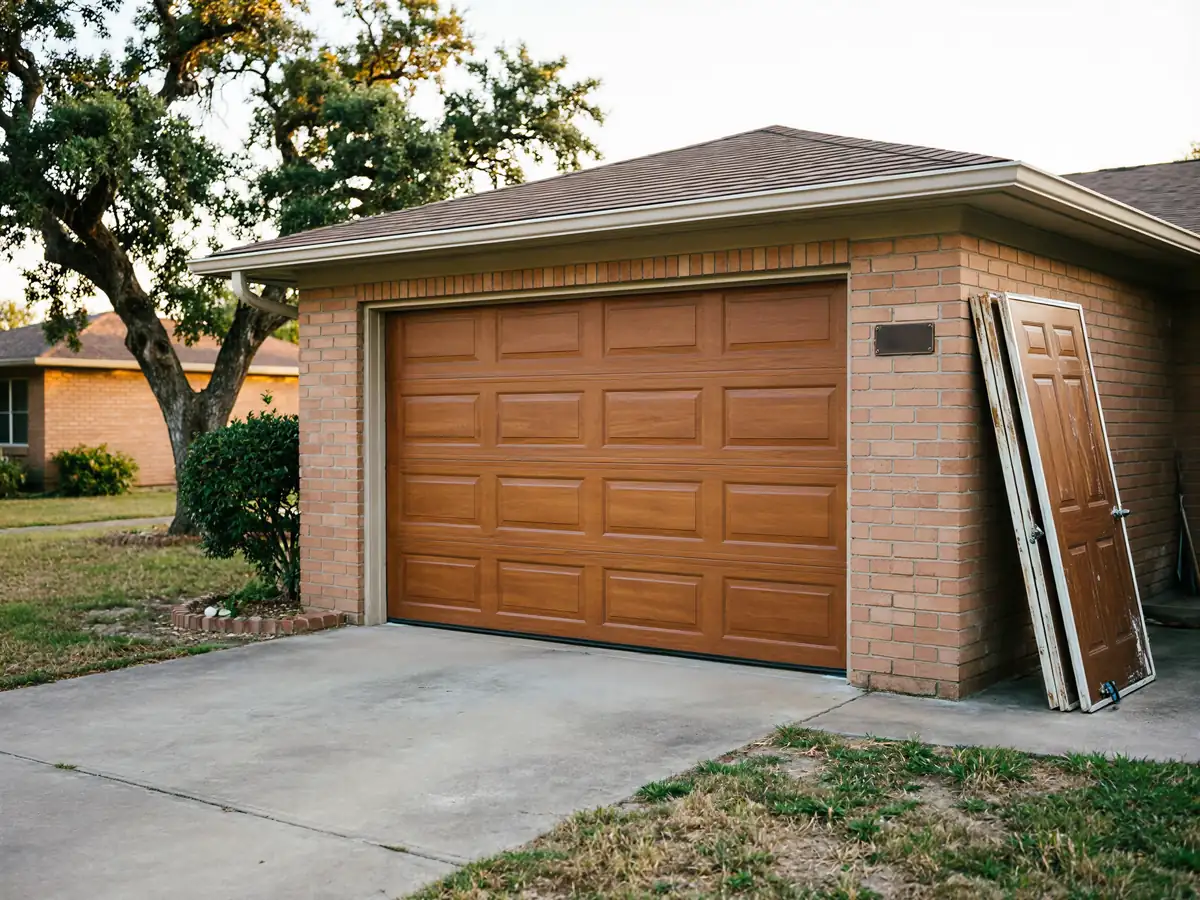
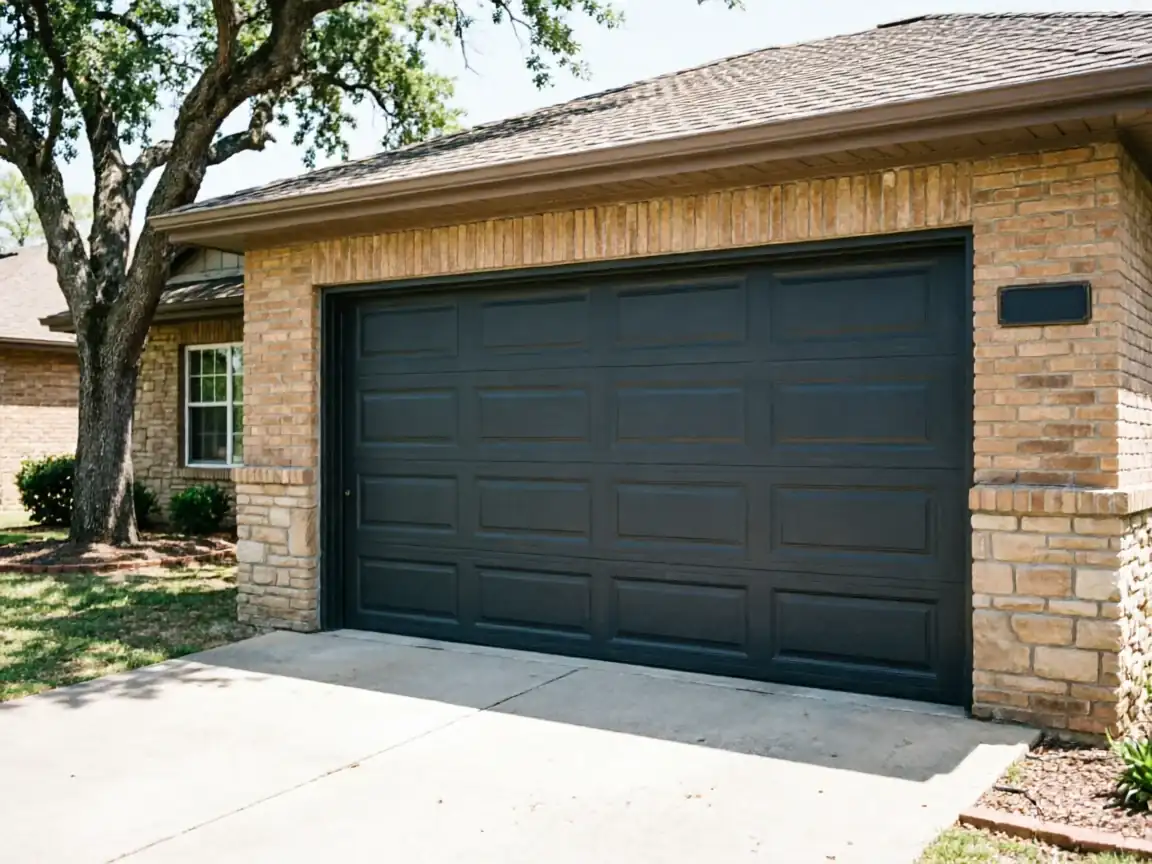
The median build year here is 1993, which puts most garages in a window where builders were installing raised-panel steel doors with embossing patterns specific to that decade's manufacturers. Those exact profiles have mostly been discontinued. A door built in 1993 doesn't take a 2020-stock panel without the mismatch showing, both in the ridge pattern and often the paint sheen. That's the fault we're actually solving here - not just a dented section, but finding or fabricating a section that belongs on a door this age.
Can You Do This Yourself
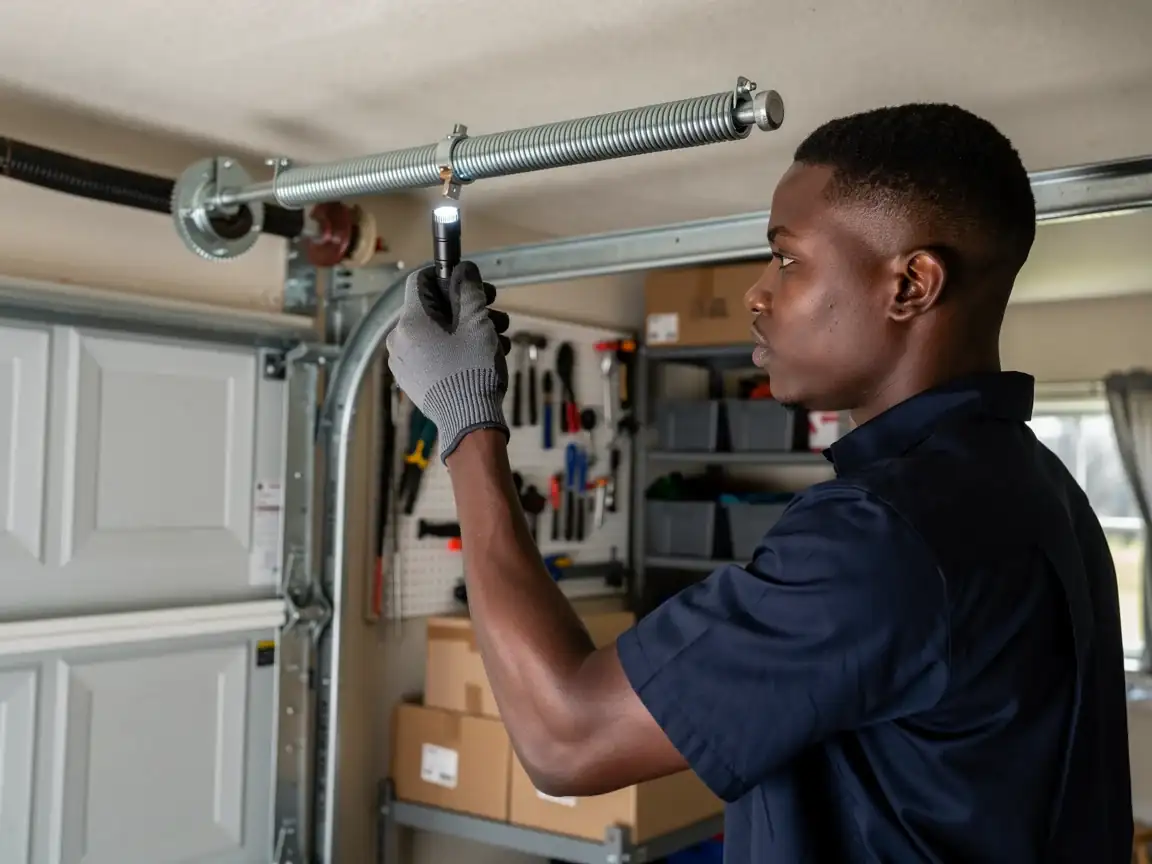
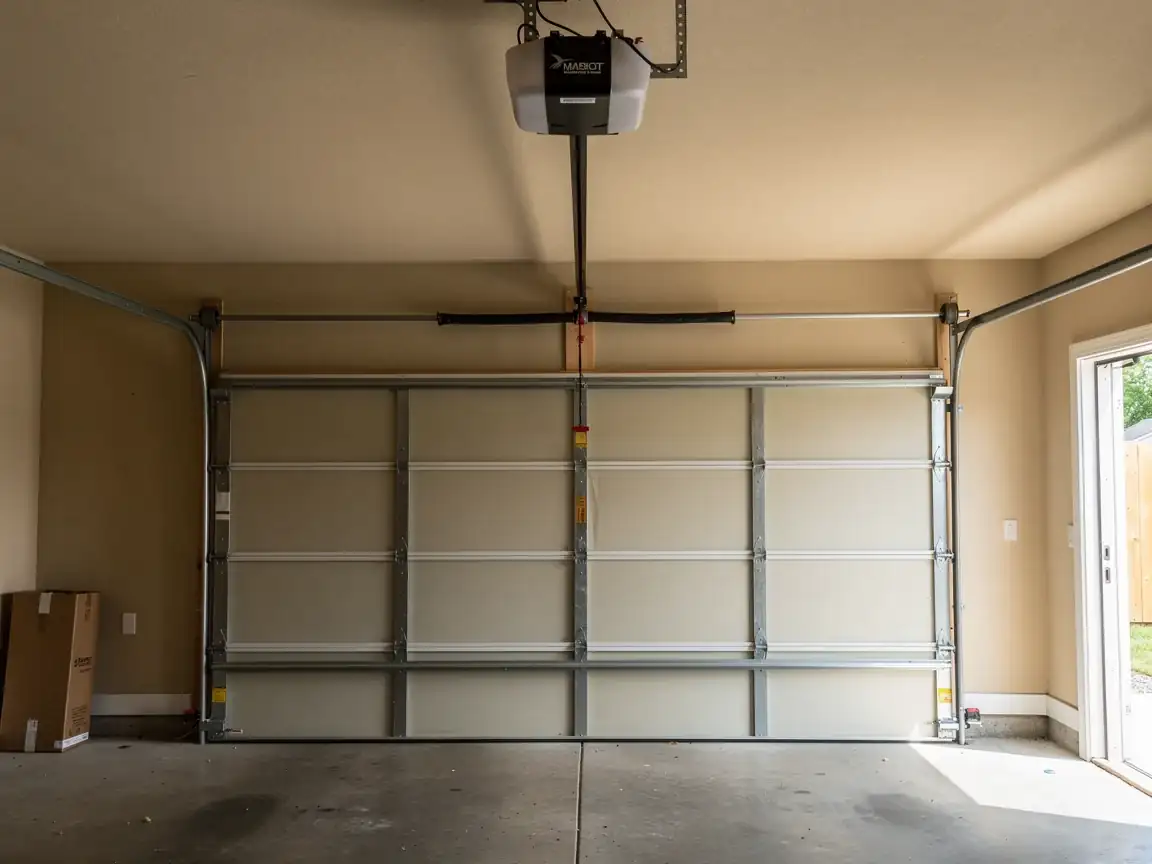
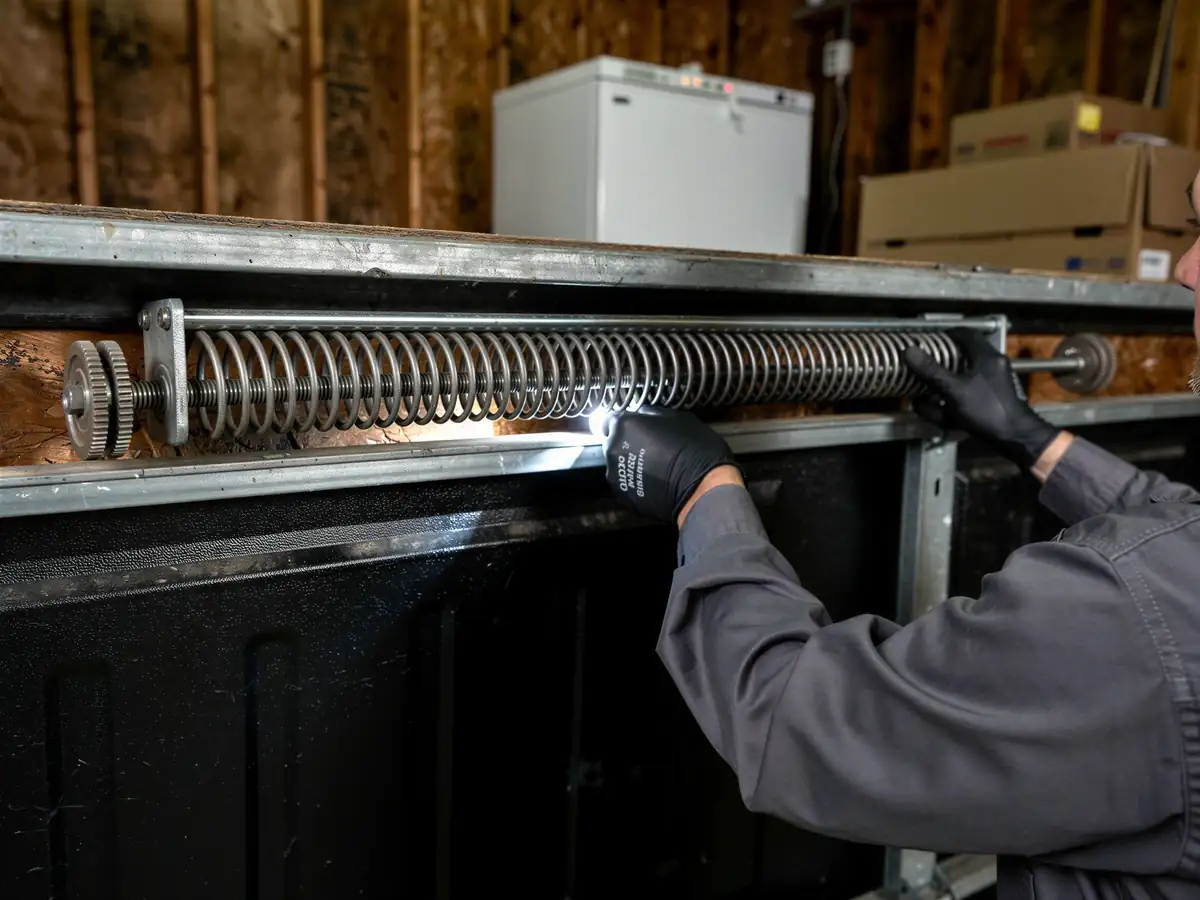
If the damage is cosmetic - a shallow dent that doesn't affect the track run - you can sometimes pull it with a plunger and some patience, and that's worth trying before you call anyone. But a cracked or bowed panel on a torsion-spring door is a different matter. Pulling the section means disengaging the spring tension first, and on an older double door that spring is under real load. We don't recommend doing that alone.
The honest limit here: if your door's panel style was discontinued by its original manufacturer, there's no DIY fix that gets you an exact match. You're choosing between a visible patch, a full repaint, or replacing the whole door. We'll tell you which makes sense once we've seen it - we won't talk you into a full door if one section will do.
How Long You Are Without the Door
We run out of Burleson, about 5 miles from Joshua, so there's no separate branch stock sitting closer to you - what we bring is what's on the truck plus what we can source for your door's era. For a door built in the early 1990s, that often means a short wait while we track down a panel from a supplier who still carries that embossing pattern, or while we get a custom section fabricated to match.
A door with one damaged section usually still closes and locks in the meantime, even if it doesn't look right, so you're rarely stuck leaving the garage open. We'll walk you through securing it safely until the part's in hand.
What It Costs
We don't have a flat number to quote here, and we'd rather tell you why than make one up
Cost on a panel job swings on three things: whether your panel's style is still in production, whether the opener and track need realignment after the swap, and whether one section will match or the whole door needs repainting to blend.
Joshua's median household income sits lower than some of the other areas we cover from Burleson
And we factor that into how we scope a job - we'll always give you the option that solves the actual damage before we suggest a full door. If a single-panel repair isn't worth the trouble next to a full replacement, we'll say so plainly instead of running up a repair bill on an old door.
The Complications
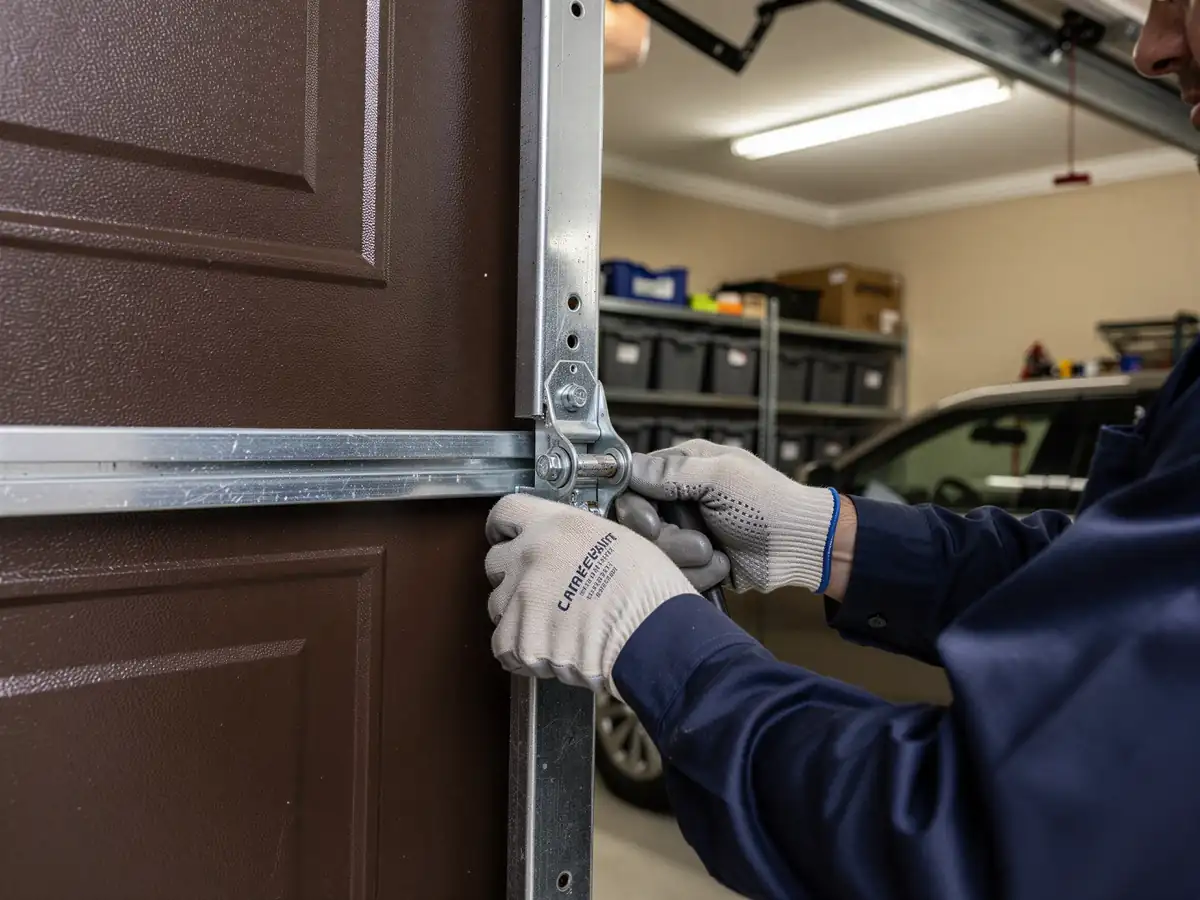
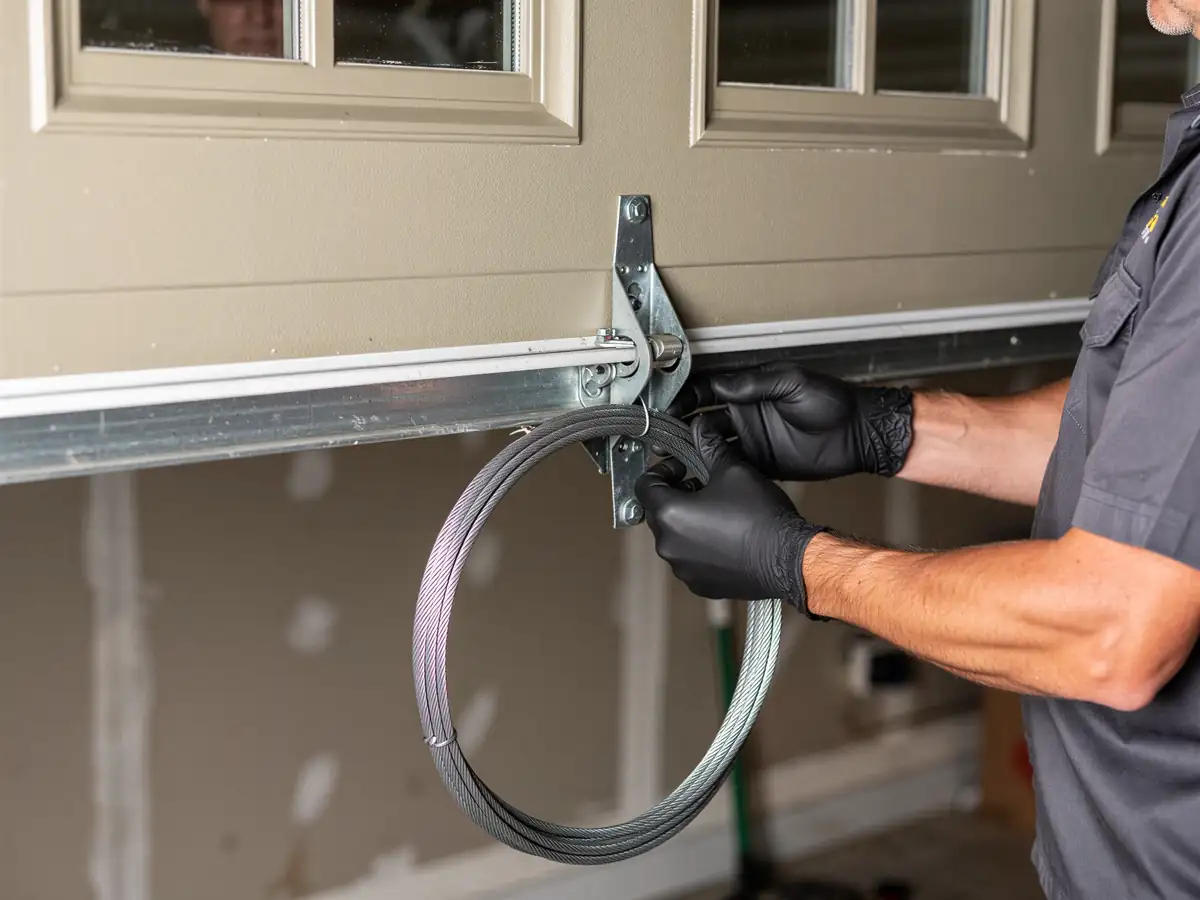
The biggest complication on a 1990s-built door isn't the panel itself, it's everything bolted to it. Hinges, rollers, and the top fixture brackets from that era were sized to a slightly different gauge steel than what's sold today, so a new panel sometimes needs its hardware swapped over from the old section rather than bought fresh.
Color is the other issue. Factory steel finishes fade unevenly over three decades, so even a correctly matched panel style can look two shades off next to the rest of the door until the whole thing's repainted. We'll flag that before we order anything, not after it's installed and you're staring at the mismatch.
What the Repair Takes
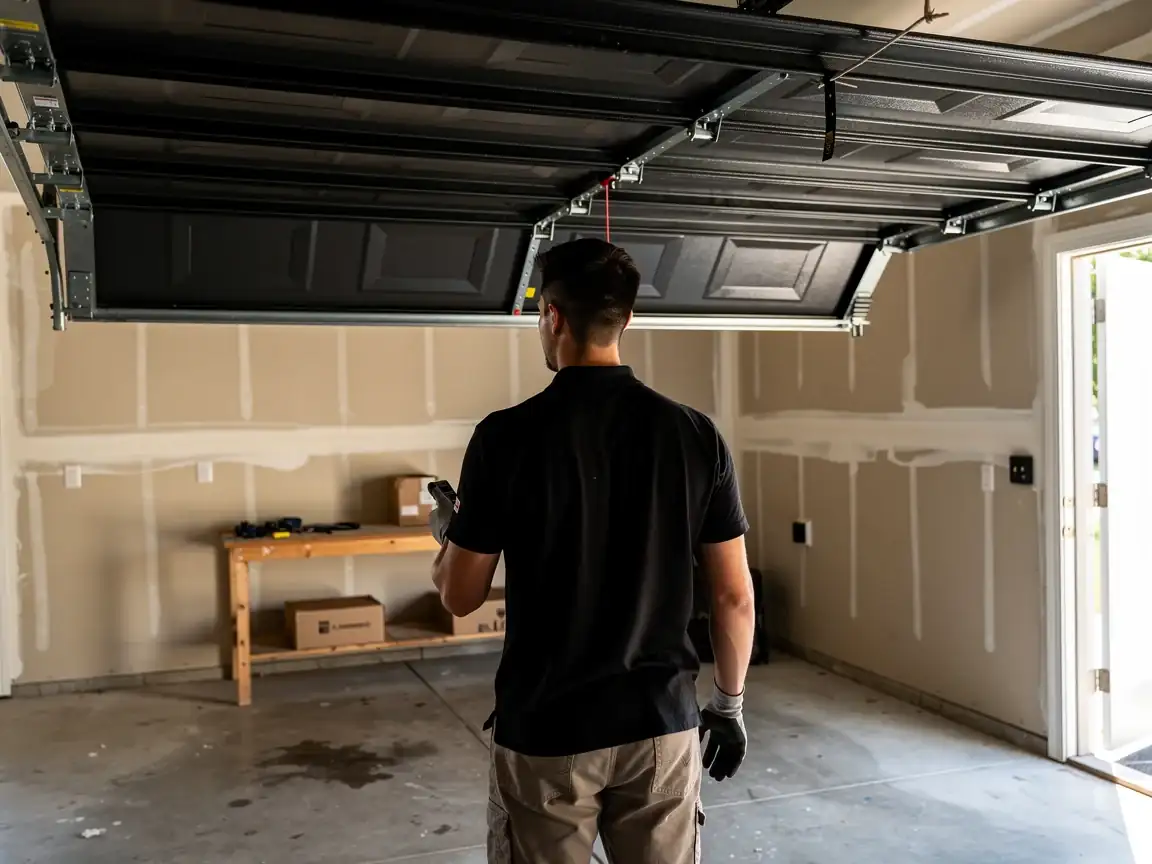
We start by pulling the section's model and gauge off the door itself where possible - sometimes there's a stamp inside the panel, sometimes we're matching it by hinge spacing and rib pattern. Once we know what we're dealing with, we order the closest match or arrange a fabricated section.
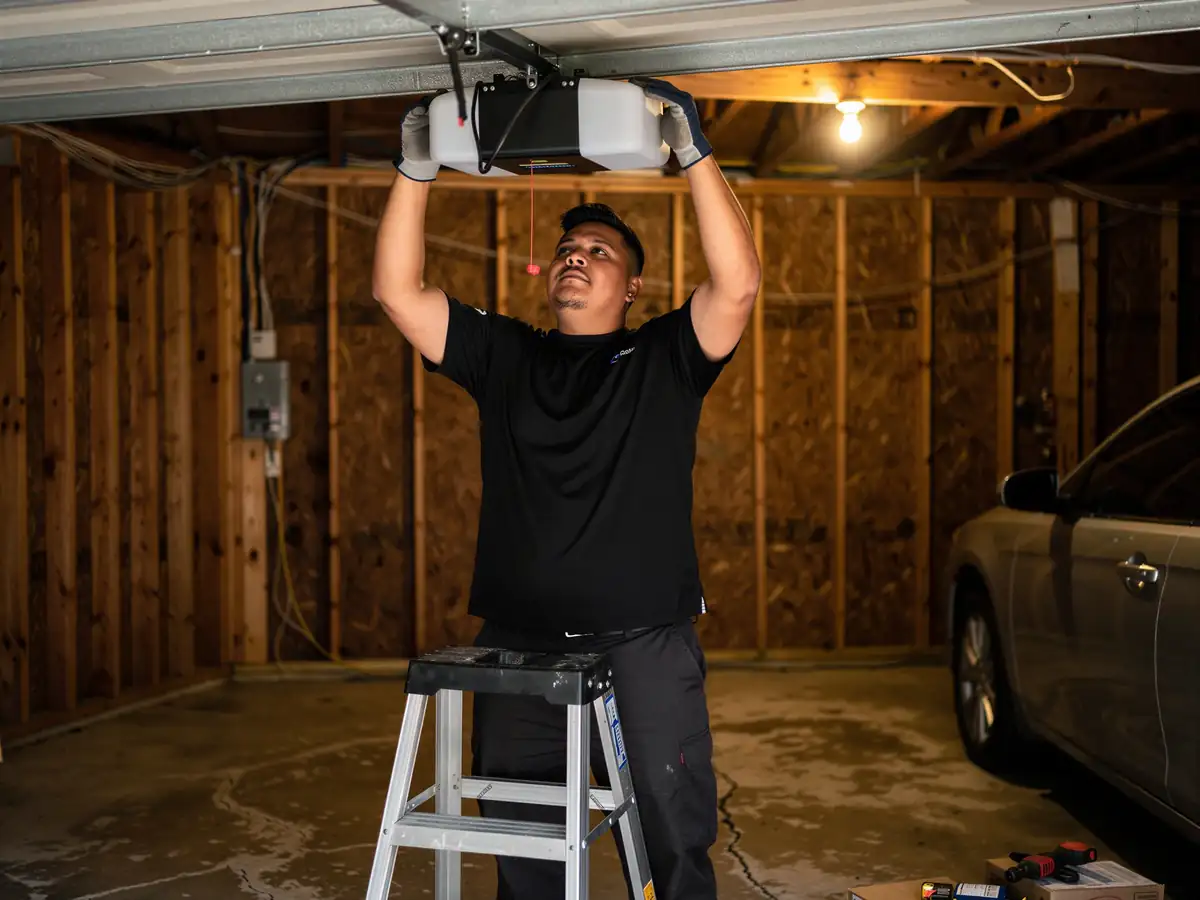
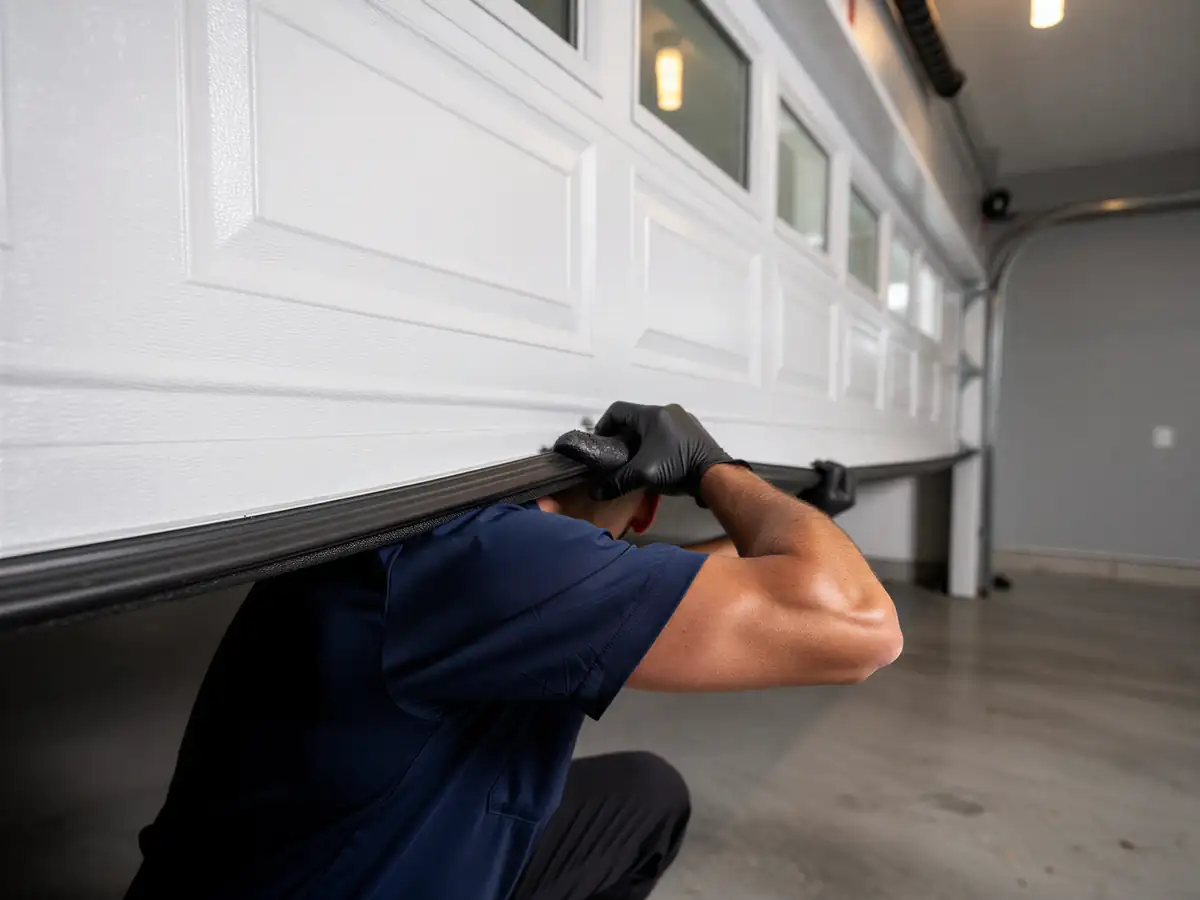
On site, the spring gets locked off, the damaged section comes out, hinges and rollers transfer or get replaced, and the new panel goes in before we re-tension and run the door through a full cycle to check alignment. A straightforward single-panel swap on a double door usually runs a few hours once the part's in hand - multi-panel jobs or ones needing track adjustment take longer.