Why This Fails Locally
Joshua's houses run newer than the Burleson-area median
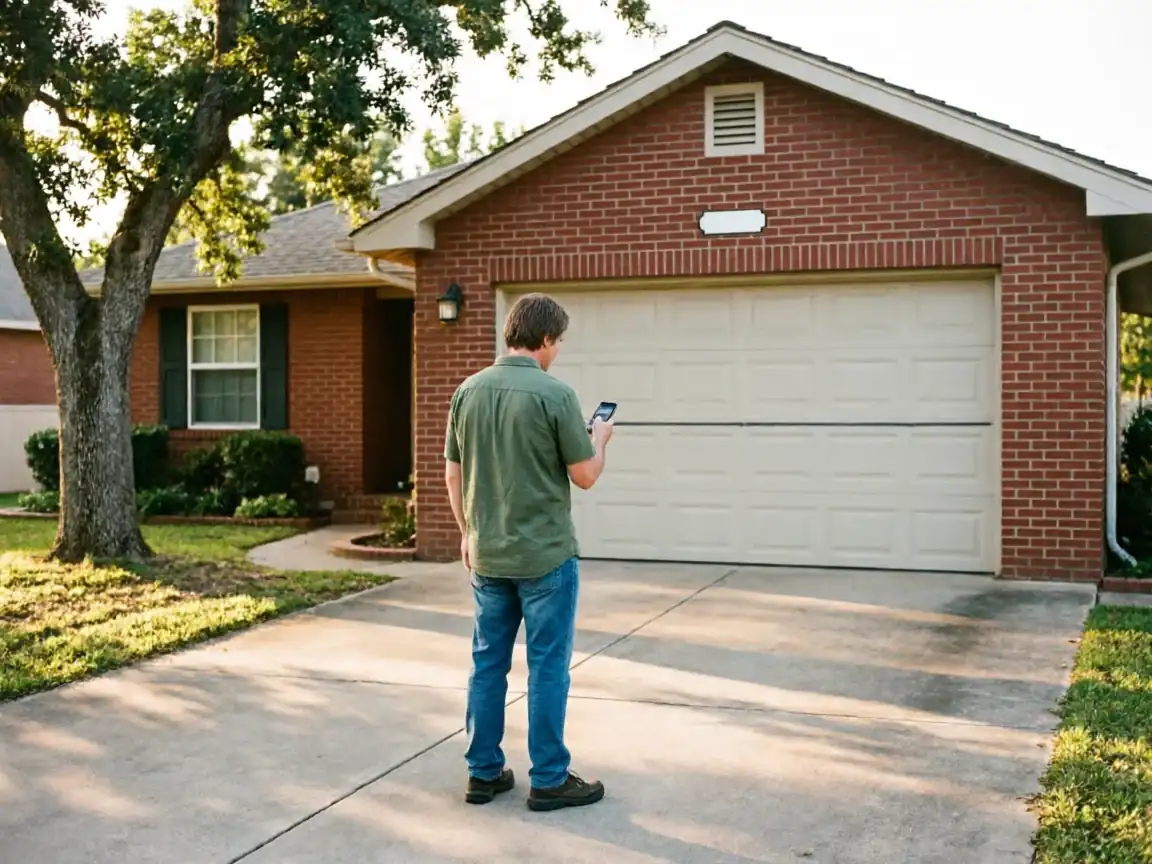
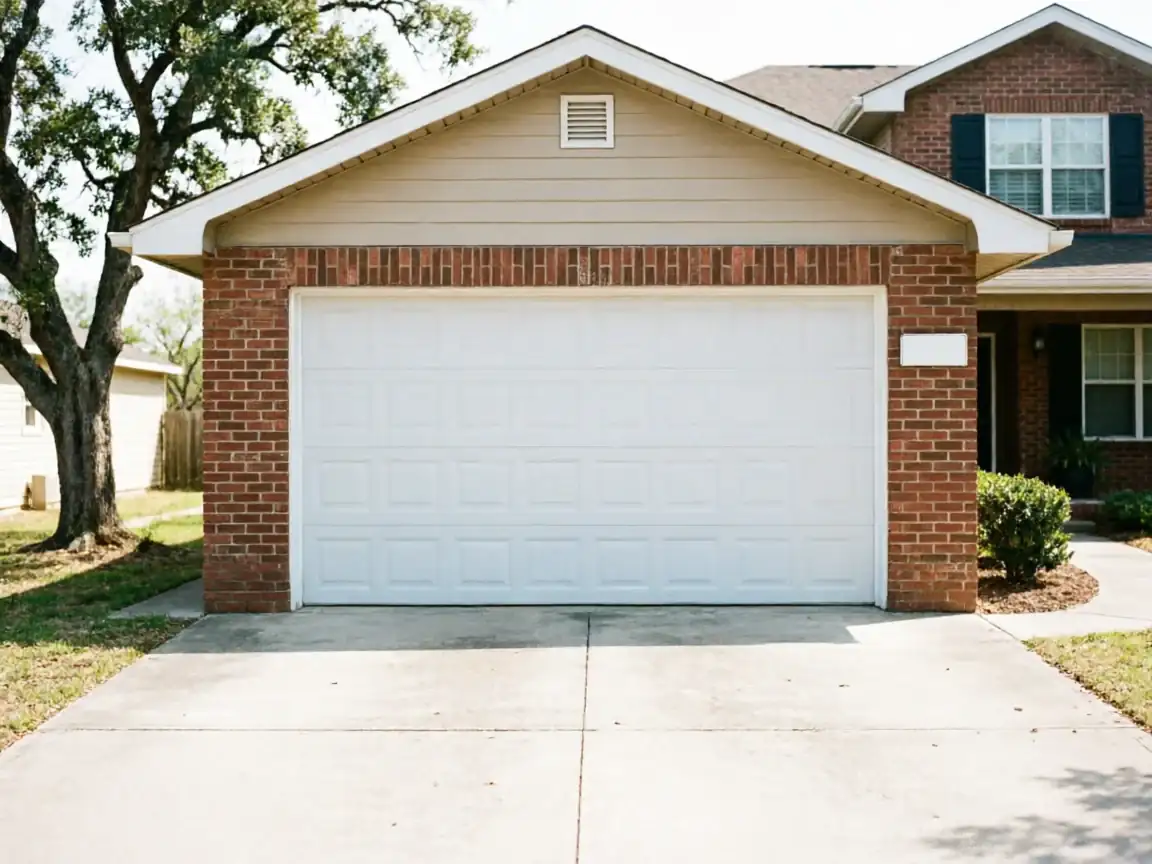
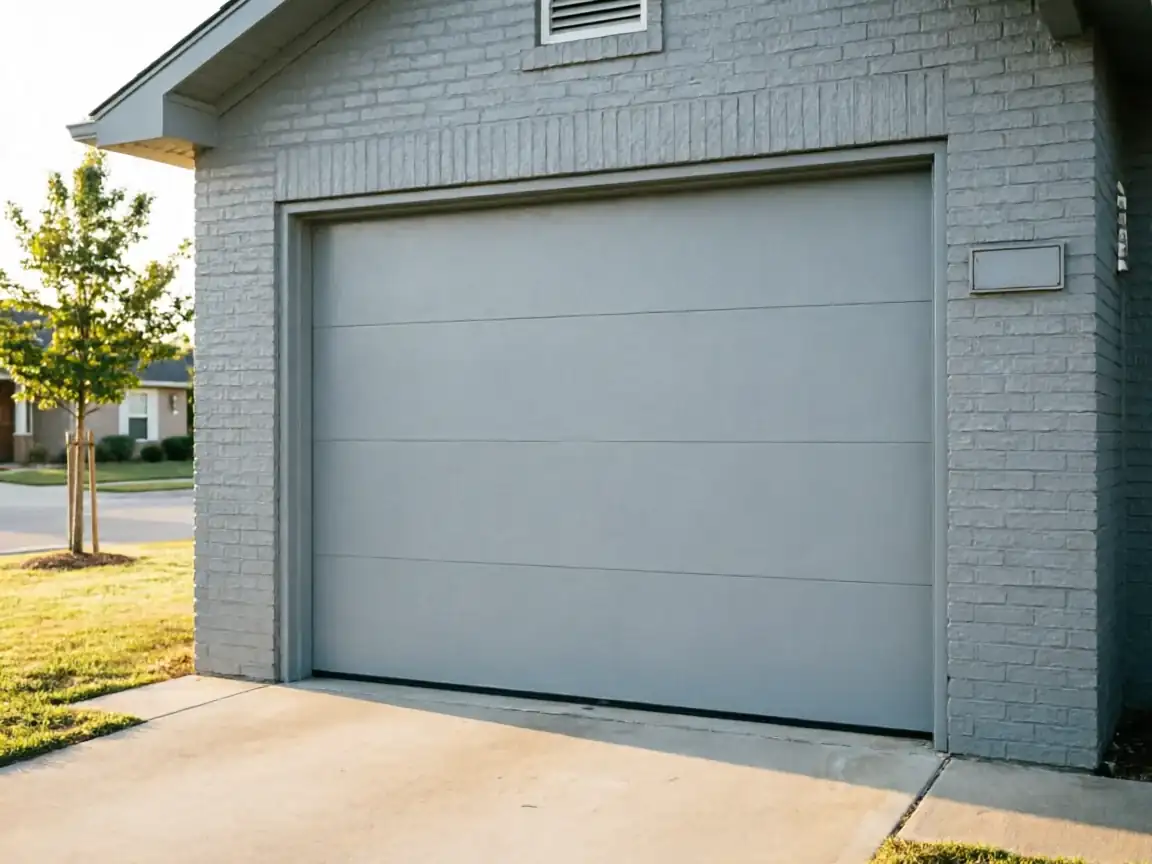
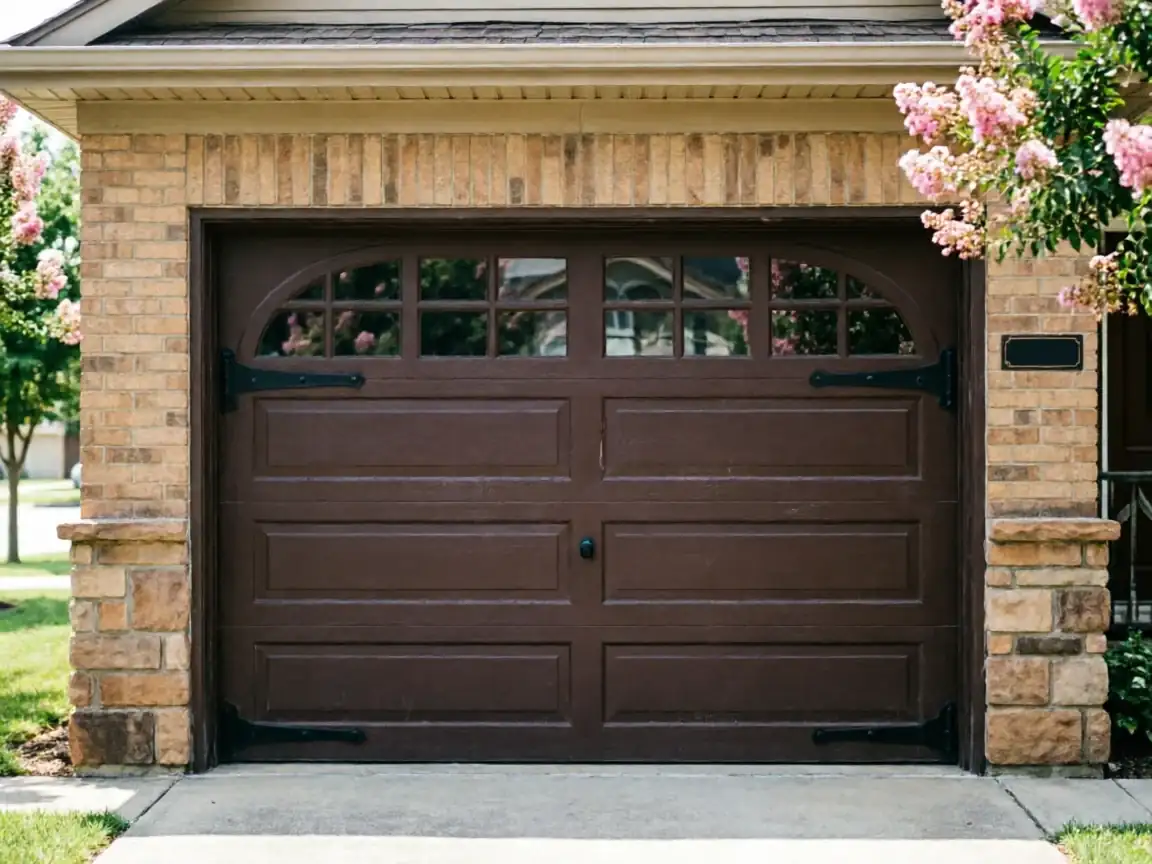
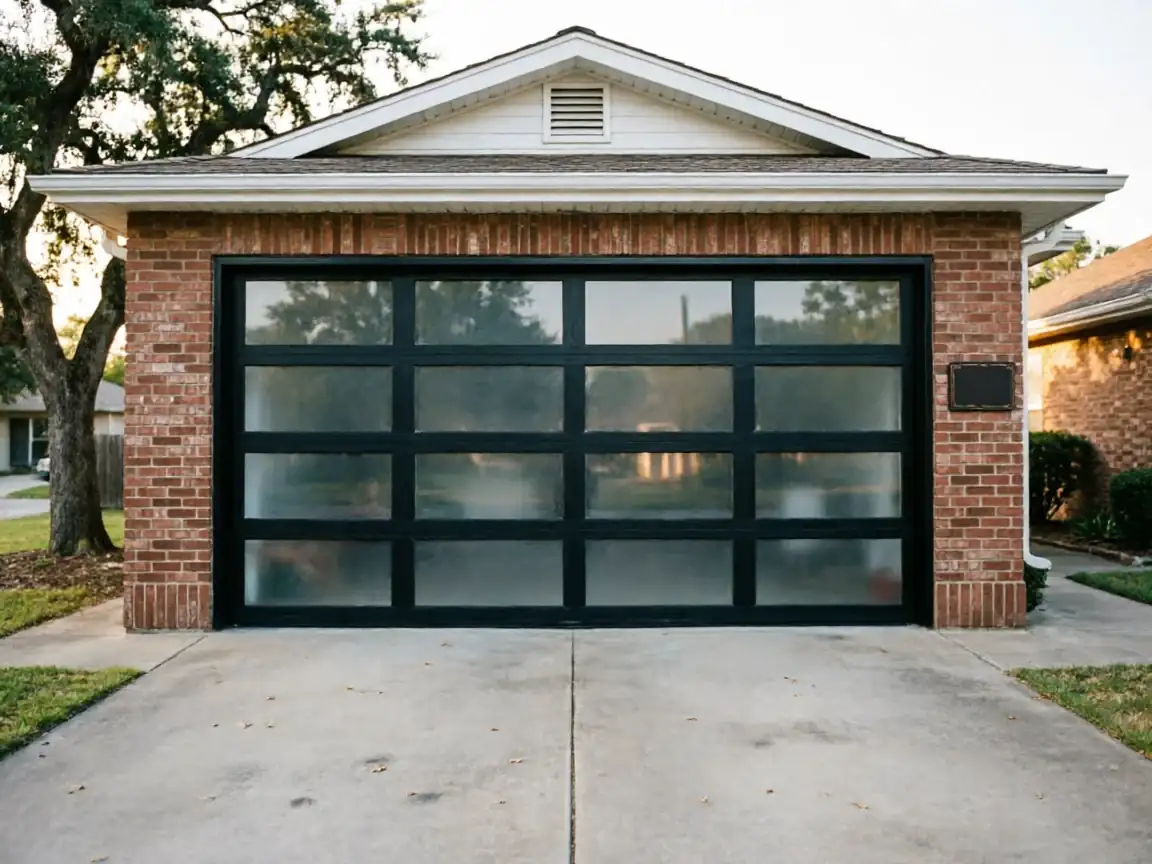
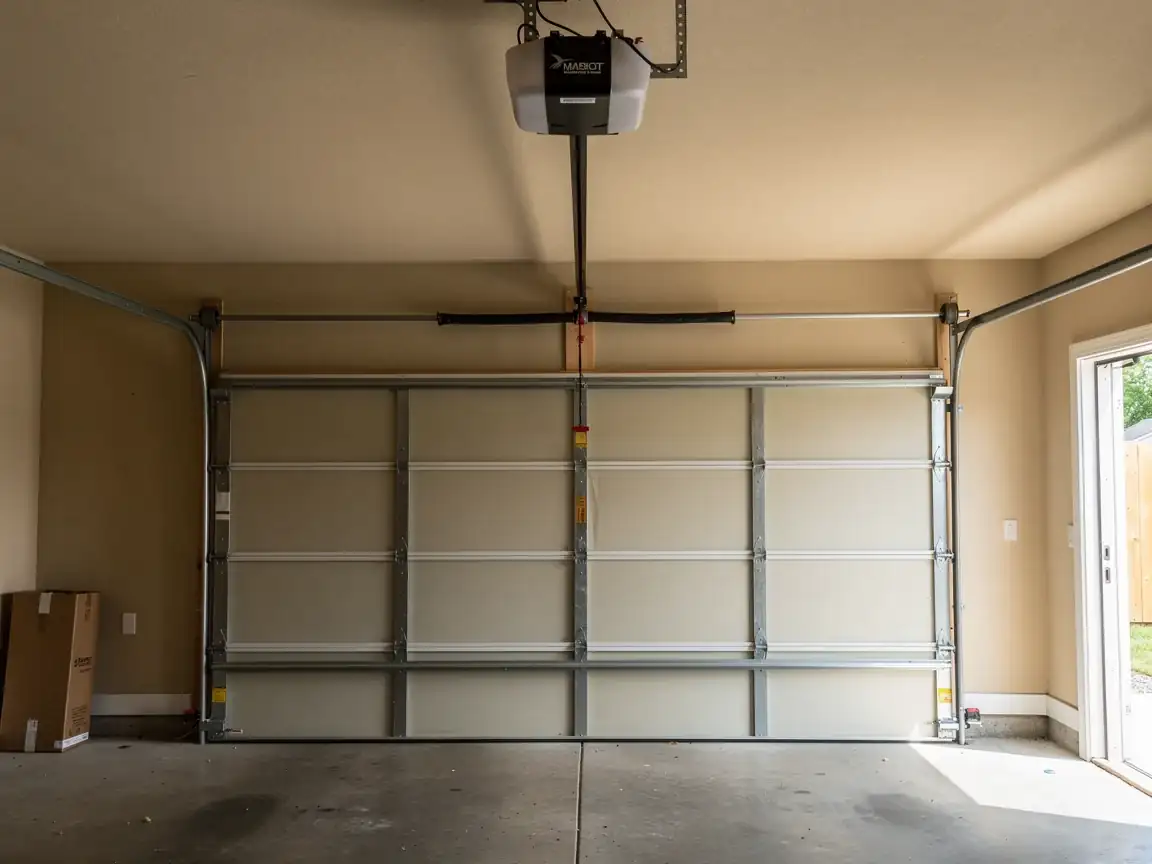
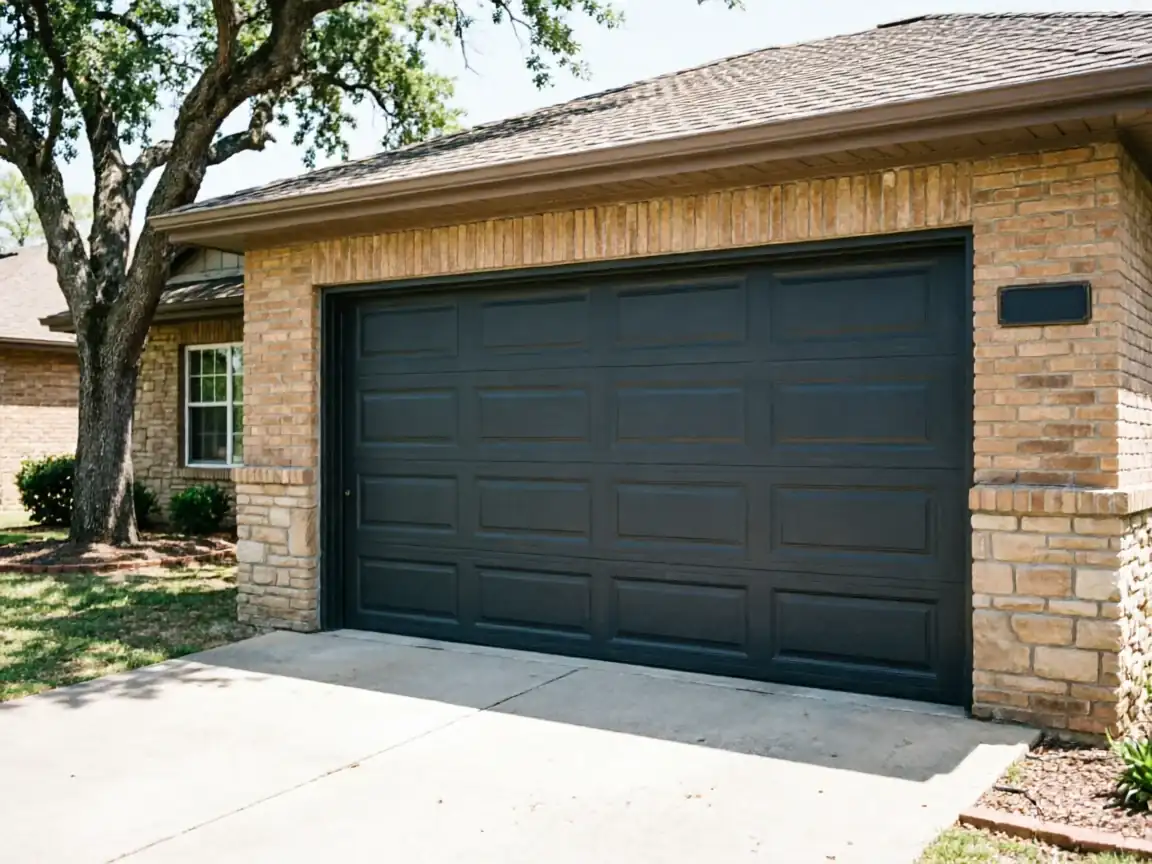
Across the whole service area the typical home dates to 1986, but Joshua's median build year lands closer to 1993. That seven-year gap matters more than it sounds like it should. A 1986 opener and a 1993 opener are two different generations of hardware, and a lot of Joshua garages still have their original builder-grade unit bolted to the header - a chain-drive opener that's now been running for three decades.
That's well past the point where gears wear down to plastic dust, capacitors weaken, and the logic board starts missing the safety-reversal test
In the older pockets of the service area we replace openers that failed from age plus years of coastal-grade moisture cycling; in Joshua the failures skew more toward straight mechanical fatigue on units that have simply outlived their design life. Same symptom - door won't open, or opens and reverses halfway - different cause once you look at the install date.
We travel in from Burleson, about 5 miles out, so we're not guessing at what's common here
We're matching the opener to a door and track system that's a different age bracket than most of what we see closer to the city center.
- 5 miles
Can You Do This Yourself
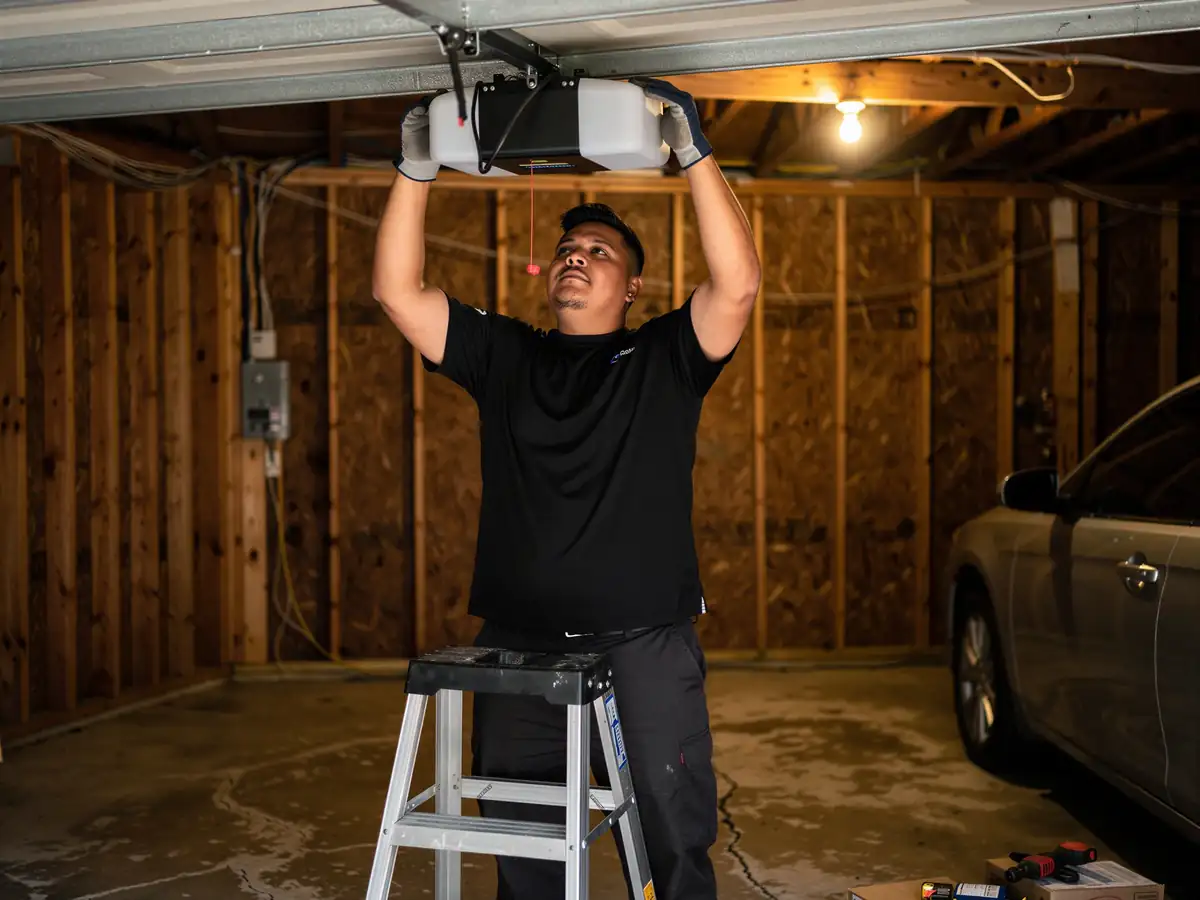
A opener swap looks like a weekend project until you're standing on a ladder holding a 20-pound motor head over your own forehead. The mounting bracket work, the travel-limit setup, and the safety-sensor alignment are where most DIY installs go sideways - not the wiring, which is simple, but the calibration, which isn't forgiving.
If your garage still has its original 1990s-era rail and you're bolting a new opener to an old bracket, you're also betting that the ceiling framing and header are sound enough to hold a running motor for another twenty years. We won't talk you out of doing it yourself if you're comfortable with a drill and a level. We will tell you plainly: we don't do remote troubleshooting over the phone for a job you started and got stuck on. If you call us mid-install, we're coming out to finish it as a full install, not a quick fix.
How Long You Are Without the Door
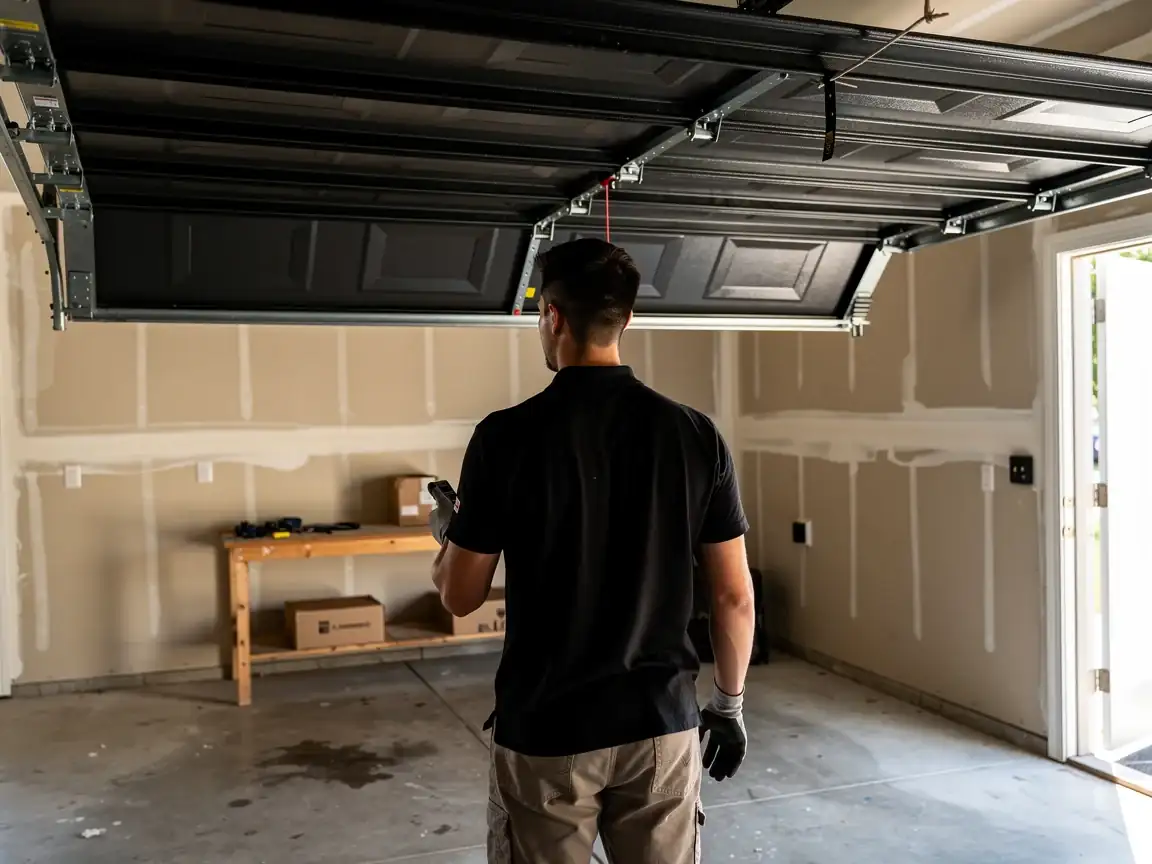
Since we run this job out of Burleson, about 5 miles from Joshua, the door itself isn't down for long once we're on site - a standard opener swap is a same-visit job, not an overnight one. The wait is mostly scheduling, not labor. Pulling the old unit, running new wiring to the wall control and sensors, and setting travel limits on a new opener takes a few hours once the truck's in the driveway.
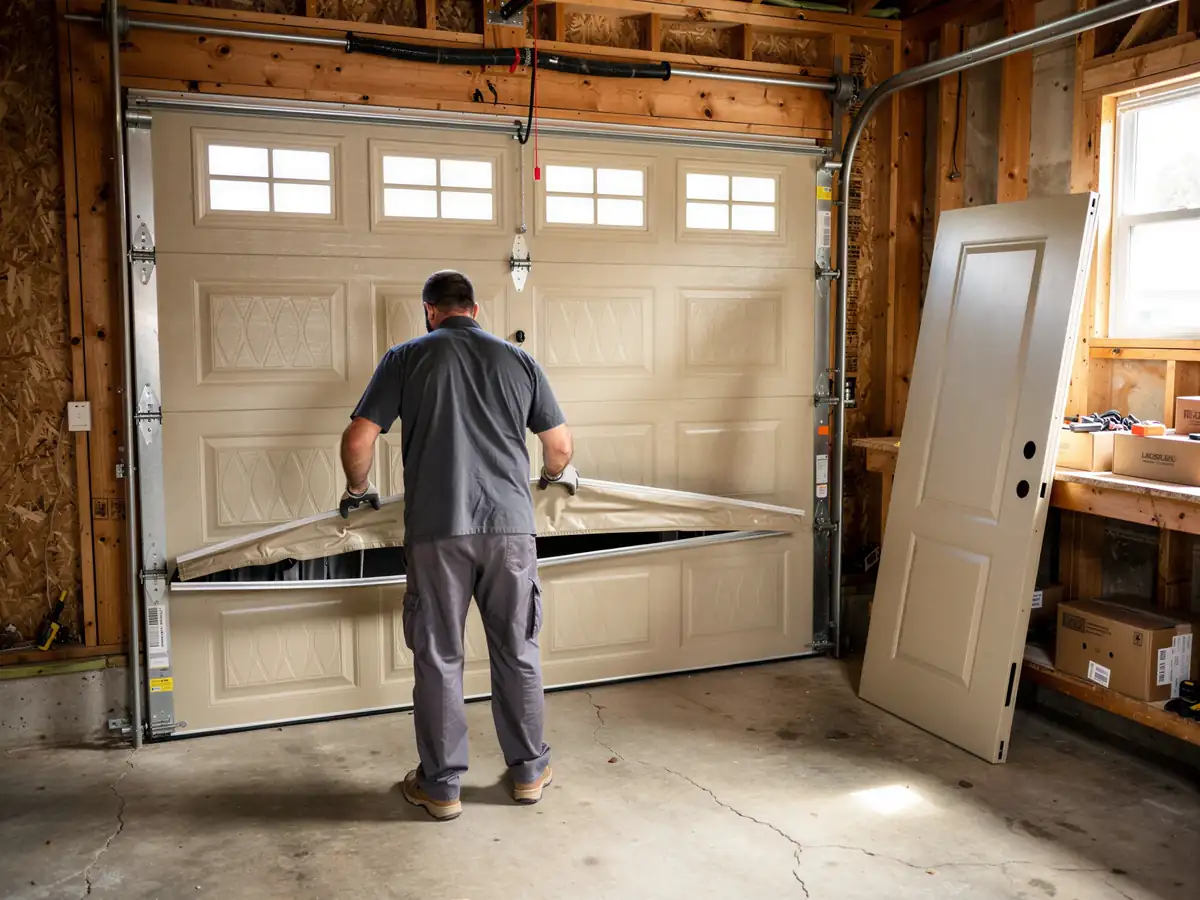
Where it stretches longer is if the old opener's rail or bracket is seized or rusted into the header - not uncommon on a unit that's been running unattended since before most current homeowners moved in. That adds disassembly time but rarely pushes the job past a single visit.
What It Costs
We don't post a flat number here because the spread between a straightforward swap and a full opener-plus-bracket-plus-sensor rebuild is wide
And guessing at a price before we've seen the door does nobody favors. What we can tell you is what drives the cost up or down: whether the existing rail and mounting hardware are reusable, whether the wall control and safety sensors need replacing along with the motor head, and whether the door itself needs any track or spring work at the same time.
Joshua's median household income sits around $60,466
Noticeably below the roughly $85,625 median across the wider service area, and that's worth saying plainly: we quote the job in front of you before we start, not after, so you can decide what's worth fixing now and what can wait.
The Complications
The biggest complication in Joshua isn't the door - it's the ceiling it hangs from. Homes built around the early-to-mid 1990s often used lighter truss framing than older construction, and a heavier belt-drive or jackshaft opener needs a solid backing point, not just a lag bolt into drywall. We check the header before we hang anything.
The second complication is wiring. A 1990s-era garage usually has a single outlet near the opener and nothing else - no dedicated circuit, no extra run for a keypad or smart-hub tie-in. If you want a newer opener with Wi-Fi status or a battery backup, we're sometimes adding a circuit or a surge-rated outlet as part of the job, not swapping it in for free on the existing wiring.
What the Repair Takes
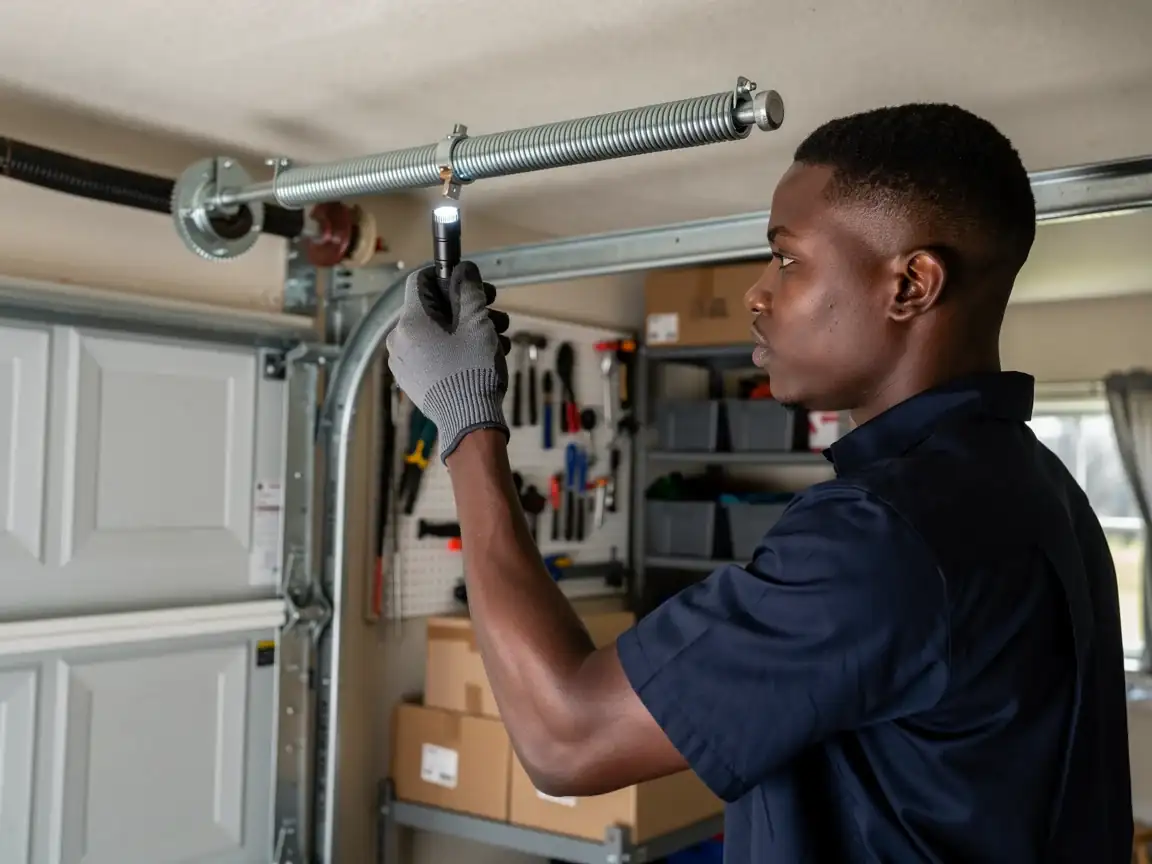
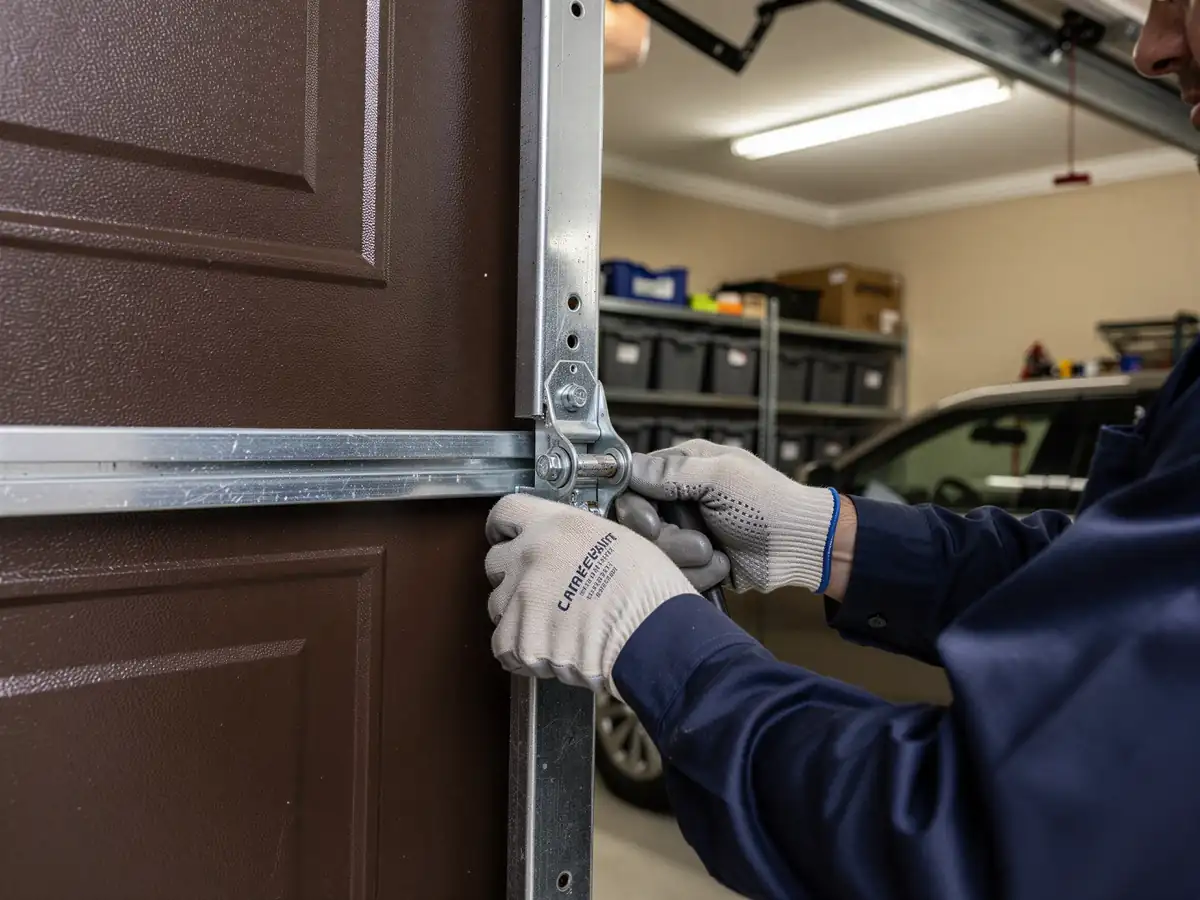
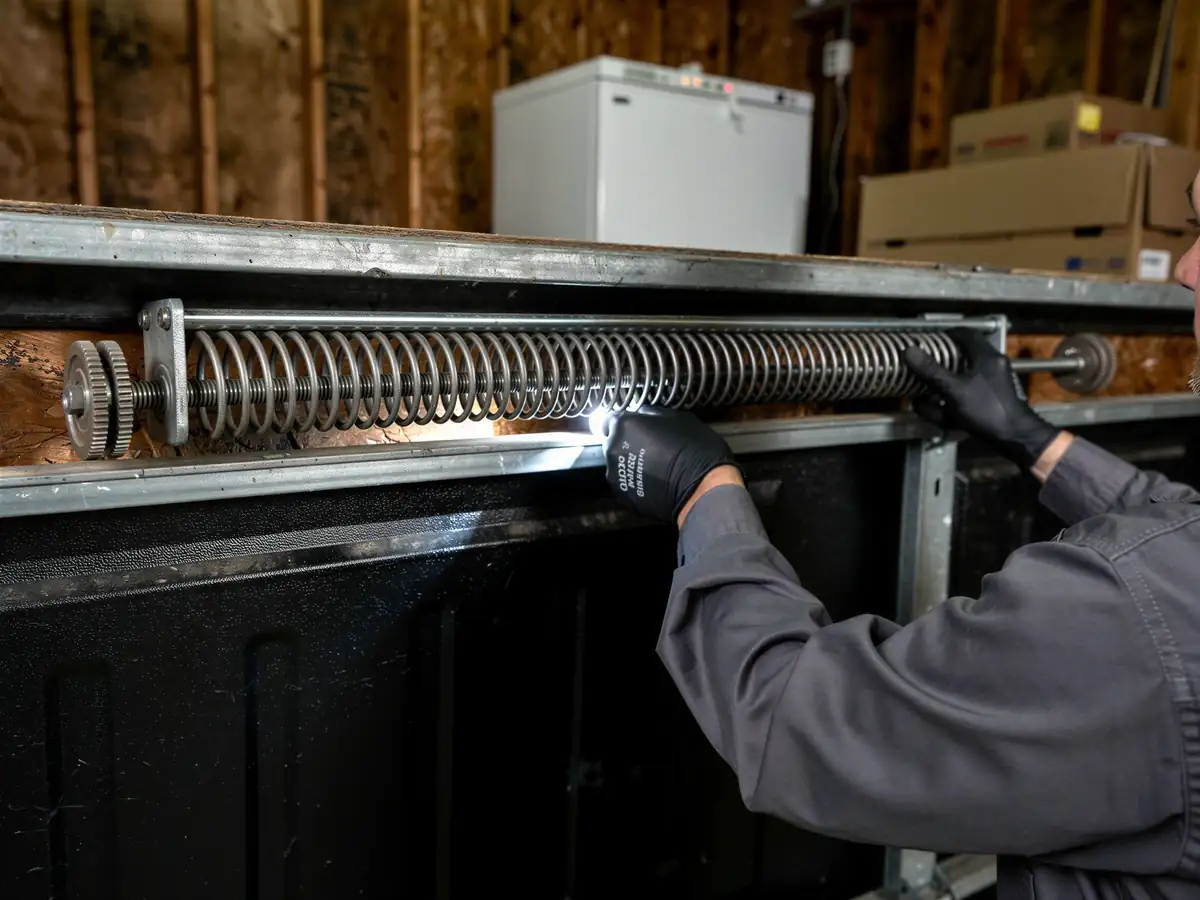
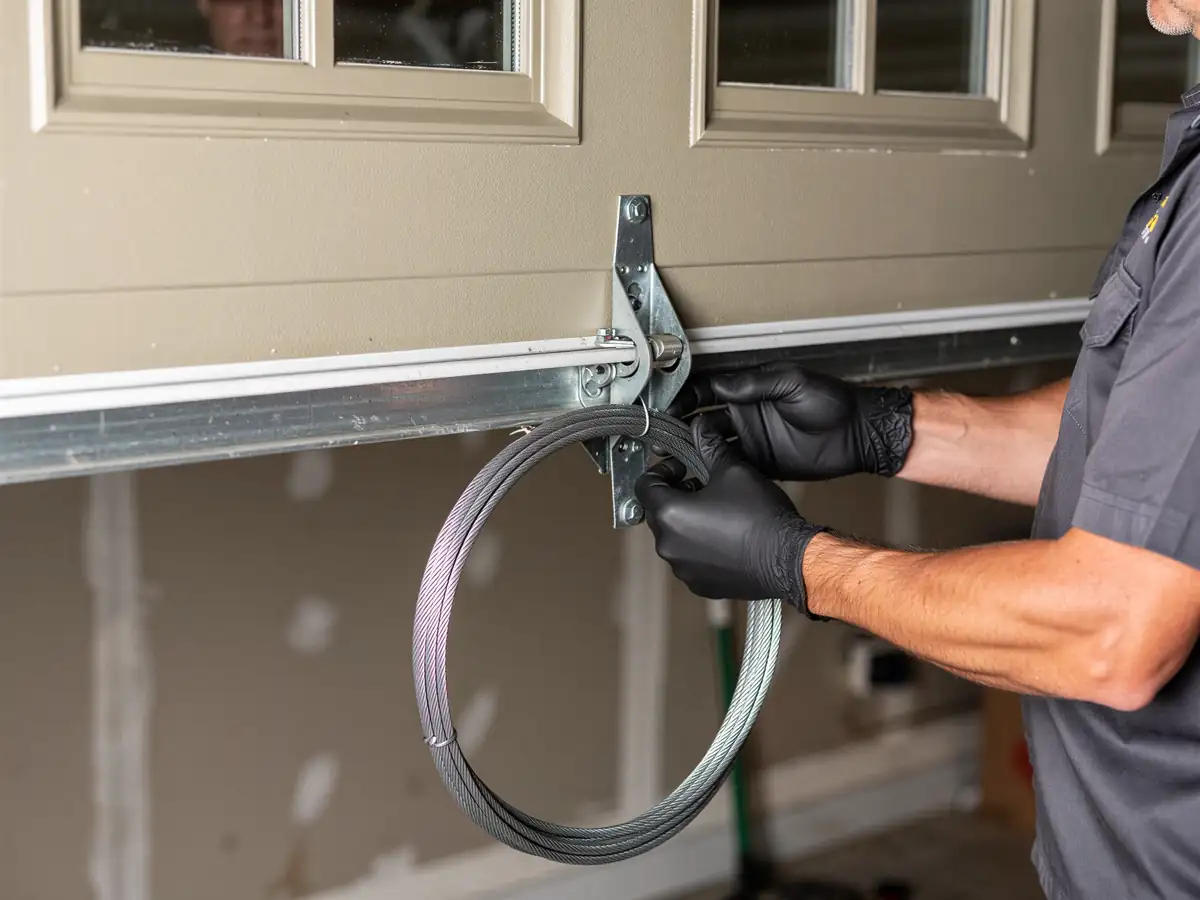
The install itself follows a set order: pull the old motor head and rail, check the header and bracket for soundness, mount the new rail and motor, wire the wall control and safety sensors, set the up and down travel limits, and run the auto-reverse test until the door stops clean on a two-inch obstruction every time. On an older Joshua garage we also check whether the door's springs and rollers can handle a heavier new opener's lift cycle - a tired spring under a new strong motor just fails faster.
We don't leave a job half-tested. The door gets run through a full open-close cycle with the sensors blocked and unblocked before we call it done, because a safety reversal that doesn't fire is worse than no opener at all.