Why This Fails Locally
The median house in Joshua went up around 1993
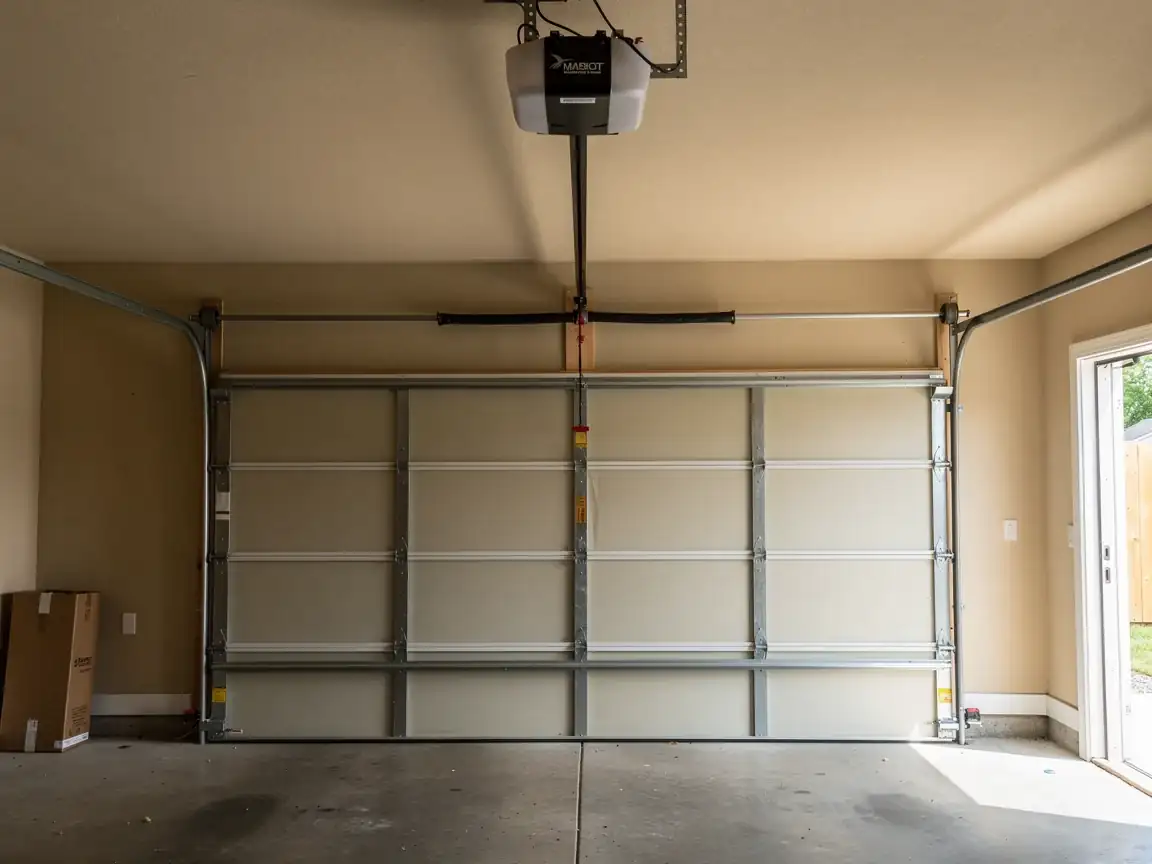
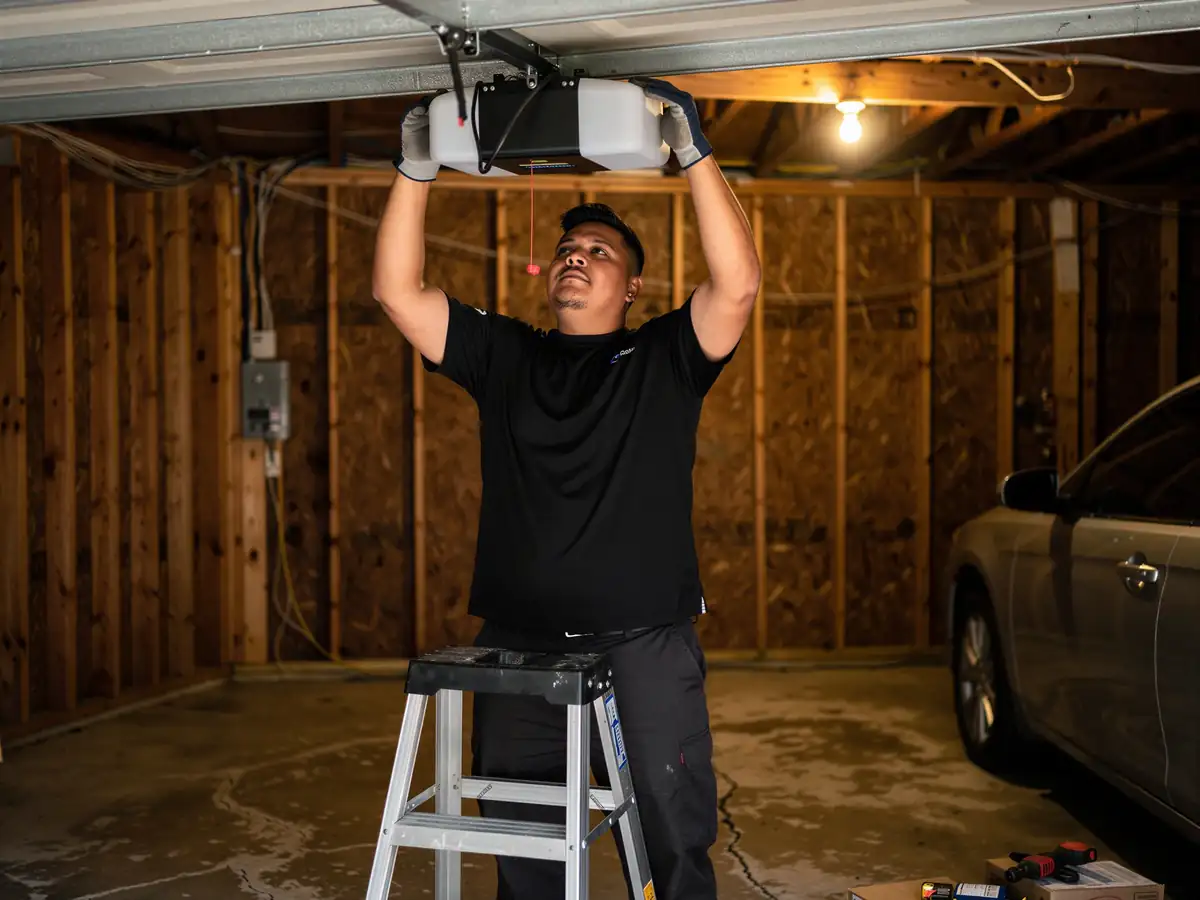
That's a specific year for a reason: it sits right at the line where garage door openers started shipping with photo-eye safety sensors as a standard feature instead of an option. A lot of Joshua garages still have the original opener, or a direct swap-in replacement from the 90s or early 2000s, running on a drive system that predates that change. When one of those units finally gives out, the fix often isn't just a new opener - it's bringing the whole setup up to a safety standard the house never had to meet when it was built.
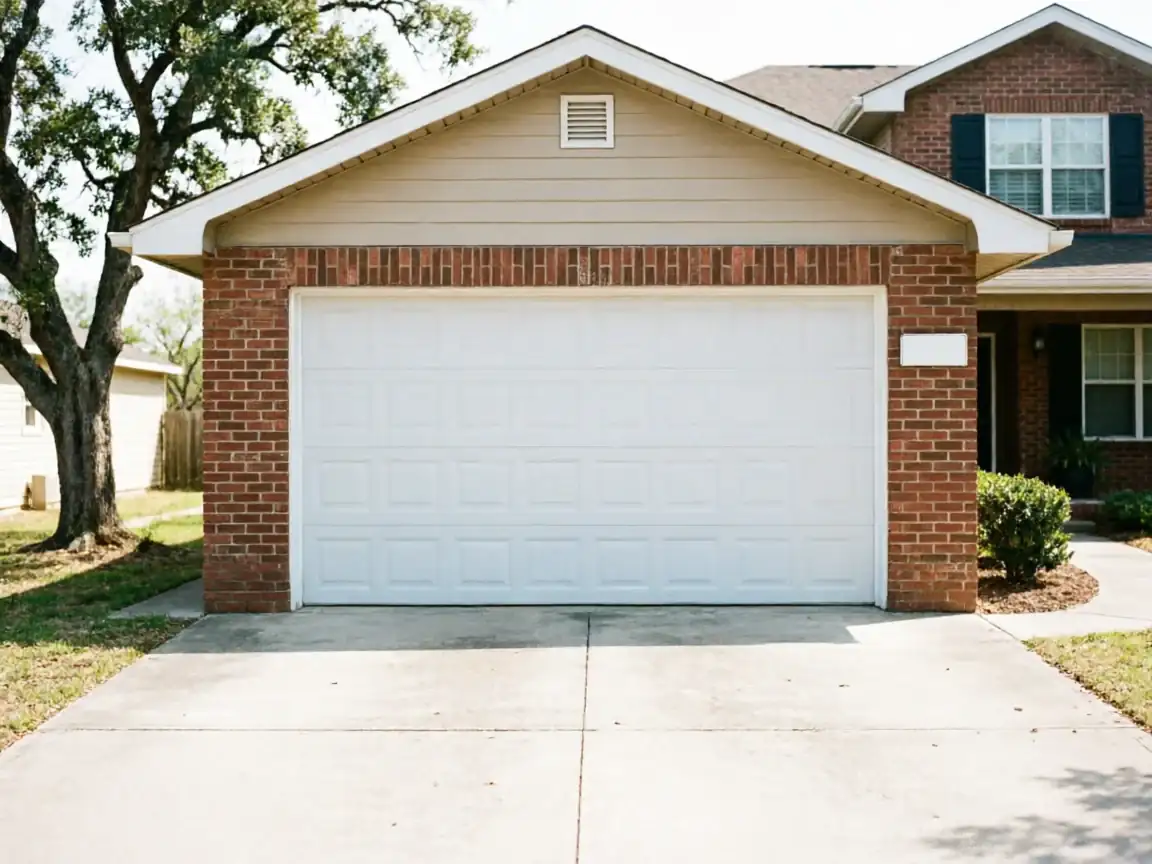
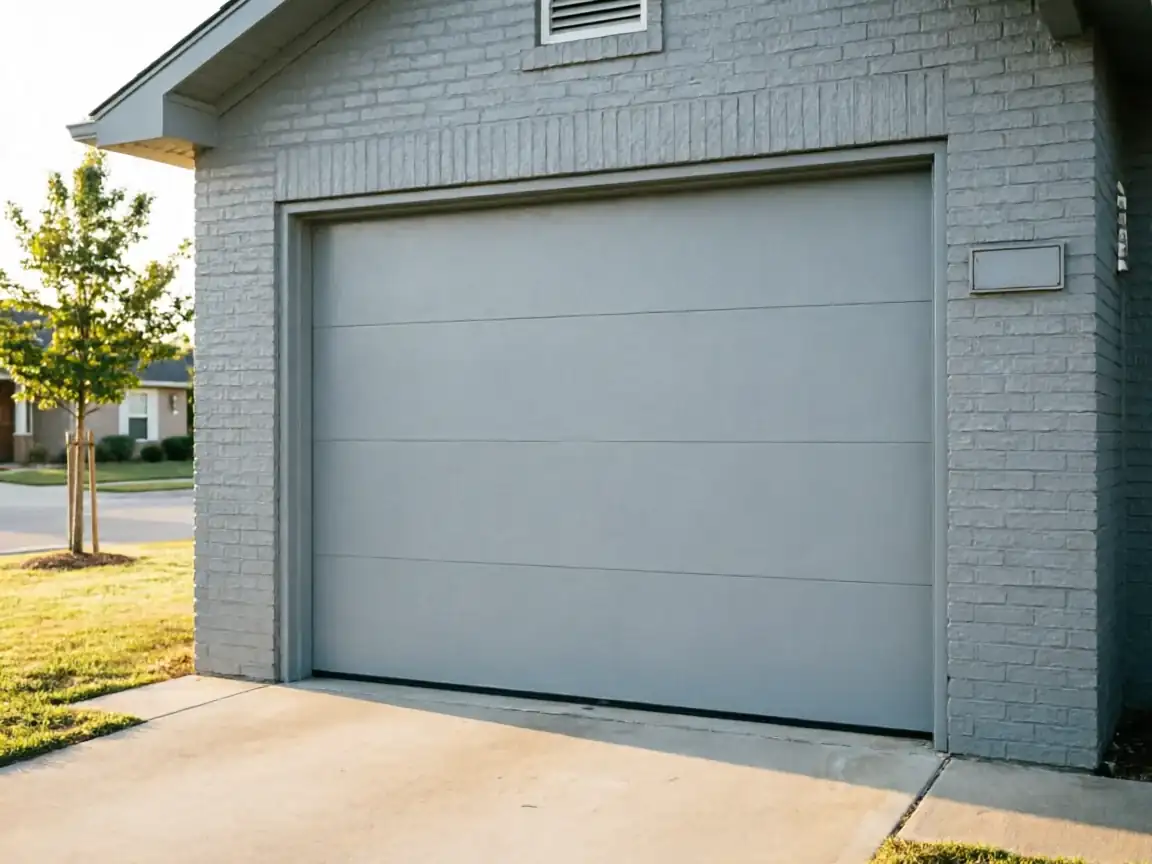
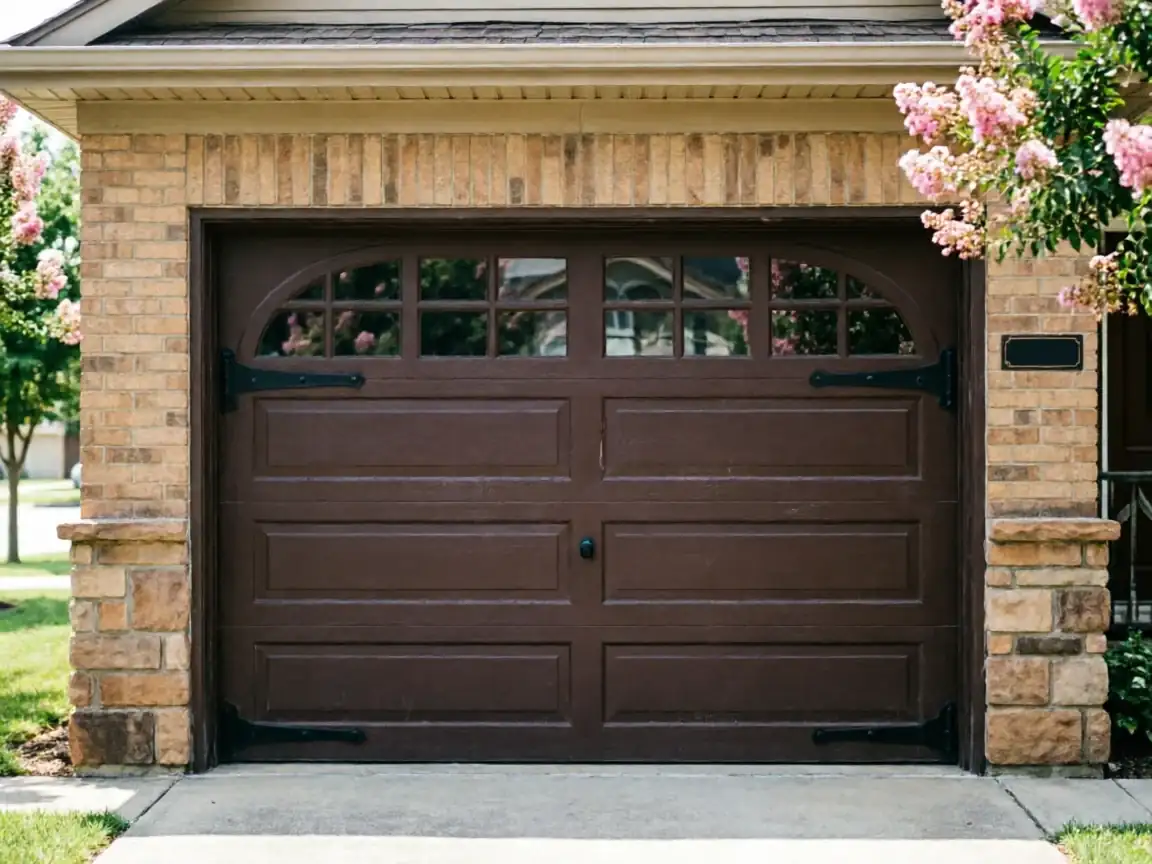
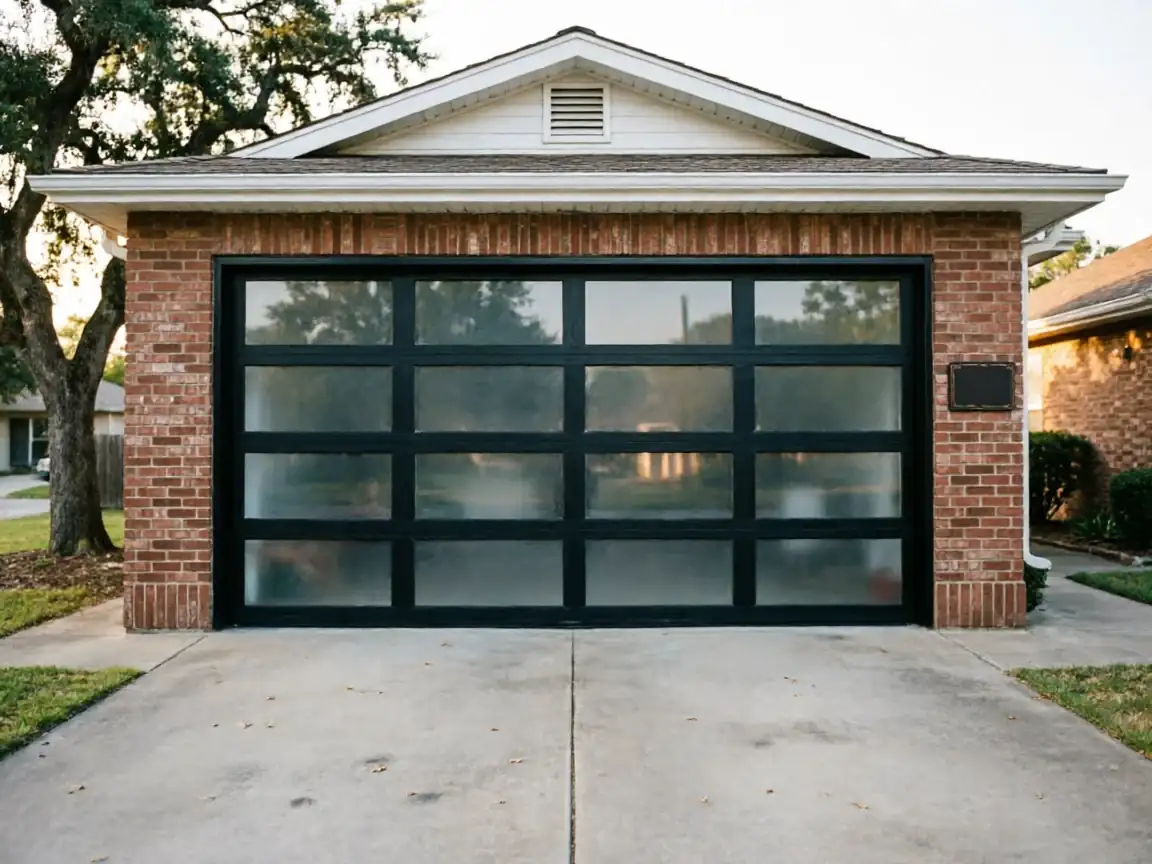
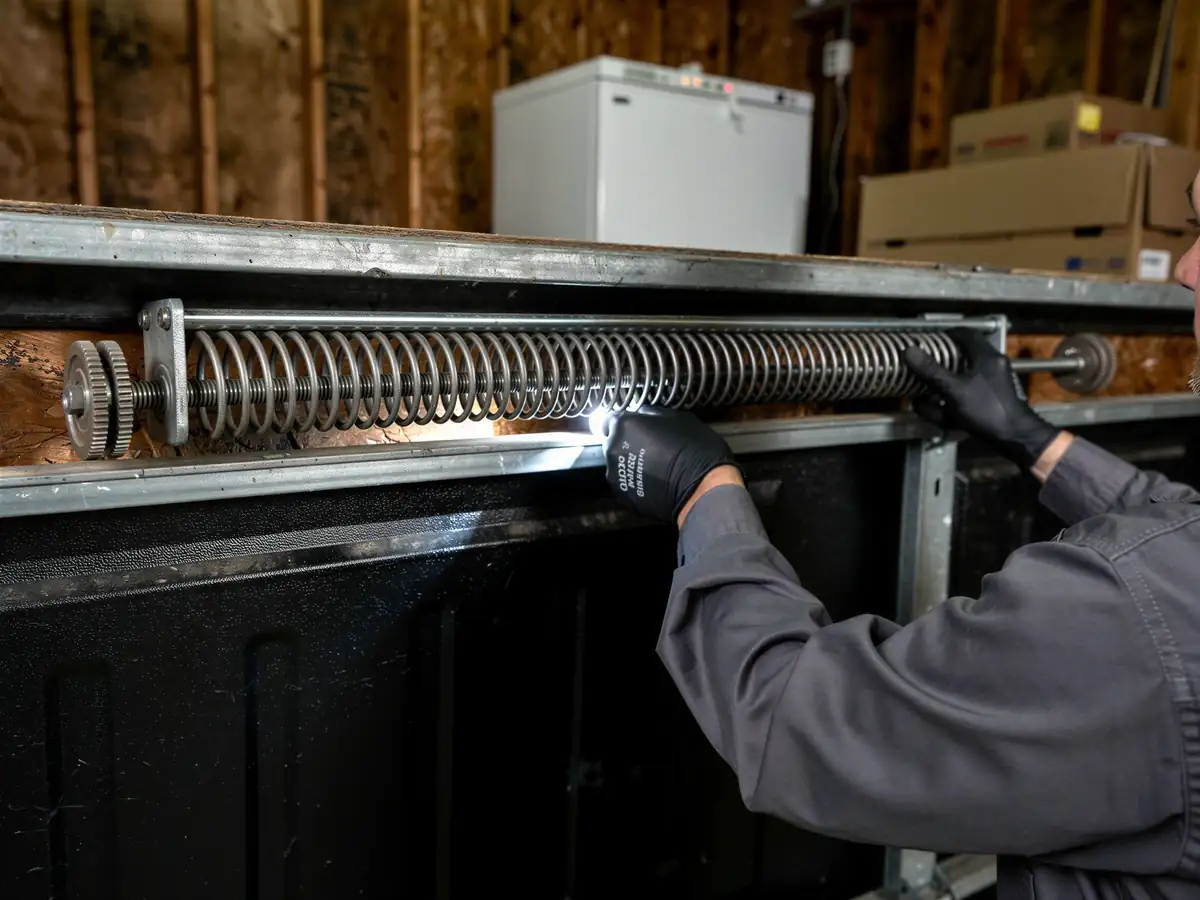
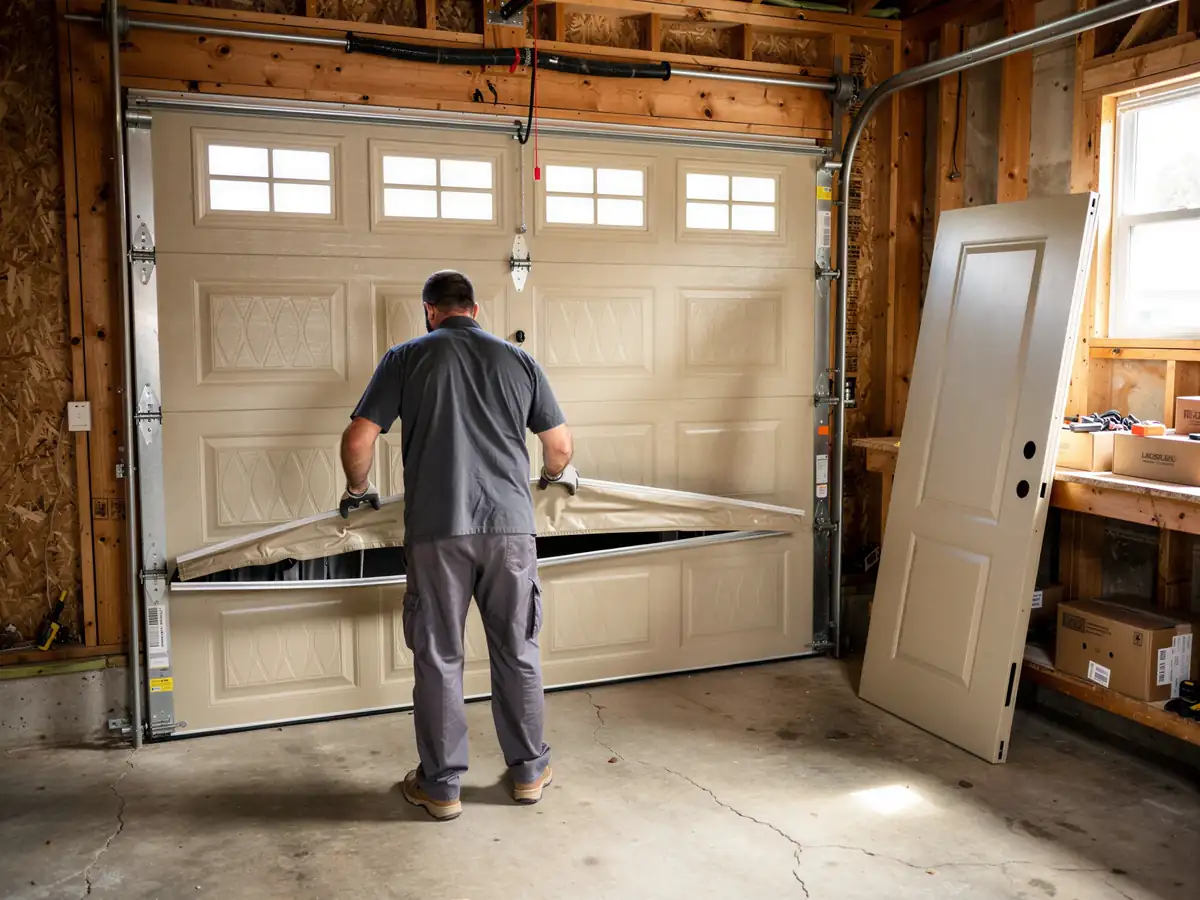
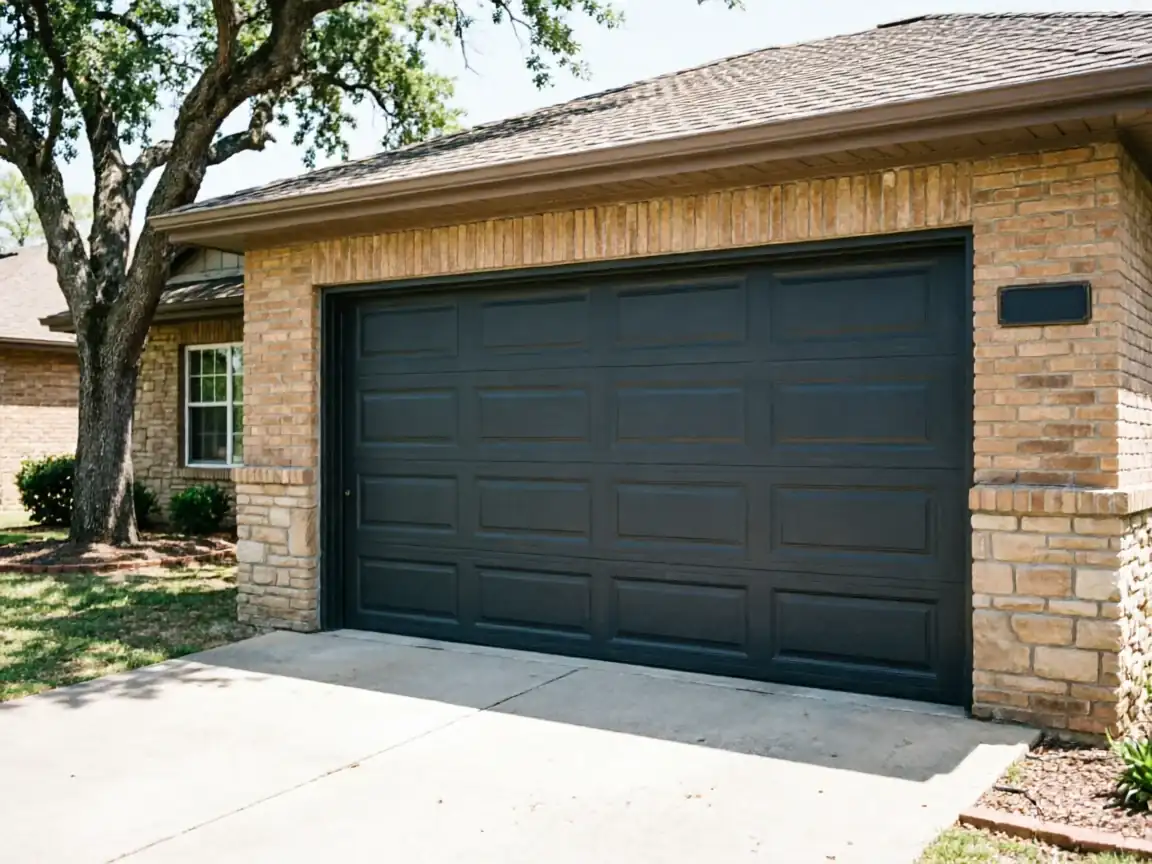
The doors themselves are mostly steel panel, single or double, hung on extension spring or early torsion hardware depending on when in that build window the house went up
With roughly 3,063 households in town, that's a lot of garages built to the same basic spec in the same roughly decade-long window - which means a lot of them are hitting spring fatigue and roller wear on a similar timeline right now, not spread out randomly.
- 3,063 households
Can You Do This Yourself
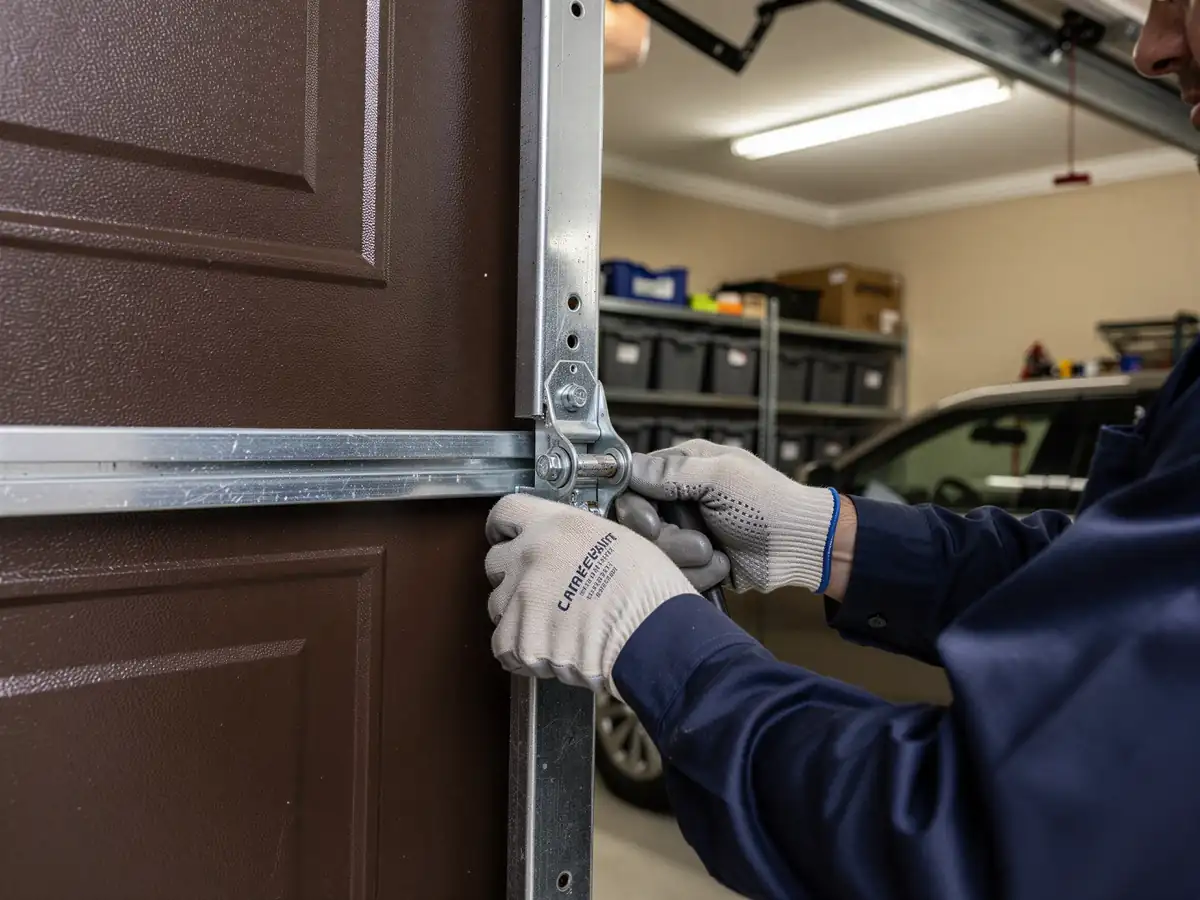
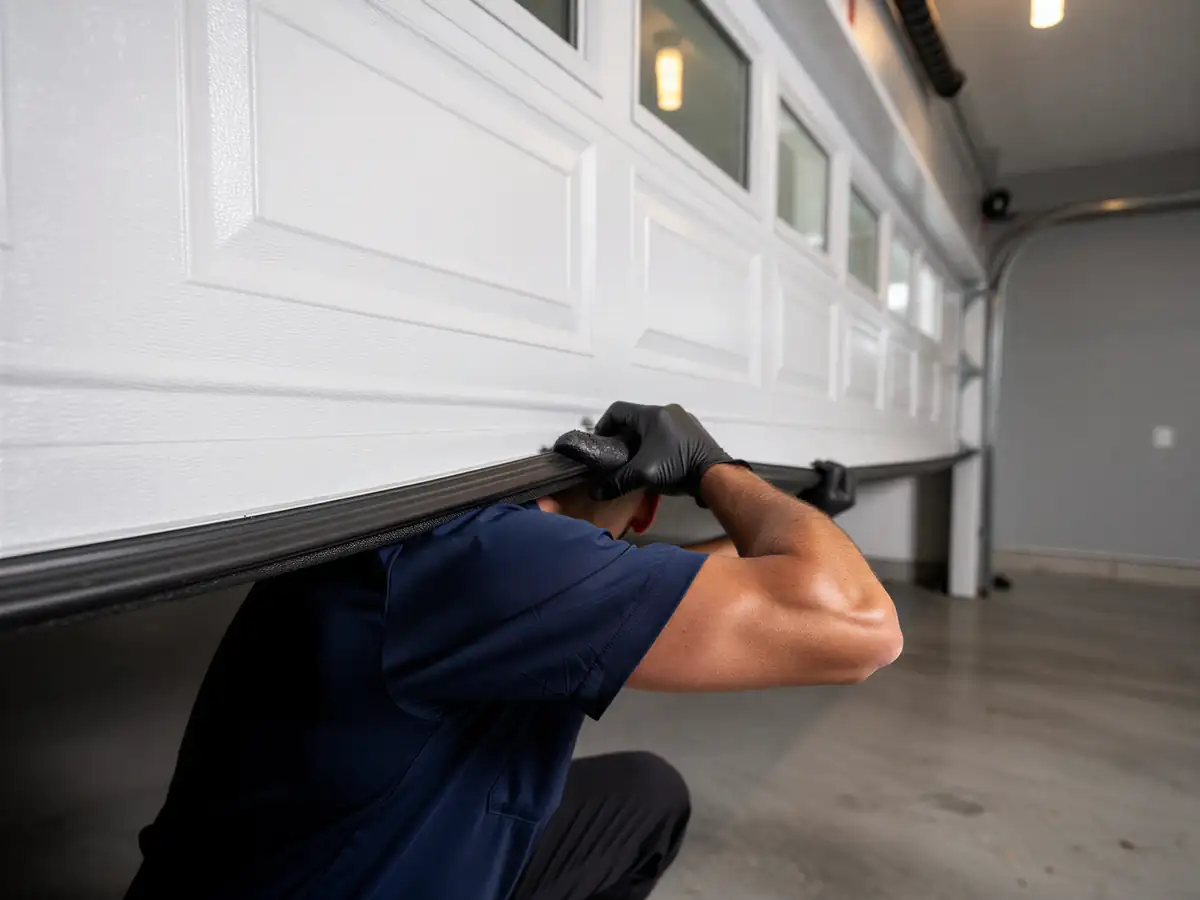
Some of it, yes. Lubricating rollers and hinges, tightening loose track brackets, replacing weatherstripping along the bottom - those are reasonable weekend jobs if you're comfortable with a ladder and a socket wrench.
Torsion spring replacement is not one of those jobs. The spring on a door from this era is under real tension, and the tools to wind it safely aren't something most homeowners own or have used. Photo-eye sensor alignment is usually simple - a few minutes with a level - but if your opener predates sensors entirely, adding them means rewiring the safety circuit, not just bolting on a part. We'll tell you straight when something's a five-minute fix you can do yourself and when it isn't worth the risk.
How Long You Are Without the Door
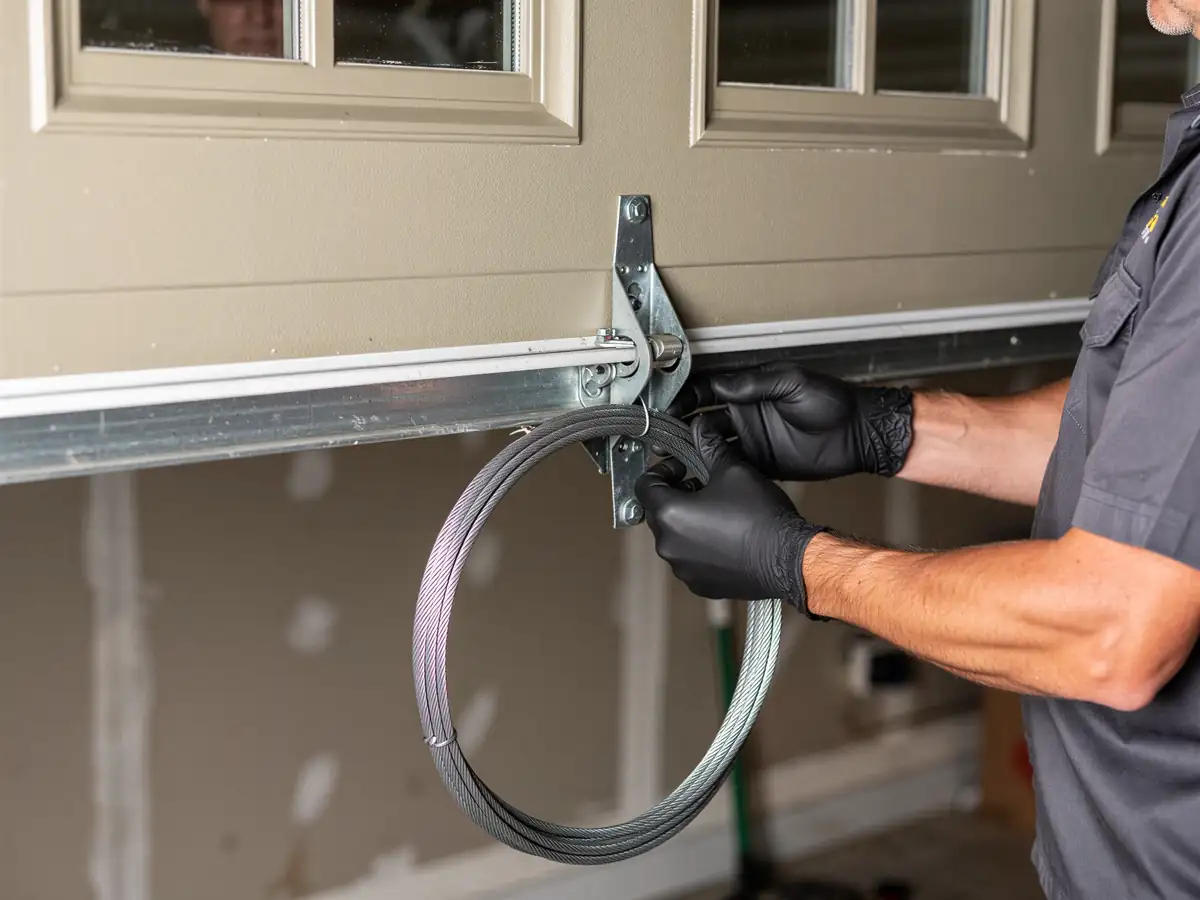
We run out of Burleson, about 5 miles from Joshua, so travel time to your place is short - but how long you're actually stuck without a working door depends more on what's broken than on how far we have to drive. A snapped cable or a spring on a standard single door is usually a same-visit fix once we're on site, since that hardware is common across the houses built in Joshua's main era.
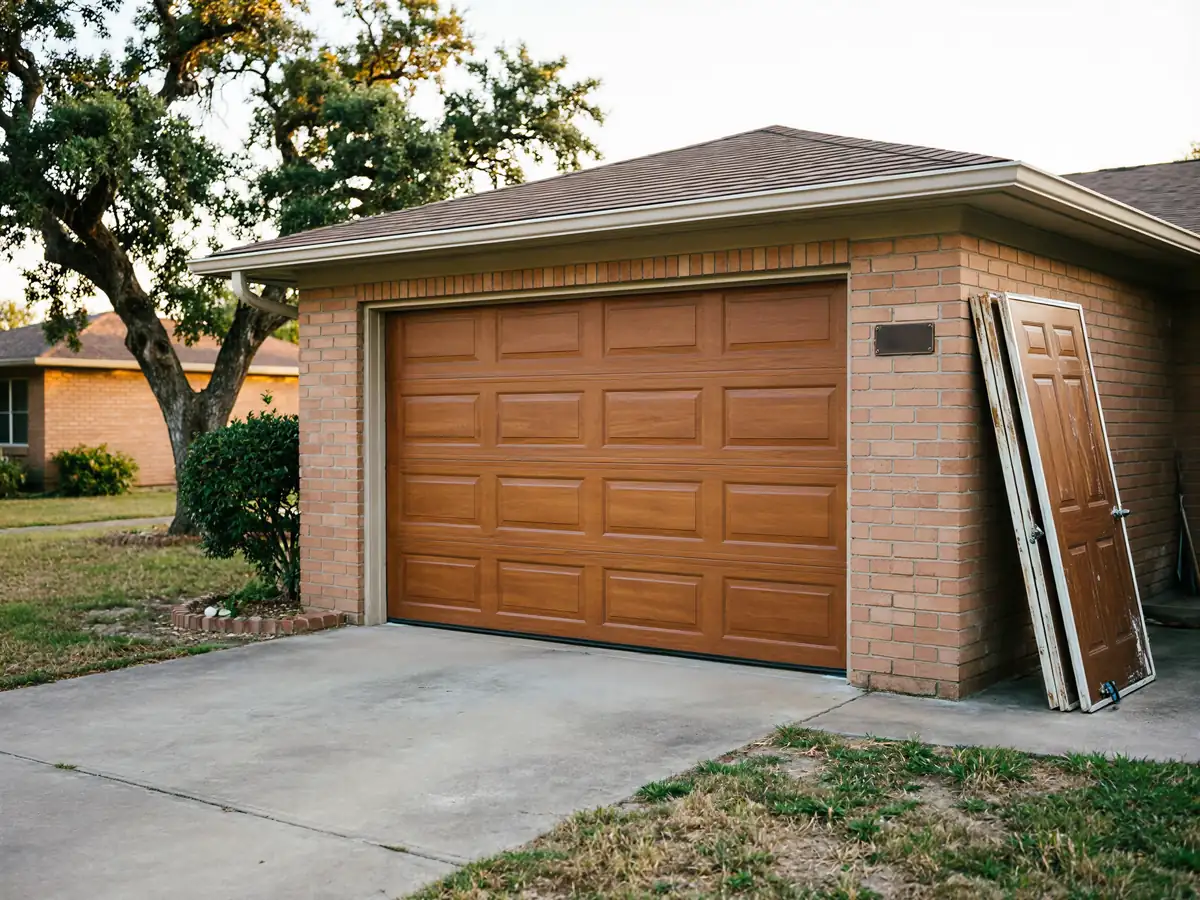
Where it stretches out is when the door itself is original to a 1993-vintage house and the panel size or track width isn't something a shop keeps on the shelf. In that case we're waiting on a supplier, not standing around - and we'll tell you that up front instead of guessing at a timeline we can't back up.
What It Costs
Joshua's median household income runs around $60,466, noticeably below the wider service area's $85,625
And that gap shows up in the decisions people make here. More Joshua homeowners choose a repair over a full replacement when the door itself is sound and it's just a spring, cable, or opener module that failed - because replacing a working door just to get a newer feature set isn't worth it on a tight budget.
We don't have a fixed price list to quote here, and we're not going to invent one
What we can tell you is that the decision usually comes down to whether the door panel and track are still in good shape. If they are, repair almost always makes more financial sense than replacement for a house in this town.
The Complications
Houses built across Joshua's main construction window don't all have identical hardware, even though they're close in age. Early in that stretch you'll find extension springs mounted along the horizontal tracks; later houses lean more toward torsion bar setups. When a previous owner or handyman mixed parts from both systems during a past repair, it creates a mismatched setup that looks fine until it fails in a way that's harder to diagnose.
Another wrinkle: openers get swapped out over 30 years far more often than the door itself does, so it's common to find a modern opener bolted onto original-era track and hinges. That combination usually works, but it means the fix for a noisy or sticking door sometimes isn't the opener at all - it's worn hardware the newer unit is just struggling against.
What the Repair Takes
Most calls start the same way: we look at the spring type, the track condition, and the opener's age before touching anything, because on a door this old the visible symptom and the actual failure point aren't always the same part. A door that won't open might be a dead opener capacitor, a broken spring, or a cable that's jumped its drum - and guessing wrong wastes a trip.
Parts for the original hardware on a 1993-era door aren't always something we carry on the truck, particularly odd panel widths or discontinued track profiles. When that happens, we order it rather than force a part that doesn't fit, which is slower but holds up longer than a mismatched substitute.