What the Repair Takes
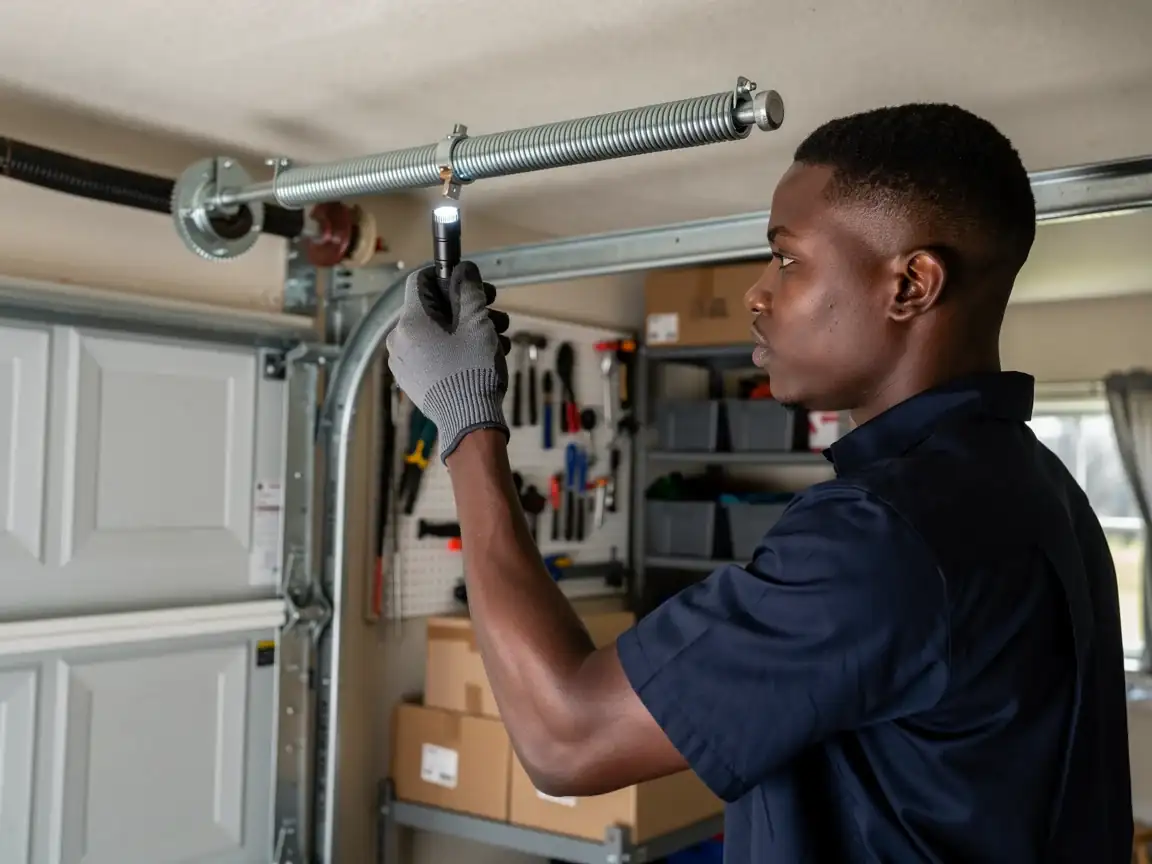
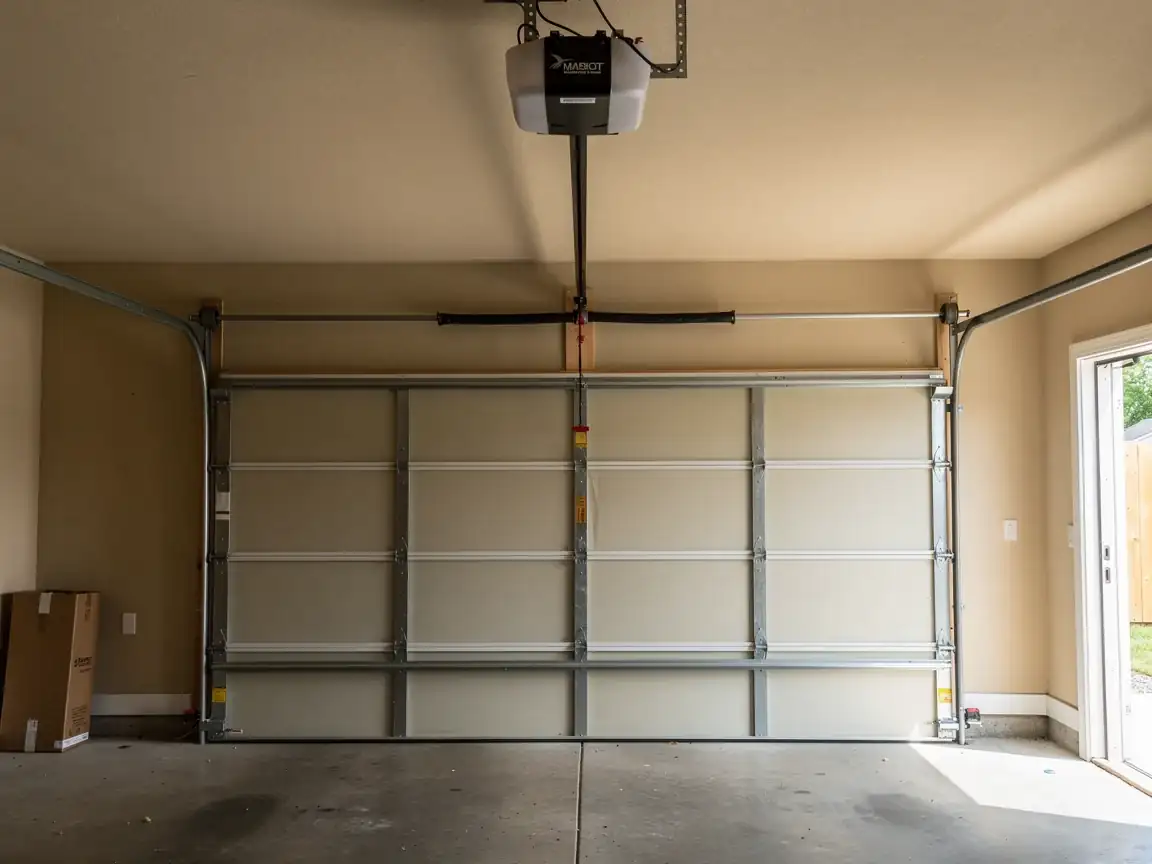
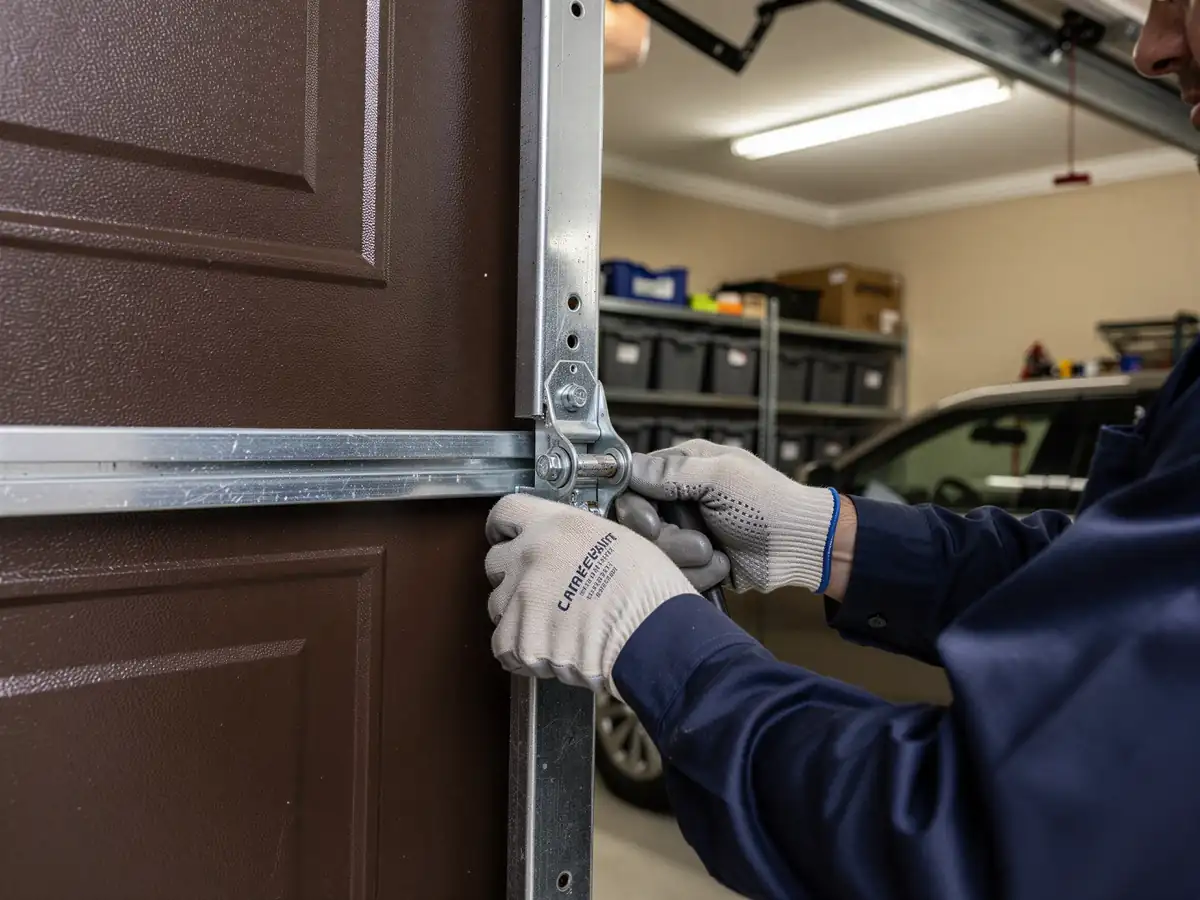
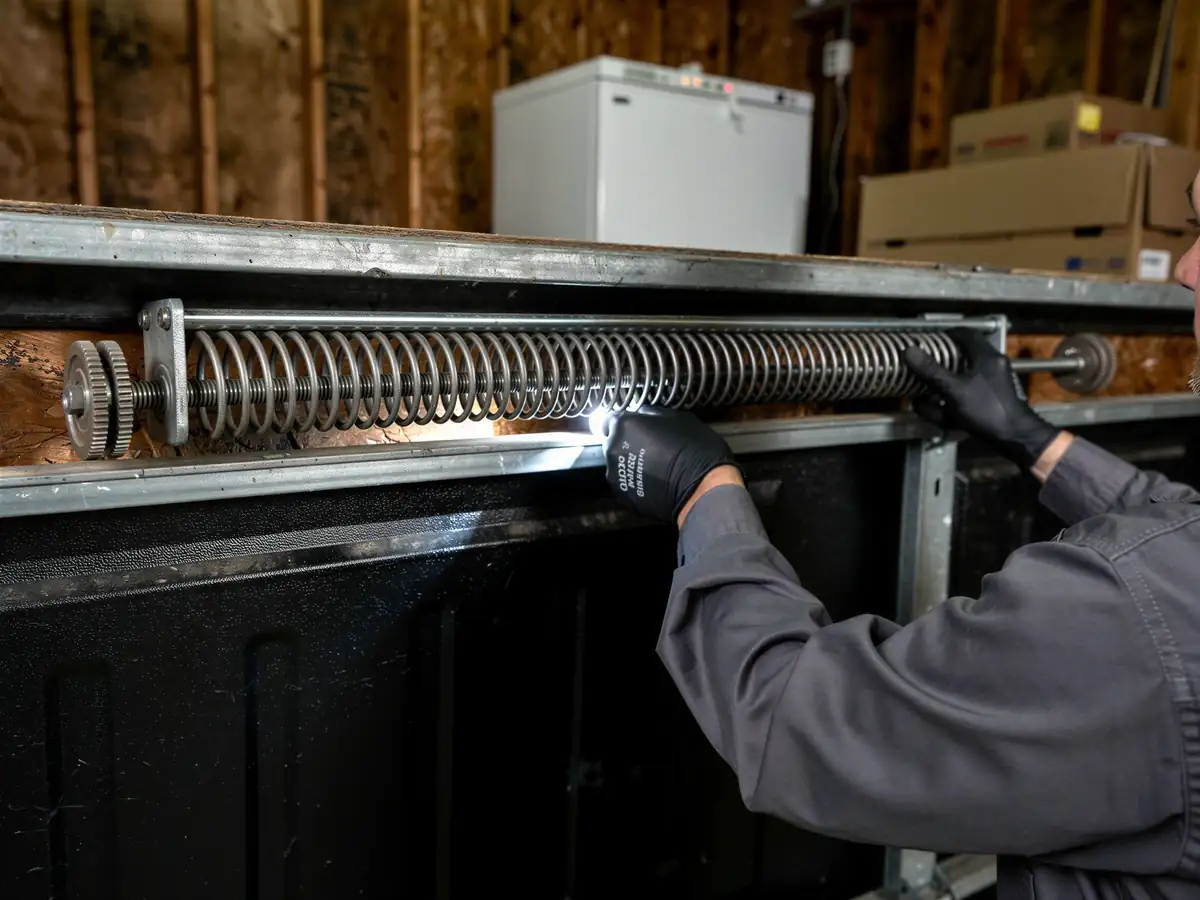
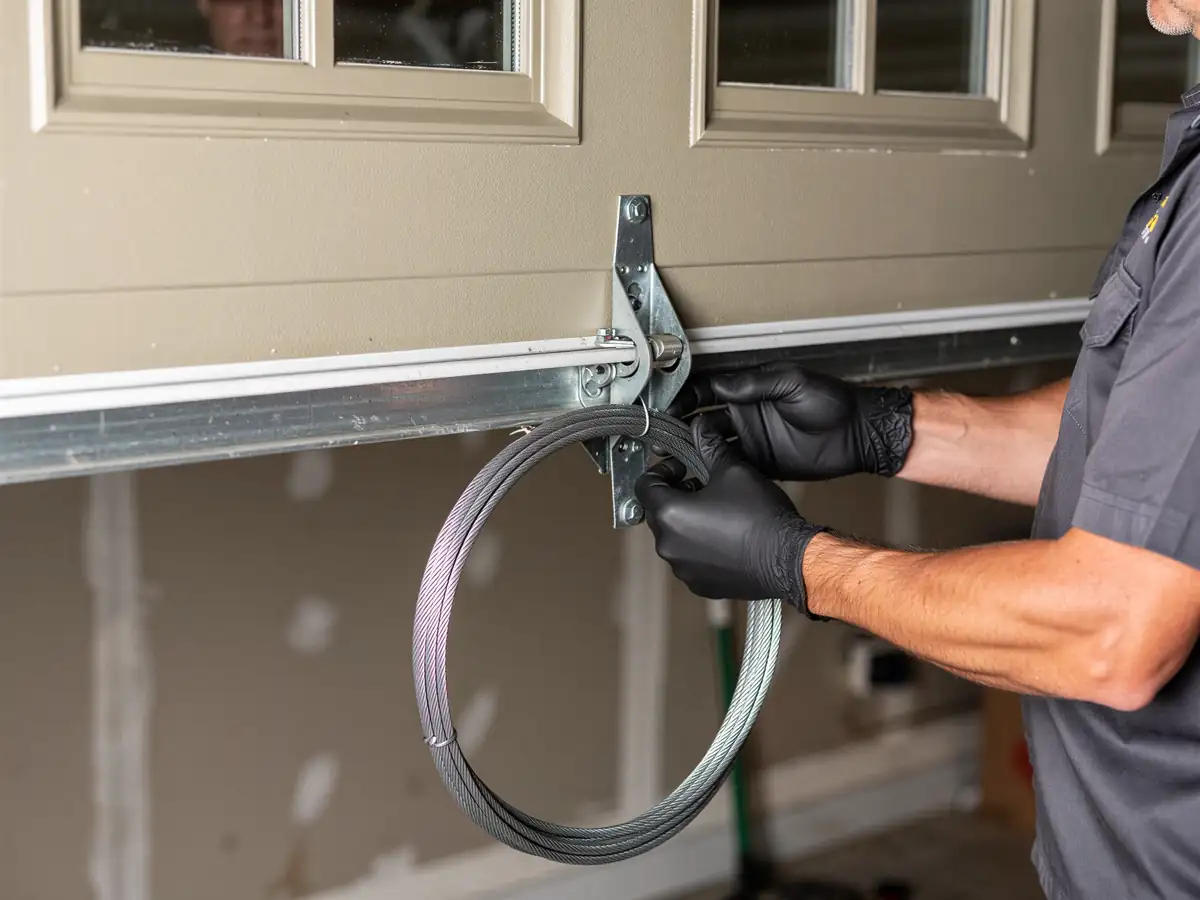
Cable repair means pulling the old cable off the drum, checking the drum groove for wear, and running new galvanized cable at the correct length for your door's lift type. On Cleburne doors built in the early 1980s median range, we're usually dealing with extension-spring setups on pulleys rather than torsion drums - those jobs need the cable and pulley checked together, since a worn pulley wheel will shred a brand-new cable in a few months. We also look at the bottom bracket where the cable anchors; on a door that's been running 30-plus years, that bracket corner is often the weak point, not the cable itself. If the drum is gouged or the bracket is cracked, replacing just the cable is a short-term patch - we'll say so rather than sell you a repeat visit.
Can You Do This Yourself
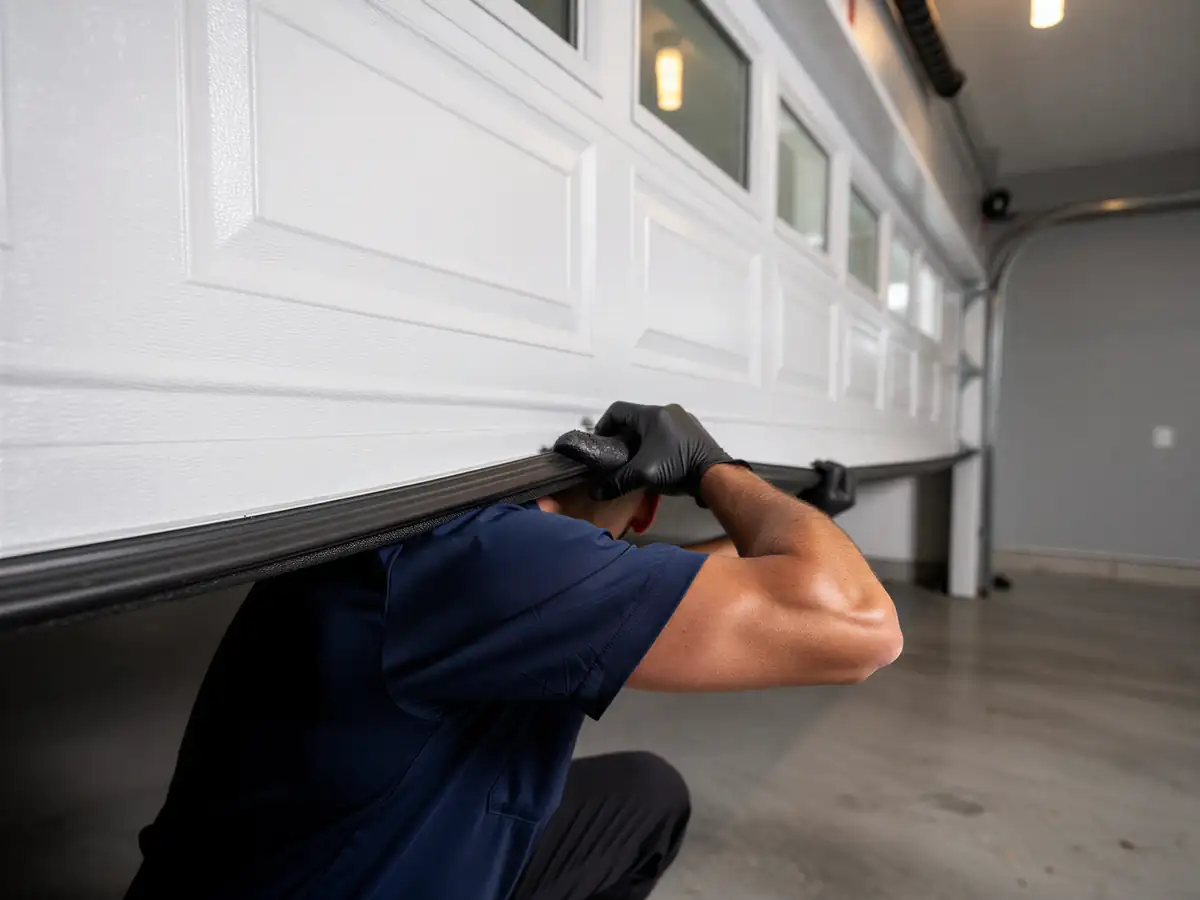
A broken cable under spring tension is not a bolt-it-back-on job. The spring, whether torsion or extension, is still loaded even with the door down, and a cable pulling loose under that load can whip hard enough to break a finger or worse. If the cable has come off the drum but hasn't snapped, you can sometimes get the door to lower by hand with real care - but re-threading it yourself means working next to a spring you can't see the condition of. We'd rather you leave the door where it is, block it if you can do so safely from the outside track, and call. That's the honest limit here: this is a tool-and-experience repair, not a weekend one.
How It Shows Up
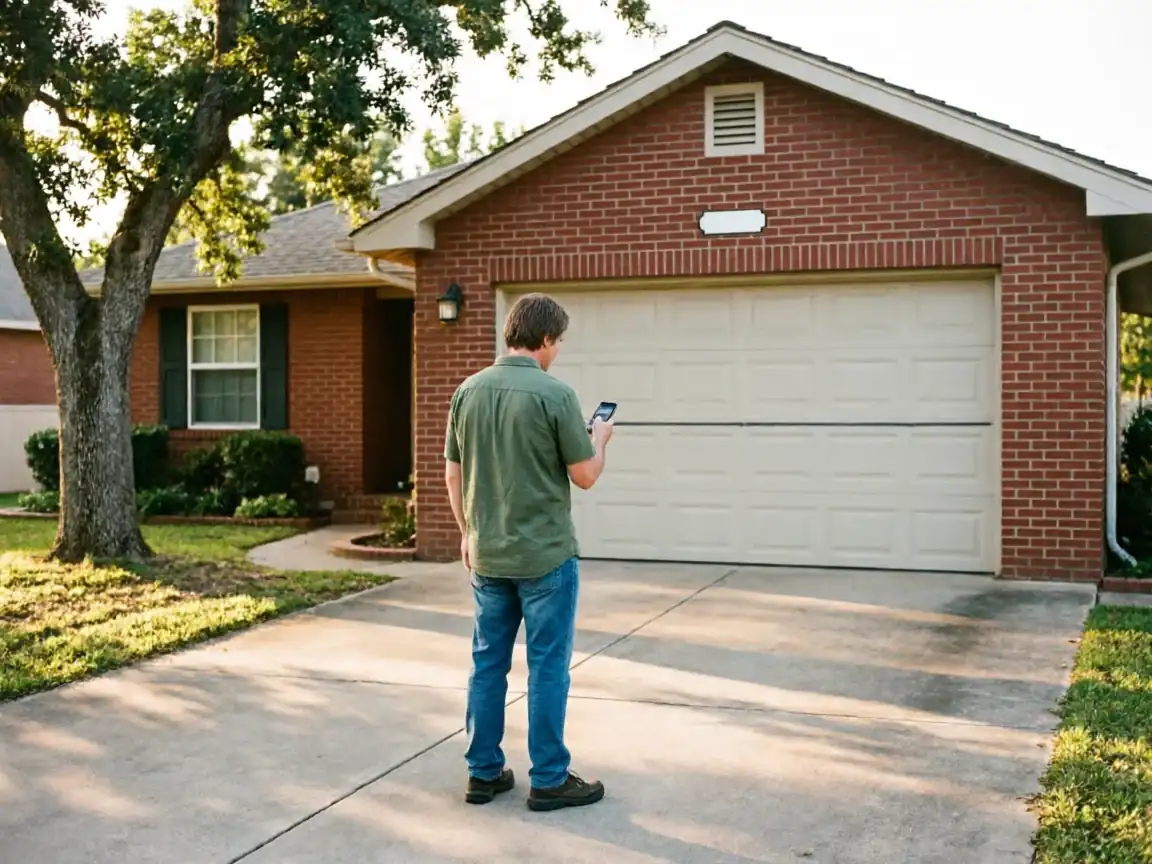
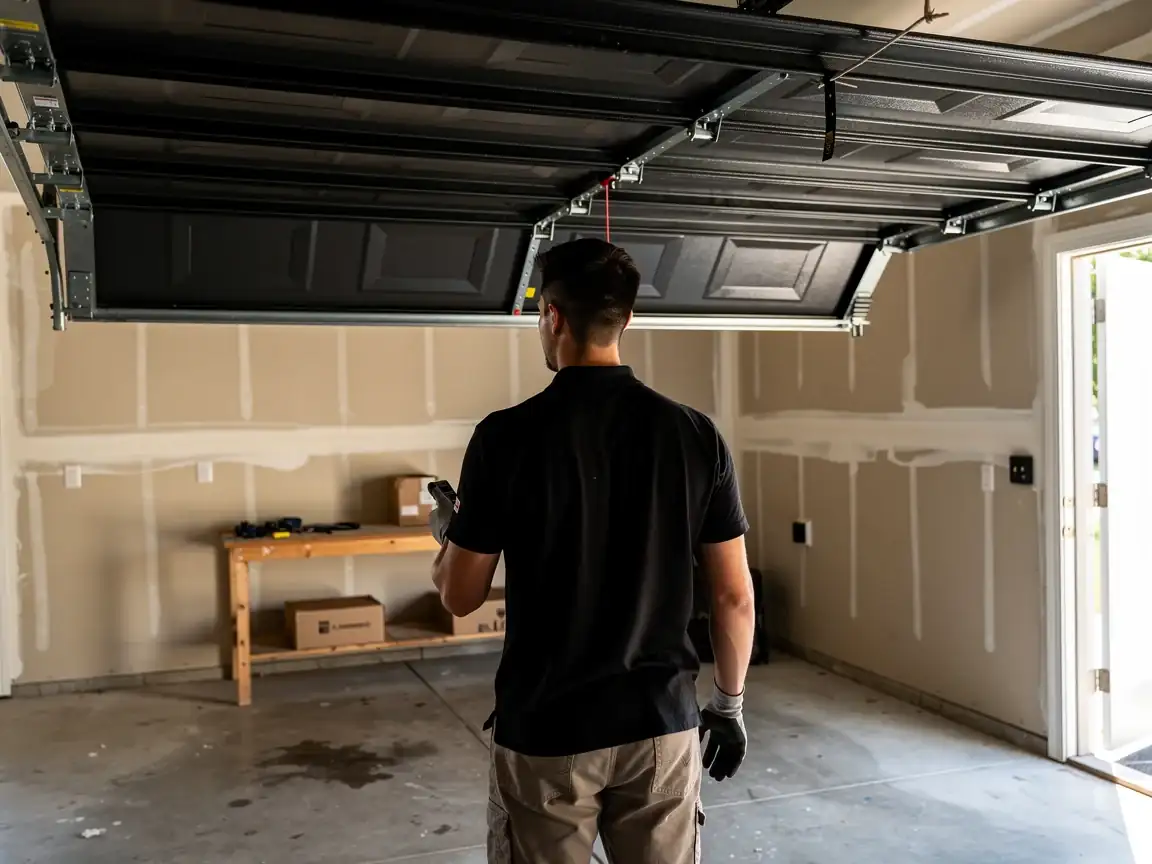
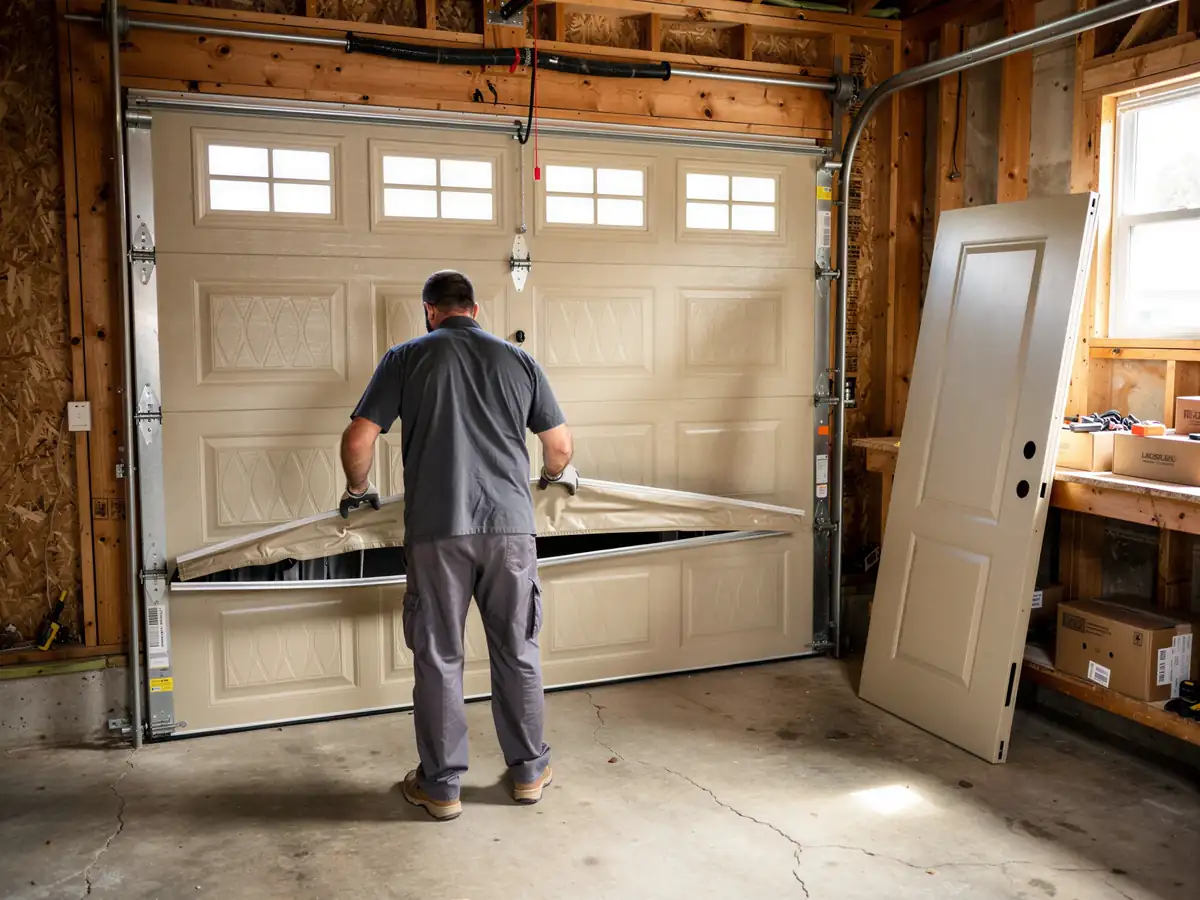
The door jerks or tilts to one side as it opens, because one cable is holding tension and the other has gone slack or snapped. Sometimes you'll hear a sharp snap and the door drops a few inches on one corner before stopping against the track. Other times it's slower: a visible fray of wire strands at the drum, or the door riding crooked for weeks before it finally lets go. If you've got roughly 11,305 households in Cleburne running doors from this same build era, a fair number are hitting this exact failure point right now, not because of anything owners did wrong, just because that's what 1980s-era cable does after this many years of summer heat and winter cold cycling it.