What the Repair Takes
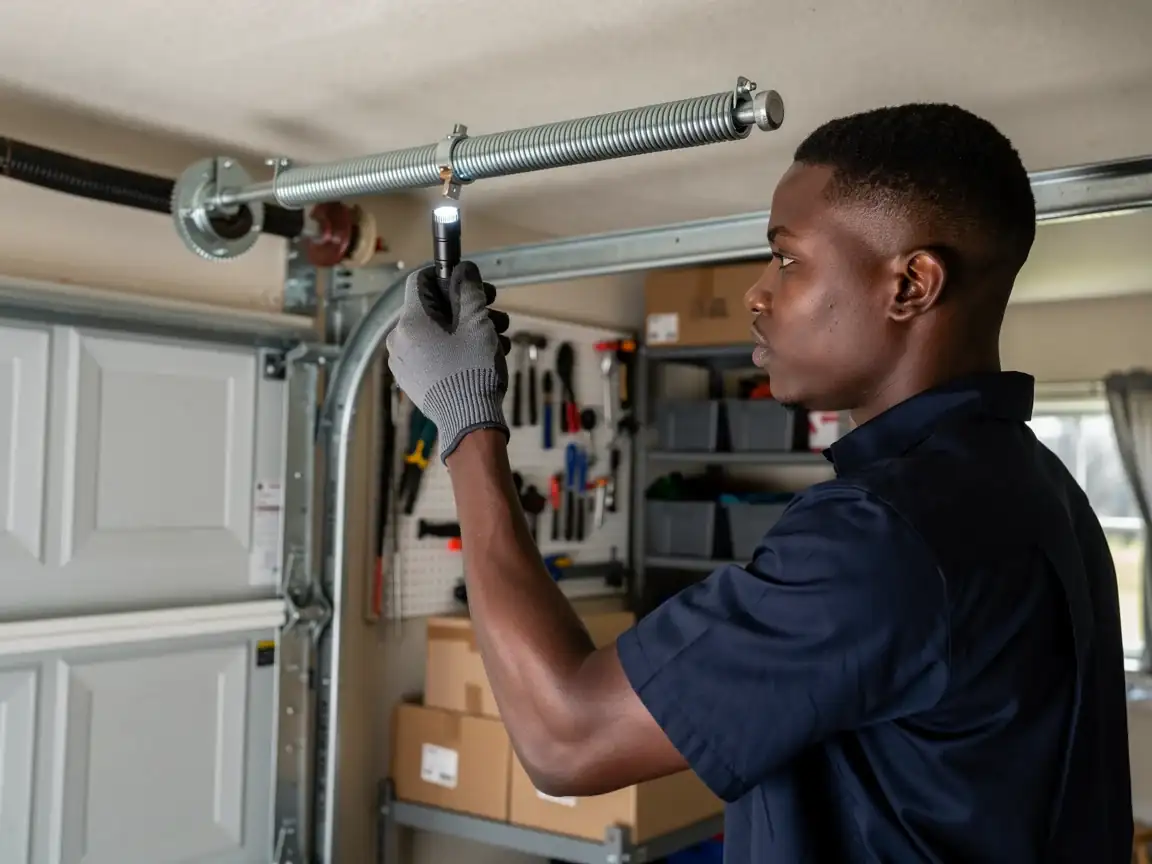
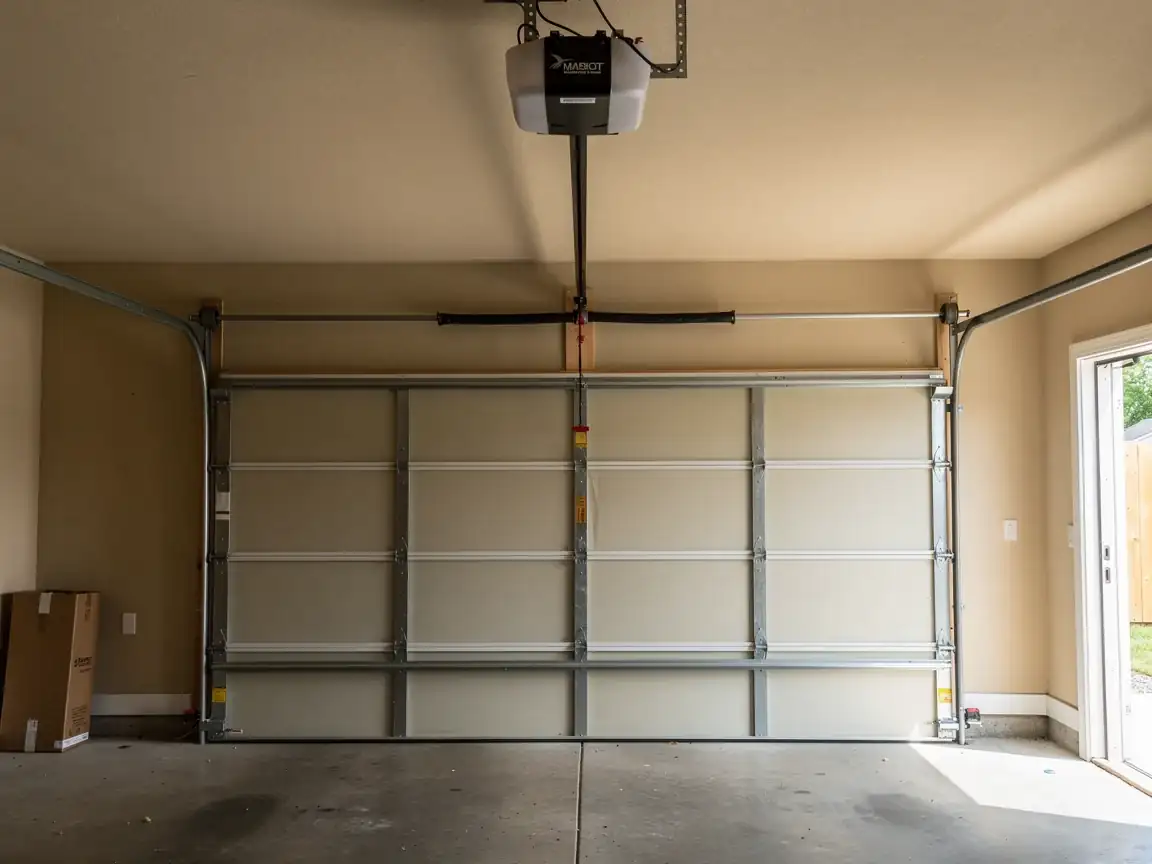
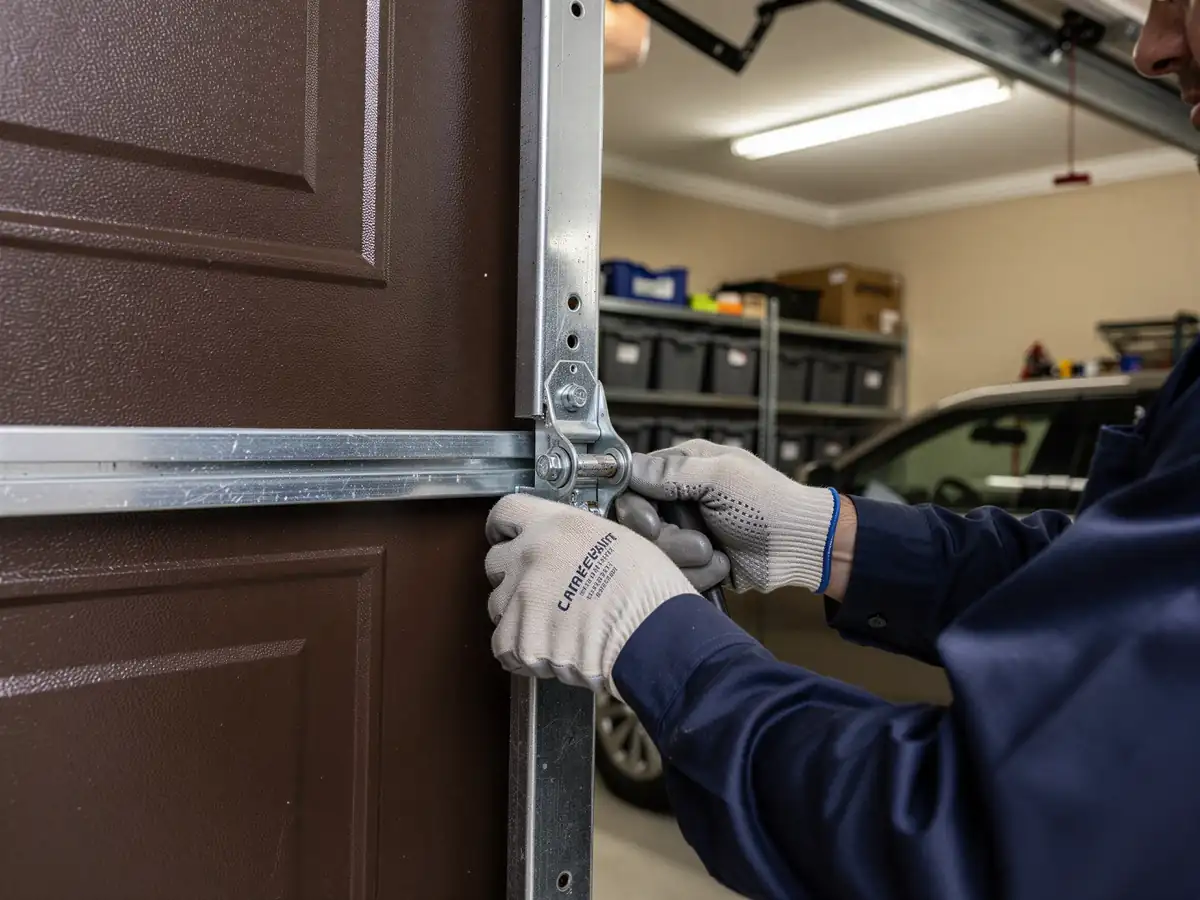
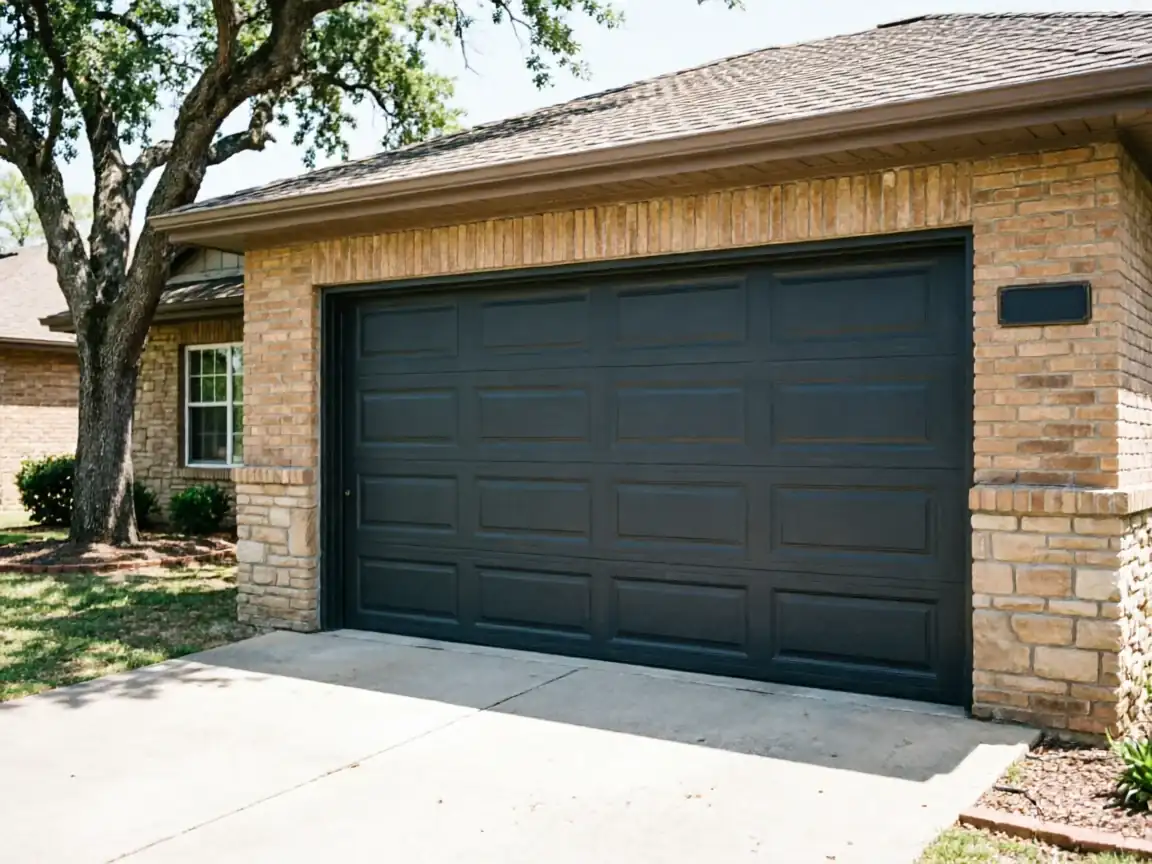
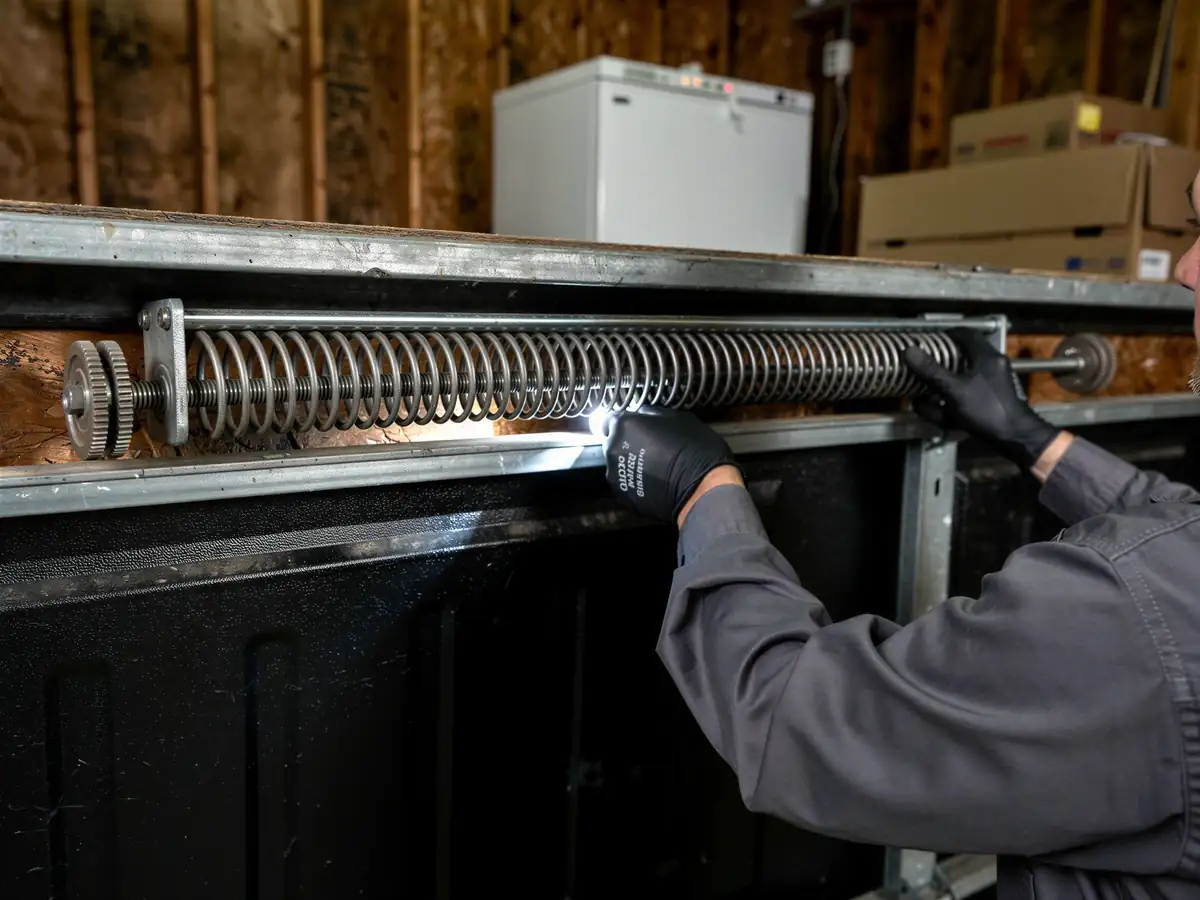
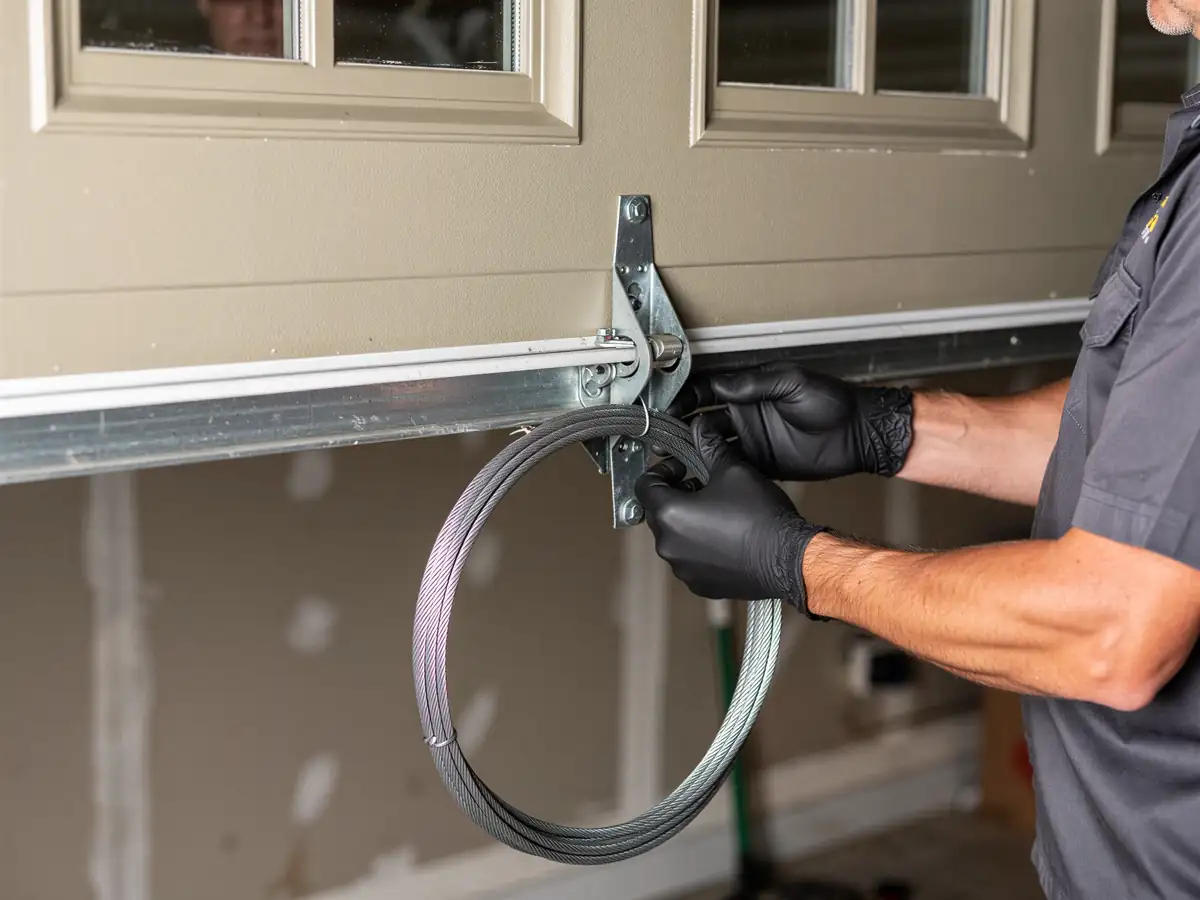
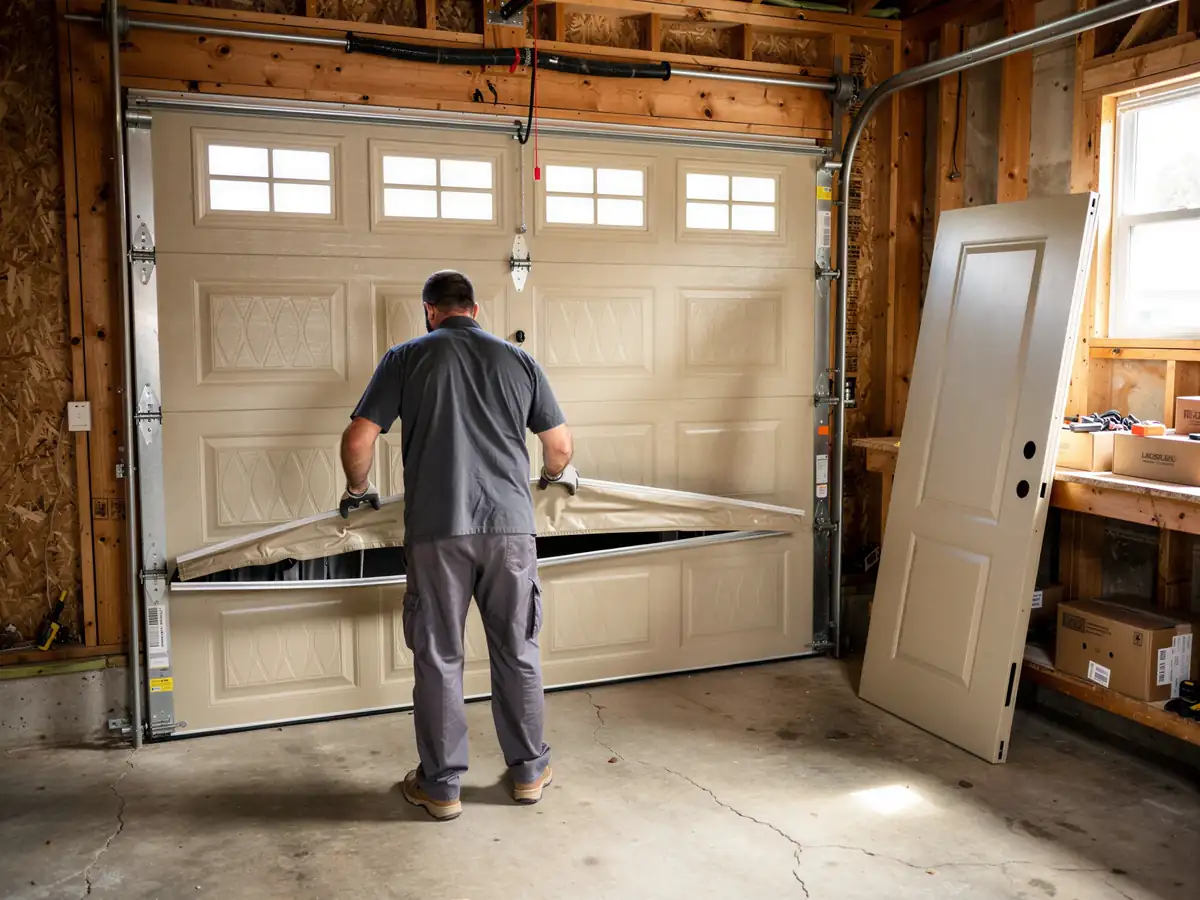
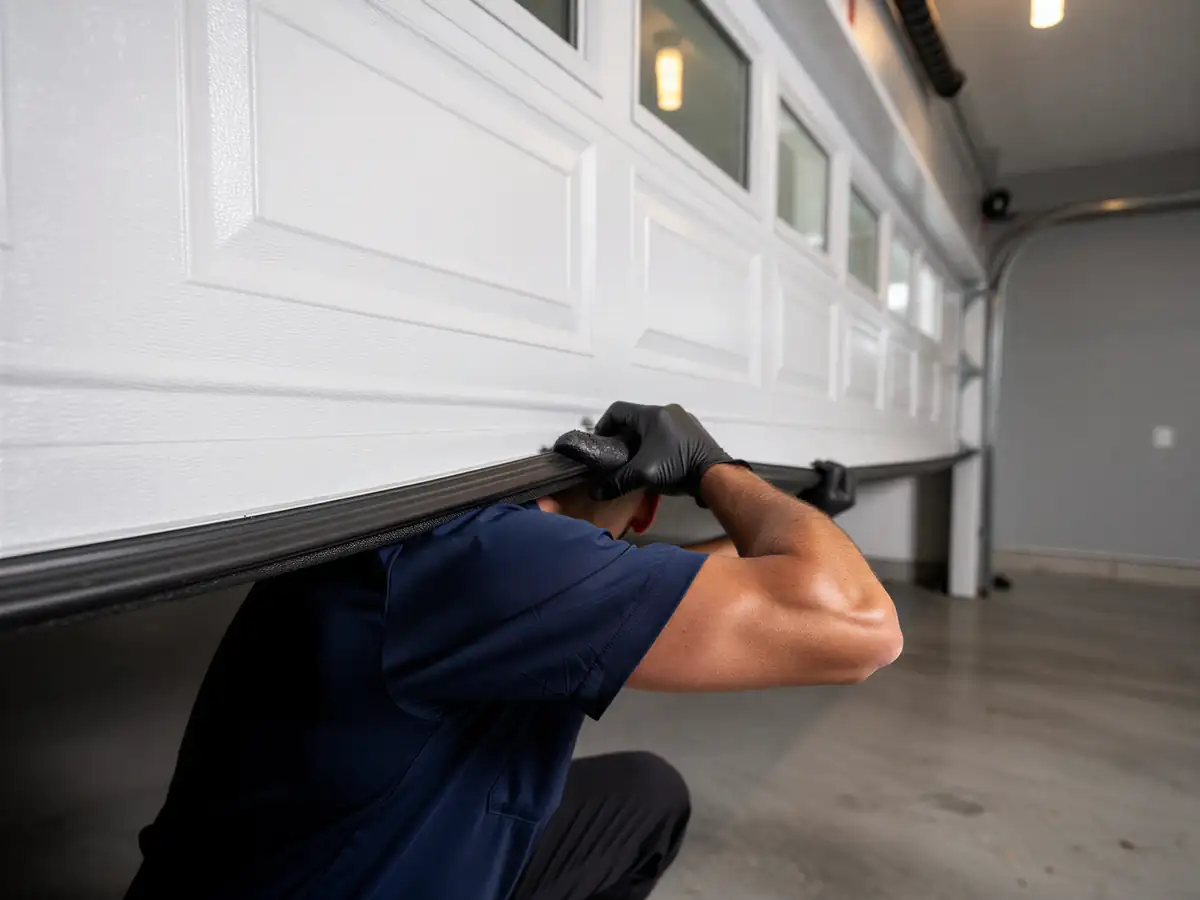
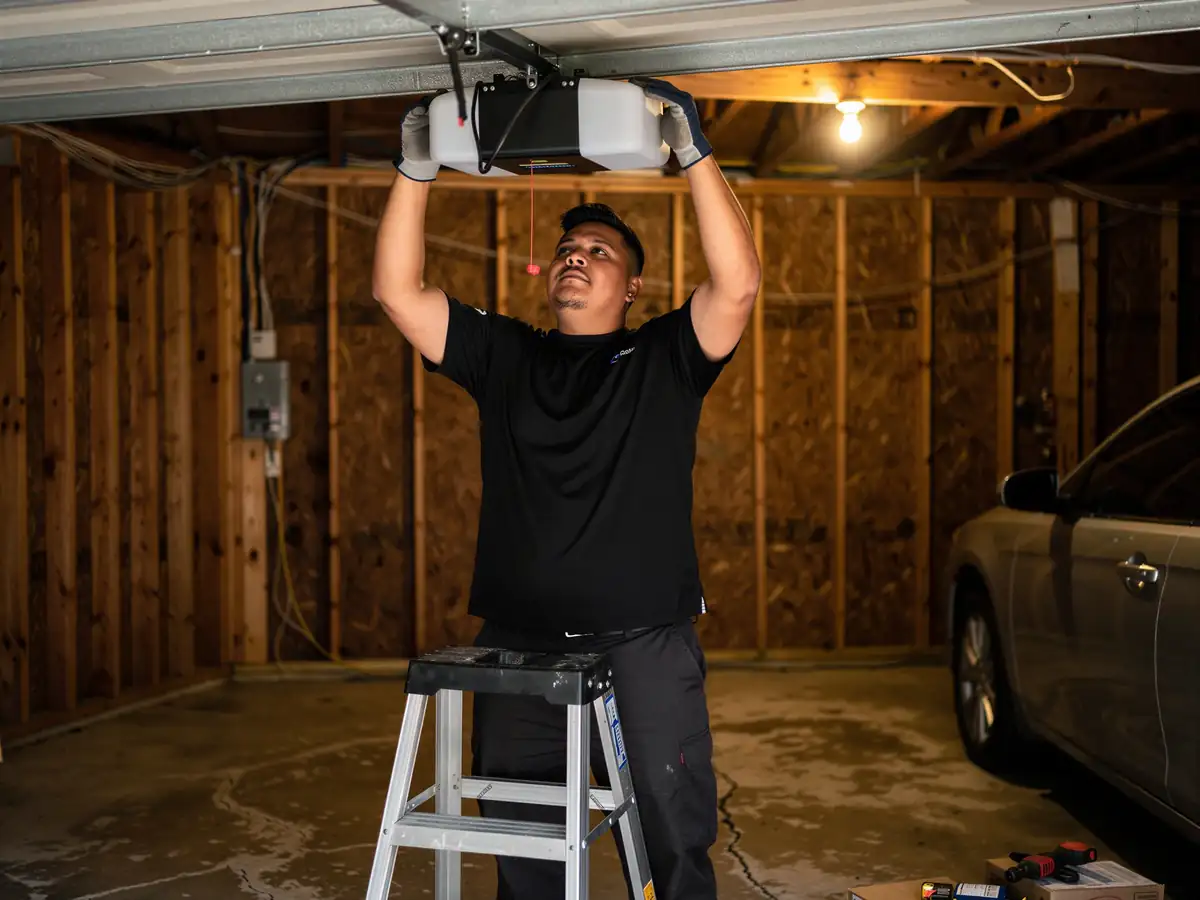
A straight opener swap on a door from this era usually runs a chain or belt unit against the same header bracket the old one used, assuming that bracket is still sound after 40-plus years of vibration. Most of the job is the same regardless of town: mount the rail, hang the head unit, wire the wall control, set travel limits, and pair the safety sensors at the base of the track. What differs here is what we find behind the old unit. A door built around 1981 often still has its original torsion spring and a drum system that predates any safety cable retrofit - we check that cable before we trust the new opener to lift against it. If the spring's original, we'll tell you plainly rather than bolt a new opener to a 40-year-old spring and call it done.
Can You Do This Yourself
A belt-drive kit from a hardware store bolts in fine on a door that's already square, balanced, and running on a spring that isn't near the end of its cycle count. The honest limitation: we don't know what's behind your panel until we're standing in front of it, and neither do you if the door hasn't been serviced. On a house from 1981, the risk isn't the opener wiring - it's assuming the existing spring and cable can take a new motor's pull cycle after four decades of exposure to Texas heat swings. If that spring lets go mid-install, you're not looking at a return trip, you're looking at an ER visit. We'd rather lose the sale of a kit than have that call.
How It Shows Up
You'll usually notice it as a door that opens fine but closes slow, or reverses halfway for no obvious reason - the opener's force sensor is tripping because the door itself is heavier to move than it should be, not because the sensor's bad. On houses from this era, that's almost always the spring or the drum cable, not the opener logic. Some owners also still have openers with no rolling code and no photo-eye safety sensors at all, since the federal rule requiring those sensors only took hold after 1993 and plenty of 1981-era houses never got retrofitted until something broke. If your opener predates that, it's worth replacing on its own merits, independent of whatever's wrong with the door.