What the Repair Takes
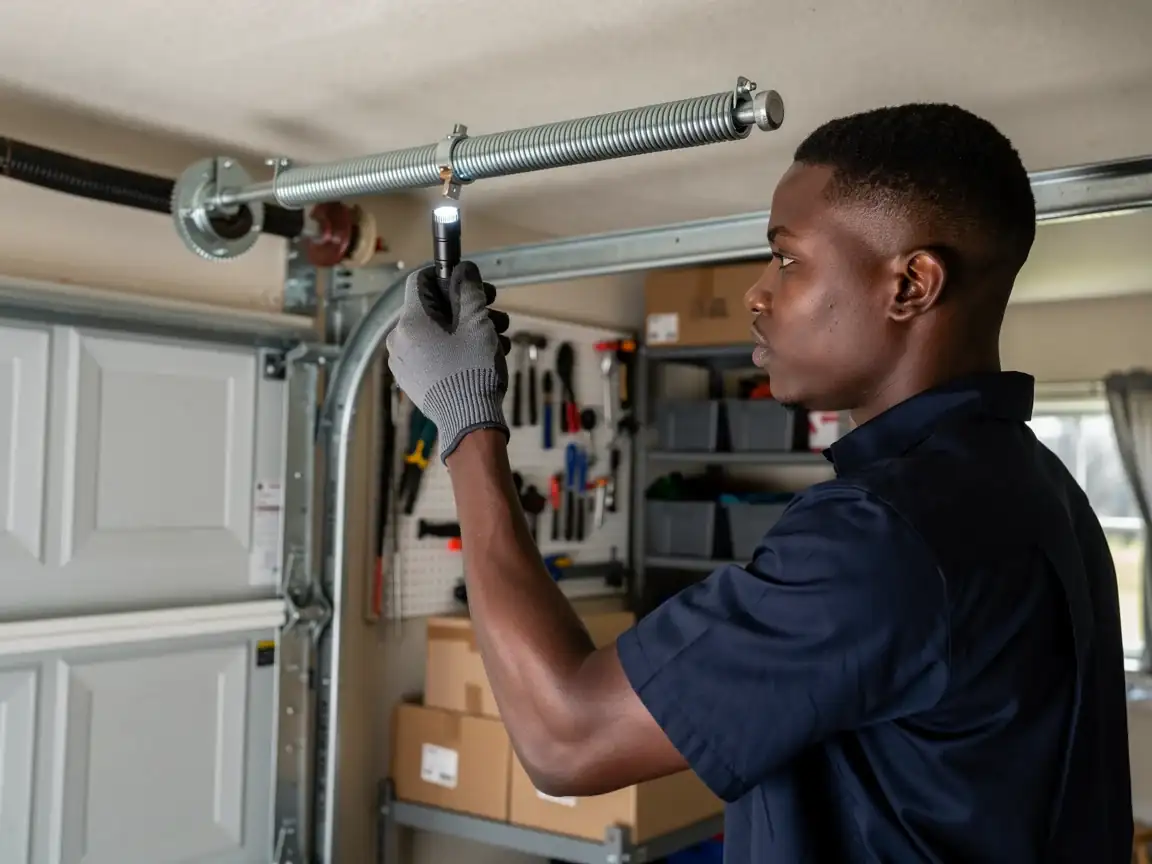
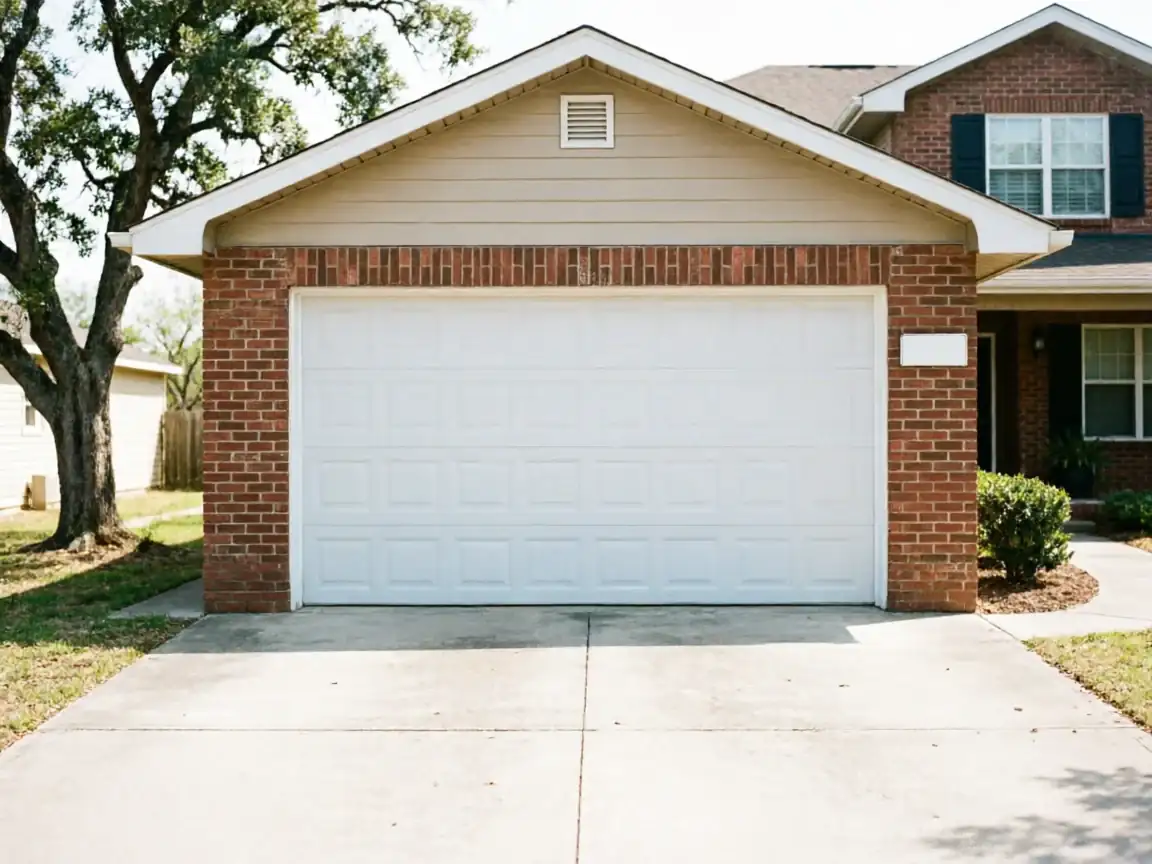
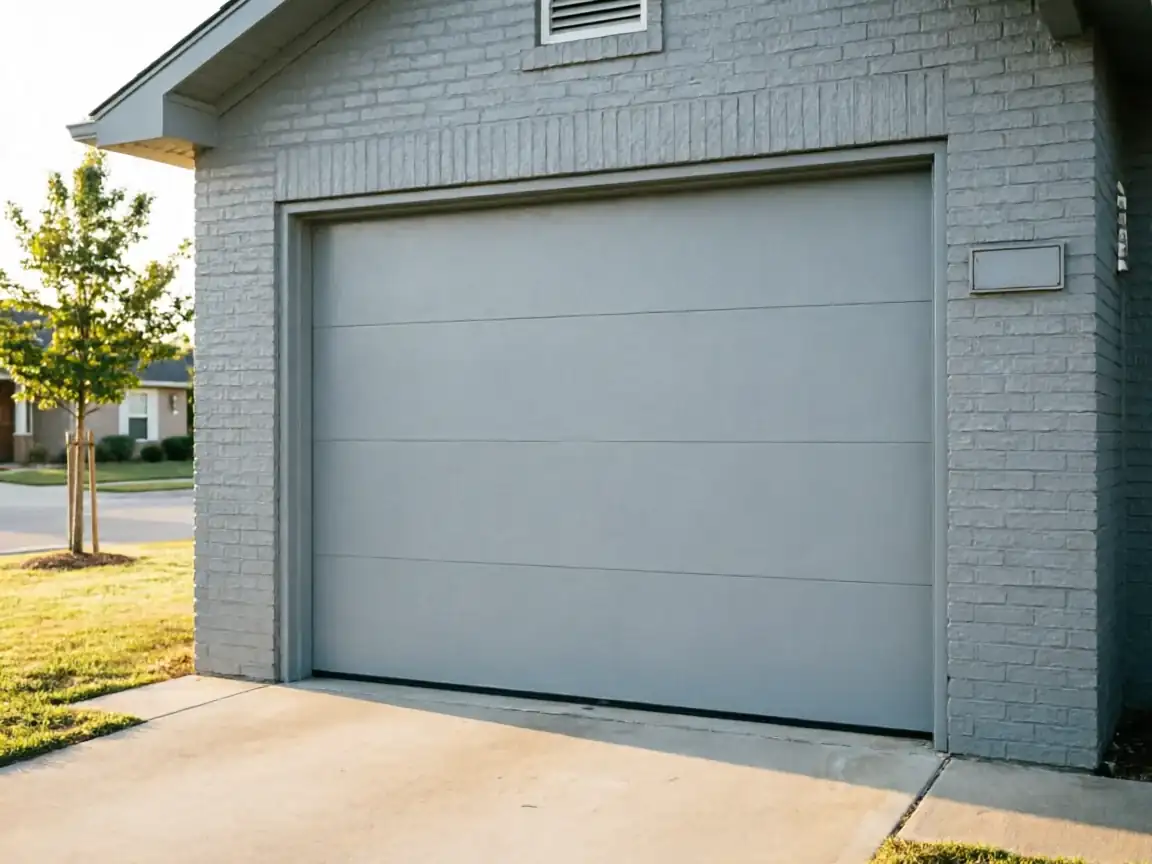
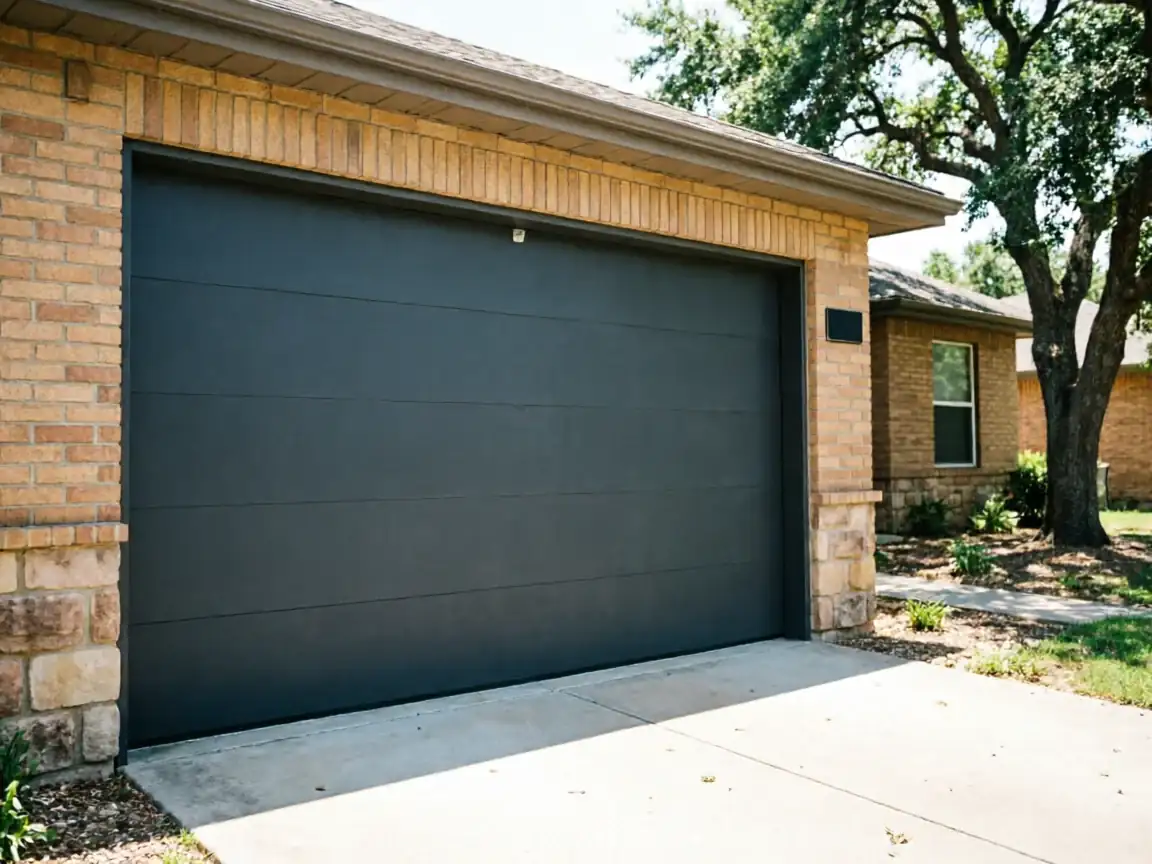
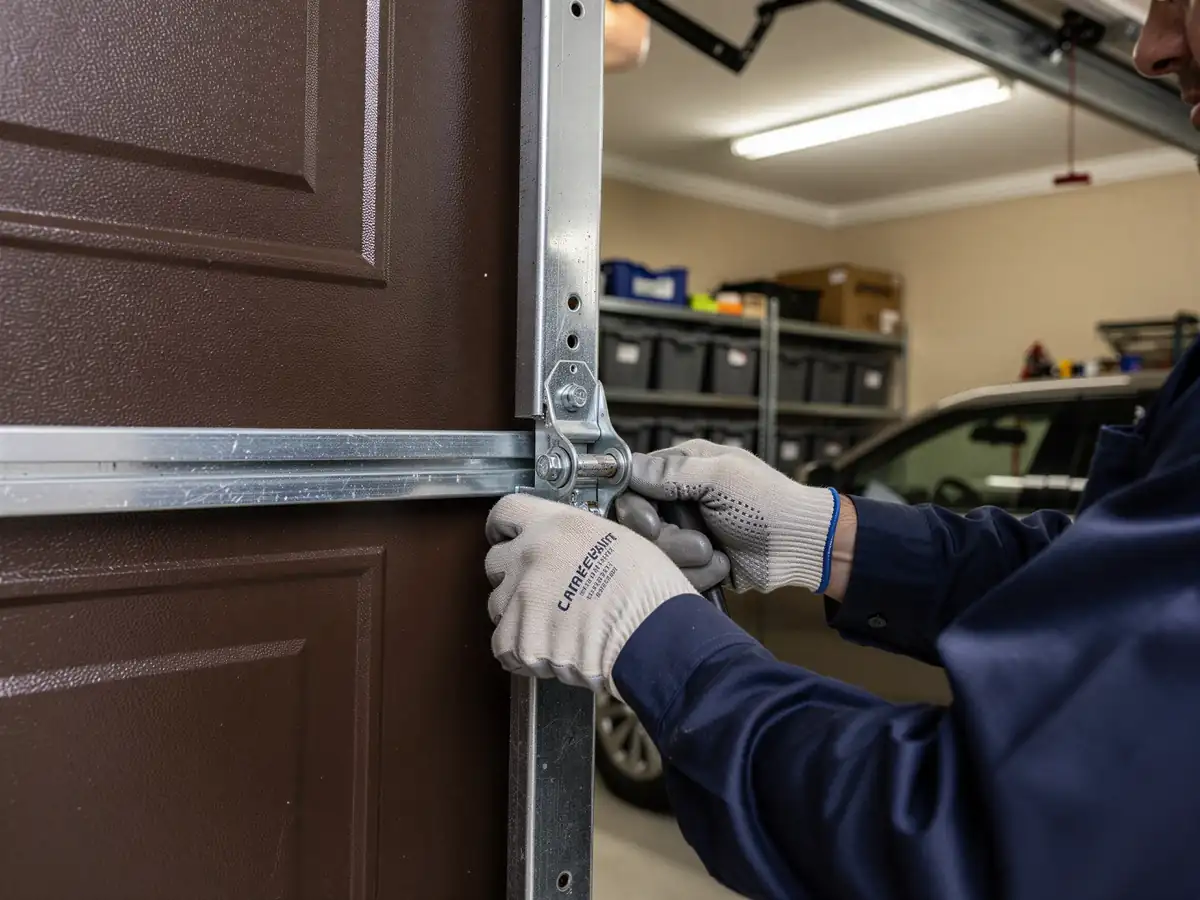
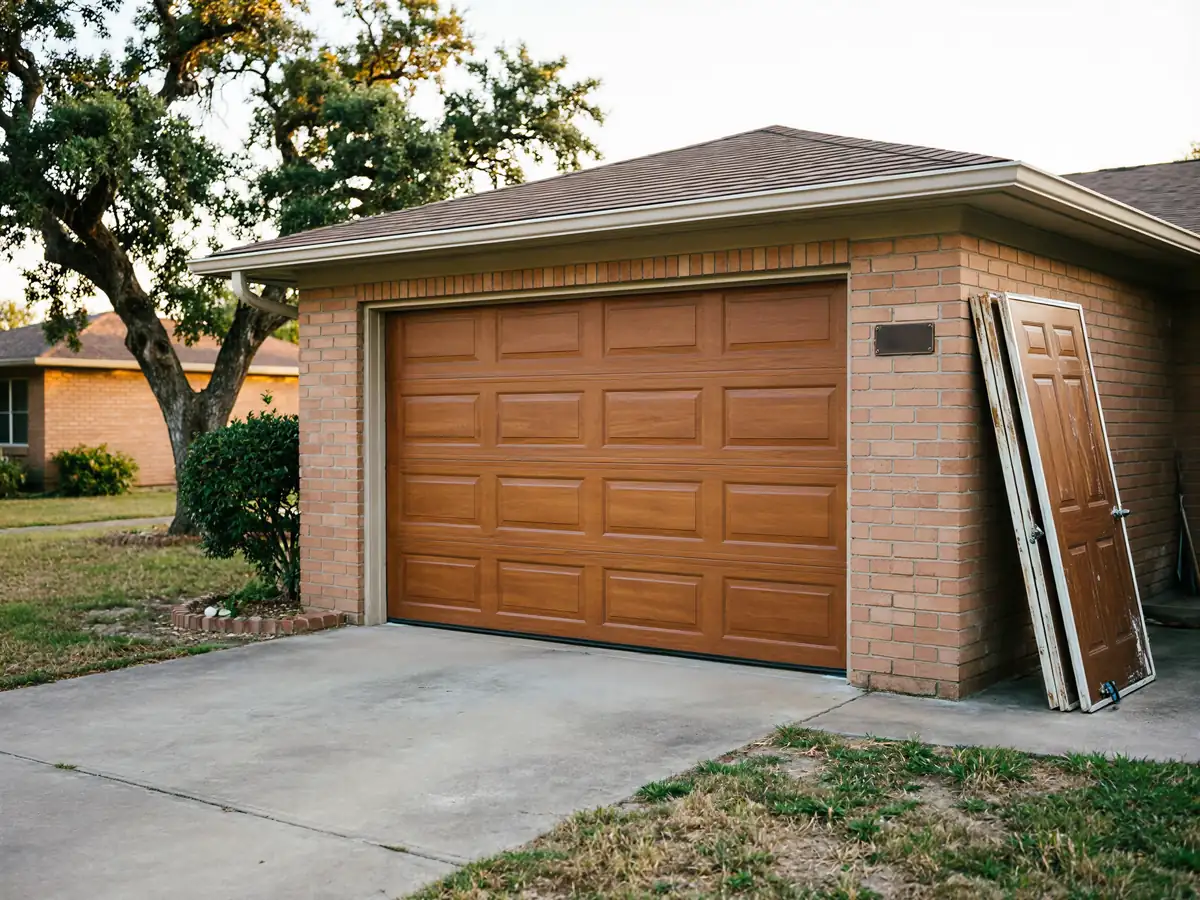
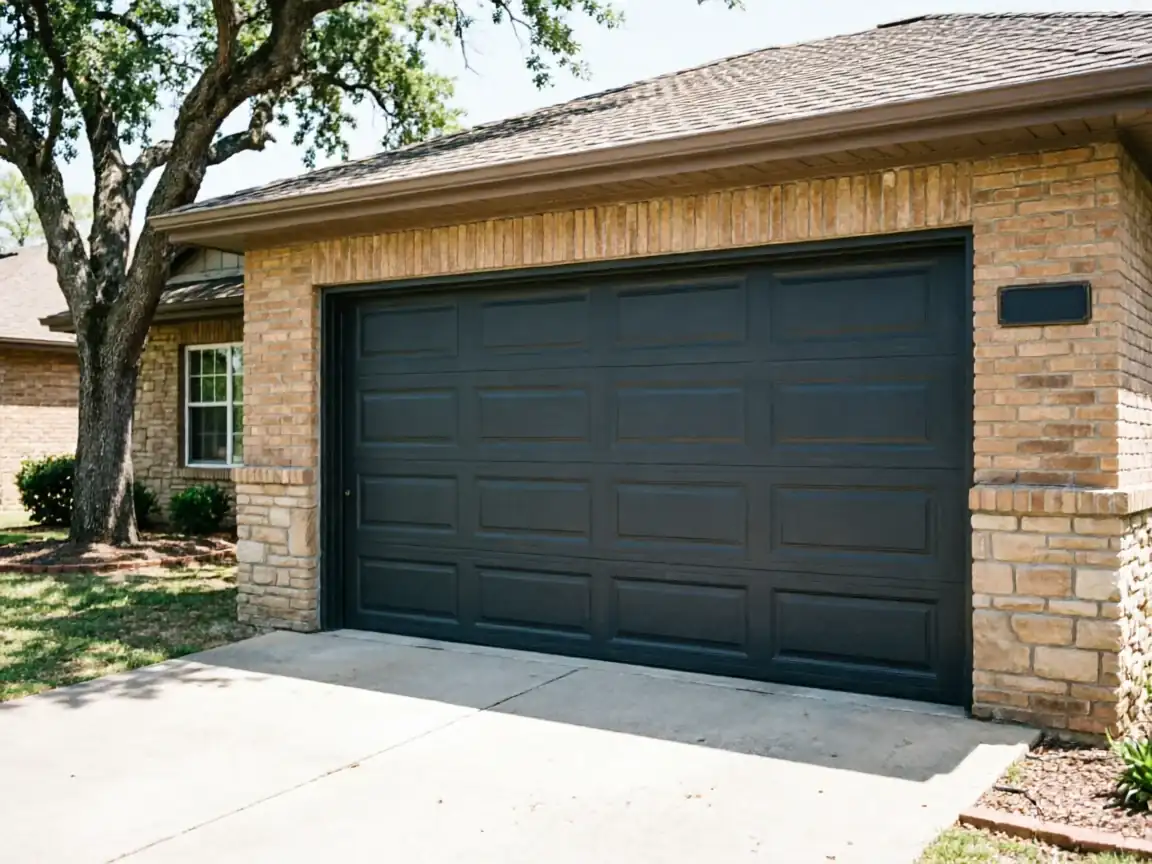
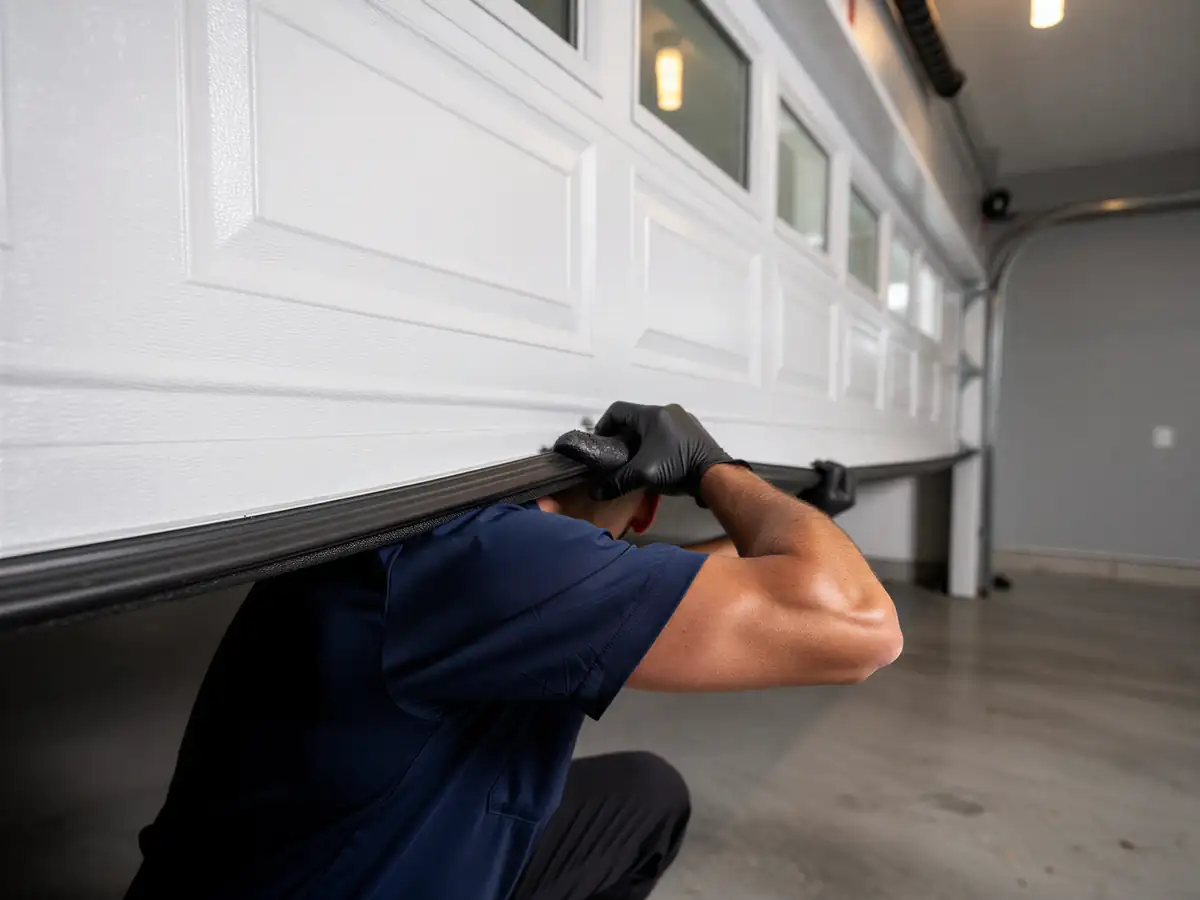
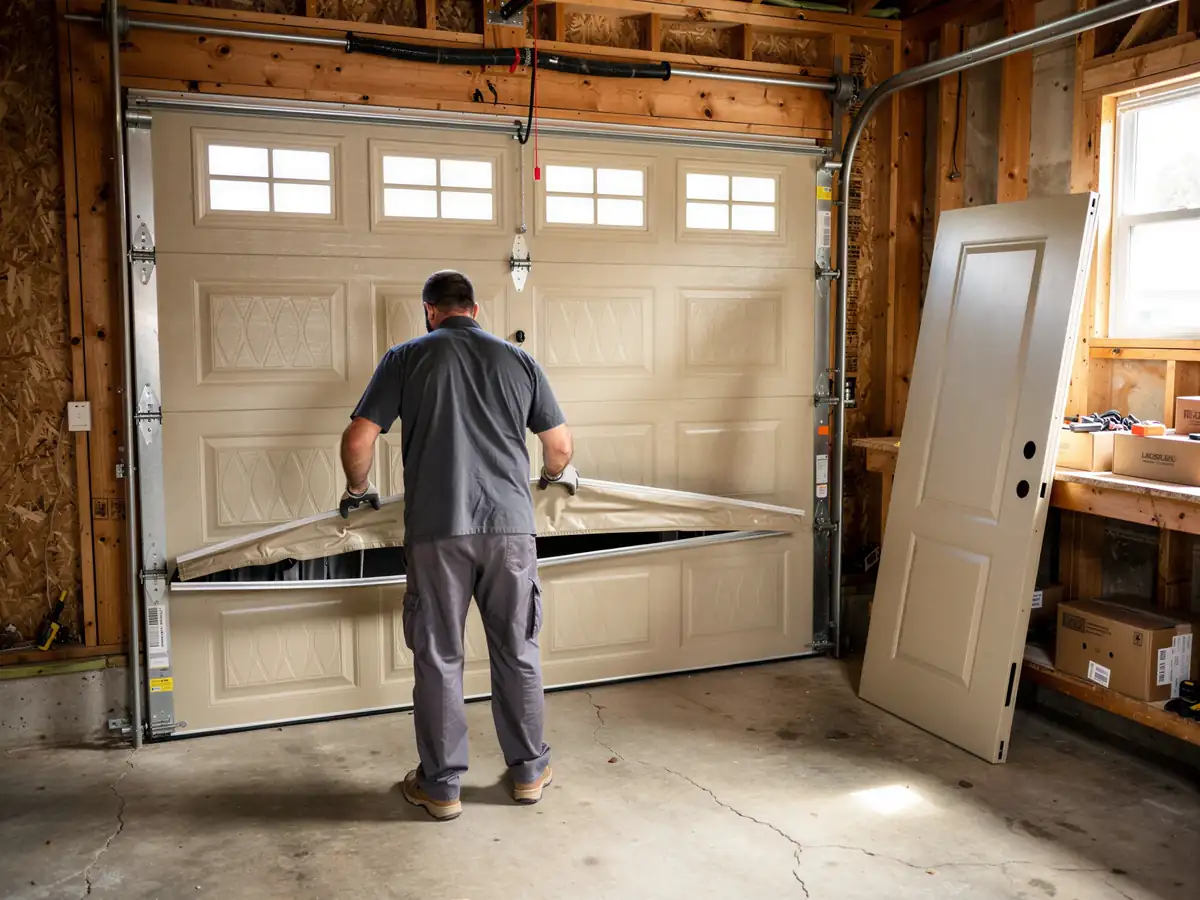
A single damaged panel on a steel sectional door from this era usually means finding a matching width and rib pattern, not just any panel that fits the opening. Cleburne's housing stock centers on 1981, which puts a lot of doors right at the point where panel profiles started shifting - narrower rib spacing, different end stile hardware. If the exact match isn't available, we replace the full section rather than mismatch a panel, because a visibly different panel next to thirty-year-old paint looks worse than the dent did. Hinges and rollers from the original install often need replacing alongside the panel since they've been flexing against the old steel for decades. We won't pretend a patch job will hold if the stile is bent along with the skin - that's a section swap, not a dent pull.
Can You Do This Yourself
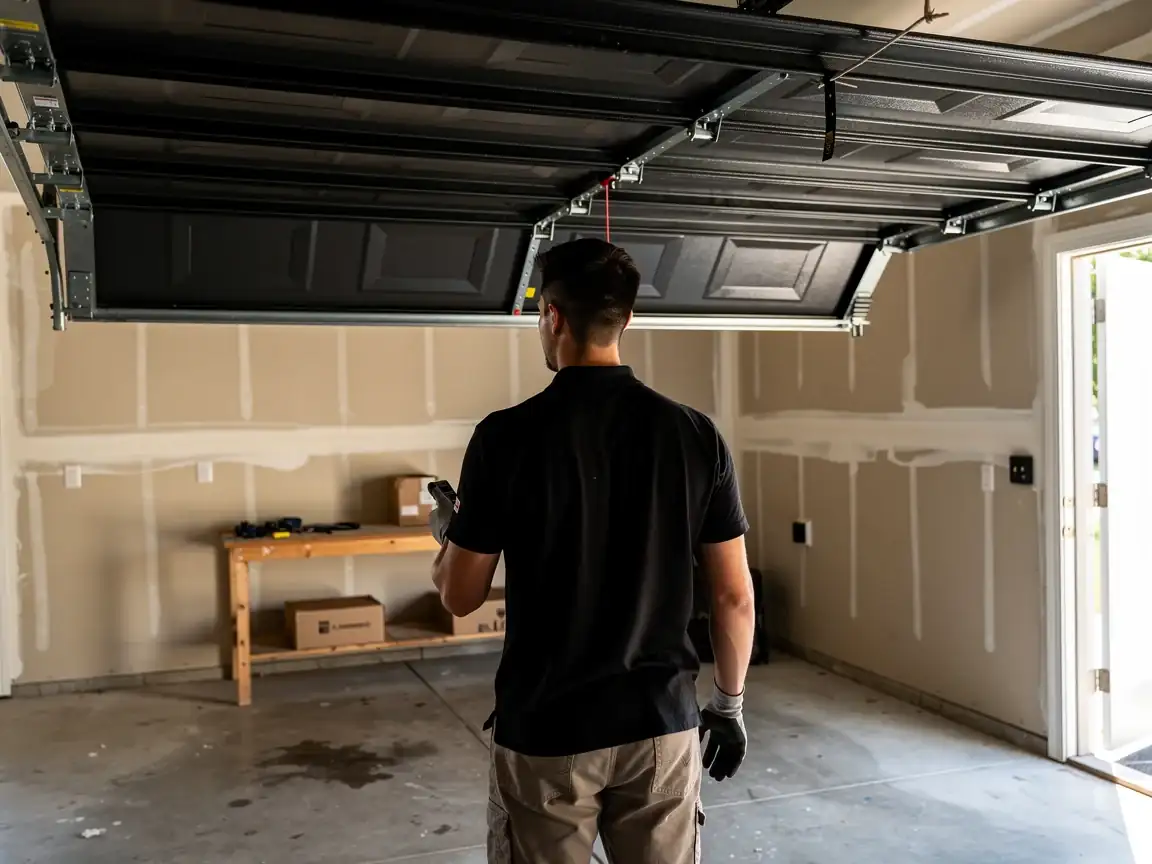
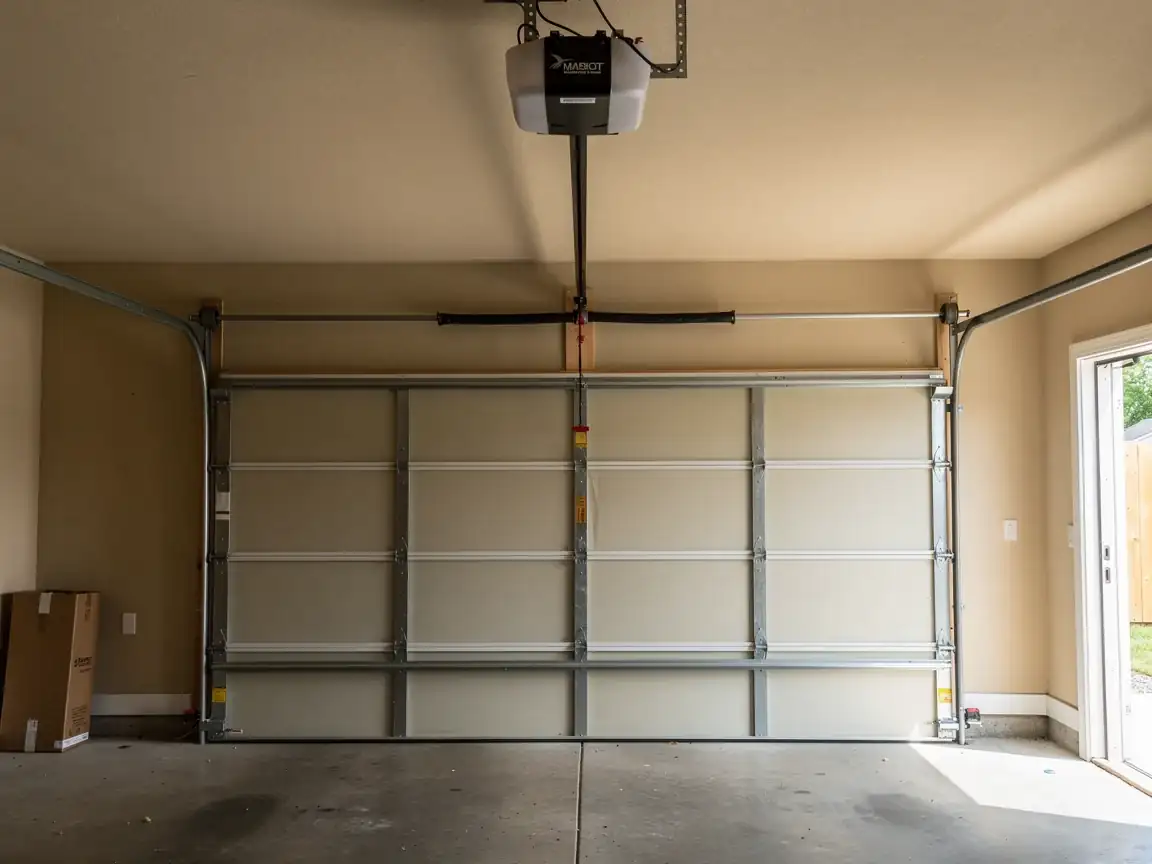
Swapping a single panel on a double-car door is within reach for someone comfortable with a socket set and a clamp, as long as the door is disconnected from the opener and the springs are left alone. The part that trips people up on older Cleburne doors is sourcing the right panel - a lot of manufacturers from the early 1980s have been bought out or stopped making that profile, so the panel you order online may not match the rib spacing on the door you've got. If the damage is on a bottom panel near the track, or if the section is torqued instead of just dented, that's a two-person job minimum, and we'd rather you call than bend a track trying to force a panel back into alignment.
How It Shows Up
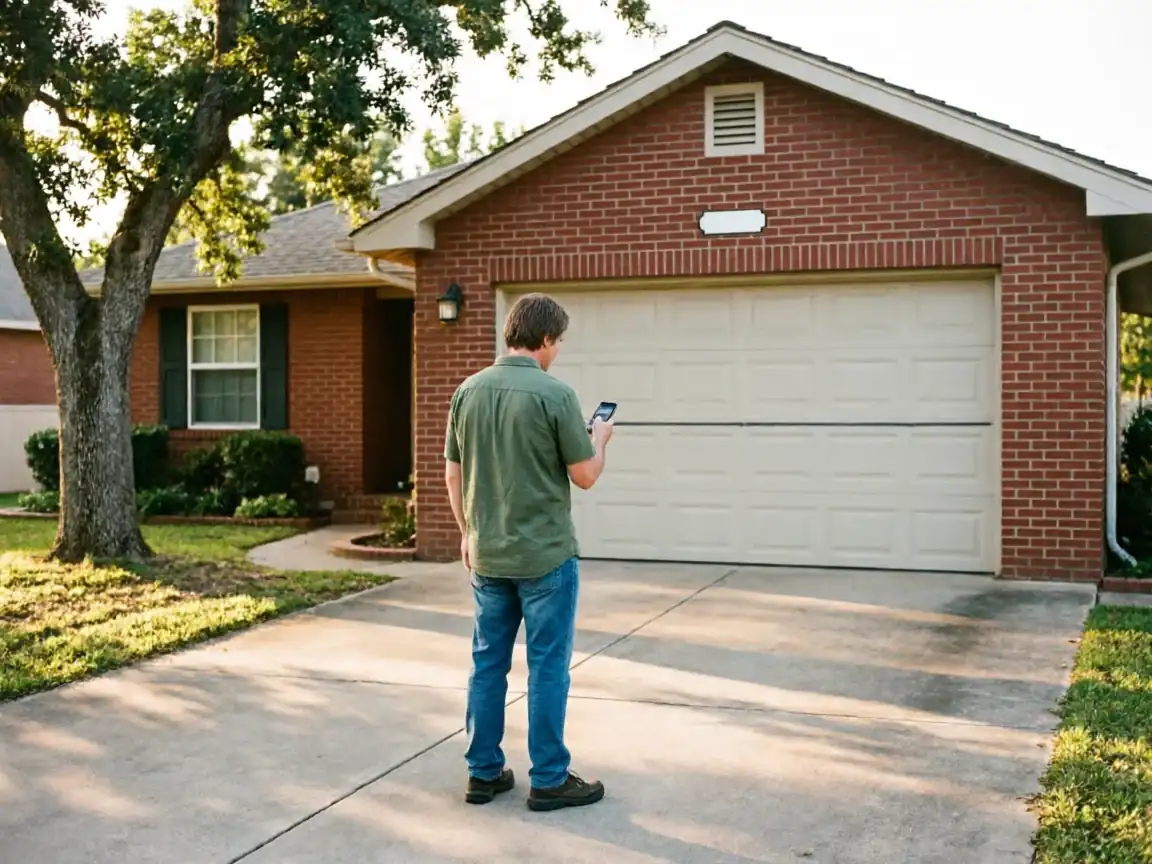
The first sign is usually a visible dent or a buckled seam on a bottom panel, often from a car bumper or a trash can getting backed into, but on Cleburne's older stock we also see panels that have simply fatigued - a soft bow in the steel with no single impact to blame. If a panel's bent near a hinge point, the door may start binding in the track even though nothing looks obviously broken from the driveway. Rust-through at the bottom edge, where the panel sits closest to ground moisture, is common enough on doors from this build era that it's often the reason for the call, not a cosmetic afterthought. If you're seeing daylight through a seam that used to be tight, that's a panel, not a track adjustment.