What the Repair Takes
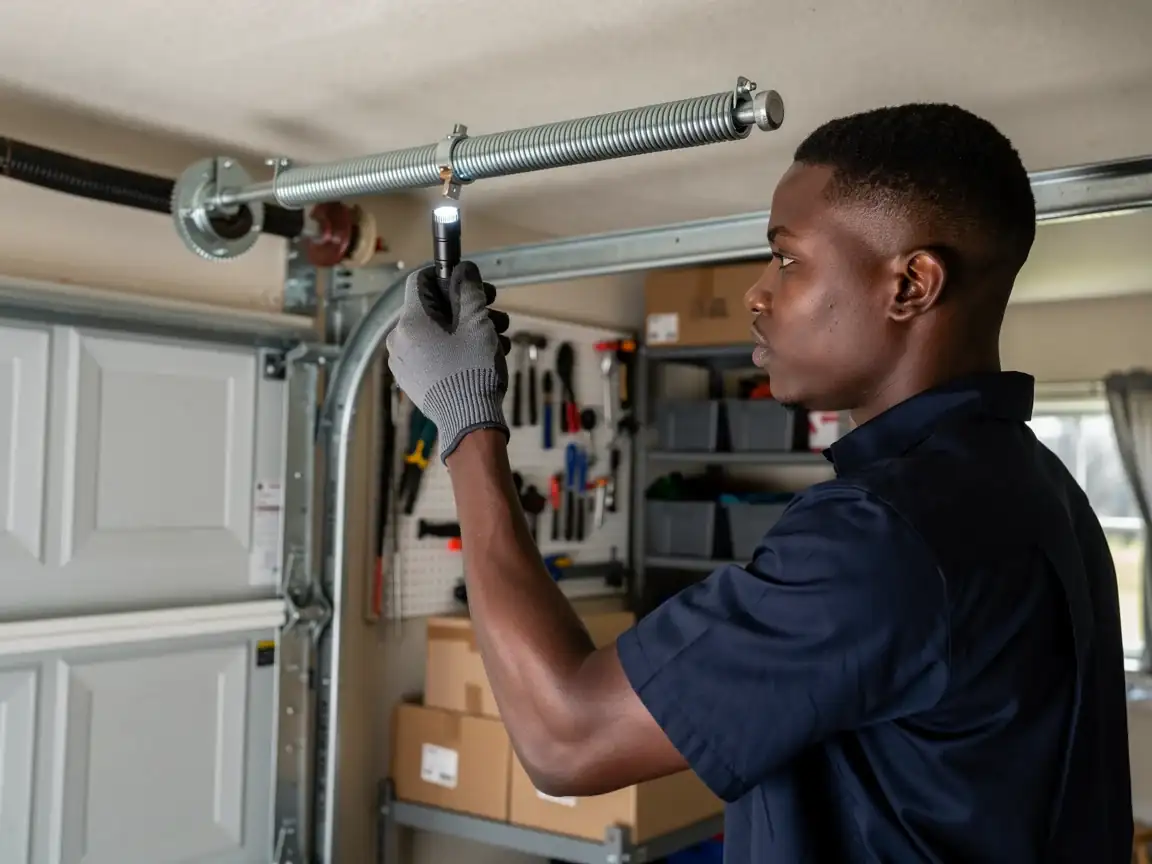
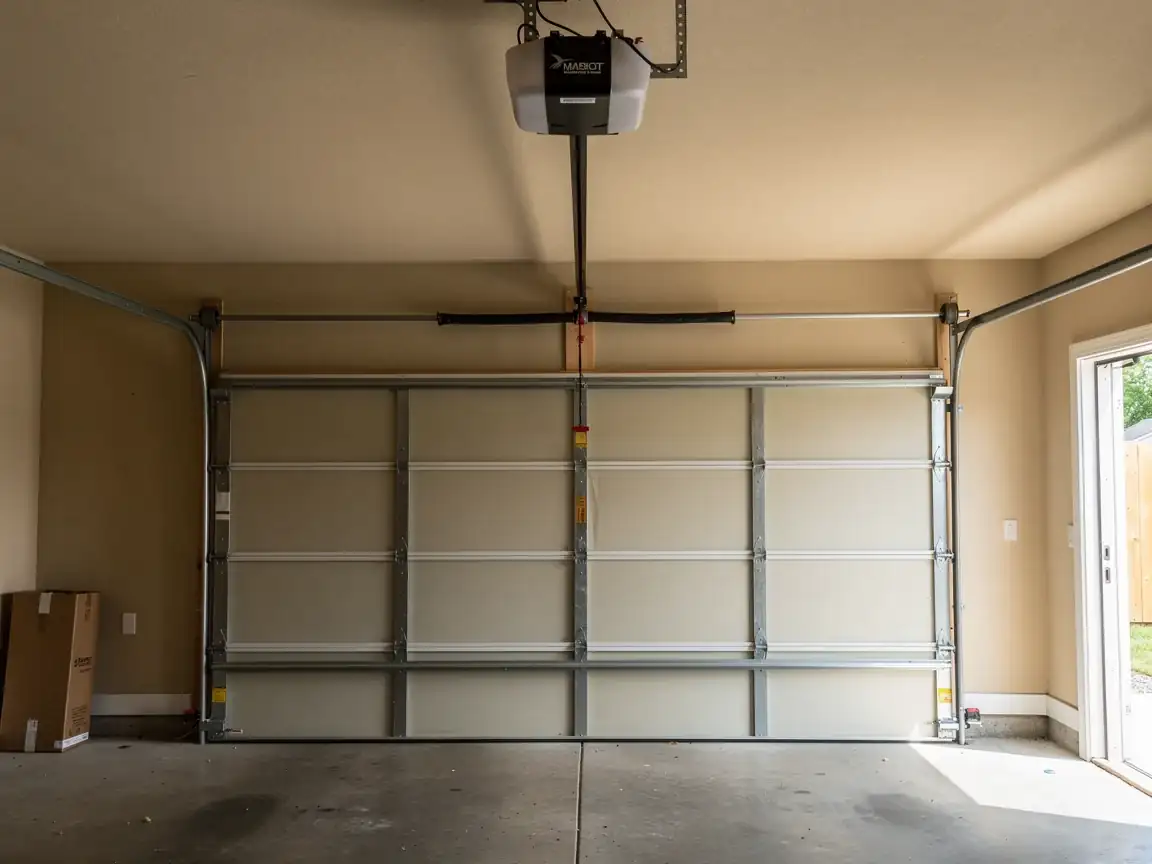
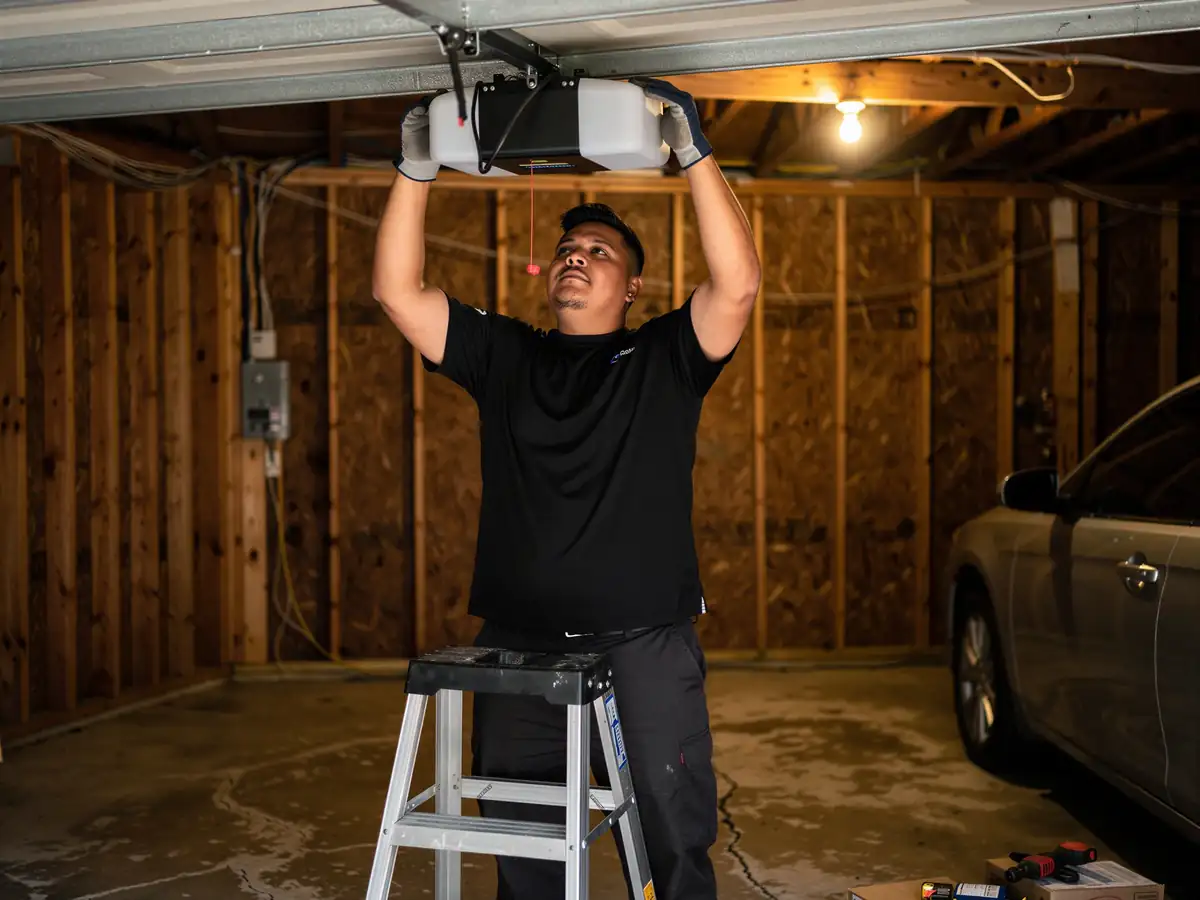
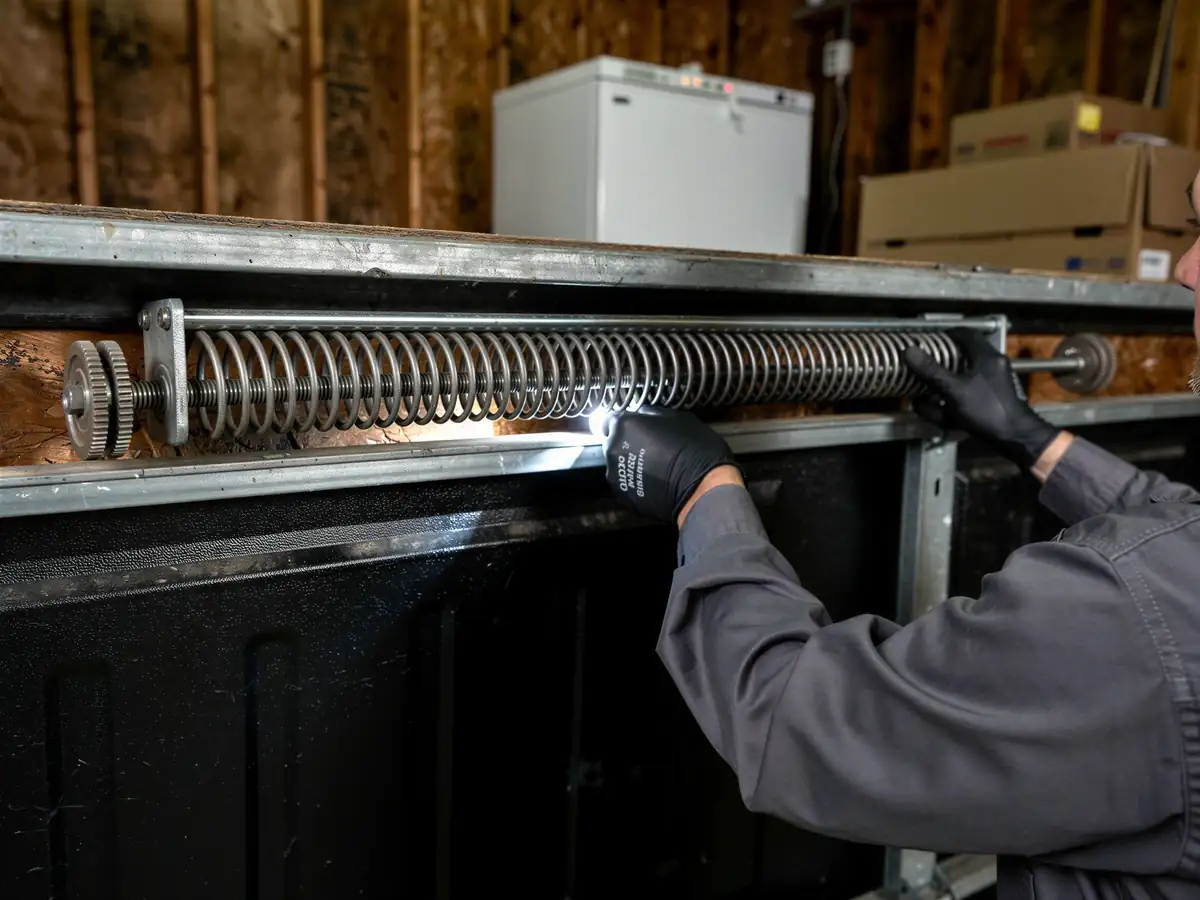
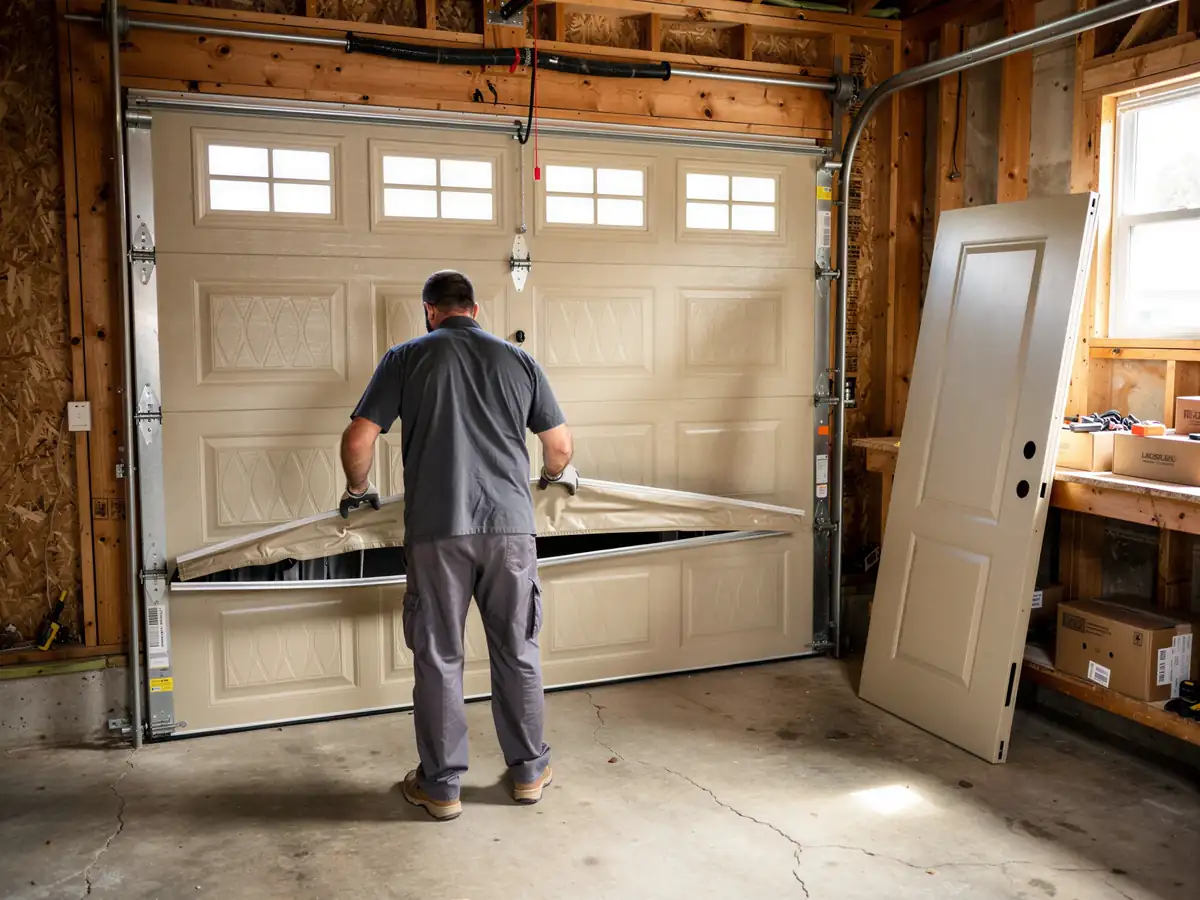
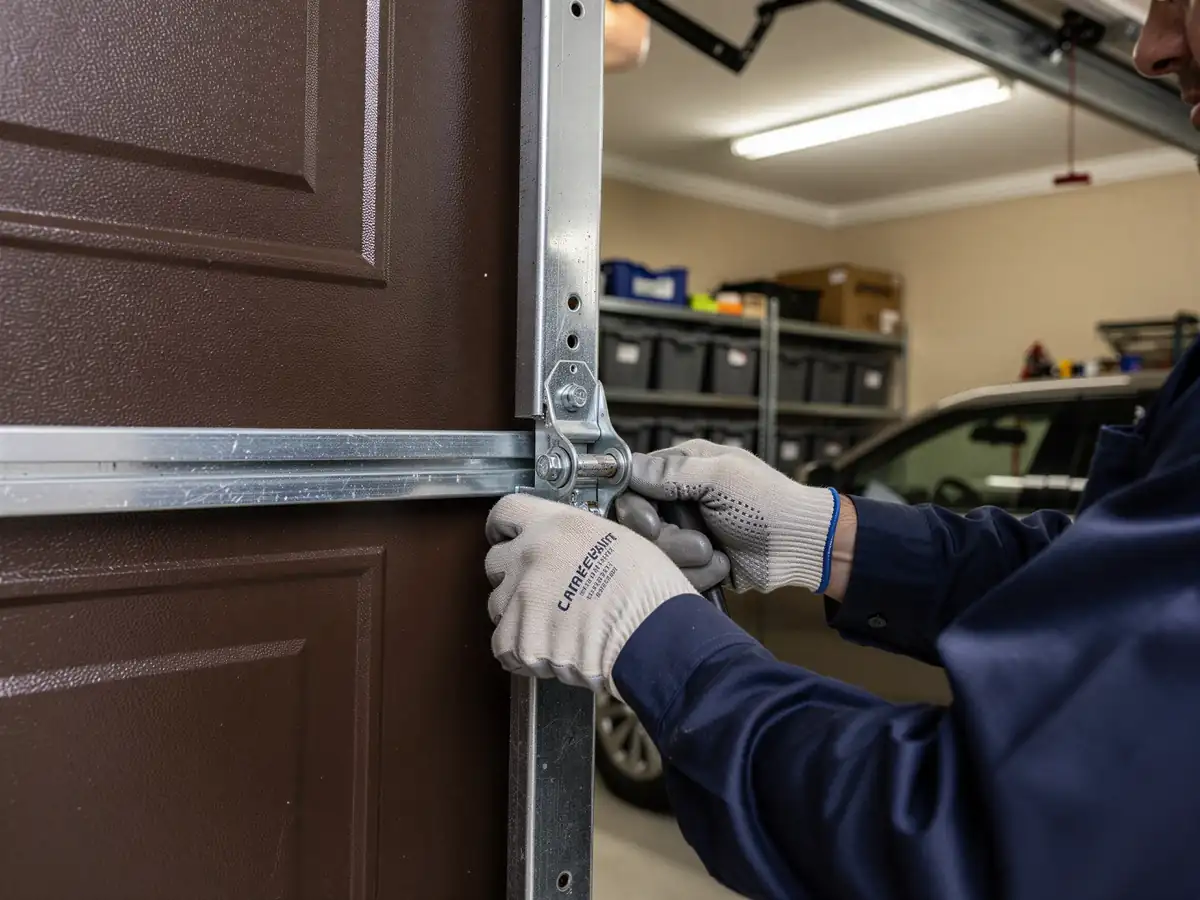
A house built around 1981 in Cleburne is old enough that the original torsion spring, if it's still in there, is well past its wind-cycle life. Most of what we replace on these doors is spring and cable hardware that was sized for a lighter door than what's hanging on it now, since a lot of owners have swapped in a heavier insulated panel door over the decades without upgrading the spring to match. Openers from that build era are usually the second or third unit on the bracket already - chain drives that have had their gear sprockets replaced more than once. We carry standard torsion spring sizes and common chain-drive parts on the truck; anything belt-drive or a less common opener brand sometimes means a parts order, which can add a day. Track and roller wear shows up earlier here too, since the older low-headroom track style doesn't forgive a door that's gone out of square. None of this is exotic work, it's just older hardware than you'd find on a house built after 2000.
Can You Do This Yourself
A loose roller or a dragging track you can usually handle with a tube of white lithium grease and a look at the track bolts. A torsion spring is not that job - the wind tension on a door built for a double-car opening can break a bone or worse, and we're not going to pretend otherwise to save you a service call. If your opener just needs the travel limits reset after a battery change, that's in the owner's manual and worth five minutes before you call anyone. Where we'd tell you to stop: any job where you're loosening the fasteners holding the torsion bar in its brackets, or cutting a cable. On a house from the early 1980s with original hardware, that spring has had forty-plus years to fatigue, and it doesn't give you a warning before it lets go.
How It Shows Up
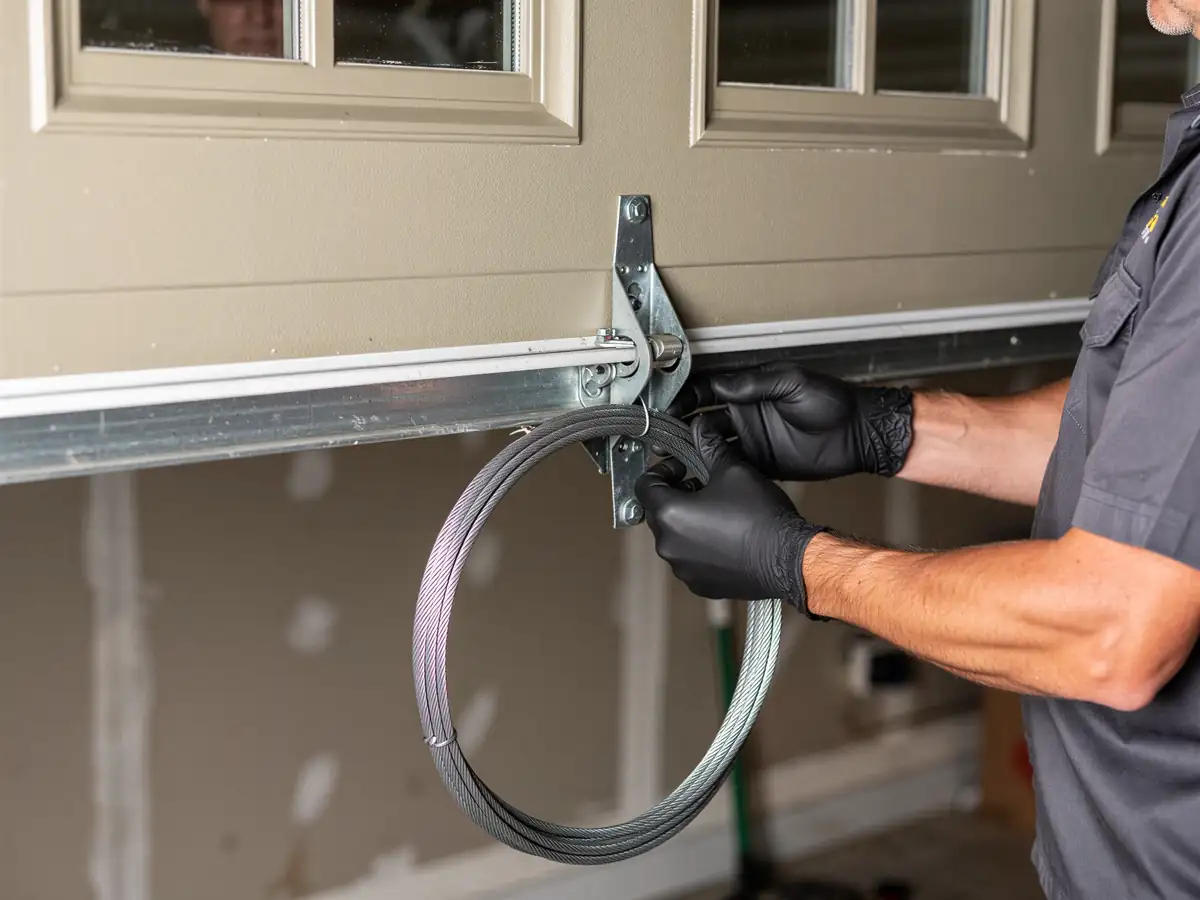
The call we get most from Cleburne is a door that won't open past a foot or two, which is almost always a broken torsion spring rather than the opener. Second most common: a door that opens but slams down the last few inches, which points to a worn cable or a spring that's lost tension gradually rather than snapped outright. On the older chain-drive openers common to 1980s-built houses, we also see a lot of