What the Repair Takes
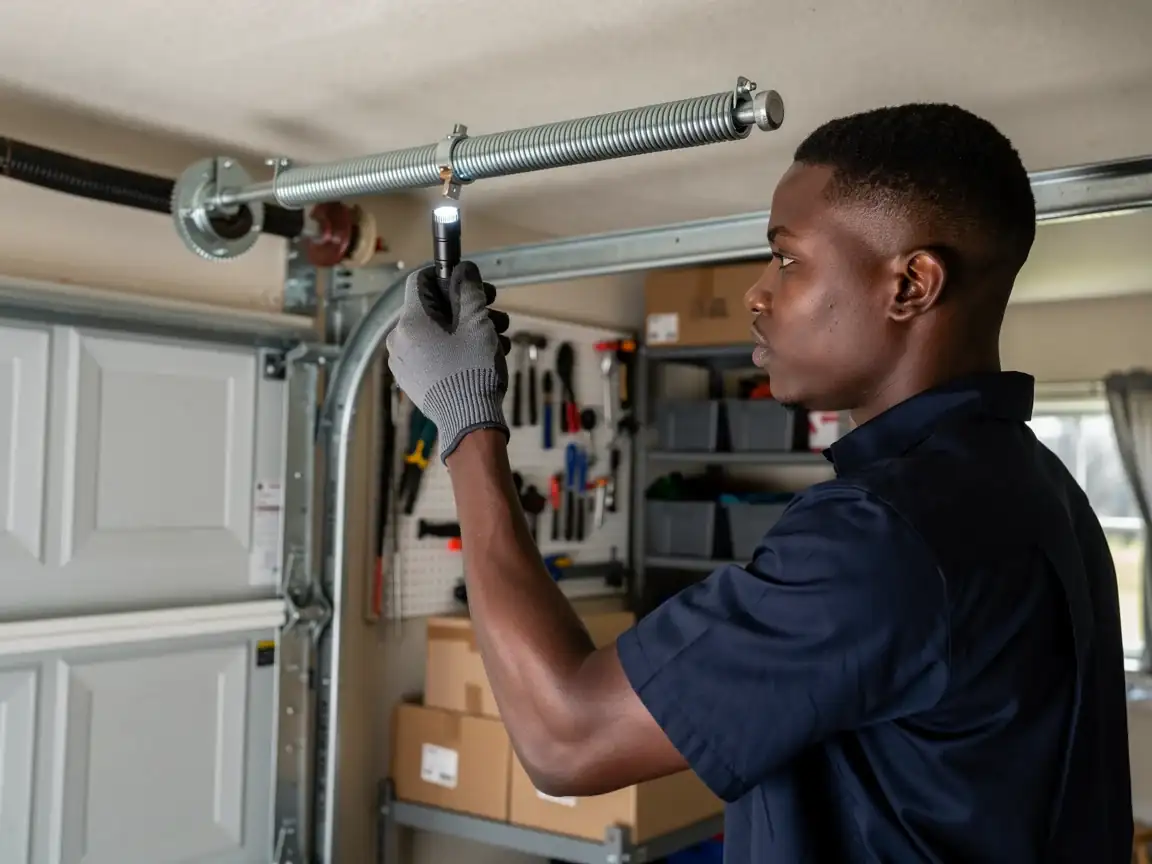
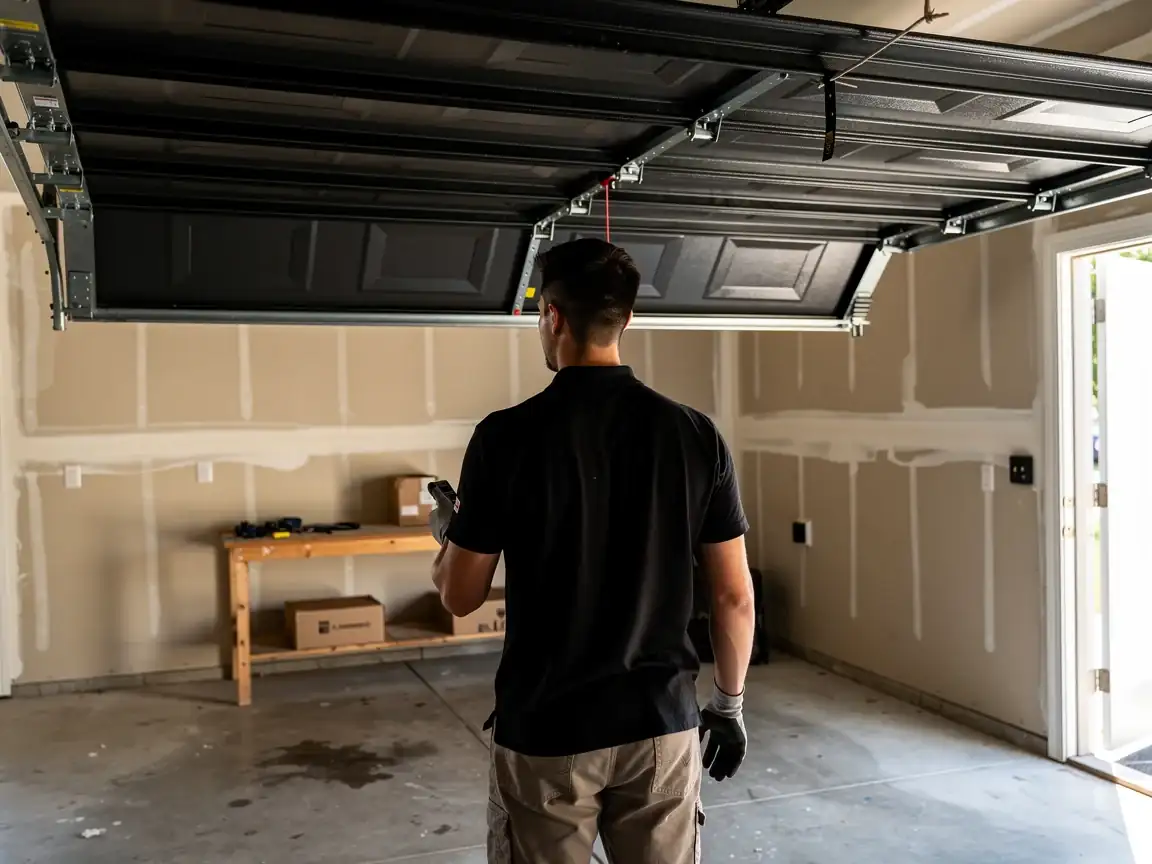
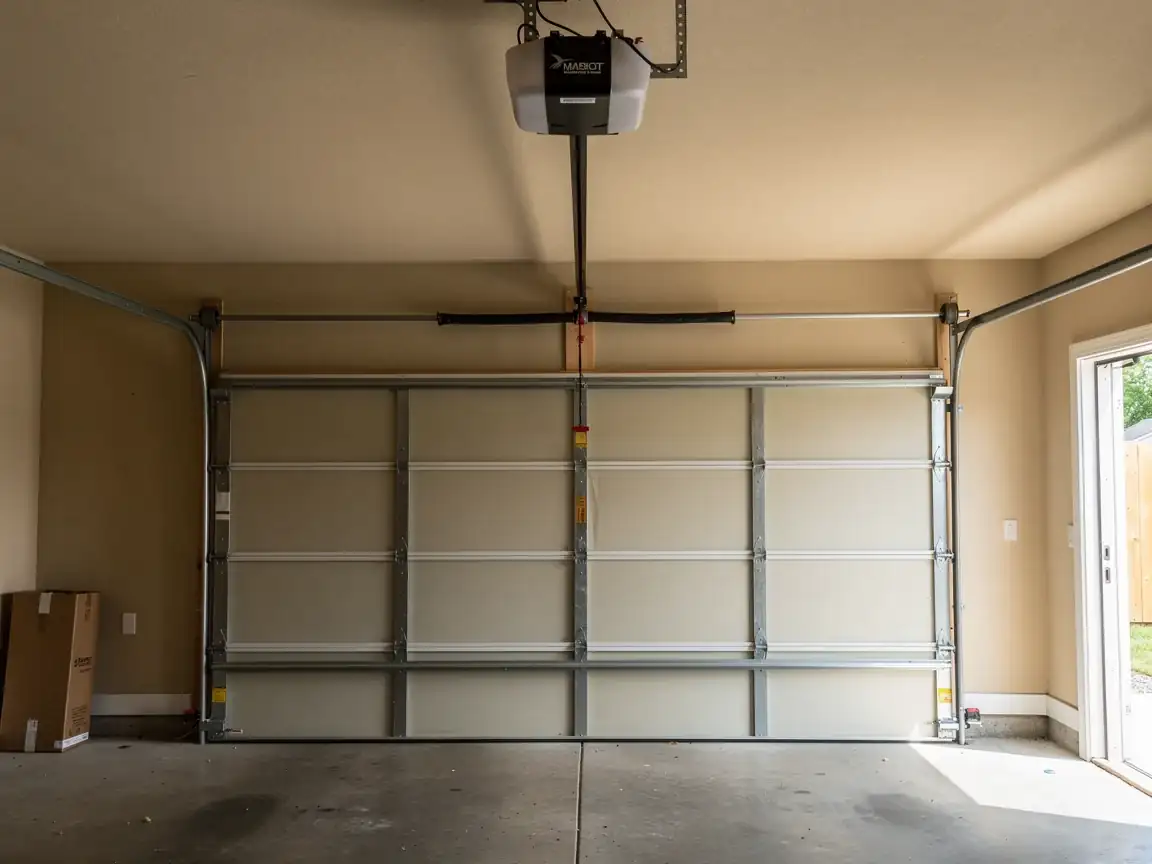
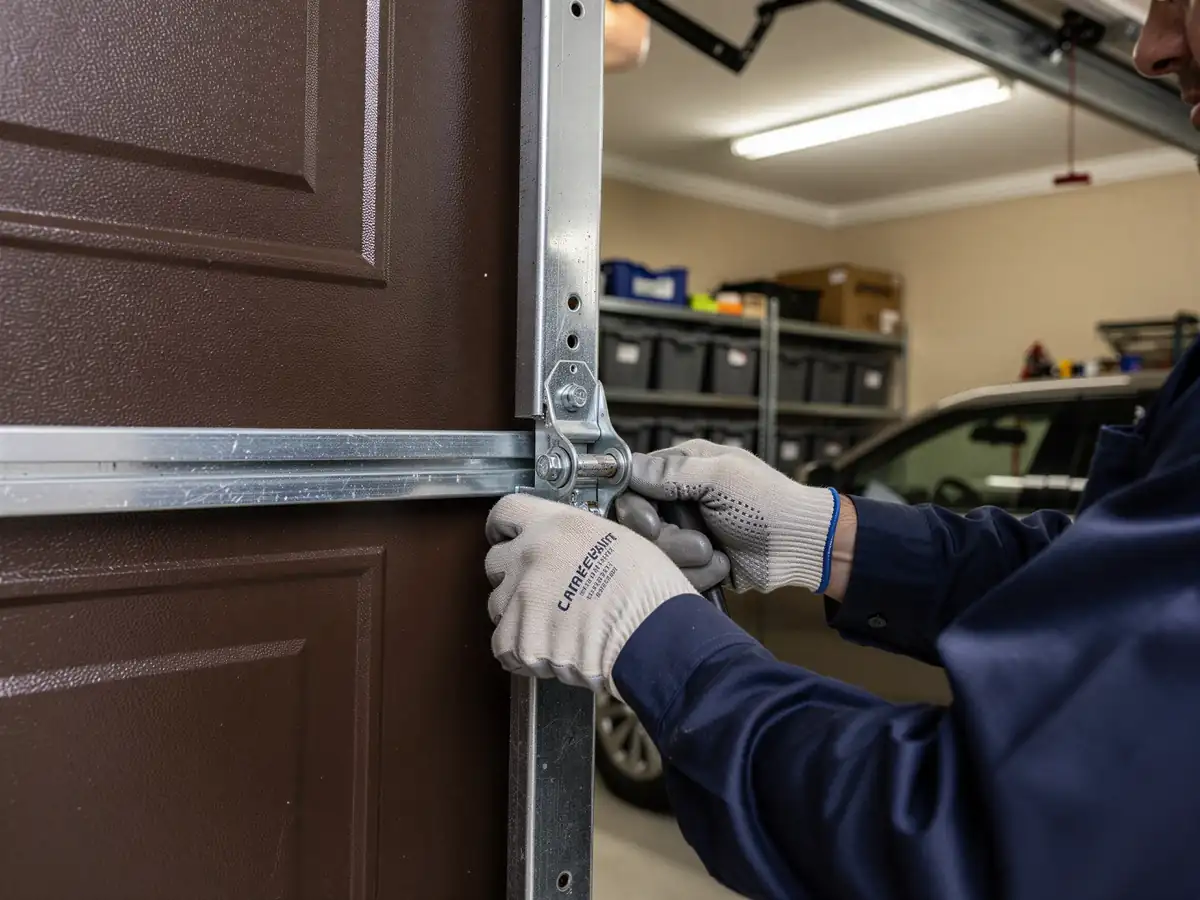
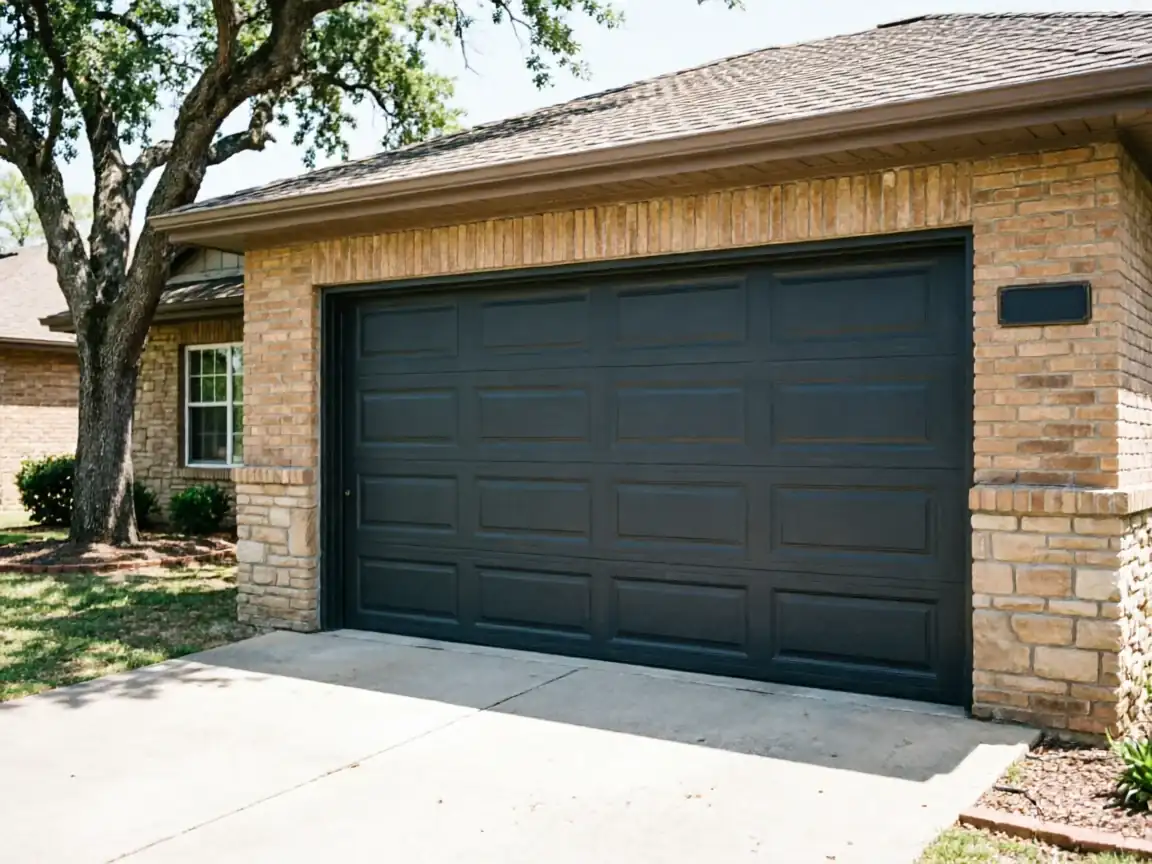
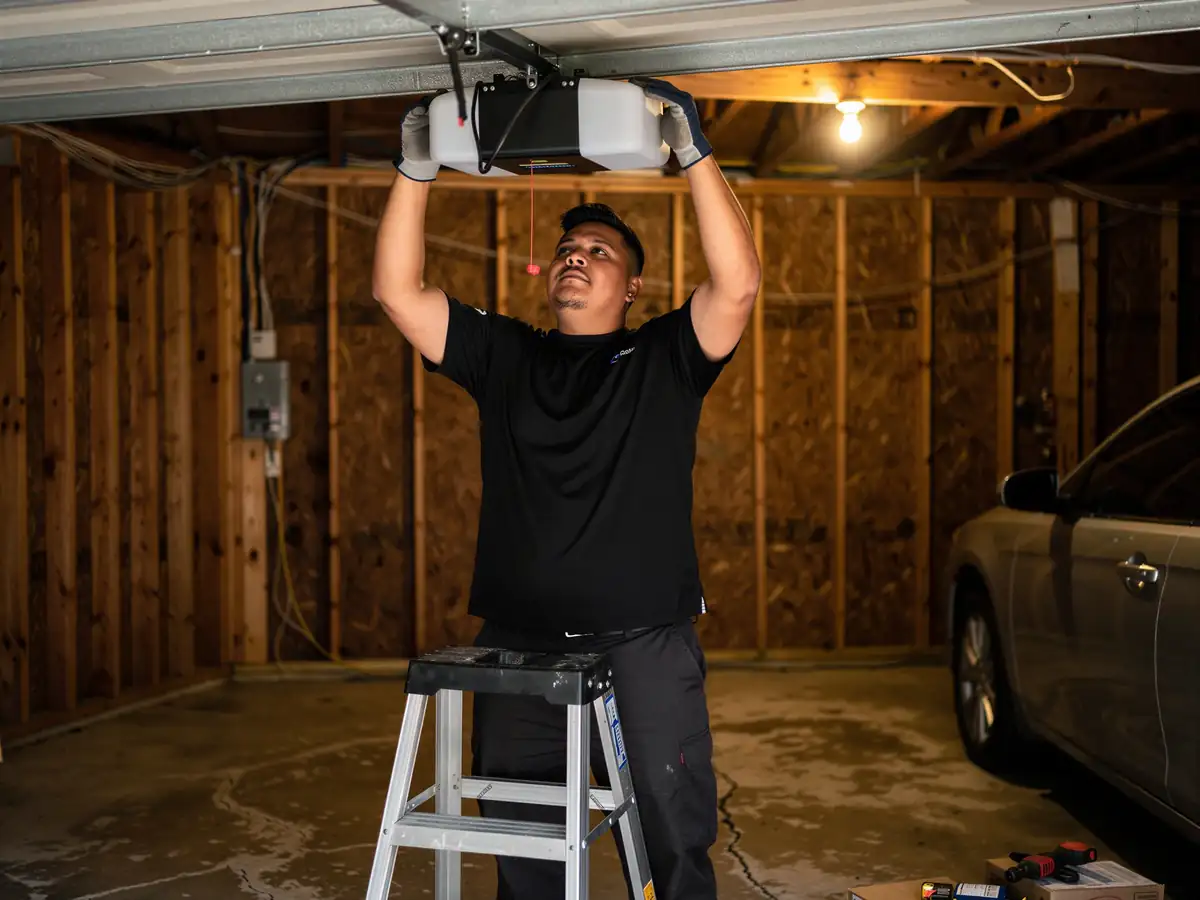
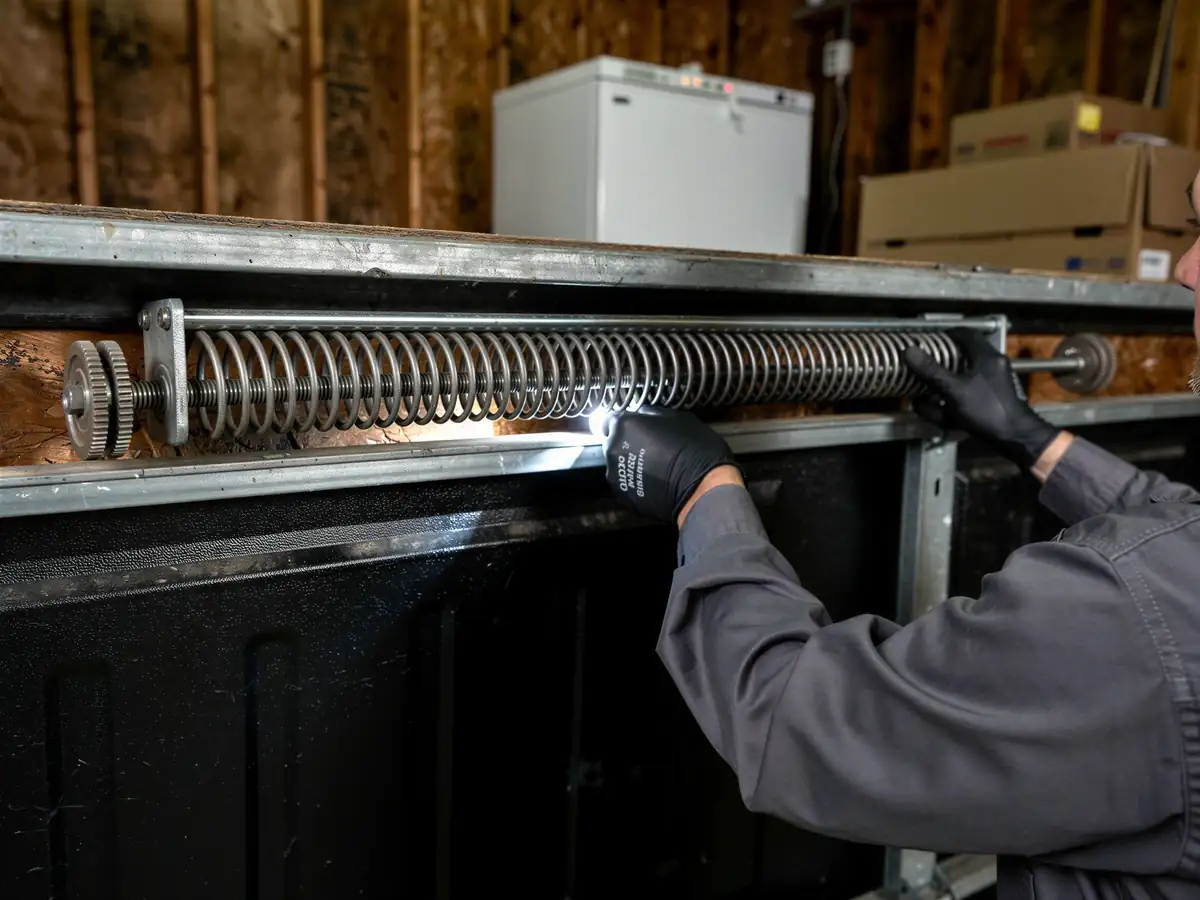
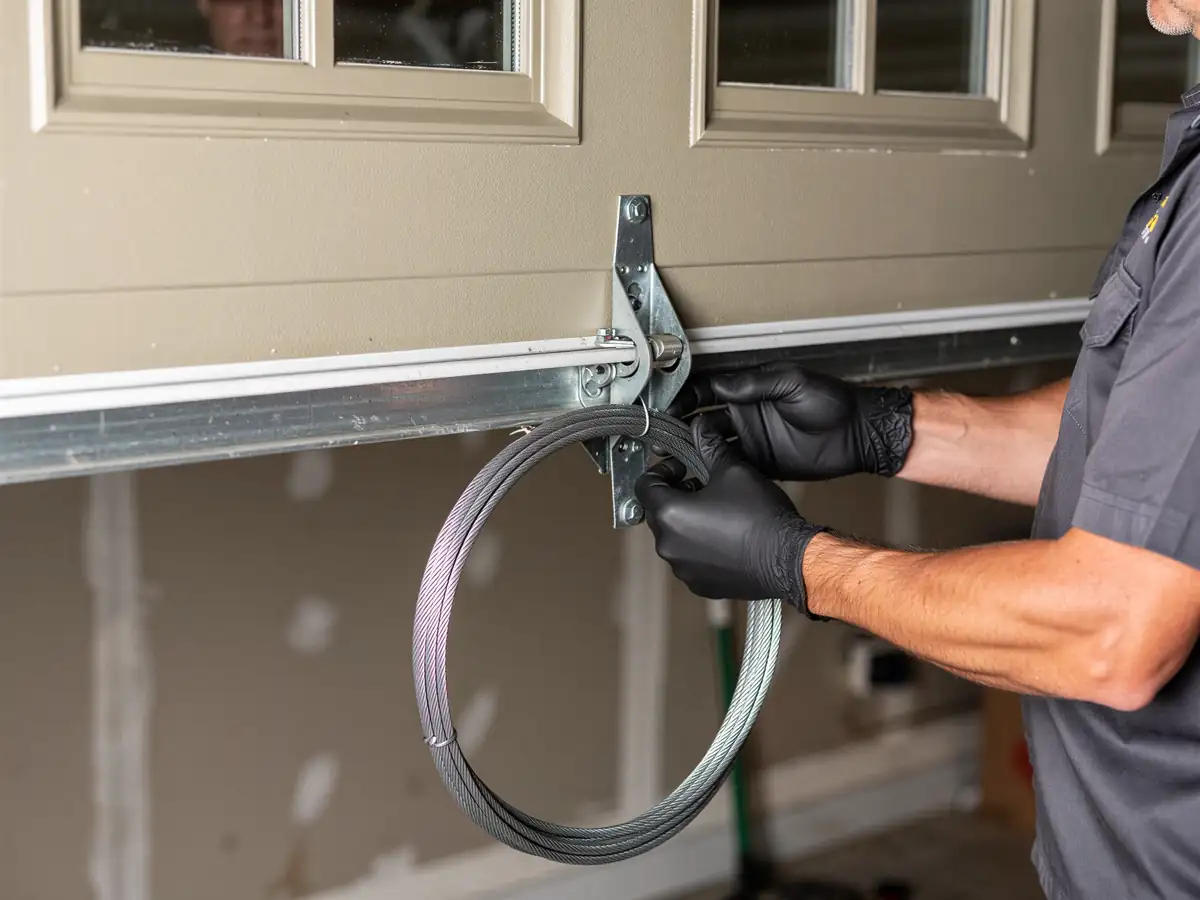
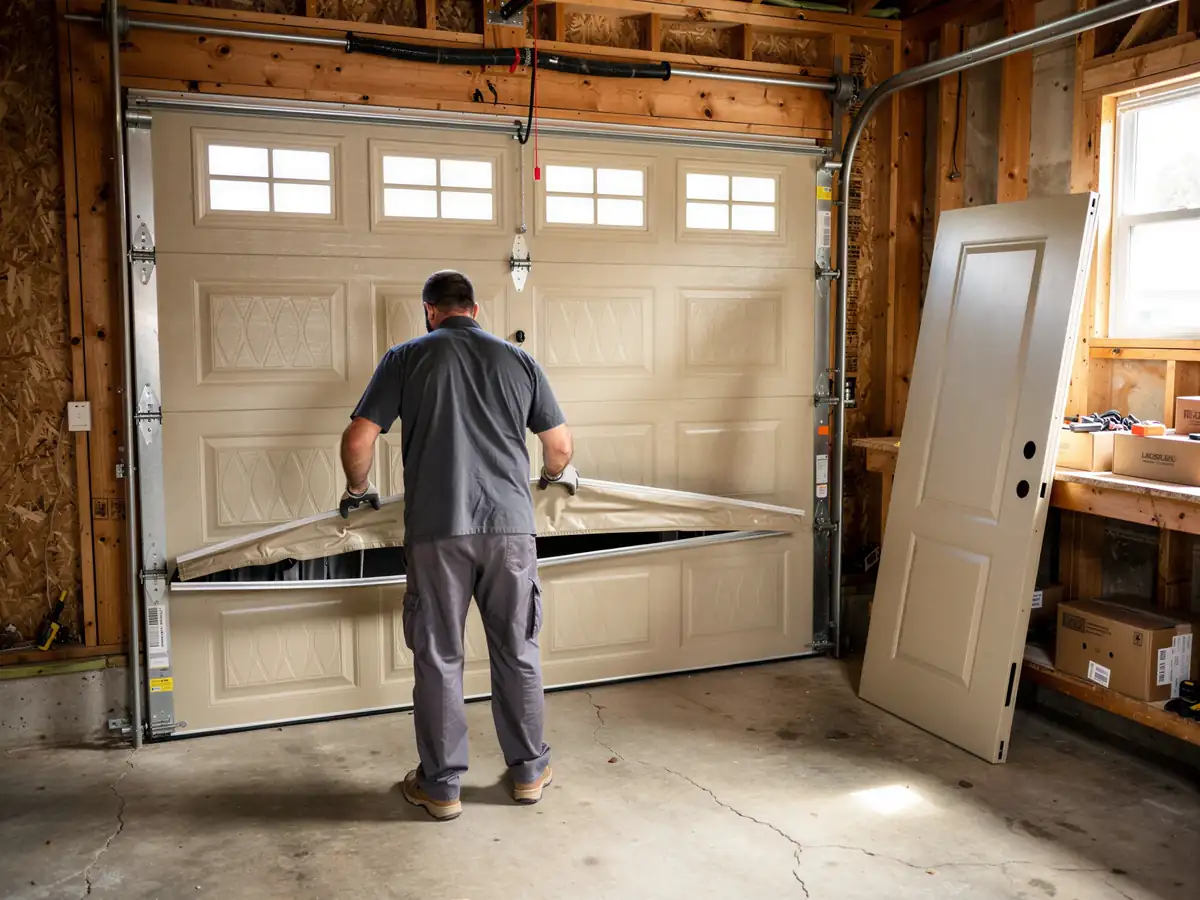
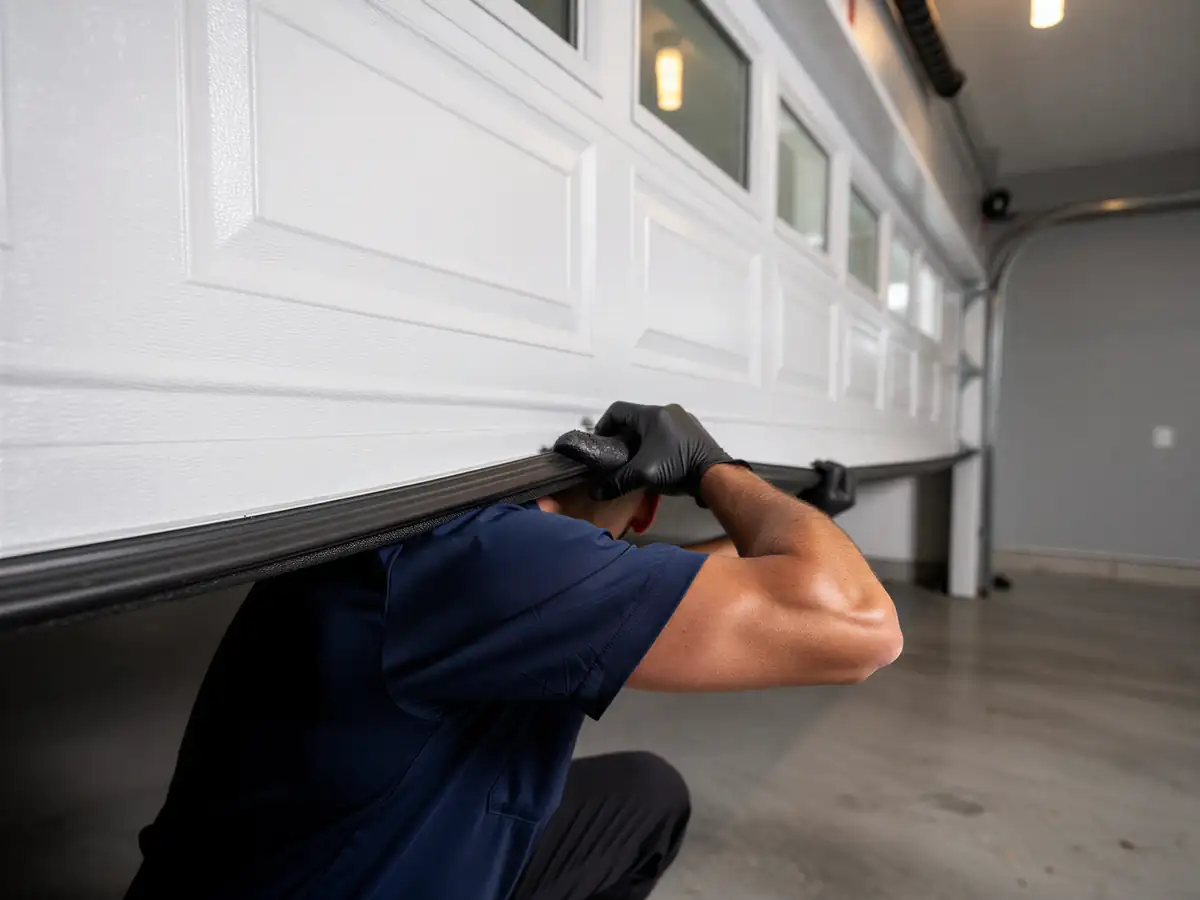
A maintenance visit on a door this age in Cleburne usually runs long on inspection and short on parts, because the failure points are predictable. Torsion springs wound in the early 1980s are past any reasonable service life regardless of how the door looks from the driveway. Track alignment gets checked against the original jamb, since houses from this era settled slowly over four decades and a quarter-inch shift at the header is enough to bind a roller. If the opener is original - and in this area it sometimes still is - the tech tests the travel limits and the manual release separately, because those two fail independently and a working door doesn't mean a working release. We lubricate hinges, check cable fray at the drum, and torque loose lag bolts into the jamb. None of this requires special-order parts for a standard-width residential door; the routine is fast because the wear pattern is consistent, not because we're rushing.
Can You Do This Yourself
Some of it, yes. Hosing dirt off the tracks, wiping down rollers, and checking that the door reverses when it hits an object under the photo-eye sensor are all homeowner-safe and worth doing twice a year. What you shouldn't touch is the torsion spring itself - on a door built around 1981 that spring has been under full tension for over 40 years, and a wound spring under load has put people in the ER when a winding bar slips. Same goes for cable replacement near the drum. If your opener still has the original chain drive and it's gotten loud, that's often a lubrication problem, not a motor problem, so try the cheap fix before assuming you need a new unit. We'll say plainly: a basic visual check costs you nothing and catches a lot. Spring and cable work is where the math on doing it yourself stops making sense.
How It Shows Up
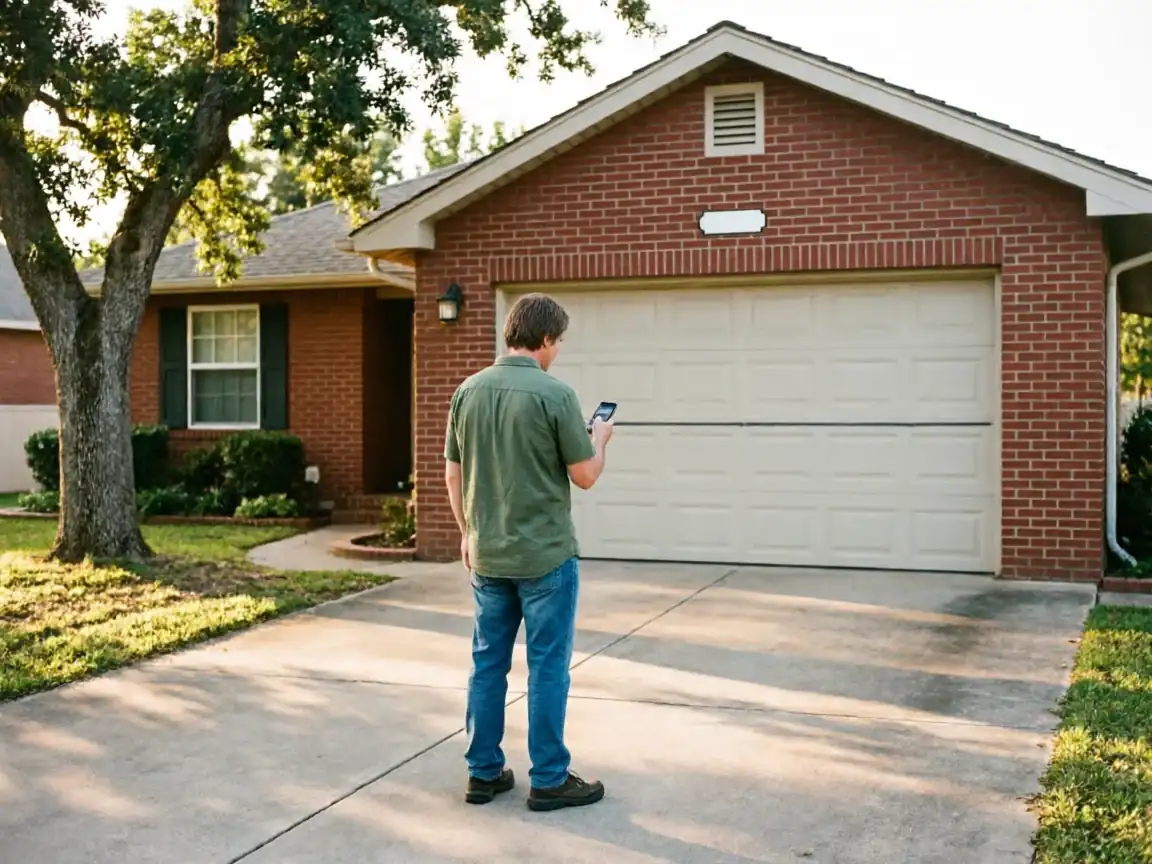
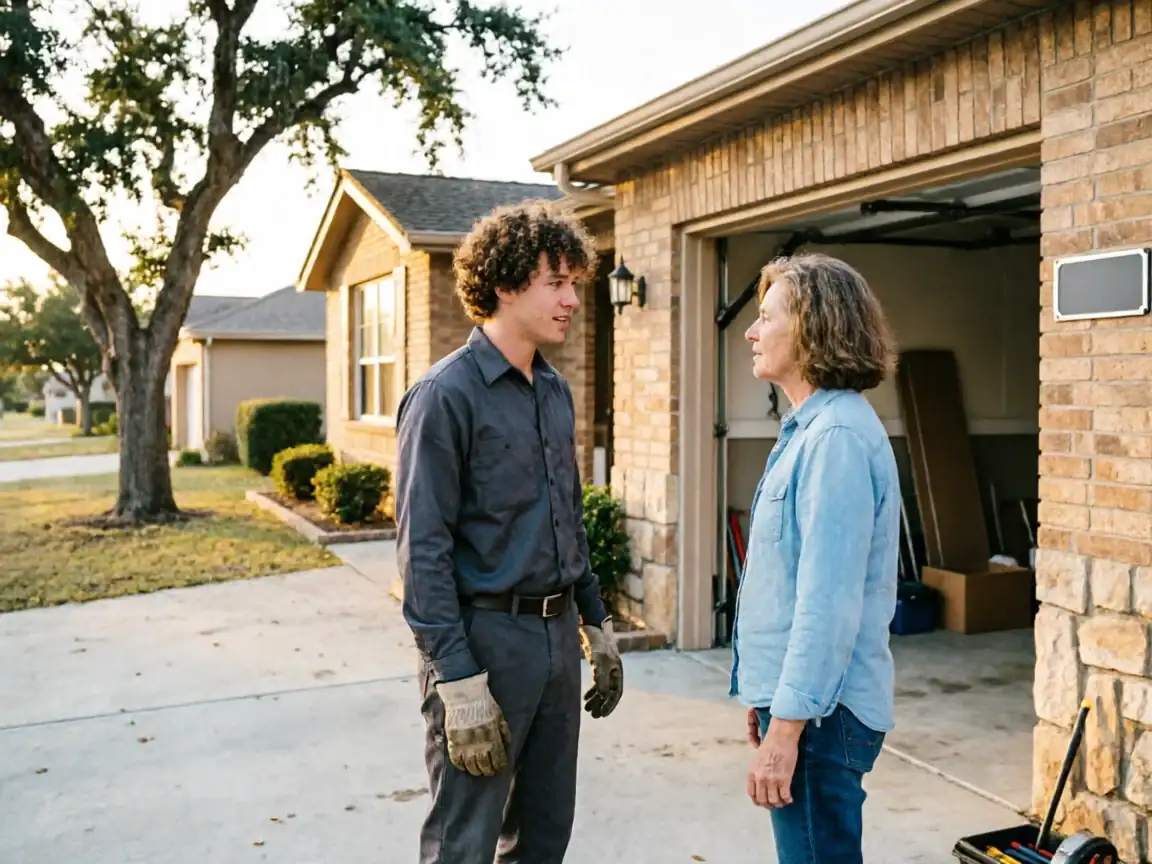
In an 11,305-household town built mostly around 1981, the maintenance call we get most often starts the same way: the door's gotten noticeably heavier to lift by hand, or the opener strains and stutters partway up. That's a spring losing tension, not a motor dying, and it's the single most common reason we're called out to Cleburne specifically. Second most common is a rattling track - original mounting brackets working loose after four decades of thermal cycling in a moderate-heat climate band, where summer expansion and winter contraction slowly walk lag bolts out of the jamb. Owners sometimes wait on this because the door still closes, but a loose track puts uneven load on the rollers, which shortens their life too. Catching either issue in a routine tune-up is cheaper than the emergency call that follows when the spring finally snaps.