What the Repair Takes
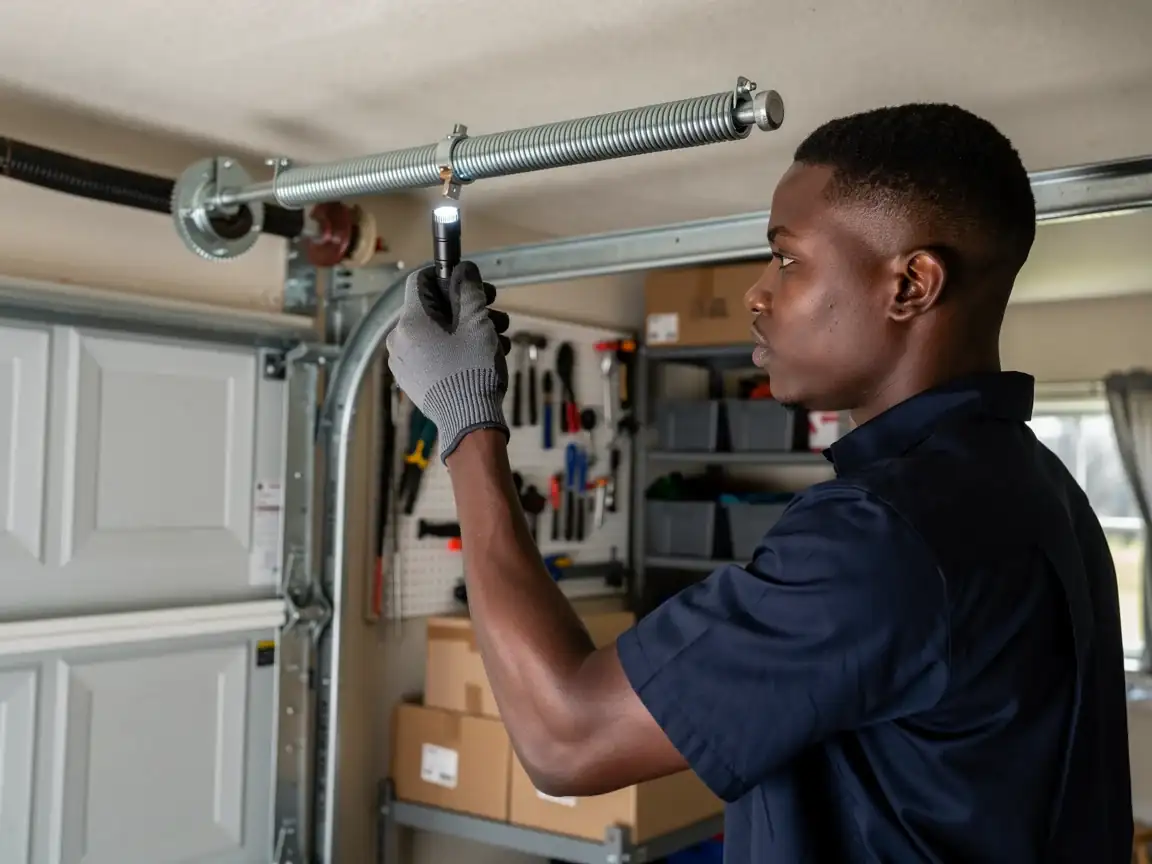
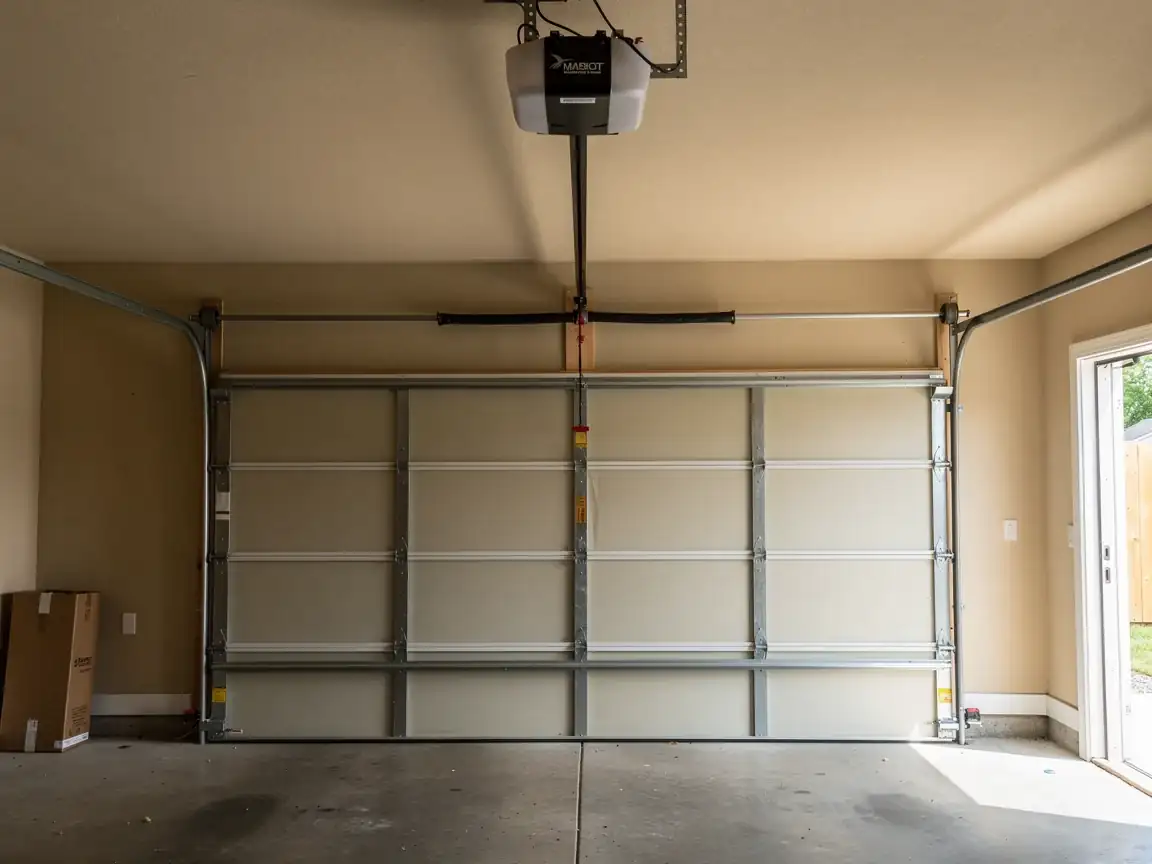
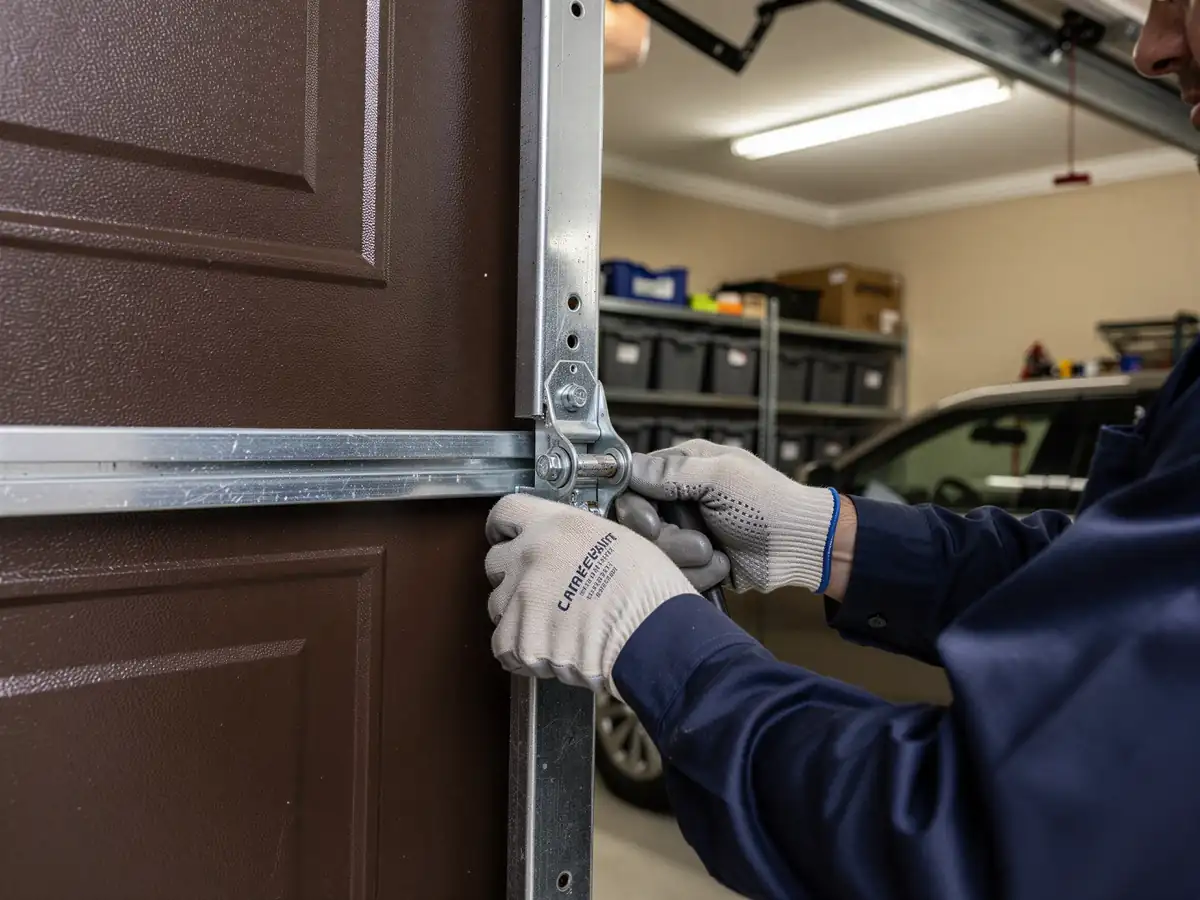
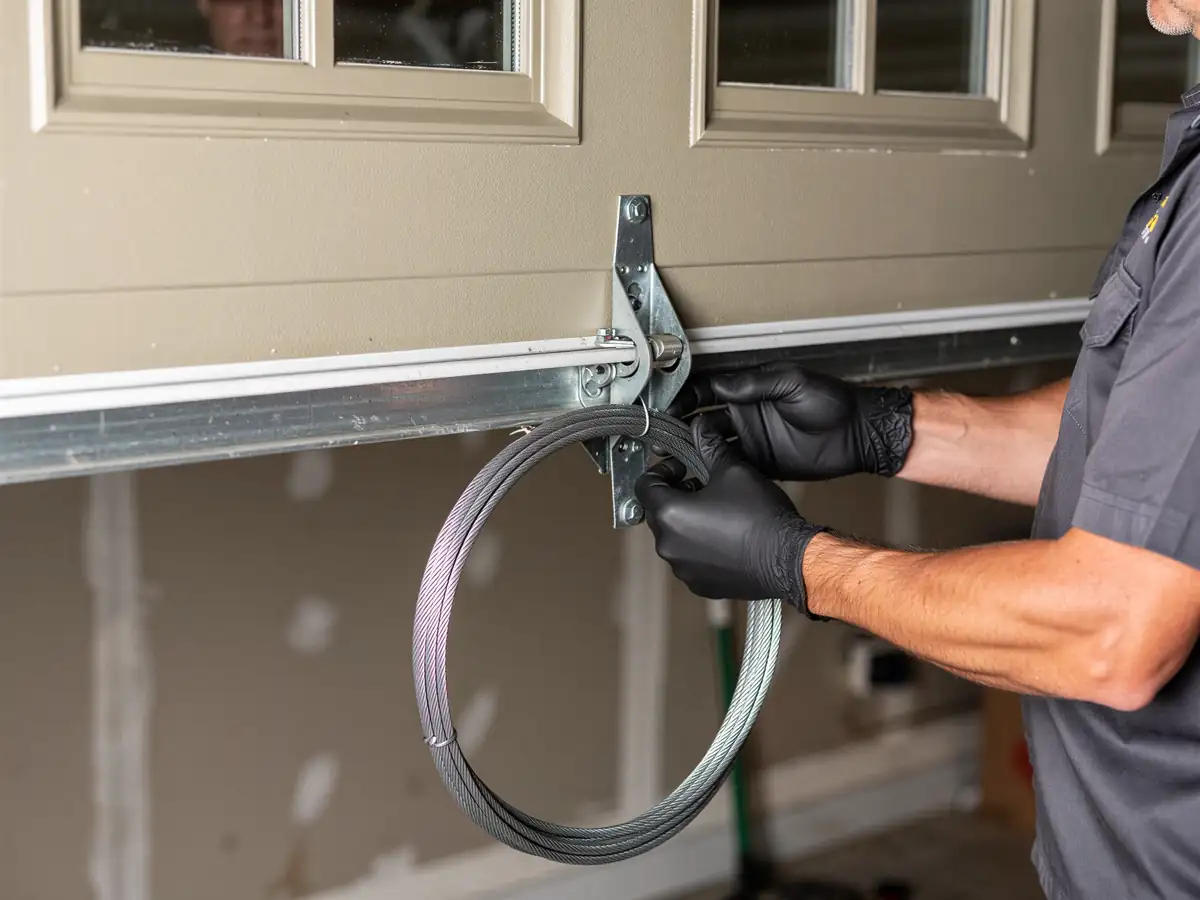
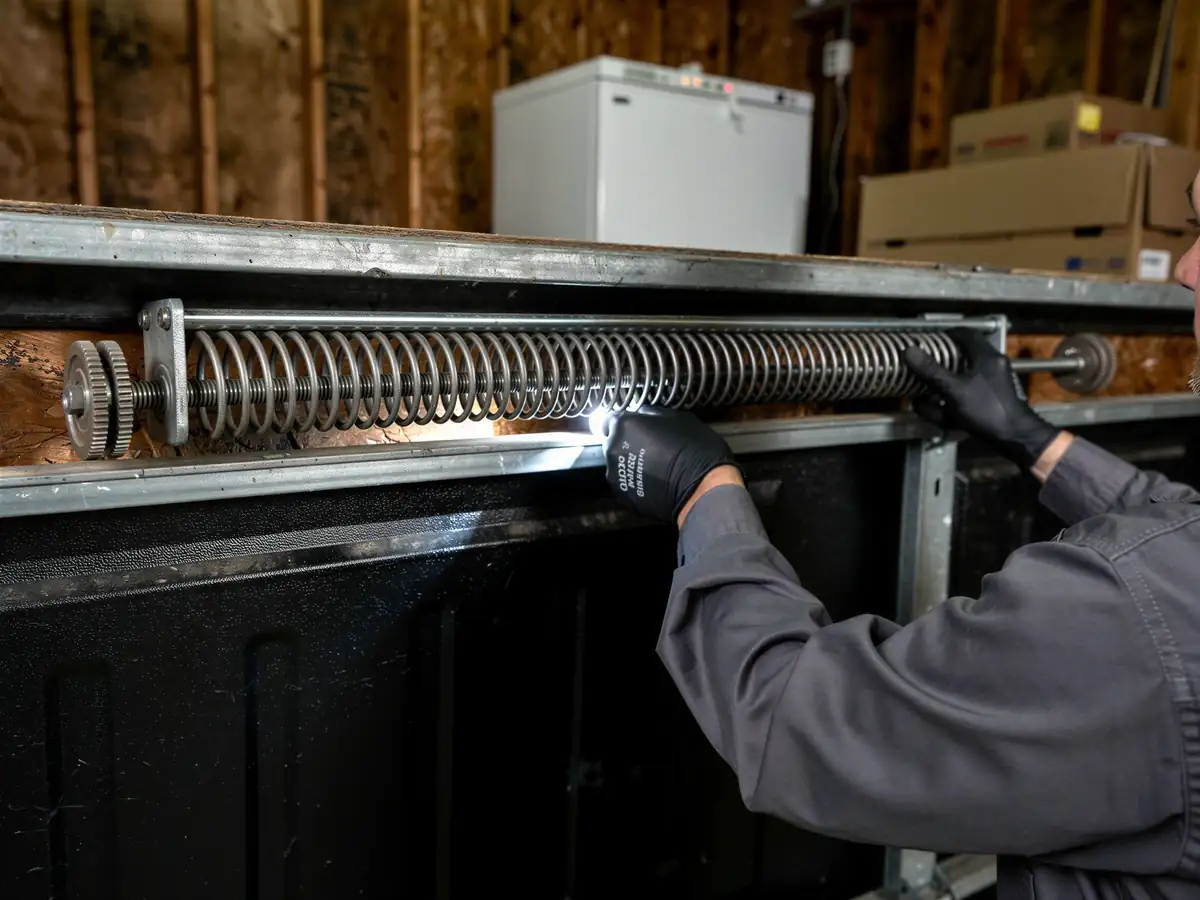
Most of Cleburne's housing stock centers on 1981, which puts a lot of doors here on torsion springs mounted on a single center shaft above the header - standard for that era, but the shaft, end bearings, and cable drums have had three to four decades to wear. A spring swap on that setup means unwinding the broken spring safely with winding bars, pulling both springs as a pair (we don't replace one and leave its twin from 1981 straining against new steel), checking the bearing plates and drum cables while the tension's off, and setting the new springs to the door's actual weight rather than a stock chart number. On older extension-spring doors - less common here but still around - the job is a different animal: pulley and cable inspection matters as much as the springs themselves. Either way, the tech measures the door, confirms wire size and wind, and does the swap in one visit. What we don't do is guess a spring size over the phone and show up hoping it fits - that's how a second trip gets added to a 12-mile drive.
Can You Do This Yourself
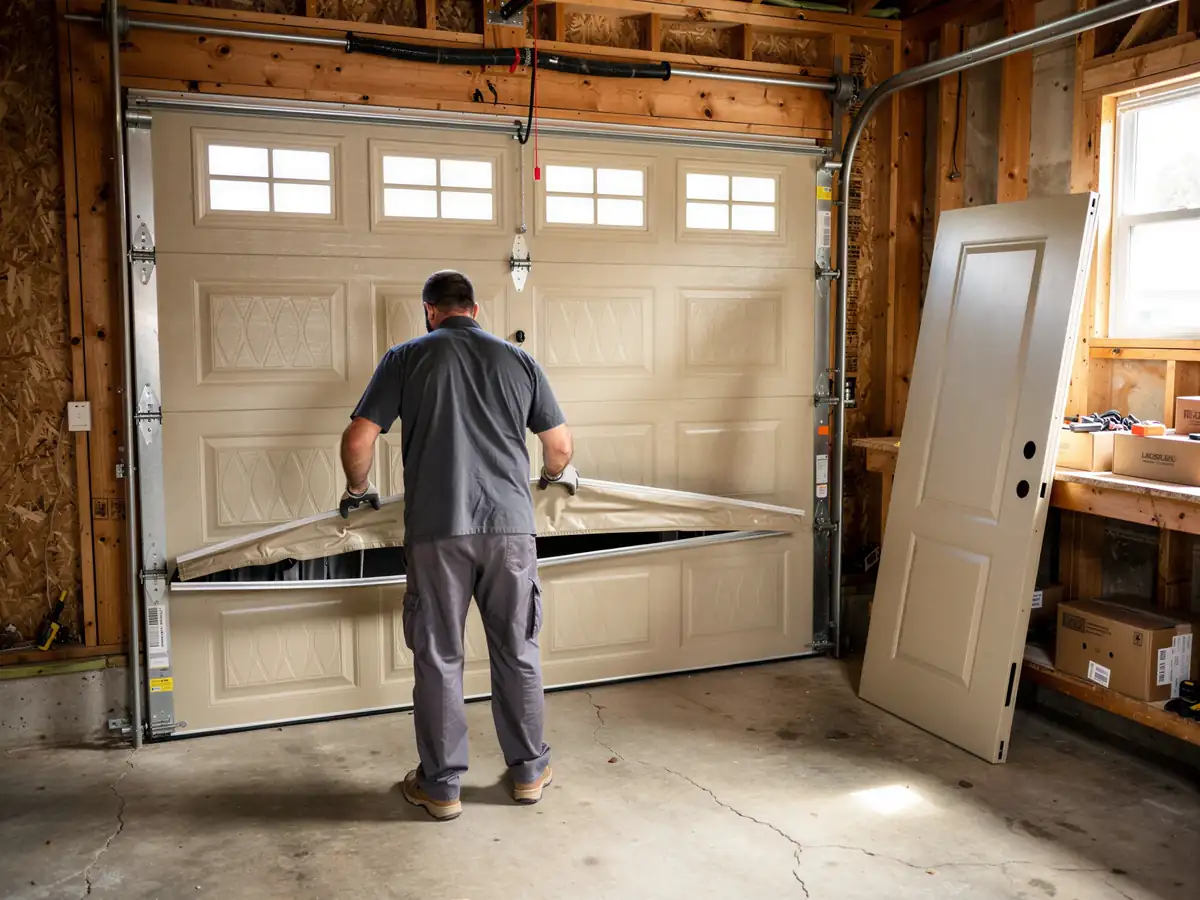
A torsion spring holds enough stored energy to break fingers, fracture a skull, or put a winding bar through a windshield if it slips, and that's true whether the door is five years old or forty. We won't walk you through winding one over the phone. What you can safely do yourself: check if the spring is visibly broken (a gap in the coil, usually right at the top), see if the cable has jumped the drum, and confirm the opener isn't just losing power - sometimes a dead outlet looks like a spring failure. If any of that checks out as the real problem, that's a call, not a project. One honest limit: if the door and track are both shot from decades of use, a spring alone won't fix it, and we'll say so rather than sell a spring job that's just delaying a bigger repair.
How It Shows Up
The most common call: the door won't budge, the opener motor hums or clicks but the door doesn't lift, and there's a visible gap in one of the coils above the door. Sometimes it's quieter - a loud bang from the garage, often mistaken for something falling, which is actually the spring letting go under tension. On older extension-spring setups you might instead notice the door closing unevenly, dropping fast on one side, because one spring has stretched or snapped while the other's still holding. Given the age of housing stock in Cleburne, we see more of the single-shaft torsion failures than anything else, which is consistent with a town built mostly in the early 1980s rather than later decades with different standard hardware.