Getting It Booked In
Cleburne sits about 12 miles from our shop in Burleson
And that's the first thing to know when you're scheduling a new install: we're coming from Burleson, not sitting on a side street nearby. That's not a problem for the job itself, but it does mean we plan the trip, not drop by on a whim between calls.
- 12 miles
The bigger reason Cleburne gets its own conversation
Not a copy-paste of what we tell Burleson homeowners, is the houses themselves. The median home here was built around 1981, which is older than the median across our wider service area (1986). A few years doesn't sound like much until you're standing in front of a rough opening sized for hardware nobody makes anymore.
When you call, tell us the approximate age of the house if you know it
That one detail changes what we bring on the truck - older headroom clearances and track styles aren't interchangeable with what goes into a house built in the 2000s.
What the Repair Takes
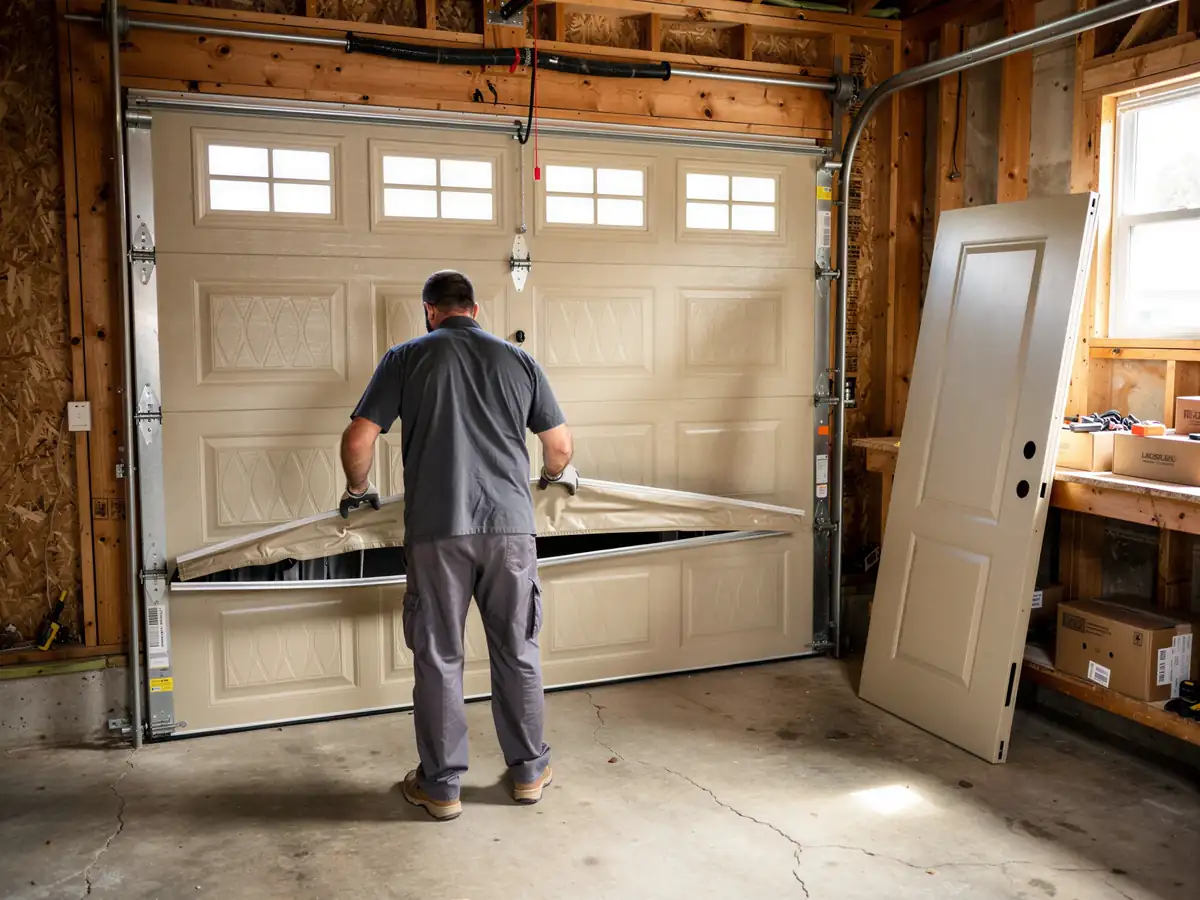
A new install on an early-1980s Cleburne house usually starts with the opening itself, not the door. Framing from that era often doesn't match current standard door widths or the clearance a modern opener needs above the header. We measure before we quote, not after.
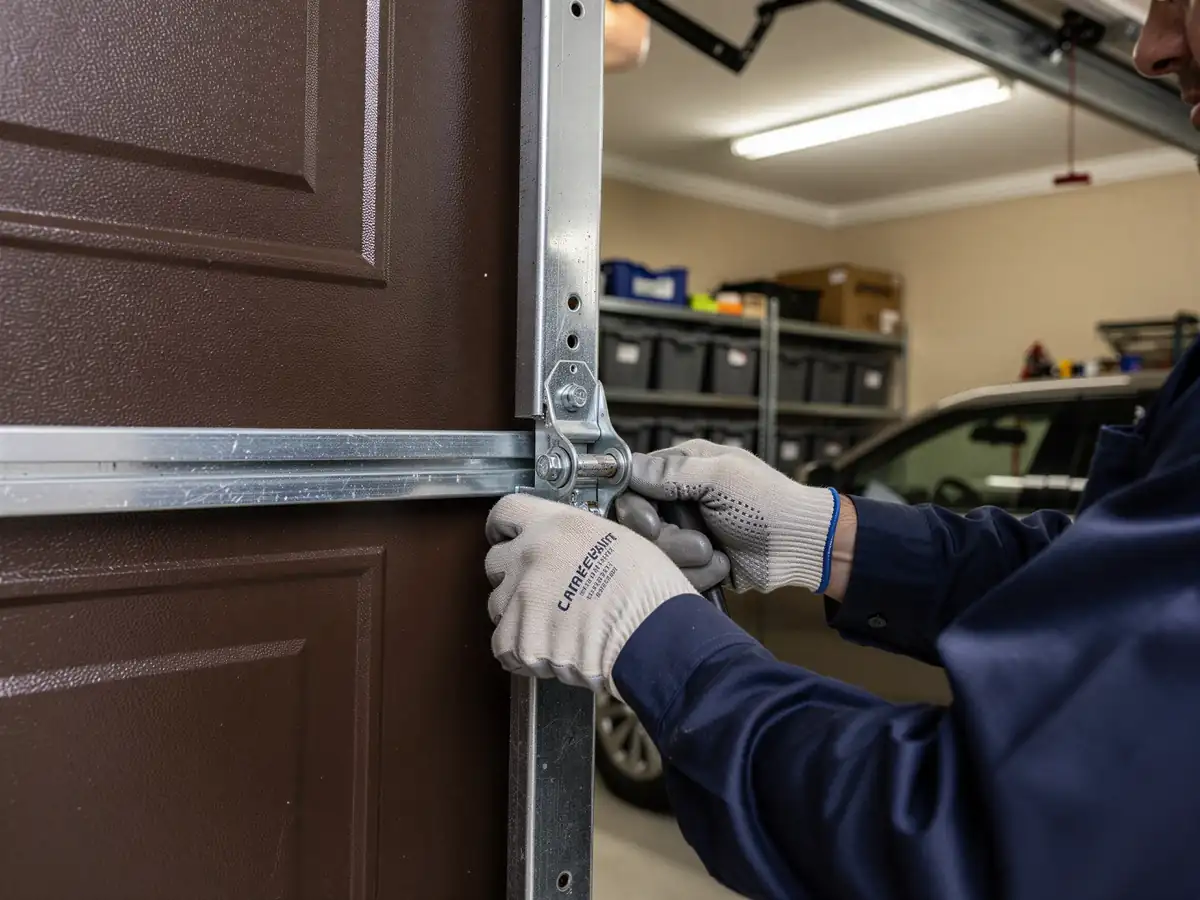
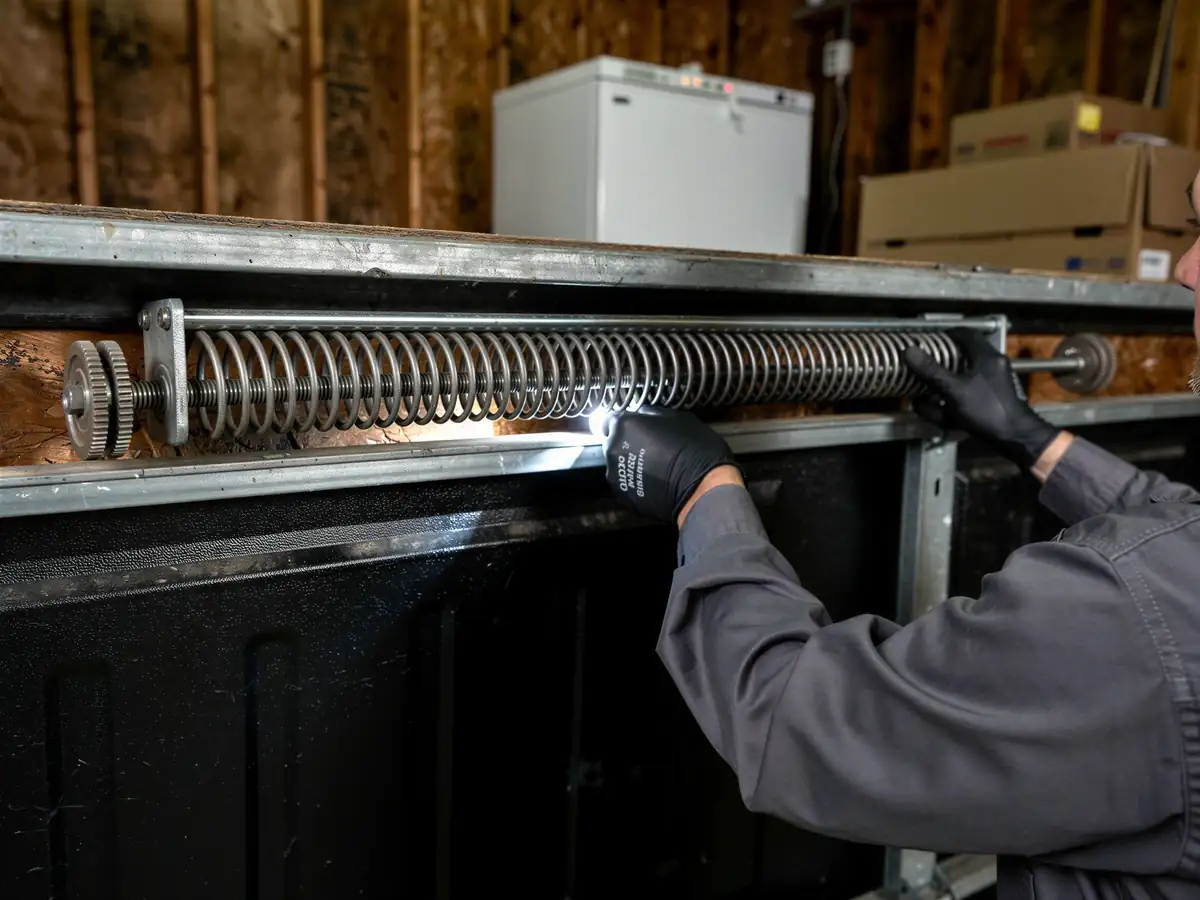
Most of these jobs involve swapping out the track and spring system entirely rather than trying to reuse what's there - the torsion hardware from that period wasn't built for today's heavier insulated panels, and trying to marry new door to old springs is how you end up with a door that slams or won't hold position.
We also factor in the area's income profile when we talk options. Median household income here runs around $66,324, noticeably below the wider service area's $85,625, and we don't push the top-tier insulated steel line on every job - we show you what fits the budget and what the house actually needs, which for this climate band (moderate heat, not extreme) usually means a mid-grade door does the job fine without paying for R-values you won't use.
Can You Do This Yourself
New door installation is not a weekend DIY job, full stop - not here, not anywhere. The springs alone carry enough tension to break a finger or worse, and getting the track plumb on an opening that's been settling since 1981 takes more than a level and a Saturday.
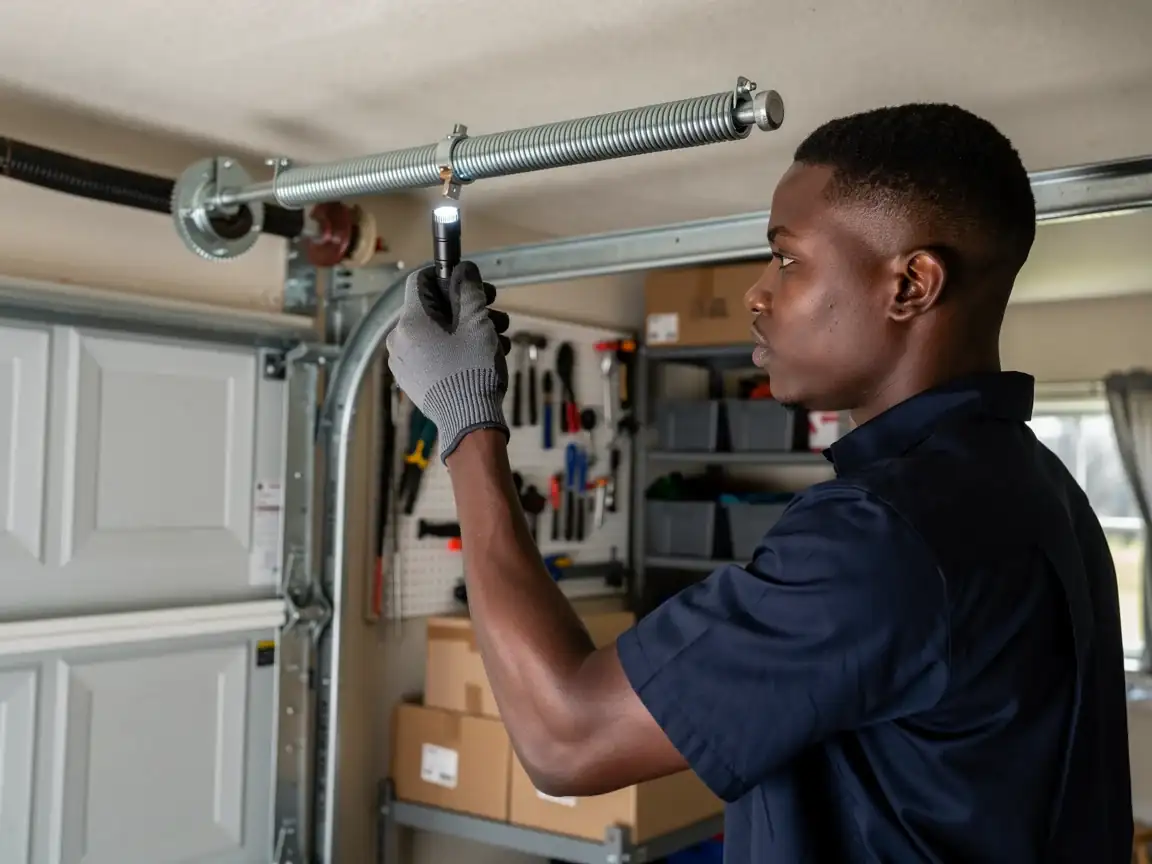
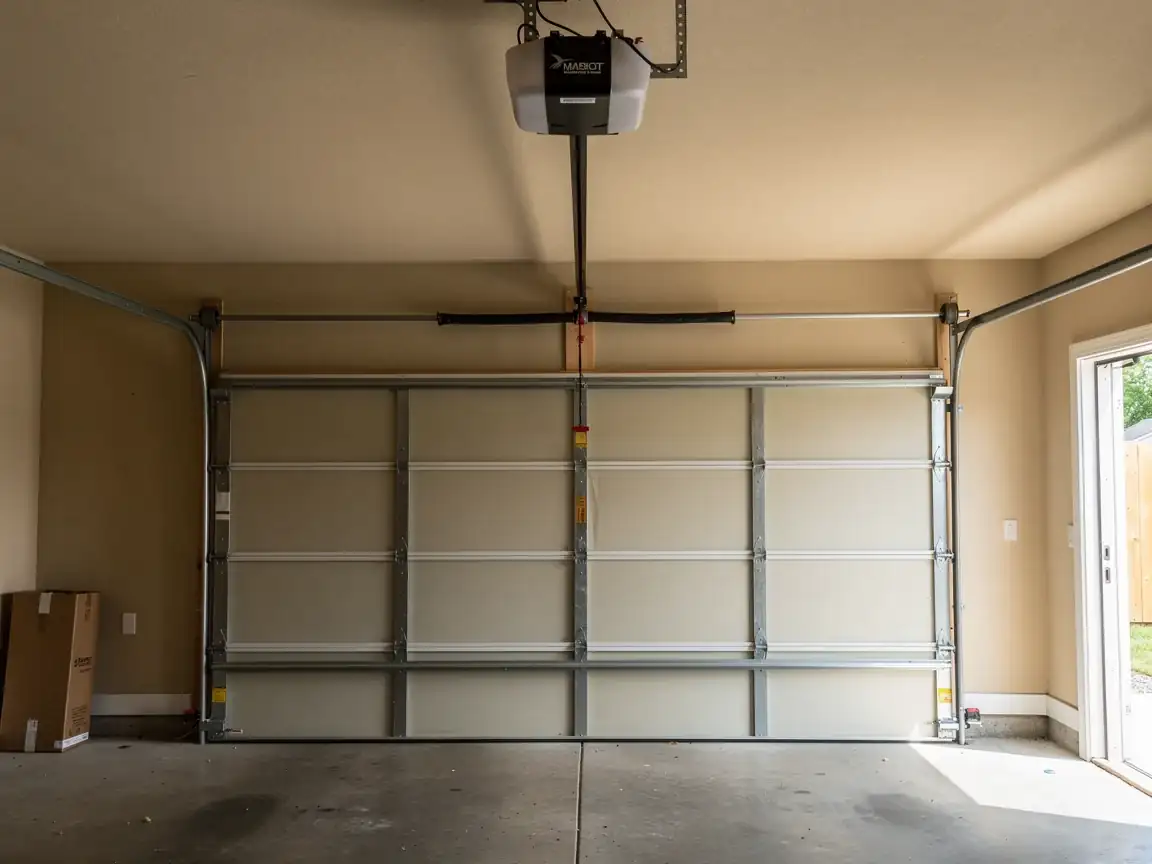
What you can do yourself: measure your current opening width and height, note whether the door is single or double, and take a photo of the spring setup (torsion bar above the door, or extension springs along the tracks). That saves time on the estimate call.
What you shouldn't do yourself: disconnect or adjust torsion springs, cut into framing to widen an opening, or wire a new opener into an existing circuit without checking the breaker rating. If your house is one of the 11,305 households in this area with original electrical from the build era, that last one matters more than people think.
Why This Fails Locally
The failure pattern in Cleburne is different from what we see on newer builds elsewhere in the service area
Houses from 1981 were framed for lighter doors than what's sold today - single-layer steel or even wood panel doors on lighter-duty springs. When a homeowner replaces an old door with a heavier insulated model but keeps the original spring and opener, the opener burns out early, sometimes within a year, because it's lifting more weight than it was built for.
We see this most on houses where someone did a straight door swap without touching the spring system
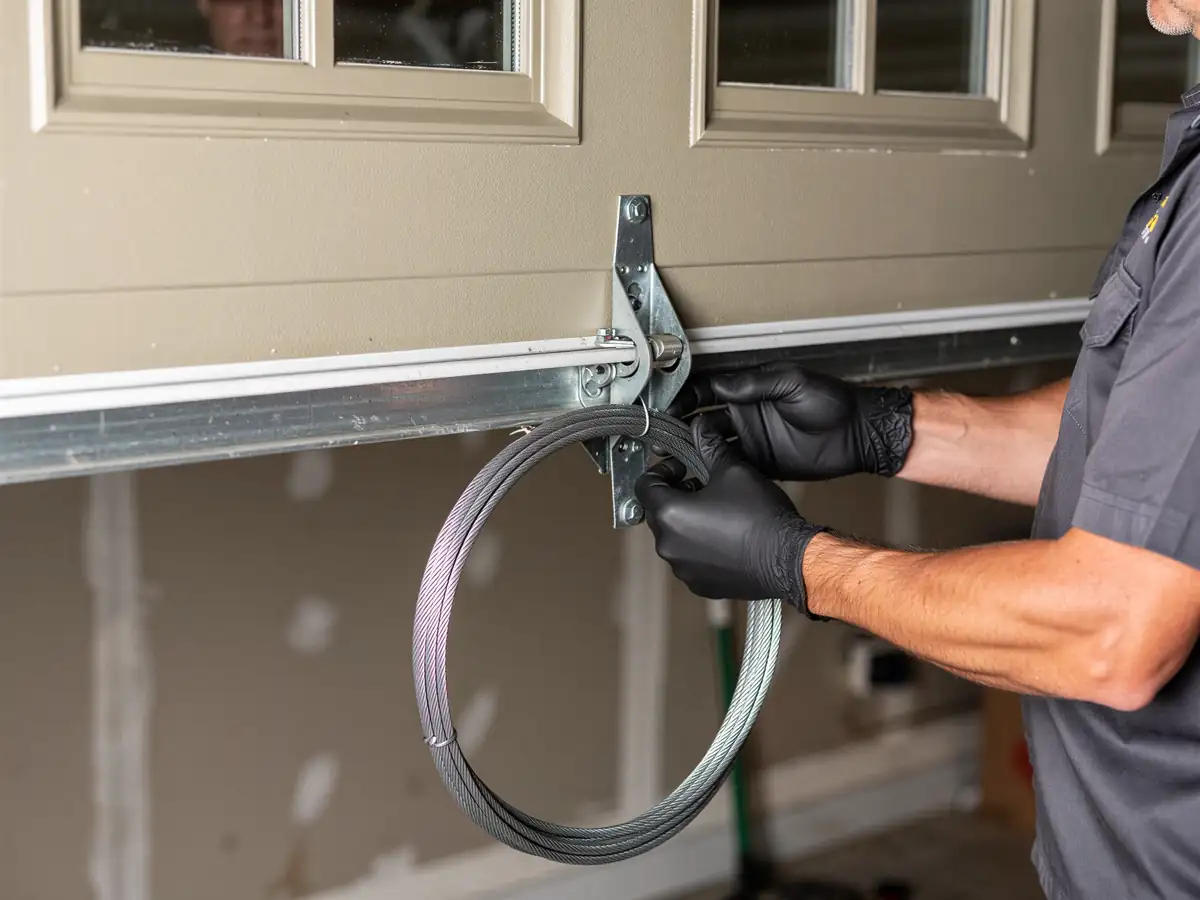
It looks fine for a few months. Then the opener starts straining, the door reverses on its own, or the cables fray faster than they should.
The honest limitation here
If your opening or framing is non-standard for the era, we may need a second visit to source hardware that matches, since not every supplier stocks older-spec track rail. We'll tell you upfront if that's the case rather than guess on-site.
How It Shows Up
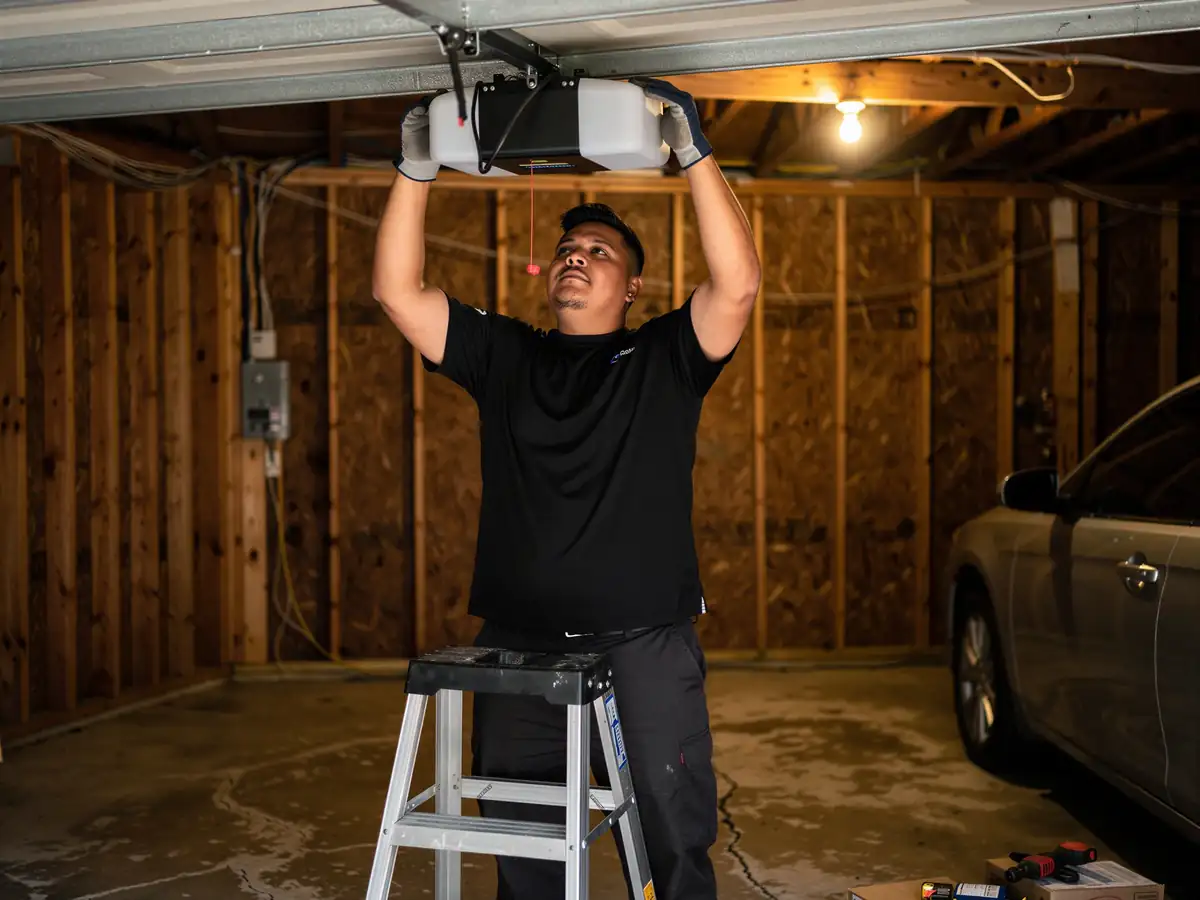
On a lot of Cleburne houses, the first sign isn't the door at all - it's the opener working harder than it should, a grinding sound on the way up, or the door catching halfway and reversing. That's usually the mismatch between an older frame and newer hardware showing itself.
On houses that still have the original door and track from the 1980s build, the tell is different: visible rust on the torsion spring coils, a track that's pulled slightly away from the jamb, or rollers that have gone from steel to a worn nylon stub. None of that is an emergency, but all of it is a sign the install is due, not just a repair.
If you're not sure which camp your house falls into, we can tell you on the visit - we're not going to sell you a full replacement if a spring swap or track realignment solves it.